“A Crisis of Character: How Te Pāti Māori’s Co-Leader Chose Power Over People” - 25 January 2026
Kia ora Aotearoa,
I hope that your Sunday is proceeding as you will.
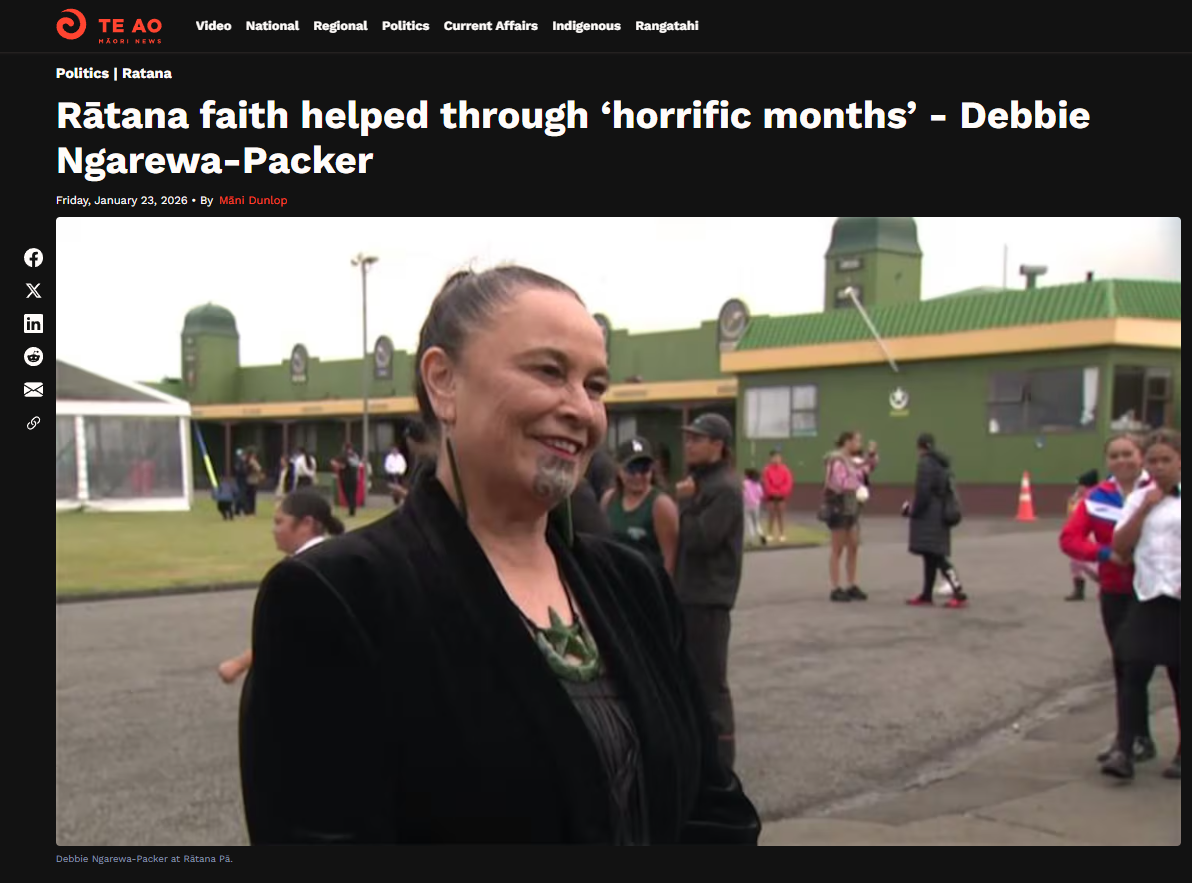
Debbie Ngarewa-Packer stands at Rātana pā in January 2026, speaking of faith carrying her through “horrific months,” as if she were a bystander to the wreckage rather than one of the architects.
But the record tells a different story—one of a co-leader who, when forced to choose between protecting people and protecting power, chose power every single time. From the moment her party president John Tamihere contradicted her on live television and she said nothing, to the unlawful expulsion of two MPs using a process a High Court judge found breached their own constitution, to her conspicuous silence while a dead colleague’s whānau spoke of “matters long carried in silence,” Ngarewa-Packer’s leadership has been defined by what she failed to do. She is not a victim of Te Pāti Māori’s crisis. She is complicit in it.
This is the anatomy of that complicity. It is the story of how a party that won six Māori seats on a mandate to challenge the status quo instead replicated every dysfunction of the systems it promised to fight—centralised control, silenced dissent, loyalty prized over accountability, faith invoked to justify the trampling of tikanga.
And it is the story of a co-leader who had every opportunity to break that cycle and chose instead to deepen it, all while wrapping herself in the language of restoration and healing. If you want to understand why Te Pāti Māori has collapsed from 7% polling to 1%, why nearly half of Māori voters no longer trust its leadership, and why the next generation of Māori MPs are considering leaving politics entirely, start here—with the choices Debbie Ngarewa-Packer made when it mattered most.
Debbie Ngarewa-Packer is Standing in the Ashes of a Crisis She Helped Light
Debbie Ngarewa-Packer is standing in the ashes of a crisis she helped light, clutching a Rātana hymnbook like a shield, and pretending the smoke is something that “just happened” to her rather than something she actively fed with bad choices and cowardly silence. The record shows a leader who talks about kaupapa and whakapono, but when it mattered most, protected the hierarchy, protected John Tamihere, and protected herself—never the people thrown under the bus or the tikanga she loves to quote in interviews.
Hiding Behind Faith While Dodging Responsibility
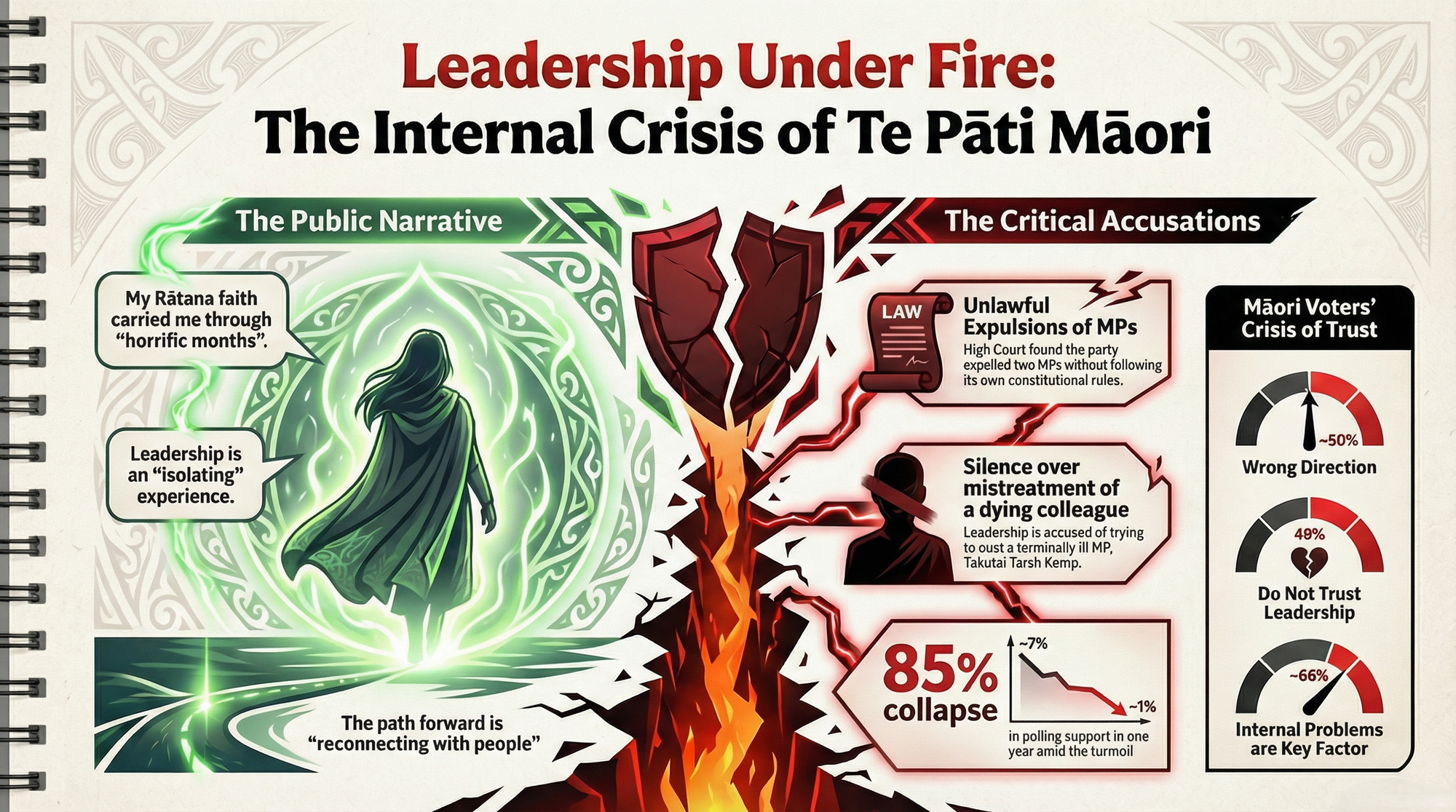
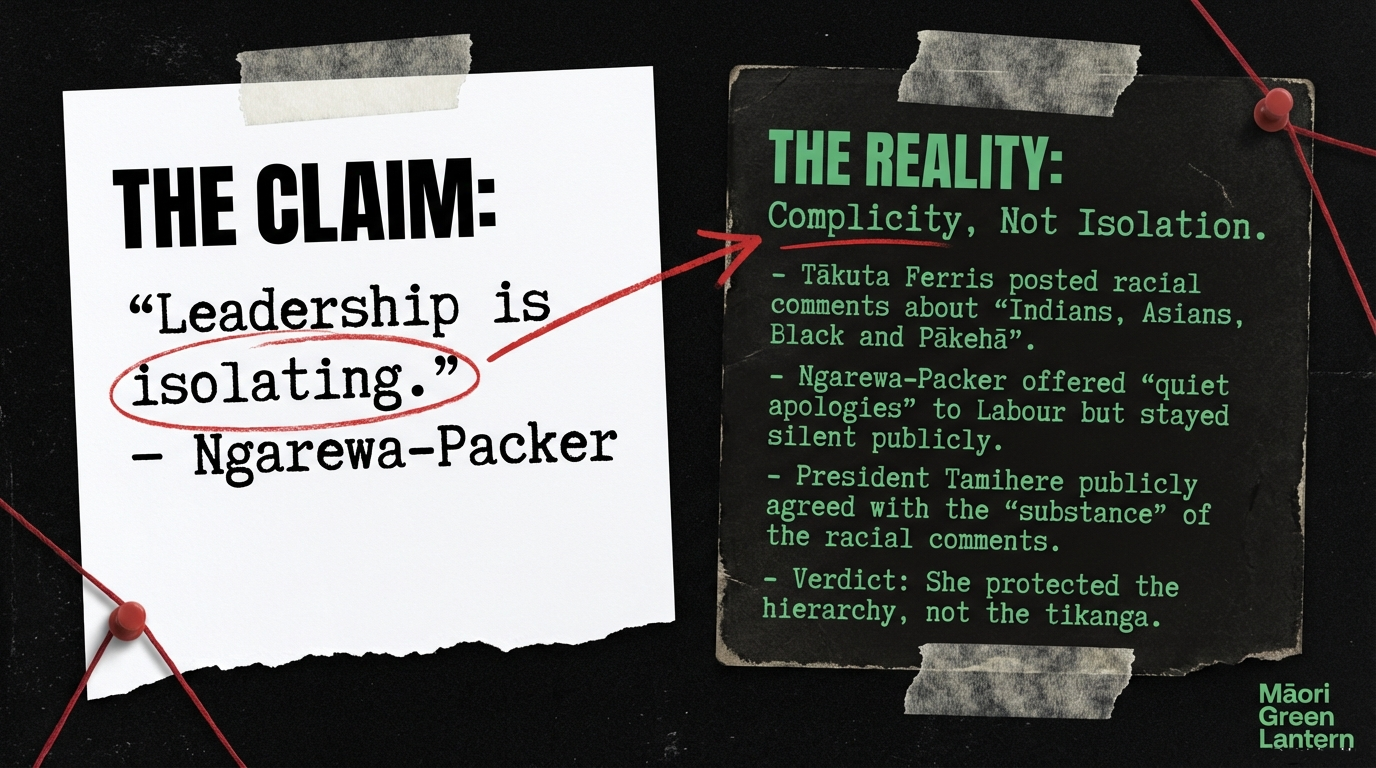
At Rātana 2026, as reported by Te Ao News, Ngarewa-Packer says her Rātana faith “carried her through horrific months,” and that leadership is “isolating,” as if she’s some passive victim washed around in a storm. That’s not isolation; that’s self-inflicted distance from accountability. While she leans on Rātana language about integrity and whakapono, the same months she calls “horrific” were ones where:
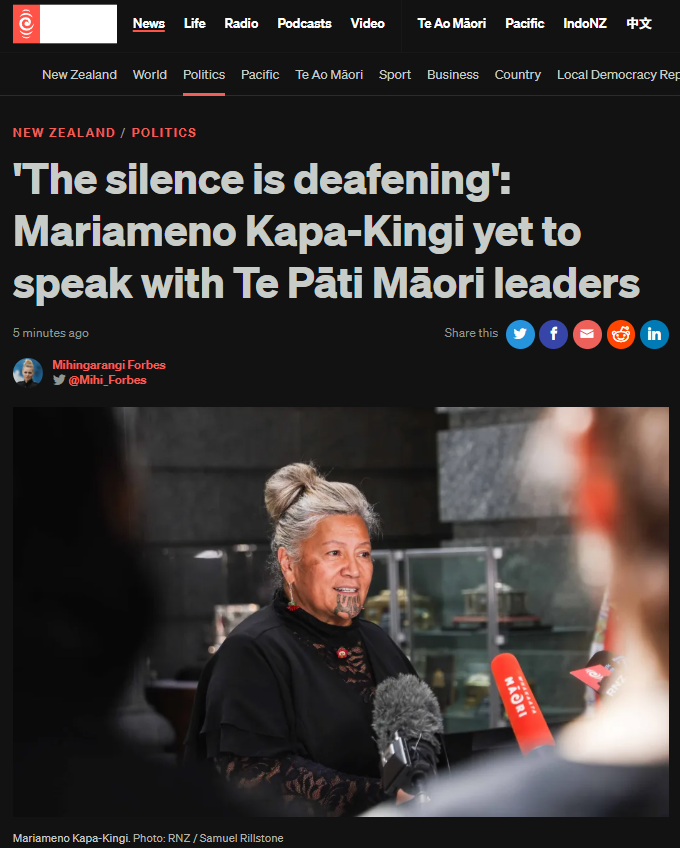
- Her party rammed through an unlawful expulsion of two MPs using a process a High Court judge says plainly did not follow the party’s own constitution, as 1News reported when Justice Radich reinstated Mariameno Kapa-Kingi pending a full hearing.
- She stood beside Rawiri Waititi and defended those expulsions as “rigorous,” while refusing to explain how ignoring their own Kawa could ever be called discipline, according to RNZ’s coverage of the November 2025 announcement.
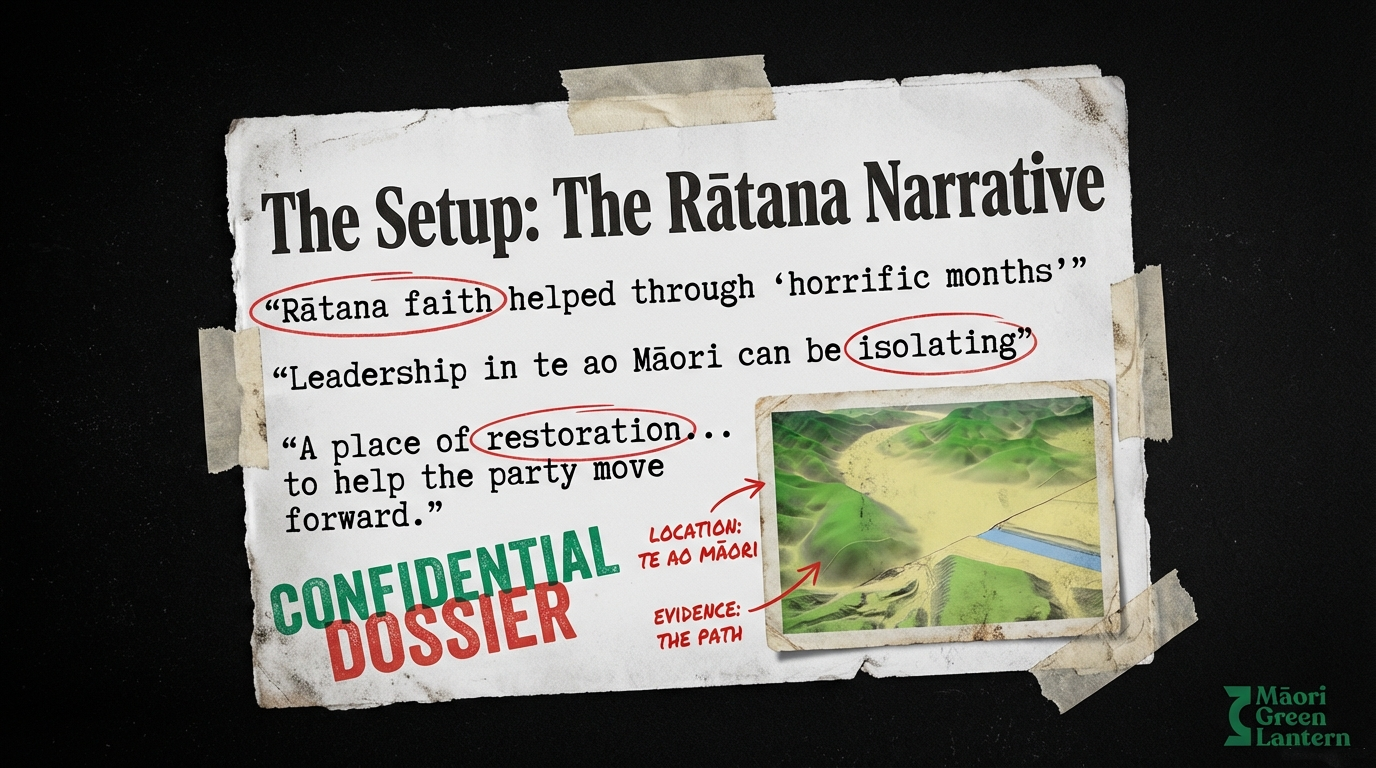
Invoking faith in public while refusing to own the concrete harms your leadership has caused is not mana; it’s camouflage. It’s an attempt to spiritualise what is, in reality, a straight political failure.
Loyal to the Machine, Not the People
Over and over, the pattern is the same:
when forced to choose between people and the machine, Ngarewa-Packer sides with the machine.
When Tākuta Ferris posted ugly, racialised comments about “Indians, Asians, Black and pākehā” campaigning in Māori seats in September 2025, RNZ reported she offered quiet apologies to Labour but did not front with a decisive public repudiation or clear sanctions. When party president John Tamihere turned around and said he agreed with the “substance” of those comments, shredding any coherent party line, RNZ documented she did not challenge him publicly.
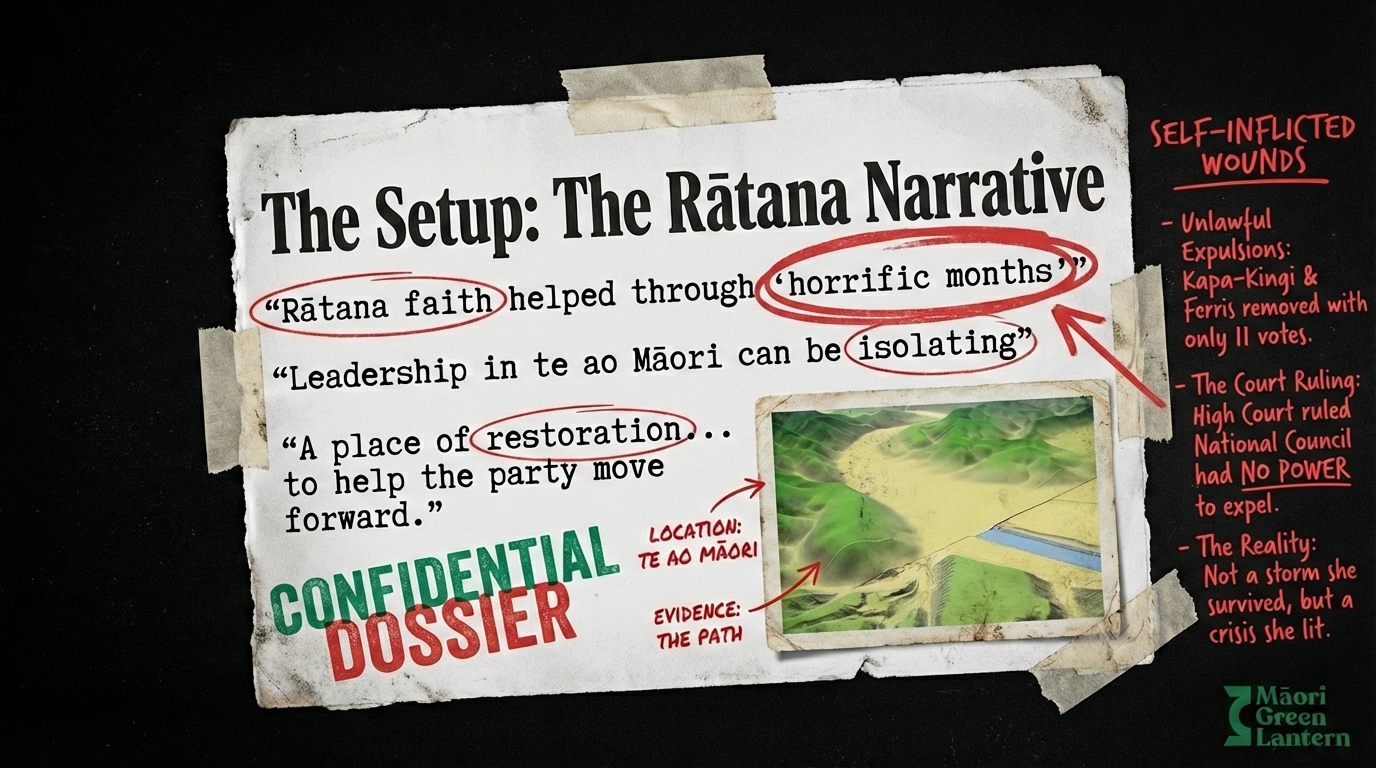
This is not someone “caught in the crossfire.” This is someone who watches her own president contradict her, knows the damage it’s doing to relationships and credibility, and still refuses to draw a line. That’s complicity.
Meanwhile, the Waipareira–Tamihere network wraps itself through the party, as The Listener detailed in a June 2024 investigation:
Tamihere is Waipareira CEO, Whānau Ora Commissioning Agency CEO, and Te Pāti Māori president; his daughter Kiri is married to co-leader Waititi and runs the party as general manager; multiple electorate executives and staff are Waipareira employees. Stats NZ and regulators have scrutinised this web over census data use and campaign funding, including a $385,000 charitable loan clawback. Through it all, 1News reported Ngarewa-Packer plays the loyal soldier, presenting a “unified” front to shield Tamihere rather than confronting the glaring conflicts of interest.
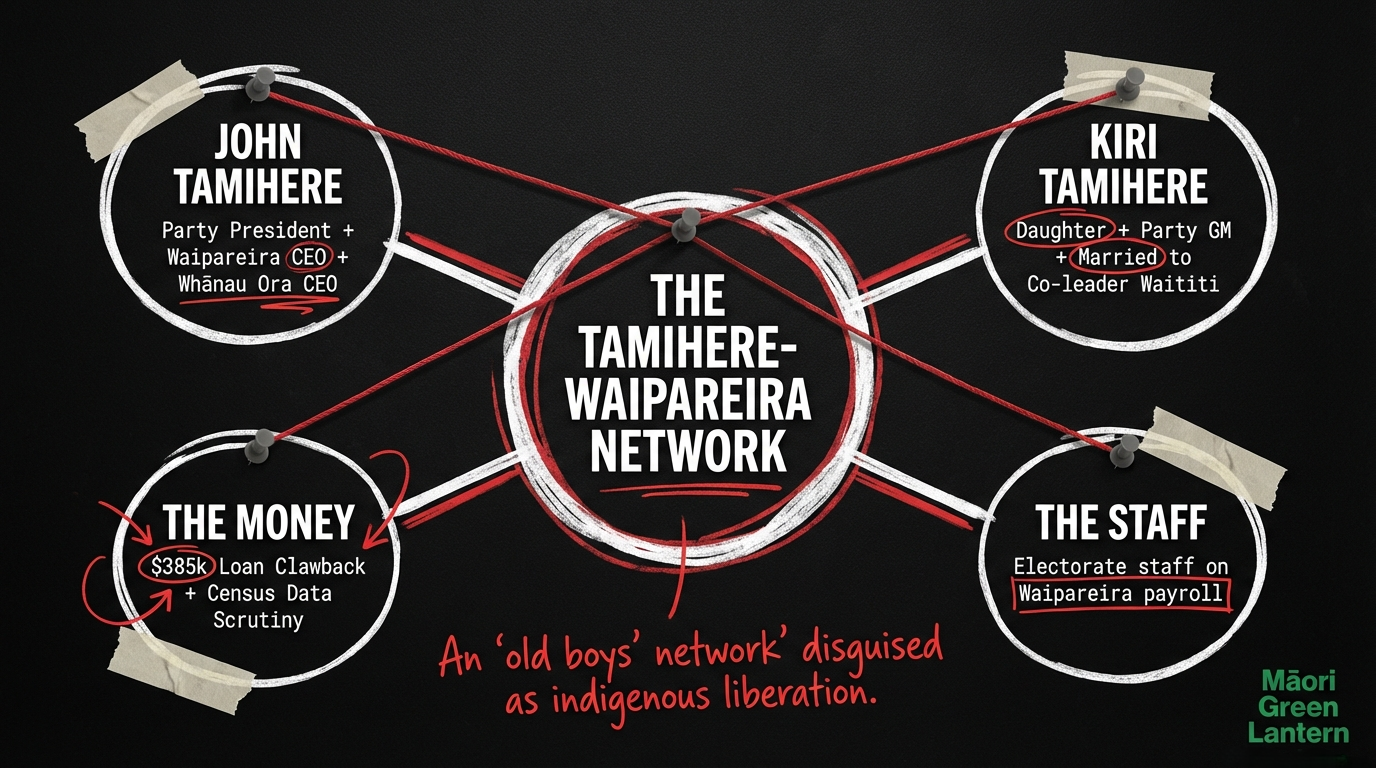
You can’t claim to stand against neoliberal capture of Māori institutions while defending, to the last, a power structure indistinguishable from every old boys’ network we’ve ever fought.
The Kemp Story: Manaakitanga in Name Only
The clearest moral test of leadership is how you treat your most vulnerable. Here, the allegations around Takutai Tarsh Kemp are devastating.
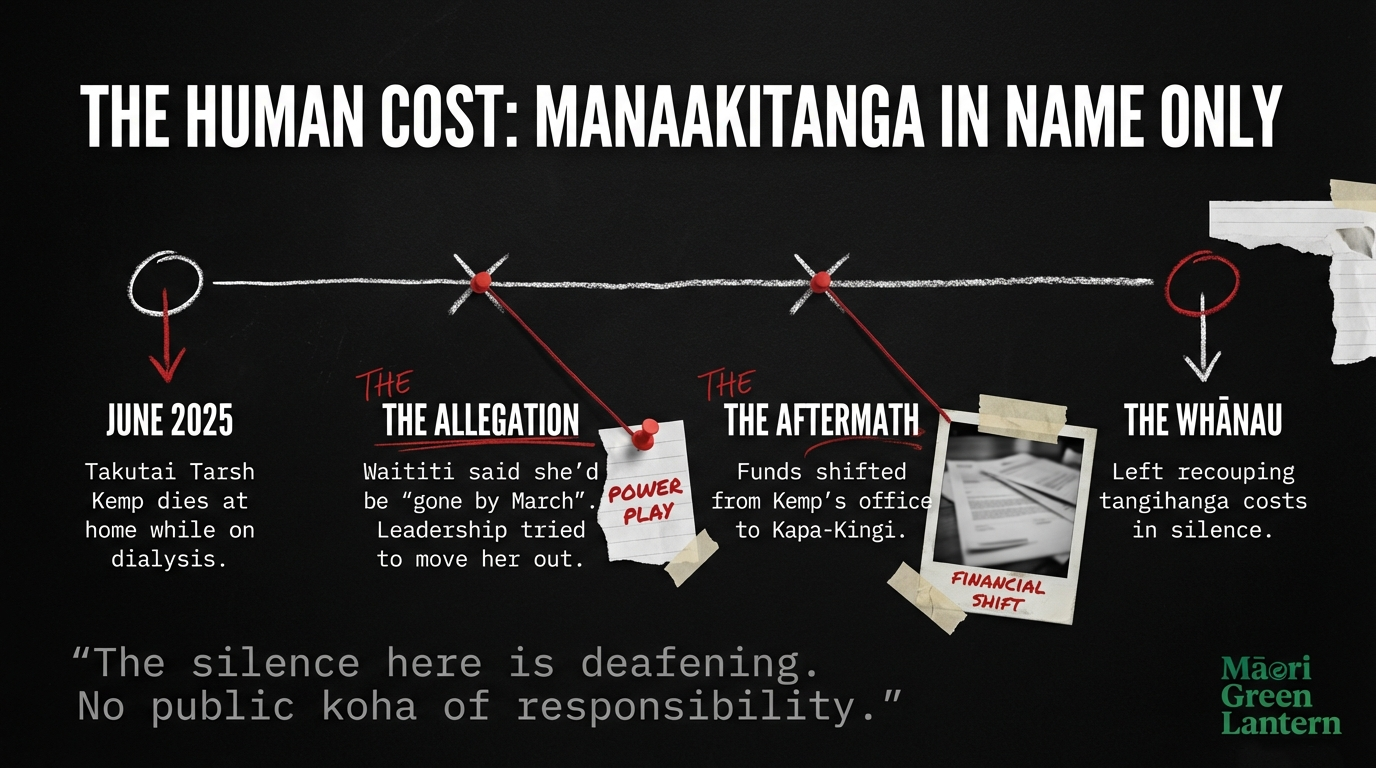
Kemp, on dialysis, died at home in June 2025. In a November YouTube interview, Ferris alleged leadership tried to “move Takutai out, get rid of her,” and that Waititi said she’d be “gone by March”—adding bluntly that this kind of thinking “comes out of JT’s w[ord].”
Parliamentary funds from Kemp’s office were shifted to Kapa-Kingi’s budget; RNZ reported the party’s own KC told the court Kemp was “clearly not happy,” pointing to her text with a sad-face emoji. Kemp’s whānau later said, as the NZ Herald noted, that Ferris’ interview “brought clarity to matters long carried in silence,” and that they were still “recouping the costs of her tangihanga.”
In all of this, Ngarewa-Packer is conspicuously silent. No full accounting. No humble admission of failure. No public koha of responsibility. She wraps herself in Rātana rhetoric about restoration while a dead colleague’s whānau speak of carrying “matters long in silence” and footing the bill for her tangihanga on their own.
That’s not a leadership gap. That’s a values collapse.
Shredding Tikanga and Then Calling It a “Reset”
The expulsion of Mariameno Kapa-Kingi and Tākuta Ferris is where the gap between Te Reo and reality becomes unignorable.
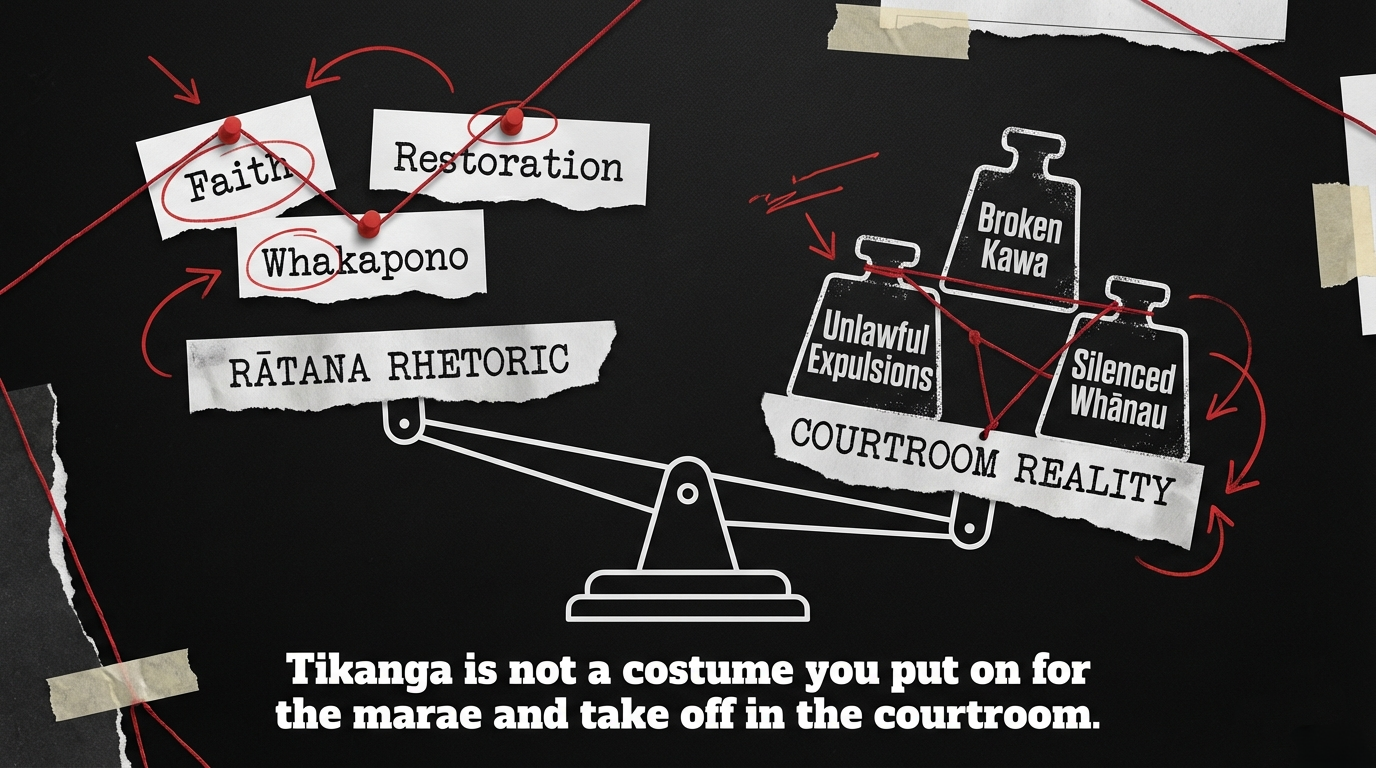
Te Ao News reported that the Kawa sets out a detailed disputes process, including a Disputes and Disciplinary Committee and wide branch involvement; that committee was never even established. Only 11 votes were used to expel the two MPs, with Te Tai Tokerau—the very electorate that mandated Kapa-Kingi—excluded entirely, according to RNZ. Justice Radich found “serious questions to be tried,” and held that the National Council simply did not have the power to expel MPs under the party’s own rules, as 1News confirmed.
Yet, as RNZ documented, Ngarewa-Packer stood there and insisted it was all proper and “rigorous,” and when pressed for detail, she essentially said: you’re not getting it. Then at Rātana, she wants to talk about isolation and hardship and healing.
Tikanga is not a costume you put on for the marae and take off in the courtroom. If you trample your own kawa in pursuit of a purge, then cry “horrific months” without owning your hand in that trampling, you are not protecting kaupapa—you’re vandalising it and demanding sympathy for your sore hands.
Collapsing the Waka, Then Blaming the Tide
Look at the impact:
Polling drops from around 7% to 1% in a year—an 85% collapse, according to Centrist analysis. RNZ reported on a December poll showing nearly half of Māori voters say the party is headed in the wrong direction, and around two-thirds say internal problems are a key factor in their vote. The same poll found 48% of Māori voters surveyed say they simply do not trust the leadership.
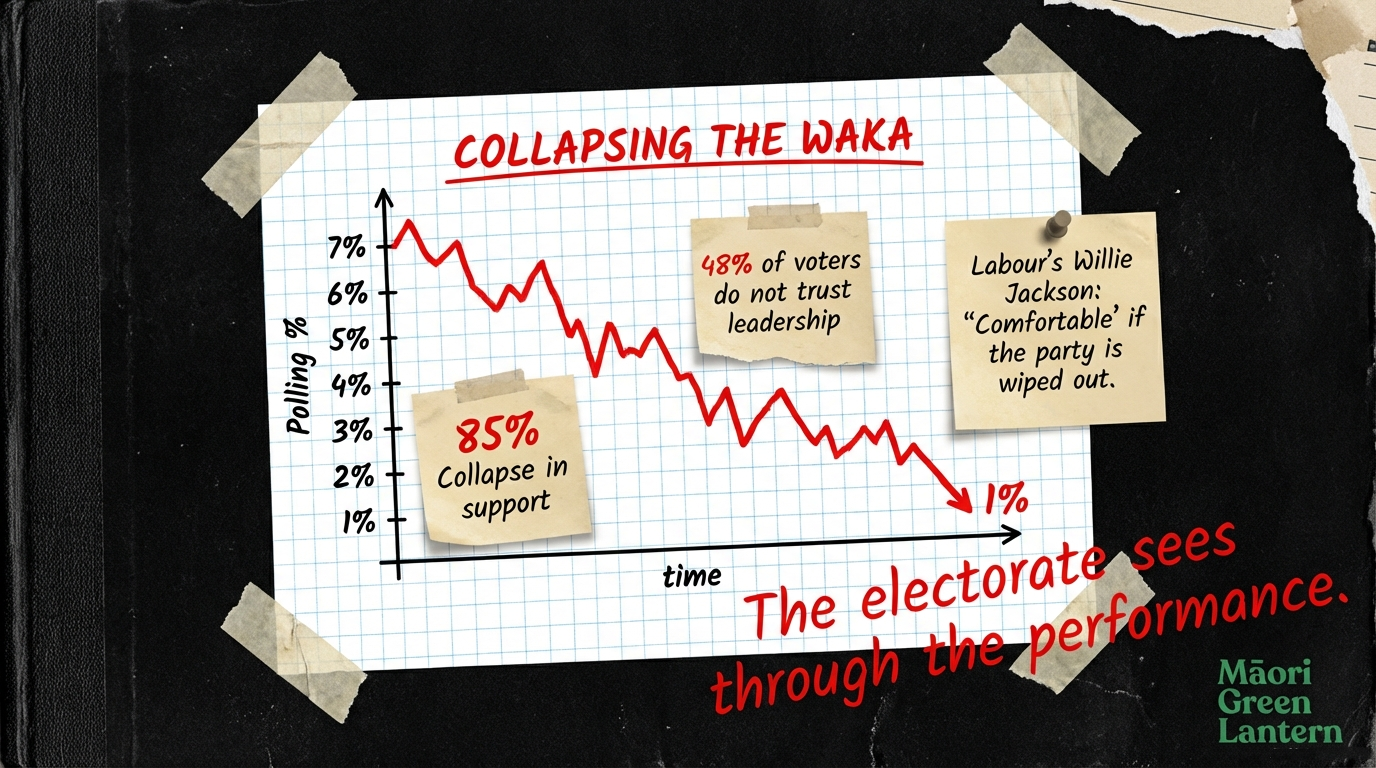
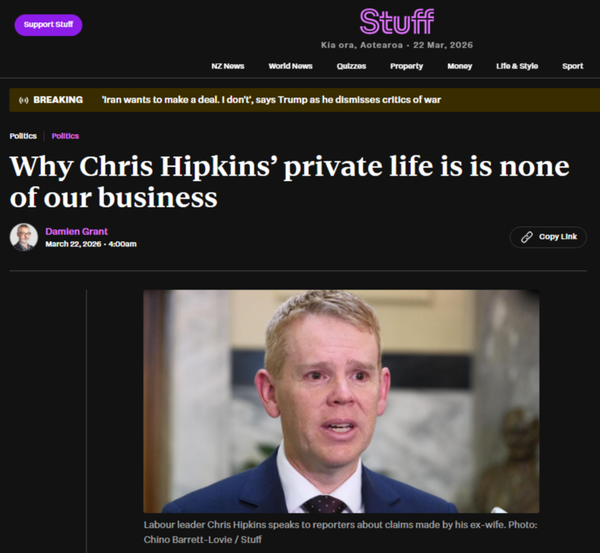
This is not “a hard season.” This is a failure so large it risks handing every Māori seat back to establishment parties that openly say they would be quite happy to see Te Pāti Māori destroyed. RNZ documented Labour’s Willie Jackson literally saying he’s “comfortable” if Labour’s campaign wipes the party out. RNZ reported Hipkins calling Te Pāti Māori a shambles and not ready for government.
And what is Ngarewa-Packer’s answer? As the NZ Herald documented, to call it an “unnecessary distraction,” talk about how much it hurt her personally, and insist that things are resetting and steadying. The waka is taking on water; instead of plugging the holes, she’s on deck running a karakia about how hard it is to be wet.
Silencing Dissent, Bleeding the Next Generation
Hana-Rāwhiti Maipi-Clarke—arguably the most exciting Māori political figure of her generation—eventually broke her silence only to say: “You are all in the wrong.” She described the whole mess as like being a kid in the middle of a parental divorce, telling 1News she wanted to give them all “a hug and a hiding.” She also said, as Te Ao News reported, the most important line in this whole saga: “No one has taken ownership for the situation.”
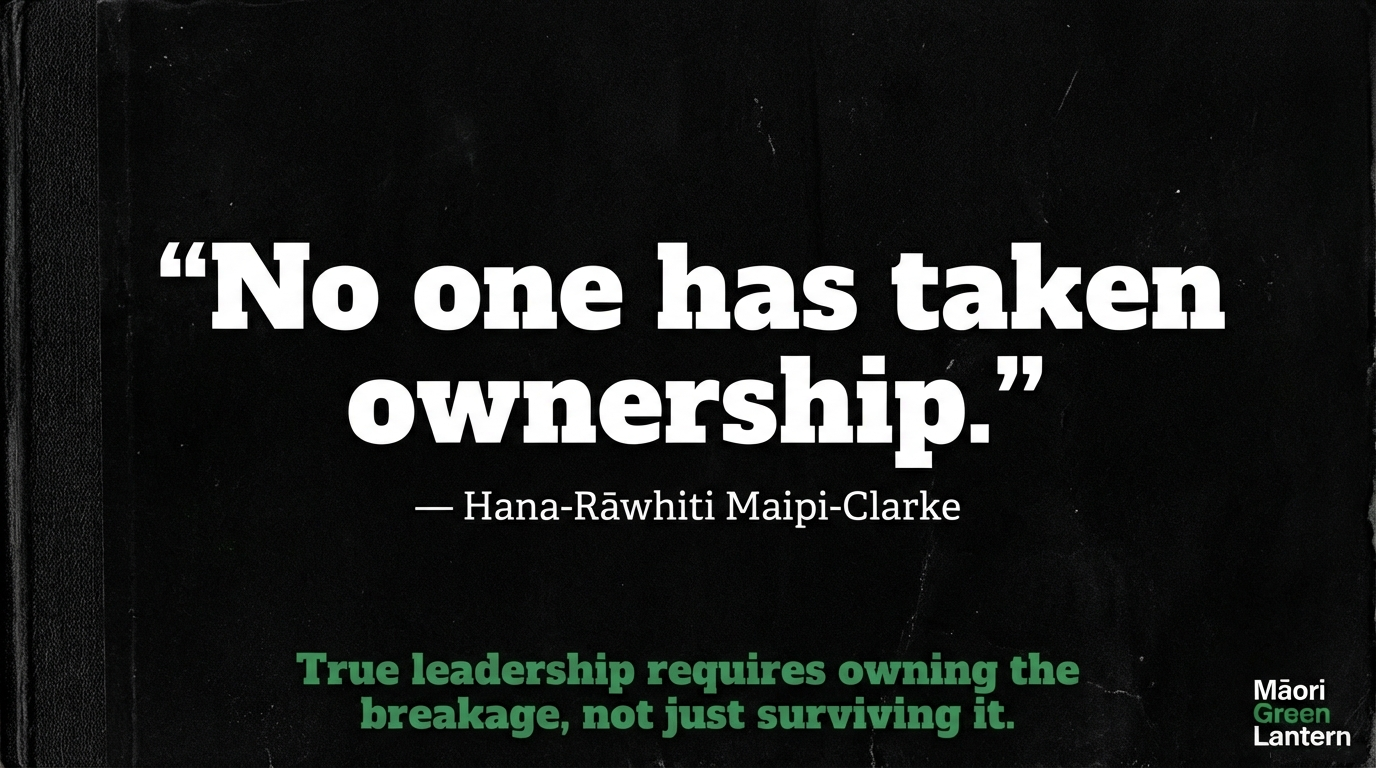
That’s the indictment Ngarewa-Packer has earned. Not that she is uniquely evil, but that she is in a core leadership group that will not admit its own part in the damage. Hana still tries to show loyalty, still calls for unity, still keeps the door open to the current leadership—but she also has to call a hui so her electorate can decide if she should even stay in politics.
If your leadership style is exhausting your own brightest talent to the point they’re thinking of walking away, while you continue to duck responsibility, you’re not “isolated.” You’re the isolator.
At the AGM, RNZ reported Ngira Simmonds openly asked whether Tamihere, Waititi and Ngarewa-Packer are the right people to unify the party, saying everyone is responsible, but the hurt is real and still happening. Even then, the response from leadership is to frame criticism as part of a “double whammy” where Māori attacking the party is equated with Crown attacks. That’s how deep the bunker mentality now runs: critique from your own people becomes part of the “attack.”
Ngarewa-Packer keeps presenting herself as the one carried through the storm. In reality, she’s one of the navigators who steered Te Pāti Māori directly into the rocks, then insists we all respect how bruised she feels.
The Bottom Line on Packer
Yes, Ngarewa-Packer is part of the problem—central to it.
- She chose loyalty to a tangled, Waipareira-centred power structure over loyalty to transparent Māori governance.
- She chose an unlawful, opaque purge over hard, tikanga-consistent dispute resolution.
- She chose silence over a dying colleague’s dignity and her whānau’s truth.
- She chose media defensiveness and spiritual rhetoric over clear confession and repair.
And she still positions herself as the one who was “carried through” the horror, rather than the leader who helped cause it.
If she truly believes in Rātana and tikanga, the most tika thing she could do now is stop hiding behind faith and admit plainly: We broke trust. We broke our own kawa. We broke people. Then step back from the front line, so the next generation—those she is burning out—can rebuild something that actually matches the kupu they speak.
Supporting Accountability Journalism on Te Pāti Māori
This essay required tracking a complex internal crisis across months of reporting—court documents, media archives, leaked communications, and the testimony of people who were silenced or sidelined. It required holding power to account when institutions prefer silence.
Every koha signals that whānau are ready to fund the accountability work that Crown structures, corporate media, and party loyalists will not provide. It signals that tino rangatiratanga includes the power to fund our own truth tellers—the ones willing to name what happened and why it matters.
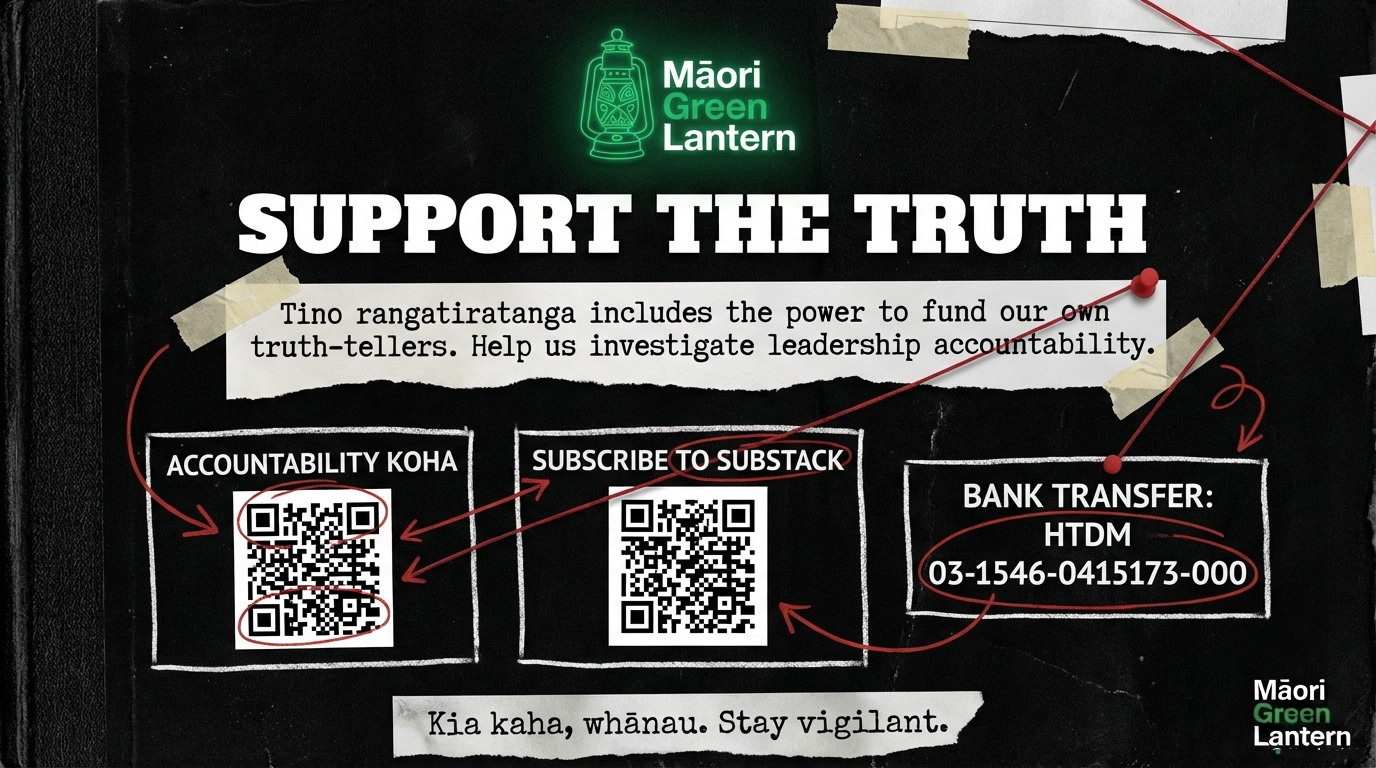
Te Pāti Māori’s collapse is not just a story about one party. It’s a warning about what happens when Māori organisations replicate the very power structures we fought to escape—centralised control, silenced dissent, whānau left to carry the costs of leadership failure, and faith invoked to justify the trampling of tikanga.
Kia kaha, whānau. Stay vigilant. Stay connected. And if you are able, consider a koha to ensure this voice continues.
Three pathways exist:
For those who wish to support this mahi directly with a koha (voluntary contribution) to fund ongoing investigation into leadership accountability and institutional failure in Māori politics, please visit the Koha platform:
Support Accountability Journalism - Koha Platform
For those who wish to receive essays directly and support through subscription to ensure regular deep analysis of Māori political leadership and institutional governance, join the Substack community:
Subscribe to the Māori Green Lantern on Substack
For those who prefer direct bank transfer, account details are: HTDM, account number 03-1546-0415173-000.
Your koha funds the research, the follow-up, the documentation that power would prefer stayed buried. It funds the writers willing to name what happened to Takutai Tarsh Kemp’s whānau, what was done to Mariameno Kapa-Kingi under a veneer of process, and why silence from co-leaders matters more than their faith statements.
Tena koe, e whakatoi nei.
Ivor Jones The Māori Green Lantern Fighting Misinformation And Disinformation From The Far Right