“Biblical Promotion of Moral Bankruptcy: How Shane Jones Became NZ First Deputy Leader Despite Taxpayer-Funded Pornography Scandal” - 18 September 2025
The Man Who Spent Your Money on Hotel Porn Just Got Promoted to Deputy Leader
Kia ora koutou katoa. Greetings to all of you.
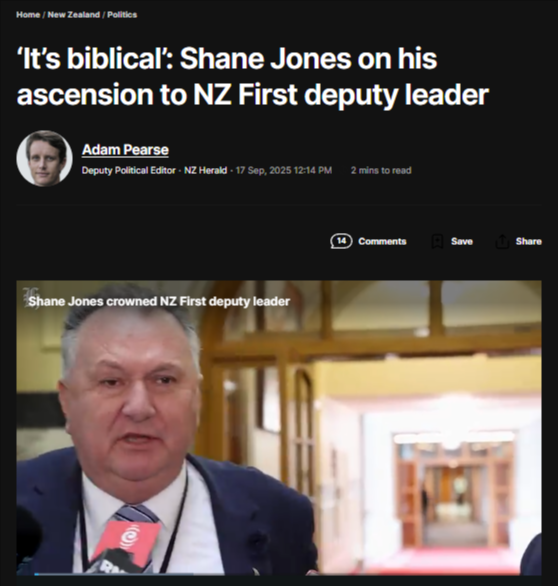
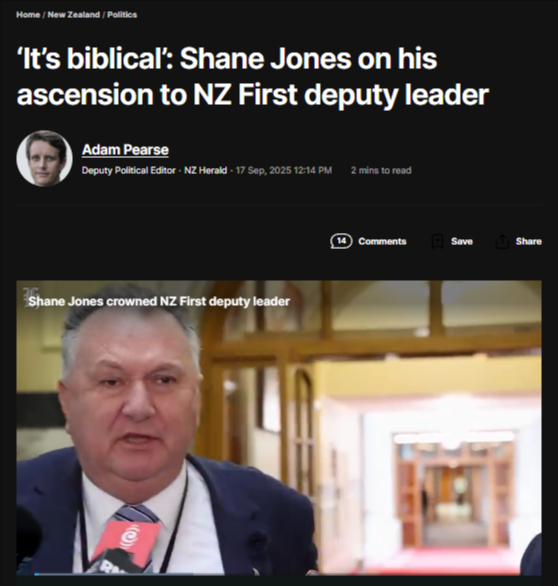
When Shane Jones calls his elevation to New Zealand First deputy leader "biblical," he's more right than he knows - this is the kind of moral inversion where the money changers end up running the temple. A politician who spent thousands of dollars of taxpayer money on hotel pornography, made racist attacks on Indian immigrants, and repeatedly failed to declare conflicts of interest has just been rewarded with the second-highest position in his party. For everyday New Zealanders struggling with the cost of living, watching a man who treated public funds as his personal pleasure account get promoted reveals everything wrong with our political elite.
This essay exposes how Shane Jones' appointment as New Zealand First deputy leader represents the complete moral bankruptcy of our political system, where scandal becomes a pathway to power rather than political exile. By examining his pattern of ethical failures through a Te Arawa Māori lens, we see how colonial power structures protect wealthy politicians while ordinary whānau face austerity. The promotion of this man who violated fundamental Māori values of manaakitanga (hospitality) and whakatōhea (integrity) while stealing from the public purse demonstrates how far our political system has drifted from serving the people.
The Pornography Scandal That Should Have Ended His Career
The heart of Shane Jones' political corruption lies in his admission to using ministerial credit cards for pornographic movies while staying in hotels on government business. Between 2007 and 2008, this supposed servant of the people charged up to 50 pornographic films to taxpayers, sometimes watching two in a single night while the public paid the bill. When exposed in 2010, he admitted to repaying about $5000 in inappropriate expenses but only after being caught.
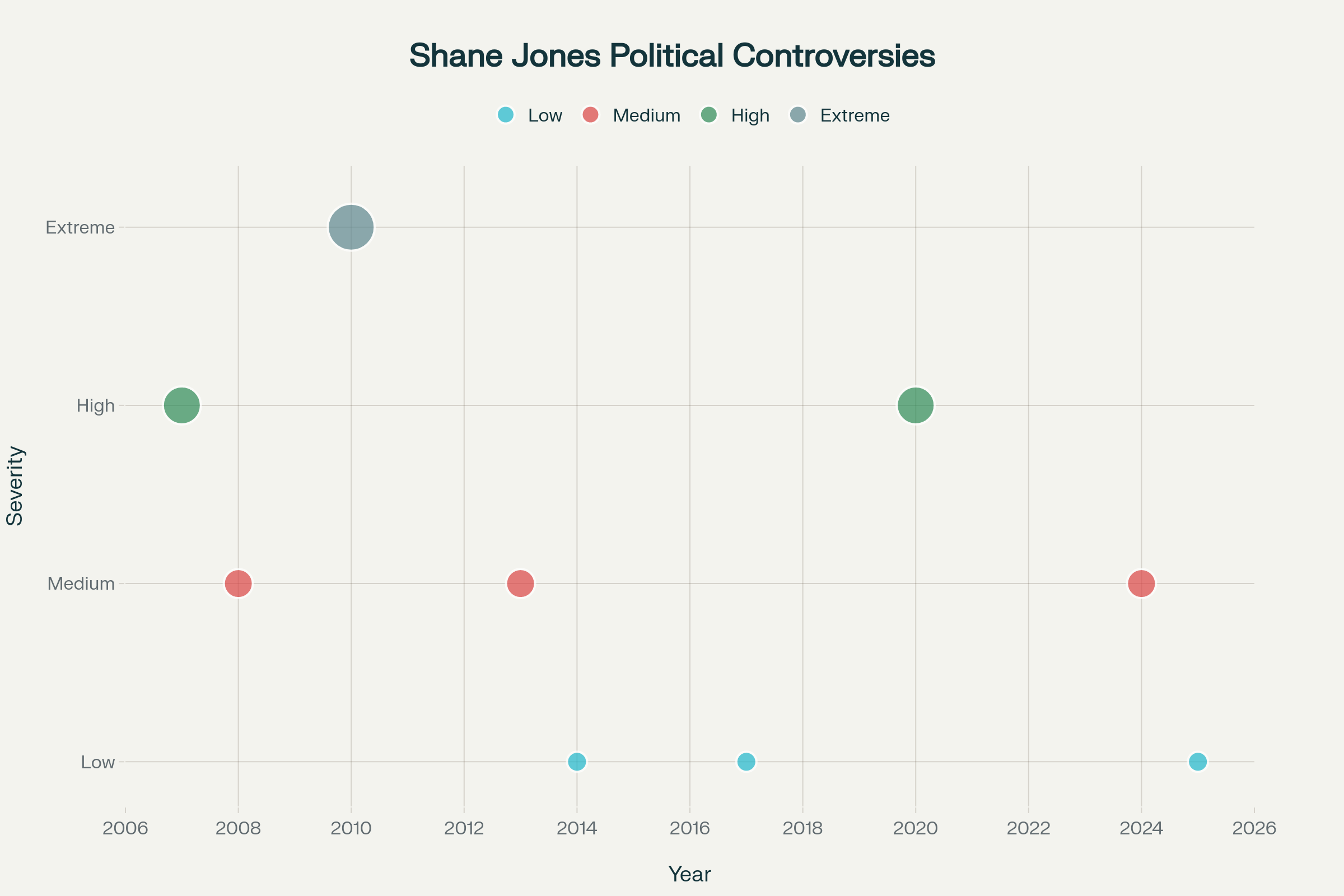
Shane Jones' Political Scandal Timeline: From Credit Card Porn to Deputy Leadership
This wasn't about personal morality - it was about theft. While working families struggled during the Global Financial Crisis, Jones was living it up in luxury hotels charging his pornographic entertainment to the public purse. The ministerial credit card agreement explicitly states cardholders shall not use the card for personal expenses except in emergencies, yet Jones treated taxpayer money like his personal slush fund.
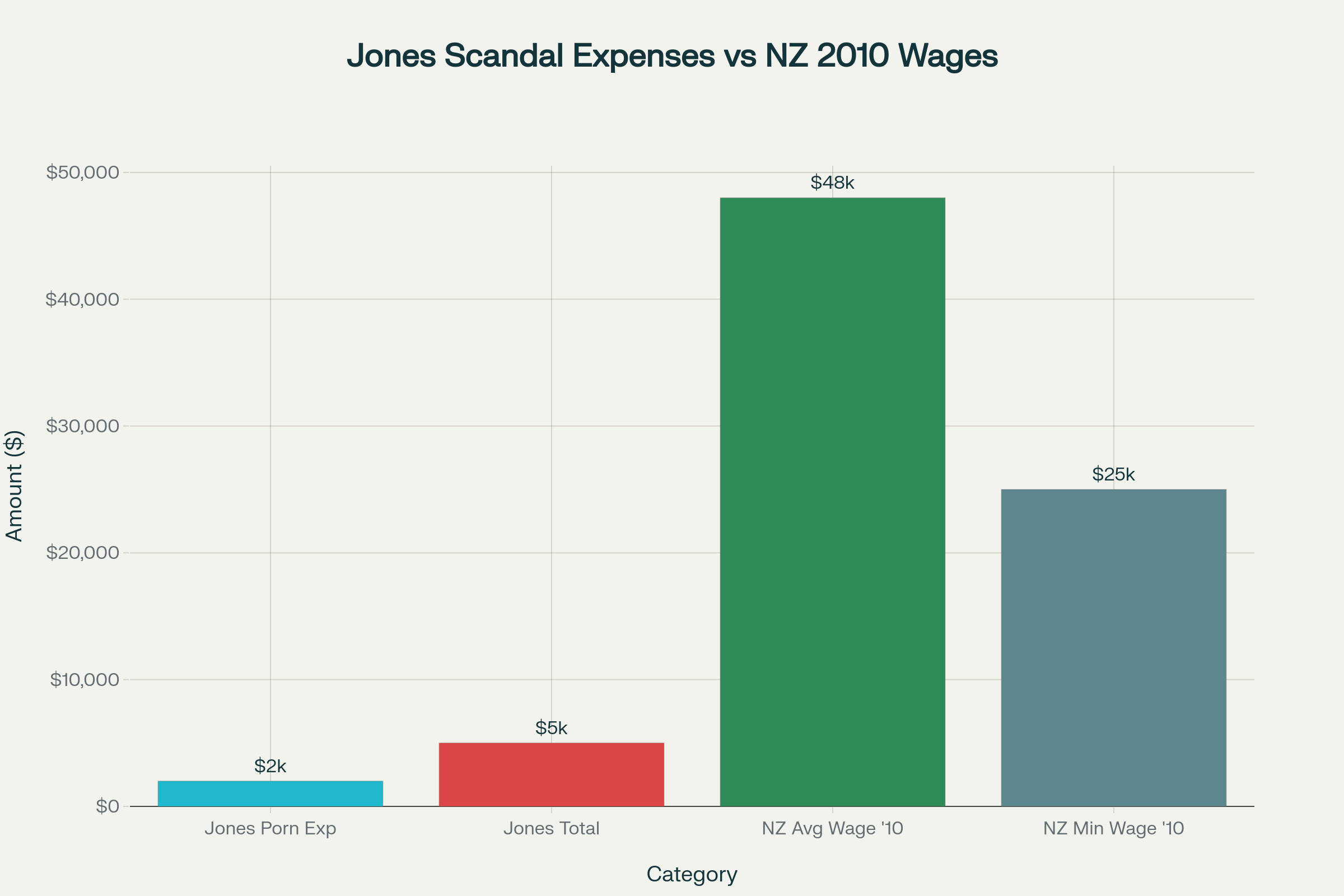
Shane Jones' Expenses vs Working People's Annual Wages (2010)
The scale of his abuse becomes clear when comparing his inappropriate spending to what ordinary New Zealanders earned. His $5000 in misused public funds represented a fifth of the annual minimum wage in 2010, while his pornography expenses alone could have fed a family for months. This is the man now being promoted as a leader.
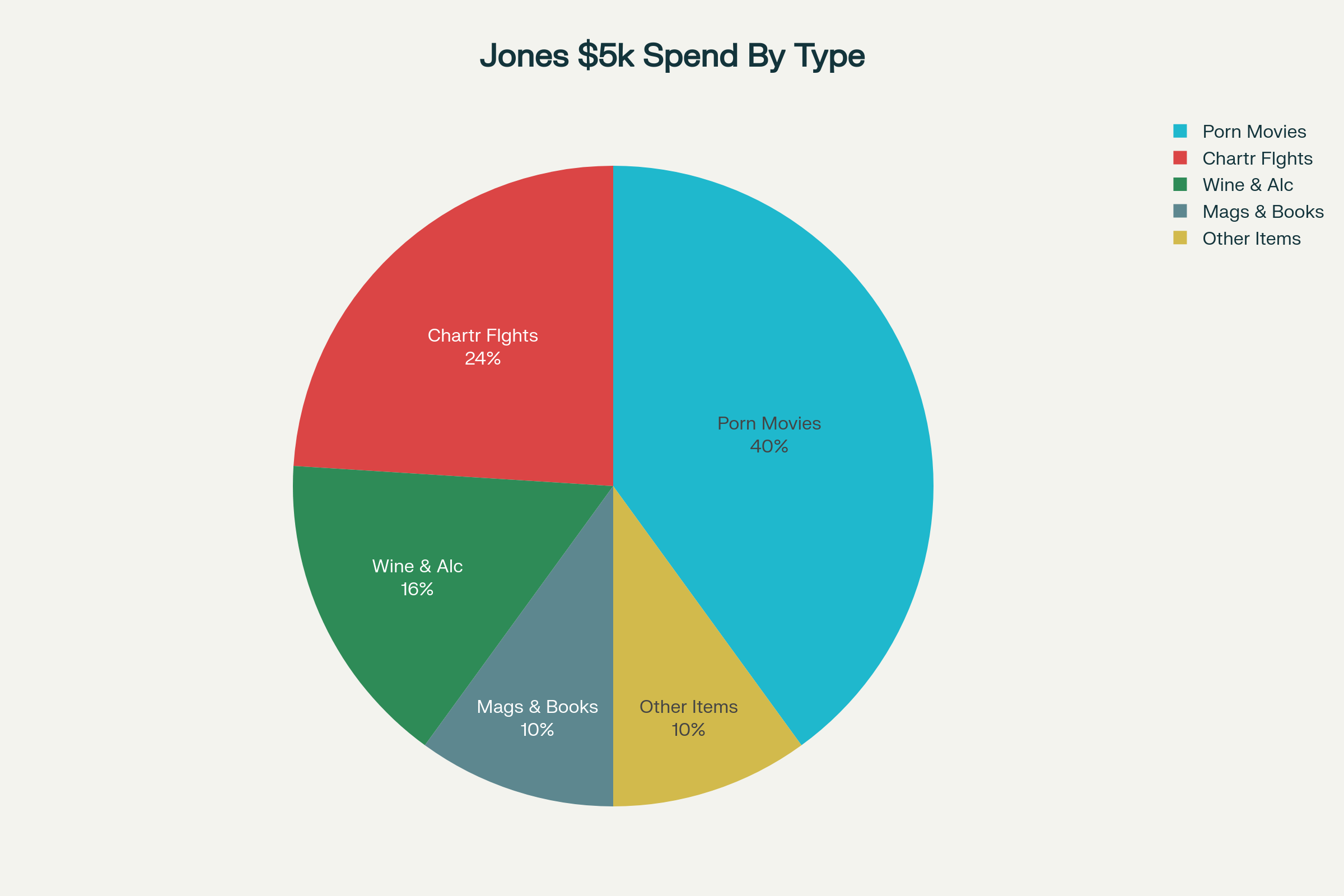
How Shane Jones Spent $5000 of Taxpayer Money on Personal Gratification
The Pattern of Elite Privilege and Moral Failure
Jones' pornography scandal was just the beginning of a career built on ethical failures and racist rhetoric. In 2020, he launched racist attacks on Indian students, claiming they had "ruined academic institutions" and telling Indian immigrants to "catch the next flight home" if they didn't like New Zealand's policies. When called out for racism, he doubled down, dismissing critics as "Ngāti Woke" and claiming he was speaking for the Indian community itself.
More recently, Jones failed to declare dinner meetings with mining company executives who were seeking fast-track approval for their projects - projects he had decision-making power over as Resources Minister. When exposed, he dismissed it as a "cock-up" rather than corruption, but emails revealed his staff had arranged the meetings in advance, making his "last-minute" explanation another lie.
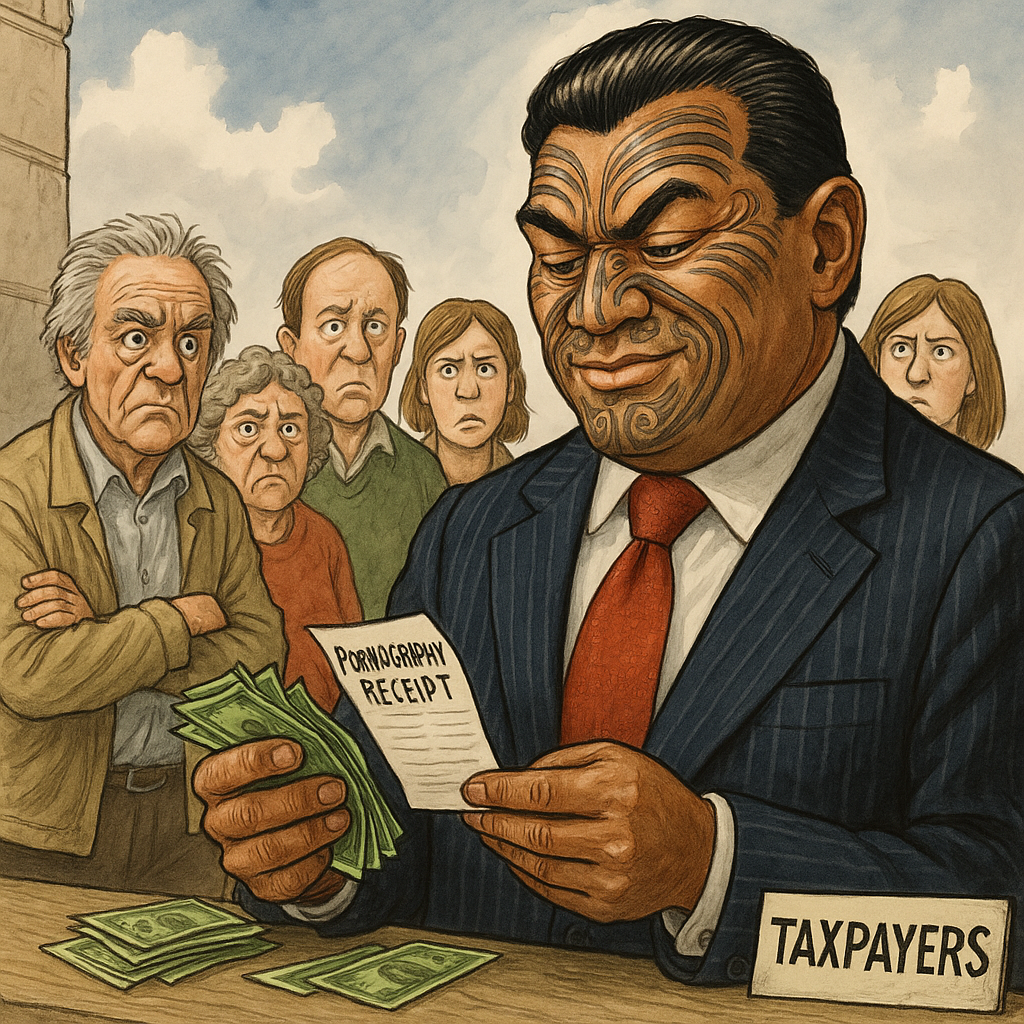
Shane Jones and his expense scandal
This pattern reveals how elite politicians operate under different rules than ordinary citizens. Any employee caught stealing from their employer would face dismissal and prosecution, yet Jones was merely demoted and eventually bounced back stronger than ever. The protection of corrupt politicians while working people face austerity exposes the class-based nature of our supposedly egalitarian society.
Māori Values Betrayed by Colonial Power Structures
From a Te Arawa perspective, Jones' behaviour represents a fundamental betrayal of Māori values and leadership principles. Manaakitanga requires leaders to care for their people's welfare, not steal from the public purse for personal gratification. Whakatōhea demands integrity and trustworthiness, qualities Jones has repeatedly violated through his scandals and lies. A true rangatira leads by example and puts the community's needs before their own desires.

Traditional Māori leadership representing true mana and integrity
Jones' elevation despite his moral failures reveals how colonial power structures have corrupted Māori political representation. Instead of challenging the system that oppresses our people, he has become its willing servant, using his Māori identity as cover for neoliberal policies that harm whānau and iwi. His racist attacks on Indian immigrants while ignoring the real causes of inequality - capitalism and colonization - serve only to divide working people and protect the wealthy elite.
The traditional Māori concept of utu (balanced reciprocity) has been perverted in Jones' case. Rather than facing consequences for his theft and misconduct, he has been rewarded with higher office. This inversion of justice demonstrates how colonial institutions corrupt even supposedly indigenous representation, turning Māori leaders into enforcers of the very system that colonized us.
The Winston Peters Protection Racket
Jones' survival and promotion cannot be understood without examining his relationship with Winston Peters and the protection racket that shields corrupt politicians. Peters has consistently defended Jones' behaviour, claiming his racist comments merely reflected concerns from the Indian community itself - a pathetic attempt to deflect responsibility for obvious bigotry.
This protection extends beyond personal loyalty to strategic political calculation. Peters uses Jones as his attack dog, letting him say things that would be inappropriate coming from the Deputy Prime Minister. Jones serves as Peters' "mouthpiece" who can "spout things which are off-limits for Peters" by virtue of his ministerial responsibilities. This division of labour allows New Zealand First to maintain its populist facade while avoiding accountability.
The announcement of Jones as deputy leader comes after NZ First's annual convention where former Labour minister Stuart Nash declared his allegiance to the party. The gathering of discredited politicians under Peters' wing reveals New Zealand First as a refuge for those too toxic for mainstream politics, yet somehow still deemed fit for high office.
Parliament under storm clouds symbolizing political corruption
Hidden Connections Between Power and Privilege
The timing of Jones' promotion reveals deeper connections between seemingly separate political events. His appointment as deputy leader occurs just as New Zealand First prepares to debate nuclear power - a policy that would benefit the same corporate interests he failed to declare meetings with as Resources Minister. The intersection of extractive industries, nuclear power, and political corruption suggests coordinated efforts to reshape New Zealand's energy and resource policies for elite benefit.
Jones' role as Minister for Resources, Regional Development, and Oceans and Fisheries gives him enormous power over the sectors most crucial to corporate profit-making. His pattern of undeclared meetings with industry executives while holding decision-making power over their projects reveals how political appointments serve business interests rather than public welfare. The promotion to deputy leader expands his influence just as these industries seek to exploit New Zealand's resources more aggressively.
The protection of corrupt politicians like Jones also serves broader ideological purposes. By normalizing theft, racism, and conflicts of interest among our supposed leaders, the system desensitizes the public to corruption while eroding faith in democratic institutions. When people lose hope in political change, they become more accepting of authoritarian solutions - exactly what benefits the far-right forces New Zealand First increasingly represents.

The Māori Green Lantern Fighting Misinformation And Disinformation From The Far Right
Impact on Māori Communities and Democratic Legitimacy
Jones' behaviour and promotion have severe implications for authentic Māori political representation and democratic legitimacy. His racist attacks on immigrants while holding ministerial office damage relationships between Māori and other marginalized communities, undermining the solidarity necessary to challenge colonization and capitalism. By using his Māori identity to legitimize racist rhetoric, he provides cover for white supremacist narratives about immigration and national identity.
For Māori voters seeking authentic representation, Jones represents the worst of colonial co-optation. Rather than using his positions to advance tino rangatiratanga or challenge structural racism, he has become an enforcer of the very systems that oppress our people. His theft of public funds while Māori families face housing crises and poverty reveals his complete disconnection from the struggles of ordinary whānau.
The elevation of such a compromised figure to deputy leadership also sends a dangerous message about political accountability. If a politician can steal taxpayer money for pornography, make racist attacks on immigrants, and repeatedly fail to declare conflicts of interest yet still be rewarded with promotion, what hope do ordinary people have for genuine political change? This normalization of corruption serves to maintain elite power while discouraging democratic participation.
The Neoliberal Protection of Political Corruption
Jones' career trajectory reveals how neoliberal ideology protects corrupt politicians while imposing austerity on everyone else. The same system that demands "personal responsibility" from beneficiaries and workers allows wealthy politicians to steal public funds without consequence. Jones was merely demoted within Labour after his pornography scandal, then rehabilitated through a diplomatic appointment before bouncing back to ministerial office.
This double standard reflects neoliberalism's fundamental hypocrisy: harsh punishment for the poor, endless forgiveness for the rich. While working families face benefit cuts and user pays policies, politicians like Jones enjoy taxpayer-funded luxury and protection from consequences. The system that preaches market discipline for everyone else operates as a socialist paradise for the political elite.
The appointment of Jones as deputy leader also demonstrates how neoliberal parties launder their reputations through superficial diversity. By promoting a Māori politician with a history of corruption, New Zealand First can claim indigenous representation while pursuing policies that harm Māori communities. This tokenistic approach serves to legitimize colonial institutions while preventing genuine decolonization.
Challenging the Politics of Moral Bankruptcy
The elevation of Shane Jones to New Zealand First deputy leader represents everything wrong with our political system: the protection of corrupt elites, the normalization of theft and racism, and the perversion of Māori representation to serve colonial interests. His "biblical" promotion from credit card pornography scandal to deputy leadership reveals a system where moral failure becomes a qualification for higher office.
As we face the cost of living crisis, climate change, and rising inequality, we cannot afford leaders who treat public office as a personal enrichment scheme. Jones' pattern of theft, racism, and corruption disqualifies him from any position of trust, let alone deputy leadership of a political party. His promotion serves as a test of our democratic values: will we accept the normalization of political corruption, or demand better from our supposed representatives?
From a Te Arawa Māori perspective grounded in manaakitanga, whakatōhea, and tino rangatiratanga, we must reject politicians who betray our values while claiming to represent us. True Māori leadership requires integrity, service to the people, and challenge to the colonial systems that oppress us - qualities Jones has never demonstrated. His elevation represents not Māori political advancement but the co-optation of our representation by corrupt colonial institutions.
The time has come to demand genuine accountability from our political leaders. No more excuses, no more protection rackets, no more rewarding theft and racism with promotion to higher office. The people of New Zealand deserve leaders who serve the public interest, not their own selfish gratification. Shane Jones' career of scandal and corruption disqualifies him from any position of trust - his promotion to deputy leader only confirms the moral bankruptcy of the system that protects him.
For readers who find value in this content and wish to support continued exposure of political corruption and defense of Māori values, please consider a koha to support this work: HTDM: 03-1546-0415173-000. The MGL understands these tough economic times for whānau, so please only contribute if you have capacity and wish to do so.
Kia kaha, kia māia, kia manawanui. Be strong, be brave, be steadfast.
Nāku noa, nā
Ivor Jones
The Māori Green Lantern