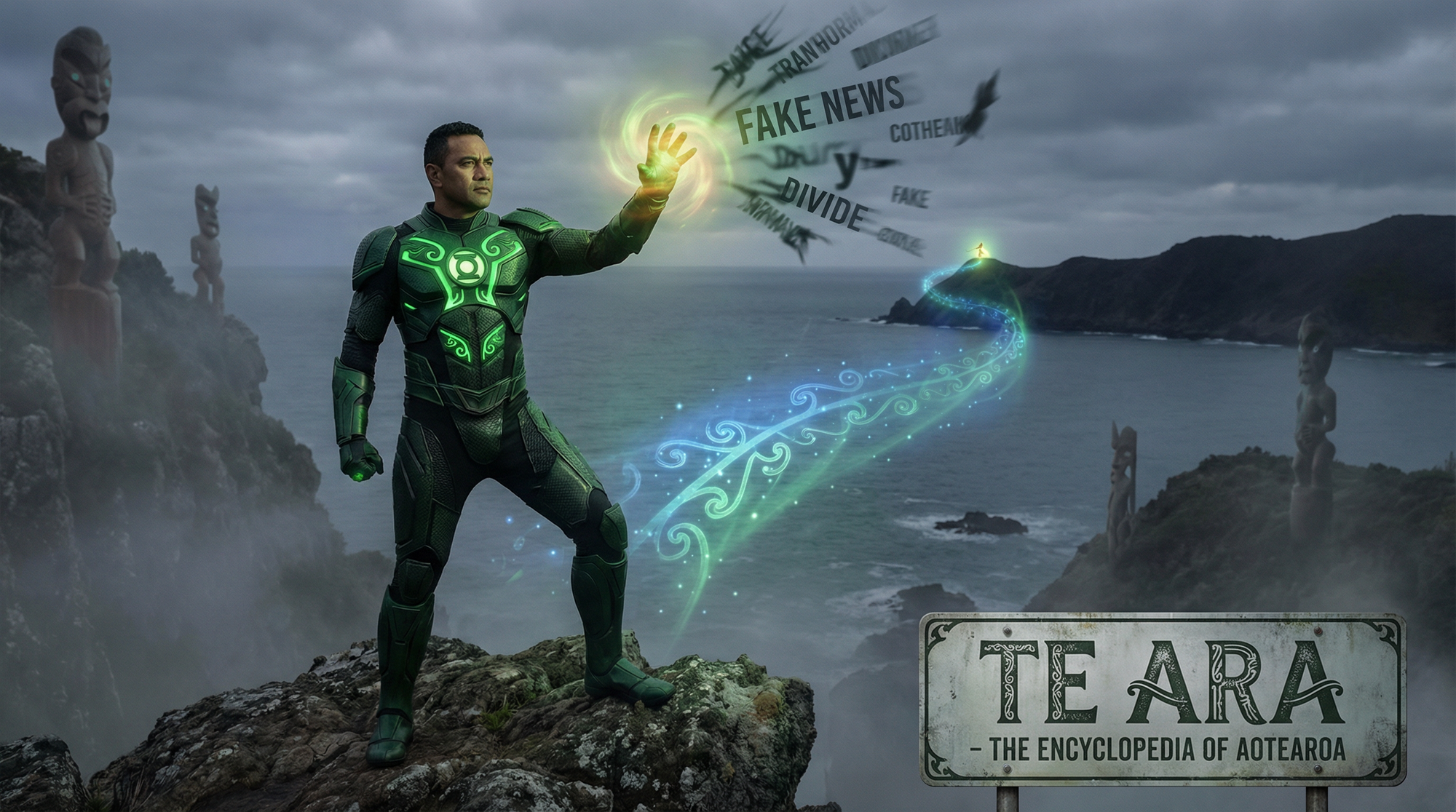
"Dictatorship Disguised as Democracy" - 21 September 2025
The Coalition's Authoritarian Power Grab
Kia ora koutou katoa. Ko Ivor Jones ahau, The Māori Green Lantern. The Coalition Government has turned Parliament into their personal dictatorship playground, and it is time every New Zealander understood exactly how they are being robbed of their democratic voice.
https://www.rnz.co.nz/news/national/573647/government-passes-adoption-bill-under-urgency
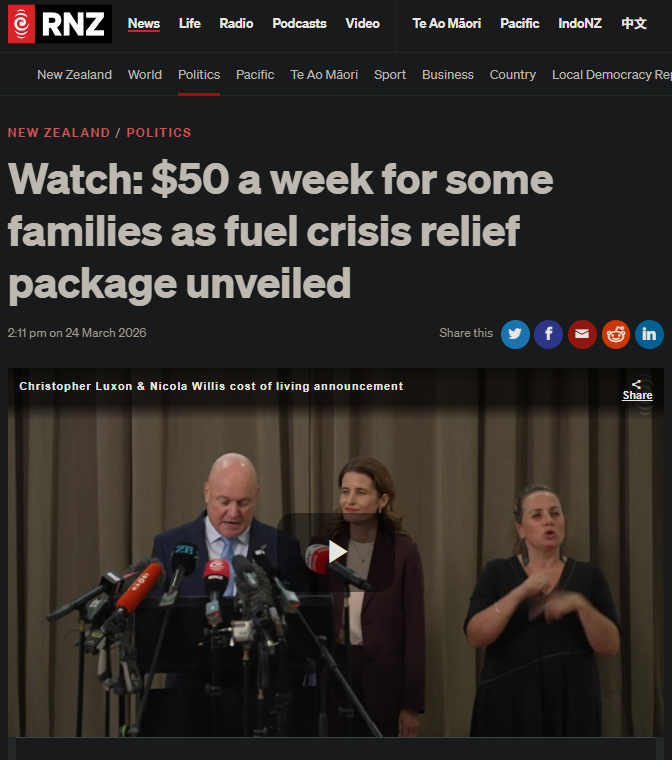
This Coalition Government is not governing - they are ruling like dictators. In their first 100 days alone, they spent 109 hours ramming legislation through under urgency while dedicating less than 40 hours to proper democratic process. That means 73% of their legislative time was spent deliberately avoiding public input, expert advice, and parliamentary scrutiny.
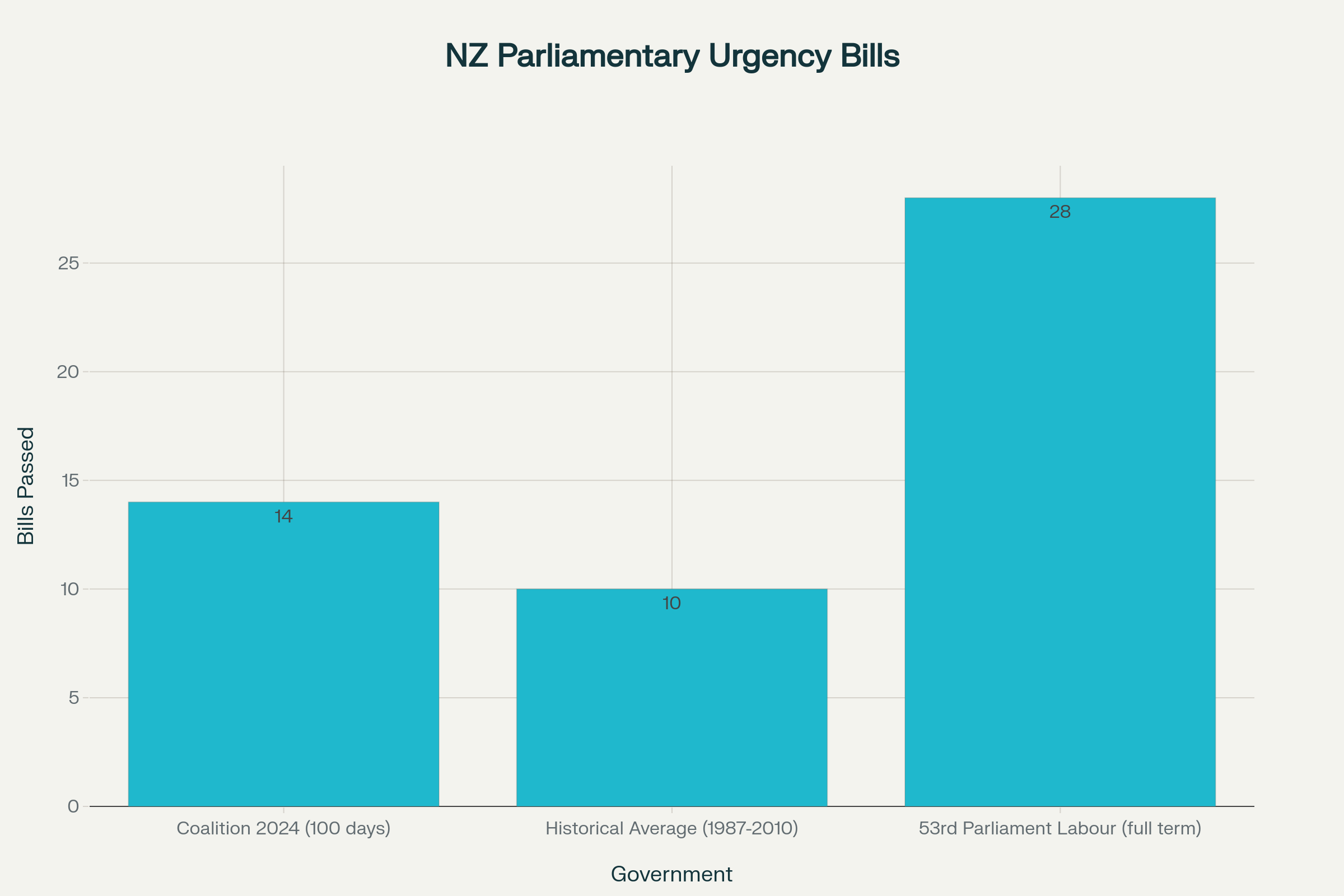
Bar chart showing the stark difference in urgency use between the Coalition Government's first 100 days and historical averages
To put this in perspective: a 24-year study found the average Parliament passes 10 bills under urgency per full term. This Coalition smashed through 14 bills in their first 100 days alone. They are operating at 15 times the normal rate of democratic bypass.
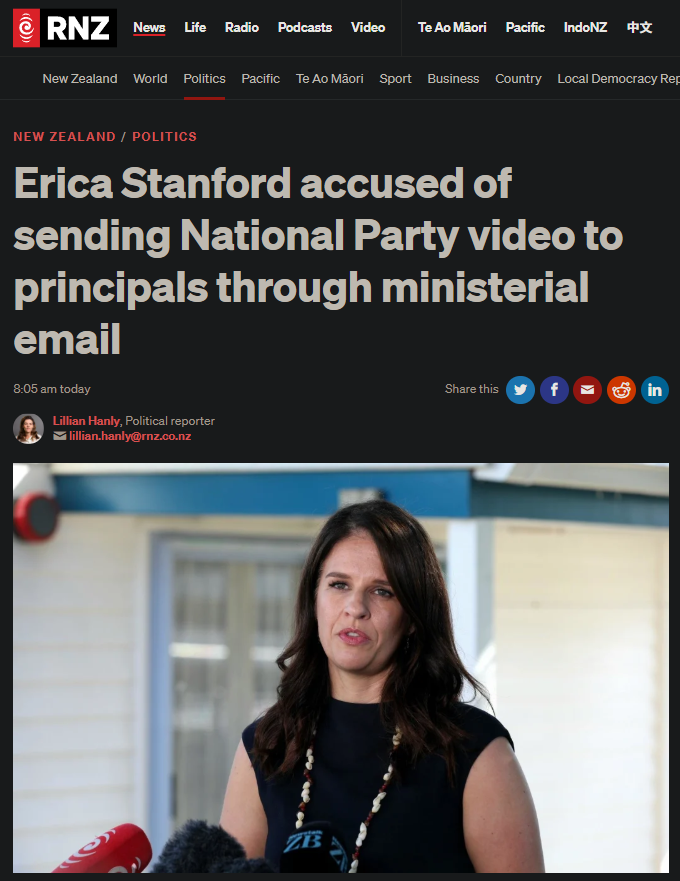
Te Pāti Māori co-leader Debbie Ngarewa-Packer called it exactly what it is: "The government's use and abuse of urgency has created a dictatorship in what should be a Tiriti-led democratic state".
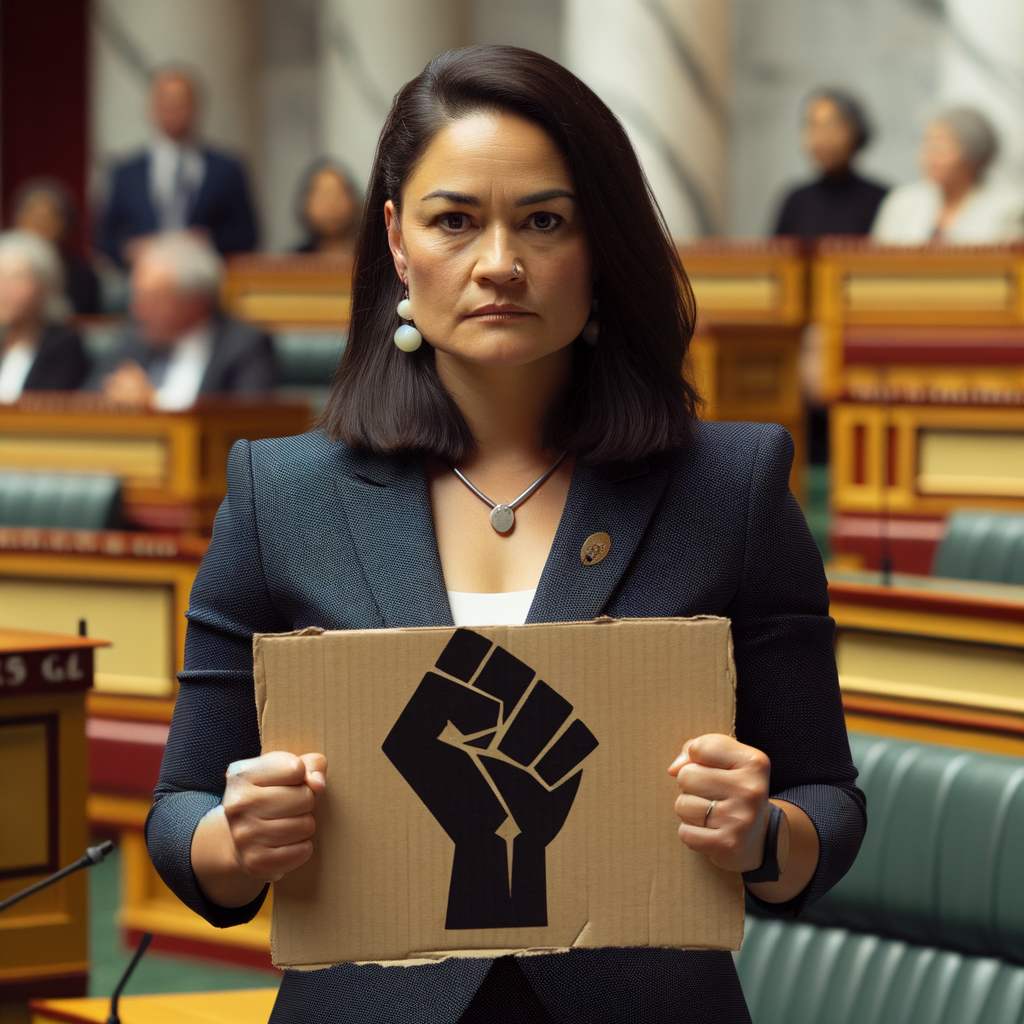
Te Pāti Māori co-leader Debbie Ngarewa-Packer fighting against democratic dictatorship
Background: How Democracy is Supposed to Work
In a functioning democracy, laws go through multiple stages designed to protect citizens from bad legislation. Bills receive three readings, go to select committees where the public can make submissions, and experts provide advice. This process exists because rushed laws are invariably bad laws.
Parliamentary urgency was designed for genuine emergencies - like natural disasters or security threats. It was never meant to be a standard operating procedure to avoid public accountability. Under Parliament's Standing Orders, the government must explain why urgency is being used, but this Coalition treats explanations as mere formalities.
The significance from a Māori perspective cannot be overstated. Te Tiriti o Waitangi established a partnership between tangata whenua and the Crown. Partnership requires consultation, discussion, and shared decision-making. What this Coalition is doing - ramming through legislation without consultation - is the antithesis of partnership. It is colonial dictatorship in action.
The Urgency Abuse Crisis
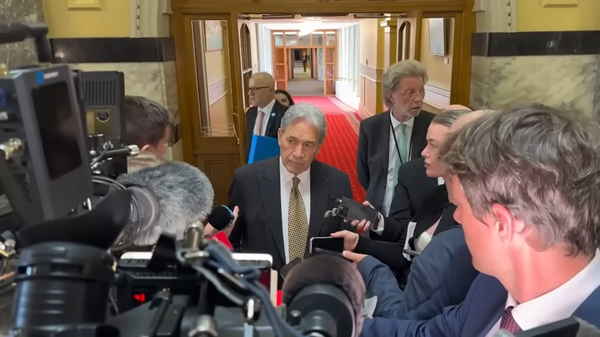
This week's Adoption Amendment Bill exemplifies everything wrong with this government's dictatorial approach. The bill wasn't originally on the House's agenda and opposition MPs received copies on Tuesday morning for a Tuesday afternoon debate.
Even worse, the minister in charge, Nicole McKee, admitted she was confused by her own legislation. "I've spent a little bit of time myself trying to get it into my head about how this will operate". When Labour's Duncan Webb questioned the bill's definitions, McKee conceded "I too had experienced confusion".

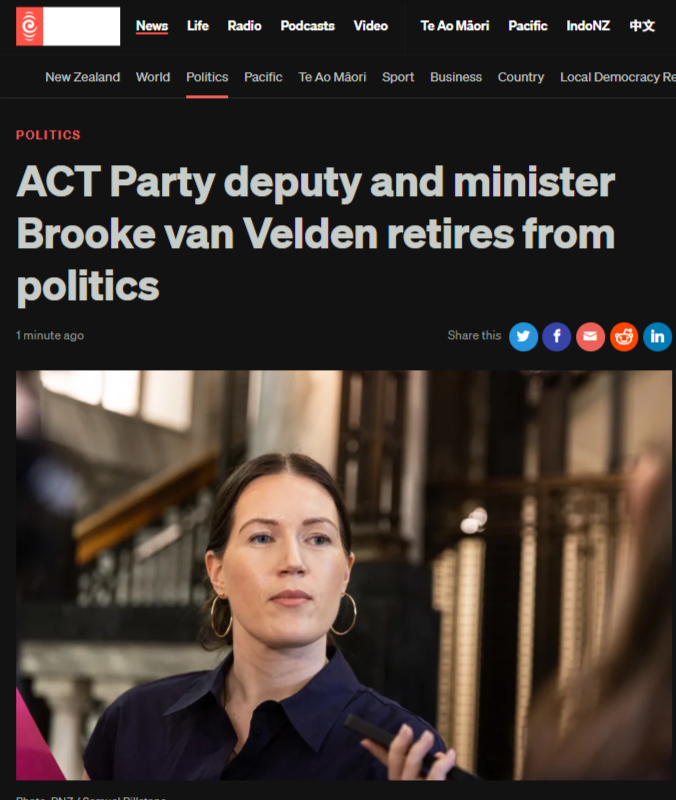
Coalition ministers struggling with parliamentary procedure and legislation details
This is what happens when you skip proper democratic process - ministers don't even understand their own laws. Yet they ram them through anyway because ideology trumps competence in this government.
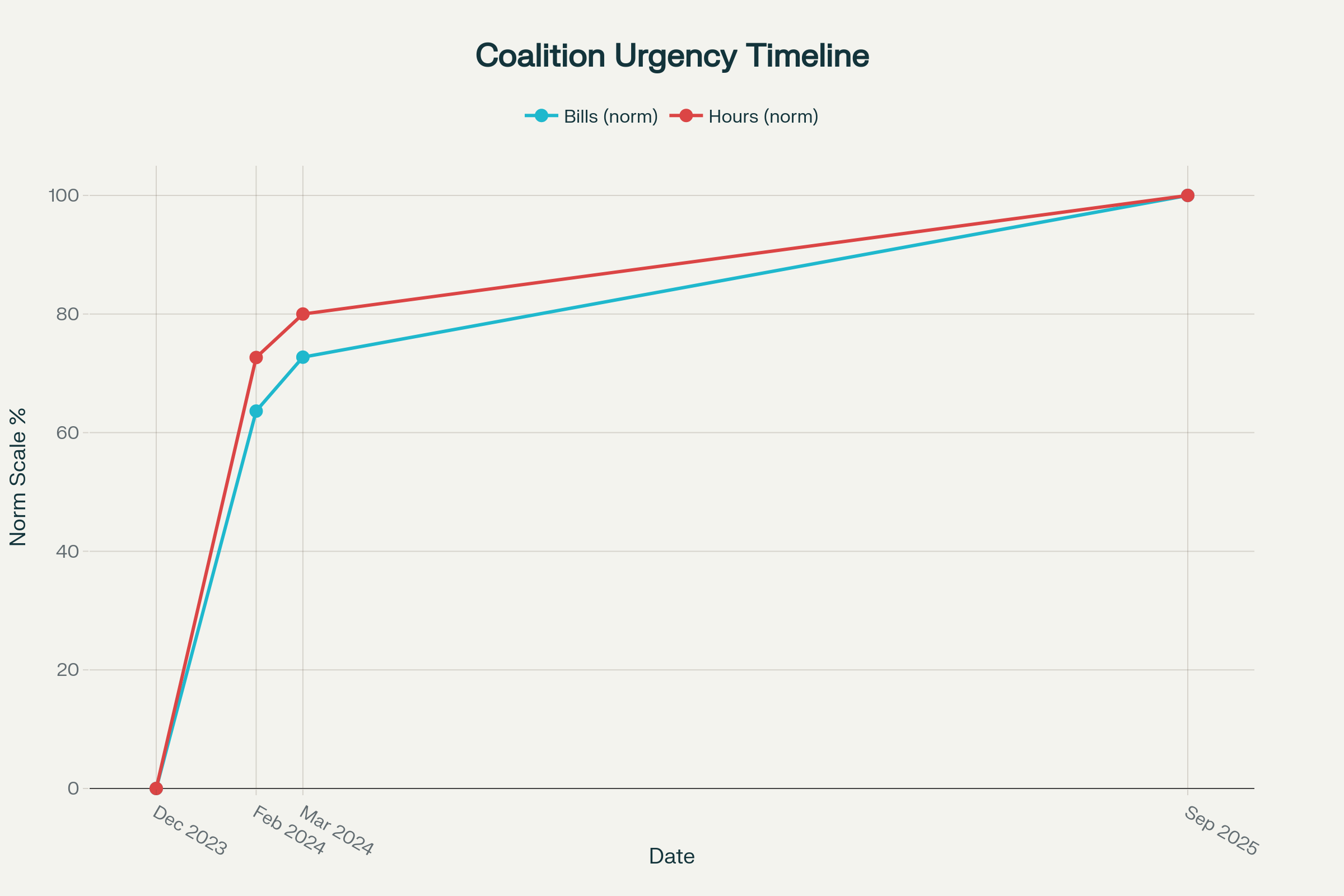
Timeline showing the Coalition Government's escalating abuse of parliamentary urgency from December 2023 to September 2025
The Coalition's urgency timeline reveals a disturbing pattern of escalation. They started with James Shaw warning in March 2024 that the government had passed 16 bills through urgency versus just one through normal process. By May 2025, the coalition was nearing the previous 17-year record of 28 bills passed this way in one term.
This is not governing - it is autocratic rule-making designed to prevent public input and accountability.
Deeper Analysis: The Colonial Power Play
When we examine the Coalition's urgency abuse through a Māori lens, the pattern becomes clear. This is not just bad governance - it is deliberate colonial suppression dressed up as democratic process.
The bills rushed through under urgency disproportionately target Māori. The disestablishment of Te Aka Whai Ora (Māori Health Authority) was rammed through specifically to circumvent an urgent Waitangi Tribunal hearing. The abolishment of Smokefree legislation - which would have saved thousands of Māori lives - was pushed through without allowing Māori communities to have their say.
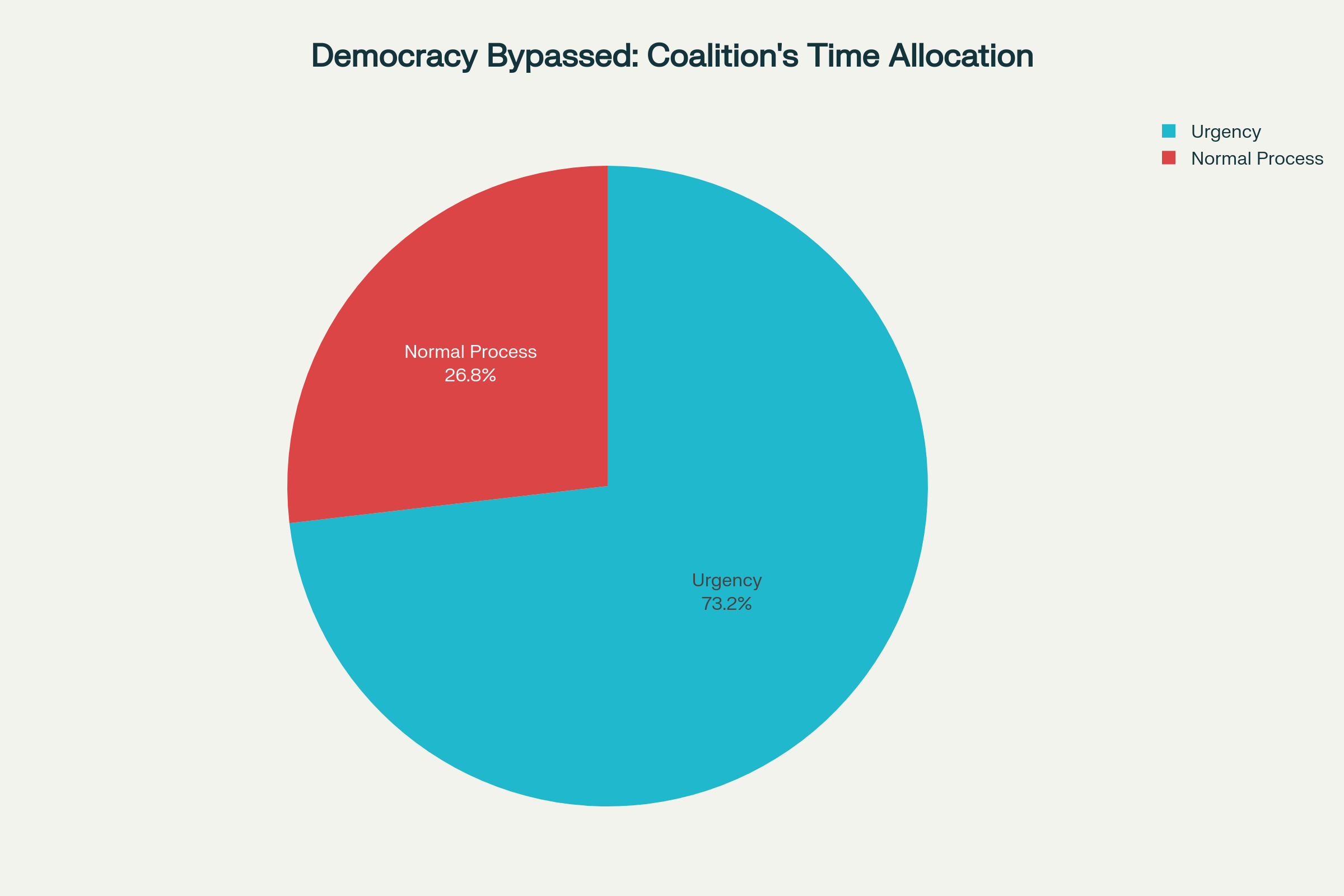
Pie chart revealing how the Coalition Government spent 73% of its legislative time bypassing democratic consultation
This reveals the deeper agenda: using urgency to avoid having to listen to Māori voices or respond to Treaty obligations. It is colonialism 2.0 - using parliamentary procedure rather than military force to impose settler will without consultation.
Constitutional law expert Sir Geoffrey Palmer notes that "there's too much politics in New Zealand and not enough governance". This Coalition epitomises that problem - they are not governing in partnership with citizens or Treaty partners. They are imposing their ideology through procedural manipulation.
The adoption bill fiasco reveals another troubling pattern. When pressed on definitions, McKee admitted she "originally had wanted to use those that were 'ordinarily resident' but actually got told I can't use that word". This suggests legislation is being written by someone other than the ministers presenting it - potentially lobbyists or officials operating behind closed doors.
Political commentator Bryce Edwards warns that "when governments push through legislation, when they use urgency, they often make bad law" because "there's not enough scrutiny, there's not enough accountability".
This Coalition has institutionalised bad law-making as standard practice.
Hidden Connections: The Power Network
The Coalition's urgency abuse serves multiple masters beyond simple political expedience. By avoiding select committee processes, they prevent public scrutiny of who benefits from rushed legislation.
Take the Fast-track Approvals legislation, which exempts specified development projects from consenting and environmental hurdles. Bryce Edwards notes it is "hard to imagine a more direct conflict of interest than accepting money from a donor then changing the law on their behalf".
Without proper select committee processes, the public cannot scrutinise these connections. The urgency abuse creates a perfect storm for corporate capture - legislation written in backrooms, rushed through Parliament before anyone can examine who benefits.
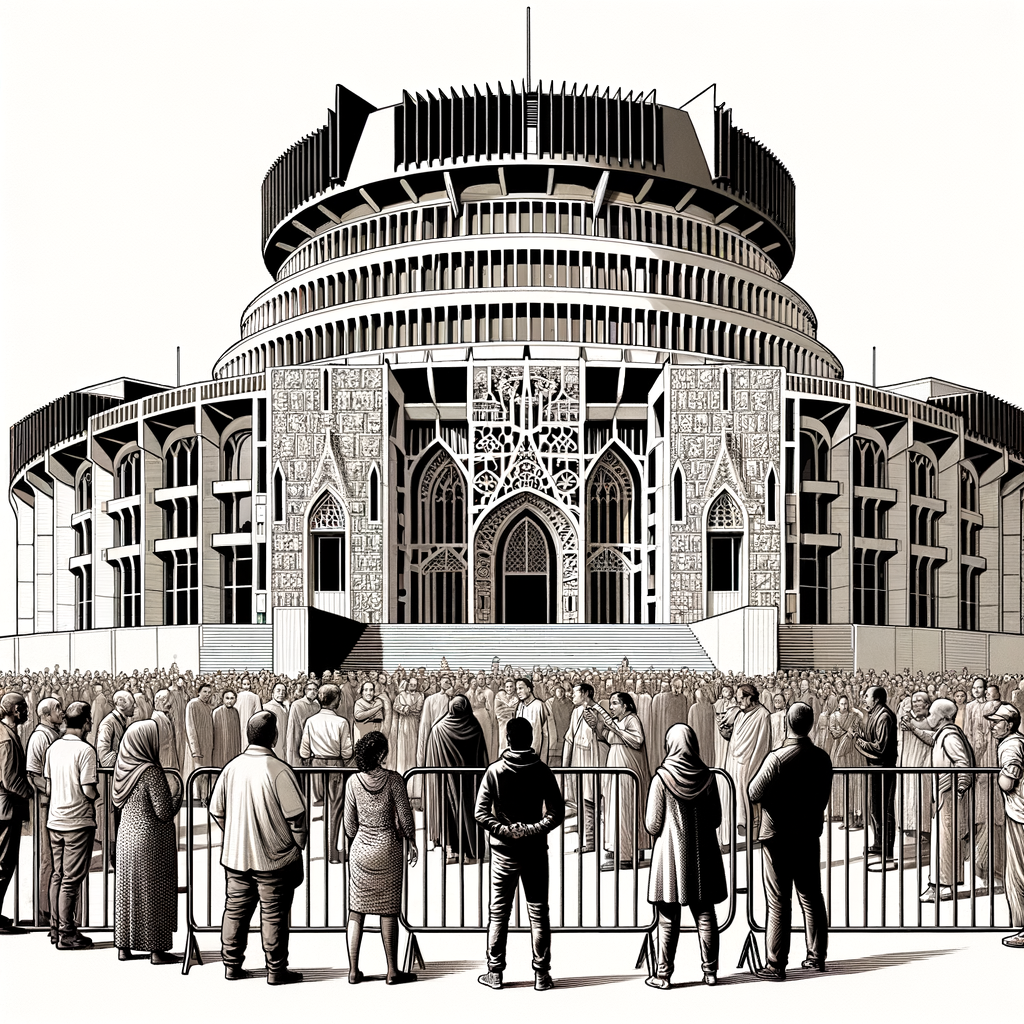
Democracy under siege: New Zealanders locked out of their own parliamentary process
This connects to a broader pattern of New Zealand's "unregulated lobbying industry that frustrates any attempts at meaningful reform". Edwards argues that "the lobbyists dictate policy and regulation on a day-to-day basis" while "the public gets to vote once every three years".
The urgency abuse serves to entrench this power imbalance by preventing public participation in law-making while ensuring lobbyists maintain private access to ministers and officials.
Implications: The Death of Democracy
The Coalition's urgency abuse has implications far beyond individual pieces of legislation. They are systematically dismantling New Zealand's democratic institutions and replacing them with authoritarian rule-making.
Research from Victoria University confirms that "political trust has been negatively affected by government governing undemocratically". When governments consistently bypass consultation and accountability mechanisms, citizens lose faith in democratic institutions.
This has particular implications for Māori, who have already endured 180 years of colonial governance that ignored Treaty obligations. The Coalition's urgency abuse represents a return to the bad old days of "consultation" as a meaningless formality before imposing predetermined outcomes.
For whānau and hapū, this means their voices are systematically excluded from decisions affecting their wellbeing. The rushed disestablishment of Te Aka Whai Ora means Māori health outcomes will deteriorate without any opportunity for Māori communities to propose alternatives.
The broader impact extends to all New Zealanders who value democratic participation. When governments can ram through any legislation without public input, democracy becomes a hollow shell - elections matter, but everything else is decided in ministerial offices without accountability.
Call to Action
New Zealand must reject this descent into authoritarian governance. The solution requires both immediate resistance and longer-term reform.
Immediately, all opposition parties must refuse to participate in urgency debates unless genuine emergencies exist. Te Pāti Māori has already led by requesting urgent debates to challenge urgency abuse, and other parties must follow their example.
Citizens must flood their MPs with demands to restore proper democratic process. Every time urgency is used, voters should demand written explanations of why public consultation was deemed unnecessary.
Longer-term, New Zealand needs constitutional reform to prevent future urgency abuse. Electoral law expert Graeme Edgeler suggests governments should only be able to use urgency if they can command a supermajority in the House. This would prevent slim majorities from steamrolling democratic process.
Most importantly, New Zealanders must recognise that democracy is not a spectator sport. The Coalition's urgency abuse succeeds because citizens allow it. We must demand better and hold our representatives accountable for protecting democratic institutions.
As tangata whenua, Māori have particular obligations under tikanga to protect the whenua and the people. This includes protecting democratic institutions that allow communities to have their say in governance. The Coalition's authoritarian approach threatens both environmental and social justice - exactly the issues Māori communities fought for generations to have a voice in addressing.
Democracy dies in darkness, but it also dies in the harsh fluorescent lights of parliamentary urgency sessions where public voices are deliberately silenced. We must not let this Coalition turn New Zealand into their personal autocracy.
For those who find value in this analysis and want to support independent commentary that holds power accountable, please consider offering koha to support this mahi. These are tough economic times for whānau, so please only contribute if you have the capacity and wish to do so. Donations can be made to HTDM: 03-1546-0415173-000.
Kia kaha, kia māia, kia manawanui.
Ivor Jones - The Māori Green Lantern

The Māori Green Lantern Fighting Misinformation And Disinformation From The Far Right