"Every Institution Is Captured: Why The Māori Green Lantern Matters—And Why It Needs Your Support" - 14 November 2025
Why I Published 16 Essays in 4 Days: The Cost of Independent Accountability Journalism

Ivor Jones The Māori Green Lantern Fighting Misinformation And Disinformation From The Far Right
The System That Extracts From Māori
In four days, I published 16 essays. 1,595 people read them. Over 60% of you opened every email, returning immediately for the next analysis.
You weren’t reading for entertainment. You were reading because I was naming something your instinct already knew:every institution that touches Māori communities is systematically captured to enable extraction.
Not one institution. All of them.

Six Domains of Institutional Capture
The essays documented the scope:
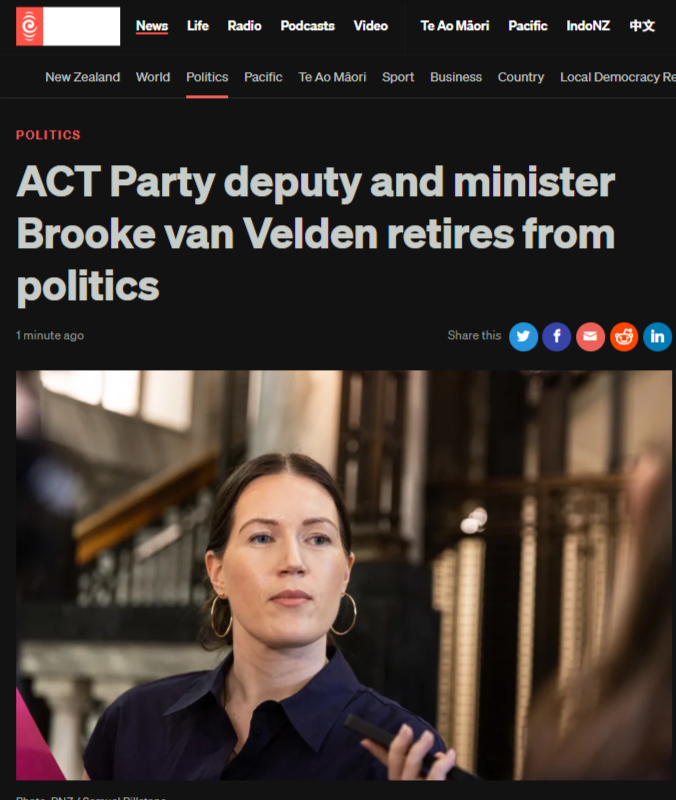
- Police and prisons. Roadside testing weaponized against Māori. Cover-ups protecting abusive officers. Private companies profiting from caging our people. Māori arrested, sentenced, imprisoned at rates no democracy should tolerate. The state violence is explicit.
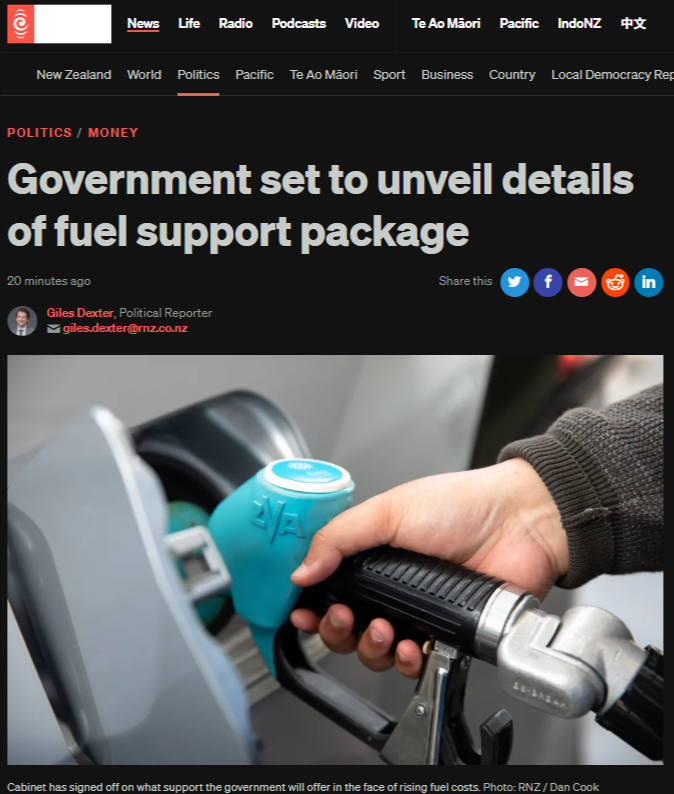
- Economic institutions. A French billionaire buying our dairy sector while displacing Māori farmers. Monopoly structures strangling the economy. Asset sales betraying national interests. Kaumātua engineered into destitution—choosing between dinner and medication. Economic extraction is systematic and accelerating.
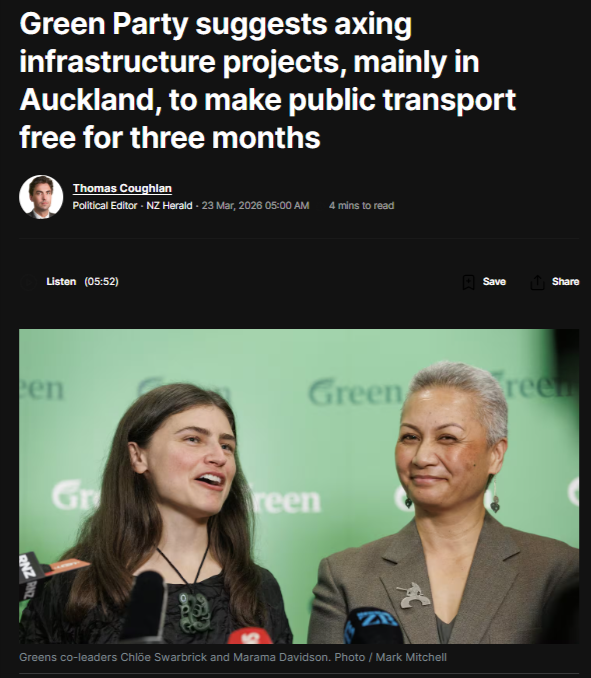
- Political institutions. Here’s where it gets dangerous. Labour promised kaupapa and delivered assimilation. The Greens claimed solidarity and accepted coalition compromises. Christopher Luxon’s coalition normalizes exploitation. And the Māori Party—built on promises of rangatiratanga—abandoned it for “colonial power consolidation.” Even Māori-led resistance can be captured.
- Legal frameworks. The constitution weaponized against Māori interests. Parliament captured by corporate interests. Regulatory standards designed to bypass protections. The courts don’t protect us; they legitimize extraction.
- Education. Tamariki exploited through Stanford-style neoliberalism. Schools erasing indigenous frameworks. The next generation systematized for extraction before they understand what’s happening.
- Ideology itself. Global impunity machinery protecting elites (Trump, Epstein). Neoliberalism rebranded as inevitable. Kotahitanga framed as threat instead of solution. The entire worldview colonized to make extraction seem natural.
Each domain reinforces the others. Remove one and the system adjusts. Attack police violence and politicians offer policy reforms that change nothing. Demand political accountability and economic extraction continues unchecked. Expose economic theft and education systems train the next generation to accept it.
This is coordinated institutional capture.

Why This Matters Right Now
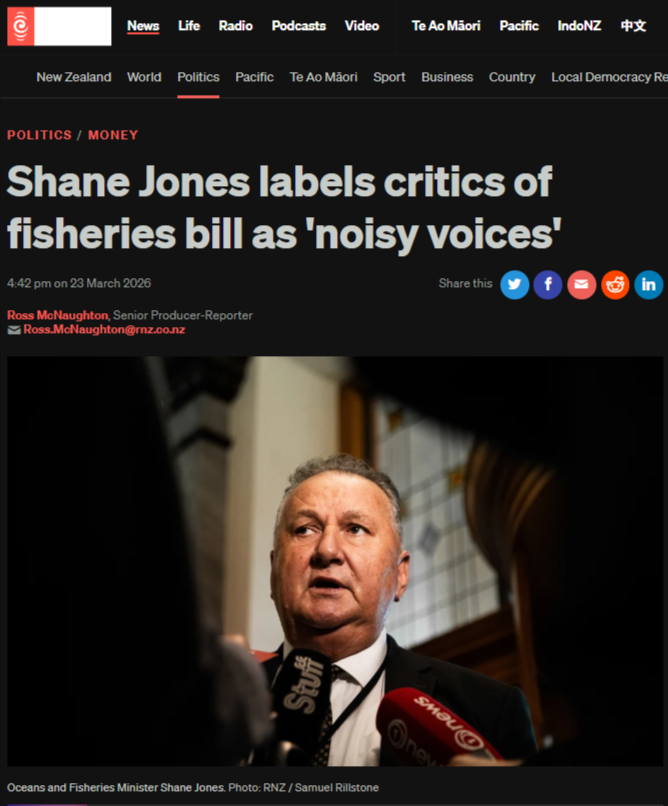
Most media won’t publish this analysis. RNZ publishes cautious investigative pieces. Stuff publishes culture commentary. The Herald publishes state narratives. State-funded media can’t risk funding that reveals state capture. Corporate media won’t expose corporate capture.
That’s why independent analysis exists. That’s why 1,595 people read my essays in four days.
But here’s the problem:independent journalism moves at crisis velocity, and crisis velocity isn’t sustainable without support.
Between November 12-15, I published four essays per day investigating institutional threats across economics, policing, parliament, education, and culture. That pace—necessary because threats are accelerating—requires research time, thinking time, writing time. It requires someone not working a corporate job. It requires someone not dependent on state funding. It requires someone willing to name institutional capture without fear of losing access, funding, or platform.
It requires koha.

What The Data Shows
Here’s what your engagement tells me you already understand:
- Your email open rates averaged 60.8%. That’s not passive consumption. That’s active waiting. You’re checking for the next analysis because institutional threats feel urgent and your instinct is right—they are.
- Essays about political betrayal accumulated 410 views in four days. You need to know which leaders have compromised kaupapa. You need names. You need specificity. That’s not paranoia; that’s necessary accountability.
- Essays about state violence generated 265 views with highest engagement rates. You read about police cover-ups and roadside testing weaponization because this touches your whānau directly. Your relatives arrested, harassed, targeted. You need analysis that names it.
- Essays about economic extraction—foreign billionaires, monopolies, elderly poverty—drew 325 views. You understand your people are being displaced, impoverished, extracted from. You want to understand the mechanisms.
You’re not reading for entertainment.
You’re reading because you’re building a mental map of institutional capture.
You need this analysis to make sense of threats targeting your whānau.

The Koha Model
I’ve enabled paid subscriptions on The Māori Green Lantern. This isn’t because I want to gate content behind paywalls. Everything stays free. Koha means those with capacity support those without.
Koha is indigenous reciprocity. It’s how our communities have always worked. Those with surplus support those without. Not through extraction. Through obligation, relationship, and mutual care.
If you have capacity and this analysis matters to you, your koha sustains this work. $5/month. Choose based on what you can give.
If you don’t have capacity? You have everything. You read every essay. You access every analysis. That’s not punishment; that’s koha.

What Your Support Funds
Your koha funds:
- Research time to investigate institutional capture. The essays didn’t materialize from nowhere. Roadside testing analysis required sourcing policy documents, understanding legal frameworks, tracking enforcement patterns. That work takes time. Your koha buys that time.
- Freedom from corporate or state editorial control. I don’t answer to media owners deciding which stories are “too risky.” I don’t answer to state funding bodies deciding which critiques are “too uncomfortable.” Your koha is the only editorial control—and you want accountability journalism that names institutions.
- Publishing at the pace threats demand. Four essays per day isn’t sustainable without support. Neither is three essays per week. Your koha determines what velocity I can maintain. Your support directly funds the speed of accountability.
- Specificity in naming institutional actors. Most media won’t name Willie Jackson’s 25-year betrayal. Most media won’t expose Serco and Plenary’s prison profiteering. Most media won’t investigate Māori Party leadership abandoning rangatiratanga. Specificity is risky. Specificity requires funding that doesn’t depend on institutional approval. Your koha makes specificity possible.

Why This Moment
Institutional capture is accelerating. Asset sales are happening now. Roadside testing is targeting Māori now. Police cover-ups are happening now. Political leadership is consolidating power now. Economic extraction is intensifying now.
The essays I published in the last four days document an urgent moment. Urgency doesn’t wait for grant cycles. It doesn’t wait for corporate media timelines. It needs independent journalism moving at crisis velocity.
You have permission to support this. Not obligation. Permission. If you’ve read this far, if you’ve opened 60% of essays, if you’ve understood the analysis, then supporting this work is an act of whakapapa and care for whānau.

The Specificity Argument
Here’s what I want you to understand:
The reason I can name names—the reason I can say Willie Jackson betrayed Māori, the reason I can expose Luxon’s coalition, the reason I can investigate police cover-ups—is because I don’t answer to institutions.
Most journalists answer to editors who answer to publishers who answer to advertisers or governments. Each layer of accountability creates pressure to soften edges, to hedge language, to “balance” criticism of powerful people.
I don’t have those layers. My only accountability is to readers like you. And readers like you want accountability journalism that names institutional actors without equivocation.
That freedom costs. It costs the freedom to work a corporate job. It costs the freedom to accept state grants with implicit expectations. It costs the freedom to soften analysis for political palatability.
Your koha funds that specific freedom.

An Invitation, Not a Pressure
I’m not going anywhere if you don’t contribute. I’ll keep publishing.
With your support, I accelerate. With your support, I investigate deeper. With your support, institutional capture gets named in real-time as it happens, not weeks later when other media finally catches up.
This is an invitation. If The Māori Green Lantern’s investigation into institutional threats matters to you—if naming political betrayal, exposing police violence, revealing economic extraction, understanding constitutional weaponization matters to you—then contributing is how you say: “This analysis is necessary. I support this work. Keep going.”
Not everyone can contribute. That’s understood. But those who can—those who have capacity and recognize this work’s value—you’re invited to tautoko it.

How to Contribute
You can support The Māori Green Lantern with a paid subscription. Choose your level:
- Supporter ($5/month): Entry-level koha. Support the work at whatever level your budget allows.
- Tautoko ($333/annual): Advocate-level support. You’re committed to this kaupapa and showing it materially.
- Kaiarataki ($350/The Foundation Pillars): Leadership-level support. For those with significant capacity wanting to fuel deep investigation.
Every tier funds the same work. Everything stays free. The tiers simply reflect different levels of capacity and commitment.
If you can’t contribute right now but this work matters to you, there are other forms of support: share these essays with your networks. Add your voice to discussions in comments. Hold me accountable to the same standards I hold institutions to. That’s also koha.

What Comes Next
- I’m going to continue publishing accountability journalism investigating institutional capture across the domains that matter most to you: state violence, economic extraction, political betrayal, constitutional threats, cultural colonialism, and ideological capture.
- I’m going to continue naming names. I’m going to continue doing research most media won’t fund. I’m going to continue publishing at crisis velocity when threats demand it.
And I’m going to do it because 1,595 people read my essays in four days. Because 60% of you opened every email. Because you understood what I was documenting: a coordinated system of institutional extraction targeting Māori.
Your koha makes that possible. Your engagement makes it urgent. Your support makes it sustainable.
Kia ora whānau for reading this far. For engaging with essays that most mainstream media won’t publish. For building a map of institutional threats. For understanding that every institution requires accountability.
The work continues. Your support makes it go faster.
Ngā mihi.
The Māori Green Lantern publishes independent accountability journalism investigating institutional capture targeting Māori and whānau. Every essay is free. Koha subscriptions support research, independence, and publishing velocity. Those with capacity support those without. That’s koha.