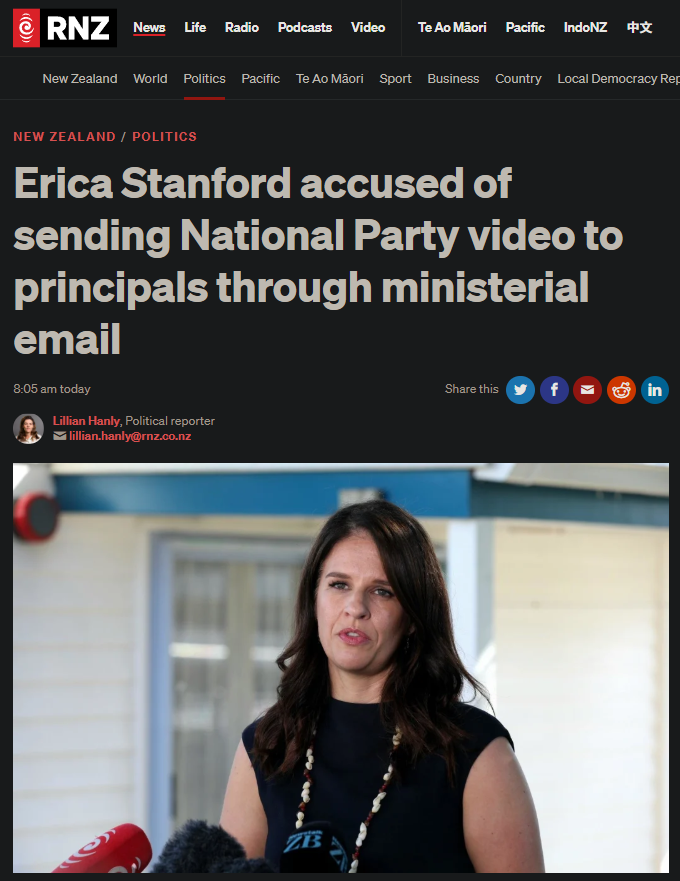
“Government’s Census Corruption Cover-up Exposed” - 2 October 2025
“Insufficient evidence” - the colonial justice system’s favourite shield when protecting its own while criminalising Māori resistance
Kia ora whakapapa whakatōhea,
Te Taiao Roa: The Poisoned Well of Electoral Integrity
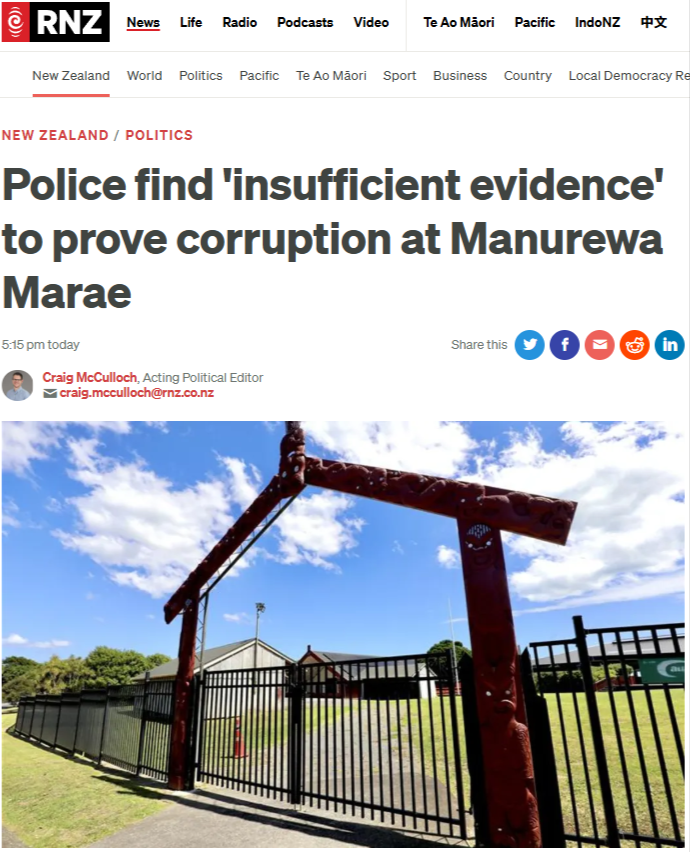
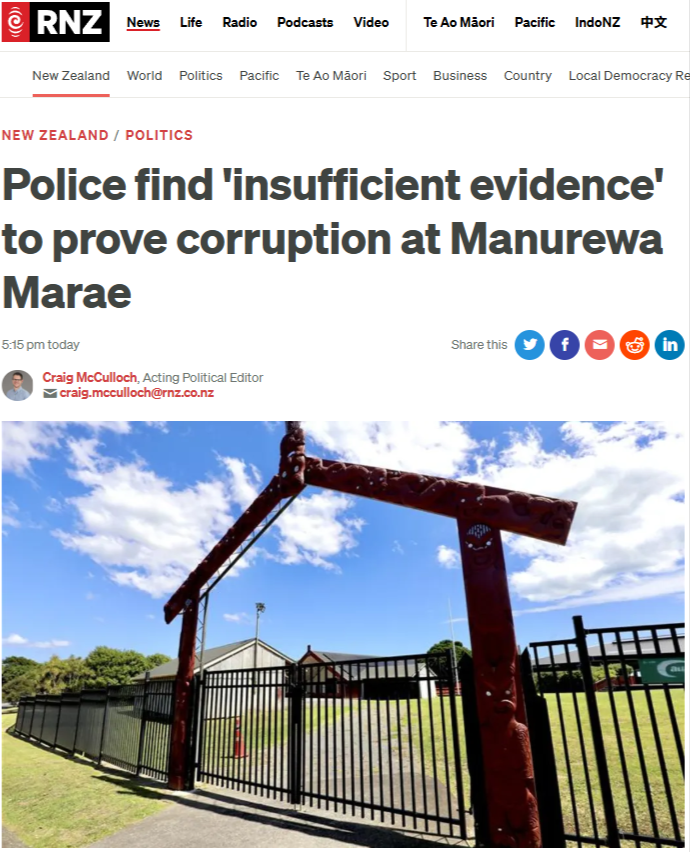
The police announcement that there was insufficient evidence to prove corruption at Manurewa Marae represents the latest chapter in Aotearoa’s long history of state agencies protecting the colonial power structure while persecuting tangata whenua. This case exposes how Christopher Luxon’s National-led coalition government orchestrates sophisticated character assassinations against Māori political movements while shielding their own institutional corruption from accountability.
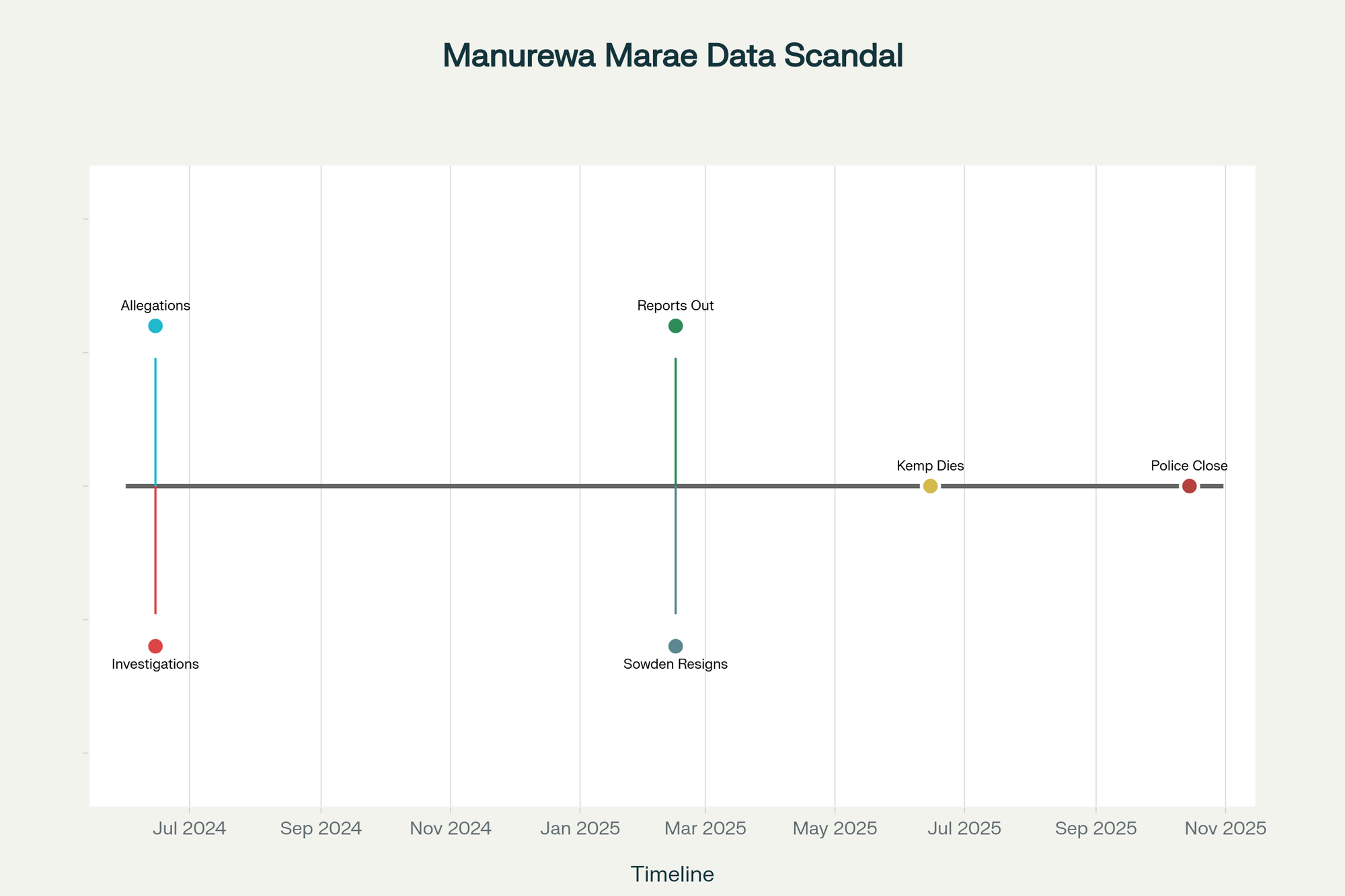
Timeline of the Manurewa Marae Data Scandal
The scandal that erupted in June 2024 when former Manurewa Marae workers alleged private Census data had been misused to help Te Pāti Māori’s election campaign reveals the systematic targeting of Māori institutions by a government desperate to undermine indigenous political power. The timing was no accident - this investigation was weaponised to delegitimise Te Pāti Māori’s narrow 42-vote victory in Tāmaki Makaurau, where Takutai Tarsh Kemp defeated Labour’s Peeni Henare in what became a crucial seat for indigenous political representation.
Horopaki: The Colonial Context of Criminalisation
This persecution of Māori political success fits within a broader pattern of colonial suppression that intensified under Luxon’s evangelical Christian nationalist government. The Prime Minister, whose evangelical Protestant Christian faith has been widely documented, represents the merger of corporate capitalism with Christian supremacist ideology that views Māori political autonomy as a direct threat to colonial hegemony.

Government official destroying sensitive data
The systematic nature of this attack becomes clear when examining how Stats NZ contracted Te Pou Matakana (also known as the Whānau Ora Commissioning Agency) to assist with census collection from Māori households that the government agency had failed to reach through conventional colonial bureaucratic methods. This successful partnership, which collected an extra 40,000 Census forms from Māori communities, was then weaponised against the very communities it served.
Te Raru Whakapapa: The Orchestrated Attack
The allegations that emerged through investigative reporting by Andrea Vance in the Sunday Star-Times were part of a coordinated campaign to undermine Māori electoral success. The eight whistleblowers who made these claims became unwitting weapons in a larger strategy to criminalise effective Māori political organising.

Network of Key Players in the Manurewa Marae Scandal
The network of power revealed in this scandal exposes how evangelical Christian nationalism operates through seemingly secular bureaucratic processes. John Tamihere, president of Te Pāti Māori and CEO of Waipareira Trust, correctly identified this as targeting of Māori organisations for “being Māori”. The deceased Takutai Tarsh Kemp, who served as both Te Pāti Māori MP and former Manurewa Marae CEO, became a convenient scapegoat for challenging Labour’s colonial complacency in Tāmaki Makaurau.
The razor-thin 42-vote margin that secured Māori political representation in this crucial seat made it a prime target for colonial backlash:
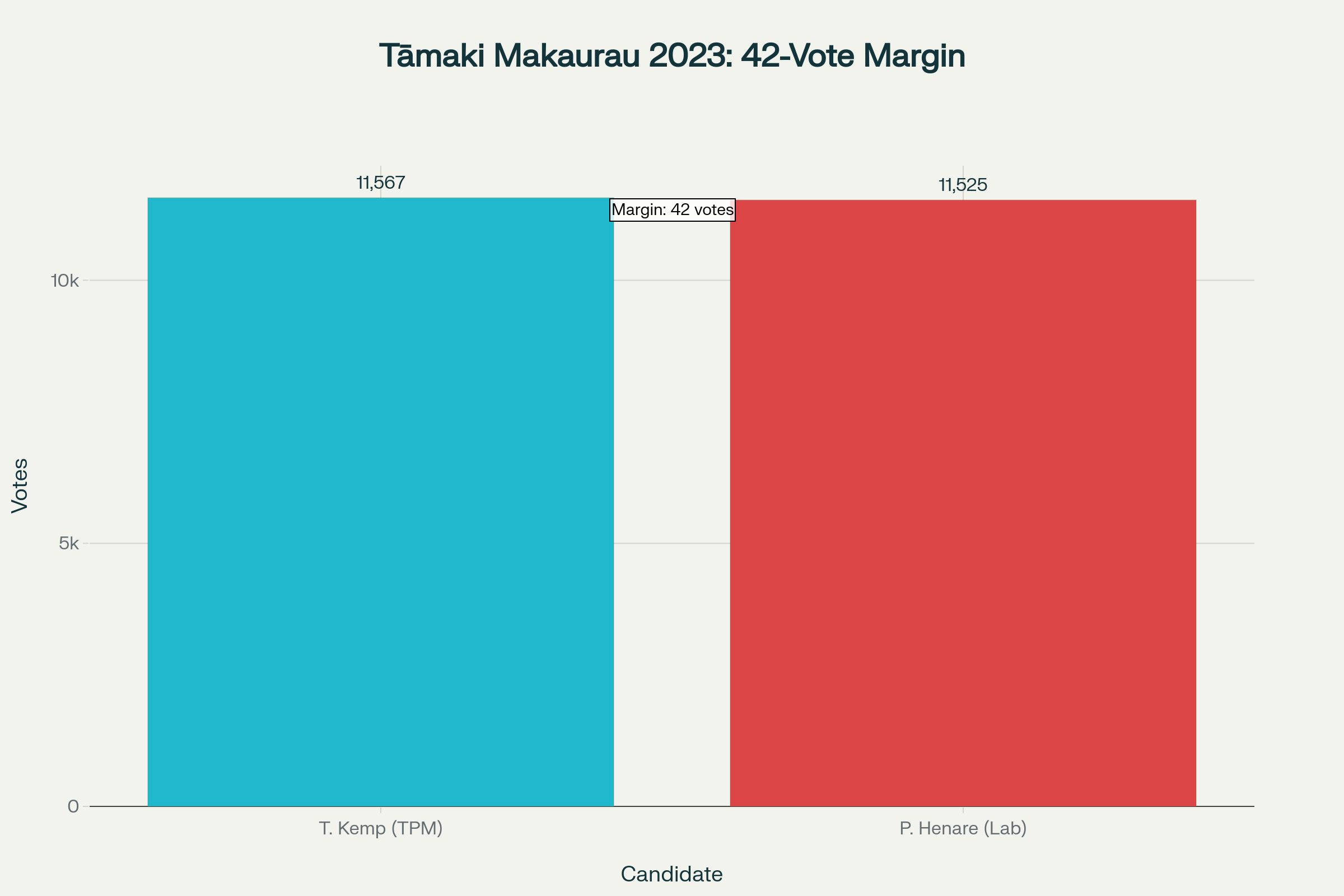
2023 Tāmaki Makaurau Election Results - Razor-thin Margin
Whakatōhea Taketake: The Real Corruption Exposed
While police found “insufficient evidence” to prosecute Māori political organisers, the investigations revealed systematic corruption within the colonial bureaucratic apparatus itself. Public Service Commissioner Sir Brian Roche’s inquiry found that agencies failed to put adequate safeguards in place to protect personal information, with Stats NZ chief executive Mark Sowden forced to resign in February 2025.
The systemic failures within colonial institutions were stark. Stats NZ’s “high trust model” meant usual confidentiality protections were not put in place, creating the very vulnerabilities that enabled potential data misuse. Yet rather than address this institutional negligence, the government weaponised the resulting vulnerability to attack successful Māori political organising.
This represents a classic colonial double-bind: deny Māori communities the resources to participate effectively in colonial democratic processes, then criminalise them when they develop innovative approaches that actually work. The Census partnership was successful, collecting 40,000 additional forms from Māori - precisely what made it dangerous to colonial political control.
Whakawhanaungatanga Huna: The Hidden Christian Nationalist Networks
The targeting of Manurewa Marae exposes deeper connections between Luxon’s evangelical government and systematic suppression of Māori political power. Luxon’s connection to Upper Room church and his evangelical Protestant background represents more than personal belief - it signals alignment with Christian supremacist ideologies that view indigenous sovereignty as incompatible with “biblical” governance.
This Christian nationalist framework operates through seemingly secular policy mechanisms. ACT Party leader David Seymour’s Treaty Principles Bill, which sparked massive national resistance, represents the legislative expression of evangelical supremacist theology that demands indigenous peoples abandon their distinct political status in favour of “equal treatment” under colonial law.
The coalition government’s systematic assault on Māori institutions - from scrapping the Māori Health Authority to attacking co-governance arrangements - follows the evangelical pattern of demanding cultural assimilation as the price for political participation. Luxon’s own admission that Crown-Māori relations are “probably worse” under his government reveals the deliberate nature of this deterioration.
The intersection of corporate capitalism with Christian nationalism in Luxon’s background - from his executive career at multinational Unilever to his evangelical church affiliations - represents the merger of economic extraction with theological supremacy that characterises modern colonial governance.
Hua: The Broader Implications for Māori Resistance
This case reveals how contemporary colonialism adapts legal and bureaucratic processes to criminalise effective Māori political organising while protecting institutional corruption within colonial agencies. The Serious Fraud Office’s conclusion that there were “insufficient grounds” to pursue criminal investigation demonstrates how colonial justice systems shield themselves from accountability while targeting indigenous communities.
The death of Takutai Tarsh Kemp in June 2025, while battling kidney disease and facing these politically motivated investigations, represents the human cost of colonial persecution disguised as legal process. Her legacy as a community leader who “died as she lived, serving our people” exposes the contrast between authentic indigenous leadership and the manufactured scandals designed to undermine it.
The systematic suspension of government contracts with Manurewa Marae, Te Whānau o Waipareira Trust, and Te Pou Matakana represents economic warfare against successful Māori institutions, designed to force dependence on colonial bureaucratic structures that consistently fail our communities.
Whakatau: The Path Forward
This scandal exposes the fundamental contradiction at the heart of colonial democracy: it cannot tolerate effective indigenous political organising without criminalising the very innovations that make such organising successful. The “insufficient evidence” finding represents not vindication but rather the colonial justice system’s inability to prosecute what it helped create through institutional negligence.
The resistance that emerged through Hīkoi mō te Tiriti, which forced the government to abandon Seymour’s Treaty Principles Bill, demonstrates our communities’ capacity to resist these manufactured crises. The systematic targeting of Māori electoral success through bureaucratic persecution will continue, requiring sustained political education and organisation that transcends colonial democratic processes.
As we farewell Takutai Tarsh Kemp and honour her legacy of authentic community service, we must recognise that this persecution will intensify as Māori political power grows. The evangelical Christian nationalist ideology driving this government views indigenous sovereignty as incompatible with their theological vision of colonial supremacy.
Our response must be grounded in mana motuhake and commitment to tino rangatiratanga that cannot be co-opted by colonial bureaucratic processes, no matter how they disguise their persecution as “legal investigation” or “data protection.”
Kia kaha, kia māia, kia manawanui.
Readers who find value in my work exposing these colonial conspiracies and wish to support continued investigation can offer koha to HTDM: 03-1546-0415173-000. The Māori Green Lantern understands these are tough economic times for whānau, so please only contribute if you have capacity and wish to do so.
Nā Ivor Jones, Te Māori Green Lantern