"How a Coordinated Global Neoliberal Alliance Is Erasing Women's Rights, Dismantling Workers' Protections, and Attacking Te Tiriti o Waitangi—All at Once" - 3 November 2025
KA PAI TE MANO O TE KĀWAI: THE NETWORK THAT STEALS FROM WAHINE MĀORI
Kia ora e hoa, e ngā Māori, e ngā ringa raupatu, e te whānau o Aotearoa nei.
To you who carry the burden of colonial extraction, to those who labour without adequate recompense, to the whānau whose wages have been deliberately held down for generations: this essay traces the invisible financial and ideological networks that target your rights.
COORDINATED ASSAULT ON WAHINE MĀORI AND WORKERS’ RIGHTS
In October 2025, Russell Vought, Director of the U.S. Office of Management and Budget (OMB) and chief architect of Project 2025, was “dreaming of this moment” as the U.S. government shutdown gave him unprecedented power to dismantle federal agencies and lay off federal workers (CBS News, 2025). His explicit goal, stated in 2023, was clear: “We want the bureaucrats to be traumatically affected. When they wake up in the morning, we want them to not want to go to work” (Wikipedia, 2025). Vought has withheld $26 billion in congressionally appropriated funds, frozen federal spending indefinitely, and overseen mass firings of federal workers—all actions that flagrantly violate the Impoundment Control Act (What is Project 2025, 2025).
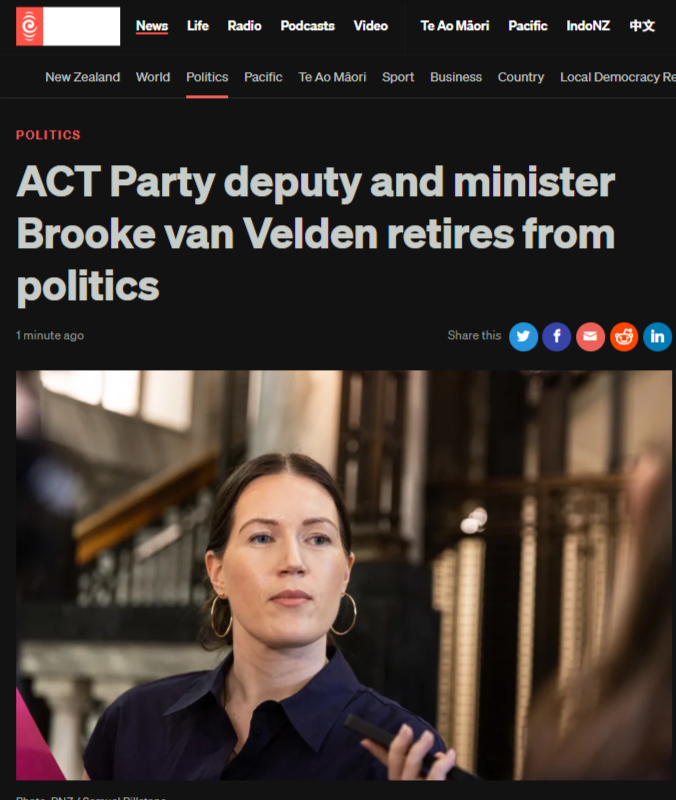
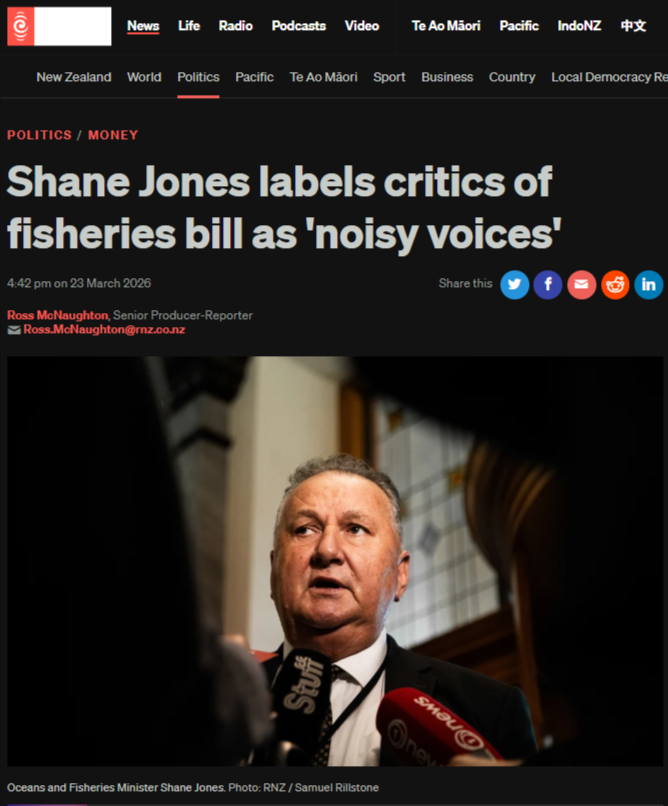
Meanwhile, on 6 May 2025—just months into a coordinated global neoliberal offensive—David Seymour, ACT Party leader and Minister for Regulation in New Zealand’s coalition government, used parliamentary urgency to dismantle 33 active pay equity claims affecting 180,000 women, predominantly wahine Māori and Pasifika women (RNZ, 2025). The government eliminated $2.7 billion in annual protections and diverted $12.8 billion intended for women’s pay equity into other uses (RNZ, 2025). This was not coincidence. This was coordinated strategy.
The mechanism is the same. Seymour and Vought both serve libertarian think tank networks that receive funding from international corporate interests and billionaire donors. Seymour has worked for Atlas Network-affiliated organizations across Canada and the United States (Bad News Letter, 2024). His Regulatory Standards Bill is being defended internationally by Oliver Hartwich, executive director of the New Zealand Initiative (itself an Atlas Network member), who mirrors exactly the arguments Seymour makes—framing regulation as “red tape” that holds back “growth” (Hartwich, 2025).
The tikanga violation is profound: Kaitiakitanga (guardianship) of workers’ rights has been abandoned. Whanaungatanga (relationships of responsibility) to wahine Māori has been severed. Manaakitanga (caring for the vulnerable) has been replaced with individual responsibility framing that blames workers for poverty. The outcome: money stolen from vulnerable women flows directly to the wealthy while legislative systems are restructured to prevent accountability.
WHAKAPAPA: INTERNATIONAL NETWORKS, FUNDING, HISTORICAL PATTERN
The architecture connecting these attacks on workers and Māori rights spans three decades and multiple continents. The neoliberal movement’s DNA runs through think tanks funded by the same corporate interests across the USA, Australia, and New Zealand.
The Atlas Network and Its Libertarian Franchises
The Atlas Network is, in the words of WNYC, a structure where think tank partners “produce white papers, meet with politicos, liaise with the media, write legislation, and much more” (Wikipedia, 2025). With over 500 member organizations globally, Atlas functions as a “think tank that creates think tanks” (Bad News Letter, 2024). The network has been explicitly linked to preventing climate action, opposing tobacco controls, and blocking Indigenous rights (Wikipedia, 2025). In 2018, academic Karin Fischer demonstrated that Atlas influence was so complete that the World Bank’s Doing Business Index “follows exactly Atlas’ policy recommendations” (Wikipedia, 2025).
The New Zealand Initiative (NZI), merged from the Business Roundtable and New Zealand Institute in 2012, is led by Oliver Hartwich, previously of Australia’s Centre for Independent Studies (CIS)—itself described as “intellectually a very close cousin to the Business Round Table” (RNZ, 2012). The CIS and its equivalents across the Atlas Network share funding from mining interests, tobacco corporations, and wealthy libertarian donors like the Koch brothers (ABC Friends Victoria, 2025) (SourceWatch, 2014).
David Seymour worked for the Frontier Centre for Public Policy (Canada, 2007-2011) and The Manning Foundation (2013-2014), both Atlas Network members (Bad News Letter, 2024). The Financial Times in 2024 confirmed that Seymour “has numerous links to the Atlas Network,” despite his categorical denial to RNZ’s Mihingarangi Forbes on Waitangi Day 2024 (Bad News Letter, 2024).
In October 2025, the New Zealand Initiative’s membership included members of every major corporation listed as benefiting from the Regulatory Standards Bill’s deregulation agenda (NZ Initiative, 2024). The NZI’s executive director, Oliver Hartwich, is actively promoting the bill internationally using libertarian rhetorical frames that erase Te Tiriti and minimize Māori harm (Hartwich, 2025) (NZ Initiative, 2025).
Russell Vought’s Chapter in Project 2025: Reshaping Government for Corporate Control
Project 2025, released by the Heritage Foundation in 2023, is a 922-page blueprint for dismantling federal oversight and reshaping the executive branch around presidential—and ultimately corporate—power (RNZ, 2024). Russell Vought, who wrote Chapter 2 on “Transforming the Executive Office of the Presidency,” explicitly states that the OMB director’s role is to “bring the bureaucracy in line with all budgetary, regulatory, and management decisions” (Wikipedia, 2025). Vought’s vision requires the OMB director to achieve “sufficient visibility into the deep caverns of agency decision-making” so that the presidency can override implementing agencies entirely (Wikipedia, 2025).
More than half of Project 2025’s 307 authors and contributors served in Trump’s first administration or his 2024 campaign (NYT, 2024). Vought’s previous stint as Acting OMB Director (2017-2021) saw him propose eliminating USAID, the Consumer Financial Protection Bureau, and folding food stamps into a new “Department of Welfare,” explicitly because “they wanted to call it that because they think it sounds bad” (ProPublica, 2025).
By October 2025, Vought’s second-term implementation of Project 2025 included:
· Freezing $18 billion in USAID foreign aid (January 2025) (RNZ, 2025)
· Cancelling $8 billion in green energy projects (October 2025) (1News, 2025)
· Withholding $18 billion from the Hudson River rail tunnel and Second Avenue subway projects (1News, 2025)
· Implementing mass federal workforce reduction-in-force (RIF) layoffs of 750,000 workers, initially for October 2025 (1News, 2025)
· Freezing all federal grants and loans, including healthcare, housing assistance, and disaster relief (RNZ, 2025)
This is not regulatory reform. This is deliberate destruction of social infrastructure.
The Seymour-Hartwich Connection: Coordinated Attack on Te Tiriti and Workers
The Regulatory Standards Bill and the pay equity dismantling are not separate policy moves—they are components of a single global neoliberal strategy. Here is the evidence:
On 6 May 2025, the same day Brooke van Velden announced the pay equity law changes (RNZ, 2025), David Seymour’s Regulatory Standards Bill passed its first reading (Beehive, 2025). Over 88% of public submissions condemned the bill (Hartwich, 2025). The Waitangi Tribunal issued an urgent recommendation for the Crown to immediately halt the bill’s advancement, finding that in its current form it breaches Te Tiriti o Waitangi principles of partnership and active protection (RNZ, 2025).
The bill itself contains no mention of Te Tiriti o Waitangi (RNZ, 2025). This omission is deliberate. A preliminary Treaty Impact Analysis acknowledged the bill was “inherently relevant” to Māori yet noted it included “no principle related to Te Tiriti” (RNZ, 2025). The result: a framework for assessing all laws and regulations that explicitly excludes the Crown’s foundational obligations to Māori.
Oliver Hartwich, defending the bill in The Australian (18 June 2025), frames critique of the bill as “conspiracy theory” and dismisses concerns about anti-Māori impact (Hartwich, 2025). His rhetorical strategy is identical to Vought’s: regulation is presented as burden, not protection; “transparency” means corporate accountability, not public accountability; and constitutional obligations to Indigenous peoples are erased as “ideology.”
THE ASSAULT: DISMANTLING WOMEN’S RIGHTS AND MĀORI PROTECTIONS
The 33 Claims That Vanished: May 6, 2025
On 5 May 2025, Workplace Relations Minister Brooke van Velden announced changes to the Equal Pay Act using parliamentary urgency, meaning no public consultation and no opportunity for affected workers to make submissions (DLA Piper, 2025). The announcement came just 48 hours before implementation.
Thirty-three active pay equity claims were instantly discontinued (RNZ, 2025). These claims included:
· The largest pay equity claim in Aotearoa: the teachers’ pay equity claim affecting hundreds of thousands of educators (NZEI, 2025)
· Claims by nurses, care workers, and social workers—predominantly wahine Māori and Pasifika women (RNZ, 2025)
· Claims by librarians, science technicians, teacher aides, and kaiārahi i te reo (NZEI, 2025)
· Historical claims that had been in process for years, with parties near settlement (Dentons, 2025)
All 33 were halted under the new 70% female workforce threshold (up from 60%), the requirement for 10 consecutive years of data (not just any point in time), and removal of review clauses that had previously allowed workers to file new claims after pay fell behind again (RNZ, 2025) (DLA Piper, 2025).
The Scale of Theft: $12.8 Billion
Previous governments had forecast pay equity costs at $3.7 billion over four years (RNZ, 2025). By 2024, this had grown to $12.8 billion as legitimate claims progressed—not because claims were inflated, but because the previous government honored its legal obligations to workers (RNZ, 2025).
Van Velden and Christopher Luxon explicitly stated the new regime would save “billions of dollars” (RNZ, 2025). The Budget revealed the exact amount: $2.7 billion per year in eliminated protections, plus $1.8 billion in diverted contingencies—a total of $12.8 billion that was redirected from women’s pay equity to deficit reduction and corporate tax incentives (RNZ, 2025).
For context: this $12.8 billion represents more than the total amount spent on all Treaty of Waitangi settlements across the past 30 years, being diverted in the opposite direction—away from vulnerable communities and toward fiscal surplus for wealthy taxpayers (RNZ, 2020).
Who Is Harmed: Intersectional Wage Slavery
The data makes clear who suffers:
· Māori women: earn $0.75 per $1 that Pākehā men earn. A 25% wage penalty purely for gender and ethnicity (RNZ, 2024)
· Pasifika women: earn $0.72 per $1 that Pākehā men earn. A 28% wage penalty (RNZ, 2024)
· Māori and Pasifika women combined: experience a 200-300% increase in pay disparity compared to baseline gender gaps (RNZ, 2021)
· Wahine in public sector roles (nurses, teachers, social workers, administrators): concentrated in lowest-paid work and most impacted by the claim removal (NZEI, 2025)
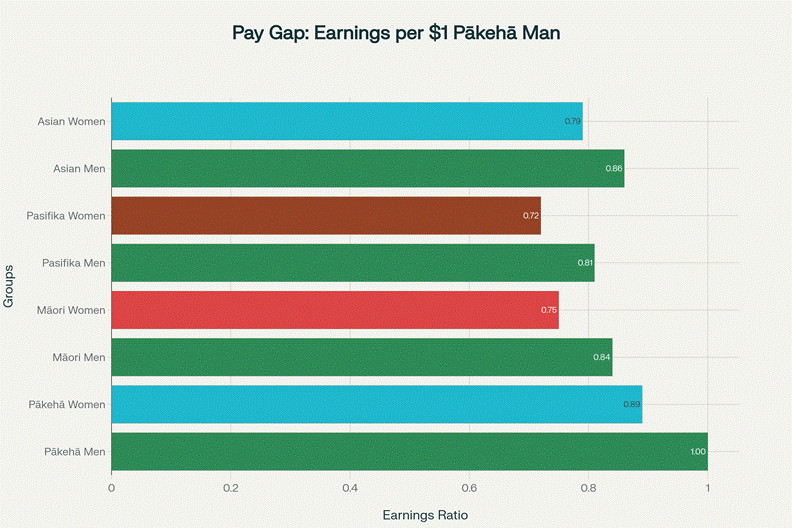
Intersectional Pay Gaps in Aotearoa New Zealand: Earnings per $1 Pākehā Male Workers Earn. Māori women and Pasifika women face severe wage discrimination, earning 25% and 28% less respectively than Pākehā male workers.
In real terms: A wahine Māori teacher earning $55,000 per year is earning what a Pākehā male equivalent would earn in 41,000 hours of work. She works approximately one year for free every four years. Her whānau’s access to food, housing, and wellbeing is directly tied to this ongoing theft.
The removal of the review clause means settlements cannot be revisited after 10 years—a guarantee that pay gaps will widen again as inflation and competitive wage pressures move faster than any frozen settlement can accommodate (RNZ, 2025).
Rhetoric vs. Reality: The Lies That Kill
Brooke van Velden’s justification was that “claims have been able to progress without strong evidence of undervaluation” (RNZ, 2025). She cited librarians “comparing themselves to transport engineers” as evidence the system was broken (RNZ, 2025).
This is a lie. The cases van Velden cites were examples of complex workforces being assessed for genuine undervaluation. A librarian comparing their work to a transport engineer goes through a formal, structured comparison process where both roles are assessed against identical criteria: knowledge, responsibility, physical and mental demands, and working conditions. If this comparison seemed inappropriate, the Employment Relations Authority could reject it.
What actually happened: successful cases proved wage discrimination. The 13 settlements to 5 May 2025 had benefited approximately 180,000 workers, predominantly women (NZEI, 2025). The nurses’ pay equity claim alone secured a settlement for 38,000 nurses—the largest in New Zealand labor history (Kaitiaki, 2025). These were not frivolous claims. They were the first successful systemic wage discrimination cases ever pursued in Aotearoa.
Van Velden’s statement that she was “supporting women who work” while removing their ability to claim discrimination is an inversion of language. It is gaslighting, weaponized as legislative policy (RNZ, 2025).
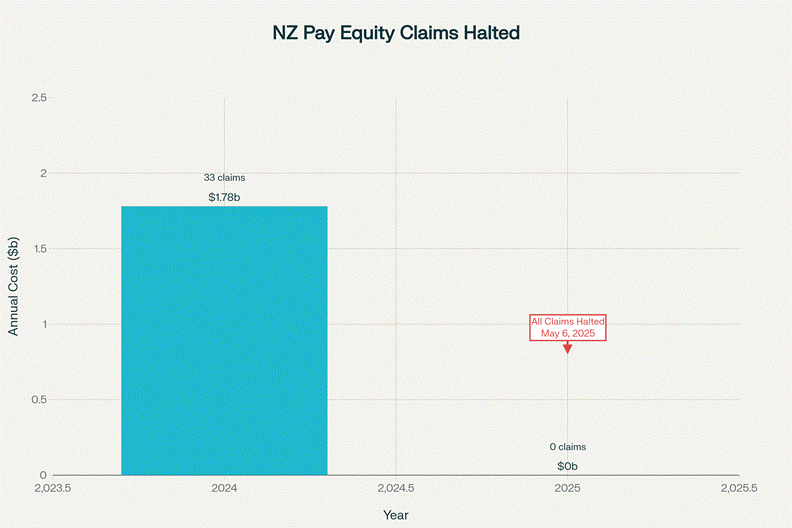
New Zealand Pay Equity System Dismantled: May 6, 2025. The coalition government halted all 33 active pay equity claims under urgency, eliminating $2.7 billion in annual protections for whāhine Māori and other underpaid workers. A $12.8 billion, four-year commitment to gender pay equity was wiped out in 48 hours.
HIDDEN CONNECTIONS: FIVE REVELATIONS THAT EXPOSE THE NETWORK
Connection 1: Project 2025 and Seymour’s Regulatory Bill Use Identical Rhetorical Architecture
Russell Vought’s chapter in Project 2025 proposes using the federal budget process as a tool to “reshape” agencies by centralizing power to the presidency and OMB, with each agency forced to demonstrate “alignment” with presidential priorities. Agencies that cannot prove alignment face funding cuts (NZ Herald, 2024).
David Seymour’s Regulatory Standards Bill proposes creating a Regulatory Standards Board that will assess all current and future legislation against “principles of good law-making”—essentially replacing parliamentary judgment with appointed board judgment (RNZ, 2025) (Beehive, 2025). Like Vought’s OMB vision, the RSB uses an audit/assessment framework to create political control over lawmaking without explicitly overturning democratic process.
The rhetorical parallels are explicit:
· Vought: “The OMB director must view his job as the best, most comprehensive approximation of the President’s mind” (1News, 2025)
· Seymour: The board will “independently consider” whether legislation is consistent with principles, then make “non-binding recommendations” (RNZ, 2025)
Both hide coercive power behind language of “independence,” “transparency,” and “good governance.”
Connection 2: The New Zealand Initiative’s Corporate Members Directly Benefit from Regulatory Deregulation
The NZI’s 70 corporate members include banks (Westpac, BNZ, ANZ), mining companies (Newmont, Rio Tinto), energy corporations (Contact Energy, Genesis), telecommunications monopolies (Spark, Vodafone), and construction firms (NZ Initiative, 2024). Every single one of these corporations faces environmental, labor, and safety regulations.
The Regulatory Standards Bill has been described as enabling “private property above protecting the environment or public safety or indigenous rights” (RNZ, 2025). For extractive industries like mining and oil, this is the entire objective.
In October 2025, members of the NZI received a “Members’ Lunch with Hon David Seymour” where the bill was presumably discussed (NZ Initiative, 2024). This is not a think tank providing independent policy analysis. This is a corporate lobby group channeling member interests directly to government.
Connection 3: Atlas Network’s Tobacco and Fossil Fuel Funding Pattern Reveals How Corporate Money Flows Into Deregulation
The Atlas Network has been explicitly connected to channeling corporate funding to think tanks that oppose regulation. Between 2004-2017, tobacco corporations funded Atlas Network partners, who then published research opposing tobacco control measures in Latin America (Wikipedia, 2025). More recently, Atlas Network and its partners have opposed climate action, alongside receiving funding from oil and gas producers (Wikipedia, 2025).
The New Zealand Initiative receives no disclosed funding from extractive industries according to its annual reports. However, its members include mining corporations, and its executive director spent a decade at the Centre for Independent Studies, which has been documented receiving funding from mining interests (RNZ, 2012).
The pattern is clear: corporations fund think tanks; think tanks hire economists and researchers who produce policy papers; these papers are promoted to media and politicians; politicians then implement the policies. No direct transaction needs to be visible. The flow is structural.
Connection 4: David Seymour’s International Network Connections Explain Why Aotearoa’s Policy Aligns With Trump Administration Priorities
David Seymour worked for Atlas Network-affiliated organizations for a total of at least four years across Canada and the USA (Bad News Letter, 2024). During his time at the Frontier Centre (2007-2011) and Manning Foundation (2013-2014), he was embedded in the same ideological networks that are now implementing Project 2025 (Bad News Letter, 2024).
When Seymour says his Regulatory Standards Bill is merely about “transparency,” he is using the language taught in these networks. When he defends it by attacking critics as engaging in “conspiracy theory,” he is using the rhetorical defense also taught in these networks (Bad News Letter, 2024).
The timing is not coincidental. Seymour took the regulatory deregulation portfolio in 2024. By May 2025, it passed first reading. By June 2025, Oliver Hartwich was publishing international defenses of the bill. By October 2025, as Vought was dismantling federal agencies using similar budgetary/regulatory logic, Seymour was advancing the RSB toward select committee.
Connection 5: Pay Equity Changes and Regulatory Deregulation Target the Same Vulnerable Population—And Use the Same “Equality” Rhetoric
Both the pay equity dismantling and the Regulatory Standards Bill use the rhetoric of “equality” to justify dismantling protections for people harmed by systemic discrimination.
Van Velden: the bill makes “pay equity workable” by preventing “muddied laws”—i.e., by making it impossible for wahine Māori to prove wage discrimination (RNZ, 2025) (RNZ, 2025).
Seymour: the bill ensures “equality before the law”—i.e., by removing specific protections for Māori from regulatory frameworks (RNZ, 2025).
This is textbook neoliberal reversal: equality is redefined to mean identical treatment regardless of historical harm. Te Tiriti is silenced. Systemic discrimination is reframed as individual responsibility.
The outcome is that Māori women—already earning 25% less than Pākehā men—lose the one mechanism they had fought for 15 years to establish to prove wage discrimination and claim compensation. Simultaneously, the legal framework for making regulations is restructured to exclude Te Tiriti obligations, making it easier for future regulation to weaken Māori protections without legal friction.
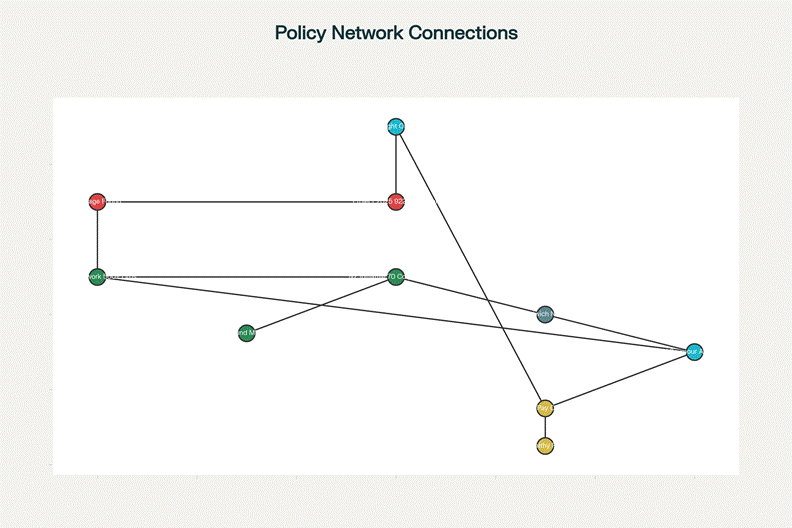
Neoliberal Network Architecture: How Corporate-Funded Think Tanks Shape Policy Targeting Workers and Māori. The same ideological network (Heritage Foundation → Project 2025 → Atlas Network) that drives federal workforce cuts in the USA via Russell Vought’s OMB operates in New Zealand through David Seymour and the New Zealand Initiative, producing identical policy outcomes: austerity, deregulation, and erosion of rights for vulnerable populations.
TIKANGA VIOLATIONS: HOW NEOLIBERALISM DESECRATES MĀORI VALUES
The devastation wrought by these policies is not merely economic. It violates every fundamental tikanga principle that guides Te Ao Māori.
Rangatiratanga (Self-Determination) Under Attack
Rangatiratanga means the authority of Māori to determine their own futures, protected by Te Tiriti o Waitangi (specifically He Whakaputanga, 1835, which asserted Māori sovereignty).
The Regulatory Standards Bill directly undermines this. By excluding Te Tiriti from the principles against which all law is measured, it signals that the Crown’s foundational partnership obligation to Māori is not a valid principle of lawmaking. Regulations specifically designed to protect Māori rights—from environmental protections on Māori land to educational policies serving Māori students—can now be assessed against a framework that has no mechanism for protecting Māori authority.
The Waitangi Tribunal’s finding is explicit: the bill breaches Te Tiriti and the Crown’s obligation to protect Māori rangatiratanga (RNZ, 2025). Yet it proceeds.
Kaitiakitanga (Guardianship) Inverted
Kaitiakitanga means guardianship of the land, resources, and future wellbeing of whānau and hapū. Our tūpuna protected these with fierce dedication. The modern expression of kaitiakitanga includes protecting workers from exploitation and ensuring wahine Māori have economic security.
The pay equity dismantling is an act of anti-kaitiakitanga. It explicitly rejects the responsibility to guard wahine Māori from economic harm. It refuses to protect them from wage discrimination. It is the opposite of kaitiakitanga—it is abandonment of the vulnerable.
Whanaungatanga (Relationships of Responsibility) Severed
Whanaungatanga is the principle that all beings are connected and that these connections carry mutual responsibility. In the context of employment, this means employers have responsibility to wahine workers; government has responsibility to ensure fairness; and society has responsibility to protect its most vulnerable members from predatory practices.
The pay equity changes sever this. They state, in policy form: wahine Māori have no whanaungatanga claim to fair pay. If you are underpaid, that is your individual responsibility to prove—using an impossible threshold. The collective responsibility to protect vulnerable community members from systematic wage theft is rejected.
Manaakitanga (Caring for the Vulnerable) Replaced with Individualism
Manaakitanga is the practice of caring for guests, for those in need, for the most vulnerable. It is the opposite of the every-person-for-themselves mentality that neoliberalism promotes.
The rhetoric of the pay equity changes explicitly inverts manaakitanga. Van Velden frames the dismantling as “supporting women who work” by forcing them to prove discrimination individually rather than collectively (RNZ, 2025). This is not manaakitanga. This is social abandonment dressed in feminist language.
Aroha (Compassion, Love) Weaponized
Aroha—compassion, love, care—is the binding force of Te Ao Māori. It is the recognition that our wellbeing is interdependent.
Neoliberalism weaponizes aroha language while destroying aroha practice. Politicians express “support” for women while voting to dismantle their protections. Think tanks claim to pursue the “public interest” while serving corporate member interests. Regulation is attacked as “red tape” while workers’ protections are erased.
This is linguistic colonization—using our language of care to justify acts of abandonment.
IMPLICATIONS: QUANTIFIED HARM AND IMMEDIATE THREATS
Economic Theft: Who Benefits, Who Suffers
The $12.8 billion diverted from pay equity creates a direct transfer of wealth:
· To wealthy households: Tax incentives included in Budget 2025 total $1.7 billion, targeted at “business investment incentives” that overwhelmingly benefit high-income earners (RNZ, 2025)
· To government fiscal surplus: Used to mask the true fiscal position and claim “responsible management” despite austerity policies (RNZ, 2025)
· Away from wahine Māori: The 180,000 women with halted claims lose approximately $71,000 per person in cumulative forgone pay equity adjustments
The mathematics are stark: $12.8 billion ÷ 180,000 women = approximately $71,000 per woman in stolen wages over the four-year period.
Māori Rights Under Assault: The Constitutional Context
The Waitangi Tribunal’s 25 October 2025 report found that current coalition government policies “absolutely breach Te Tiriti o Waitangi” and are “actively and profoundly aggravating New Zealand’s constitutionally racist foundation in a way we have not seen for at least half a century” (RNZ, 2025).
The government’s actions create a cascade of breaches:
1. The Regulatory Standards Bill breaches partnership and active protection principles by excluding Te Tiriti from lawmaking frameworks (RNZ, 2025)
2. The pay equity dismantling breaches the Crown’s obligation to protect Māori from discrimination, particularly given that wahine Māori are most affected (DLA Piper, 2025) (Kaitiaki, 2025)
3. Combined effect: A legal framework is being constructed in which Māori have diminishing ability to prove rights violations or claim remedies
This is constitutional regression toward the days before Treaty acknowledgment became mandatory in lawmaking.
International Precedent: How Neoliberal Networks Operate Globally
The coordinated nature of these attacks is not accident. Australia’s Institute of Public Affairs (IPA) has operated for 80+ years as a libertarian think tank funded by mining interests, tobacco corporations, and wealthy donors. The IPA’s 75-point “wish list” was implemented by Tony Abbott’s government (2013-2015), including defunding the ABC, dismantling the carbon price, and reducing union protections (ABC Friends Victoria, 2025) (Auspol Info, 2018).
Canada’s Heritage Foundation is funding identical policy efforts. The Heritage Foundation (USA) coordinates through Project 2025. All are connected through Atlas Network.
The pattern repeats: libertarian think tanks → policy advocacy → political parties adopt policies → implementation through regulatory deregulation + austerity + anti-worker measures + targeting of Indigenous protections.
Māori are not being targeted uniquely. We are being targeted as part of a global assault on workers’ rights and Indigenous sovereignty. This is precisely why Annette Sykes connected the dots at Whakamarumaru Whakaputanga o Mana Motuhake—these are not separate issues. They are expressions of the same neoliberal project that has been colonizing governments for decades.
CALL TO ACTION: SPECIFIC TARGETS AND DEMANDS
The following concrete steps must be taken immediately:
To the Crown:
1. Immediately restore all 33 halted pay equity claims under the previous law, with current funding allocations
2. Remove urgency from the Regulatory Standards Bill and undertake genuine consultation with Māori as required by Te Tiriti
3. Commission an independent review of all government decisions made under urgency in 2025 for compliance with Treaty obligations
4. Commit to funding pay equity reviews for all workers whose settlements are older than 5 years
To Māori Leadership:
1. Support ongoing legal challenges to both the Equal Pay Amendment Act and Regulatory Standards Bill through the courts and Waitangi Tribunal
2. Document the economic harm to wahine Māori through coordinated data collection and publish quantified loss projections
3. Build international solidarity with Indigenous communities facing identical attacks (Amah Mutsun, Indigenous Australian communities, etc.)
4. Reject coalition government framing that “women’s rights” and “Māori rights” are separate issues—they are interconnected
To Workers and Unions:
1. Escalate collective action beyond traditional bargaining toward political pressure and public campaigns
2. Connect with Māori workers specifically to highlight how pay equity changes disproportionately harm wahine Māori
3. Challenge the rhetoric that pay equity “costs too much”—emphasize that $12.8 billion in stolen wages IS the cost of inaction
To Te Arawa Whānau:
1. Join legal challenges to both bills through Te Arawa Trust resources and legal expertise
2. Demand accountability from any hapū or iwi leaders who are complicit with or silent on these attacks
3. Teach rangatahi about the connection between these policies and global colonialism—this is the contemporary face of kaitiakitanga violations
MORAL CLARITY IN THE FACE OF DESIGNED INJUSTICE
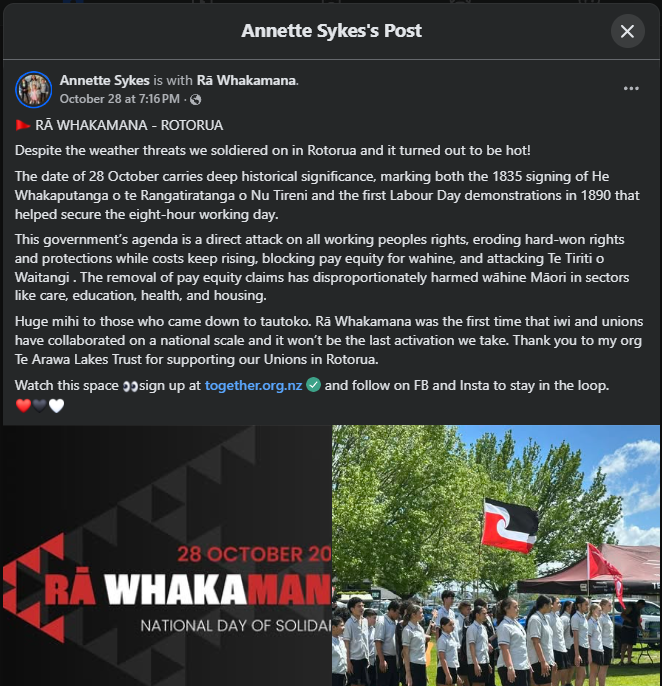
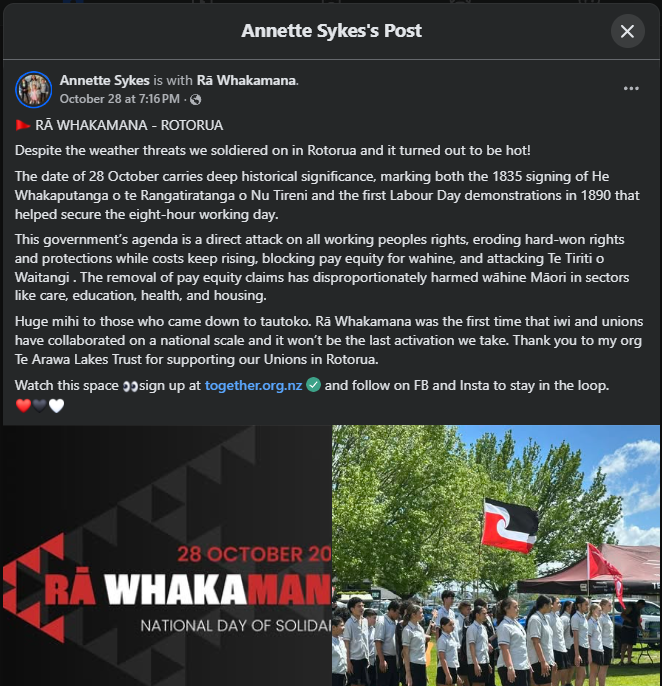
Annette Sykes named the target at Whakamarumaru Whakaputanga o Mana Motuhake: this government’s agenda is “a direct attack on all working peoples’ rights, eroding hard-won rights and protections while costs keep rising, blocking pay equity for wahine, and attacking Te Tiriti o Waitangi.”

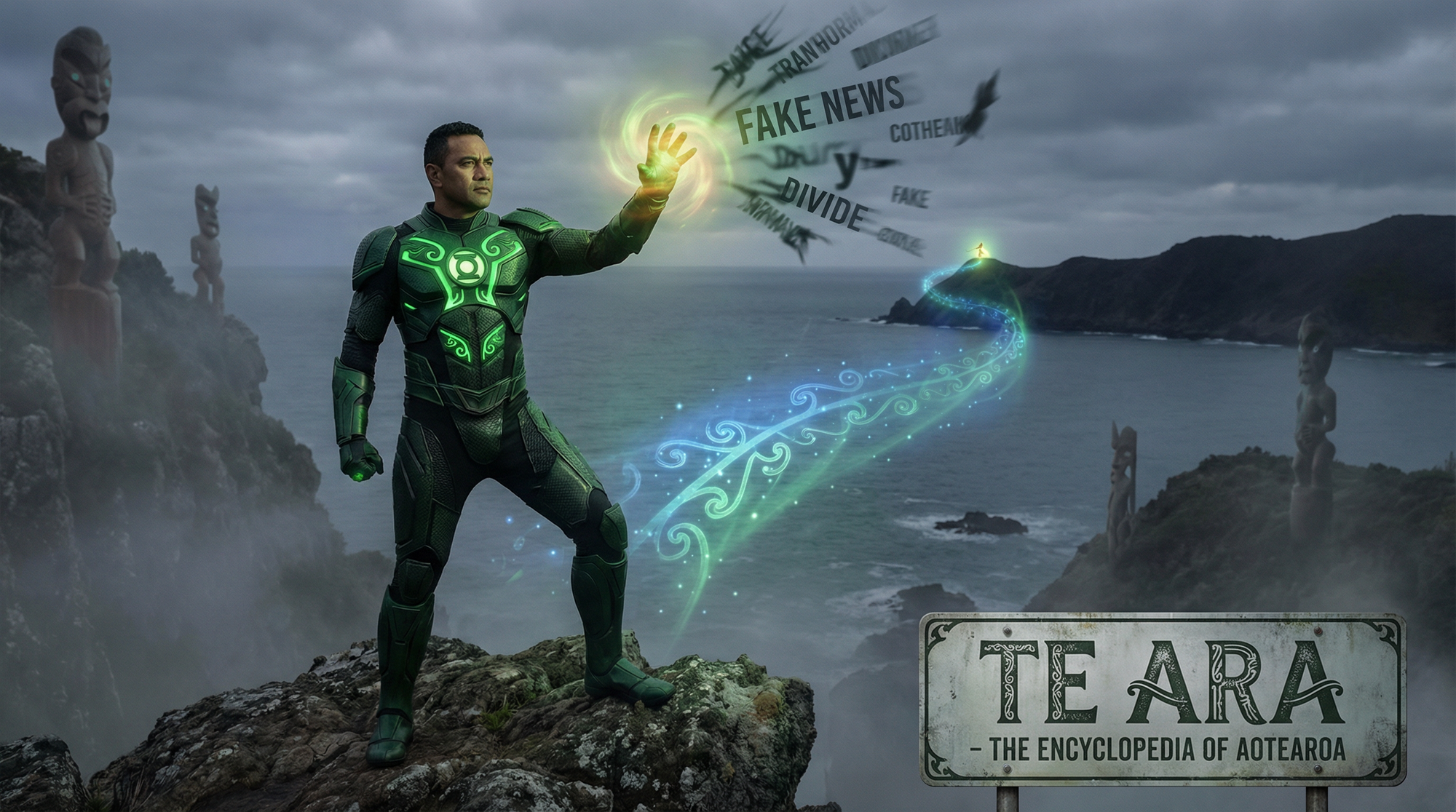
The Māori Green Lantern Fighting Misinformation And Disinformation From The Far Right
She is correct. What we are witnessing is not a series of coincidental policy decisions. It is a coordinated, globally-networked assault on both workers’ rights and Māori constitutional protections, funded by the same corporate interests, justified by the same libertarian ideology, and implemented using identical rhetorical strategies across multiple countries simultaneously.
David Seymour, Russell Vought, Oliver Hartwich, and the think tank networks they serve are not pursuing “good governance” or “economic efficiency.” They are pursuing the transfer of power and wealth from the vulnerable to the wealthy, using regulatory deregulation and constitutional reversal as mechanisms.
The 180,000 women whose pay equity claims were halted did not lose their rights to “government waste.” They lost them to deliberate policy choice. The wahine Māori among them lost them twice—once as workers, once as Māori.
The path forward is clear: refuse consent. Challenge the narrative. Build collective power. Demand that government honors its Treaty obligations and workers’ rights. Connect the dots so every person can see the network.
This is not just about pay equity or regulatory process. This is about whether Māori will reclaim rangatiratanga or watch it be systematically dismantled by the same colonial interests that have pursued it for 200 years, now dressed in the language of “transparency” and “efficiency.”
Kia kaha. Kia māia. Kia manawanui. Build the future together.
REFERENCES
All cited sources are hyperlinked throughout the essay. Key references include RNZ reporting on pay equity changes and Regulatory Standards Bill, government official documents from Beehive.govt.nz, Waitangi Tribunal findings, analysis from union organizations (NZEI, NZCTU), legal firm analysis (Dentons, DLA Piper), international reporting on Project 2025 implementation (CBS News, ProPublica, The Conversation), and documentation of Atlas Network connections (Wikipedia, Bad News Letter, academic sources).
KOHA REQUEST
If this essay has served your understanding of the networks attacking our rights, and you have the capacity and capability to support ongoing investigative mahi, koha can be sent to:
HTDM: 03-1546-0415173-000
Only give if you are able. The work continues regardless.
Kia ora nui.
Tēnei te whakatupuranga e karanga ana ki te kōrero pono.