"PUNISHING THE INNOCENT: How National’s Benefit Cuts Weaponize Poverty Against Rangatahi" - 6 October 2025
A brutal expose of neoliberal cruelty disguised as economic policy
Kia ora koutou katoa, ko Ivor Jones ahau, The Māori Green Lantern. Greetings to you all, I am Ivor Jones, The Māori Green Lantern
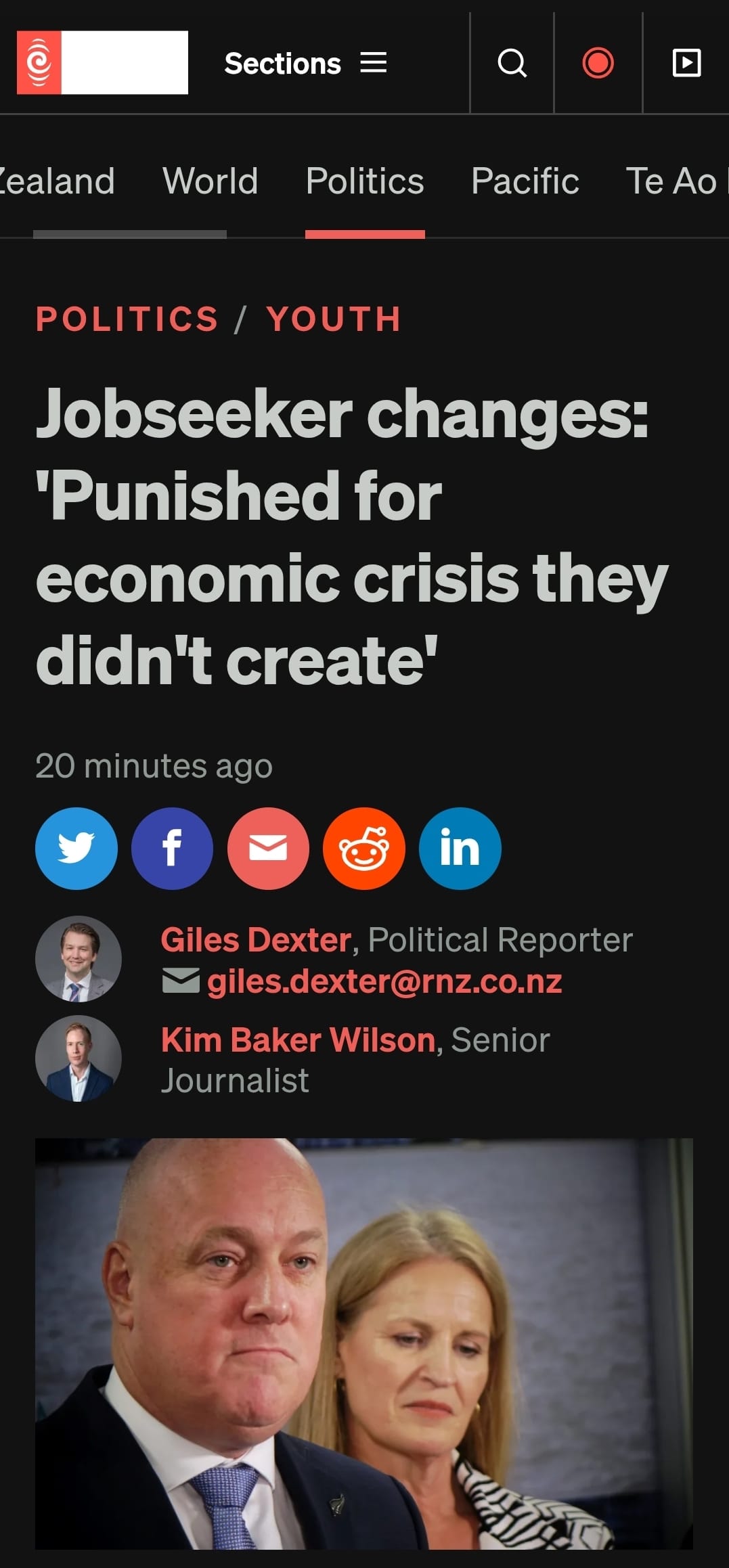
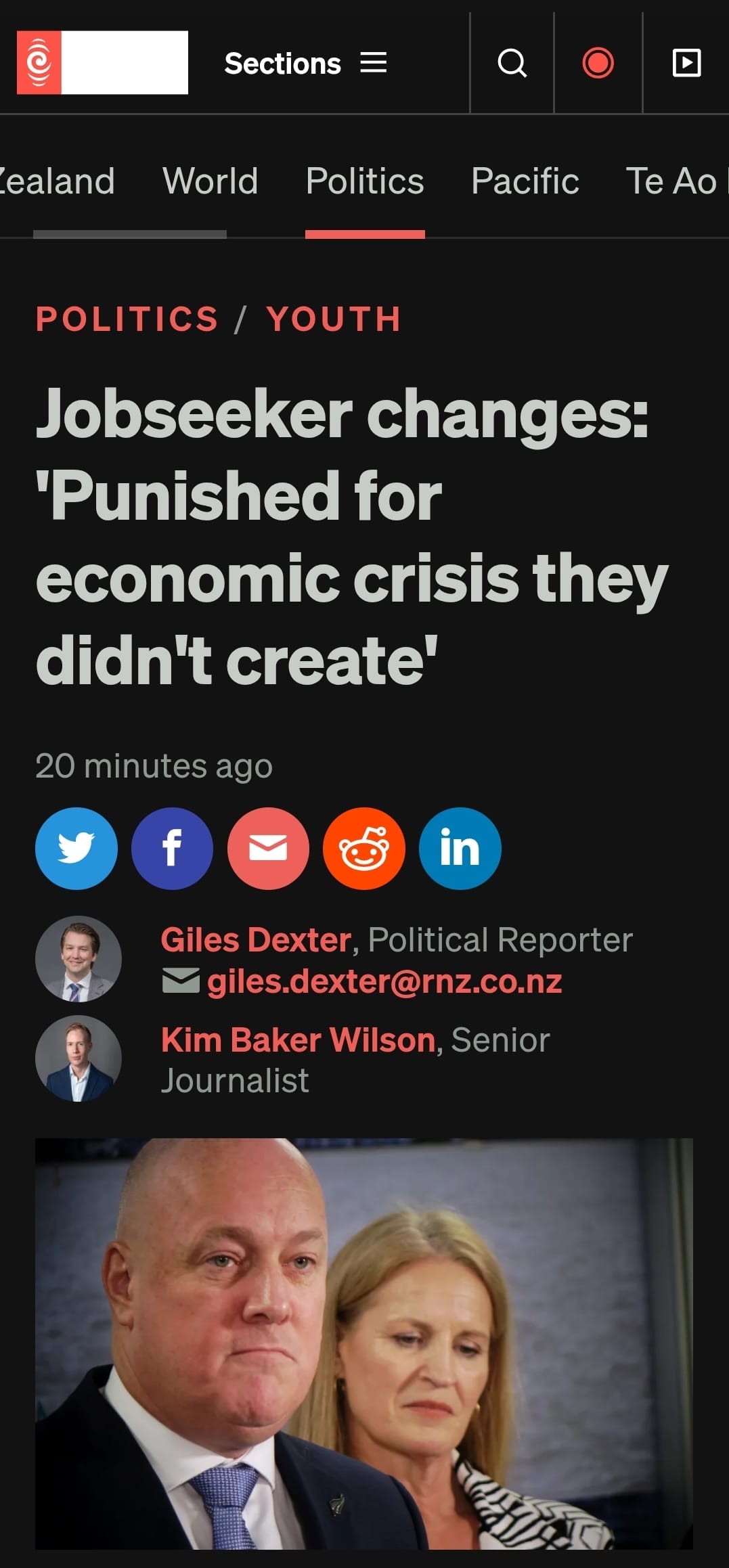
https://www.rnz.co.nz/news/political/575040/jobseeker-changes-punished-for-economic-crisis-they-didn-t-create
Christopher Luxon and his coalition of cruelty have declared war on New Zealand’s most vulnerable young people, and it is nothing short of state-sanctioned violence against rangatahi who had no hand in creating this economic crisis. The government’s announcement that 4,300 young people aged 18-19 will be stripped of Jobseeker support represents the latest salvo in a systematic campaign to blame the victims of their own economic mismanagement. This essay will expose how these benefit cuts represent classic neoliberal scapegoating, reveal the far-right Christian nationalist ideology driving these decisions, and demonstrate how this policy violates fundamental Māori values of manaakitanga and whakatōhea. The evidence shows this is not economic necessity but ideological cruelty designed to punish young people for an unemployment crisis created entirely by National’s own policies.
Background
To understand the full depravity of what National is attempting, we must first grasp the scale of youth unemployment they have created. Youth unemployment for 15-19 year olds has skyrocketed to 23 percent, the highest level in over a decade, while overall unemployment has risen to 5.2 percent under their watch. This represents a deliberate economic policy failure, as unemployment was significantly lower when Labour left office. The concept of manaakitanga - caring for others as extended whānau - is central to Māori worldview and directly contradicts the punitive approach National has adopted. When we understand that nearly 30 percent of benefit recipients are Māori despite being only 17 percent of the population, these cuts specifically target our people who are already struggling with the ongoing effects of colonization and structural racism.
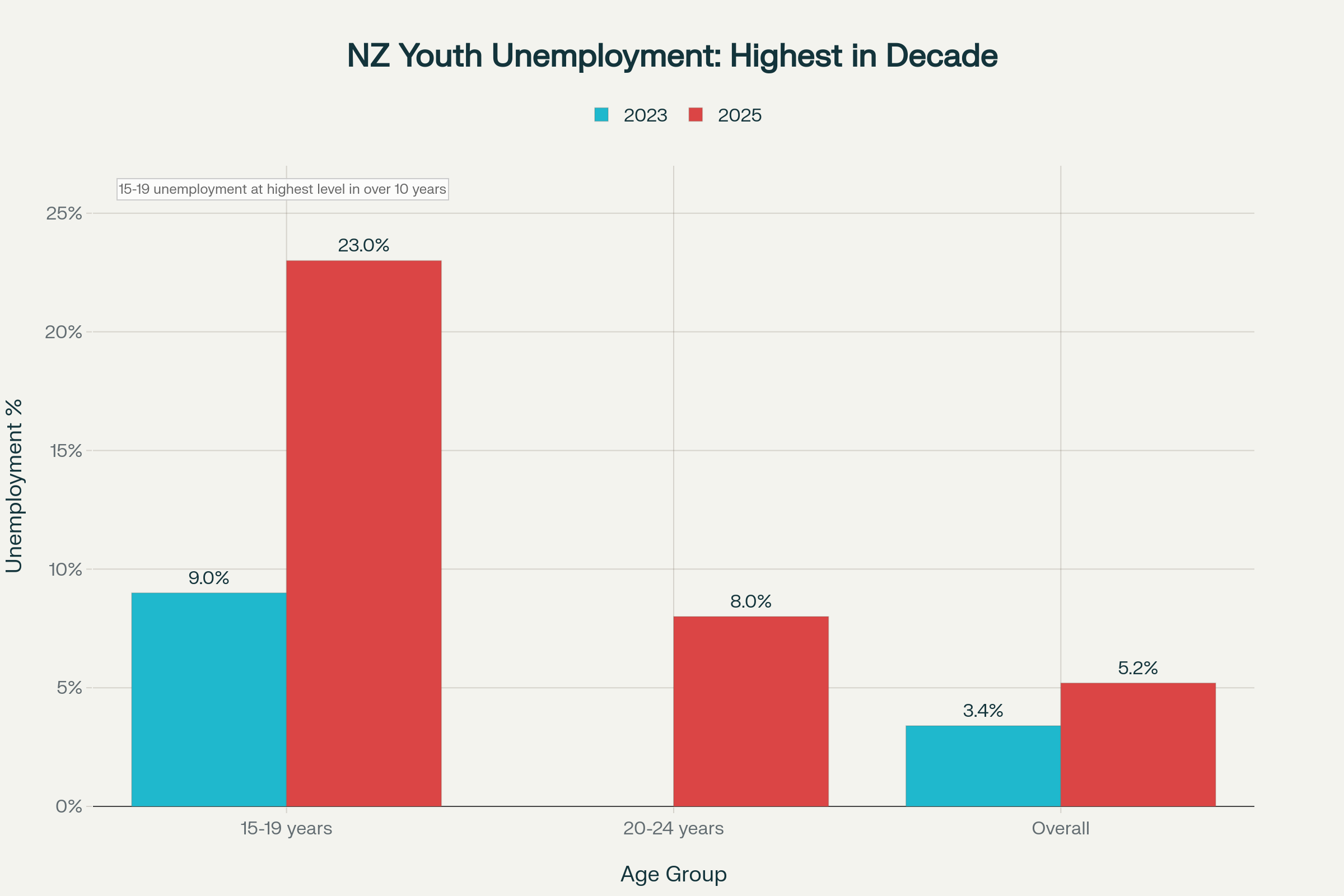
Youth unemployment crisis: Young people bear the brunt of National’s economic failures
What's Going On?
The core issue being analyzed is National’s introduction of a parental income test for 18-19 year olds seeking Jobseeker support, which will deny benefits to approximately 4,300 young people whose families earn above $65,529 annually. Social Development Minister Louise Upston claims this “targets welfare assistance to those who need it most,” but the reality is far more sinister. This policy matters profoundly to Māori because our rangatahi are disproportionately affected by unemployment and benefit dependency, often due to historical disadvantage and ongoing discrimination. As Ricardo Menéndez March correctly identified, families earning $65,000 are already feeling the pinch and cannot reasonably support unemployed young adults. The scope of this analysis reveals how benefit cuts serve as a smokescreen for National’s fundamental failure to create jobs while simultaneously punishing victims of their own economic vandalism.
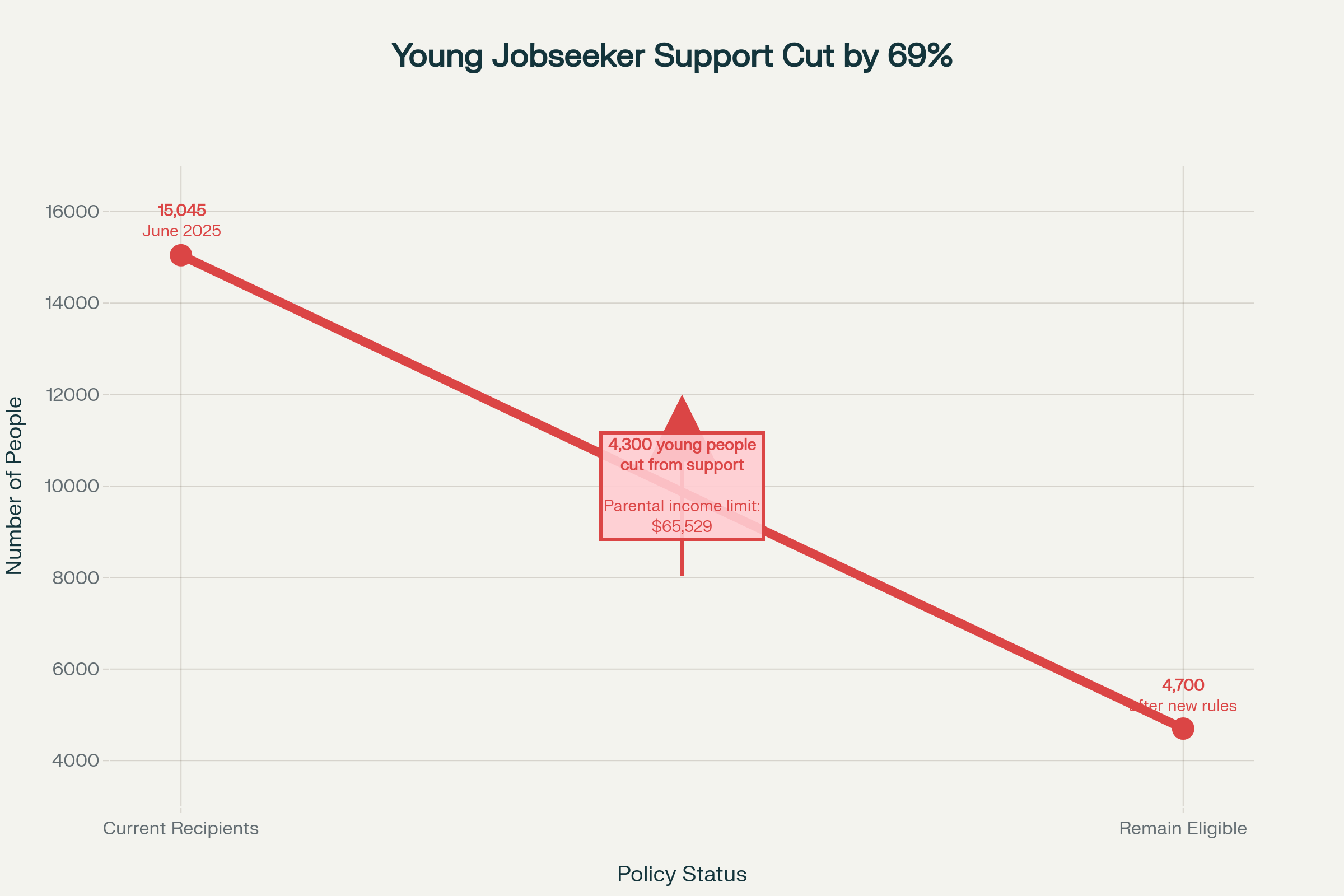
Mass benefit cuts: 4,300 young people to be stripped of support despite economic crisis
The Manufactured Crisis
Christopher Luxon’s response to criticism perfectly encapsulates the breathtaking arrogance of this government. When challenged about where jobs exist for these young people, he pointed to the kumara industry, claiming young people “show up for work for a little bit and then bugger off”. This reveals the fundamental disconnect between a multimillionaire Prime Minister and the reality faced by rangatahi. The language itself - “bugger off” - shows the contempt this government holds for working-class young people. From a Māori perspective, this violates the principle of whakatōhea (standing together in solidarity) by dividing working people against each other.
The timing of these cuts exposes their ideological motivation. National has systematically destroyed jobs through public sector cuts, creating the unemployment crisis they now blame on individual character flaws. This is textbook neoliberalism - create the conditions for poverty, then punish people for being poor. Aaron Hendry from Kick Back correctly identifies that young people lack support, not motivation, stating “I’ve never met a young person that doesn’t want to find work”.
Christian Nationalist Connections
The ideological foundations of these policies become clearer when examining Luxon’s religious background and political connections. Luxon’s evangelical Protestant Christian faith has been described as fundamental to his worldview, and while he claims to separate faith from politics, his policies reveal a punitive moral framework that views poverty as deserved punishment. This aligns with global patterns where far-right groups weaponize Christianity for political agendas, promoting individual responsibility narratives that ignore structural inequalities.
The coalition agreement with New Zealand First, a party with documented connections to far-right ideologies, further exposes the ideological foundations of these cuts. Winston Peters has consistently promoted nationalist rhetoric that scapegoats beneficiaries while ignoring the structural causes of unemployment. ACT’s David Seymour explicitly frames this in racial terms, claiming “people from overseas are showing more willingness to work than too many young New Zealanders”. This rhetoric deliberately stokes anti-immigrant sentiment while blaming local young people, creating the divide-and-conquer strategy essential to far-right politics.
The Bureaucratic Violence
The requirement that young people prove family breakdown through medical or counseling verification represents bureaucratic violence designed to humiliate and exclude. As Hendry correctly notes, this makes it harder for young people to leave unsafe situations and requires them to convince professionals their trauma is legitimate. From a Māori perspective, this ignores the reality that many of our rangatahi come from families dealing with intergenerational trauma from colonization, where formal recognition of dysfunction may not capture the full complexity of their situations.
The $1000 “incentive” for staying off benefits reveals the government’s fundamental misunderstanding of unemployment. This token payment assumes people choose unemployment when jobs are available, ignoring the reality that many young people cannot find work despite desperate searching. It represents the commodification of human dignity, reducing complex social problems to simple financial transactions.
Implications
The broader implications of these cuts extend far beyond individual hardship. Research consistently shows that benefit sanctions push people deeper into poverty without improving employment outcomes, yet National persists with policies proven to fail. This suggests the cruelty is the point, not an unfortunate side effect. For Māori communities already dealing with disproportionate poverty and unemployment, these cuts represent another layer of structural violence designed to maintain colonial power structures.
The policy creates a two-tier system where young people’s access to basic survival depends on their family’s economic position, fundamentally violating principles of equity and fairness. As Willie Jackson correctly identified, this shuts young people out of the future they deserve while National’s own decisions have driven record numbers overseas and pushed unemployment up. The connection to larger patterns of neoliberal capitalism becomes clear when examining how these policies serve to maintain a desperate workforce willing to accept poverty wages and unsafe conditions.

The Māori Green Lantern Fighting Misinformation And Disinformation From The Far Right
Christopher Luxon and his coalition have revealed themselves as enemies of working-class young people, particularly rangatahi Māori who bear the brunt of their economic vandalism. These benefit cuts represent ideological warfare disguised as economic policy, designed to punish victims of unemployment while protecting the wealthy interests that benefit from cheap labor and social instability. The evidence overwhelmingly shows these policies will increase poverty, homelessness, and social dysfunction while doing nothing to address the unemployment crisis National created.
From a Māori perspective grounded in values of manaakitanga and whakatōhea, this government has failed our rangatahi catastrophically. They have chosen cruelty over compassion, ideology over evidence, and political expedience over genuine solutions. The time has come for all New Zealanders who believe in justice and fairness to stand against this systematic assault on our most vulnerable young people.
The fight for economic justice continues, and we must not let these attacks go unchallenged. Our rangatahi deserve better than to be scapegoated for a crisis they did not create.
Noho ora mai rā
For readers who find value in exposing the truth about neoliberal violence against working people, please consider offering koha to support this essential work: HTDM: 03-1546-0415173-000. I understand these are tough economic times for whānau, so please only contribute if you have the capacity and wish to do so.