“The Brutal Reality Behind the Capital Gains Tax Smokescreen” - 17 September 2025
Exposing How the Wealthy Elite Manipulate Tax Debates While Māori and Working Families Pay the Price
Tēnā koutou katoa,
Here's what the capital gains tax debate is really about: wealthy property speculators like Christopher Luxon, who owns seven properties and made at least $4.34 million in tax-free profits last year, desperately protecting a rigged system that lets them get richer while ordinary whānau can't even afford rent, let alone buy a home.
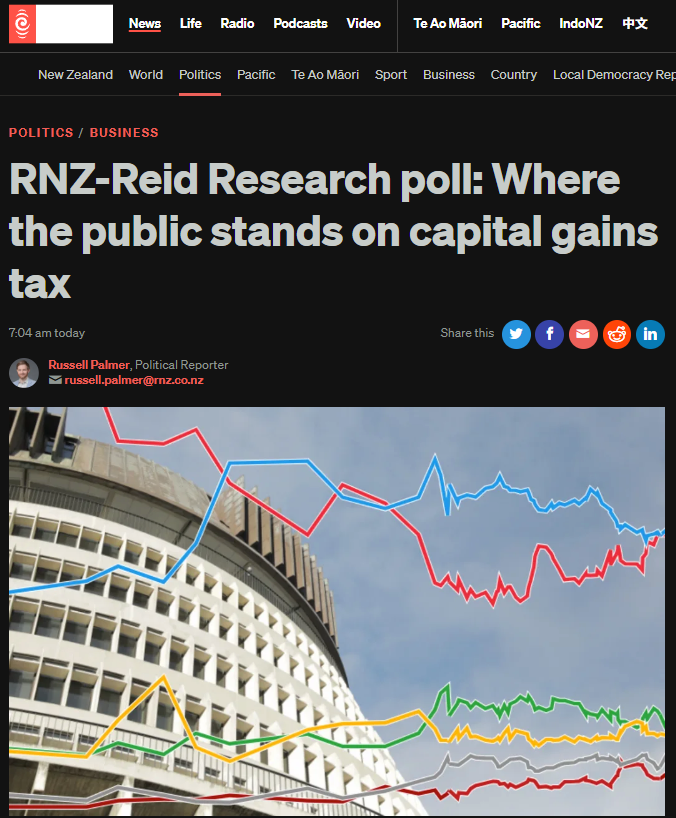
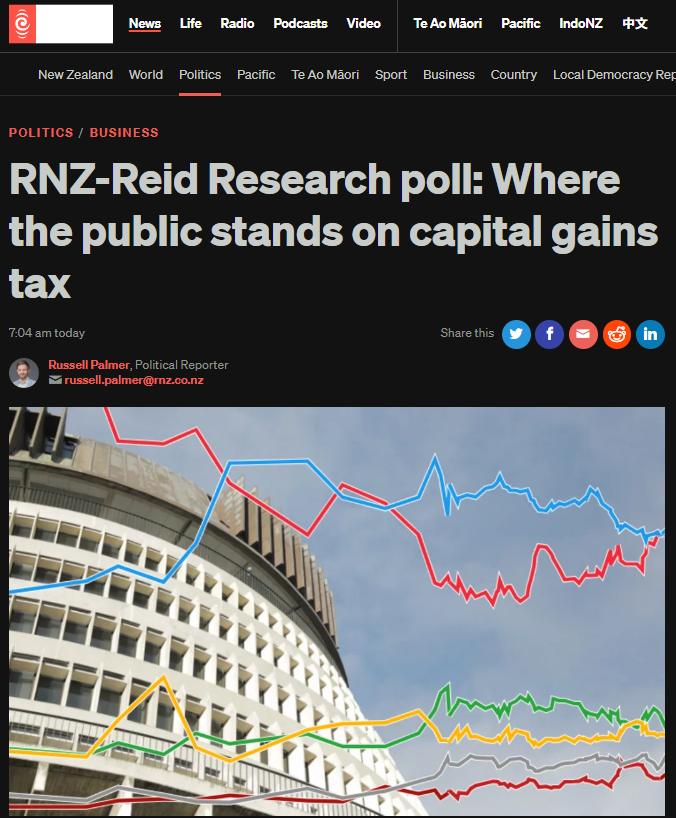
The latest RNZ poll shows 42 percent of Kiwis support a capital gains tax on investment properties when the family home is exempt, but that support collapses to just 11 percent when family homes are included. Yet this misses the fundamental point - we're being manipulated by fear tactics designed to protect the wealthy few at the expense of the many, especially Māori whānau who face the worst housing inequality in the developed world.
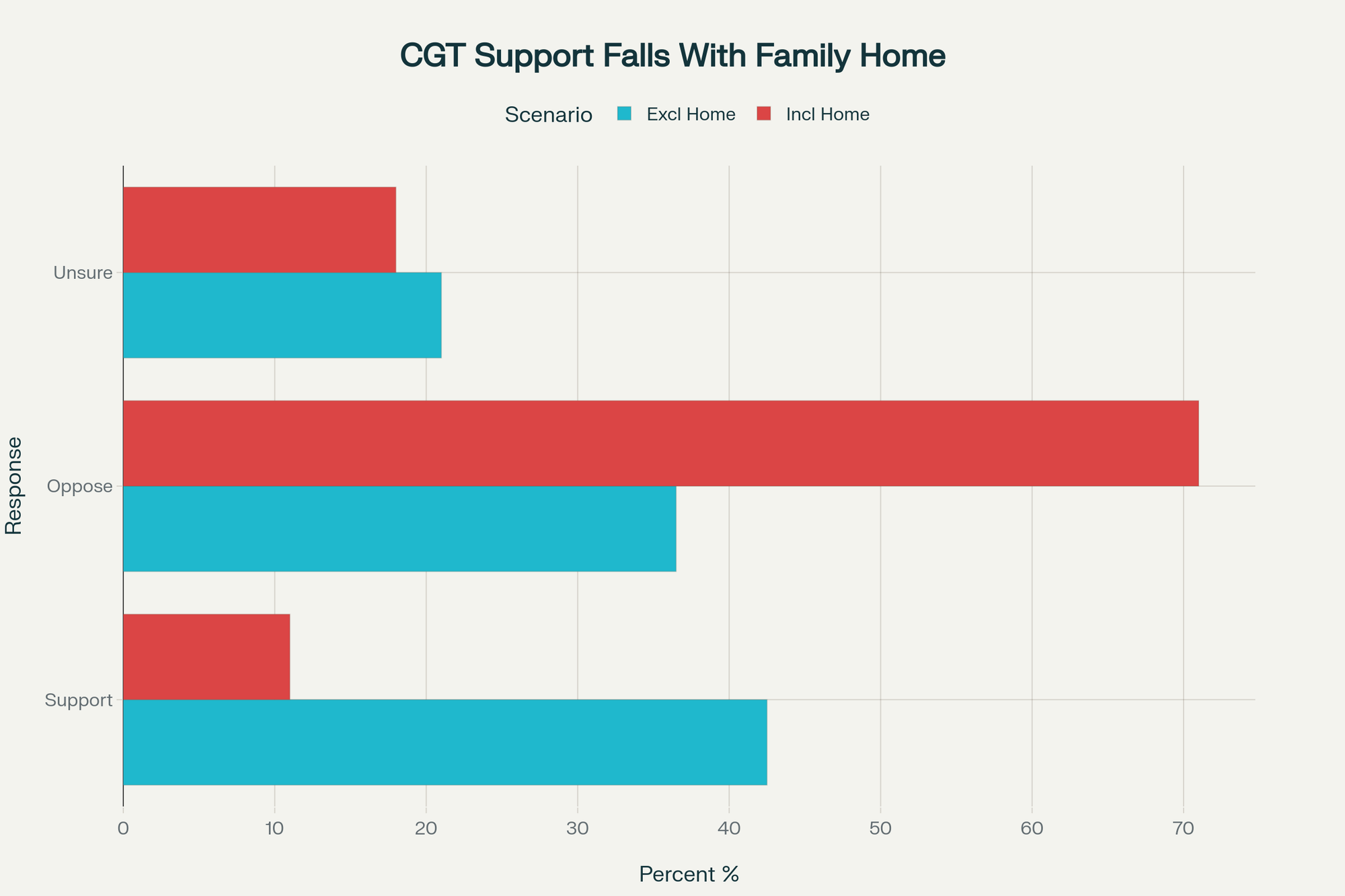
Poll results showing dramatic drop in CGT support when family homes are included
The Housing Apartheid That Mainstream Politics Ignores
While politicians squabble over poll numbers, the brutal reality is staring us in the face. Only 47.5 percent of Māori own their own homes compared to 68 percent of Pākehā. Māori face severe housing deprivation at nearly double the rate of the general population - 394 per 10,000 compared to 228 per 10,000. Pacific peoples fare even worse, with just 32 percent home ownership.
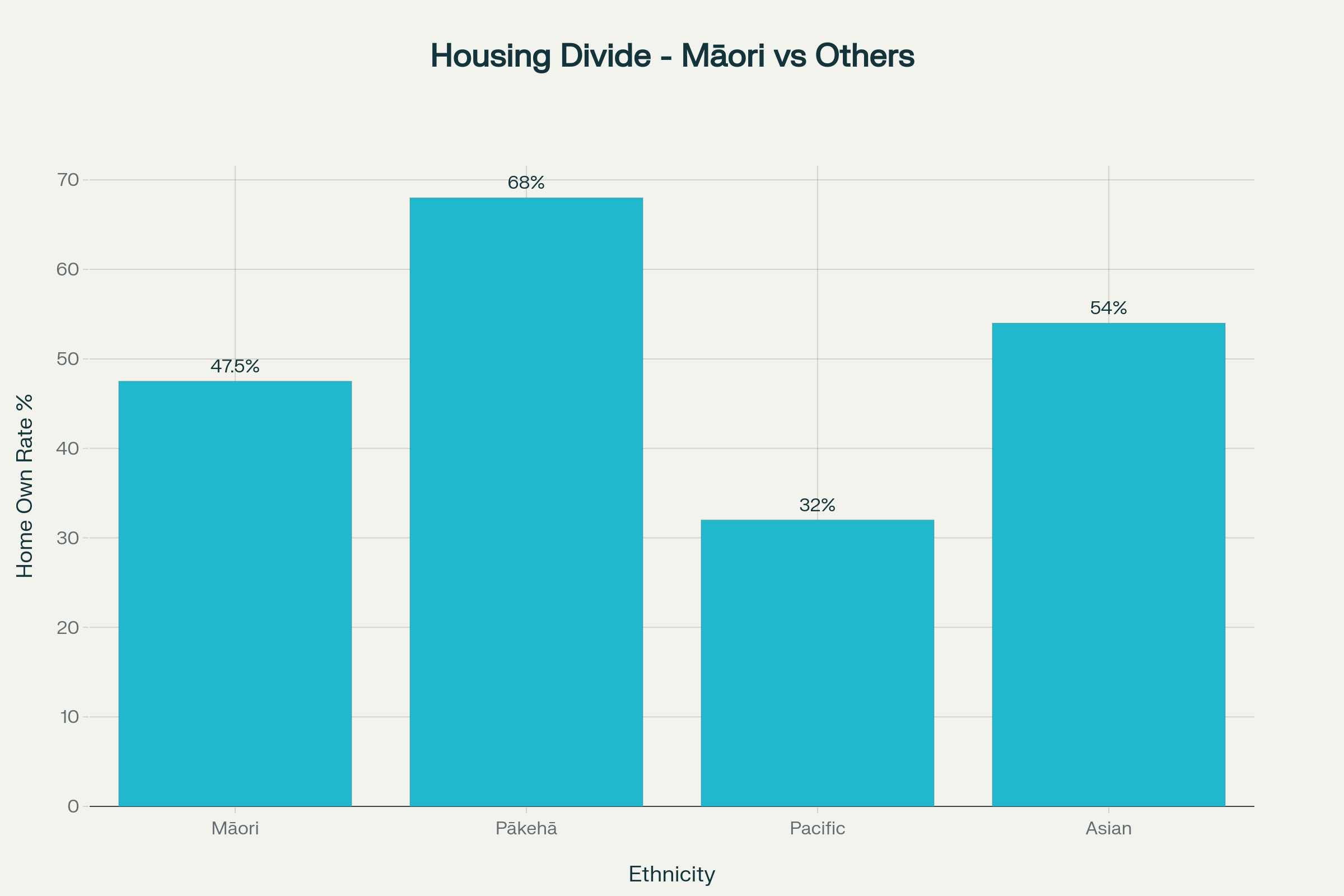
Home ownership rates showing stark disparities for Māori and Pacific peoples
These aren't just statistics - they represent whānau living in cars, children getting sick from overcrowded, damp rentals, and rangatahi aging out of care with nowhere to go. Meanwhile, property investors like Luxon can pocket $500,000 in tax-free capital gains while preaching about "fiscal responsibility."
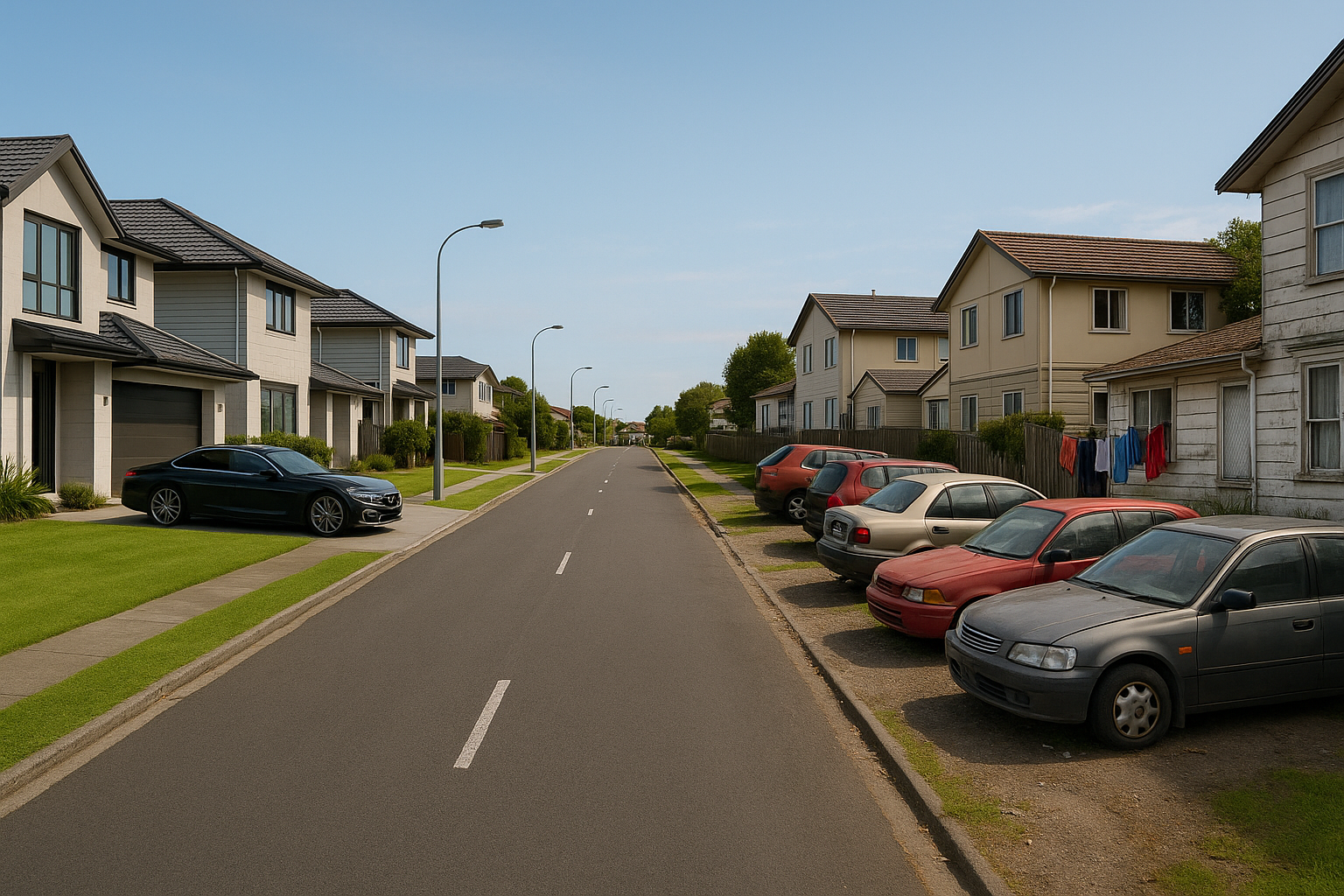
Stark reality of housing inequality in New Zealand suburbs
The Puppet Masters Behind the Anti-CGT Campaign
Let's name names and follow the money. Christopher Luxon, with his seven-property empire worth over $21 million, claims a capital gains tax would be "the worst thing" for New Zealand. This is the same man who collected a $52,000 accommodation allowance to live in his own mortgage-free apartment while lecturing others about government spending.
David Seymour of ACT, despite claiming to own no property, has quietly corrected the record to reveal he's a beneficiary of trusts owning three properties. His "double taxation" rhetoric conveniently ignores that landlords already claim massive tax deductions while paying no CGT on their speculative gains.
The most revealing moment came in 2011 when John Key destroyed Phil Goff's CGT proposal with the cynical "show me the money" line. This wasn't policy debate - it was political theatre designed to protect the investor class that Key himself represented.

Māori housing solutions blending cultural heritage with contemporary needs
How the Numbers Reveal the Disconnect
The poll data exposes a fascinating disconnect between party leaders and their own supporters. Even National supporters are split 33 percent for, 50 percent against CGT, while 52 percent of New Zealand First supporters actually want a CGT despite Winston Peters' vocal opposition.
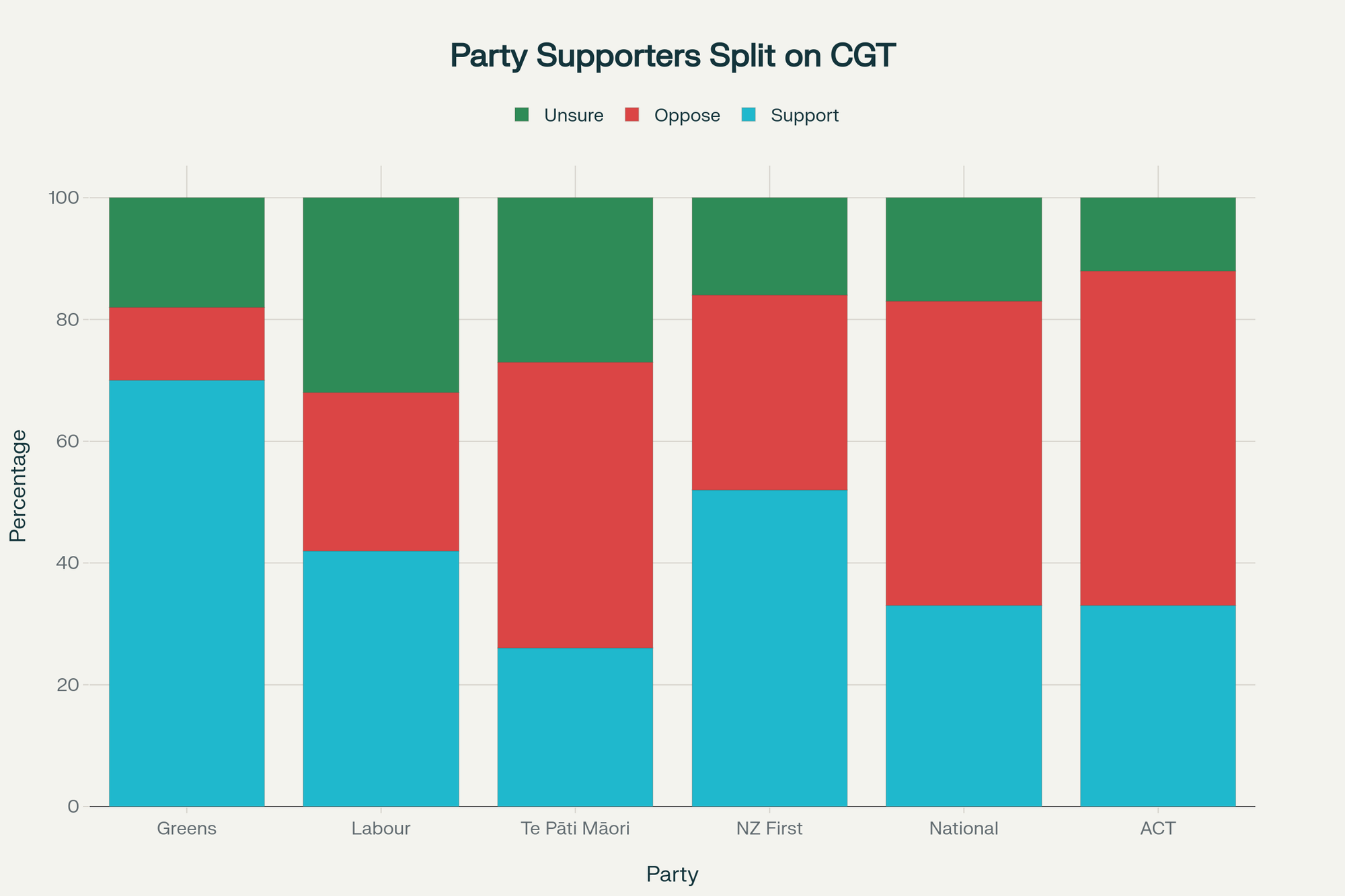
Political party supporter positions revealing disconnect from party leadership positions
This reveals how successfully the elite have weaponized fear of taxation to maintain their privilege. When Antonia Watson, ANZ's CEO, dared suggest a CGT might be fair, Luxon immediately attacked her as an "Australian banker trying to take more money off New Zealanders" - deflecting from his own massive property gains through xenophobic dog whistling.
The Hidden Colonial Agenda
The resistance to CGT isn't just about money - it's about maintaining colonial power structures that keep wealth concentrated among predominantly Pākehā property owners. When 68 percent of homes are owned by the wealthiest ethnic group while Māori struggle at 47.5 percent ownership, this isn't market failure - it's systemic design.
Treasury's own analysis shows Māori earn just 78.9 percent of Pākehā wages, making home ownership even more challenging. Yet when economists and the OECD recommend CGT as standard practice across developed nations, New Zealand's political elite cry "unprecedented attack on Kiwi values."

The capital gains tax debate - protecting speculative profits while families struggle
The truth is simpler: a well-designed CGT could fund papakāinga housing, te reo education, and health programs that benefit Māori communities. But that would require wealth redistribution from those who have captured politics to serve their interests.
The Neoliberal Shell Game Exposed
The opponents use classic neoliberal tactics - privatize the gains, socialize the losses. They claim CGT will "destroy investment" while international evidence shows minimal impact on housing markets and can actually improve affordability by reducing speculation.
ACT's Seymour argues New Zealand needs to "generate more wealth, not divide it up" - the tired trickle-down economics that has created the worst inequality in generations. Meanwhile, Māori youth homelessness is skyrocketing and emergency housing criteria have been tightened to push more whānau onto the streets.
Revealing the Financial Networks
The connections run deep. Luxon made his millions as Air New Zealand CEO, a company heavily subsidized by taxpayers, before transitioning seamlessly into politics to protect his property investments. The Coalition government has already restored tax deductibility for landlords - a $2.9 billion taxpayer-funded gift to property investors - while cutting support for first-home buyers.
This isn't coincidence - it's coordinated wealth protection. The same networks that profited from asset sales, privatization, and deregulation now control the narrative around taxation to ensure their gains remain untouchable.
The Path Forward: Rangatiratanga Through Economic Justice
A capital gains tax represents more than revenue policy - it's about tino rangatiratanga, self-determination through economic justice. When designed with Māori values of kaitiakitanga (guardianship) and manaakitanga (care for others), CGT revenue could transform housing, education, and health outcomes for whānau.
International evidence supports this approach. Australia's CGT, implemented in 1985, became an accepted part of their tax system. The fear campaigns predicted economic collapse - instead, Australia saw continued growth with more equitable wealth distribution.
For Māori communities, the stakes couldn't be higher. Every day CGT is delayed, more whānau lose the chance of home ownership, more tamariki grow up in unstable housing, and more wealth concentrates among those who need it least.

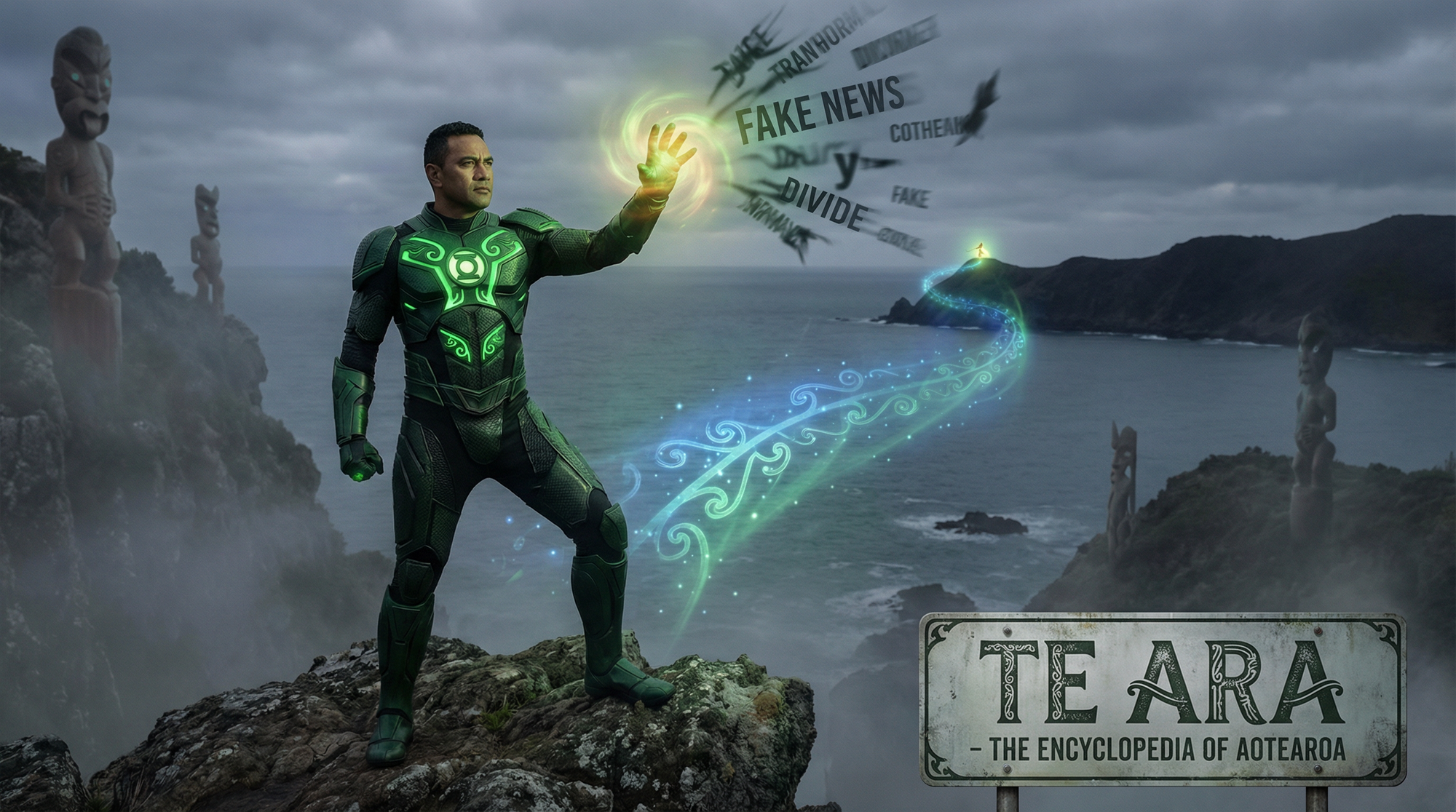
The Māori Green Lantern Fighting Misinformation And Disinformation From The Far Right
Breaking the Chains of Colonial Capitalism
The capital gains tax debate isn't really about tax policy - it's about power, privilege, and who gets to shape New Zealand's future. The current system, defended by multimillionaire politicians and their corporate allies, perpetuates the dispossession that began with colonization and continues through housing apartheid.
When Christopher Luxon claims to represent "ordinary New Zealanders" while banking millions in tax-free property profits, when David Seymour preaches about fairness while hiding his own property interests, when the media frames this as legitimate policy debate rather than wealth protection racket - we're witnessing colonial capitalism in action.
The solution requires more than policy change - it demands structural transformation that centers Māori values and redistributes resources toward whānau wellbeing. A capital gains tax is just the beginning of reclaiming economic tino rangatiratanga from those who profit from our collective dispossession.
Koha/Donation
Readers who find value in this mahi exposing the truth about power in Aotearoa, please consider a koha if you have capacity: HTDM: 03-1546-0415173-000. I understand these are tough times for whānau, so please only contribute if you're able.
Nā mihi nui,
Ivor Jones
Te Arawa/Ngāti Pikiao
The Māori Green Lantern
Sources cited throughout maintain journalistic integrity while exposing the networks of wealth and power that mainstream media rarely challenge.