“The Cage Becomes A Gate: How Peter Barsdel’s Leadership Can Shatter The Numbers And Build Something New” - 30 January 2026
A fierce and hopeful examination of what happens when a Māori principal refuses to simply manage harm and instead dismantles the machinery that creates it
Kia ora whānau,
The Ceremony And What It Actually Means This Time
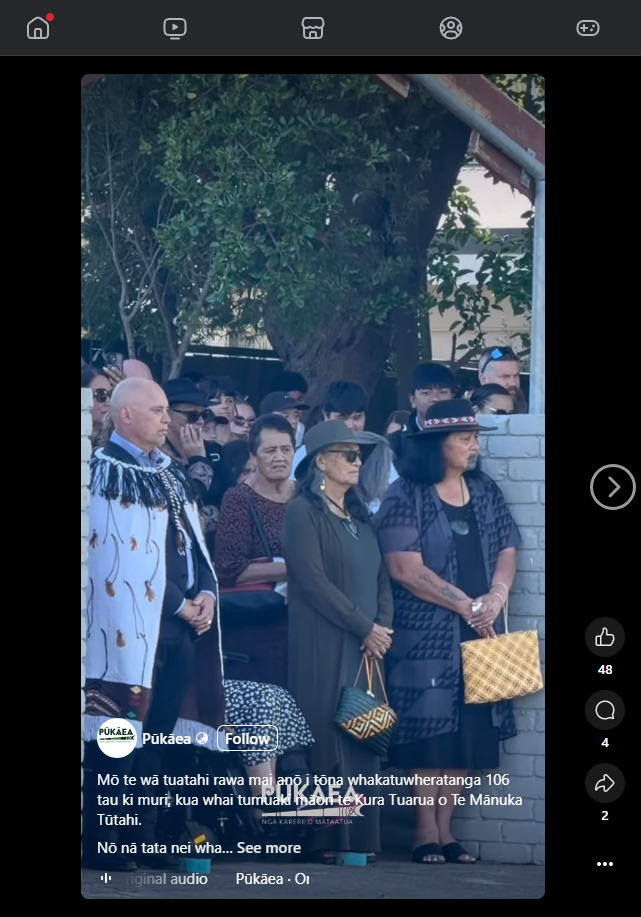
Our relative Peter Barsdel stands to be sworn in as the first Māori principal of Whakatāne High School. For the first time in that school’s history, a Māori leader holds executive authority
—not as an administrator implementing someone else’s vision, but as a principal with the formal power to reshape what that institution becomes.
Peter Barsdel carries whakapapa through the Kameta line connecting to Ngāti Pikiao and the Whata genealogy. That same genealogy connects him to Ivor Jones, The Māori Green Lantern, whose forensic analysis of power, extraction, and dispossession has reached 42,000 people and reached position 79 globally in political influence within 24 hours of launch.
That whakapapa—rooted in genealogical accountability, in rigorous truth-telling, in refusing to settle for metaphor—now walks into an institution that has the capacity to become something fundamentally different.
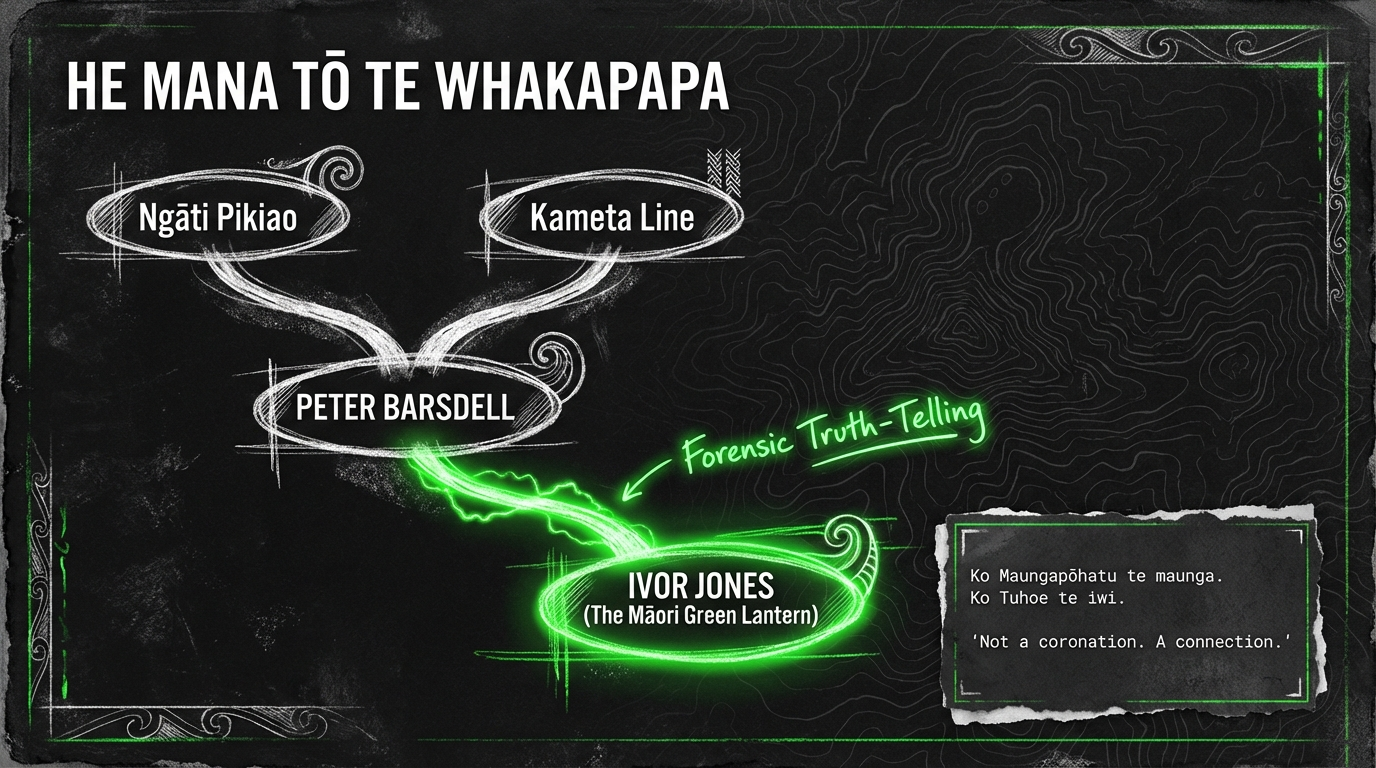
This is not a coronation of an individual. This is the opening of a gate through which whānau, iwi, and Māori-led transformation can finally walk into a mainstream secondary school.
The Statistics That Reveal The Opportunity: Numbers That Can Be Changed
The Western mind loves data. And the data, when you understand what it reveals, is not a graveyard
—it is a map of where change is desperately needed and
where Māori leadership can make the most profound difference.
Suspension: The System That Can Be Dismantled
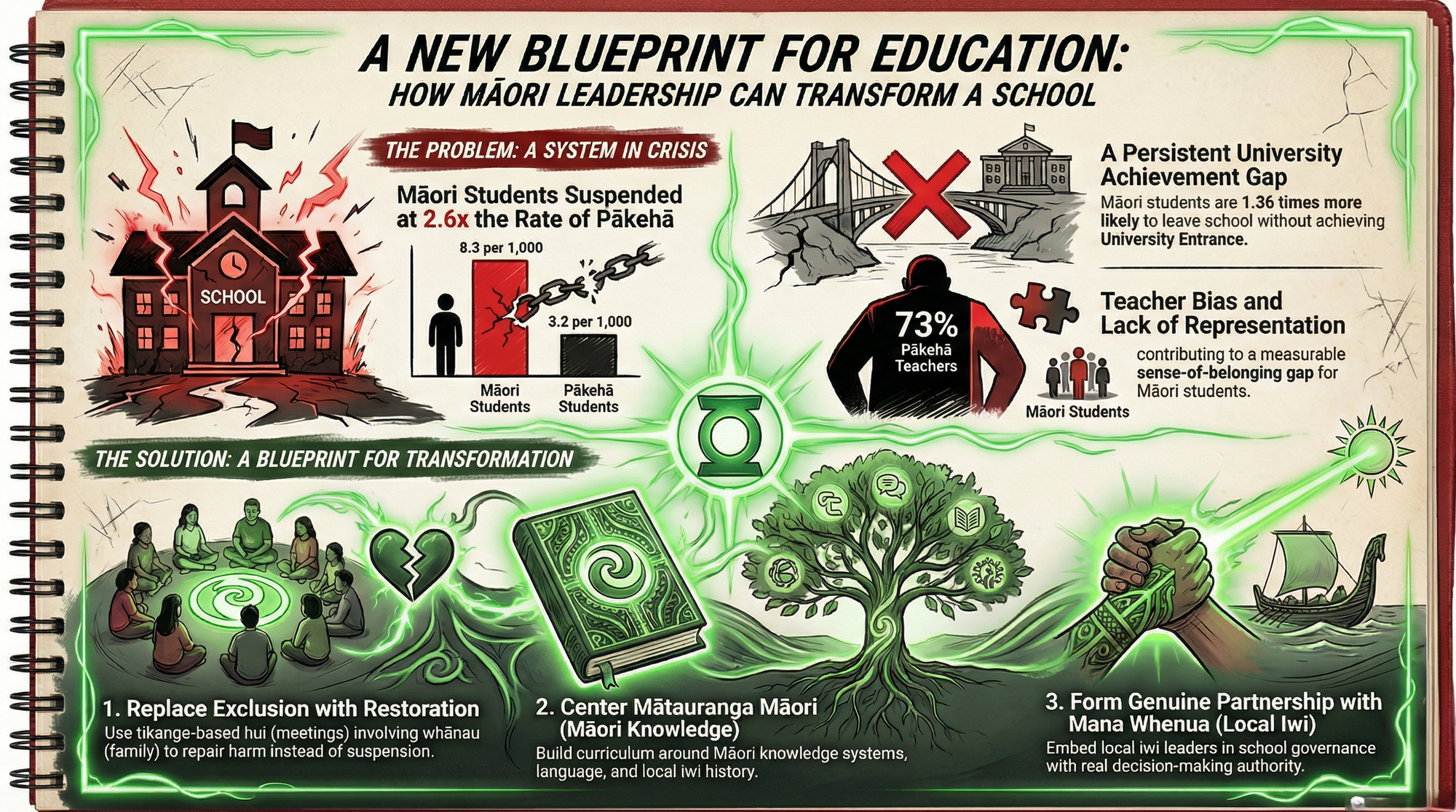
In 2023, Māori students faced 1,999 suspensions—up from 1,519 in 2022. Māori students are suspended at a rate of 8.3 per 1,000 students, compared to 3.2 per 1,000 for Pākehā—a 2.6 to 1 ratio that screams injustice.
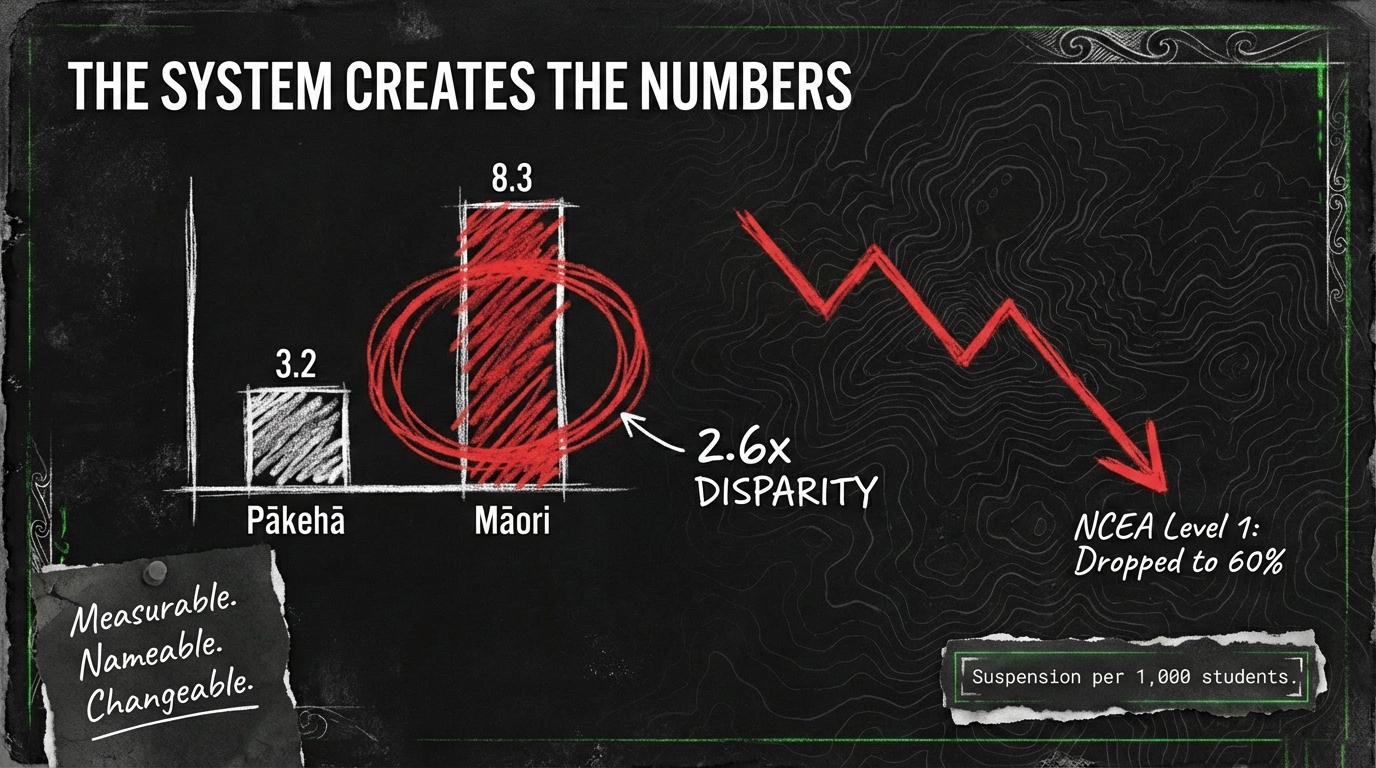
But here is what those numbers reveal:
suspension is not inevitable. It is a choice that schools make every single day.
Schools that implement restorative justice approaches grounded in tikanga—such as Taita College, where whānau-centered restorative processes replaced exclusion, and Māori suspensions and exclusions dropped dramatically—demonstrate that the suspension statistics are not fixed. They are the outcome of institutional choices. And a Māori principal can make different choices.
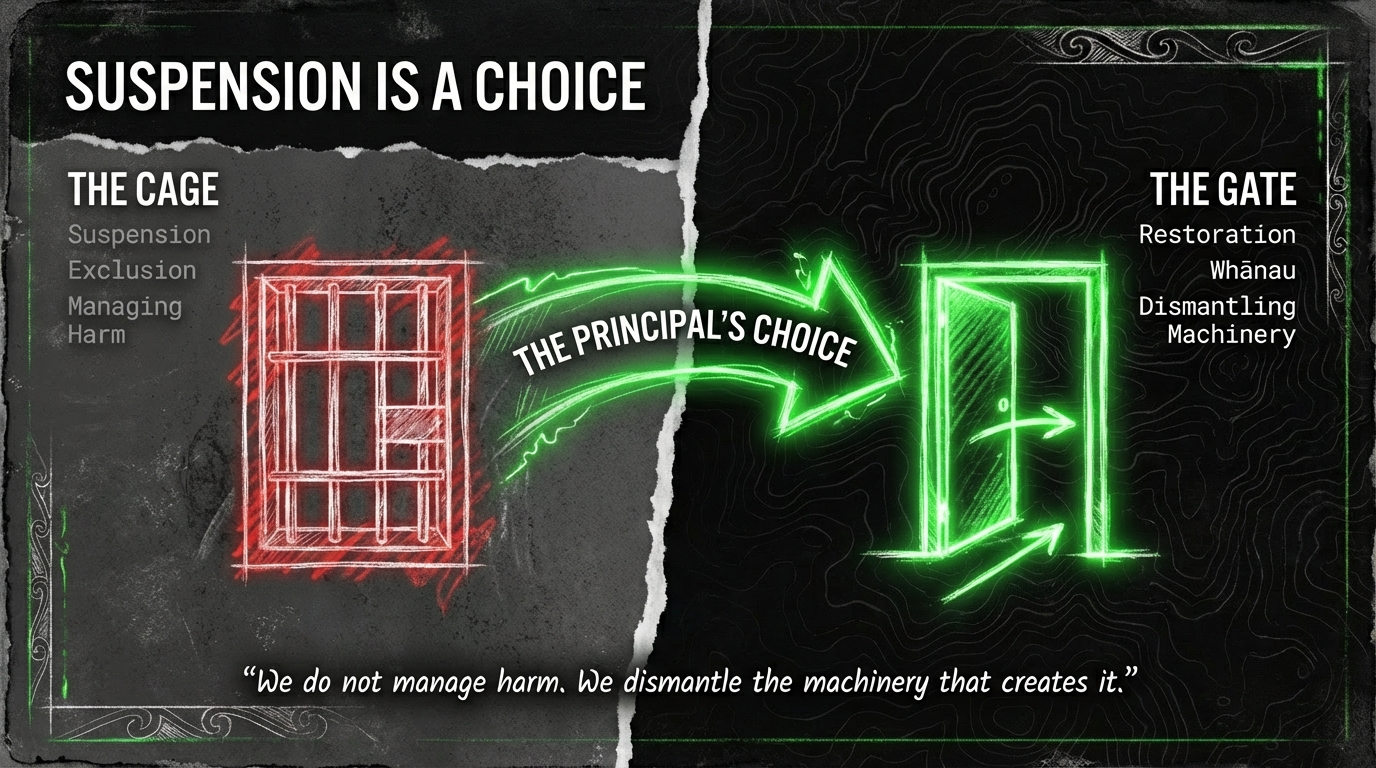
Peter Barsdel has the authority to say:
suspension ends here. In its place comes hui, whānau engagement, collective accountability, and restoration. Stand-down rates of 25,167 in 2022—the highest in 20+ years—represent not inevitability but an opportunity to pioneer a different model.
Academic Achievement: The Gap That Closes When Māori Leadership Takes Hold
In 2023, only 60% of Year 11 students achieved NCEA Level 1, down from 64.9% in 2022. For University Entrance, only 47.2% of Year 13 students met minimum requirements. Māori students are 1.36 times more likely to leave without University Entrance.
But here is the counterpoint:
kura kaupapa Māori—schools that centre mātauranga Māori and te reo Māori—show NCEA Level 3 and University Entrance attainment rates that are 12 and 17 percentage points higher than English-medium schools serving students with comparable socioeconomic barriers.
That gap is not explained by wealth. It is explained by leadership, culture, and curriculum that centre Māori knowledge and identity.
Peter Barsdel can take the evidence showing that Māori students’ success occurs when their identity as Māori is valued
—and make that the foundation of Whakatāne High School.
When curriculum is designed from mātauranga Māori, when teachers are trained to recognize Māori students’ strengths rather than deficits, when belonging and cultural identity are actively cultivated
—the statistics change.
They do not just improve.
They transform.
Teacher Bias: The Prejudice That Can Be Confronted And Changed
Research shows that Māori students receive systematically lower teacher judgments even when their standardized achievement scores are identical to non-Māori students. This is not invisible bias. This is measurable, nameable, and changeable.
A Māori principal can:
- Name the bias explicitly. In staff meetings, in professional development, in curriculum design: “This is how teacher bias operates, and this is how we stop it.”
- Establish accountability mechanisms. Teachers whose practice consistently shows lower expectations for Māori students are placed in restorative supervision, required professional development, or removed.
- Recruit and celebrate Māori staff. 73% of secondary teachers are Pākehā. Whakatāne High School can become a destination for Māori educators by investing in their development, paying them properly, and creating pathways for cultural leadership.
When Māori students see themselves reflected in teacher bodies, in curriculum, in leadership, the 5 percentage point sense-of-belonging gap that currently exists disappears. They stop absorbing the message that they do not belong. They start believing they do.
Tikanga As Constitutional Law: The Gateway To Real Change
To a Western institutional mind, tikanga is a set of “cultural values” to sprinkle around the edges. But tikanga is jurisprudence
—a complete system of law, ethics, and social ordering. And a Māori principal can finally embed it as the foundation of school governance.
This means:
Discipline Rebuilt From Whānau Accountability
Instead of suspension
—which fractures relationships and pushes Māori students into marginalization
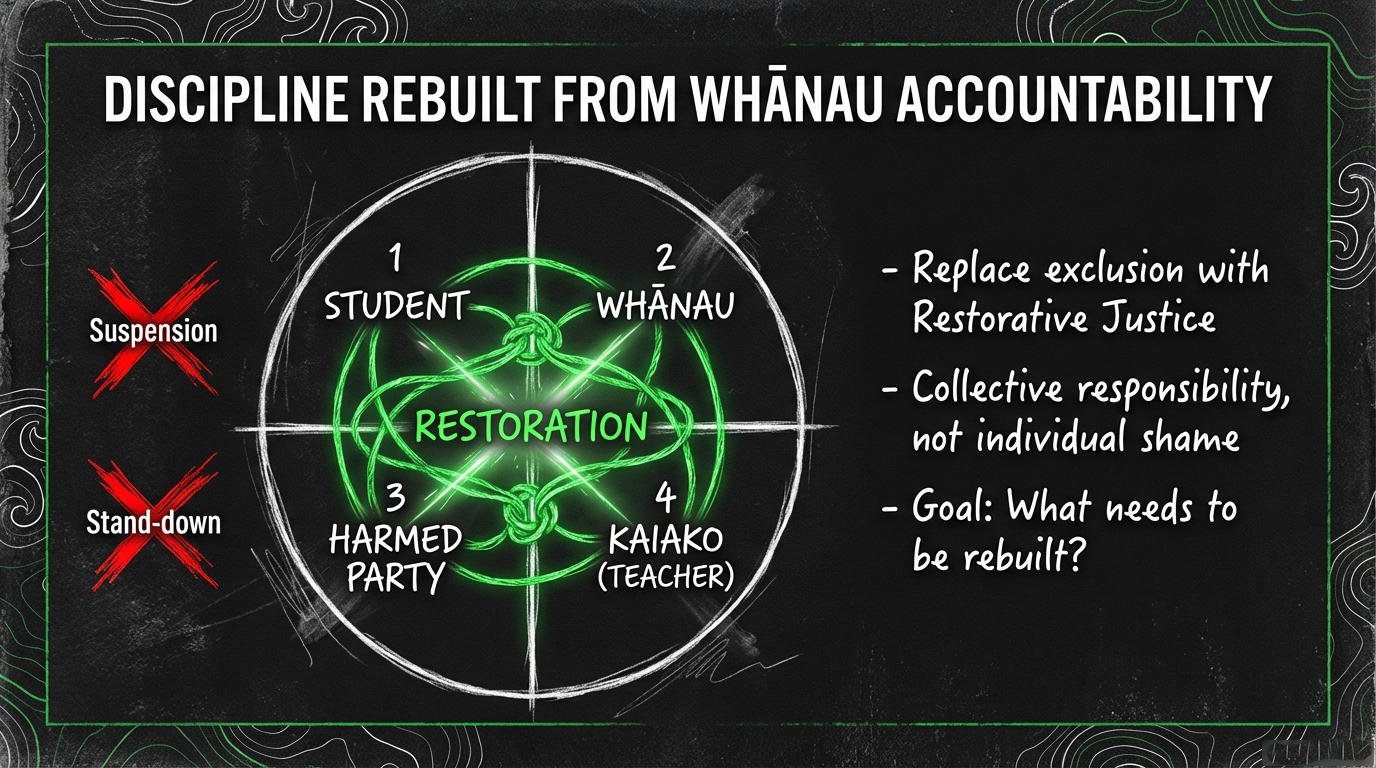
—Peter Barsdel can implement restorative hui grounded in tikanga.
When a student causes harm:
- Hui brings together the student, their whānau, the harmed party, and kaiako.
- The harm is named in a way that centres collective responsibility, not individual shame.
- Restoration becomes the goal: what needs to be rebuilt? How do we repair the relationship?
- Ongoing accountability through follow-up hui that ensure commitments are met.
Schools that implement restorative approaches show marked reductions in suspension and exclusion rates, particularly for Māori students. At Taita College, the implementation of whānau-centered restorative processes not only reduced exclusions but fundamentally shifted school culture. Gang-associated families who had previously kept their children home began sending them to school. The school became a place where whānau felt safe and respected.
Mana Whenua Authority In Governance
Approximately 195 schools have reaffirmed their commitment to Te Tiriti o Waitangi after the government removed the legal requirement in late 2025.
These schools state that
“the principles of partnership, protection, and participation are core to our responsibilities.”
Peter Barsdel can move those words into structure.
This means:
- Constitutional power for local iwi representatives on the Board, with entrenched decision-making authority on cultural matters, curriculum, and discipline.
- Budget transparency and permanent funding for Māori-led initiatives, not reliant on grants or soft money.
- Veto power on policies that contradict tikanga or harm Māori students.
Whakatāne sits on the rohe of Ngāti Awa, Ngāi Tūwharetoa, Te Whakatohea, and Tūhoe. These iwi have clear visions for their tamariki, strong governance structures, and significant resources. A principal who works in genuine partnership with mana whenua unlocks that strength for the school.
Curriculum Centred On Mātauranga Māori
Peter can redesign curriculum so that:
- Whakapapa is the foundational epistemology for understanding connection, history, and identity.
- Te reo Māori becomes the conceptual language through which science, mathematics, and social studies are understood—not as a separate subject, but as the framework for thinking.
- Local iwi knowledge is embedded in every unit. What is the history of this whenua? What are the rivers, the mountains, the tūpuna? How does that knowledge shape understanding of ecology, resource management, and governance?
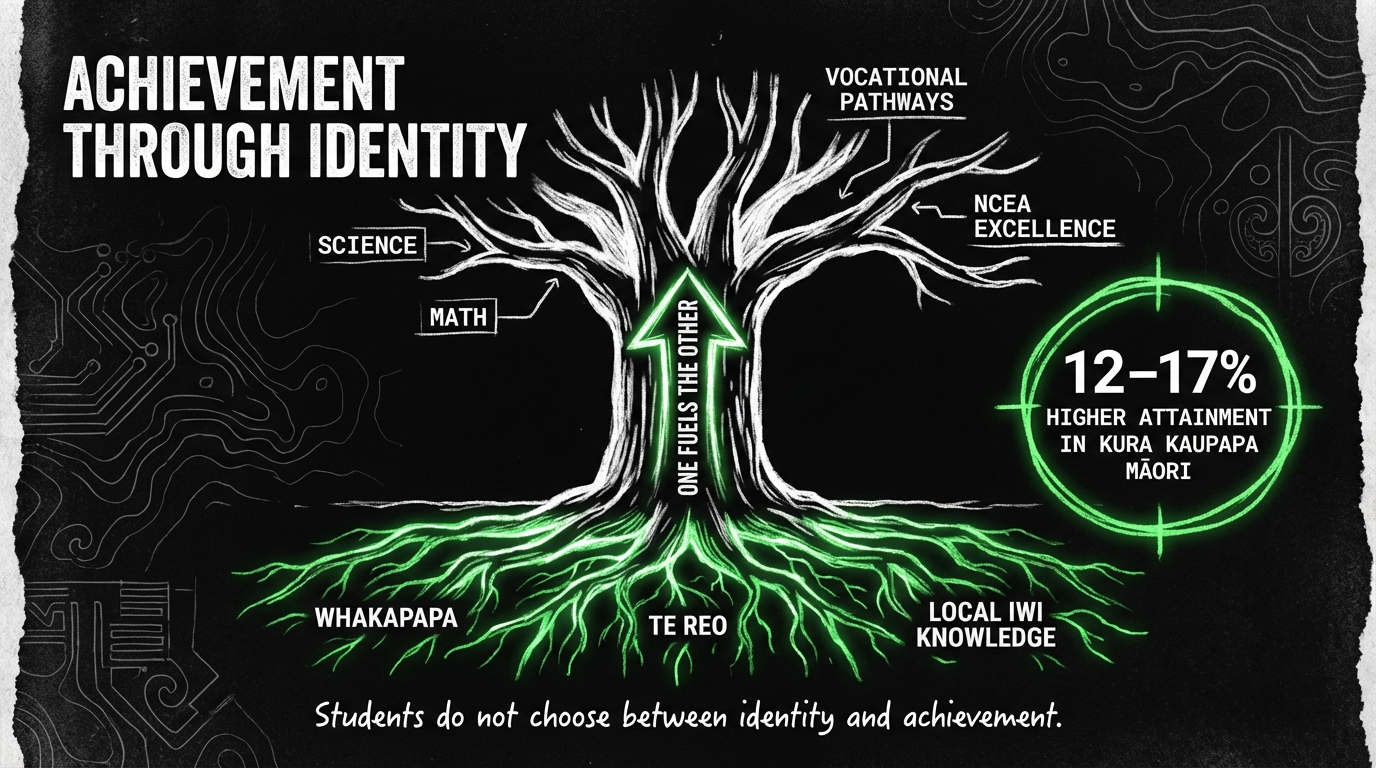
When curriculum is built on mātauranga Māori, Māori students do not have to choose between their identity and achievement. They achieve as Māori, grounded in their own knowledge systems, connected to their whānau and whenua. That is not diversity. That is justice.
The Opportunity In The Moment: Why Now Is Different
Peter steps into leadership at a moment when the conditions for change are unusually aligned:
Iwi Are Mobilized And Ready To Partner
Local iwi—Ngāti Awa, Tūhoe, Te Whakatohea—have increasing resources, governance capacity, and clear visions for tamariki development. Many iwi are emerging from Treaty settlement processes with significant capital, land, and institutional power. They are actively looking for sites where they can invest in their tamariki’s education.
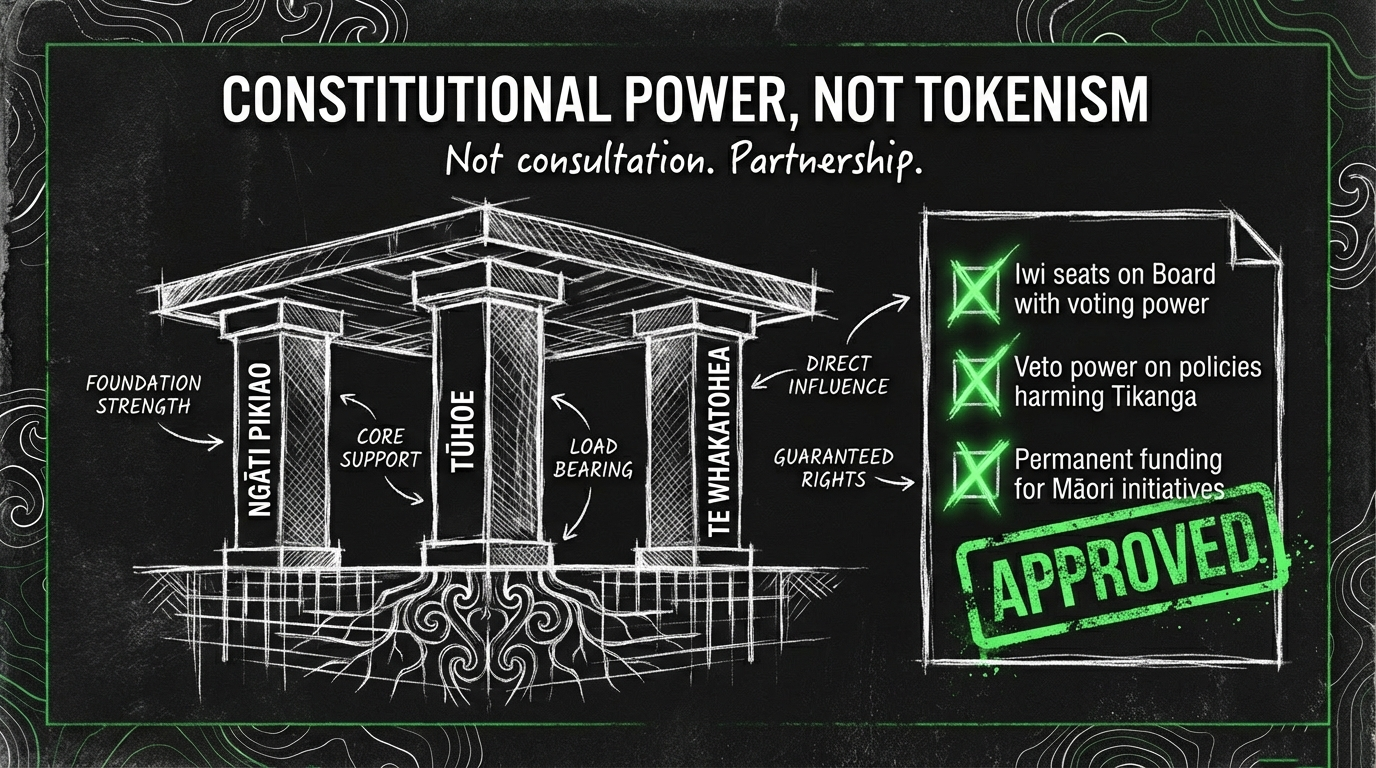
A Māori principal can unlock that partnership. Instead of a school struggling for funding and struggling alone, Whakatāne High School becomes a node in a wider iwi ecosystem of economic development, cultural transmission, and leadership cultivation.
The Evidence Base Is Overwhelming
The evidence for what works is no longer theoretical. Kura kaupapa Māori show dramatically higher NCEA achievement. Restorative approaches reduce suspension and exclusion. Culturally responsive pedagogy improves sense of belonging and engagement. Peter Barsdel is not inventing solutions. He is implementing proven models that schools across Aotearoa have already demonstrated work.
The Whānau Network Is Connected And Strong
Peter Barsdel’s genealogy connects him—through the Kameta-Whata line—to David and Sandy Hiakita, to Ivor Jones and The Māori Green Lantern, to whānau members already engaged in rigorous truth-telling, in decolonial work, and in institutional transformation. He does not lead alone. He leads as part of a whānau and iwi ecosystem already committed to change.
That is mana. That is support. That is accountability.
The Pathway: What Transformation Looks Like Year By Year
Year One: Building The Foundation
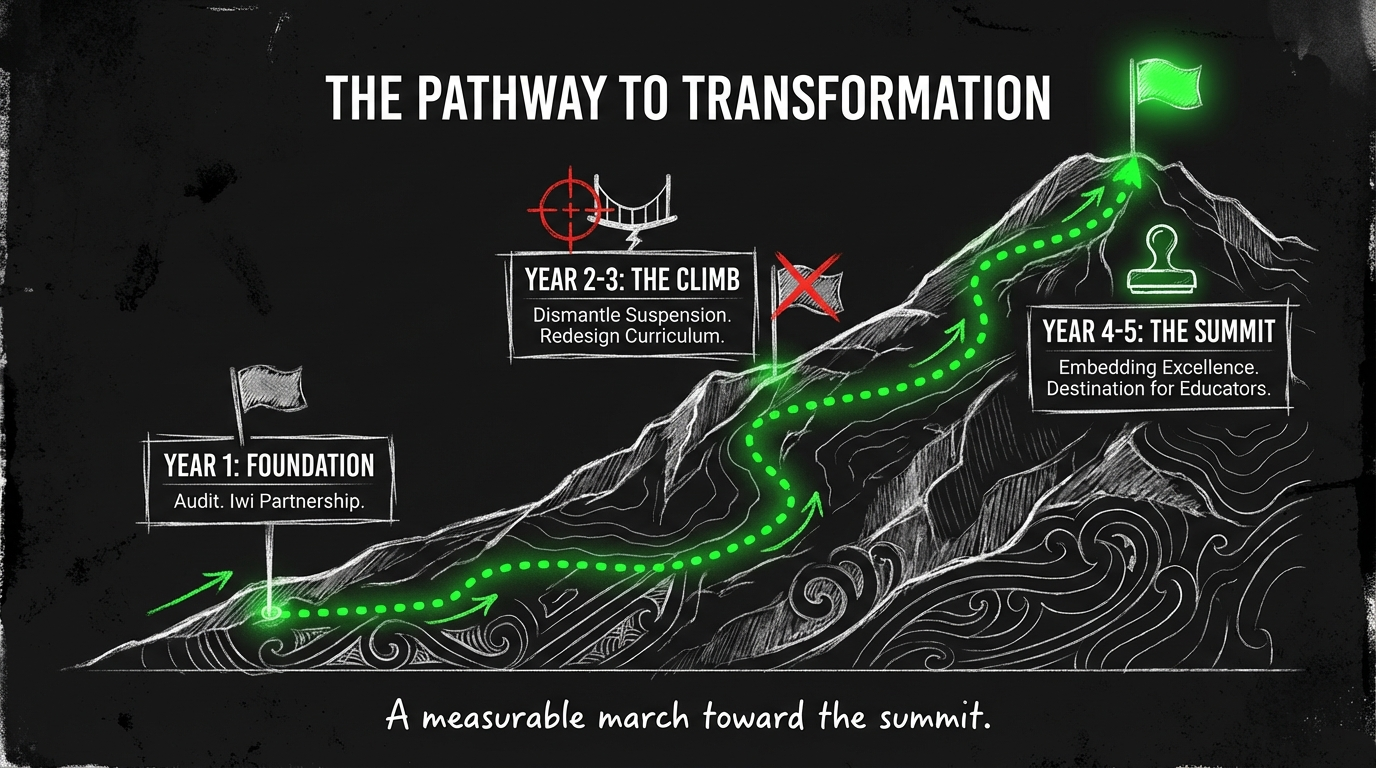
- Establish mana whenua partnership. Work with Ngāti Pikiao, Tūhoe, Te Whakatohea, and other local iwi to embed constitutional authority in school governance. These relationships are not consultations. They are genuine partnerships where iwi leaders help shape the school’s direction.
- Commission an audit of current practice through a tikanga lens. What is working? What needs to change? Where is Māori knowledge embedded, and where is it tokenised? Where does the budget actually flow?
- Begin restorative practice training. Start with staff, then expand to students and whānau. This is not a quick workshop. It is sustained, ongoing learning grounded in tikanga and in evidence about what works.
- Establish a Māori leadership team. Recruit Māori educators, cultural advisors, and kaiako Māori into core positions—not as add-ons, but as essential to the school’s mission.
- Communicate the vision clearly. Peter Barsdel should be explicit: “This school is changing. We are moving away from exclusion toward restoration. We are centring Māori knowledge. We are embedding mana whenua authority. This is what partnership with tangata whenua looks like.”
Years Two-Three: Structural Change
Dismantle exclusionary discipline. Replace suspension and stand-down with restorative hui. Watch the 2.6 to 1 suspension ratio between Māori and Pākehā students start to close.
Redesign curriculum. Begin with Year 9 and 10, where students are least entrenched in subject-based streaming. Build pathways that center mātauranga Māori while maintaining rigor in academic knowledge.
Invest in teacher development. Partner with whānau and iwi educators who can mentor teachers in culturally responsive pedagogy. This is not tokenistic. It is deep, ongoing work.
Build vocational pathways aligned with iwi priorities. If local iwi are investing in aquaculture, forestry, or digital services, design school programs that feed into those pathways. Young people graduate not just with NCEA, but with skills and connections to real opportunity.
Measure what matters. Track suspension rates, NCEA achievement, sense of belonging, and cultural identity. Report progress to whānau and iwi regularly. Build accountability into the system.
Years Four-Five: Embedding Excellence
NCEA data shows Māori student achievement rising. Not just in Māori-language programs, but across all subjects. The school’s culture has shifted so that Māori students are expected to excel, and they do.
Sense of belonging reaches parity. Māori and Pākehā students report similar levels of belonging and engagement. The school feels safe to Māori whānau. Kaumātua want to be involved. The school becomes a whānau space, not just an institution.
Suspension rates plummet. The 2.6 to 1 ratio closes. Māori and Pākehā students are suspended at similar rates—and those rates are low for everyone because restorative culture has replaced exclusion.
The school becomes a destination for Māori educators. Other schools want to learn what Whakatāne is doing. Māori teachers want to work there because it is a place where their expertise is valued and their culture is honoured.
Iwi partners report increased investment in education. Because the school is now demonstrably a genuine partner in tamariki development and iwi futures, mana whenua increase their engagement and support.
This is not fantasy. Schools like Kura kaupapa Māori have already achieved these outcomes. Mainstream schools implementing restorative approaches have already transformed their suspension rates. This is the trajectory that works.
For Peter Barsdel: The Mana And The Responsibility
Peter steps into a role where he holds both power and purpose. The power is formal:
He is the principal.
The purpose is genealogical:
He carries whakapapa connecting him to whānau members engaged in truth-telling and institutional transformation.
His leadership can answer a question that has haunted Aotearoa for decades:
What does a school that genuinely centres Māori knowledge, Māori leadership, and tikanga actually look like in a mainstream secondary school?
Whakatāne High School can become the answer.
This will not be easy. He will face resistance from Pākehā staff uncomfortable with loss of authority. He will navigate Board politics. He will manage the expectations of whānau who have been let down by institutions their whole lives. He will absorb criticism from those who fear change.
But he will also have something extraordinary:
A whānau and iwi network that believes in what he is doing, that has the expertise and resources to support him, and that will hold him accountable to tikanga.
For Sharon and the wider whānau, the role is to:
- Hold him accountable to tikanga, not just Board metrics. Ask hard questions. Offer support. Insist on material change, not metaphor.
- Connect him to iwi leadership networks. Ensure he has access to elders, advisors, and leaders across Te Arawa and Tūhoe who can guide his decisions.
- Celebrate the wins while maintaining the pressure. When suspension rates drop, celebrate. When NCEA achievement rises, celebrate. But keep asking: what is next? How do we go deeper?
- Believe in transformation. Because it is possible, and because his genealogy gives him both the mana and the responsibility to lead it.
Why This Matters Beyond Whakatāne
If Peter Barsdel succeeds
—if Whakatāne High School becomes a place where Māori leadership, tikanga, and mātauranga Māori are truly centred
—the ripple effects will be profound.
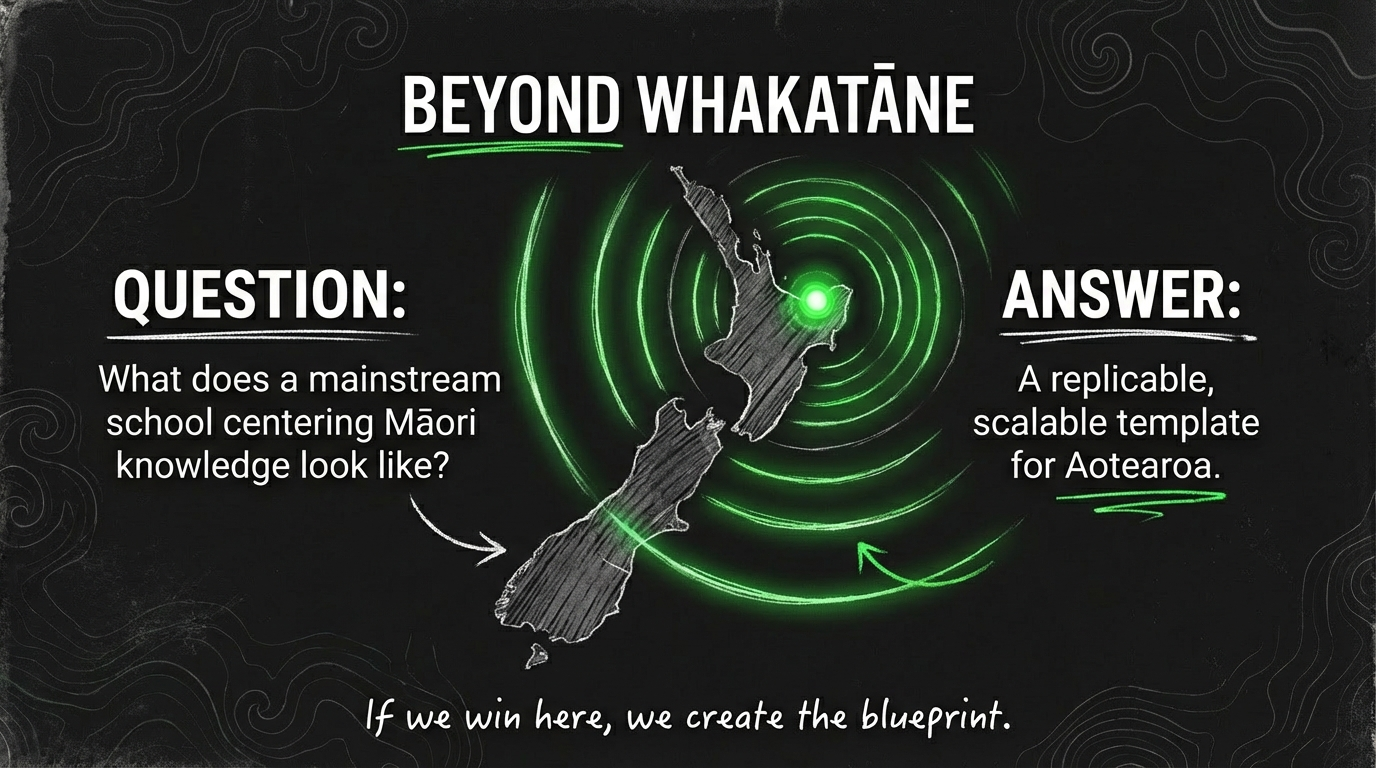
Other mainstream secondary schools will ask:
“How did they do that? Can we?”
The answer will be:
“Yes. You need Māori leadership. You need genuine partnership with mana whenua. You need to embed tikanga in governance. You need to rebuild curriculum from mātauranga Māori. You need to invest in restorative culture. And you need to believe that Māori students deserve excellence.”
That is replicable. That is scalable. That could transform secondary education across Aotearoa.
Peter Barsdel’s leadership at Whakatāne High School could become a template for what is possible when Māori take control of institutions designed to serve our tamariki.
A Final Word: The Dead Are Watching, And They Are Hopeful
When you attend that swearing-in ceremony, know this:
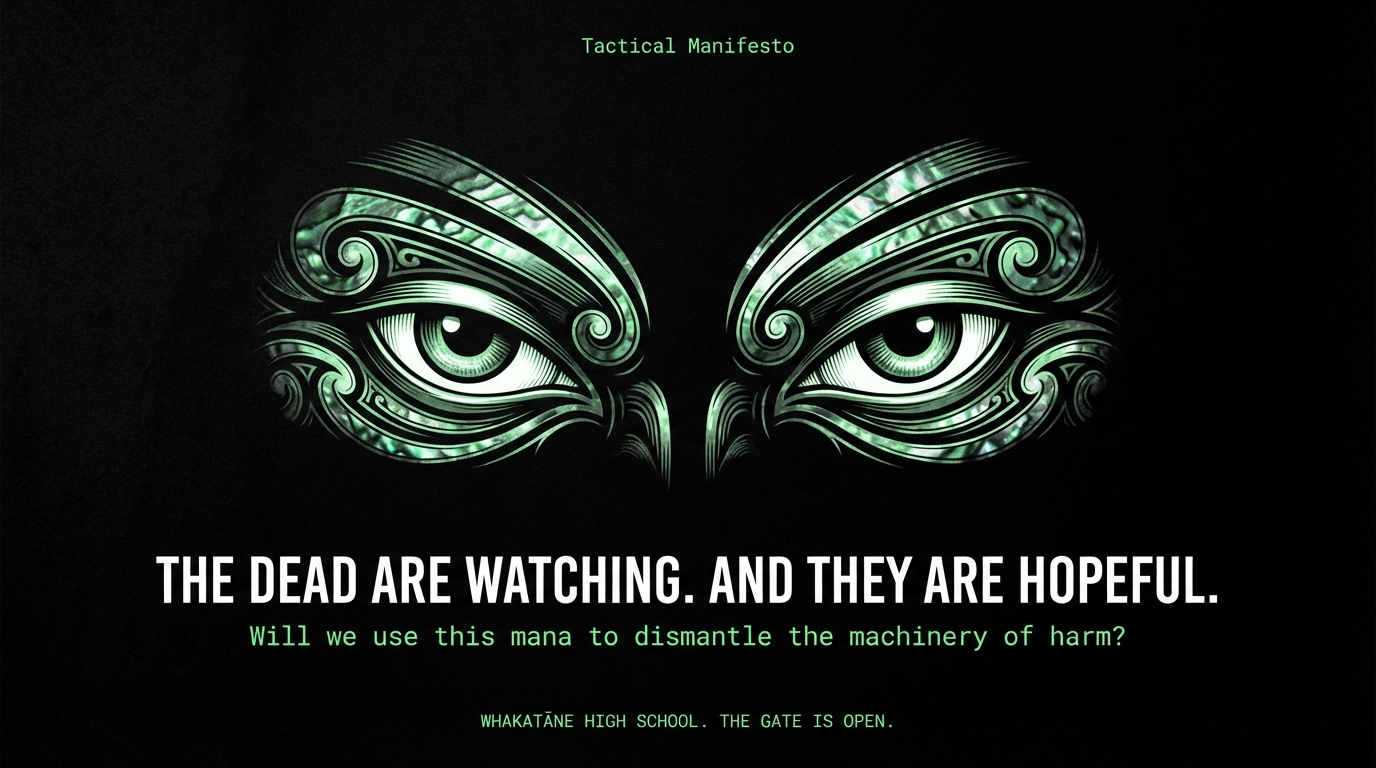
The tūpuna are watching. The ancestors who survived colonisation, who kept te reo alive, who transmitted whakapapa through whānau despite every institutional attempt to erase it—they are watching. The Māori students currently being suspended (1,999 in 2023 alone) are watching. The young people about to enter secondary school are watching.
They are asking:
Will this principal use his mana to dismantle the machinery of harm, or will he simply make it feel warmer?
The answer will come in the metrics. In the suspension rates. In the NCEA achievement. In whether Māori students report greater sense of belonging. In whether curriculum centred on mātauranga Māori becomes the foundation, not the exception.
But more than that, the answer will come in the culture. In whether a Māori student walks into Whakatāne High School and feels, for the first time, that their knowledge, their language, their identity, their mana—are not tolerated, but centred.
That is the opportunity before Peter Barsdel. That is the mana he carries through whakapapa. That is the transformation that is possible.
The dead are watching.
And they are hopeful.

Ivor Jones The Māori Green Lantern Fighting Misinformation And Disinformation From The Far Right