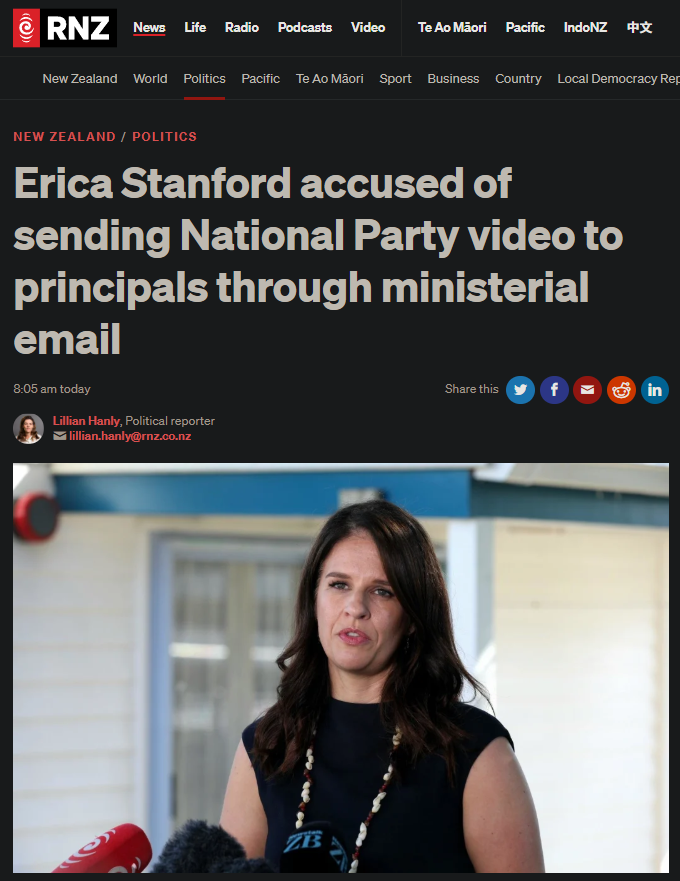
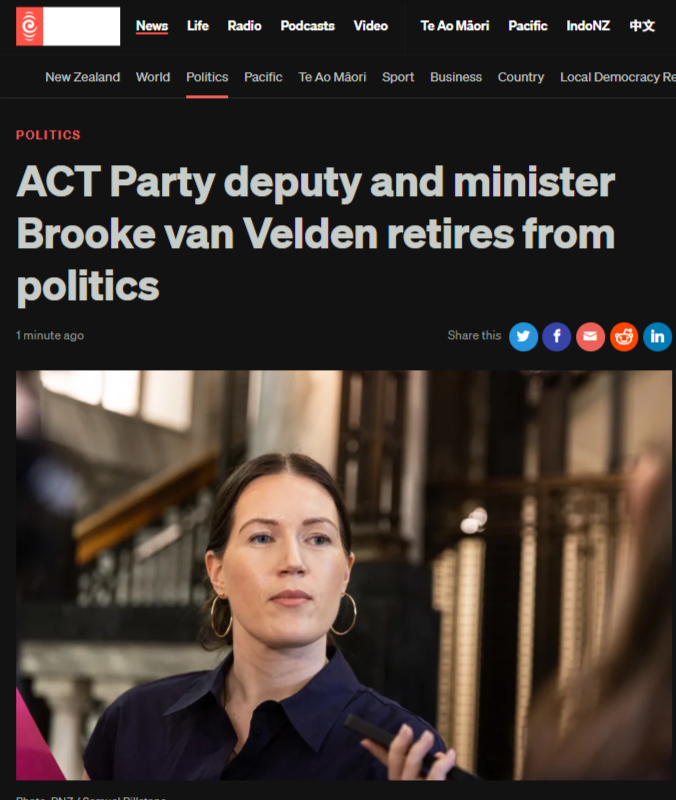
“The Colonial Attack on Tikanga” - 3 October 2025
How Seymour and Plunket Are Weaponizing Law Against Māori

Kia ora koutou katoa, he uri ahau no Te Arawa, no Ngāti Pikiao
The heart of this issue is simple: David Seymour and Sean Plunket are leading a coordinated attack on Māori legal rights, using gang patches as a trojan horse to destroy tikanga in our courts.
When a New Zealand judge recently returned a gang patch to a Māori man, recognizing it as culturally significant under tikanga Māori, it sent shockwaves through the colonial establishment. Deputy Prime Minister David Seymour immediately appeared on Sean Plunket’s Platform to announce they were considering new legislation to strip judges of this “wiggle room.” This interview reveals the true agenda: eliminating tikanga from New Zealand law entirely.
What everyday New Zealanders need to understand is this is not about gang patches. It is about whether Māori law - tikanga - has any place in Aotearoa’s legal system. Seymour and Plunket represent a network of wealthy backers determined to roll back decades of progress toward genuine partnership under Te Tiriti.
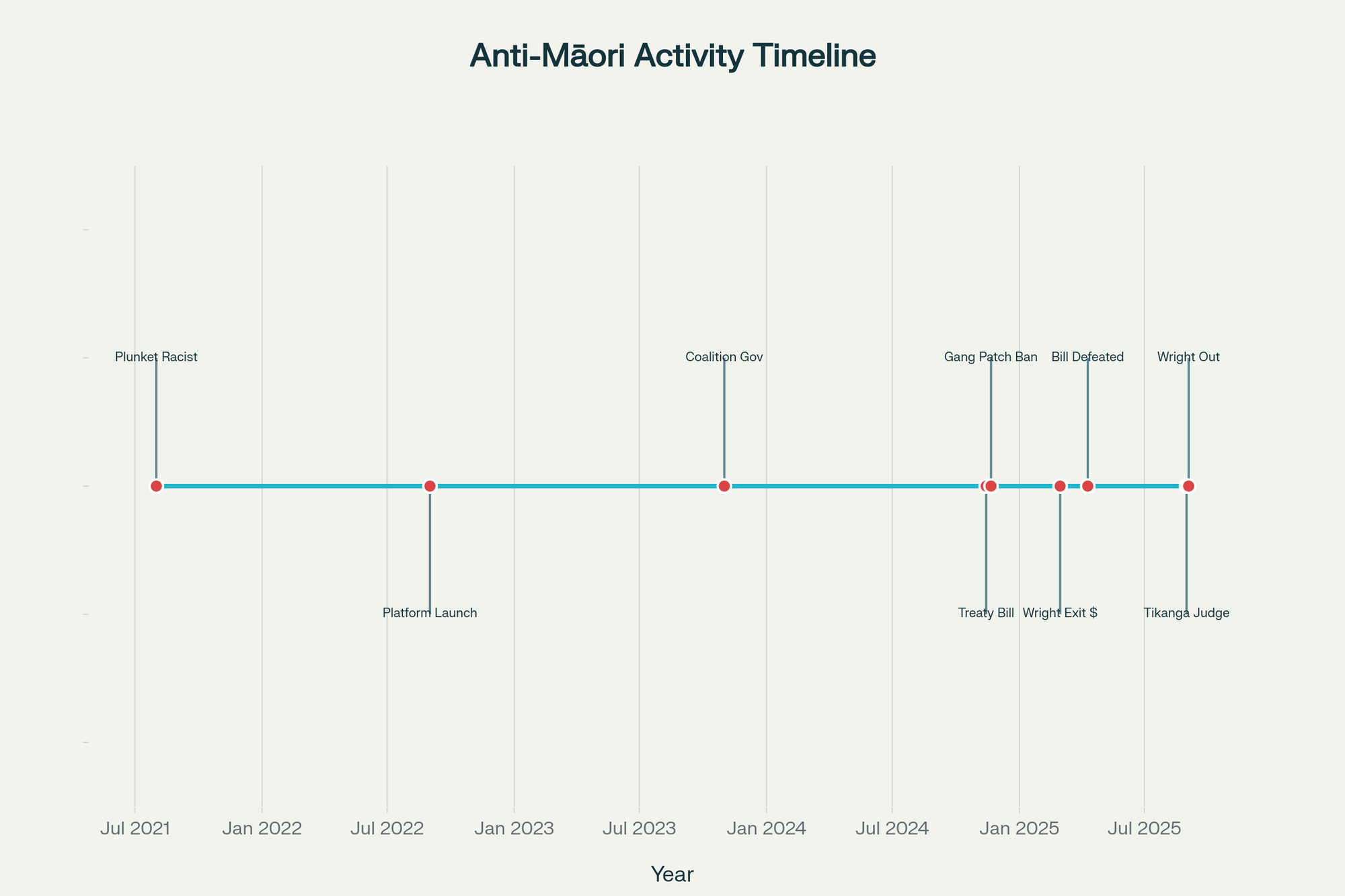
Timeline of Anti-Māori Media and Political Escalation: From Plunket’s Racist Broadcasting to Government Coalition Attack on Tikanga
Background: The Colonial Legal System Under Threat
For over 180 years, English common law has dominated New Zealand’s legal system, systematically excluding tikanga Māori despite Te Tiriti o Waitangi guaranteeing Māori rangatiratanga. The 2021 Supreme Court decision in Ellis v R changed this, declaring tikanga is part of New Zealand’s common law and can inform judicial decision-making in any case.
This terrifies colonial conservatives because it challenges the fundamental assumption that only European legal frameworks are legitimate. Tikanga represents a complete worldview where relationships, whakapapa, and community responsibility matter more than individual property rights or punitive justice.
Judge Lance Rowe’s August 2025 decision to return a Mongrel Mob patch based on tikanga concepts of mana and whanaungatanga was legally sound. Under Māori law, the patch represented the man’s identity and connection to his chosen whānau after 25 years of membership. The colonial legal system’s obsession with punishment and property seizure conflicts fundamentally with tikanga values of restoration and maintaining relationships.
The Gang Patch Trojan Horse Strategy
The gang patch ban was never primarily about public safety. It was designed as a weapon to criminalize Māori and test how far the courts would go in recognizing tikanga rights. The statistics reveal the true intent: within three minutes of the law taking effect, police made their first arrest. By day one, 12 people were charged. By June 2025, over 500 gang members faced charges and 130+ patches were seized.
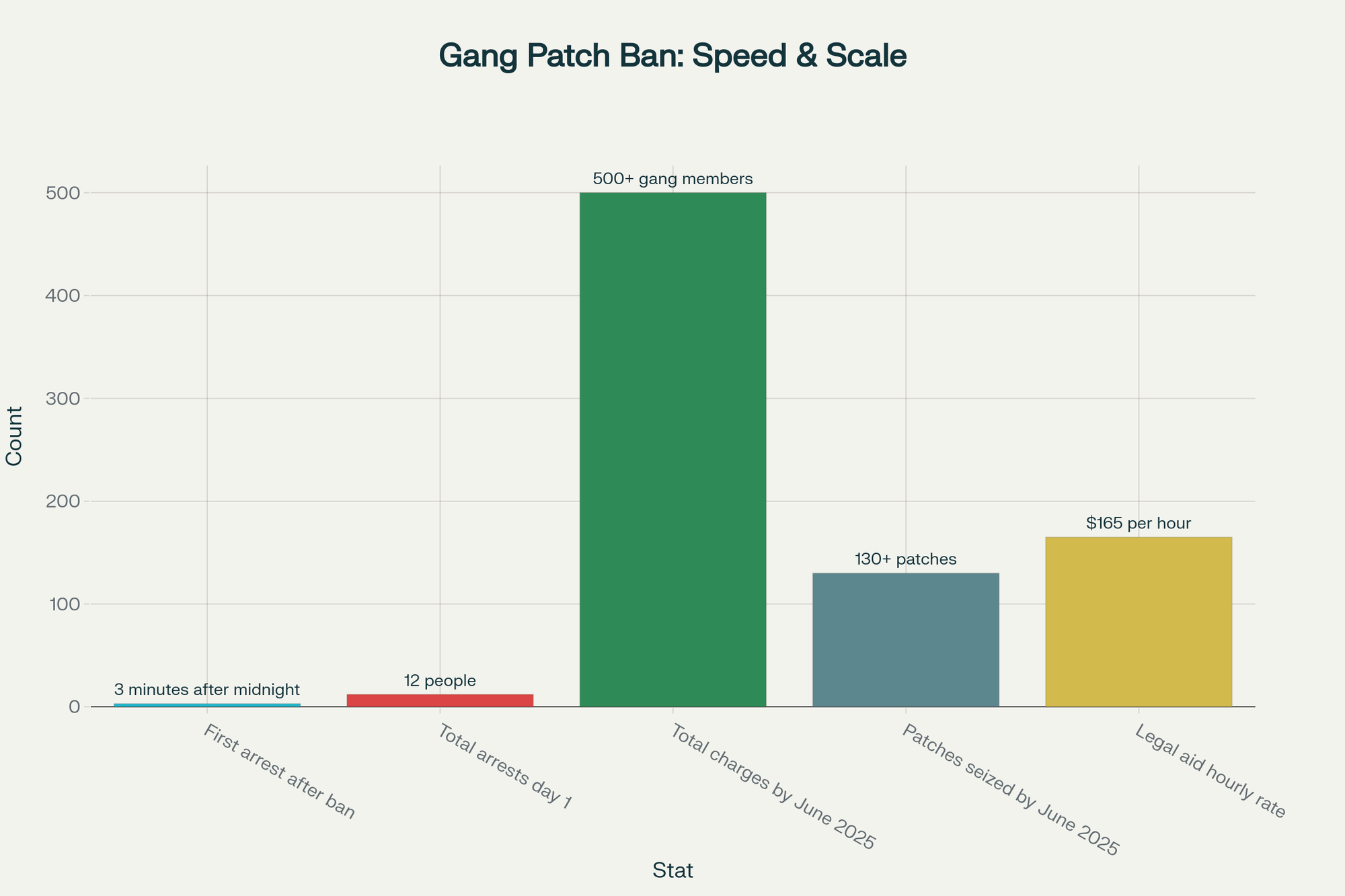
Gang Patch Ban: Weaponizing Law Against Māori - From 3 Minutes to Mass Criminalization
The speed and enthusiasm of enforcement exposes this as targeted persecution. Police had been preparing to pounce on Māori communities the moment the clock struck midnight. This is not law enforcement - it is cultural warfare dressed up as public safety.
When courts began recognizing tikanga defenses, the colonial establishment panicked. Seymour immediately appeared on Plunket’s Platform to signal new legislation would remove judicial discretion. As he stated, Parliament’s job was to “reestablish the law” if courts weren’t interpreting it as intended.
The broader strategy becomes clear when examining what Chris Nichols, the legal aid lawyer defending gang members, told Plunket’s show. At $165 per hour of taxpayer money, these lawyers are mounting tikanga-based defenses, arguing gang patches function like “family crests” with deep cultural meaning. Rather than celebrate legal aid ensuring fair representation, Seymour and Plunket frame this as Māori ripping off taxpayers.
Hidden Connections: The Wright Family Money Trail
The real power behind this colonial attack lies in understanding who funds and controls the media narrative. Sean Plunket was removed from MagicTalk in August 2021 following a successful Broadcasting Standards Authority complaint about his “casual racism towards Māori”. Within months, he had launched The Platform with backing from the Wright family trust.
The Wright Family Empire: How Childcare Profits Fund Anti-Māori Media and Political Propaganda
The Wright family empire exemplifies how neoliberal capitalism and white supremacy intersect. Their Best Start childcare business generated $37 million in payments to the Wright family in 2024, while claiming to be a charitable trust. They used these profits to fund The Platform’s anti-Māori propaganda while simultaneously lobbying through ACT for deregulation of childcare standards.
This creates a perfect feedback loop: Wright profits from deregulated childcare, funds anti-Māori media, supports ACT politicians who promise further deregulation, then benefits from weakened worker protections and safety standards. Wayne Wright Jr maintained 75% ownership of The Platform until September 2025, when financial pressures forced him to exit completely.
The Wright Foundation serves as a tax-avoidance scheme masquerading as charity. Libraries refuse to accept their poor-quality children’s books, while multiple family members draw salaries for minimal charitable work. This is corporate welfare for millionaires who simultaneously attack Māori for accessing legal aid.
Nationalist Christian Supremacist Foundations
David Seymour’s rhetoric about “equal rights” and opposing ethnic-based differences in law reflects classic white nationalist talking points. His claim that “your race matters is a version of a bigger problem” during the Treaty Principles Bill debate reveals the underlying Christian supremacist ideology driving ACT policy.
This connects to broader patterns of colonial Christianity attempting to destroy indigenous spirituality. Seymour frames tikanga as creating “confusion over what the law is” and argues only written, European-style law can provide certainty. This rejects the entire oral tradition that has governed Māori society for over 700 years.
The Christian nationalist agenda becomes clearer when examining who supported the Treaty Principles Bill. Despite being defeated 112-11 in Parliament, with only ACT voting in favor, Seymour immediately vowed to continue campaigning on “equal rights”. This reveals the bill was never intended to pass - it was designed to shift public discourse toward white nationalist framing of indigenous rights as “special privileges.”
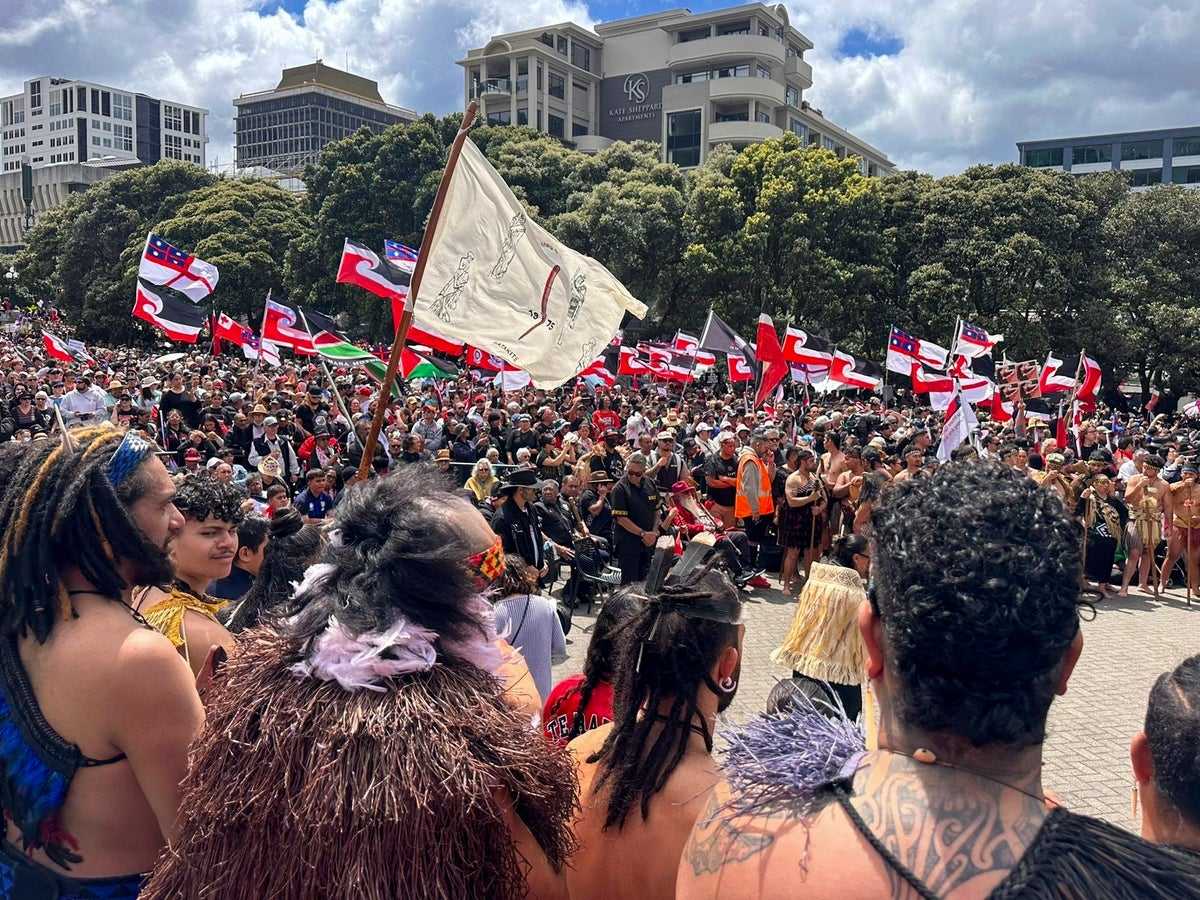
Māori protest crowd at Wellington parliament holding Tino Rangatiratanga flags and performing traditional haka
The speed with which Seymour appeared on Plunket’s show after the tikanga gang patch decision shows this network was prepared for judicial recognition of Māori law. They had talking points ready to frame tikanga as undermining “rule of law” - a classic white supremacist argument that only European legal systems represent legitimate governance.
The Ellis Revolution and Colonial Panic
The Supreme Court’s Ellis decision represents a constitutional revolution that terrifies colonial conservatives. By declaring tikanga potentially relevant to any case, the Court effectively overthrew the statutory foundations making English common law the basis of New Zealand courts’ jurisdiction since 1841.
This is why Justice Minister Paul Goldsmith has threatened “more in this space” regarding legislative intervention to override tikanga-based court decisions. The colonial legal establishment recognizes that genuine recognition of tikanga threatens their entire system of property rights, punitive justice, and state power.
Conservative legal commentator Roger Partridge has called Ellis a “revolution” that threw “a cloud over the entire body of existing case law and the entire statute book”. This hysteria reveals how fragile colonial legal hegemony actually is when confronted with indigenous alternatives.
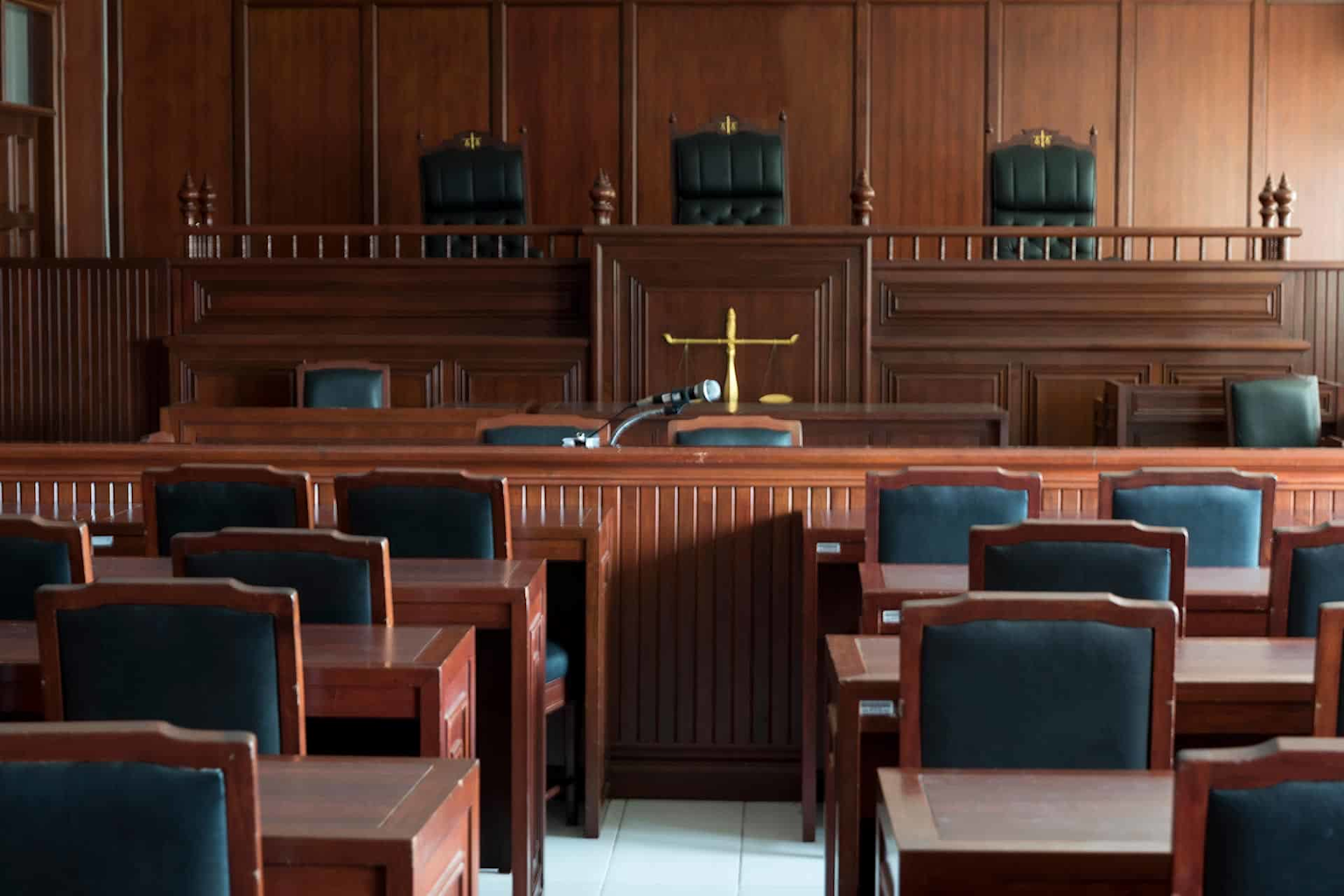
Interior view of a New Zealand courtroom showing the judge’s bench, witness stand, and seating area
The gang patch case perfectly illustrates this tension. Under colonial law, the patch is simply property to be seized and destroyed as punishment. Under tikanga, it represents identity, whakapapa, and relationships that cannot be severed by state violence. Judge Rowe’s decision to prioritize relationship and cultural meaning over property seizure challenges the entire foundation of colonial legal thinking.
Implications: The Broader Pattern of Legal Colonization
This attack on tikanga in gang patch cases connects to systematic erosion of Māori rights across multiple fronts. The same Parliament that defeated the Treaty Principles Bill has voted to repeal Section 7AA of the Oranga Tamariki Act, which required the ministry to recognize Te Tiriti and develop partnerships with iwi and Māori organizations.
Police Minister Mark Mitchell’s dismissal of unconscious bias research as “full of reckons” demonstrates the government’s rejection of evidence showing systemic racism in law enforcement. This connects directly to the gang patch ban’s disproportionate targeting of Māori communities.
The constitutional implications are profound. When Parliament passes mandatory forfeiture laws saying gang insignia “is forfeited to the Crown,” but judges use tikanga to return property to defendants, it creates a fundamental conflict between colonial property law and indigenous relationship law. Seymour and Plunket frame this as judges undermining parliamentary sovereignty, but it actually represents tikanga challenging colonial legal supremacy.
This explains their panic and immediate threats of new legislation. They recognize that meaningful tikanga recognition in courts could eventually undermine the entire colonial legal framework that enables capitalist exploitation of indigenous resources and communities.
Defending Tikanga Against Colonial Attack

The Māori Green Lantern Fighting Misinformation And Disinformation From The Far Right
The heart of this issue remains simple: Seymour and Plunket represent wealth and power determined to prevent genuine recognition of Māori law in Aotearoa. Their use of gang patches as a trojan horse reveals the broader agenda - eliminating tikanga from our legal system entirely.
Every New Zealander must understand what is at stake. This is not about gang members getting their patches back. It is about whether the Crown will honor Te Tiriti’s guarantee of rangatiratanga by recognizing tikanga as legitimate law, or continue the colonial project of legal assimilation and cultural destruction.
The financial connections between Wright family profits, Platform propaganda, and ACT policy reveal how neoliberalism and white supremacy work together. They profit from exploitation while funding media that demonizes indigenous resistance to their agenda.
Māori communities have shown through massive hīkoi and parliamentary resistance that we will not accept the elimination of our legal traditions. The judge who returned that gang patch based on tikanga principles demonstrated judicial courage in recognizing Māori law despite colonial pressure.
We must continue defending tikanga in our courts, supporting Māori lawyers challenging colonial interpretations, and exposing the financial networks funding anti-Māori propaganda. The future of Te Tiriti depends on whether tikanga can flourish alongside or instead of colonial law.
E kore au e ngaro, he kākano i ruia mai i Rangiātea. Our people’s legal traditions will not disappear because they are seeds scattered from sacred places, taking root wherever justice and relationship matter more than punishment and property.
To readers who find value in exposing these colonial networks and defending tikanga: please consider a koha to support this mahi if you have capacity. HTDM: 03-1546-0415173-000. The MGL understands these are tough economic times for whānau, so please only contribute if you wish to and are able to do so.
Mauri ora.