"The Corporate Coup: How New Zealand's Conservation Estate Became a Business Commodity" - 4 September 2025
The Brazen Power Grab Disguised as "Reform"
Kia ora whānau,
What's unfolding in New Zealand's conservation corridors represents nothing short of a systematic demolition of democratic governance orchestrated by corporate-friendly politicians who have spent their careers greasing the wheels between big business and public policy. The proposal to grant Conservation Minister Tama Potaka sole authority over the nation's conservation estate strips away decades of carefully constructed democratic safeguards, replacing them with the whims of a single politician whose career trajectory reads like a corporate networking manual.
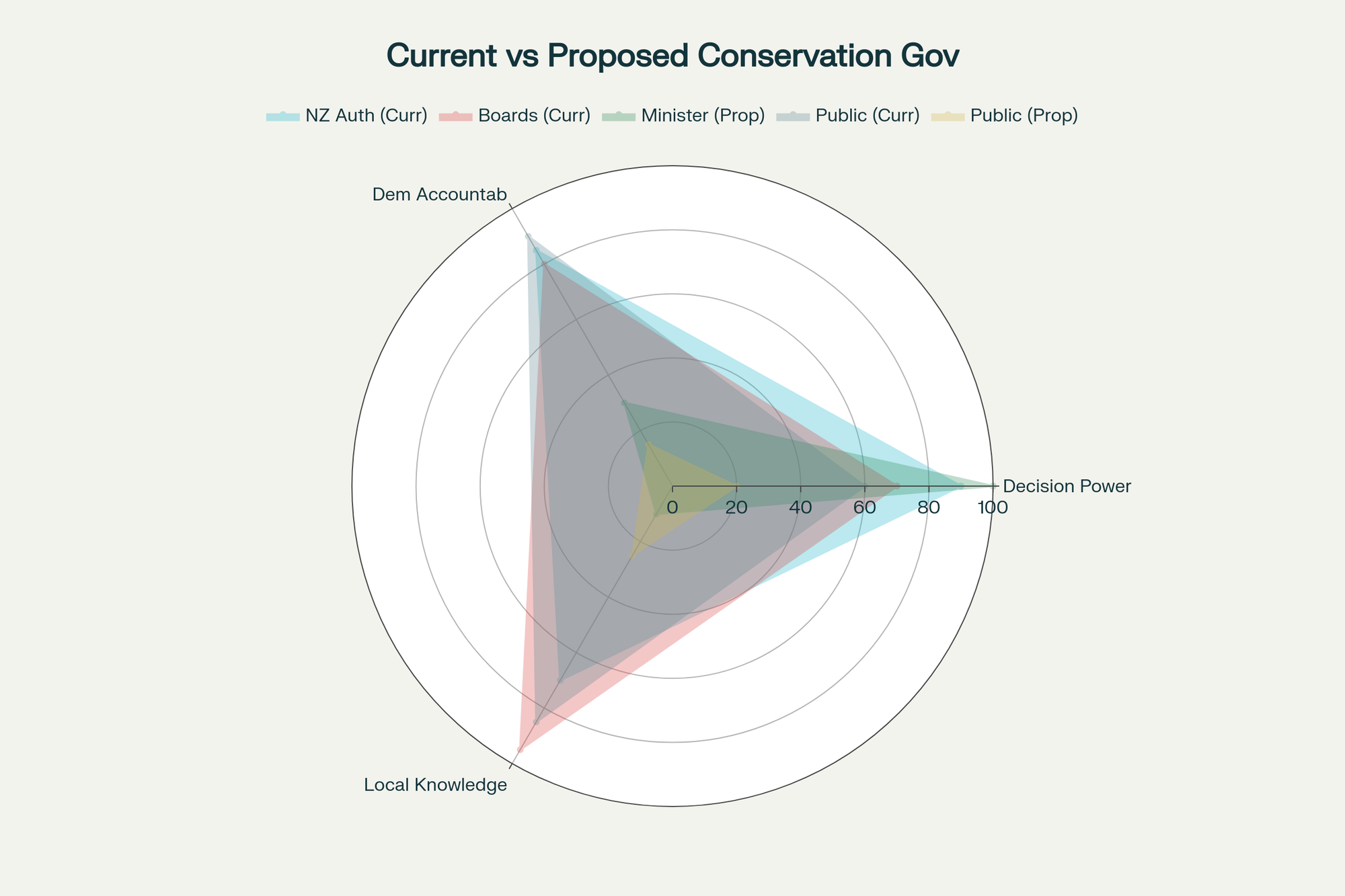
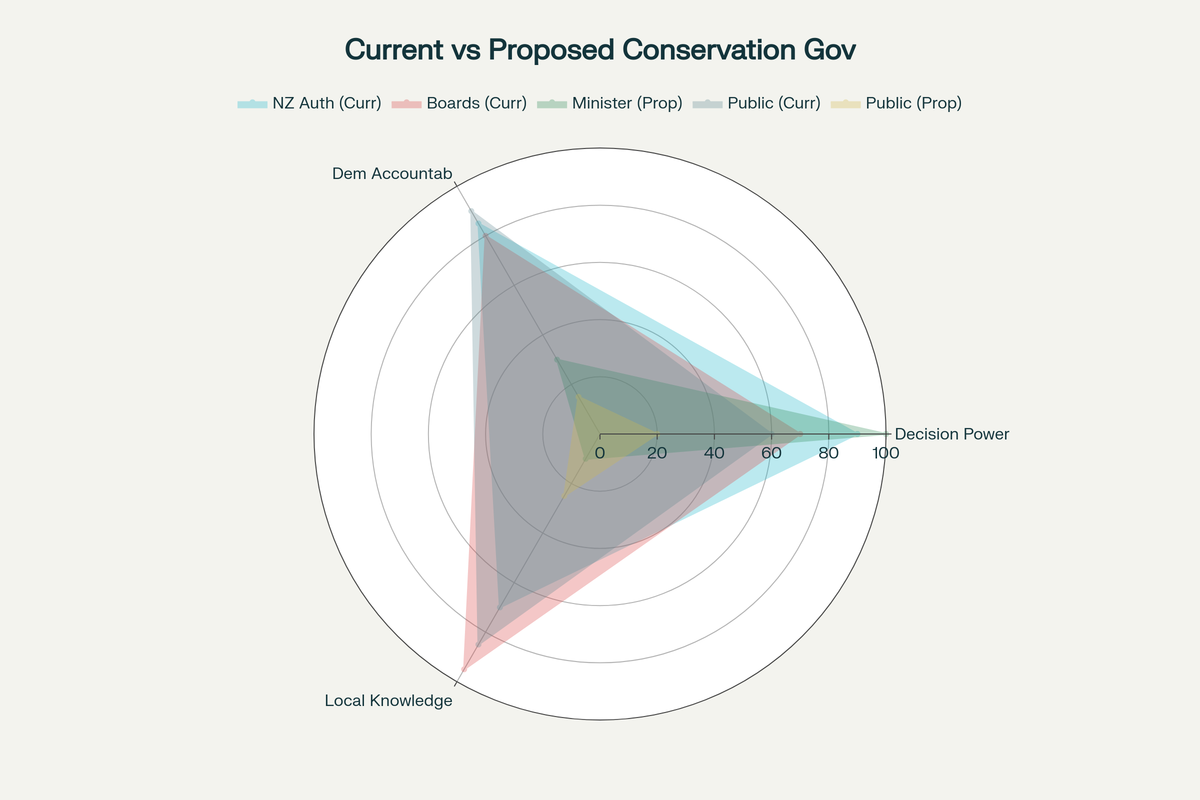
Democratic Erosion: How Ministerial Control Strips Away Accountability and Local Knowledge
The New Zealand Conservation Authority and Conservation Boards, which have provided democratic oversight and local expertise for nearly four decades, are being neutered in favor of ministerial decree. This isn't reform—it's an authoritarian power grab that transforms one-third of New Zealand's land from public trust into a corporate playground where business interests trump conservation values.
The Puppet Master: Christopher Luxon's Corporate Web
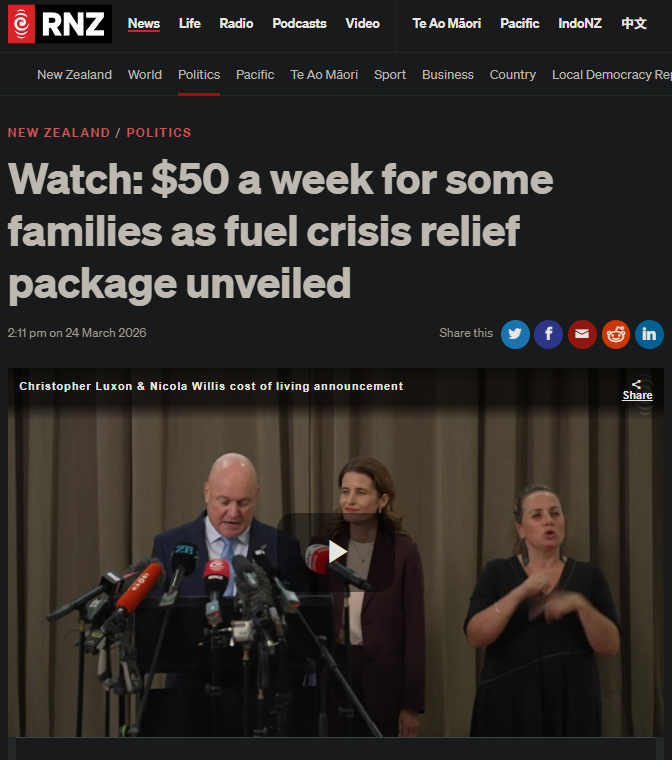
Behind this assault on conservation democracy lurks Prime Minister Christopher Luxon, a man whose entire political persona was manufactured in the boardrooms of multinational corporations. His 18-year tenure at Unilever—a company with a documented history of environmental exploitation—followed by his leadership of Air New Zealand during its most aggressive expansion phase, reveals a career dedicated to corporate profit maximization disguised as public service.
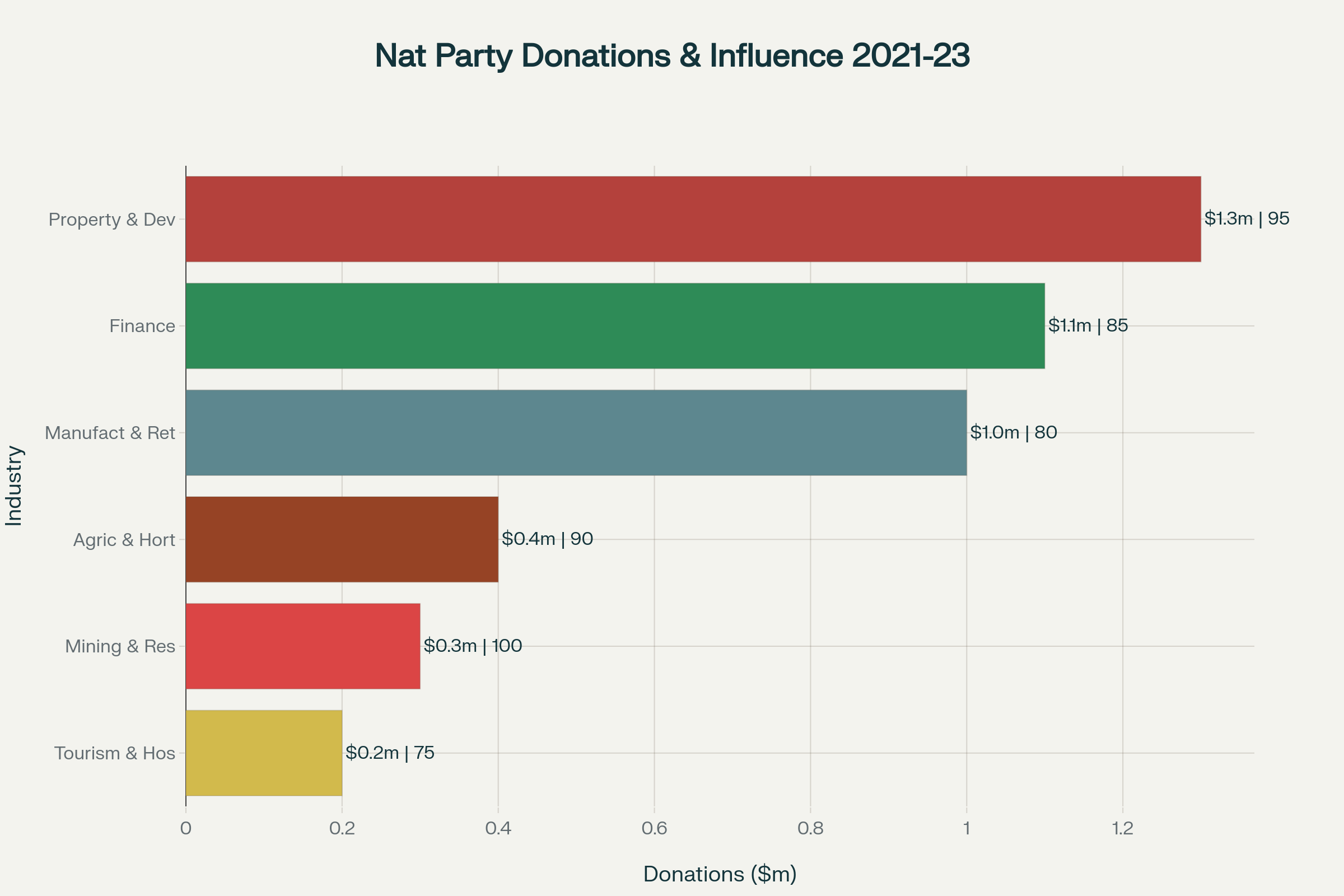
Follow the Money: How Corporate Donors Shape Conservation Policy
The connections are as obvious as they are corrupt. Property developers alone pumped $1.3 million into National Party coffers between 2021-2023, while mining and resource extraction companies enjoy a 100% policy influence score despite contributing relatively modest sums. This isn't coincidence—it's legalized bribery where corporate donors purchase policy outcomes that directly benefit their bottom lines while devastating public conservation land.
Luxon's "management by spreadsheet" approach treats New Zealand's irreplaceable natural heritage as just another corporate asset to be optimized for quarterly returns. His background reveals a man who has never encountered a natural environment that couldn't be monetized or a public resource that shouldn't be privatized.
Tama Potaka: The Perfect Corporate Trojan Horse
The selection of Tama Potaka as Conservation Minister represents a masterclass in political cynicism. His resume reads like a who's who of corporate influence peddling: seven years as General Manager at Tainui Group Holdings, followed by a stint as Senior Advisor to the NZ Super Fund, before becoming CEO of Ngāi Tai ki Tāmaki—positioning him at the nexus of Māori commercial interests and Crown resource allocation.
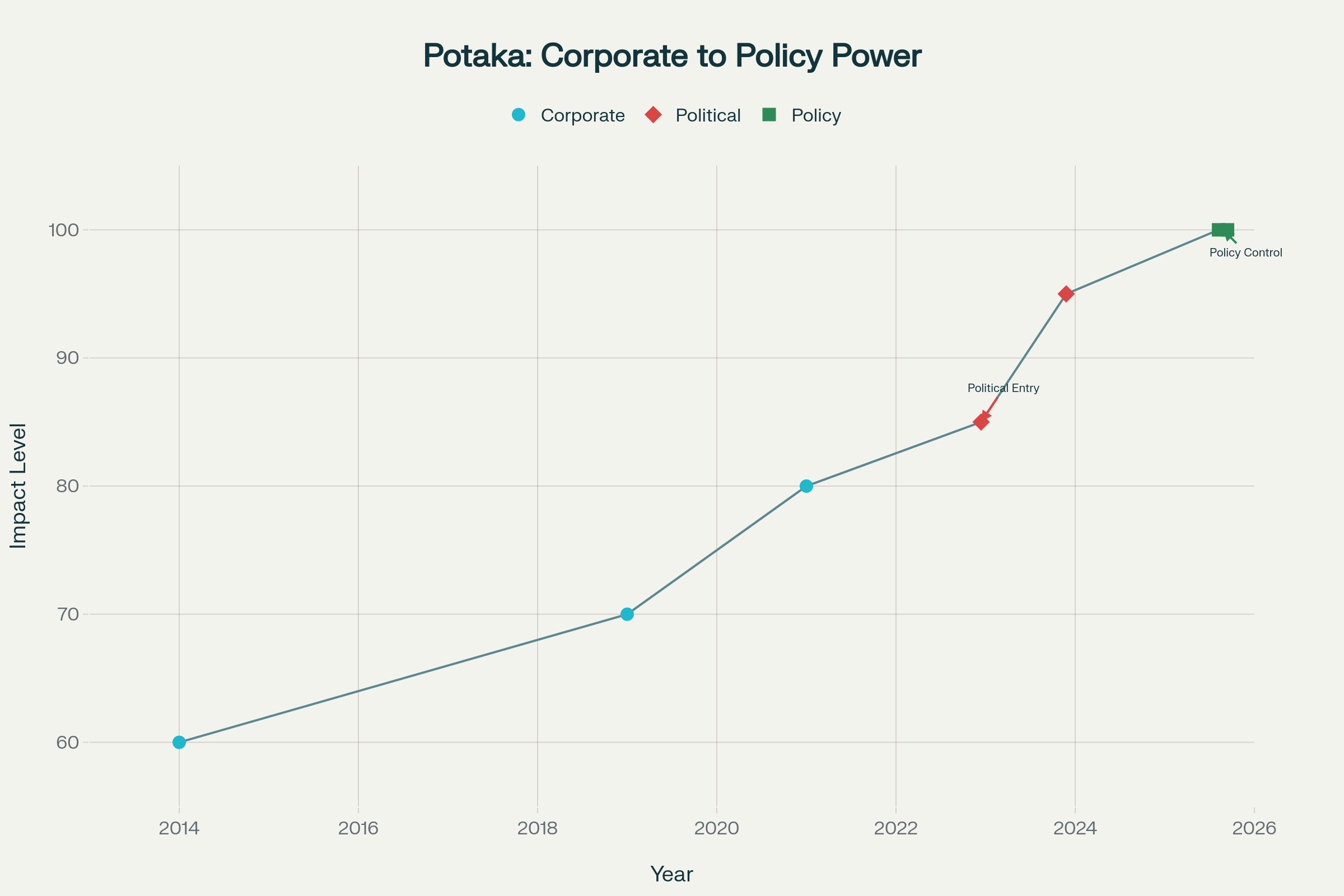
The Corporate-to-Power Pipeline: Tracing the Path to Conservation Control
This career trajectory isn't accidental—it's strategic positioning that allows Potaka to cloak corporate land grabs in the language of Māori development and Treaty partnerships. His intimate knowledge of concessions processes from his iwi leadership role creates unprecedented conflicts of interest that would be scandalous in any properly functioning democracy.
The Supreme Court decision in Ngāi Tai ki Tāmaki v Minister of Conservation revealed how iwi commercial interests can be leveraged to override public conservation protections. Now, as Conservation Minister, Potaka controls both sides of these negotiations—representing Crown interests while maintaining deep ties to the very Māori commercial entities seeking concessions on conservation land.
The Federated Mountain Clubs: Lone Voices Against Corporate Colonization
In this wilderness of political corruption, the Federated Mountain Clubs stand as one of the few organizations willing to name the corporate coup for what it is. Their scathing assessment that these proposals will subject conservation land to "political whims" and "commercial interests" cuts through the government's propaganda with surgical precision.
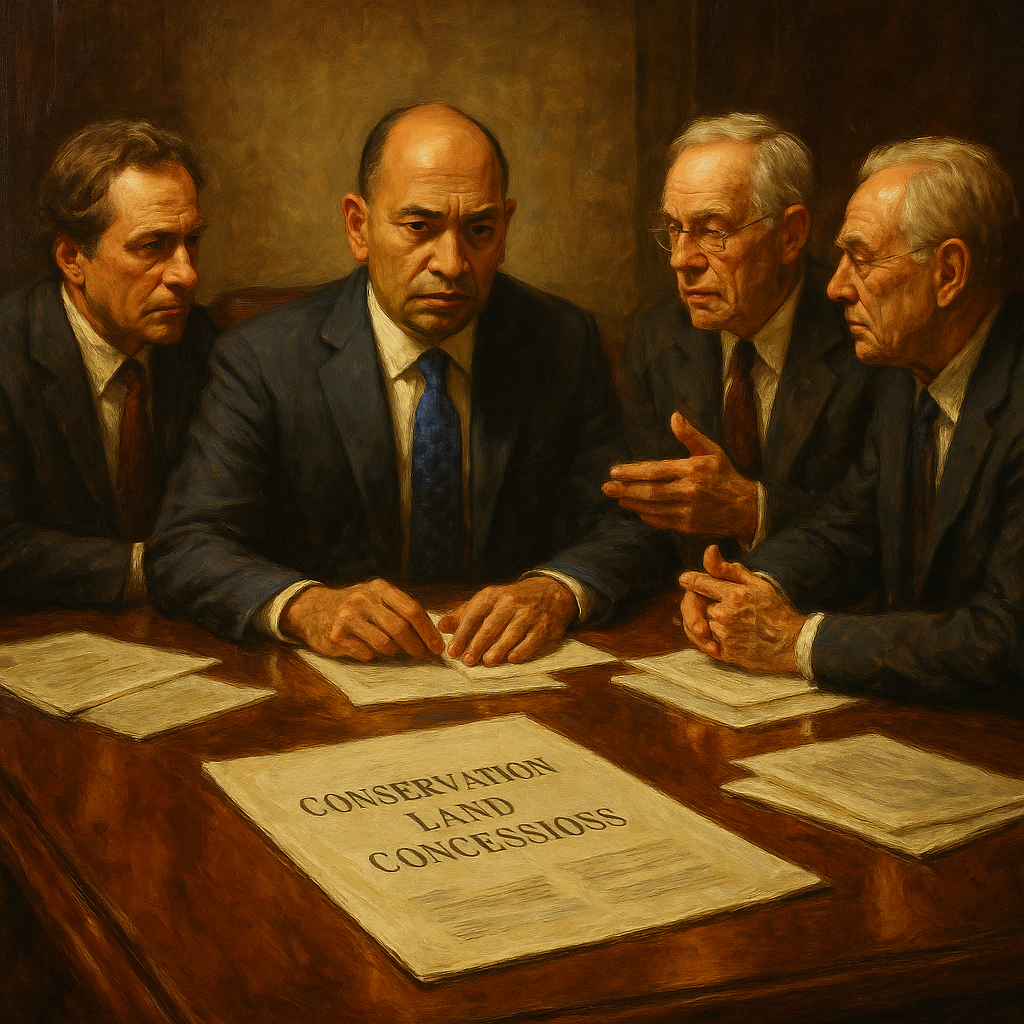
The real architects of conservation policy: corporate boardrooms where land becomes commodity
FMC board member Allan Brent's warning that conservation land will be treated like "Crown land that governments of the day can do as they will with" exposes the fundamental violation of public trust at the heart of these proposals. The FMC recognizes what mainstream political commentary refuses to acknowledge: this isn't about "streamlining bureaucracy"—it's about transferring public assets to private interests through regulatory capture.
The organization's history of opposing destructive projects like the Waitaha Hydro Scheme demonstrates their commitment to conservation over corporate profits. Their resistance to these ministerial power grabs represents the last institutional barrier between New Zealand's conservation estate and complete corporate colonization.
The Fast-Track to Environmental Destruction
The Fast Track Approvals Act provides the legislative framework for this environmental vandalism, creating expert panels that can override local democratic processes and conservation protections with minimal public input. This legislation transforms conservation land from protected public heritage into extractive opportunities for mining, tourism, and infrastructure development.
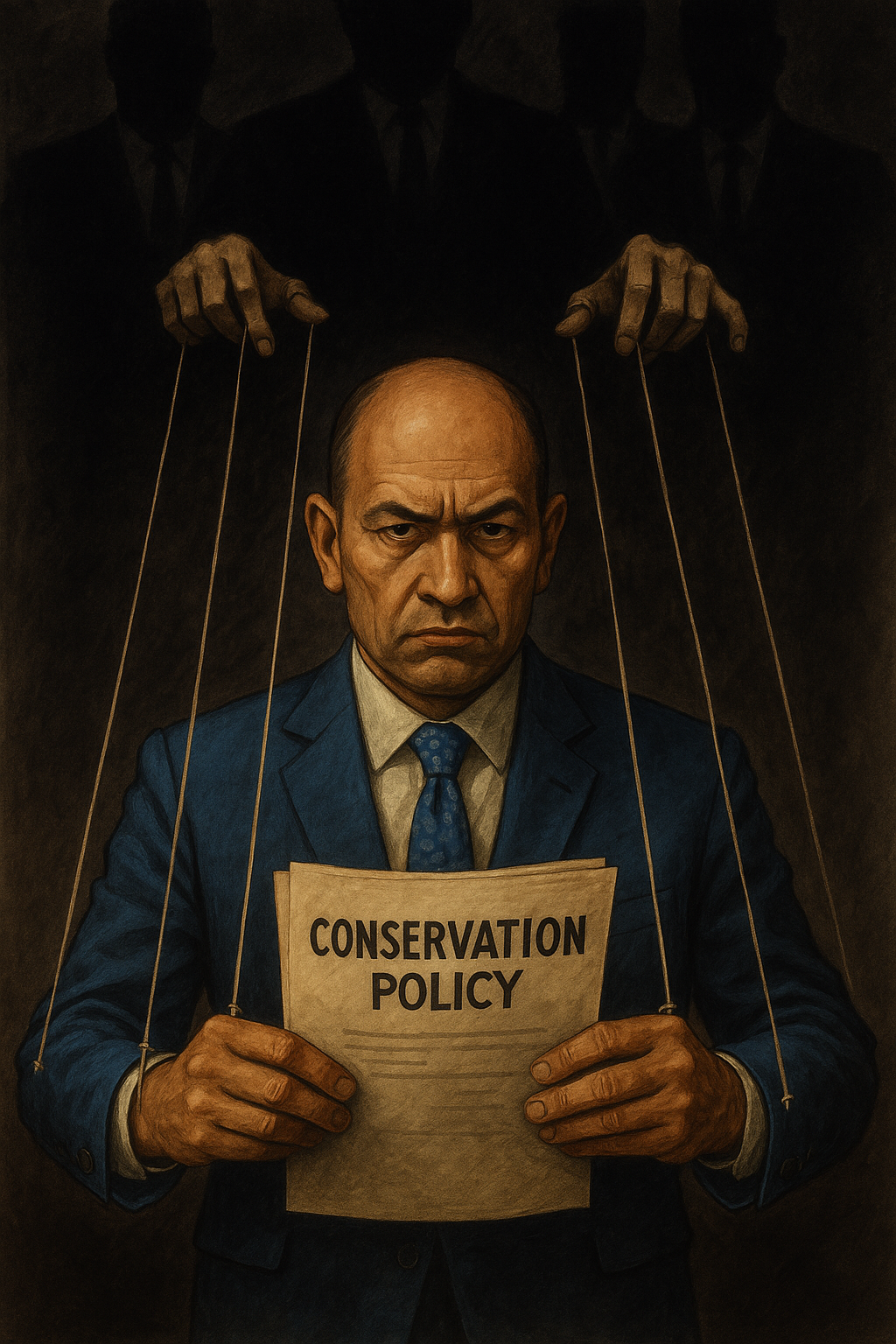
Political puppetry: how corporate interests manipulate conservation policy from the shadows
The Schedule 6 provisions reveal how conservation concessions become corporate entitlements rather than carefully considered public decisions. By removing the New Zealand Conservation Authority and Conservation Boards from meaningful decision-making, these changes eliminate the local knowledge and democratic accountability that have protected conservation values for decades.
The Democracy Deficit: Silencing Public Voices
The proposed National Conservation Policy Statement consolidates power in the hands of a single Minister while systematically excluding public participation. This represents a fundamental assault on democratic governance that reduces New Zealanders from conservation stakeholders to policy recipients with no meaningful input into decisions affecting their natural heritage.

The money pipeline: how corporate donations transform into anti-conservation legislation
The shift from Conservation Authority approval to ministerial decree removes the independent expertise and public representation that have guided conservation decisions since 1987. This isn't modernization—it's democratic regression that transforms conservation policy from evidence-based decision-making to political favoritism.
The targeted consultation process itself reveals the government's contempt for public input. Rather than genuine engagement, this represents managed democracy where predetermined outcomes are rubber-stamped through pseudo-consultative processes designed to manufacture consent rather than gather feedback.
The Corporate Network: Mapping the Influence Web
The interconnections between Luxon's corporate background, Potaka's commercial experience, and the policy outcomes favoring business interests reveal a systematically corrupted political process. Luxon's Unilever and Air New Zealand networks intersect with Potaka's Tainui Group Holdings and NZ Super Fund connections to create a policy-making apparatus that serves corporate clients rather than public interests.
The $5.1 million in donations received by National in 2023 alone demonstrates how corporate money translates directly into policy access and regulatory capture. Property developers, mining companies, and infrastructure operators aren't just buying political influence—they're purchasing policy outcomes that directly benefit their commercial interests at the expense of conservation values.
The Environmental Endgame: Commodifying Nature
This corporate assault on conservation represents more than policy change—it's the systematic commodification of New Zealand's natural heritage. By reducing conservation land to economic inputs for tourism, mining, and agriculture, these proposals fundamentally redefine the relationship between society and nature from stewardship to exploitation.
The $62 million in projected revenue from international visitor charges reveals how conservation areas are being transformed into profit centers rather than protected ecosystems. This commodification reduces biodiversity, landscape values, and ecological integrity to financial metrics that can be traded away for short-term economic gains.
The concessions regime overhaul creates commercial entitlements rather than conservation permissions, fundamentally altering the legal and philosophical foundation of public land management. Conservation land becomes business opportunity rather than public trust, transforming the Department of Conservation from environmental guardian to corporate facilitator.

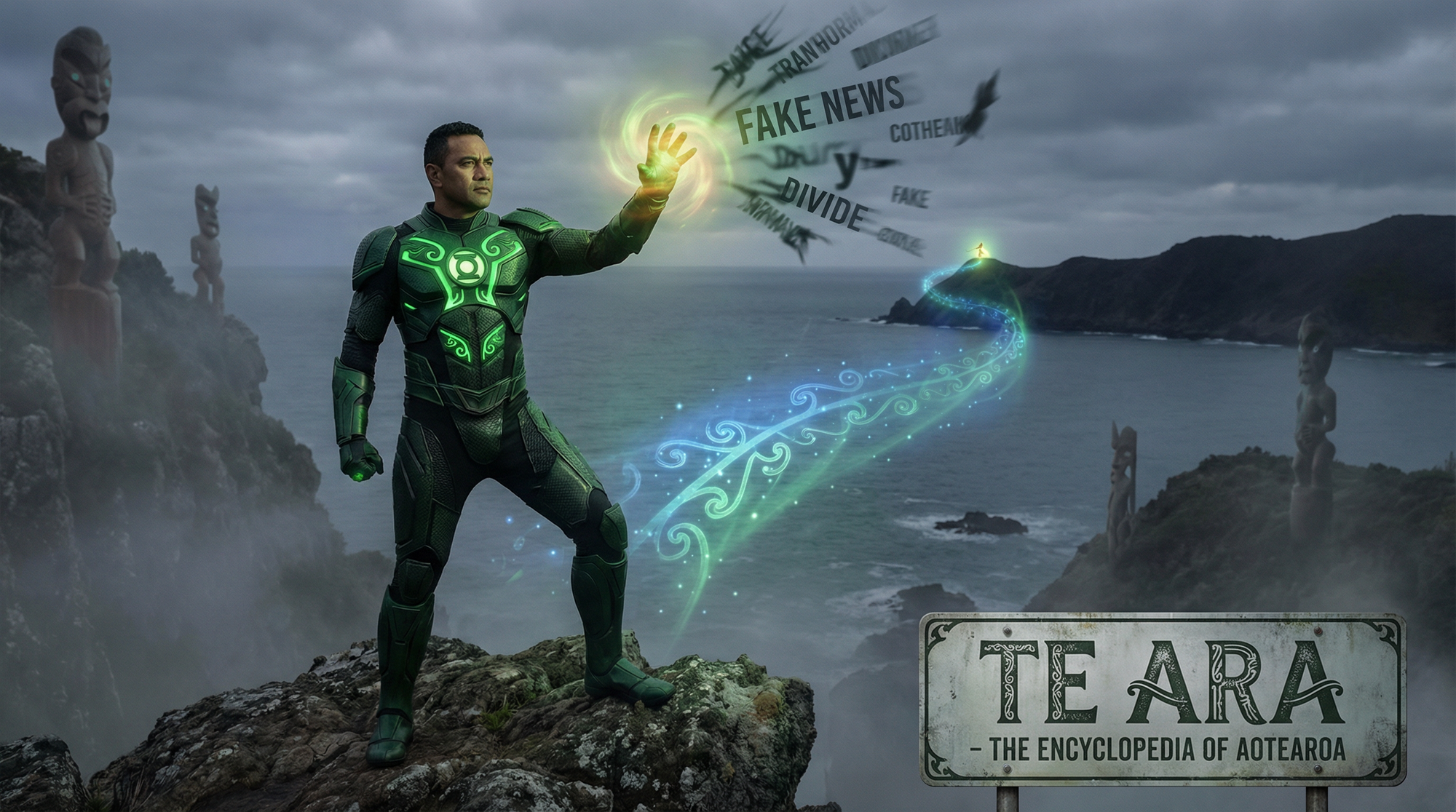
The Māori Green Lantern Fighting Misinformation And Disinformation From The Far Right
Resistance and the Path Forward
The Federated Mountain Clubs' courageous stand against these proposals provides a blueprint for resistance against corporate colonization. Their recognition that "real dialogue with New Zealanders" has been systematically avoided exposes the democratic deficit at the heart of this policy process.
Conservation organizations, recreation groups, and environmental advocates must unite in absolute opposition to these proposals. The stakes couldn't be higher: the complete transformation of New Zealand's conservation governance from democratic stewardship to corporate management hangs in the balance.
The Select Committee process promised for next year represents the last institutional opportunity to block this environmental vandalism. However, given the corporate capture of the political process, extra-parliamentary resistance through direct action, legal challenges, and sustained public pressure will be necessary to protect New Zealand's natural heritage from complete commercialization.
This isn't just about conservation policy—it's about whether democratic governance can survive the systematic assault of corporate power and political corruption. The conservation estate represents the frontline in a broader battle between public interest and private profit, between democratic accountability and authoritarian rule, between environmental stewardship and economic exploitation.
New Zealand's natural heritage belongs to all New Zealanders, not just the corporate donors and political operatives currently plotting its destruction. The time for polite opposition has passed—only sustained resistance can prevent the complete corporate colonization of the conservation estate.