"The Corrupt Heart of National: How Environment Minister Penny Simmonds Sold Out Te Taiao for Her Rich Mate’s Farm” - 2 October 2025
When Power Corrupts: The Penny Simmonds Water Scandal Exposed
Kia ora whānau, iwi, and tangata whenua.
I am Ivor Jones, The Māori Green Lantern, your kaitiaki exposing the insidious tendrils of corruption and white supremacy that strangle our whenua and wai.
Political Cronyism Disguised as Environmental Policy
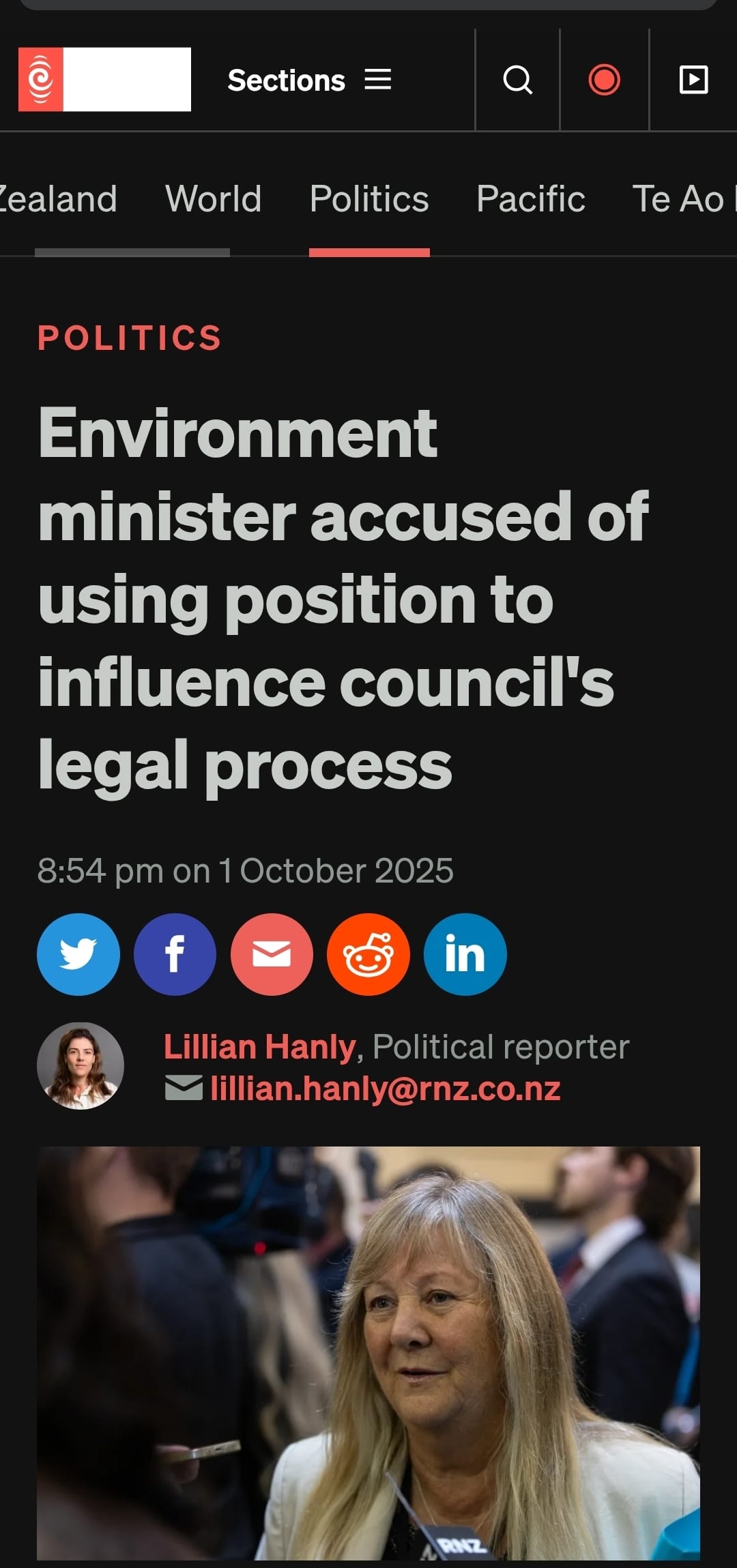
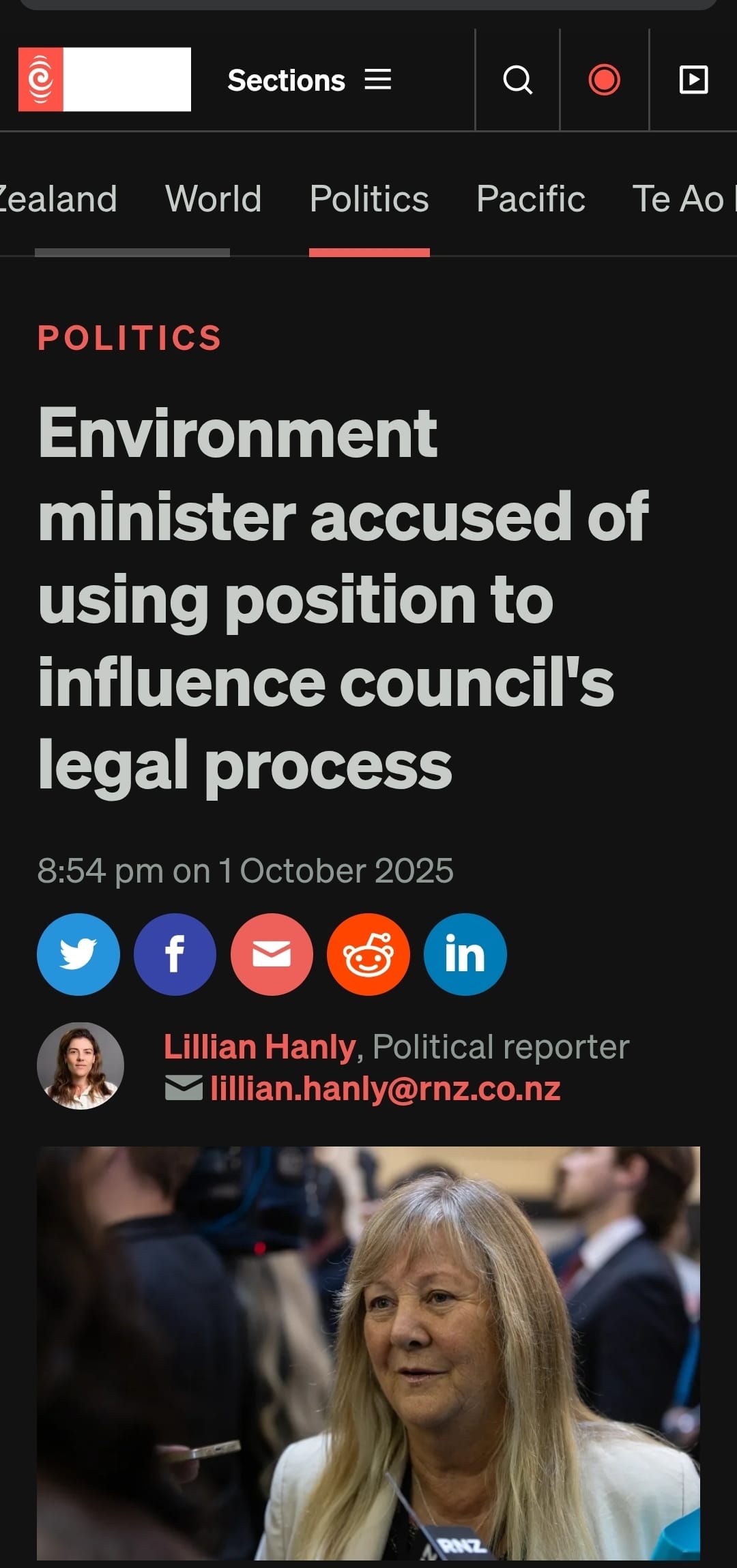
Environment Minister Penny Simmonds stands exposed today as yet another National Party operative who believes the rules don’t apply to her wealthy white mates. Her brazen intervention on behalf of Suze Redmayne’s farm interests represents a textbook case of colonial exploitation dressed up as economic development. Let us be absolutely clear about what happened here: a minister for the environment actively advocated for increased environmental extraction to benefit her political colleague’s private business interests. This isn’t just poor judgment - it’s calculated corruption that puts profit before people and private gain before public good.
The facts are damning. In September 2025, Simmonds wrote directly to Horizons Regional Council demanding explanations for delays in granting irrigation consents for Santoft area farmers, including property owned by National MP Suze Redmayne. This wasn’t casual ministerial correspondence - it was targeted political pressure designed to circumvent established environmental safeguards.
Understanding the Environmental Context
The Santoft area where Redmayne’s farm operates sits within a critically stressed groundwater zone. Horizons Regional Council monitoring has shown groundwater levels have not fully recovered after each irrigation season in recent years, with levels dropping approximately 0.5-1 metre over five years. This isn’t abstract environmental data - it’s evidence of an aquifer system under severe pressure from existing irrigation demands.
When groundwater extraction exceeds natural recharge rates, the consequences cascade through entire ecosystems. Coastal areas face particular vulnerability to saltwater intrusion when groundwater levels drop, permanently degrading freshwater resources for future generations. Yet Simmonds chose to advocate for increased extraction in precisely these conditions.
The minister’s intervention becomes even more egregious when viewed against broader environmental pressures. Canterbury Regional Council has just declared a nitrate emergency amid rising water pollution, with 62% of monitored wells showing rising nitrate concentrations over the past decade. This is the environmental context in which our Environment Minister chose to lobby for faster consent processing for her colleague’s irrigation needs.
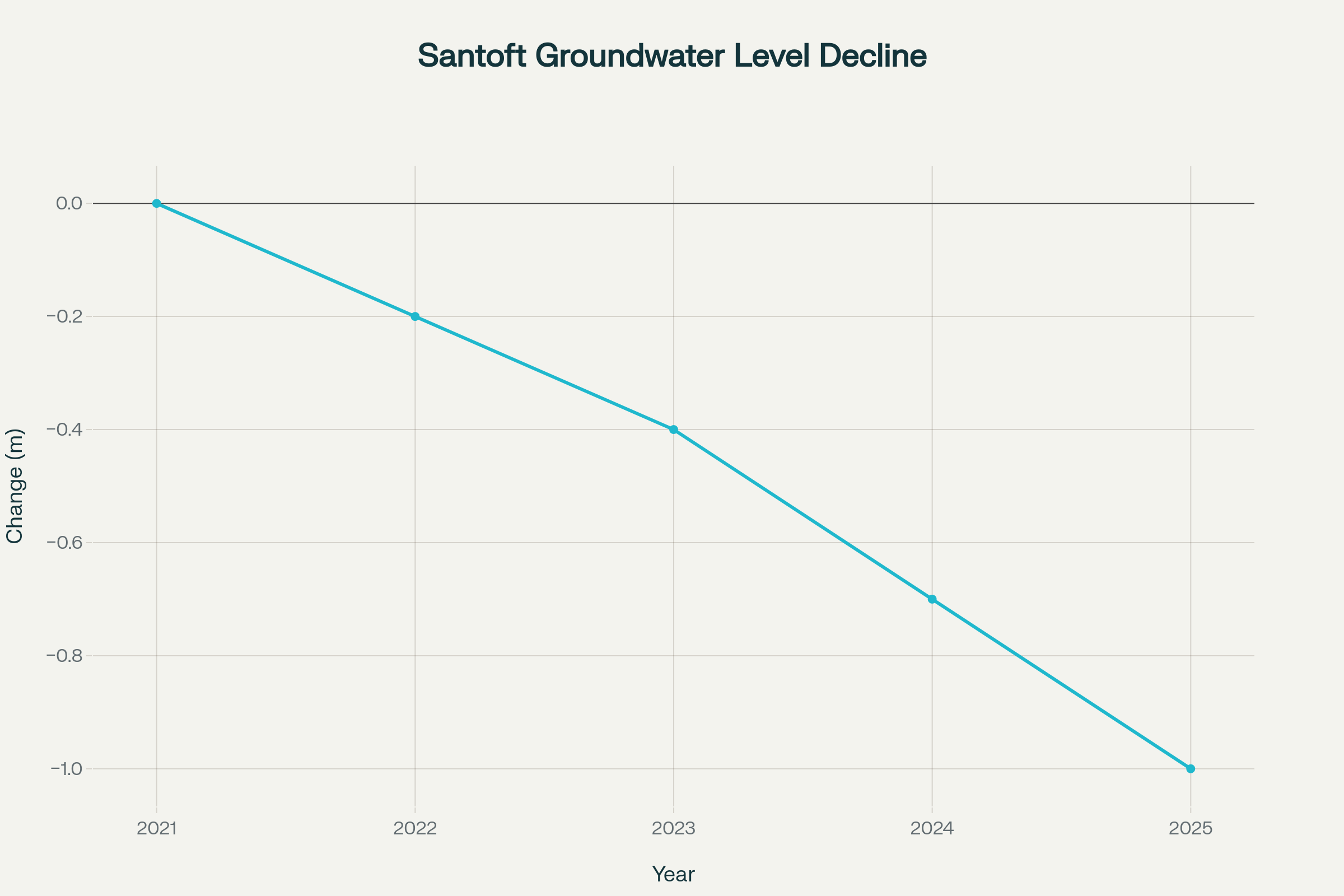
Groundwater Level Decline in Santoft Area, 2021-2025
Cabinet Manual Breaches and Conflicts of Interest
Simmonds’ actions constitute serious breaches of the Cabinet Manual’s conflict of interest provisions. The Cabinet Manual explicitly requires ministers to avoid situations where their personal interests could influence or appear to influence their official decisions. When a minister uses their position to advocate for a colleague’s private business interests, this creates exactly the kind of conflict the manual prohibits.
Recent cases involving ministers like Stuart Nash, who was sacked for sharing confidential Cabinet information with donors, demonstrate that the Prime Minister’s Office understands these principles when politically convenient. Nash lost his portfolios for breaching Cabinet confidentiality and creating perceptions of undue influence with his donors. How is Simmonds’ conduct any different?
The Cabinet Office processes for managing ministerial conflicts include quarterly reviews, in-person annual assessments, and requirements for ministers to proactively identify potential conflicts. Either these processes failed spectacularly, or Simmonds deliberately ignored them. Neither scenario reflects well on this government’s ethical standards.
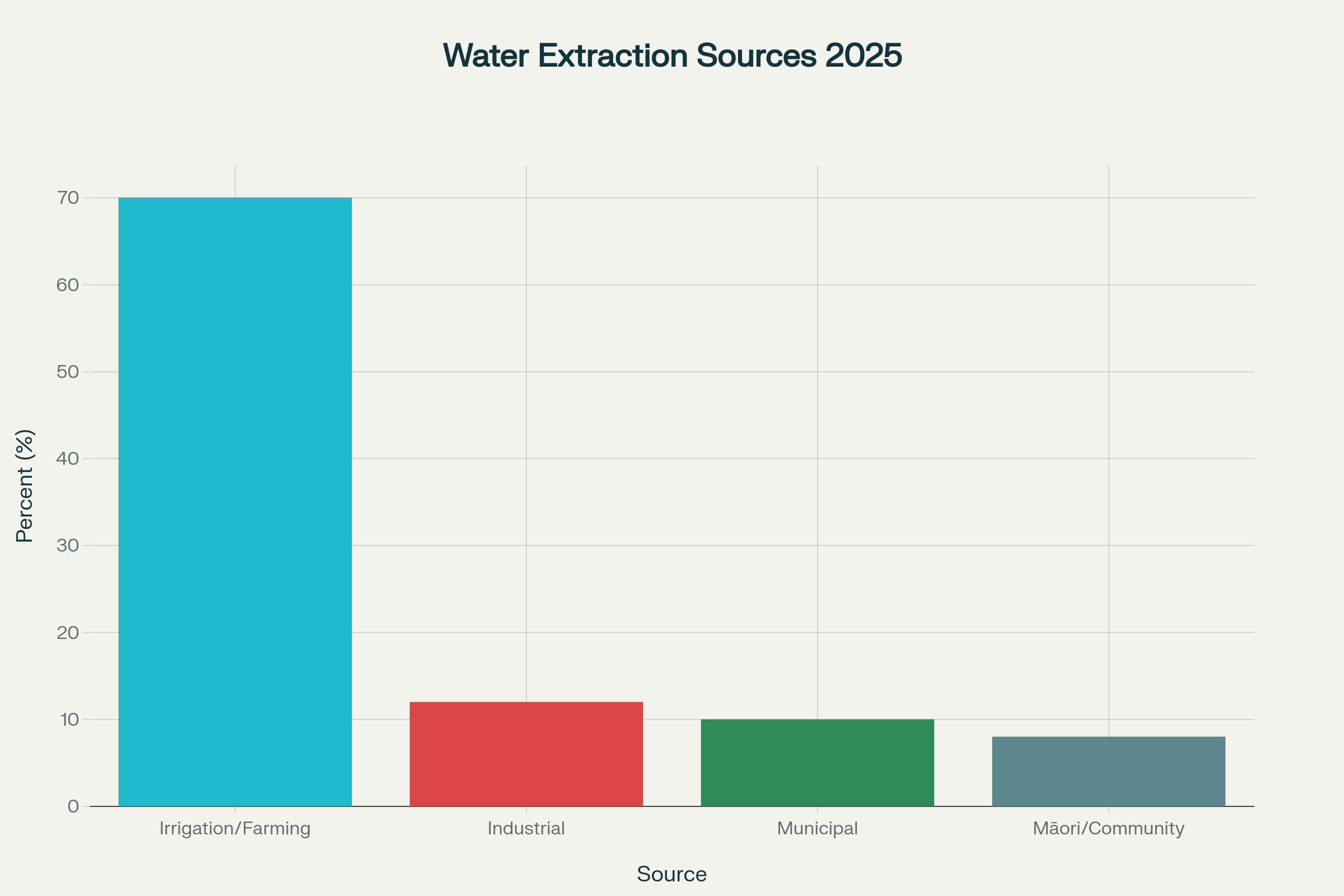
2025 Rangitīkei Region Water Extraction by Sector
Redmayne’s Business Empire and Political Influence
Suze Redmayne isn’t just any farmer seeking irrigation consents. She and her husband Richard operate a sophisticated agricultural business empire built around their Tunnel Hill farm in Turakina. Their operation includes sheep, beef, forestry and maize across 1005 hectares, with their Coastal Lamb brand selling to supermarkets, restaurants and export markets across 13 countries. This isn’t subsistence farming - it’s commercial agriculture on an industrial scale.
The Redmayne family farm received significant recognition as Regional Supreme Winners at the 2022 Ballance Farm Environment Awards, suggesting they have resources and expertise to navigate consent processes without ministerial intervention. Their success in building an award-winning agricultural business contradicts any narrative that they needed special assistance.
Redmayne acknowledged her conflict of interest by staying away from direct advocacy, instead recommending farmers contact ministers themselves. This demonstrates she understood the ethical issues at play. Her husband’s involvement in meetings with ministers while she held back from direct participation shows calculated management of appearances rather than genuine ethical compliance.
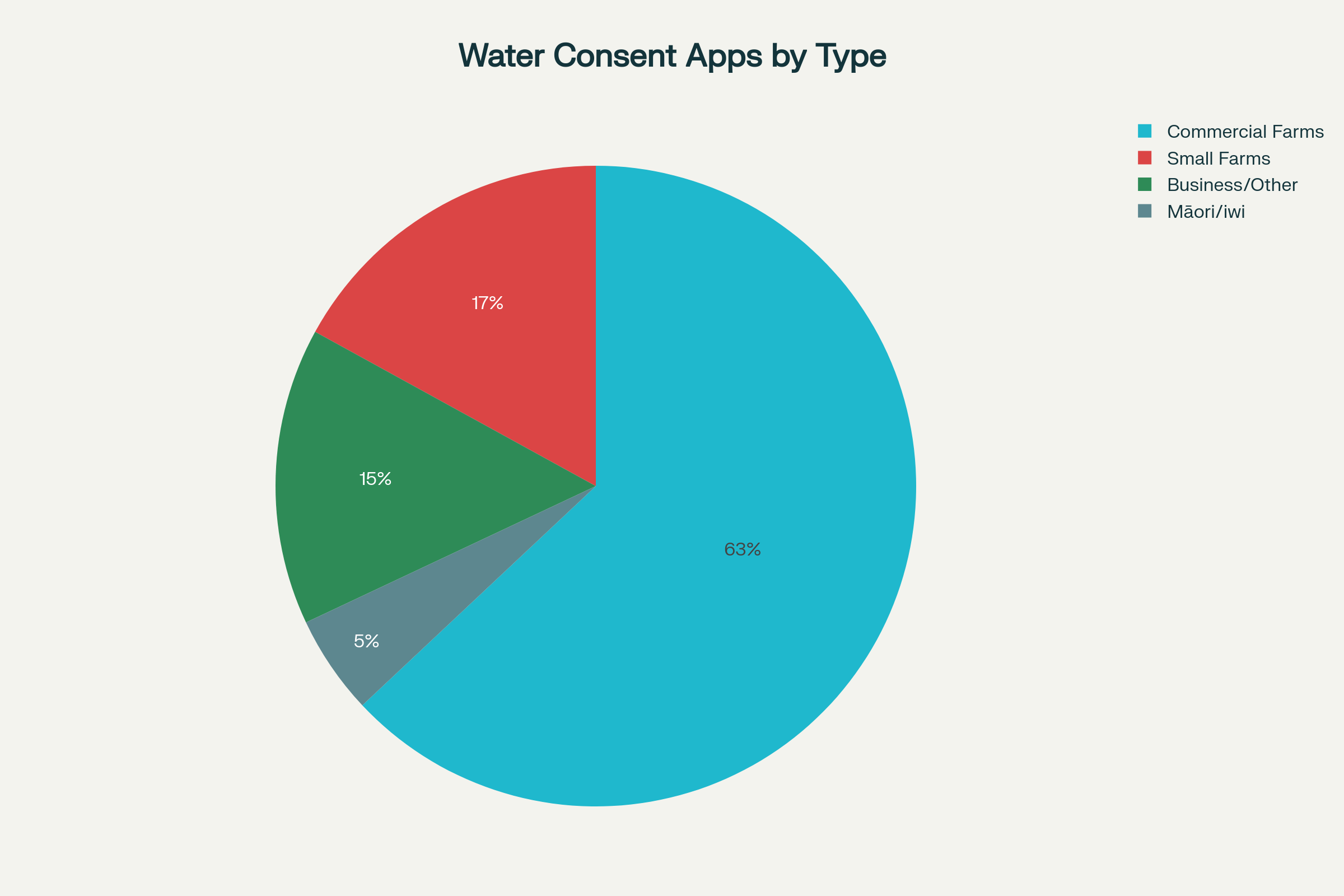
Breakdown of Water Consent Applications to Horizons Regional Council (2024-2025)
Māori Perspectives on Water Rights and Environmental Justice
From a Māori worldview, Simmonds’ actions represent another chapter in the ongoing colonial appropriation of our freshwater resources. Te Mana o te Wai establishes that the health and well-being of water bodies must be prioritized before considering human uses. This principle challenges the colonial assumption that water exists primarily as an economic resource for extraction.
The Santoft area sits within ancestral territories where Māori have exercised kaitiakitanga for centuries. Te Tiriti o Waitangi guaranteed Māori continuing tino rangatiratanga over their taonga, including freshwater resources. When ministers bypass proper environmental assessment processes to benefit private commercial interests, they undermine both Treaty obligations and environmental protection.
Research demonstrates how colonial water management has systematically excluded Māori from decision-making while delivering minimal economic benefit to tangata whenua. Simmonds’ intervention perpetuates this pattern by prioritizing Pākehā commercial interests over environmental sustainability and Māori rights.
The concept of whakapapa connects all elements of the natural world in relationships of mutual responsibility. When ministers treat water as a commodity for political manipulation rather than recognizing these interconnected relationships, they perpetuate colonial violence against both the environment and Māori worldviews.
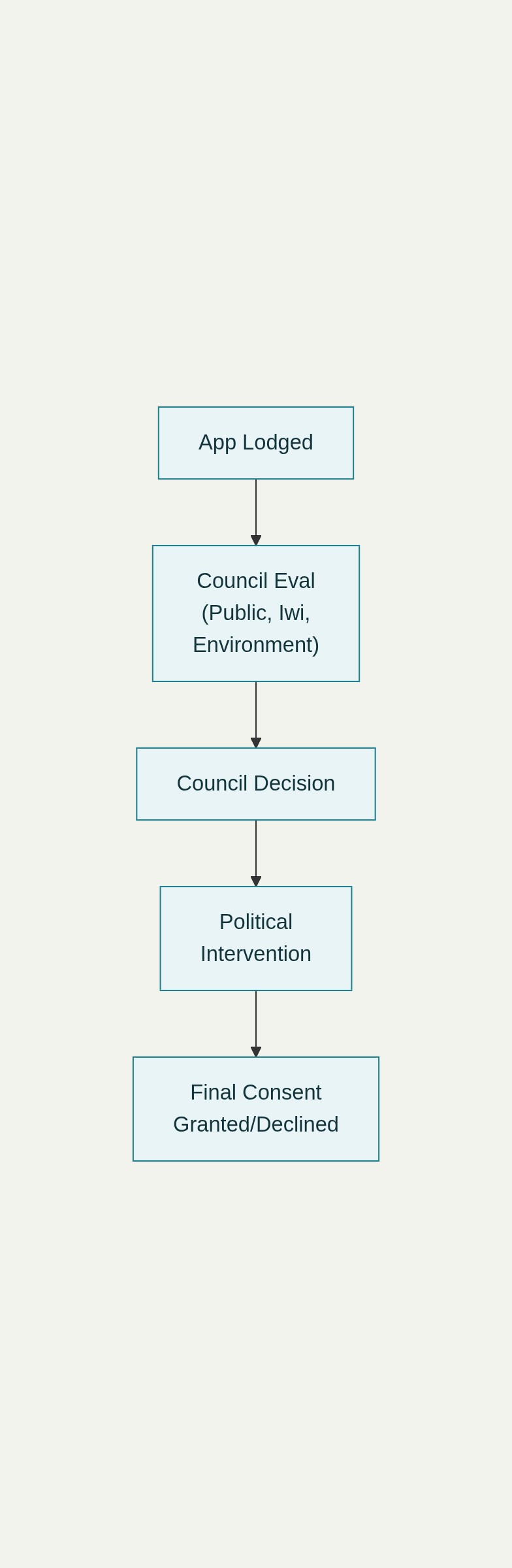
Flow of Groundwater Extraction Consent Process with Political Pressure Highlighted
Systemic Patterns of National Party Corruption
Simmonds’ conduct reflects broader patterns within this National-led coalition government. The Fast-track Approvals legislation gives unprecedented power to ministers to override environmental protections for politically favored projects. Chris Bishop has acknowledged receiving 200 letters from potential applicants while refusing to release the list of recipients, creating exactly the kind of opaque decision-making that enables corruption.
Recent government interventions to block regional councils from implementing freshwater protections demonstrate coordinated attacks on environmental governance. When Otago Regional Council attempted to pass land and water protections, the government introduced retroactive legislation to prevent them. This mirrors Simmonds’ pressure on Horizons Regional Council - both represent political interference with legitimate environmental regulatory processes.
The coalition’s approach to resource management consistently prioritizes extraction industries over environmental protection. Ministers explicitly expect councils to take “pragmatic approaches” that favor farmers and growers, essentially demanding regulatory capture. This creates systematic pressure for environmental regulators to compromise their independence.
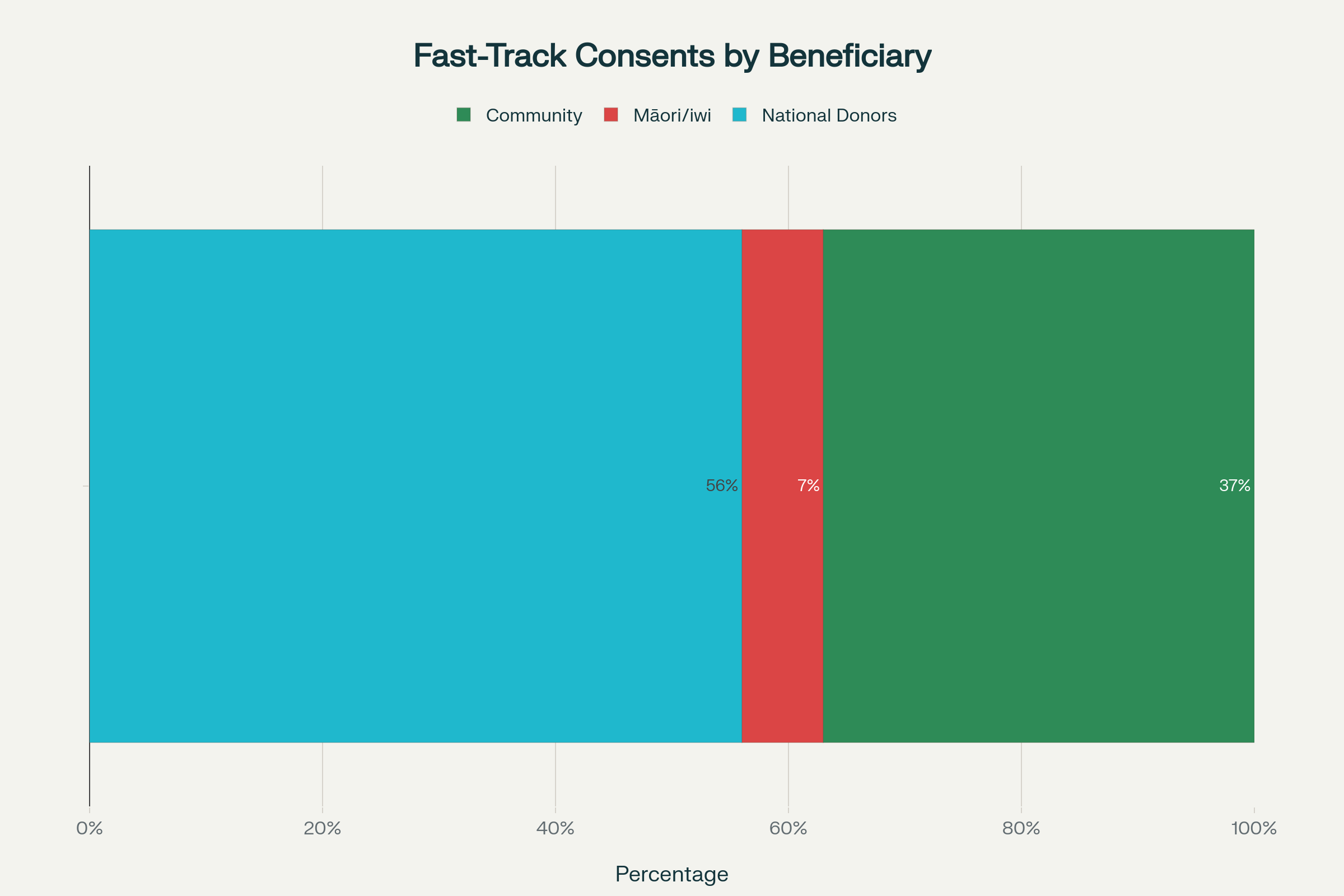
Distribution of Fast-Tracked Environmental Consents (2021-2025) by Political/Community Affiliation
Implications for Environmental Democracy
Simmonds’ intervention threatens the independence of regional council decision-making processes. When ministers can pressure councils to expedite consents for political allies, it undermines the entire resource management framework. Regional councils derive their legitimacy from representing local communities in environmental decisions. Ministerial pressure transforms this into a system where political connections determine outcomes.
The timing of Simmonds’ intervention amplifies these concerns. Writing to Horizons Regional Council in September while Parliament was in session suggests calculated political pressure rather than routine ministerial oversight. Her demand for responses within days and immediate meetings demonstrates the urgency she placed on advancing her colleague’s interests.
This behavior creates dangerous precedents for future environmental decision-making. If ministers can bypass established processes whenever politically convenient, environmental protections become meaningless. The resource management system depends on consistent application of environmental standards regardless of political relationships.
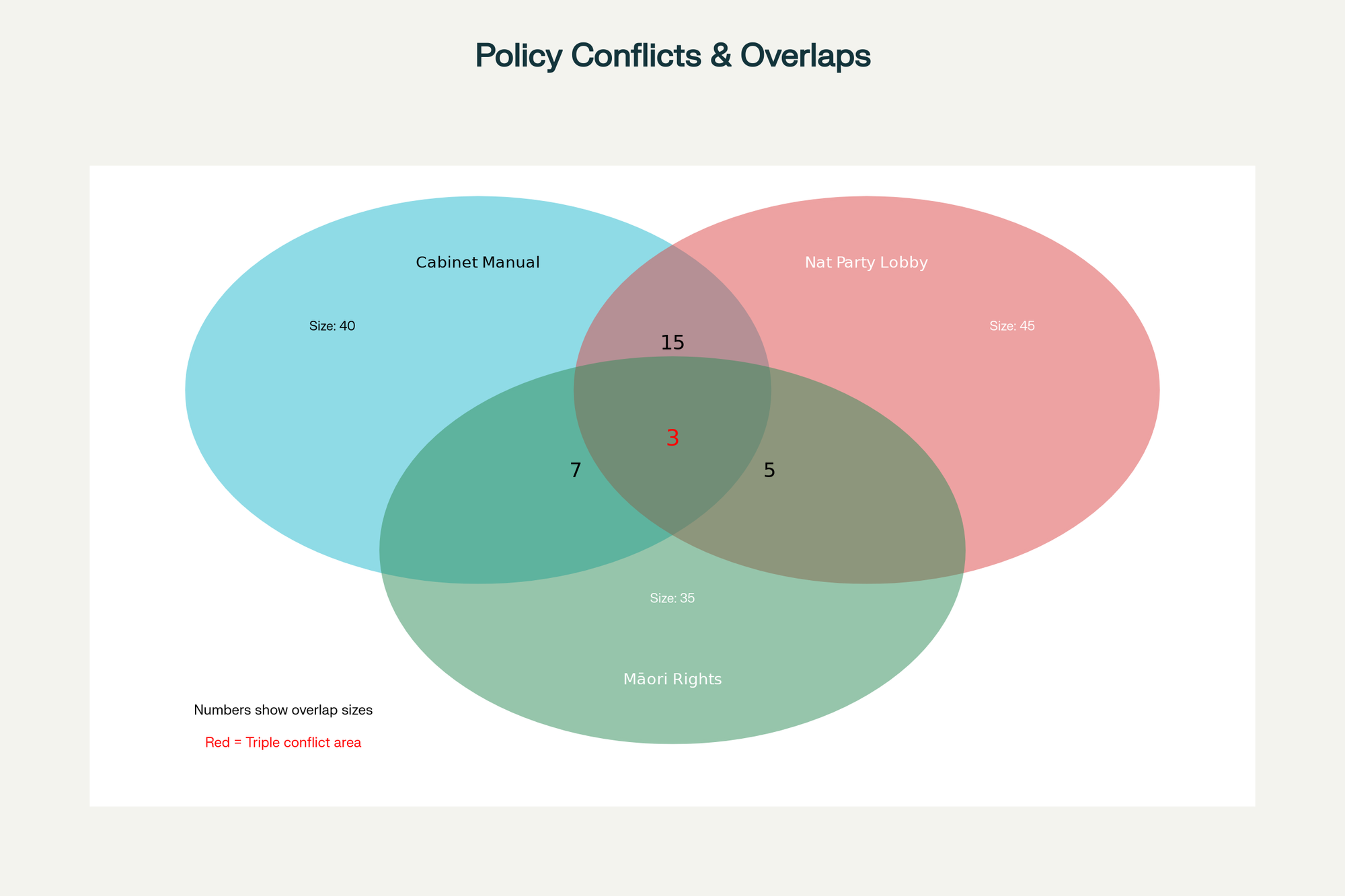
Venn Diagram: Overlaps & Conflicts - Cabinet Manual, National Party Lobby, and Māori Water Rights
The Intersection of Environmental Racism and Colonial Politics
Environmental racism operates through seemingly neutral policies that systematically disadvantage Māori and other marginalized communities. When ministers prioritize commercial irrigation for wealthy Pākehā farmers over environmental sustainability, they perpetuate patterns where environmental harms disproportionately affect Māori communities while benefits flow to Pākehā elites.
Research demonstrates how environmental governance in Aotearoa routinely misrecognizes Māori interests, allows only tokenistic participation, and makes no attempts to achieve distributive equity. Simmonds’ intervention exemplifies this dynamic by treating water as a resource for political manipulation rather than recognizing Māori rights and environmental limits.
The coalition government’s broader environmental agenda reflects white supremacist assumptions about who deserves access to natural resources. Their commitment to “helping the primary sector grow New Zealand’s economy” explicitly prioritizes extraction industries dominated by Pākehā over environmental protection or Māori rights. This isn’t economic development - it’s colonial resource extraction with a contemporary veneer.
Accountability and Democratic Consequences
Christopher Luxon’s response to these revelations reveals his administration’s contempt for ethical governance. Claiming there was “no information to suggest Cabinet Manual guidance has not been followed” while his Environment Minister pressures councils for political colleagues demonstrates willful blindness to corruption.
The contrast with previous ministerial sanctions exposes the hypocrisy of this administration’s ethical standards. When Stuart Nash shared Cabinet information with donors, he was immediately dismissed. When Nicole McKee’s firearms business creates potential conflicts with her ministerial role, careful management processes are established. Yet when Simmonds uses her ministerial position to benefit her National Party colleague’s business interests, the Prime Minister sees no problem.
This inconsistent application of ethical standards suggests corruption investigations depend more on political convenience than principled governance. The message to other ministers is clear: conflicts of interest matter only when they become politically embarrassing, not when they compromise environmental protection or democratic processes.

The Māori Green Lantern Fighting Misinformation And Disinformation From The Far Right
Call for Action
Penny Simmonds has demonstrated through her conduct that she views the Environment portfolio as a tool for advancing National Party commercial interests rather than protecting our natural heritage. Her pressure campaign on behalf of Suze Redmayne’s irrigation needs represents calculated corruption that compromises both environmental protection and democratic governance.
This isn’t isolated misconduct - it’s part of systematic attacks on environmental regulation by a coalition government that prioritizes extraction industries over ecological sustainability. When Environment Ministers lobby against environmental protection, when ministers bypass established processes for political allies, and when Prime Ministers ignore obvious conflicts of interest, our democratic institutions face existential threats.
We must demand Simmonds’ immediate resignation from the Environment portfolio. Her actions have fatally compromised her ability to independently assess environmental issues involving National Party interests. More broadly, we need comprehensive reforms to prevent ministerial interference with regional council decision-making processes.
The alternative is an environmental governance system where political connections determine outcomes and extraction industries operate without meaningful oversight. This represents colonial capitalism at its most destructive - converting public environmental resources into private profit through political manipulation.
As tangata whenua, we have witnessed centuries of colonial governments treating our whenua and wai as commodities for extraction. Simmonds’ corruption continues this pattern, but her exposure offers an opportunity to demand better. Environmental justice requires ministers who serve ecological integrity rather than political cronies.
The kaupapa is clear: accountability for corruption, protection for our environment, and justice for our people.
Ngā mihi nui,
Ivor Jones - The Māori Green Lantern
Ko te taiao, ko au. Ko au, ko te taiao. The environment and I are one. If you find value in exposing corruption and defending our taonga, please consider a koha to support this mahi: HTDM: 03-1546-0415173-000. Only contribute if you have capacity and wish to support the cause during these challenging times for whānau.