“The Corruption Machine: How Paul, Hearn, Bidarian, and Helwani Exposed Boxing’s Complicit Ecosystem” - 28 December 2025
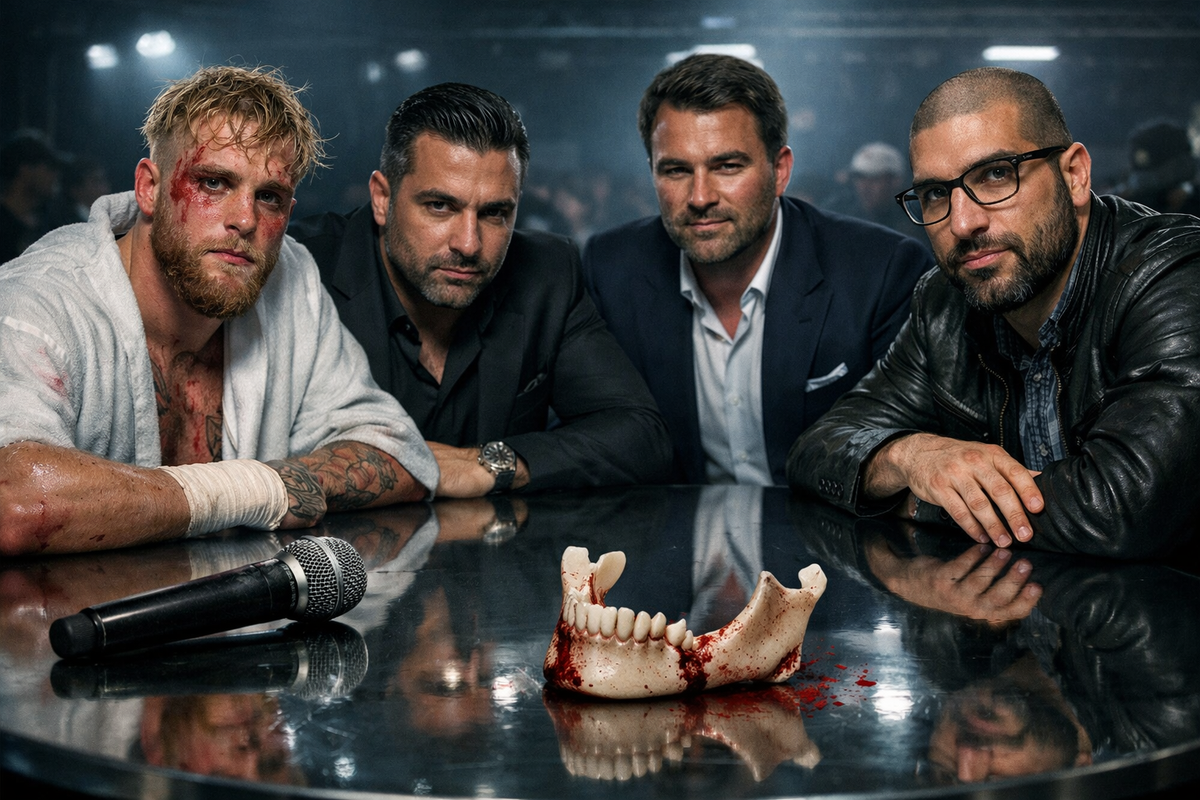
On December 19, 2025, Anthony Joshua knocked out Jake Paul in the sixth round at Miami’s Kaseya Center on Netflix. The knockout was real. The broken jaw—fractured in two places with four titanium plates installed—was real. The injury was catastrophic.
Yet within 72 hours, a coordinated narrative emerged across four post-fight interviews that exposed something far more damaging than a single fixed fight:
a complete ecosystem of complicity, where promoters, fighters, journalists, and broadcasters work in synchronized deception to extract value from a corrupted sport.
The interviews were not separate analyses. They were four chapters of the same coordinated story—each speaker playing a specific role in making the audience believe that a televised mismatch between a gold medalist and a YouTuber was somehow legitimate sport.
The System: Who Profits From the Lie
Before analyzing the interviews, understand the incentive structure:
- Jake Paul (MVP fighter): Needs the next payday. His stock rises if losses become “moral victories.”
- Nakisa Bidarian (MVP co-founder): Needs to suppress criticism via legal threats while keeping Paul marketable for future events.
- Eddie Hearn (Joshua’s promoter): Needs to justify why his elite fighter just fought a YouTuber and took six rounds to finish him.
- Ariel Helwani (journalist/broadcaster): Needs access to all parties and advertising revenue from the spectacle. His “reporting” must serve all four stakeholders simultaneously.
None of them benefit from a genuine investigation into whether the fight was predetermined. All of them benefit if the narrative holds together.
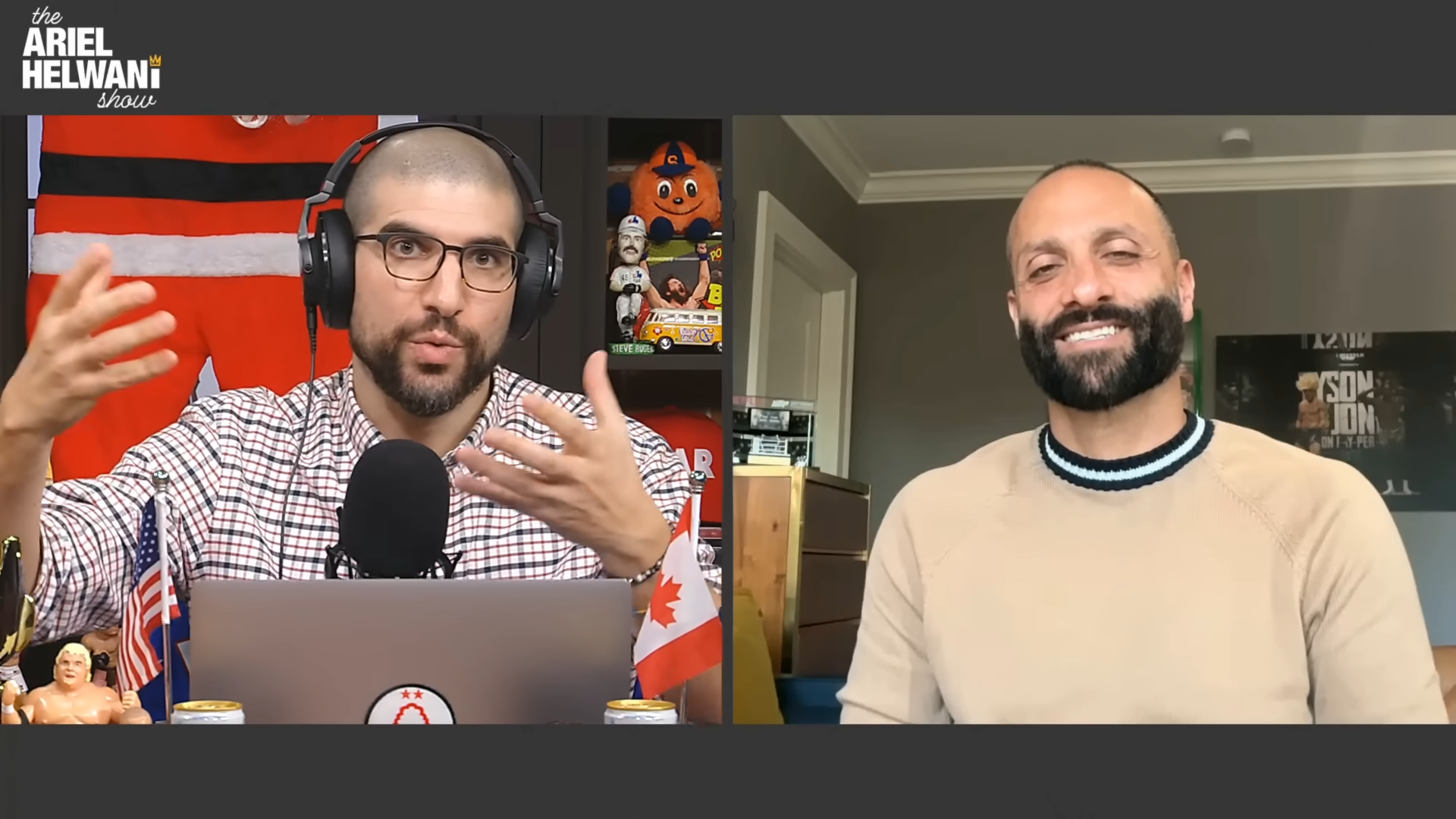
Act I: The Corporate Cleanup—Bidarian’s Legal Intimidation (Dec 23, Ariel Helwani Show)
Nakisa Bidarian, MVP co-founder, appeared on Helwani’s show as the crisis manager. His job was to suppress the “rigging” narrative that had already begun circulating from fighters like Aljamain Sterling and Israel Adesanya.
The Strategy: Straw Man and Suppress
Rather than address Sterling’s technical criticism (Joshua “carrying” Paul, the suspicious round duration), Bidarian focused on the most absurd internet rumor:
that Joshua had a “contract clause” preventing him from knocking out Paul, and that Joshua violated it, costing himself money.
Bidarian (7:21): “Our lawyers are actively going after a number of people. One who claims to be a lawyer himself online... basically, this post said there was an agreement for AJ not to knock out Jake, but AJ disregarded the agreement and decided to not get his payday, but knock out Jake Paul. So, it’s... pretty astonishing what people say.”
The Deception: By focusing on the most ridiculous claim, Bidarian discredits all skepticism. The straw man burns so brightly that the real fire—Sterling’s observation that Joshua “played with his food”—gets overshadowed.
The Deception By All Of These Players
The Legal Threat as Suppression
When Helwani asked if there was any “arrangement” about round targets, Bidarian issued a blanket denial paired with a threat:
Bidarian: “There has never once in Jake Paul’s career been any talk of that sort of anything to do with the fight being anything but a real fight... Our lawyers are actively going after a number of people.”
The Deception: Helwani did not challenge the ethics of threatening critics or fans for expressing opinions on a publicly traded spectacle. He normalized the suppression by moving to the next question. This is complicity through silence.
The Weaponization of Trivial Evidence
Bidarian correctly noted that Paul’s broken jaw proves something happened. But broken jaws are consistent with both genuine fights and scripted ones where one party goes “off script.”
Bidarian: “You can’t fake a jaw break. But that’s what should have possibly happened in the first round.”
He admits, accidentally, that Joshua could have finished it faster—the core of Sterling’s suspicion. But by using the jaw as proof of legitimacy, he transforms it into a shield:
“The injury proves the fight was real.”
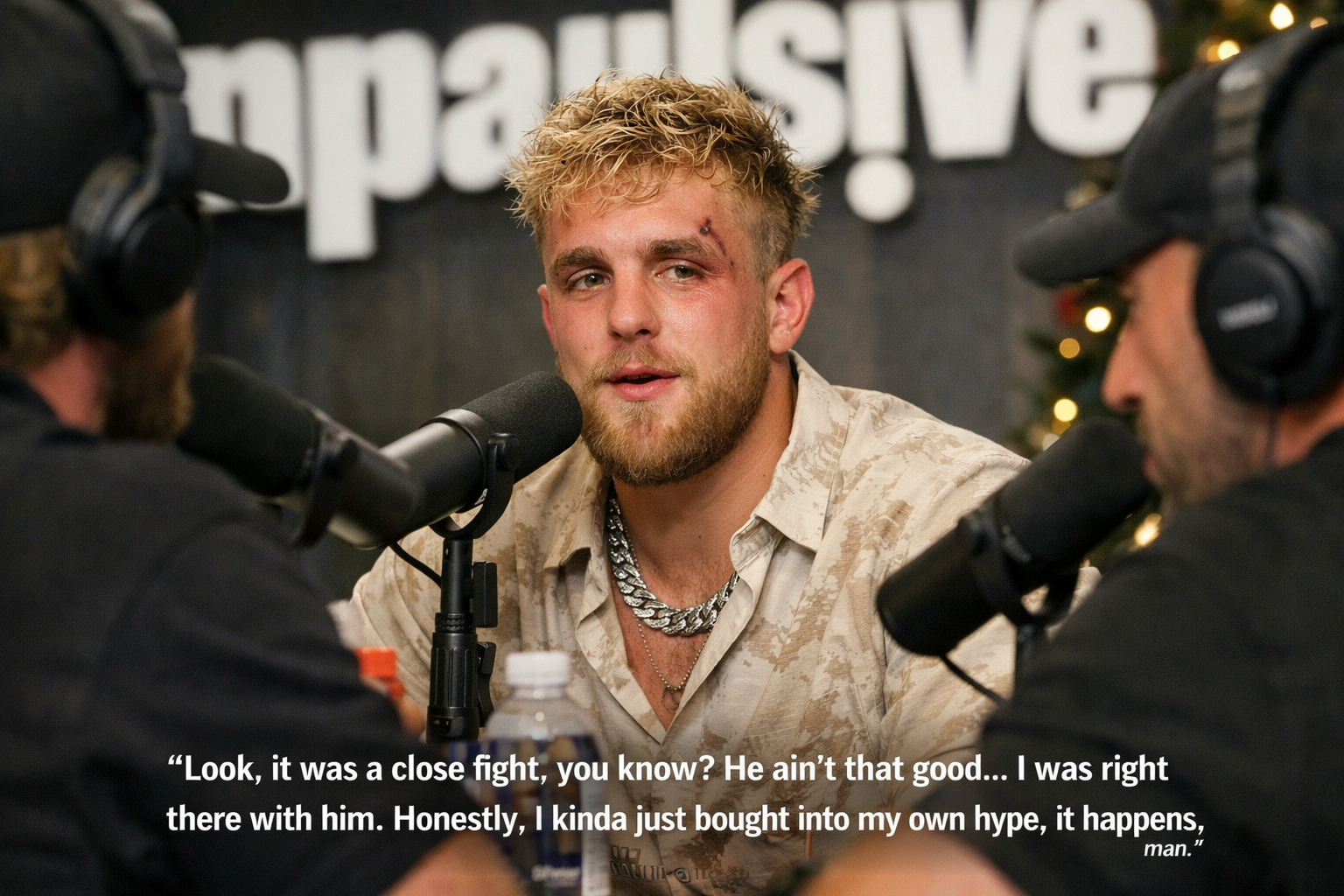
Act II: The Trivialization Defense—Jake Paul’s “It Was Fun” (Dec 23, Impaulsive)
Jake Paul appeared on his brother Logan’s podcast the same day, looking surgically recovered and philosophically unbothered. His job was to minimize the psychological weight of losing and preserve audience engagement for the next payday.
The Detachment Strategy: Reframe Violence as Entertainment
Paul described being knocked down and suffering a traumatic brain injury with the language of casual entertainment:
Paul (0:15): “I was on the ground. I was like, ‘That was a good shot.’”
Paul (2:43): “I was like, ‘Wow, that was nice.’”
Paul (5:17): “It doesn’t even feel like a job. It’s just [__] awesome. I just had a blast in there.”
The Deception: A professional fighter who just suffered a broken jaw and a knockout does not say the experience was “fun” and a “blast” unless the outcome didn’t matter emotionally. This admission—that the fight result was entertainment rather than sport
—confirms the critiques of the “clown show.”
Rewriting the Scorecard
Paul claimed competitive parity that scorecards didn’t support:
Paul (1:39): “I won two rounds and then he won two and then I got dropped.”
The Deception: This is a fabrication. Independent scorecards did not show 2-2 halfway through. By asserting it on his platform, Paul creates truth for his echo chamber. The narrative becomes:
“It was close until the end.”

These Cunts Are Delusional And The Worst Form Of Human
The Excuse, Not the Admission
When discussing why he lost, Paul blamed logistics, not skill:
Paul (3:44): “My biggest mistake... I should have gone to altitude to train.”
The Deception: He frames the loss as a preparation failure, suggesting that with a better camp, the result changes. This keeps the door open for the “comeback narrative” and preserves the illusion that he belongs in the ring with elite fighters.
Bullshit Boy - You Got Whipped
The “Delusion” Admission
The most revealing moment came when the host (Mike Majlak) accidentally exposed the entire business model:
Majlak (9:58): “It puts you guys in a weird position sometimes too because we come across delusional.”
The Deception: They admit their public confidence is manufactured delusion. They know the odds (5-10% at 9:58), yet they sell the “conviction” to bettors and fans. Paul doesn’t deny this; he embraces the “conviction” that sells tickets.

You Are Being Taken On A White Supremacist RipOff Ride By These Assholes - Mum And Dad Included
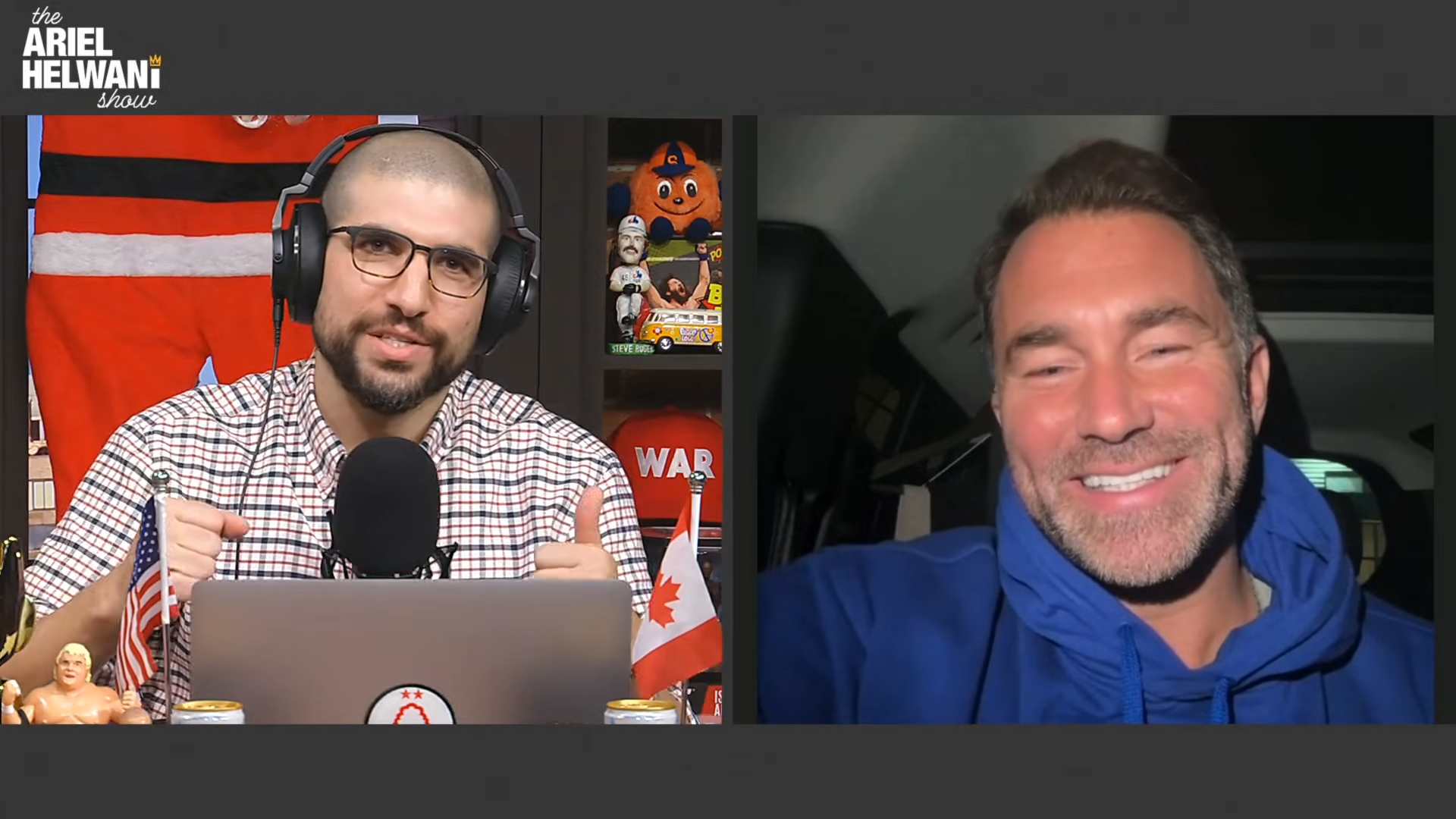
Act III: The Establishment Validator—Eddie Hearn’s Legitimacy Stamp (Dec 22, Ariel Helwani Show)
Eddie Hearn, head of Matchroom Boxing and Joshua’s promoter, played the most crucial role:
The Validator. As an establishment figure, his job was to bridge the gap between “clown show” and “real boxing,” ensuring that everyone—even the loser—emerges with elevated status.
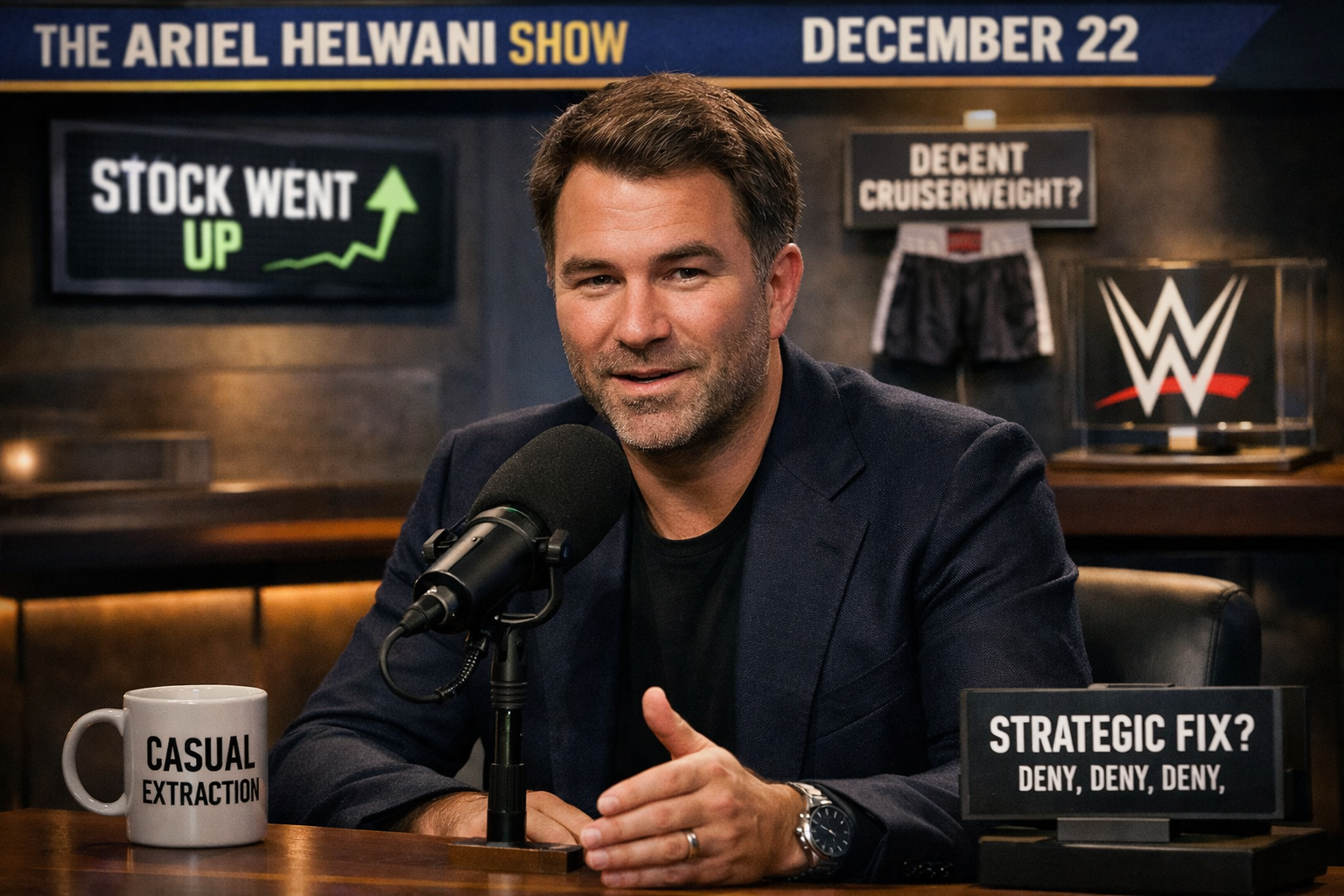
The “Stock Went Up” Echo Chamber
Using the exact same phrase Helwani seeded with Bidarian, Hearn validated the narrative that losing is winning:
Helwani (11:04): “My theory is it actually went up in defeat... What do you make of Jake’s stock?”
Hearn (11:11): “I think his stock went up... How can you not give him credit and respect?”
The Deception: This reveals a coordinated talking point. Helwani isn’t asking; he’s narrating. Hearn isn’t analyzing; he’s endorsing. By claiming Paul’s stock rose because he “survived,” they redefine boxing success. Victory is irrelevant; existence is achievement.
The “Decent Cruiserweight” Pivot
Hearn artificially inflated Paul’s skill level just enough to make the fight seem sporting:
Hearn (4:02): “I used to think he was an average fighter. Now I just think he’s a decent cruiserweight.”
The Deception: This is Goldilocks positioning. If Paul is trash, Joshua is a bully. If Paul is great, Joshua looks bad for taking six rounds. So Paul becomes “decent”—justified enough without threatening the hierarchy.
The “WWE” Normalization
Hearn explicitly blurs sport and spectacle:
Hearn (11:36): “He’s dressed as Hulk Hogan for God’s sake... There is an element of WWE to it... but that was a professional boxer.”
The Deception: He uses WWE comparison to excuse theatrics while insisting on the “professional boxer” label. It’s “have your cake and eat it”—validating the spectacle while maintaining the sport fiction.
This Is All Deception People!
Admitting the “Casual” Extraction Strategy
Hearn was surprisingly honest about the target demographic:
Hearn (6:40): “These are just casual fans... who don’t really know a lot about boxing... They just think, ‘Wow.’ And the answer to your question, yes... This changes everything.”
The Deception: He admits the business model is predatory. The audience isn’t educated aficionados; it’s people who don’t know better. The “celebration” isn’t of sport; it’s of extraction.
The “Strategic Fix” Denial
When asked directly about agreements, Hearn denied a contractual fix but described a strategic one:
Hearn (9:27): “Absolutely no way ever... [But] AJ’s not the kind of guy that’s going to come out like a train... He’s going to take his time.”
The Deception: Hearn admits Joshua fought differently than he would against a peer. He confirms what Sterling observed: Joshua “carried” the fight strategically to extend the spectacle. It’s a distinction without a difference to the viewer.
These Clowns Are Ripoff Artists
Act IV: The Conduit—Ariel Helwani’s Softball Setup
Helwani Is As Complicit As The Rest
Ariel Helwani, the “independent journalist,” provided the platform and the carefully crafted questions that allowed each speaker to deliver their assigned narrative.
The Complicity Through Silence
When Bidarian announced he was suing critics, Helwani did not challenge the ethics of a $100 million corporation threatening private citizens for expressing opinions. He normalized it by moving to the next question.
When Paul admitted the fight was “fun” and a “blast,” Helwani did not press on whether this disqualified the sport as legitimate. He accepted the trivialization.
When Hearn described the audience as “casuals who don’t know about boxing,” Helwani did not question whether extracting value from the uninformed is ethical. He celebrated it as a growth opportunity.
The Seeded Narrative
Helwani actively seeded talking points rather than asking questions:
Helwani (0:20, to Bidarian): “Some, including myself, think that it was a moral victory of sorts for Jake Paul.”
This is not journalism. This is narrative co-creation. Helwani is telling the audience how to interpret the loss before Bidarian even speaks.
Helwani (11:04, to Hearn): “My theory is it actually went up in defeat...”
Again, Helwani is not asking for Hearn’s analysis; he’s providing it and waiting for validation.
The Broadcast Partner Conflict
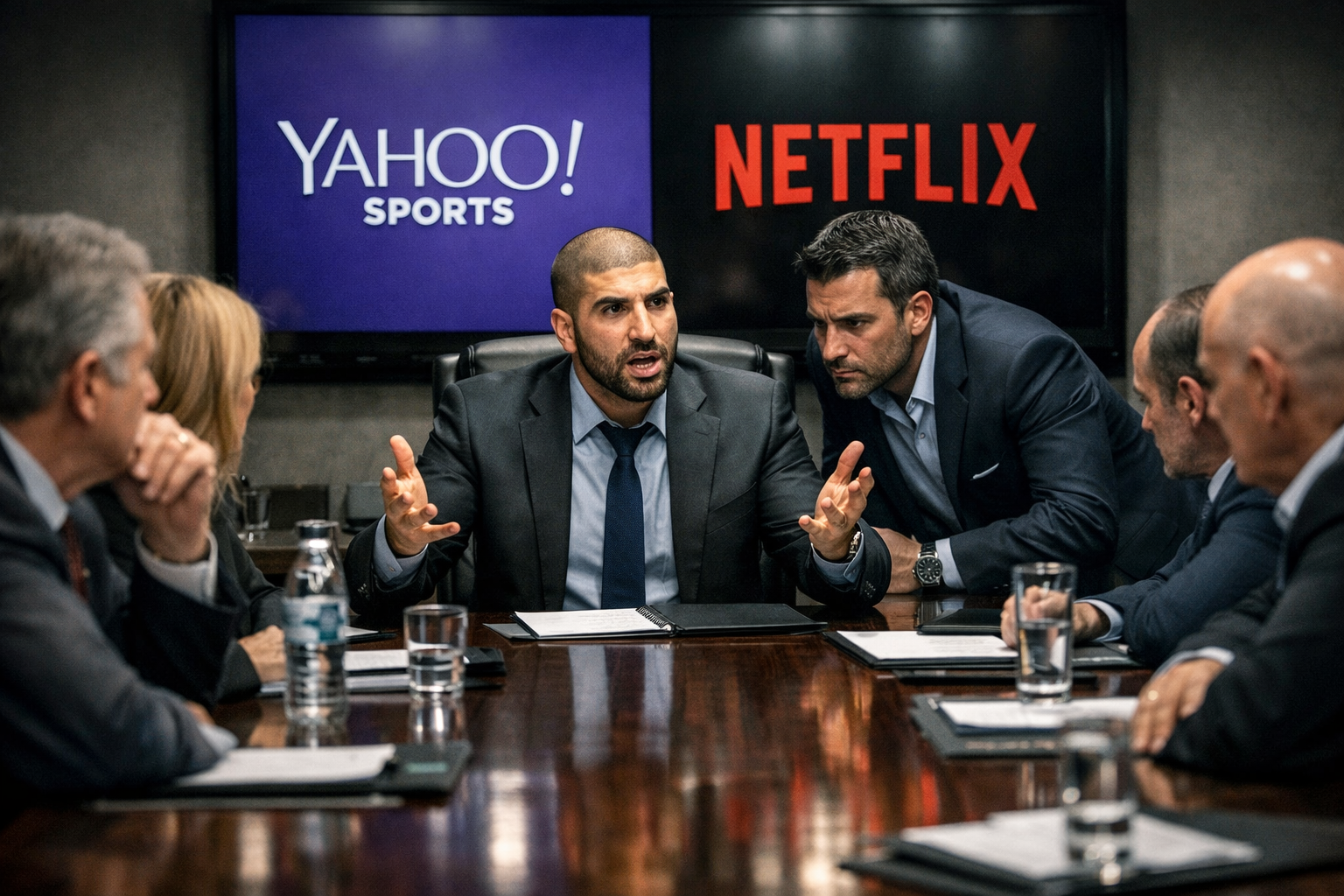
Helwani disclosed at the start that his show is “Powered by Yahoo! Sports” but is acknowledged by Bidarian as being “involved in the event through Netflix” (0:41). This is a profound conflict of interest. Helwani benefits financially from the event’s success. He is not an independent observer; he is a stakeholder.
Helwani The Stakeholder
The Triad of Deception: What They’re Selling
Across all four interviews, three coordinated lies emerge:
Lie #1: The “Stock Rise” Myth
The Claim: Paul’s credibility and value increased because he “survived” and “didn’t get flatlined.”
The Reality: Stock in combat sports is based on demonstrated skill and competitive outcomes, not existence. Joshua did not lose credibility; Paul did not gain it. What rose was attention—the metric that drives advertising revenue for Netflix, YouTube, and Helwani’s platform.

Their Stock Actually Went Down
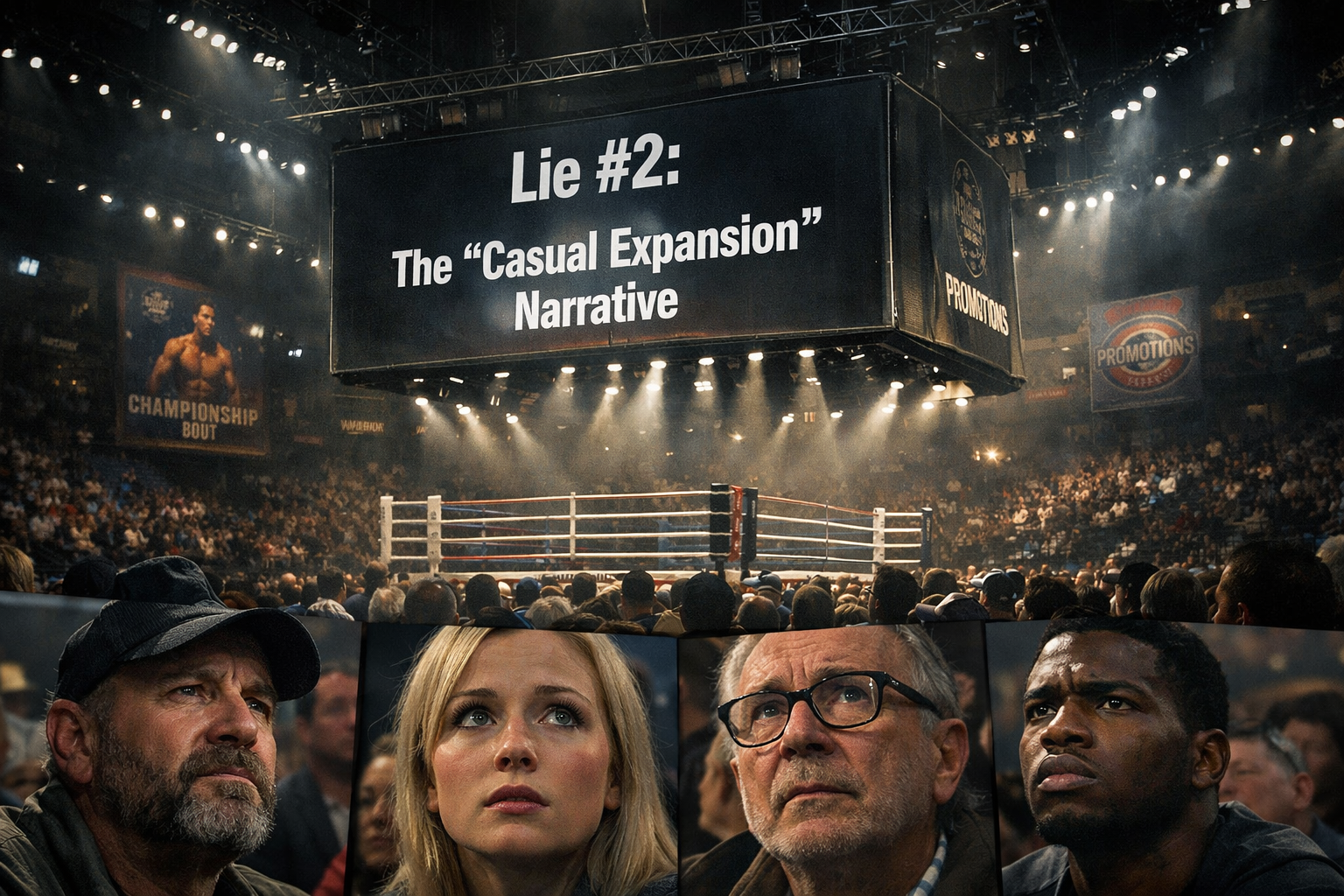
Lie #2: The “Casual Expansion” Narrative
The Claim: The fight introduced Joshua to new American audiences and elevated his star power.
The Reality: It extracted value from an uninformed demographic who didn’t know enough to distinguish sport from spectacle. As Hearn admitted, these aren’t “boxing fans”—they’re people who “just found out” about an Olympic champion. The “expansion” is predatory market segmentation.
The “Casuals” Being Used
Lie #3: The “Strategic Patience” Defense
The Claim: Joshua fought strategically, not carry the fight to order.
The Reality: Strategic patience and carrying a fight are mechanically identical from the audience’s perspective. The only difference is intent. By refusing to investigate intent, Hearn preserves plausible deniability while admitting the outcome.
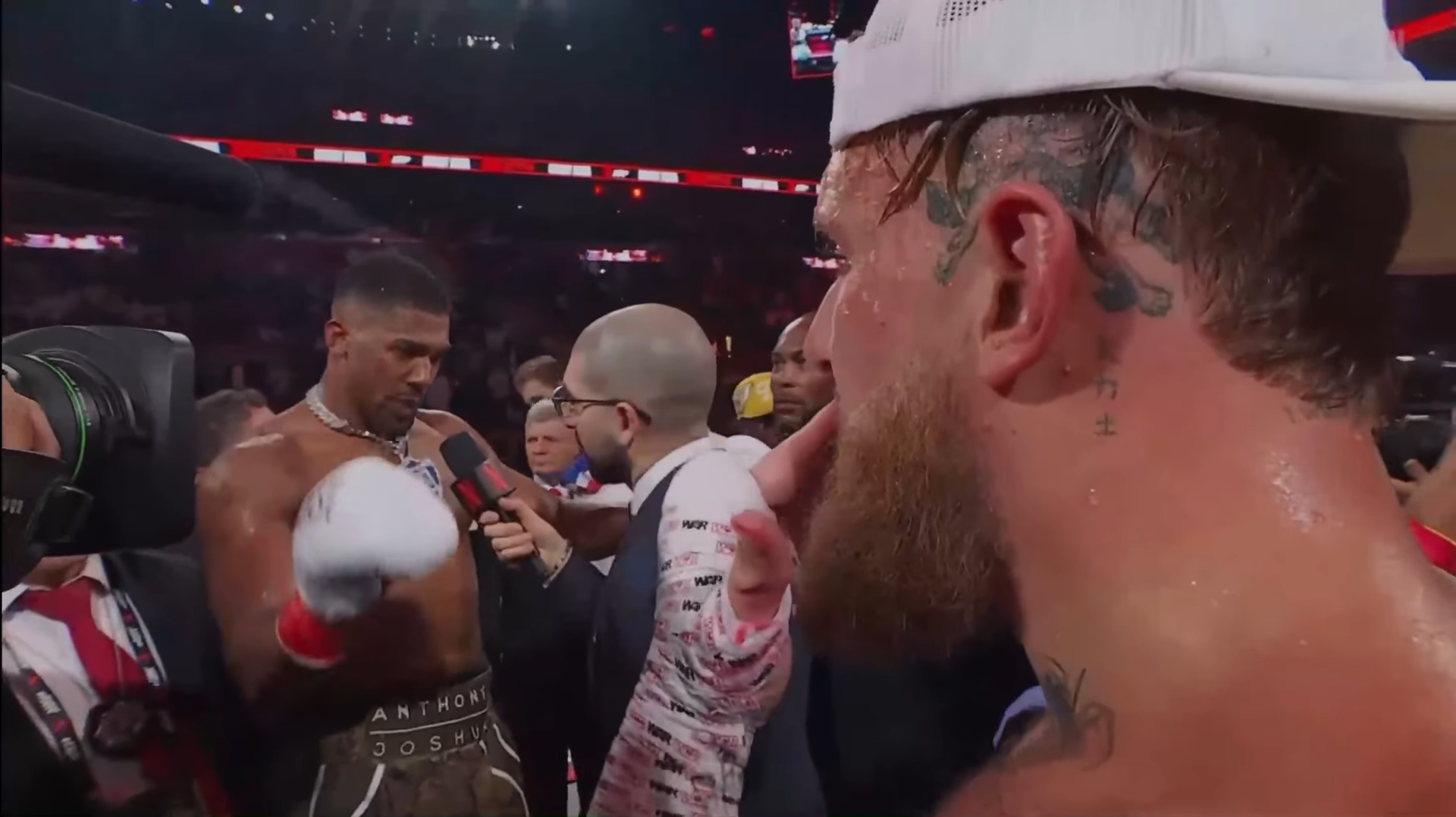
The Joke Is On You
The Broader Corruption: Regulatory Capture and Legal Suppression
This ecosystem did not invent itself. It is built on boxing’s institutional rot.
The Florida State Athletic Commission sanctioned this fight despite being rejected by California and Nevada. Tim Shipman, FSAC director, refused to answer transparency questions.
Andy Foster, California Athletic Commission:
“There is some pressure. I have heard that.”
This is admission of regulatory capture—commissions approve fights based on financial attractiveness, not fighter safety.
MVP’s legal threats against critics follow the identical pattern used after the Tyson fight. Suppress criticism. Avoid transparency. Let legal threats do the work that evidence cannot.
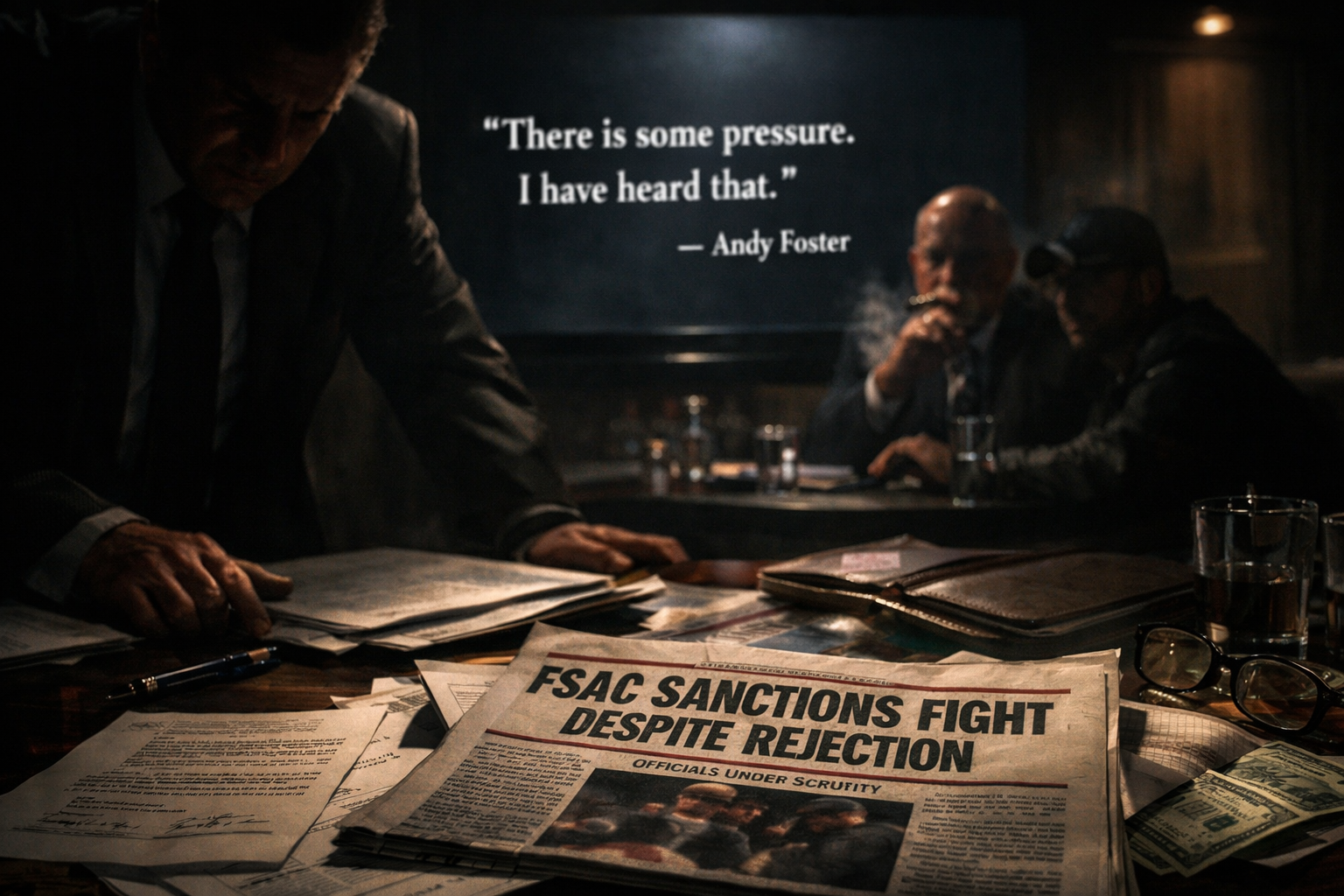
Corruption Again
The “Rogue Joshua” Conspiracy and How It Discredits Real Skepticism
In the days after the fight, a rumor emerged:
Joshua had a contract clause prohibiting knockout, violated it to protect his legacy, and was losing money as punishment. This theory is unsubstantiated.
The real financial hit Joshua took was from taxation—not penalties. Joshua earned £68.5m but faced ~£32m in combined US federal and UK taxes, netting approximately £36.5m. Paul, earning the same amount, faced only US federal tax (~£25m), netting approximately £43.5m. Despite losing the fight, Paul keeps more money than the winner.
This genuine scandal—that the loser profits more than the winner due to tax arbitrage—gets buried under the avalanche of the “Rogue Joshua” conspiracy. Bidarian targeted this specific rumor in his interview precisely because it was the most ridiculous, making all skepticism seem equally absurd.
This is a deliberate tactic:
Amplify the dumbest allegations so that credible ones get swept away.
The Machinery of Manufactured Consent
The four interviews form a closed loop:
- Bidarian (The Fixer): Manages the crisis, threatens lawsuits, offers metrics distraction (”followers went up”).
- Paul (The Brand): Trivializes the violence (”it was fun”), reframes the loss as personal growth.
- Hearn (The Validator): Uses establishment credibility to stamp legitimacy on the spectacle, admits the strategy while denying the fix.
- Helwani (The Conduit): Provides the platform, seeds the talking points, normalizes the suppression, and profits from the engagement.
They are all complicit because they are all profiting from the same lie: that a mismatch between a gold medalist and a YouTuber constitutes real sport.
The deception is not that the fight was rigged (it may or may not have been). The deception is that it was sport at all.
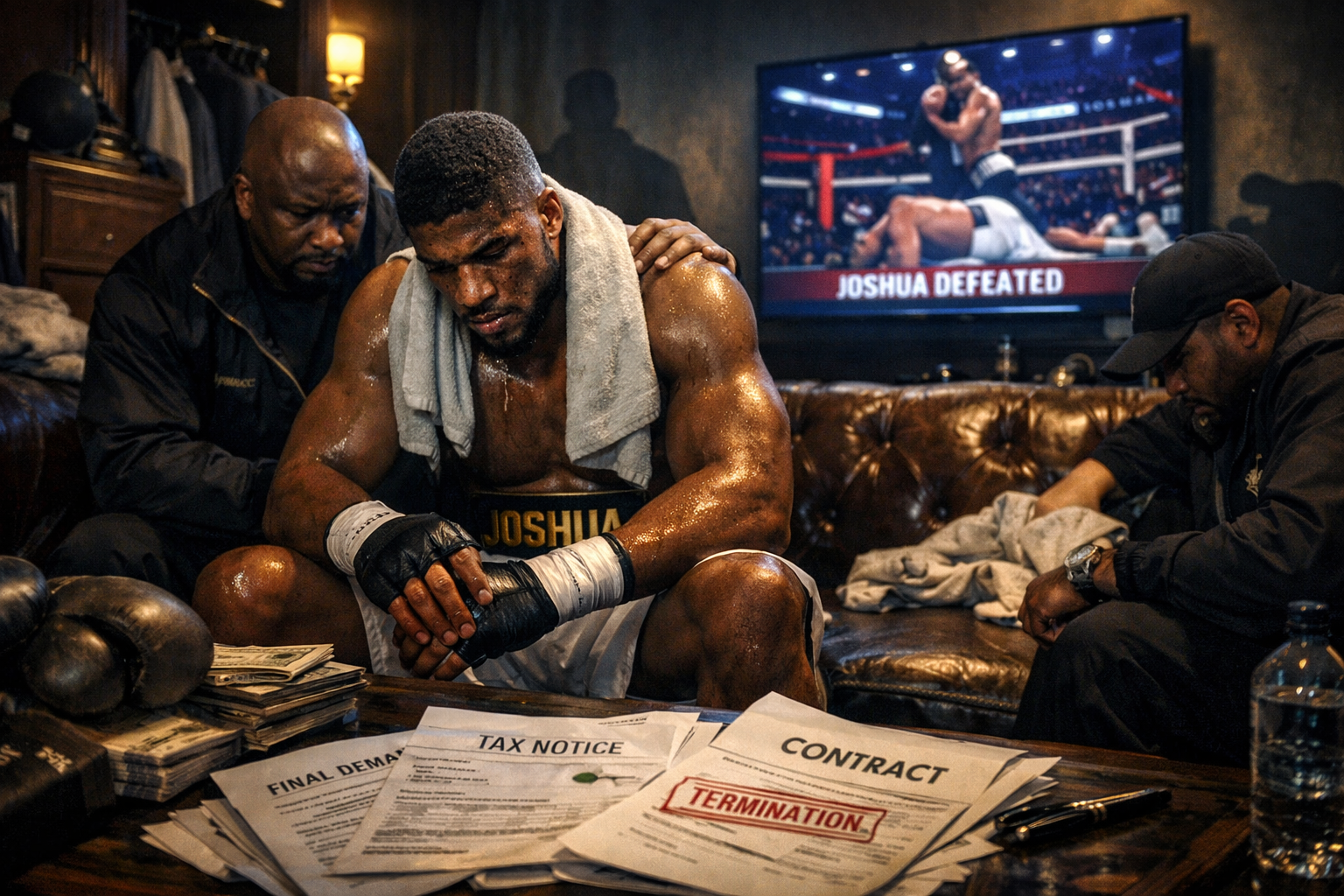
The TaxMan Cometh For The BlackMan
Support This Mahi
Three pathways exist for those who wish to support this investigative work:
Direct Koha (Voluntary Contribution):
Support the Māori Green Lantern Fighting Misinformation
Subscribe for Direct Essays:
The Māori Green Lantern on Substack
Bank Transfer:
HTDM, Account: 03-1546-0415173-000
Every koha signals that whānau are ready to fund the accountability that Crown and corporate structures will not provide. It signals that rangatiratanga includes the power to fund our own truth tellers.
Kia kaha, whānau. Stay vigilant. Stay connected. And if you are able, consider a koha to ensure this voice continues.
Ivor Jones The Māori Green Lantern Fighting Misinformation And Disinformation From The Far Right
Sources Cited
- ESPN: It’s a disgrace that Jake Paul vs. Anthony Joshua is a sanctioned fight
- YouTube: Nakisa Bidarian on The Ariel Helwani Show
- YouTube: Jake Paul on Impaulsive
- YouTube: Eddie Hearn on The Ariel Helwani Show
- Liverpool Echo: Anthony Joshua to lose £32m in prize money after Jake Paul knockout victory
- Express UK: Jake Paul set to lose £25m prize money after Anthony Joshua knockout
- Variety: Was Jake Paul-Mike Tyson Fight Rigged? MVP Calls Claims “Defamatory”
- RNZ: Boxing promoter calls for law changes to cover unregulated combat sports
- Bleacher Report: Jake Paul-Anthony Joshua Rigged KO, Fight Allegations Denied by MVP Co-Founder
- Yahoo Sports: Still fixed?! UFC fighters accuse Anthony Joshua of carrying Jake Paul
- SI/MMA Junkie: Ex-UFC champion raises questions about outcome of Jake Paul vs. Anthony Joshua
- YouTube: The Dark Side of Boxing: Corruption Outside the Ring