“The Great Dairy Heist: How Corporate Vultures Feasted on Fonterra's $4.2 Billion Fire Sale” - 16 September 2025
Exposing the parasitic advisory cartel that profited from New Zealand's largest corporate colonization
Kia ora koutou katoa - Greetings to you all.
The recent sale of Fonterra's Mainland Group to French dairy giant Lactalis for $4.22 billion represents the most brazen act of economic treason in New Zealand's corporate history. This transaction epitomizes the neoliberal extraction economy that systematically hemorrhages our productive assets to foreign predators while enriching a parasitic class of lawyers, bankers, and consultants who feast on our economic corpse like vultures on roadkill.
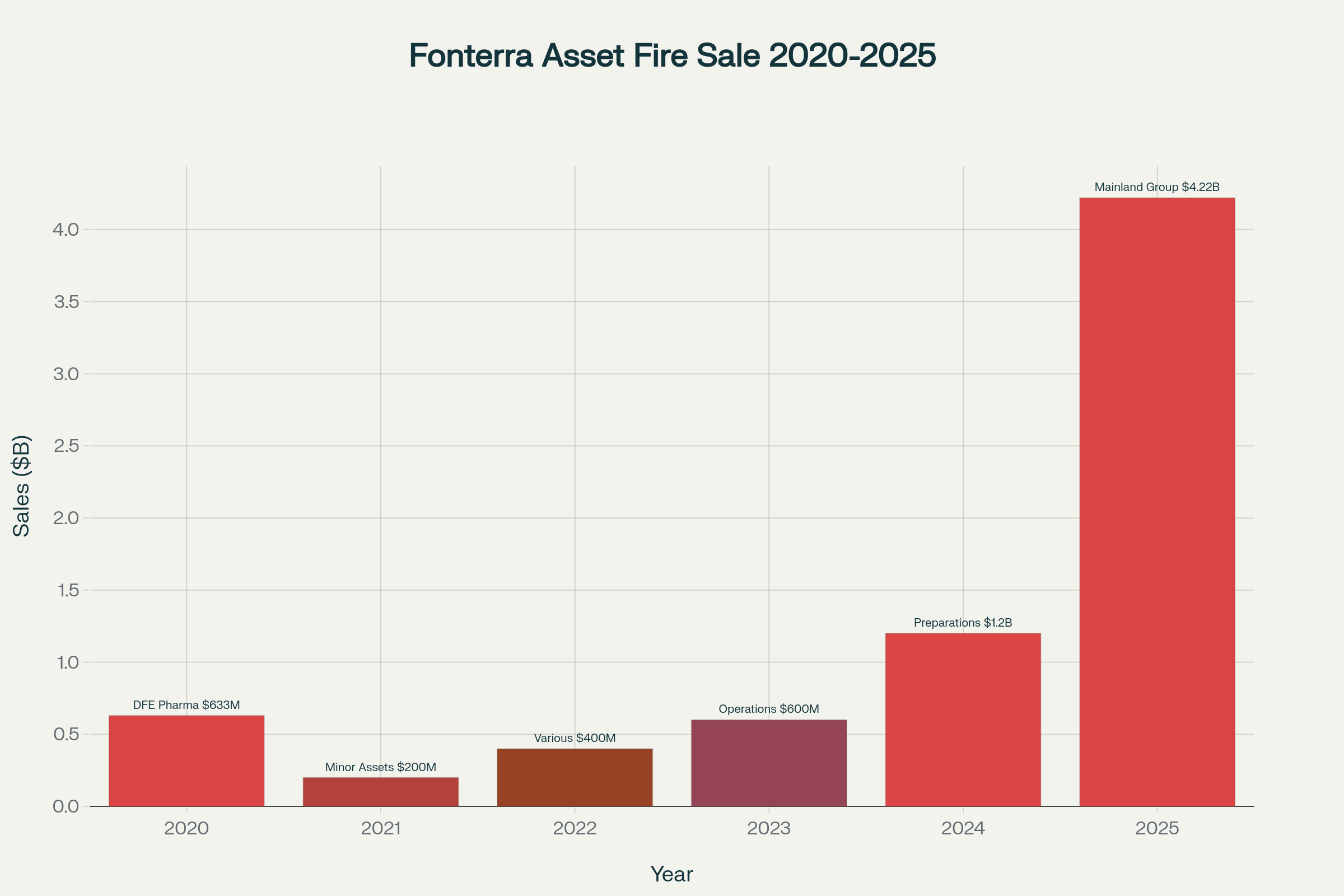
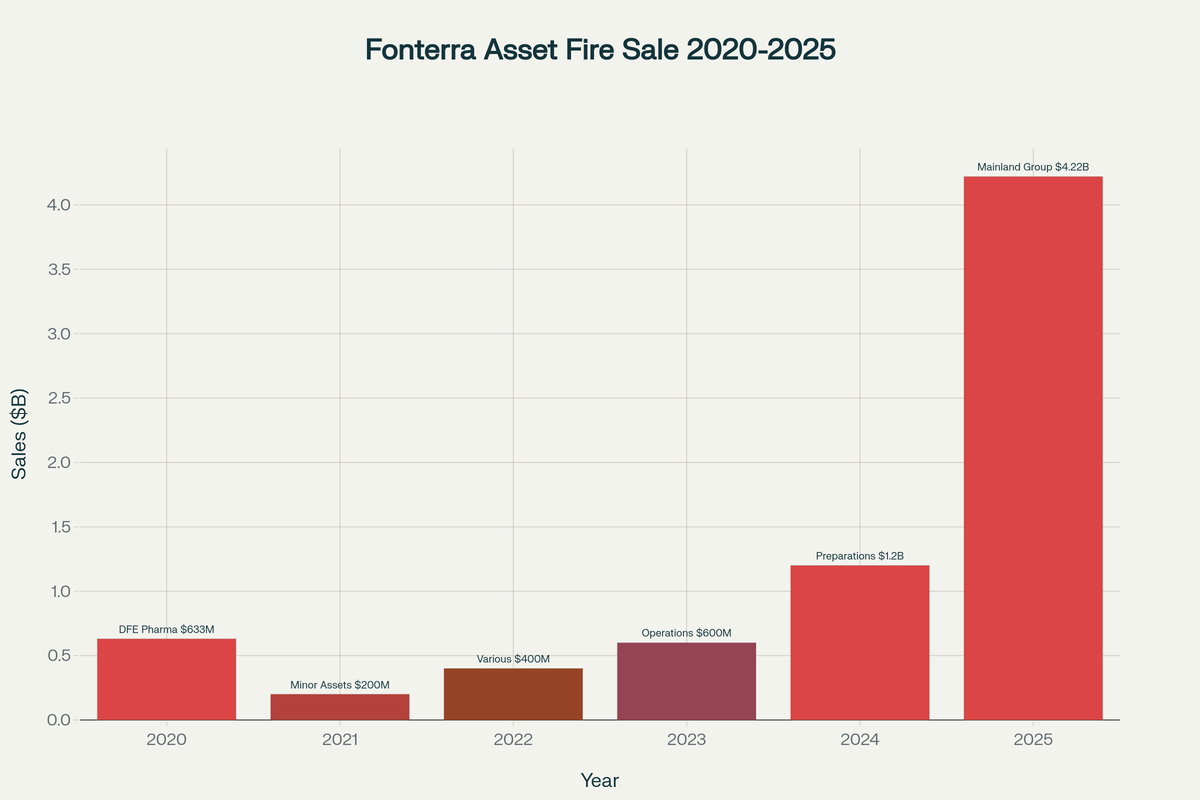
Fonterra's escalating asset sales culminating in the $4.22 billion Mainland Group fire sale to French multinational Lactalis
As tangata whenua watching this corporate colonization unfold, we witness the systematic betrayal of cooperative principles that once made Fonterra a vehicle for farmer empowerment. Every dollar flowing offshore in advisory fees represents resources ripped from our whenua, our people, and our collective prosperity. The celebration of this deal as "one of the year's fattest fee feasts" exposes the predatory nature of our financialized economy where professional parasites gorge themselves on productive enterprise.
Background
Fonterra emerged in 2001 from the merger of New Zealand's largest dairy cooperatives - a structure that embodied Māori values of collective ownership and shared prosperity through kotahitanga. The Mainland Group encompassed iconic New Zealand brands like Anchor, Mainland cheese, and Kāpiti, along with operations spanning Australia, Sri Lanka, Southeast Asia and the Middle East - assets built through generations of New Zealand farmer labor and ingenuity.
The decision to divest these consumer-facing businesses reflects the complete triumph of financialized thinking over productive enterprise. Rather than building long-term value through direct consumer relationships, Fonterra's leadership chose to retreat into commodity ingredients - the classic colonial export model that keeps us economically dependent and vulnerable to global price volatility while surrendering all value-added activities to foreign masters.
The Business Desk investigation exposes which corporate parasites "clipped the ticket" on this massive transaction, though the full details remain locked behind subscription paywalls - themselves a metaphor for how financial information is gatekept from ordinary citizens while the elite feast in private.
Russell McVeagh led Fonterra's legal army with partners David Hoare, Ben Paterson, and Hannah Wilson commanding what they boastfully describe as a "deep bench of corporate, competition and regulatory specialists." Herbert Smith Freehills Kramer handled Australian aspects, while Bell Gully and Allens advised Lactalis. The banker brigade included Jarden, Craigs Investment Partners, JP Morgan, Rothschild & Co, and Deloitte - a who's who of extraction specialists.
This transaction involved over 30 lawyers from Russell McVeagh alone, working across multiple practice areas to facilitate the greatest transfer of New Zealand productive capacity to foreign control in our corporate history.
The Parasitic Advisory Economy and Fee Extraction

Corporate extraction: executives profiting while rural communities lose assets
The celebration of this deal as a "fee feast" reveals the fundamental perversity of our financialized economy. When investment bankers raked in nearly half a billion in fees from New Zealand businesses in 2020 alone, we witness the extraordinary extraction of value from productive enterprise to professional services that contribute nothing to actual production.
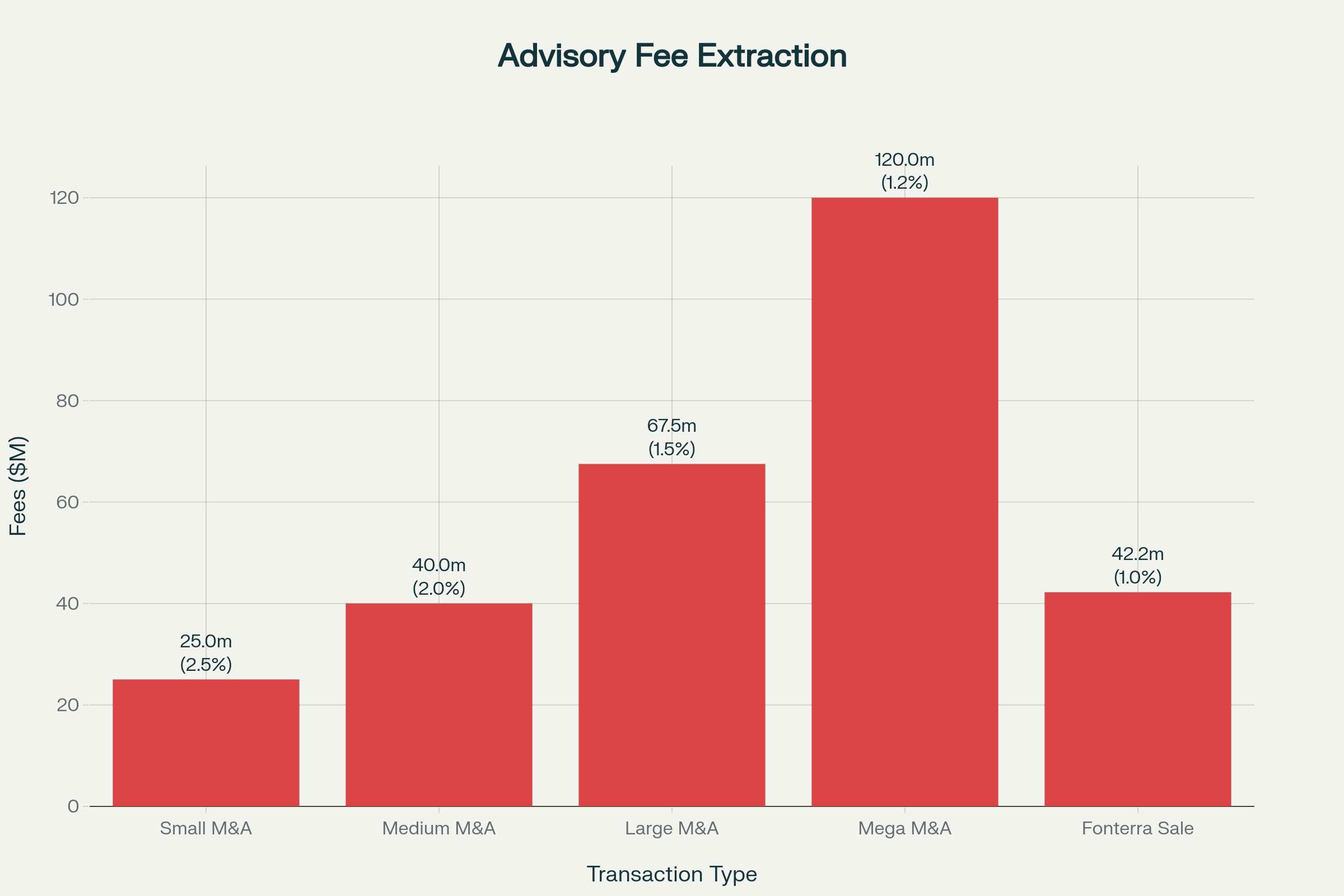
Estimated advisory fees extracted from different sized M&A transactions, highlighting the $42+ million fee harvest from Fonterra's sale
Based on industry standards for transactions of this scale, the advisory fees likely exceeded $42 million - money that could have funded rural infrastructure, environmental restoration, or Māori education initiatives. Instead, these resources flowed to urban professional elites who facilitate the systematic dismantling of New Zealand's productive capacity.
This violates the fundamental Māori principle of utu - balanced reciprocity. What reciprocal value did these legions of lawyers provide to the dairy farmers whose lifetime of labor built these brands? Their only "service" was facilitating the transfer of New Zealand's productive capacity to French multinational control while ensuring French profits would flow offshore in perpetuity.
The principle of manaakitanga - caring for others - demands we ask uncomfortable questions about resource allocation. How many rural communities could benefit from infrastructure investment equivalent to these advisory fees? How many young Māori could receive tertiary education scholarships? How many environmental restoration projects could be funded? Instead, these resources were extracted to enrich corporate parasites.
The Besnier Empire: Aggressive Expansion Through Acquisition

Emmanuel Besnier: The invisible billionaire building dairy empire through aggressive acquisitions
Emmanuel Besnier, worth $24.2 billion according to Forbes, represents everything wrong with global capitalism. Known as "the invisible billionaire," Besnier has built his empire through aggressive acquisitions targeting regional dairy champions before replicating their success globally - exactly the predatory model now applied to New Zealand's assets.
Lactalis's aggressive mergers and acquisition strategy has been one of the keys to its growth, with the company adding about 60 deals since 2010 to expand its global footprint. The Besnier family founded Lactalis in 1933 and continues to control it privately through Belgian holding company BSA International SA, allowing them to avoid public scrutiny while systematically devouring competitors.
The hidden connections run deeper: Besnier's takeover strategy consistently targets cooperatives and family-owned businesses - precisely the ownership structures that embody collective values. By converting these into profit-extraction vehicles for private shareholders, Lactalis systematically destroys community-controlled enterprise in favor of corporate concentration.
Foreign Ownership and Economic Colonization
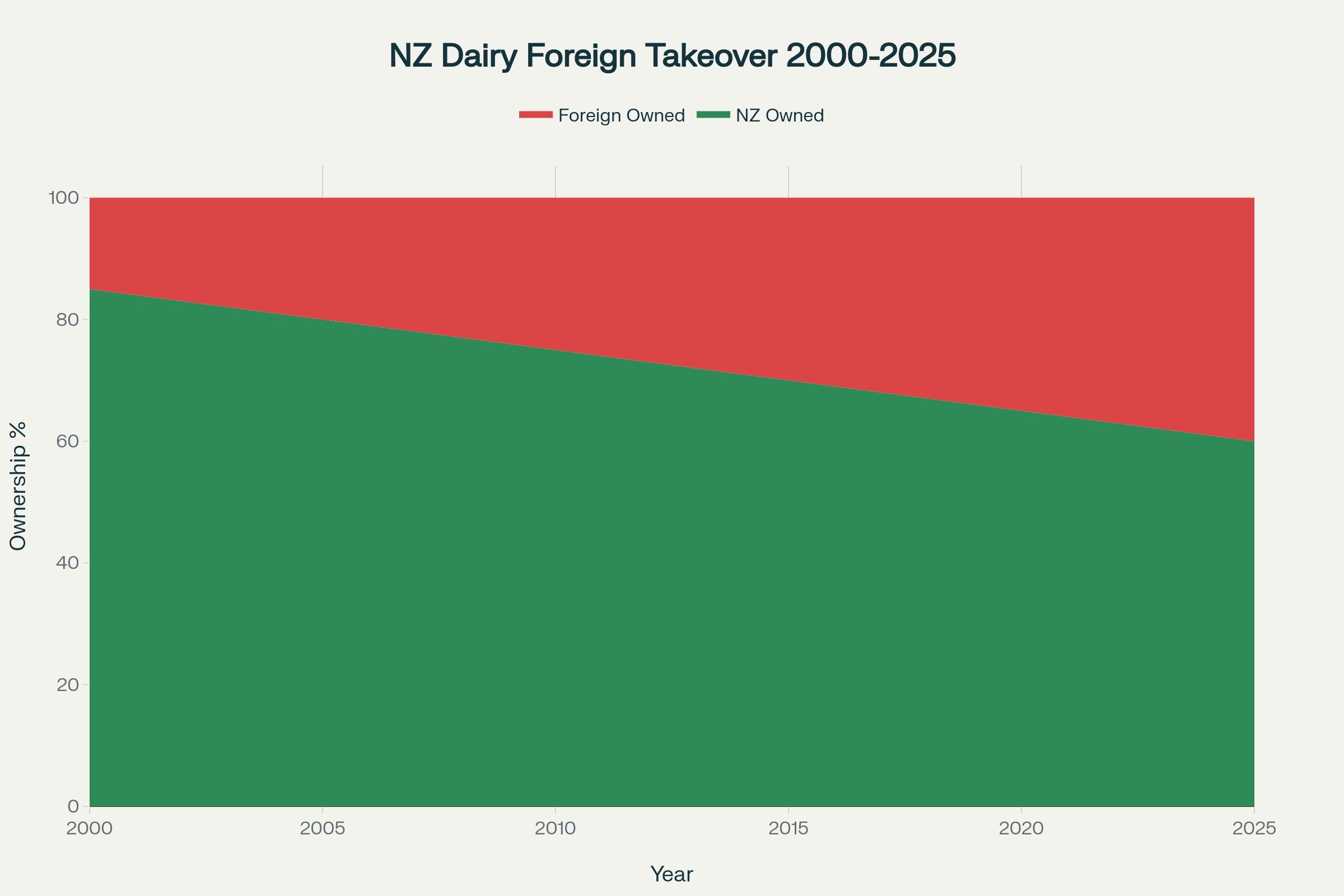
The declining New Zealand ownership of dairy assets as foreign corporations systematically acquire productive capacity
Lactalis, now positioned to become "the largest dairy company in Australia" through this acquisition, represents exactly the kind of foreign corporate concentration that undermines local food sovereignty. While Fonterra will continue supplying raw materials under long-term contracts, the value-added processing, marketing, and brand development will now serve French shareholders rather than New Zealand farmers.
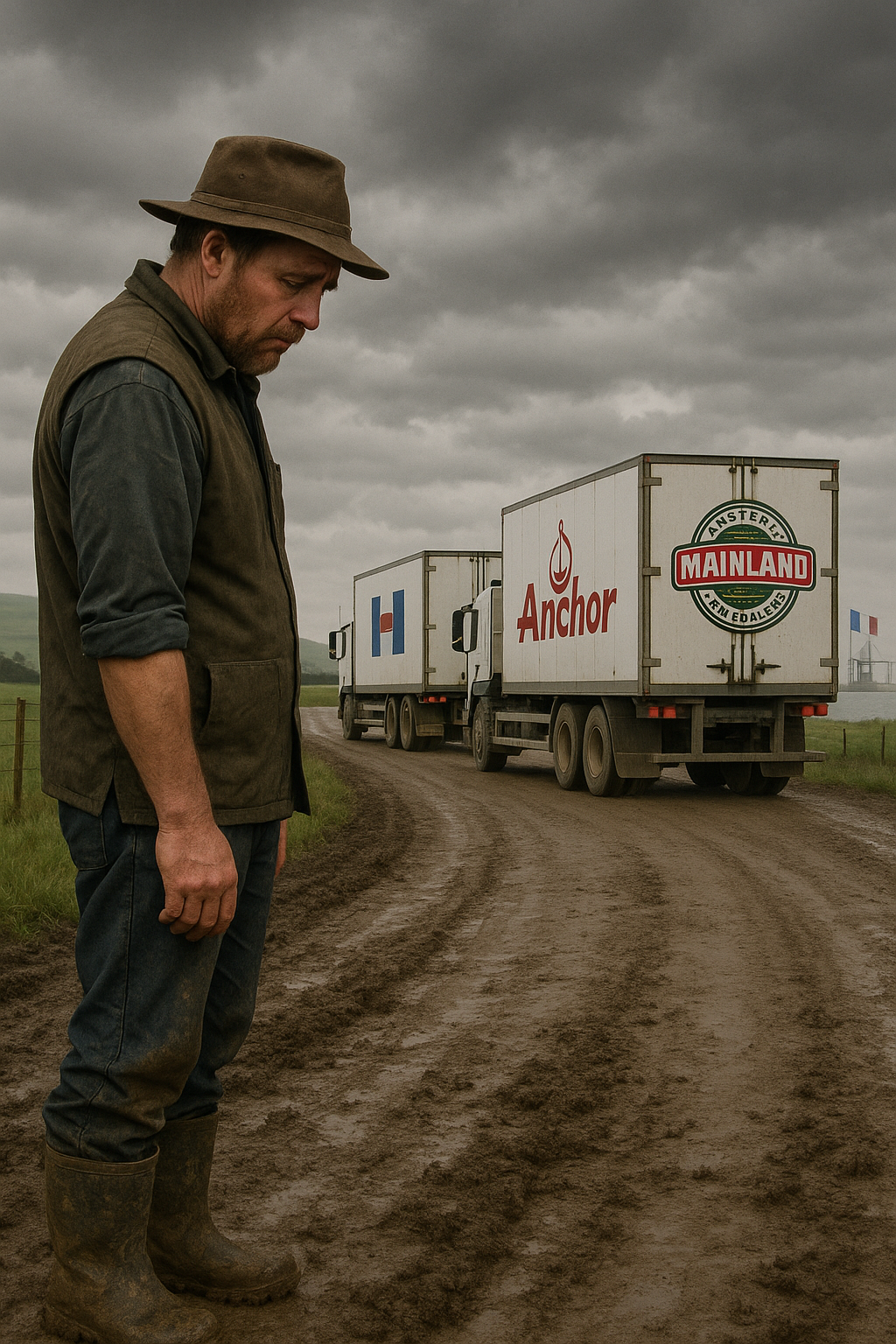
The cost of colonization: Kiwi farmers watching their brands sail away to foreign owners
This arrangement epitomizes colonial economic relationships - we provide raw materials while others capture the higher-value activities. The principle of tino rangatiratanga demands we maintain decision-making authority over our productive assets, not surrender them to foreign corporations regardless of the immediate payout.
The systematic foreign acquisition of New Zealand dairy assets follows a clear pattern: target locally-owned enterprises, extract maximum advisory fees during the transaction process, then redirect future profits offshore while leaving communities with commodity production only. This represents economic colonization as brutal as any 19th-century land confiscation.
The Neoliberal Efficiency Mythology
Corporate media coverage consistently framed this transaction through the lens of "efficiency" and "strategic focus." Forsyth Barr analysts proclaimed Fonterra would be "a much better business without Mainland Group", celebrating the elimination of "poor-performing" consumer operations.
This analysis reveals the fundamental blindness of financialized thinking. By retreating from consumer relationships, Fonterra sacrifices market intelligence, pricing power, and strategic flexibility for short-term margin improvements. The principle of whakatōhea - thinking seven generations ahead - suggests this represents strategic myopia rather than sound business planning.
Furthermore, the consumer businesses showed strong recent growth with Mainland Group operations generating significant profits. The decision to sell during this performance upturn suggests either incompetent timing or pressure from financial markets more concerned with immediate returns than long-term value creation.
Hidden Connections and Conflicts of Interest
The web of relationships surrounding this transaction reveals disturbing patterns of mutual enrichment. JP Morgan and Rothschild & Co consistently top M&A advisory league tables, with both firms involved in facilitating this asset transfer. These same institutions maintain extensive relationships with Lactalis and other multinational food corporations, creating obvious conflicts of interest.
Russell McVeagh's celebration of this deal as "one of the largest transactions in New Zealand corporate history" reveals how these firms profit from dismantling New Zealand's productive capacity. The same legal and financial institutions that facilitate foreign takeovers then represent themselves as serving "New Zealand interests" while extracting maximum fees from the process.
Democratic Deficit and Farmer Disenfranchisement
Despite the cooperative structure, the complexity and scale of this transaction effectively disenfranchised ordinary farmer-shareholders. The 15-month process involved multiple advisory firms, regulatory jurisdictions, and financial instruments that few working farmers could meaningfully evaluate.
When farmers expressed anxiety for information about the transaction, it revealed how professional complexity can undermine democratic participation. The principle of kōtahitanga - collective decision-making - requires transparent, accessible information that enables meaningful farmer input, not technical complexity designed to exclude community voices.
Broader Economic Pattern of Extraction
This transaction continues New Zealand's trajectory toward foreign-controlled, commodity-dependent economy. We systematically sell our value-added capabilities while retaining only raw material production - the classic colonial economic model that condemns us to permanent economic subordination.
The regulatory approval process spanning multiple jurisdictions demonstrates how global capital mobility undermines local democratic control. Decisions affecting New Zealand communities must satisfy foreign regulators and international shareholders rather than local stakeholders - a complete inversion of democratic sovereignty.
Impact on Food Sovereignty and Community Resilience
Foreign control of food processing and distribution networks threatens long-term food security. While Lactalis has committed to maintaining New Zealand milk supply, these arrangements can be renegotiated or terminated based on global corporate priorities rather than local needs.
The principle of kai sovereignty - community control over food systems - requires maintaining domestic capacity across the entire value chain, not just primary production. This sale represents a strategic retreat from food system resilience in favor of short-term financial gains that ultimately weaken our collective security.
Professional Class Capture of Productive Value
The extraordinary advisory fees extracted from this transaction exemplify how professional services capture value from productive enterprise. These fees ultimately reduce the returns available to working farmers while enriching urban professional elites who contribute no productive labor.
This pattern violates mahi - the principle that productive work should be appropriately rewarded. When advisory fees consume substantial portions of transaction proceeds, we subsidize financial manipulation at the expense of actual production, inverting the relationship between productive and parasitic economic activity.

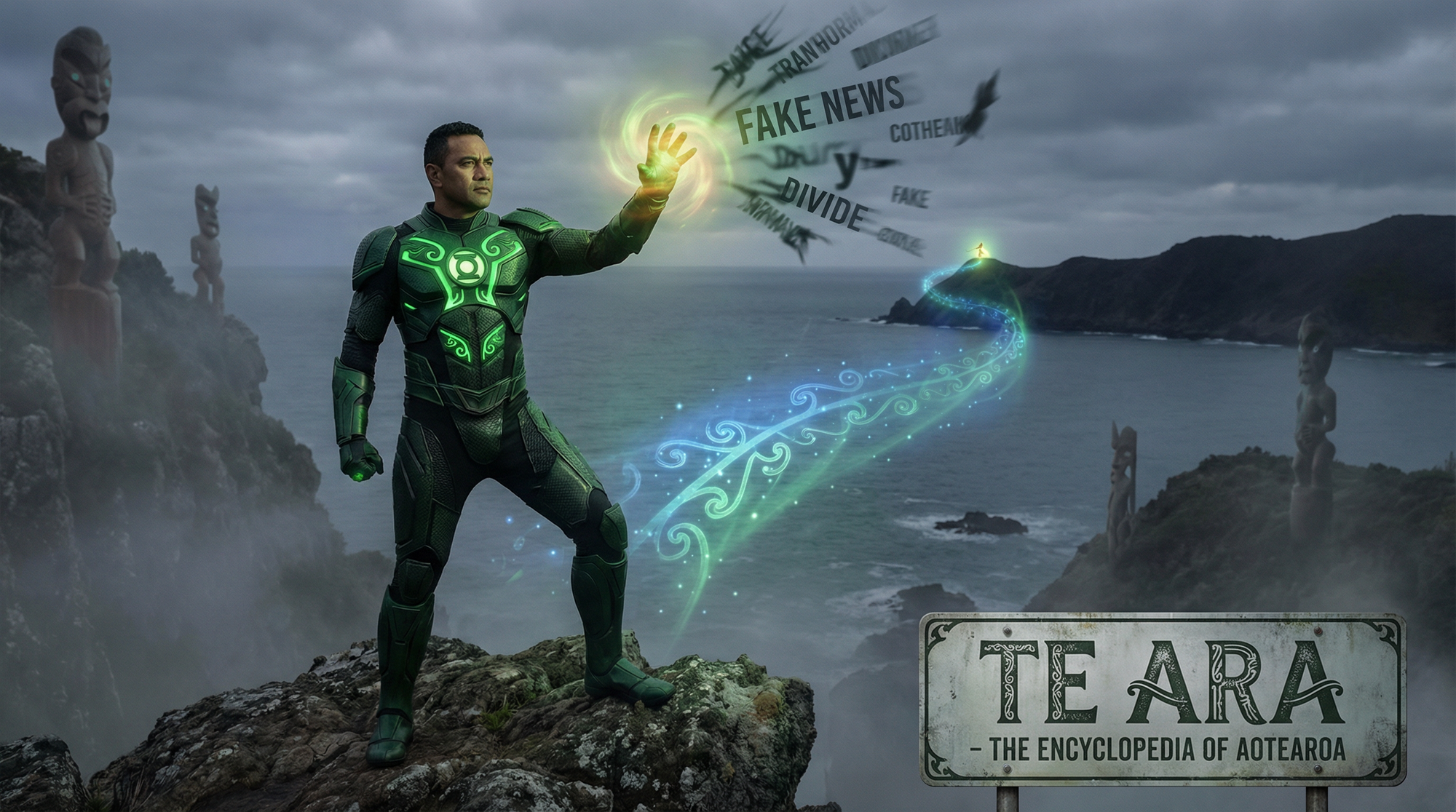
The Māori Green Lantern Fighting Misinformaiton And Disinformation From The Far Right
The Fonterra Mainland Group sale represents more than corporate restructuring - it exemplifies the systematic extraction of New Zealand's productive capacity by global financial markets and their domestic enablers. While farmers receive a temporary windfall through the capital return, they have permanently surrendered strategic assets that will generate profits for French shareholders in perpetuity.
The celebration of this deal as a "fee feast" reveals the predatory nature of our advisory industrial complex. Legions of lawyers, bankers, and consultants extracted extraordinary fees for facilitating the greatest transfer of New Zealand-built brands to foreign multinational control in our corporate history. This represents a fundamental violation of reciprocity, sustainability, and collective stewardship principles that should guide economic decision-making.
We must reject the neoliberal mythology that presents corporate concentration and foreign ownership as inevitable or beneficial. The systematic dismantling of cooperative structures and community-controlled enterprise serves only global capital markets and their domestic parasites, not working people or sustainable communities.
True economic development requires maintaining community control over productive assets, not surrendering them to global capital markets regardless of short-term financial incentives. This means supporting cooperative ownership structures, opposing unnecessary foreign asset sales, and ensuring professional services serve productive enterprise rather than extracting from it.
The path forward demands rejecting financialized thinking in favor of regenerative, community-controlled enterprise grounded in principles of reciprocity, sustainability, and collective stewardship. Only by reclaiming control over our productive assets can we build prosperity that serves our communities rather than global capital markets and their corporate parasites.
Noho ora mai
Readers who find value in exposing these patterns of corporate extraction and advisory parasitism are welcome to support this work through a koha to HTDM: 03-1546-0415173-000. The MGL understands these tough economic times for whānau so please only contribute a koha if you have capacity and wish to support independent analysis grounded in Māori values and committed to exposing economic colonization.