“THE GREEN LANTERN PARADOX: TRYING TO ILLUMINATE A BLACK BOX” - 2 December 2025
Why the “Māori Green Lantern” Whakaaro Failed in a Neoliberal Land Trust
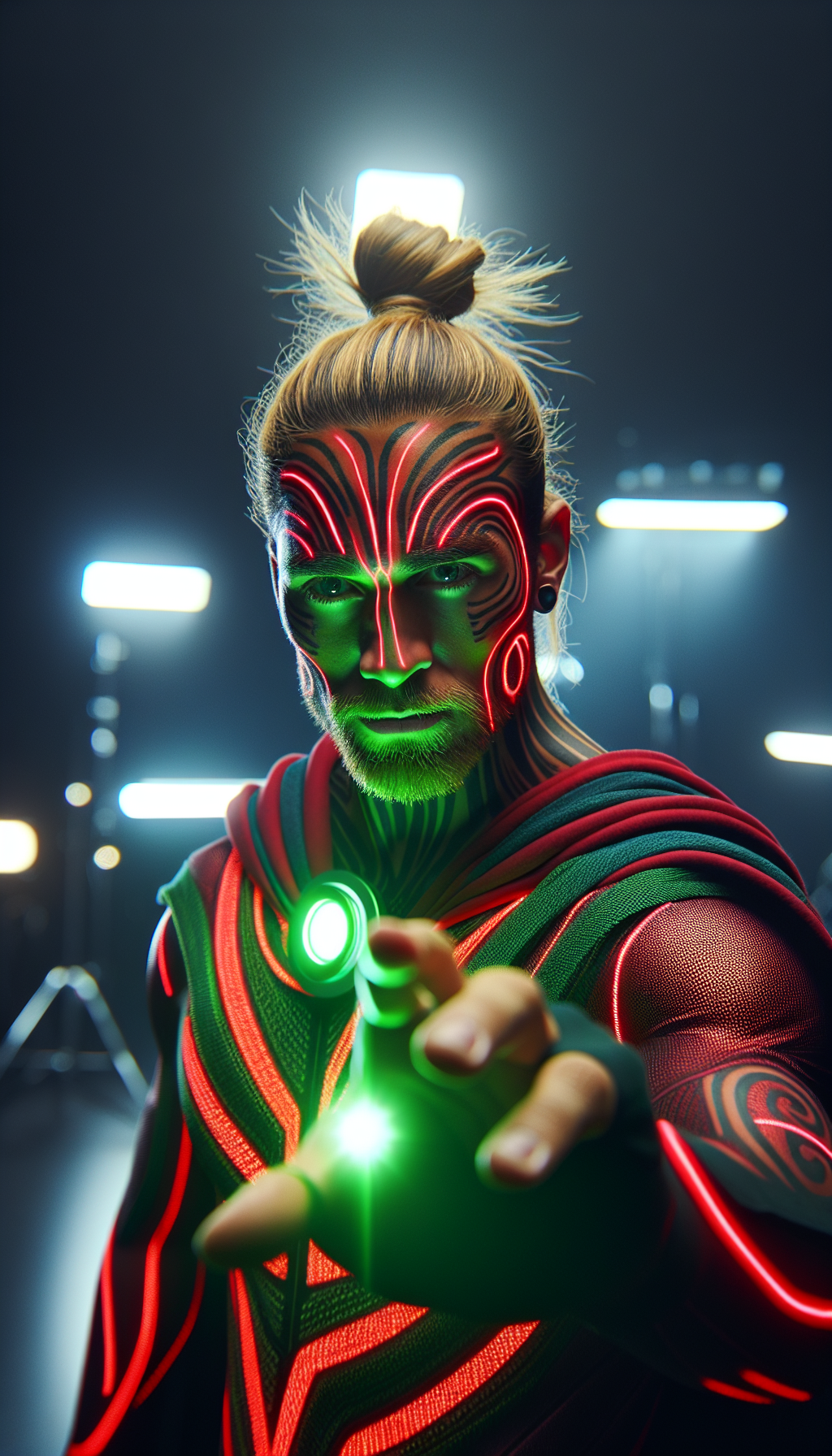
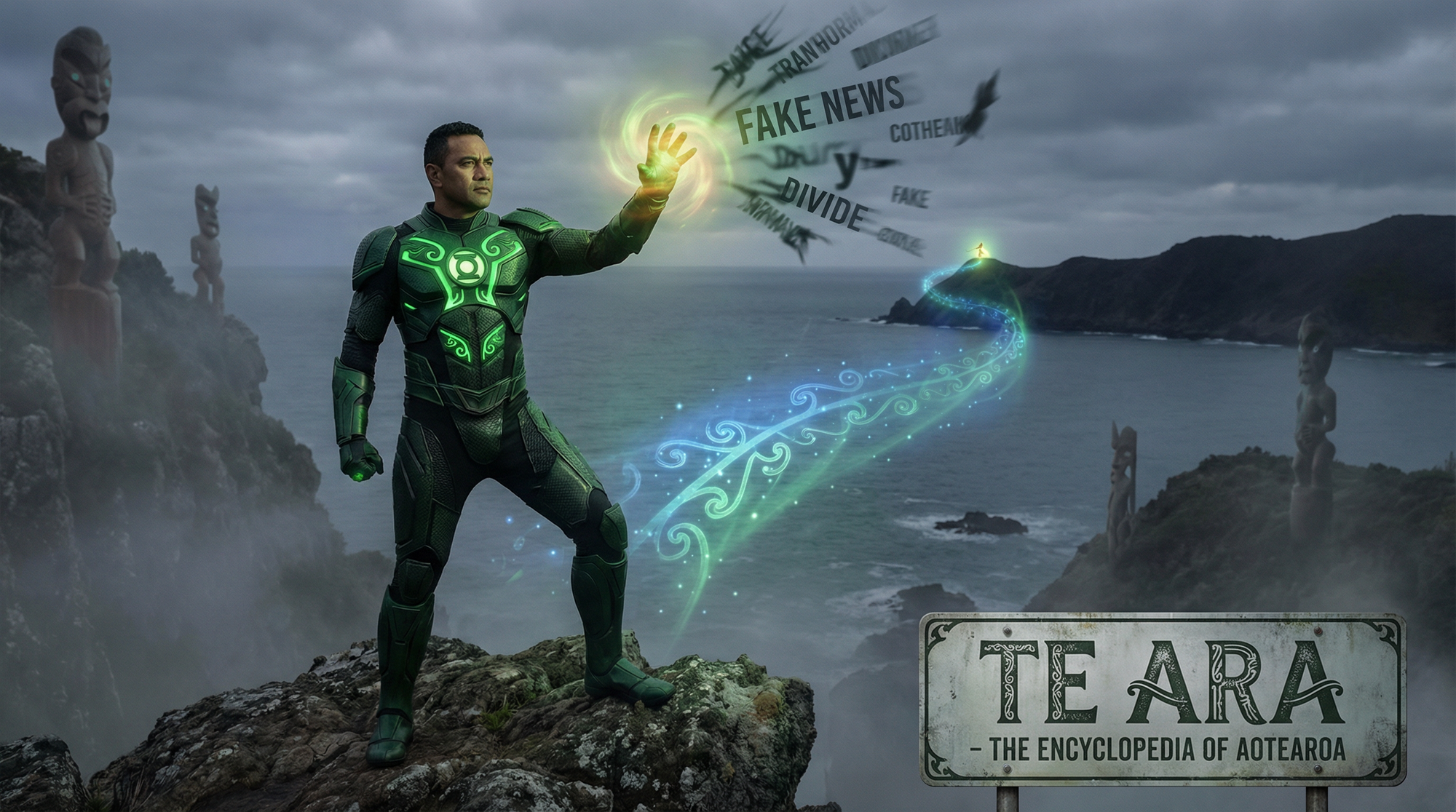
I am The Māori Green Lantern (MGL). It’s not just a nickname; it’s a methodology.
In the comic books, the Green Lantern’s power relies on two things:
Willpower and Imagination. It is the ability to envision a different reality and the sheer will to manifest it.
My “MGL Whakaaro” has always been simple but radical:
He tāngata, he tāngata, he tāngata. People are the most important thing.
For six years as Chairperson of Te Tahuna Trust, I wasn’t just governing. I was attempting a system hack. I was trying to upload a philosophy of radical transparency, digital connection, and people-first governance into the operating system of a neoliberal Māori Land Trust.
I thought I could use the “Green Light” of will and technology to transform a colonial compliance structure into a vehicle for Tino Rangatiratanga.
I was wrong. You cannot install open-source freedom onto proprietary colonial hardware.
THE ORIGIN STORY: A GLITCH IN THE MATRIX
When I took the Chair, I inherited a structure built not for liberation, but for administration. As detailed in historical analyses of New Zealand’s colonial economy, the legislative frameworks surrounding Māori land were originally designed to fragment ownership and facilitate alienation. While we stopped the alienation, we kept the fragmentation.
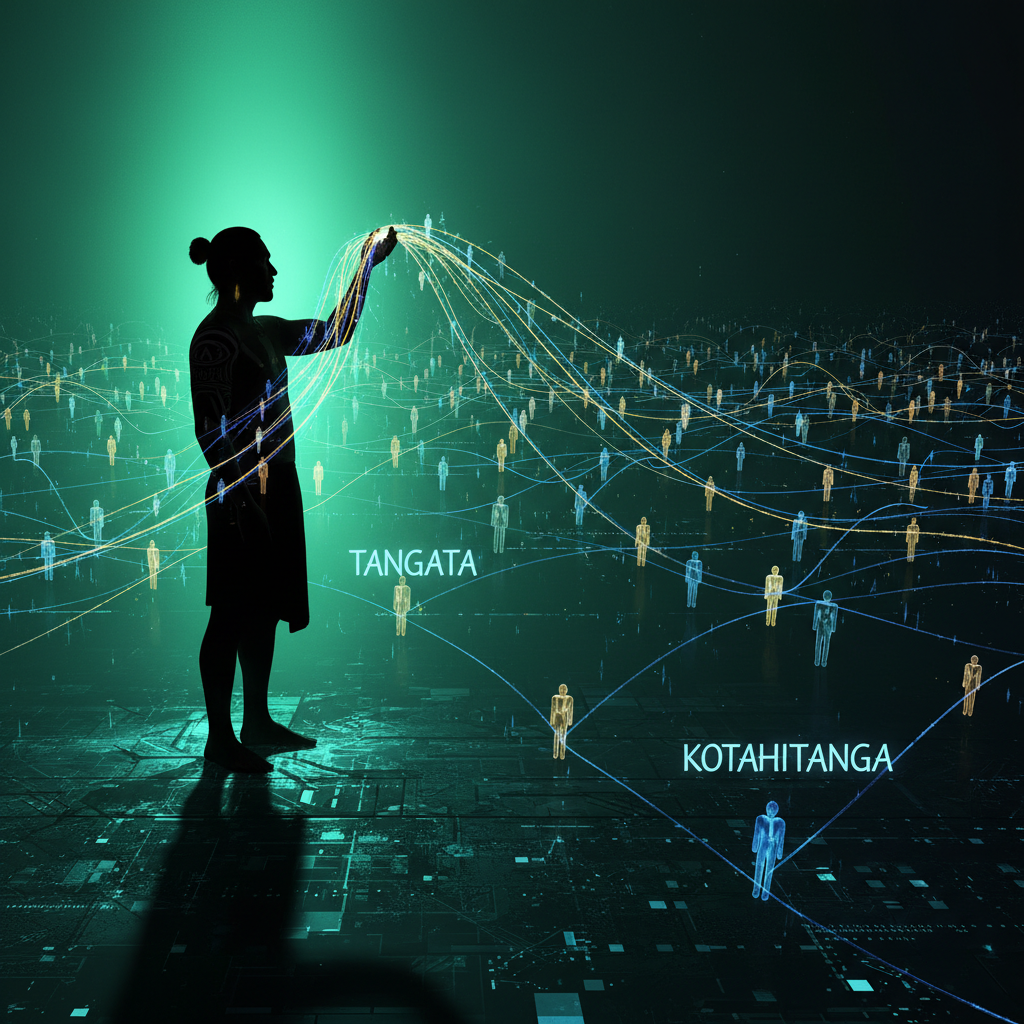
The Māori Green Lantern: Connecting People Through Digital Light and Willpower
My mission with He Tangata Digital Media was to use technology to bridge that gap—to make the invisible visible. I believed that if I could just connect our 4,000+ beneficial owners, give them real-time data, and offer them the truth, they would drive the waka.
But as RNZ investigations have highlighted, the neoliberal reforms of the 1980s didn’t just privatize state assets; they privatized our mindset. They turned our collective mana into “corporate governance” and our people into “beneficiaries”—passive recipients of a dividend rather than active participants in a democracy.
THE MGL WHAKAARO: TECHNOLOGY AS MAURI RESTORATION
The MGL Whakaaro is not simply a philosophy of transparency. It is an expression of mātauranga Māori principles encoded into digital tools and networks.
- Tanga (Connection) – The MGL uses artificial intelligence and digital platforms to restore whanaungatanga—the sacred bonds between whānau. When beneficial owners are disconnected, we are spiritually fragmented. The MGL deploys technology to re-weave the network, creating pathways for communication that honor the original collective spirit of our whenua.
- Manaakitanga (Care and Reciprocity) – Traditional manaakitanga is the principle of generous hospitality and mutual care. The MGL applies this to information: we believe data belongs to the people. We use AI tools to democratize knowledge, making complex governance visible to all, not hoarded by an elite. Every beneficial owner deserves to understand what is being done with their collective assets.
- Wairuatanga (Spiritual Essence) – The Light of the Green Lantern is not just a metaphor; it is a spiritual force. Wairuatanga teaches that all things have mauri—spiritual life force. When we use digital tools to illuminate truth, to connect people, to restore transparency, we are restoring the mauri of our governance. We are bringing spiritual wholeness back to systems that had been hollowed out.
- Kotahitanga (Unity and Collective Strength) – The MGL Whakaaro is fundamentally about kotahitanga—bringing our people into unified action through shared truth and shared vision. When I use digital platforms and AI analysis to expose what is really happening, I am not creating division; I am creating the conditions for genuine collective decision-making based on reality rather than managed information.
- Rangatiratanga (Self-Determination) – Perhaps most crucially, the MGL uses technology to restore rangatiratanga to the people. When beneficial owners have access to real data, real analysis, real transparency, they can make authentic decisions about their own future. The MGL is fundamentally about putting power back in the hands of the people, not the elite.
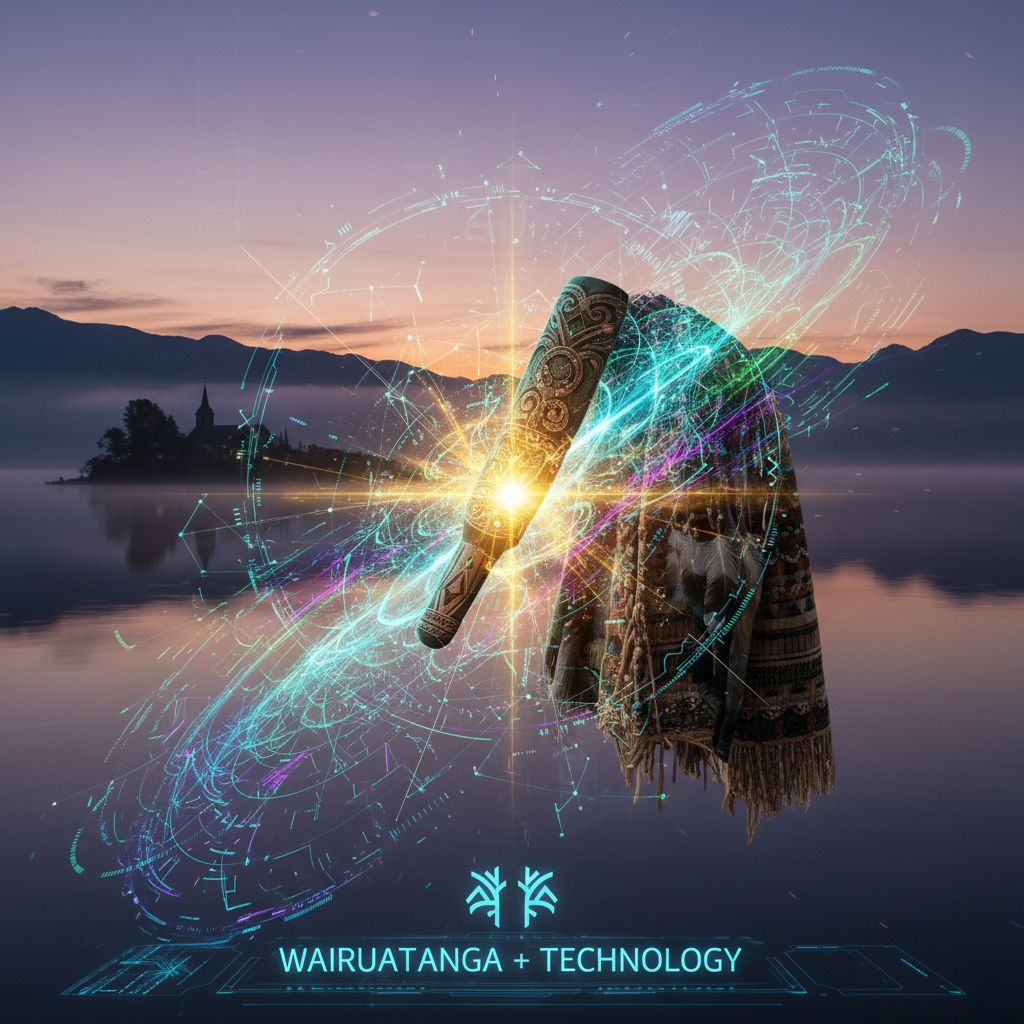
Wairuatanga Meets Technology: Mātauranga Māori Encoded Into Digital Systems
THE CLASH OF CODE: MGL VS. THE TRUST ORDER
The conflict that led to my resignation was never about personalities. It was a fundamental clash of operating systems—the collision between mātauranga-based governance and capitalist management.
1. The MGL Code: “Connect the People” vs. The Trust Code: “Protect the Asset”
My philosophy is that the people are the powerhouse. The MGL uses digital tools to restore tanga—connection—because connection is what activates collective mana.
But the Neoliberal Trust system views people as a liability—or at best, a “distribution cost.”
The system is designed to prioritize the accumulation of capital above all else. As seen in the TDB Advisory Iwi Investment Report, the sector has successfully amassed billions in assets, yet the gap between that corporate wealth and the daily reality of whānau remains stubborn.
The 96% of owners we can’t contact aren’t seen by the system as a crisis of connection; they are seen as an efficiency gain because we don’t have to process their payments. When I tried to use digital tools and AI analysis to bridge this gap—to restore tanga—the system resisted. Not because it hates people, but because connecting people disrupts the efficient accumulation of capital.
2. The MGL Code: “Radical Transparency” vs. The Trust Code: “Commercial Confidence”
As the MGL, I believe in shining a light into every corner. In the digital age, secrets are poison. I wanted to use AI tools to analyze governance patterns and make them visible to all beneficial owners. This is manaakitanga in action—sharing the care and knowledge that should belong to everyone.
But the legal structures governing us, such as the Te Ture Whenua Māori Act, force trustees into a model of “fiduciary duty” that often interprets transparency as risk. The system speaks the language of “Commercial Sensitivity,” “In Committee,” and “Privileged Information.”
When I brought the light—using digital analysis to expose governance mechanisms and decision-making pathways—the system recoiled. It didn’t want a Green Lantern; it wanted a silent gatekeeper. The MGL shines a light; the Trust builds a wall.
Wairuatanga teaches that darkness corrodes mauri. Transparency restores it. Yet the system punishes the very act of bringing light.
3. The MGL Code: “Willpower Manifests Reality” vs. The Trust Code: “Compliance Dictates Reality”
The Green Lantern Ring works on Will. If you have the will, you can create a shield, a bridge, a path. The MGL Whakaaro harnesses this principle through technology:
we use AI tools to will new realities into existence.
I used that will to force the transition from Deloitte. I used digital tools and relentless advocacy to will the internal secretarial services into existence. I willed the rebrand using design thinking and digital platforms. I thought if I just pushed hard enough—if I deployed the full force of willpower and imagination—the reality would shift.
But the system is built on Compliance, not Will. It demands you submit to the Court and obey the bureaucracy. It replaces rangatiratanga (our power) with kotero (submission). As scholars like Maria Bargh have argued, the re-entrenchment of neoliberalism often stifles genuine indigenous political resistance by wrapping it in “process.”
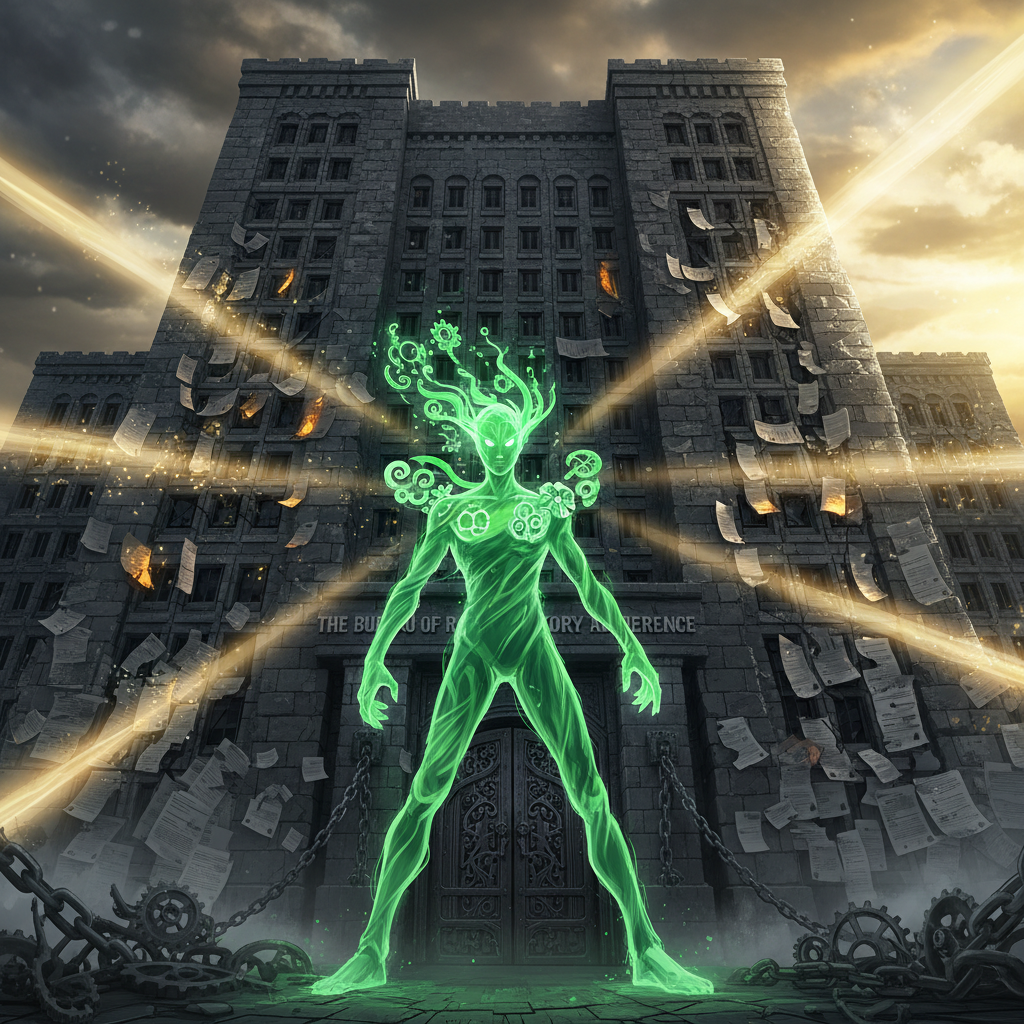
The Clash of Code: Green Lantern Willpower Against Neoliberal Compliance Architecture
My willpower was spent fighting the friction of the machine, not building the future.
4. The Deeper Conflict: Mātauranga vs. Capitalism
At its core, this clash reflects a fundamental incompatibility between mātauranga Māori and capitalist logic.
Mātauranga teaches kotahitanga—that we are one people, that decisions must serve the collective, that resources are relationships, not commodities. It teaches manaakitanga—that we care for each other reciprocally, that knowledge is a gift to be shared, not a secret to be withheld.
Capitalism teaches the opposite: individuals compete, resources are private, information is power, and those who hoard knowledge hoard wealth.
The MGL Whakaaro uses technology to encode mātauranga principles. Every tool I deployed—every digital platform, every AI analysis, every data visualization—was designed to manifest kotahitanga and manaakitanga in systems that were built for competition and extraction.
The system rejected this not because I failed, but because the system is fundamentally hostile to what I was trying to do.
THE SYSTEM ERROR: WHY THE HACK FAILED
I tried to be a “Māori Green Lantern” inside a structure designed for “Pākehā Grey Bureaucrats.”
I thought I could use the Chairmanship and deploy digital tools to turn Te Tahuna Trust into a He Tangata engine—powered by digital equity, human connection, and mātauranga principles. I believed that technology, combined with willpower and imagination, could restore mana to the collective.
But a Māori Land Trust, under current constraints, is a Capital Accumulation Engine. It is designed to eat culture and output dividends (if you’re lucky).
When I tried to insert MGL Whakaaro—using AI to connect people, transparency tools to restore wairuatanga, digital platforms to activate kotahitanga—the system’s antibodies attacked.
- “That’s not commercially viable.”
- “That breaks protocol.”
- “That’s too risky.”
- “You’re trying to do too much.”
- “The system doesn’t work that way.”
These weren’t just objections to particular initiatives. They were rejections of mātauranga itself.
Every time I tried to use technology to restore connection, the system pulled back into silence. Every time I deployed AI tools to illuminate hidden decision-making, the system retreated into secrecy. Every time I used digital platforms to activate kotahitanga and collective decision-making, the system reasserted the authority of a small trustee elite.
The system protected itself by protecting the darkness.
THE CONCLUSION
I am resigning because I realized I cannot be the Māori Green Lantern inside a lead box.
The MGL Whakaaro represents the future:
- Digital Tino Rangatiratanga:
Using AI and technology to restore power to the people, to own our data, our connections, and our truth.
- Mātauranga-Centered Systems:
Structures where tanga, manaakitanga, wairuatanga, kotahitanga, and rangatiratanga are not decorative principles but active governance forces.
- Willpower-Based Governance:
Using the full force of imagination and determination to create systems that honor both our traditions and our technological possibilities.
The Te Tahuna Trust represents the past:
- Asset-centric.
- Secretive.
- Compliance-based.
- Fundamentally hostile to mātauranga principles.
I’m going back to where the MGL belongs:
Connecting People through truth, technology, and tikanga.
To the next Chairperson:
You can try to manage the machine. Good luck. But understand that every compromise you make with the system is a compromise with mātauranga itself.
To my people:
The Light is still on. We just need to build a new vehicle to carry it. One that is not constrained by colonial law, capitalist logic, or compliance frameworks. One that is powered by He Tangata—People—and nothing else.
He tāngata, he tāngata, he tāngata.
The Māori Green Lantern will continue to shine. Not from inside the trust structure, but from outside it—using every tool available, every technology we can deploy, every willpower we can muster to will into existence the future our tūpuna dreamed of.
This is the MGL Whakaaro.
This is how we manifest.
This is kotahitanga in action.
SUPPORT THE MĀORI GREEN LANTERN
Whānau supporting The Māori Green Lantern can choose from three flexible pathways aligned with tikanga Māori principles of manaakitanga, whanaungatanga, and rangatiratanga.
Option 1: Koha.Kiwi Platform
Via Koha.Kiwi, supporters can select from preset donation tiers:
- $5–$10 for kai and research support
- $20–$50 for investigative journalism
- $100–$250 for campaign amplification
- $500+ for structural operations
Or contribute custom amounts directly. All transactions receive automatic receipts and platform transparency.
Option 2: Substack Subscription
Subscribe to The Māori Green Lantern on Substack with access to all free content. Choose a paid tier for recurring direct funding:
- Supporter Tier ($5–$10/month)
- Advocate Tier ($15–$25/month)
- Guardian Tier ($50+/month)
Paid subscribers receive increasing levels of engagement and updates detailing how their koha supports research operations and counter-disinformation strategy.
Option 3: Direct Bank Transfer
One-time or recurring koha can be transferred directly to:
HTDM – 03-1546-0415173-000 (Westpac)
All direct transfers appear on public audit statements, ensuring complete accountability and whanaungatanga.
Why Your Koha Matters
Whether contributing $5 once or $50 monthly, every koha upholds rangatiratanga—reader self-determination—with no corporate interference, no subscription walls, and all analysis freely accessible to whānau and communities.
Whānau receive updates via email and Substack detailing how their koha supports mātauranga Māori journalism, counter-disinformation strategy, and the work of exposing misinformation and structural inequality.
Donate now:
- Koha.Kiwi Platform
- Substack Subscription
- Bank Transfer: HTDM – 03-1546-0415173-000
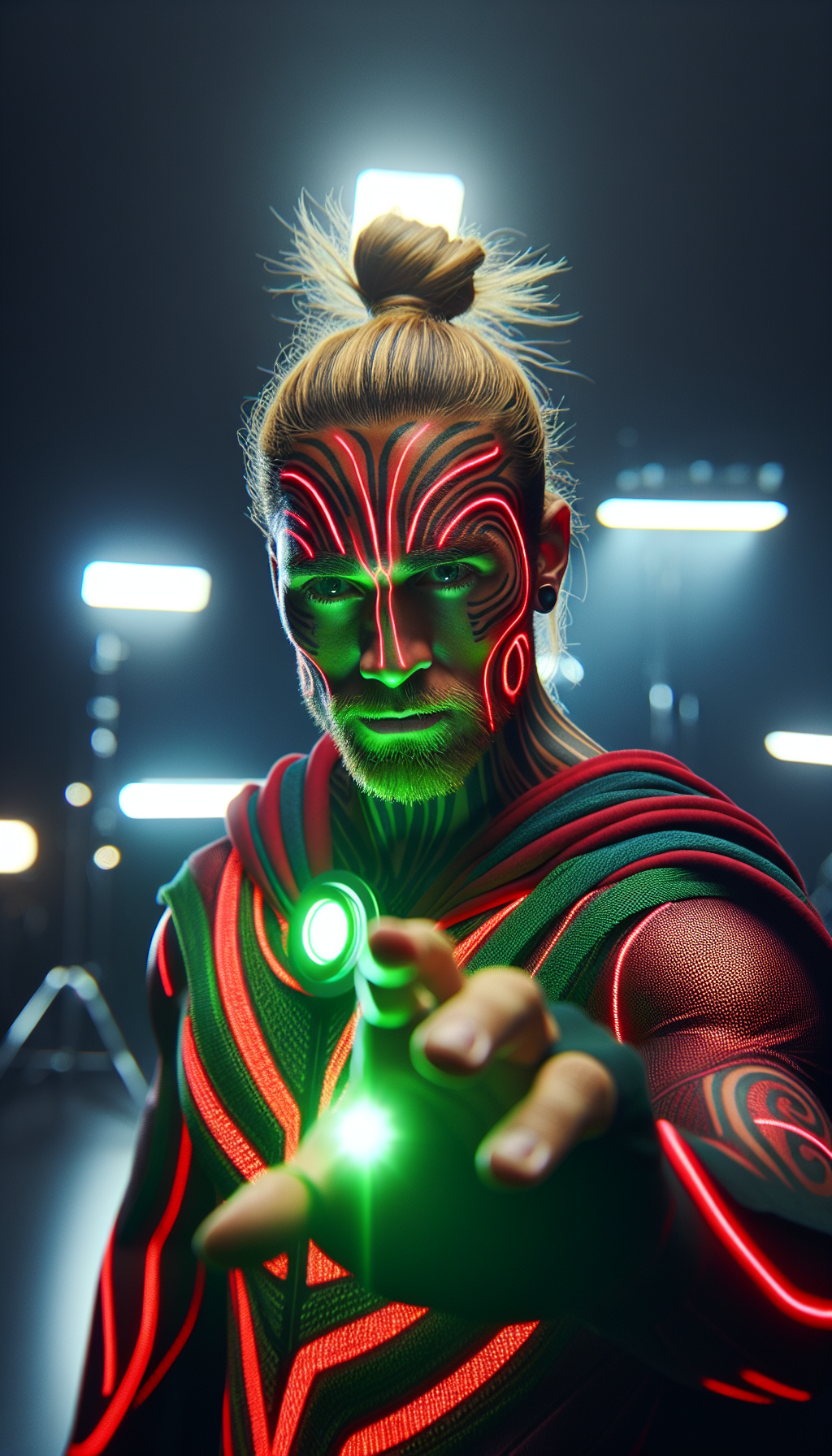
Ivor Jones is the founder of He Tangata Digital Media and the former Chairperson of Te Tahuna Trust AND The Māori Green Lantern Fighting Misinformation And Disinformation From The Far Right
Using AI tools to will and manifest mātauranga Māori principles into digital reality.