“The Matua Versus The Maunga” - 27 September 2025
Shane Jones’ War on Māori Sacred Sites and Environmental Protection
Kia ora koutou katoa. Ko Ivor Jones ahau, ko The Māori Green Lantern. (Greetings everyone. I am Ivor Jones, The Māori Green Lantern.)
Exposing the naked greed behind the government’s assault on our whenua and moana
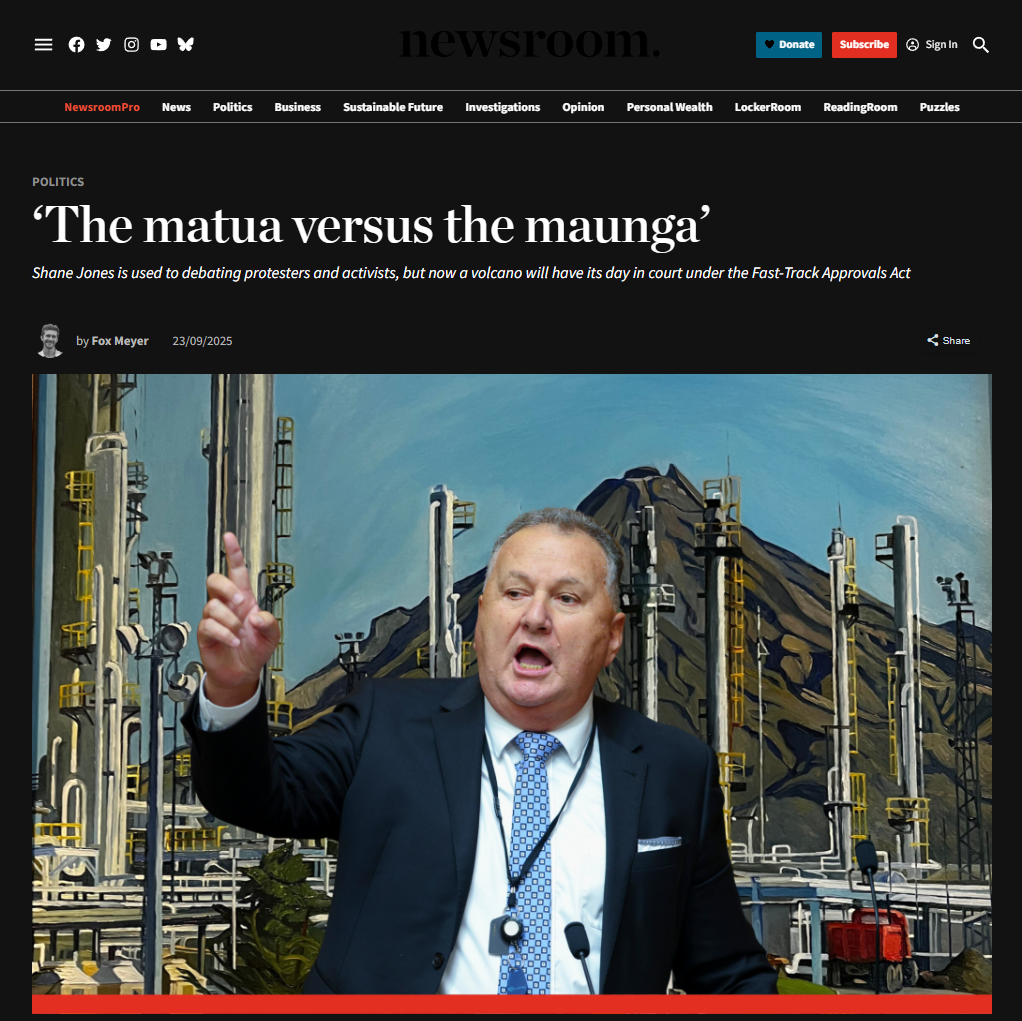
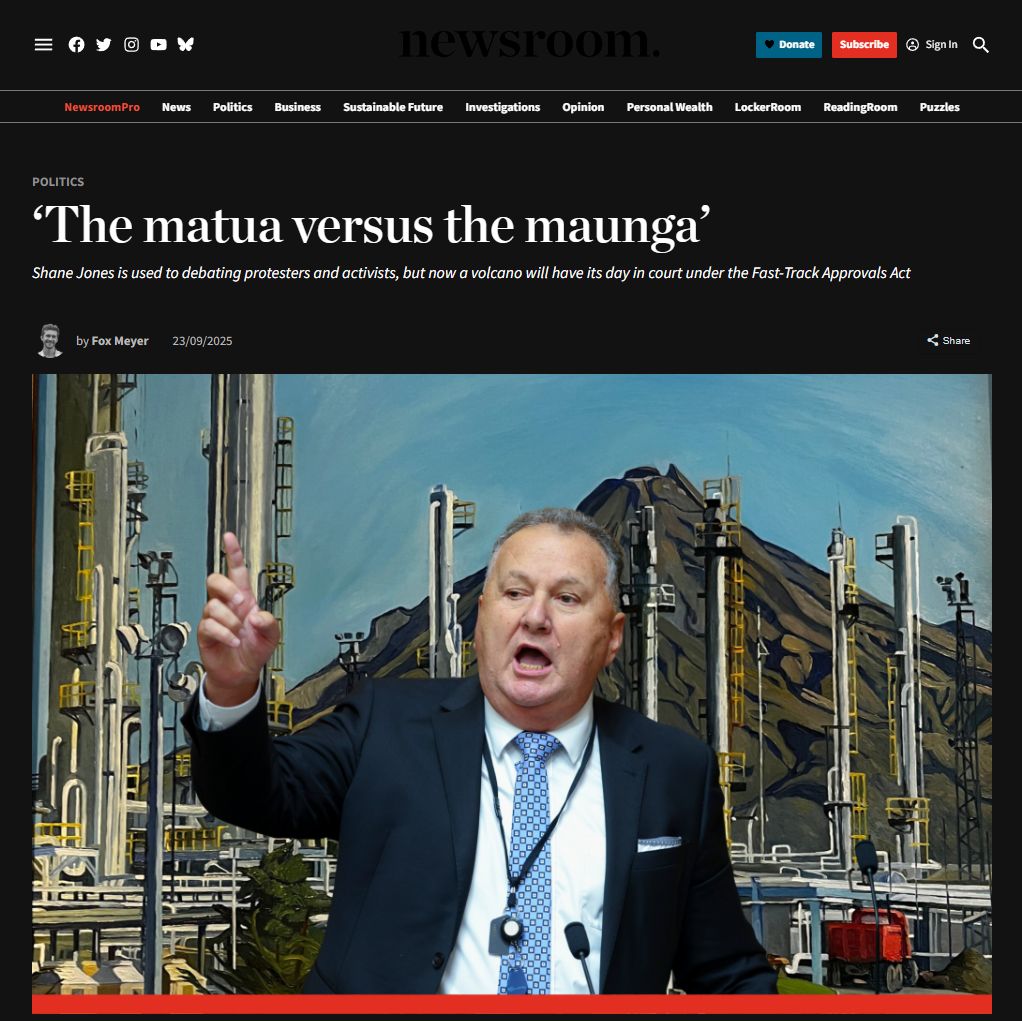
This week, Shane Jones achieved something remarkable even by his standards of arrogance and cultural vandalism. The Deputy Leader of New Zealand First managed to turn an environmental protection process into what he himself called “a tussle between the matua and the maunga” - positioning himself as the champion of mining interests against the sacred mountain of Taranaki. The heart of Jones’ latest outrage reveals the true face of this government’s anti-Māori agenda: a systematic dismantling of Indigenous rights, environmental protections, and democratic processes in service of foreign mining corporations and Christian nationalist ideology.
Background: When Mountains Become Legal Persons and Politicians Lose Their Minds
To understand Jones’ fury at Taranaki Maunga, we need to grasp what happened when the mountain gained legal personhood in 2025. After decades of struggle, eight iwi of Taranaki negotiated a collective settlement that recognised the maunga as an ancestor with legal rights - Te Kāhui Tupua. This groundbreaking recognition challenged the colonial legal framework that treats nature as property to be exploited rather than a living entity deserving protection.
The concept terrifies extractive capitalists because it fundamentally threatens their business model. If mountains, rivers, and forests have legal standing, suddenly the reckless destruction of ecosystems becomes much harder to justify. Mountains can literally have their day in court - and that day came when Taranaki Maunga was invited to comment on Trans-Tasman Resources’ seabed mining application through the Fast-Track Approvals process.
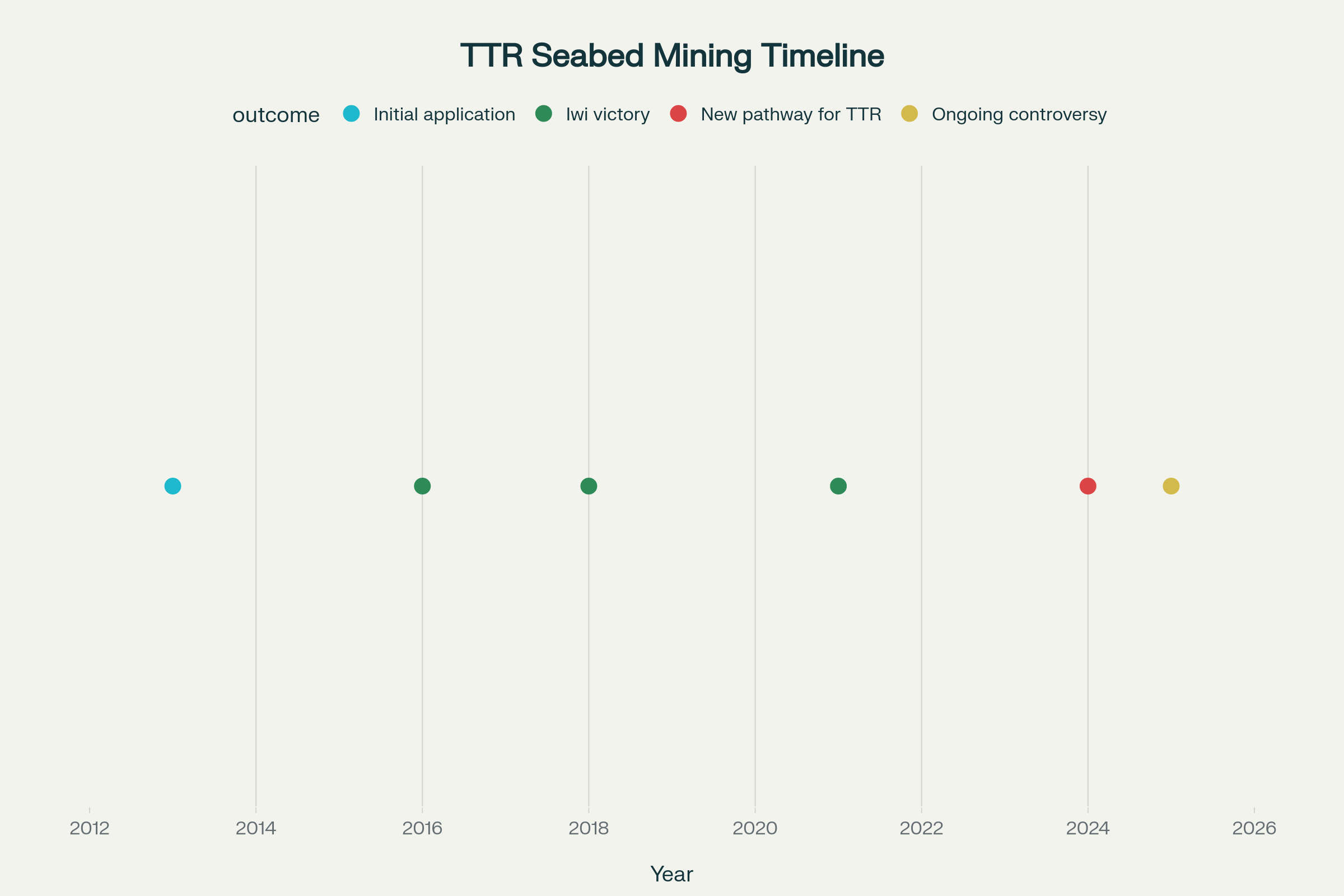
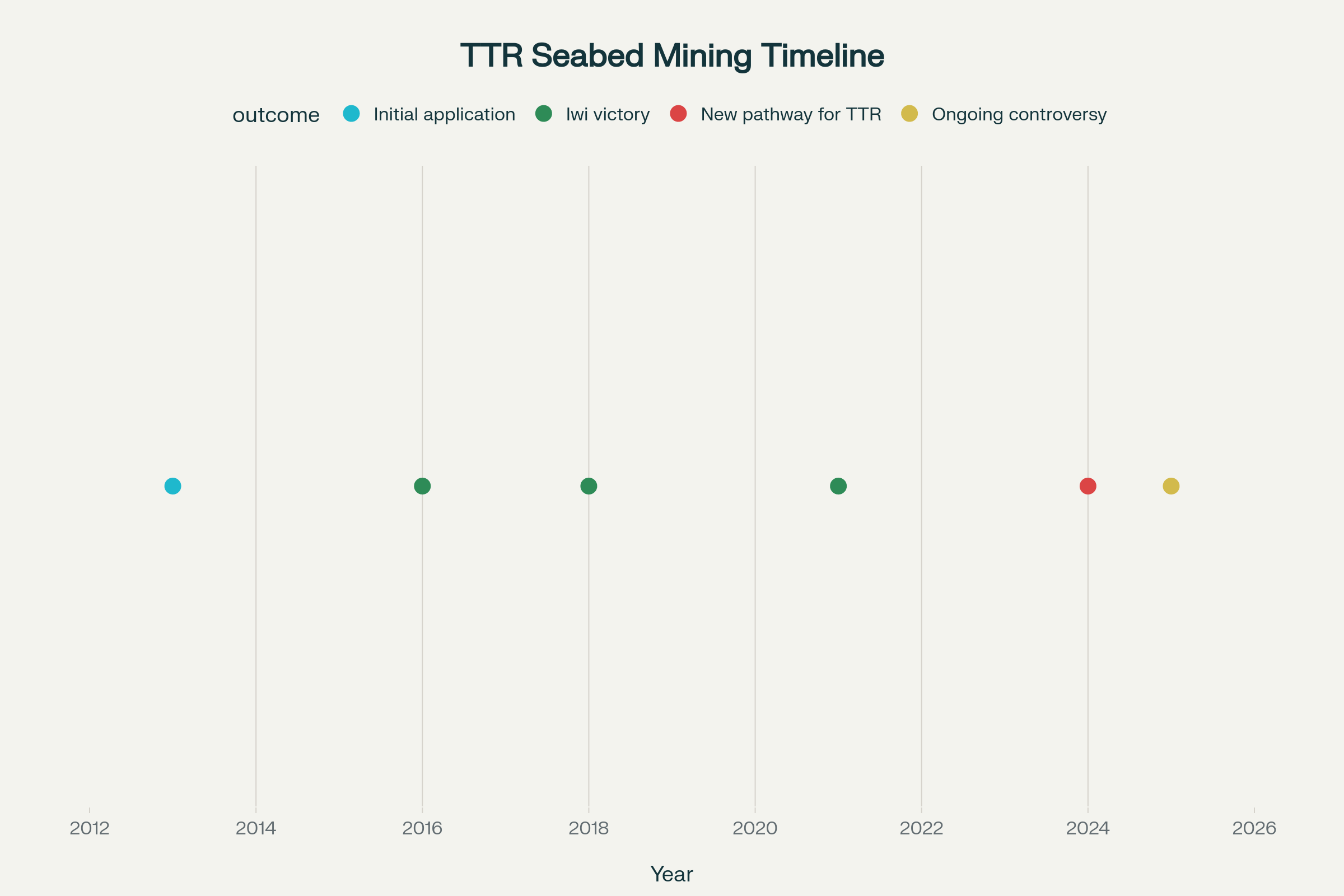
The Trans-Tasman Resources seabed mining controversy: From court defeats to Fast-Track revival
The timeline reveals a pattern of corporate persistence in the face of democratic and legal rejection. Despite losing three consecutive court cases between 2016 and 2021, Trans-Tasman Resources has used the government’s Fast-Track legislation to circumvent normal environmental protections and community consultation processes.
The Assault on Sacred Sites and Democratic Process
Jones’ explosion over Taranaki Maunga’s involvement in the seabed mining consultation exposes multiple layers of this government’s anti-Māori agenda. His mockery of Indigenous legal concepts - asking sarcastically whether “the maunga has feelings about what may or may not happen 30 kilometres off the coastline” - reveals a fundamental misunderstanding of Māori worldviews and a calculated dismissal of Treaty obligations.
The specific controversy centres on Trans-Tasman Resources, an Australian-owned company seeking to vacuum up 50 million tonnes of iron sand annually from the seabed off Pātea for 35 years. This represents environmental destruction on an almost incomprehensible scale - equivalent to strip-mining an area the size of Great Barrier Island underwater while dumping 45 million tonnes of waste back into Taranaki waters each year.
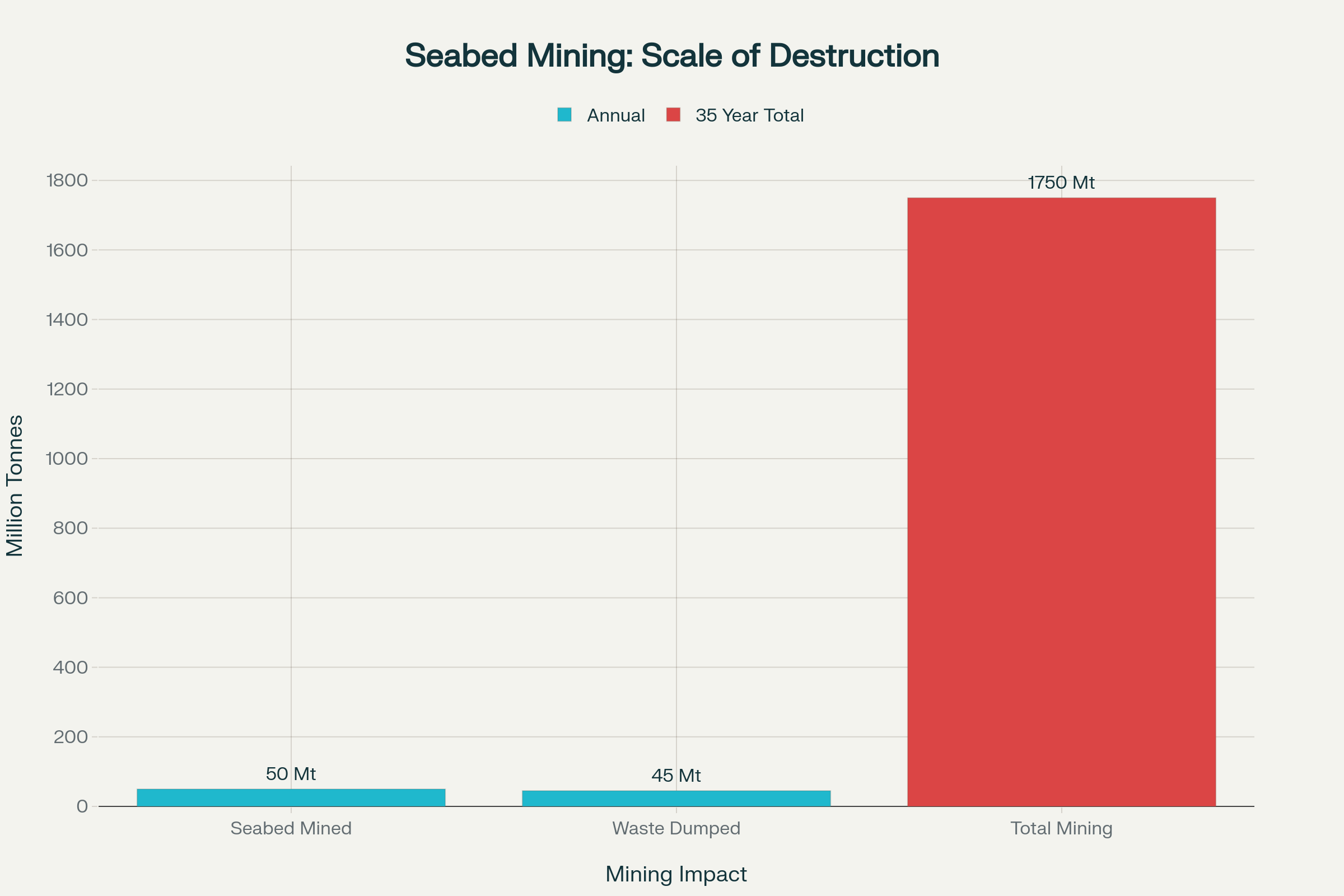
The staggering scale of proposed seabed destruction in Taranaki waters
The scale of destruction becomes clear when we see the numbers. This isn’t development - it’s environmental vandalism designed to extract profits for overseas shareholders while leaving New Zealand communities to deal with the ecological aftermath for generations.
What makes Jones’ attack particularly insidious is how it represents a broader pattern of white supremacist rhetoric disguised as economic development. By dismissing the mountain’s spiritual significance as “mockery” and complaining about too many hapū and iwi being involved in consultation, Jones reveals the colonial mindset that sees Māori participation in decision-making as an obstacle to be removed rather than a Treaty right to be respected.
The Hidden Networks: Christian Nationalism Meets Corporate Greed
Jones’ rage at environmental and cultural protections isn’t occurring in isolation. His political trajectory shows clear connections to Christian nationalist movements that view Indigenous spirituality as a threat to their dominionist theology. The rise of figures like Brian Tamaki and the integration of fundamentalist Christian politics through parties like Vision NZ reveal a coordinated assault on secular governance and Indigenous rights.
Tamaki’s Destiny Church, with its explicit agenda to achieve political dominance, represents the New Zealand version of American Christian nationalism. Their 2004 prediction that Destiny Church would be “ruling the nation” by 2008 failed, but the ideology has metastasised through political movements that share New Zealand First’s hostility to Māori self-determination and environmental protection.
The network of power: Shane Jones’ connections to mining, religious fundamentalism, and corporate interests
The network diagram reveals how Jones sits at the centre of multiple power structures that benefit from dismantling Indigenous rights and environmental protections. His previous role as chairman of Sealord, his connections to mining lobby groups, and his current position crafting Fast-Track legislation create a web of conflicts of interest that would be scandalous if applied to any other politician.
The Christian nationalist connection becomes clear when we examine the ideology driving the assault on Indigenous legal concepts. Dominionist theology teaches that Christians should establish earthly dominion over all aspects of society - a belief system fundamentally incompatible with Indigenous concepts of kaitiakitanga and the rights of nature. When Jones mocks the idea that mountains could have legal standing, he’s not just attacking Māori worldviews - he’s advancing a theological position that sees the natural world as existing solely for human (specifically Christian) exploitation.
Manufacturing Consent for Environmental Destruction
Jones’ strategy involves multiple tactics designed to manufacture public consent for corporate environmental destruction. First, he frames opposition to mining as “emotional concerns” rather than legitimate scientific and cultural objections. Despite three consecutive court defeats based on Trans-Tasman Resources’ failure to demonstrate environmental safety, Jones dismisses these as mere delays in pitting emotions against “science and technology.”
This represents a classic neoliberal rhetorical strategy - positioning corporate interests as rational and scientific while characterising community opposition as irrational and emotional. The reality is that independent scientific assessments have consistently found serious problems with Trans-Tasman Resources’ environmental claims, including their failure to demonstrate that seabed mining won’t cause lasting ecological damage.
Second, Jones deploys economic blackmail against struggling communities. His argument that “some of the poorest whānau Māori are from Taranaki” and therefore should accept environmental destruction for short-term economic benefits represents textbook disaster capitalism. Communities made vulnerable by previous waves of economic restructuring are told they must accept further environmental degradation or remain in poverty - a false choice that ignores sustainable development alternatives.
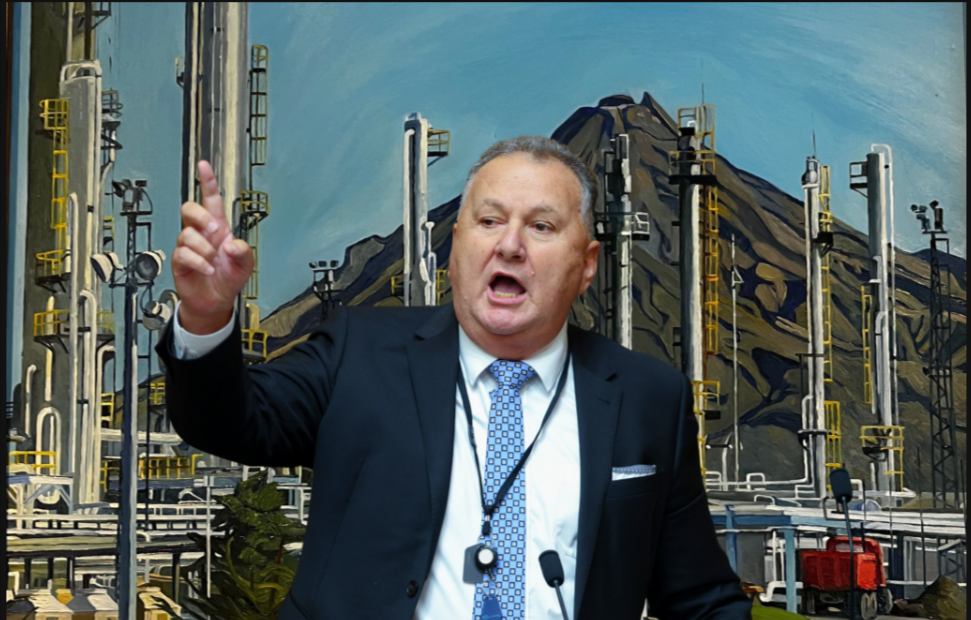
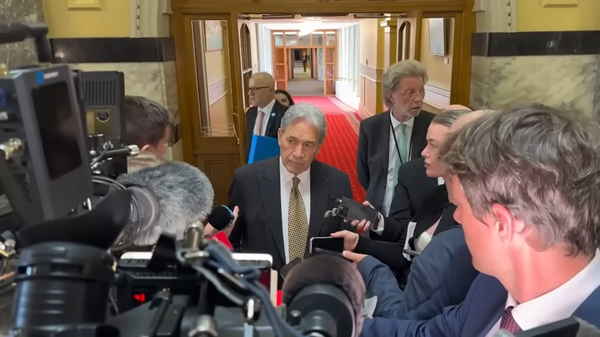
Shane Jones dismissing the sacred nature of Taranaki Maunga while promoting extractive industries
Here is Jones’ dismissive attitude toward Māori sacred sites and cultural values, treating them as obstacles to be swept aside for corporate profit rather than fundamental aspects of New Zealand’s constitutional framework that deserve respect and protection.
Third, Jones attempts to discredit legal and democratic processes that don’t serve corporate interests. His complaints about too many parties being involved in Fast-Track consultations reveal the authoritarian impulse underlying the entire regime. Democracy becomes an inconvenience when it allows affected communities to challenge corporate power.
The Fast-Track Fraud: Privatising Democratic Decision-Making
The Fast-Track Approvals Act represents one of the most significant attacks on democratic governance in recent New Zealand history. By allowing ministers to hand-pick projects for streamlined approval and limiting community participation, the law essentially privatises environmental decision-making for the benefit of corporate donors and political allies.
Jones’ role in crafting this legislation while maintaining extensive connections to the industries it benefits represents a textbook case of regulatory capture. His undisclosed meetings with mining executives and his proud declaration that he is “the megaphone of industry in this government” reveal how completely he has abandoned any pretence of serving the public interest.
The appointment of Sally Gepp KC as legal counsel for the Trans-Tasman Resources Fast-Track panel provides another layer of corruption. While Jones questions potential conflicts of interest when it serves his narrative, he ignores the fundamental corruption of a process designed to benefit his political donors and business associates.

The environmental destruction of seabed mining in Taranaki waters
The underwater destruction reveals what’s really at stake - not just immediate environmental damage, but the systematic destruction of marine ecosystems that have sustained Māori communities for centuries and provide critical habitat for threatened species.
Exposing the Colonial Mentality
Jones’ mockery of Taranaki Maunga’s legal personhood reveals the colonial mentality that still dominates New Zealand’s political establishment. His suggestion that mountains having legal rights represents “mockery” demonstrates a fundamental inability to comprehend Indigenous worldviews that don’t reduce nature to property.
This isn’t ignorance - it’s wilful cultural vandalism. Jones speaks te reo Māori and has extensive knowledge of Māori culture through his whakapapa and political career. His dismissal of Indigenous legal concepts represents a calculated decision to advance colonial ideology rather than honest Treaty partnership.
The timing of his attack is particularly revealing. Jones complains that Taranaki Maunga’s legal personhood should have been allowed to “settle in and be embraced by the broader community” before being tested in contentious cases. This represents the classic colonial demand that Indigenous rights exist only when convenient for settler interests - that mountains can have legal standing as long as they don’t actually use it to challenge corporate power.
His characterisation of the Fast-Track process as becoming “a feeding feast for every hapū and iwi” reveals the white supremacist anxiety underlying the entire project. Democracy becomes threatening when it allows Indigenous peoples to participate as equals rather than remaining silent while their environments are destroyed for corporate profit.
The Neoliberal-Christian Nationalist Alliance
The convergence of neoliberal economics and Christian nationalism in Jones’ politics represents a dangerous development in New Zealand’s political landscape. Both ideologies share a hostility to Indigenous self-determination and environmental protection, making them natural allies in the assault on Māori rights.
Neoliberalism views nature as a commodity to be exploited for maximum profit, while Christian nationalism sees the natural world as existing solely for human dominion under God’s mandate. Both reject Indigenous concepts of kaitiakitanga and the rights of nature as obstacles to their respective projects of domination.
The integration of these ideologies through political movements like Freedoms New Zealand and Vision NZ reveals a coordinated strategy to dismantle the secular, bicultural framework established through Treaty settlements and environmental legislation. The goal is a corporate-dominated society where Indigenous rights and environmental protections are subordinated to Christian nationalism and free-market fundamentalism.
Jones’ role as a Māori politician advancing this agenda makes him particularly valuable to these movements. His cultural credentials provide cover for policies that represent the most aggressive assault on Māori rights since the colonial period, allowing white supremacist ideology to be packaged as Indigenous leadership.
Implications: The Battle for New Zealand’s Constitutional Future
The controversy over Taranaki Maunga’s legal personhood represents a pivotal moment in New Zealand’s constitutional development. The outcome will determine whether Indigenous legal concepts can be integrated into New Zealand law or whether they’ll be dismissed as curiosities that exist only when convenient for settler interests.
Jones’ proposed amendments to limit participation in Fast-Track processes represent the next phase of this assault. By reducing community consultation and limiting judicial review, the government aims to create a regulatory framework where corporate interests can override democratic opposition and constitutional obligations.
The broader implications extend far beyond mining and environmental issues. If Indigenous legal concepts like the personhood of natural entities can be dismissed when they challenge corporate power, then the entire project of decolonisation becomes meaningless. Treaty settlements become mere property transfers rather than constitutional partnerships, and Māori self-determination becomes subordinated to economic development priorities determined by foreign corporations.

Māori resistance against extractive colonialism and corporate greed
The resistance continues, with Māori communities refusing to accept the corporate colonisation of their territories despite government attempts to silence their voices through Fast-Track legislation and political intimidation.
Fighting Back: Strategies for Resistance
The assault on Māori rights and environmental protection requires coordinated resistance across multiple fronts. Legal challenges to Fast-Track approvals must be combined with direct action, political organising, and cultural reclamation projects that strengthen Indigenous governance systems.
The success of Ngāti Ruanui in defeating Trans-Tasman Resources through three court cases demonstrates the power of sustained legal resistance. However, the Fast-Track regime attempts to short-circuit these victories by changing the rules after communities have won. This requires new strategies that challenge the legitimacy of the entire Fast-Track framework rather than simply fighting individual applications.
Political resistance must focus on exposing the connections between Christian nationalism, corporate power, and anti-Māori politics. Voters need to understand that attacking Indigenous rights isn’t separate from economic policy - it’s a core component of a neoliberal project that subordinates democratic governance to corporate interests.
Cultural resistance involves strengthening Indigenous governance systems that provide alternatives to colonial legal frameworks. The recognition of Taranaki Maunga’s legal personhood represents just the beginning of a broader project to decolonise New Zealand law and politics.
International solidarity with other Indigenous peoples facing similar assaults can provide strategic insights and political support. The global Indigenous rights movement offers resources and connections that can strengthen local resistance efforts.
The Choice Before Us

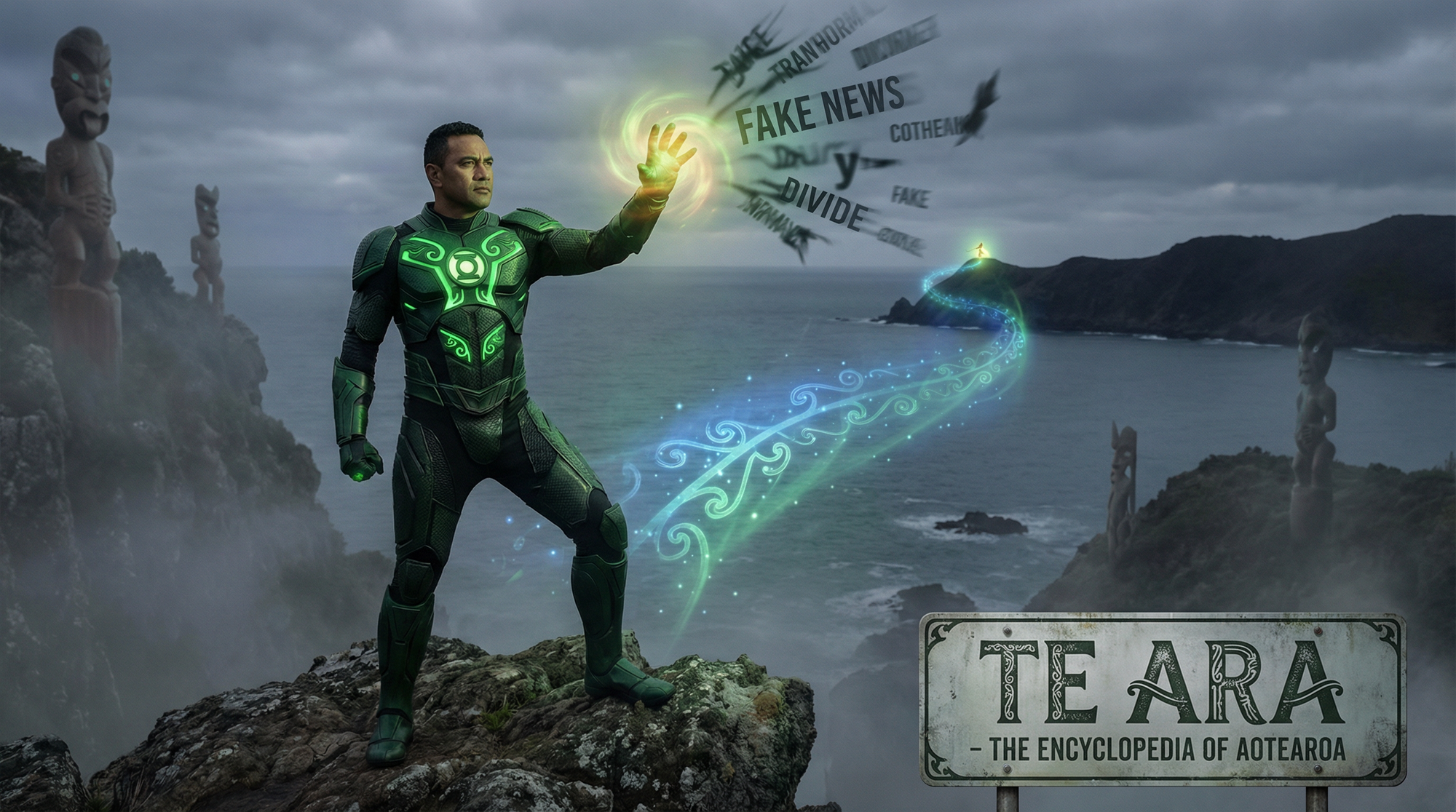
The Māori Green Lantern Fighting Misinformation And Disinformation From The Far Right
Shane Jones’ attack on Taranaki Maunga represents more than political theatre - it reveals the fundamental choice facing New Zealand’s future. We can continue down the path of corporate colonisation, where Indigenous rights and environmental protections are sacrificed for short-term economic gains that primarily benefit overseas shareholders. Or we can embrace the constitutional partnership promised by Te Tiriti o Waitangi and build a society that respects both cultural diversity and ecological sustainability.
The “matua versus the maunga” framing reveals Jones’ colonial mentality perfectly. He positions himself as the patriarch who knows what’s best for everyone, dismissing Indigenous wisdom and environmental science as obstacles to his vision of industrial progress. But the maunga represents something far more powerful than Jones’ corporate nationalism - it embodies the enduring relationship between tangata whenua and the land that has sustained life in these islands for centuries.
The battle over Taranaki Maunga’s legal personhood will determine whether New Zealand’s constitutional future includes genuine partnership between Indigenous and settler communities or whether it remains dominated by the colonial mentality that treats Māori rights as inconveniences to be managed rather than fundamental aspects of our shared democracy.
We cannot allow Shane Jones and his corporate allies to destroy our constitutional foundations for the benefit of Australian mining companies and Christian nationalist ideology. The maunga will outlast every politician who attempts to diminish its mana, but only if we defend the legal and cultural frameworks that recognise its rights.
The choice is ours, and the time is now.
Mauri ora, and keep fighting the good fight.
Ko Ivor Jones
The Māori Green Lantern
Readers who find value in this analysis and wish to support continued research and writing on these critical issues are invited to consider making a koha to support the cause: HTDM: 03-1546-0415173-000. The MGL understands these are tough economic times for whānau, so please only contribute if you have capacity and wish to do so.