"The Neoliberal Deception: Why Labour Under Hipkins Serves Capital, Not the People” - 5 September 2025
The Fake Choice: Labour's Neoliberal Masquerade
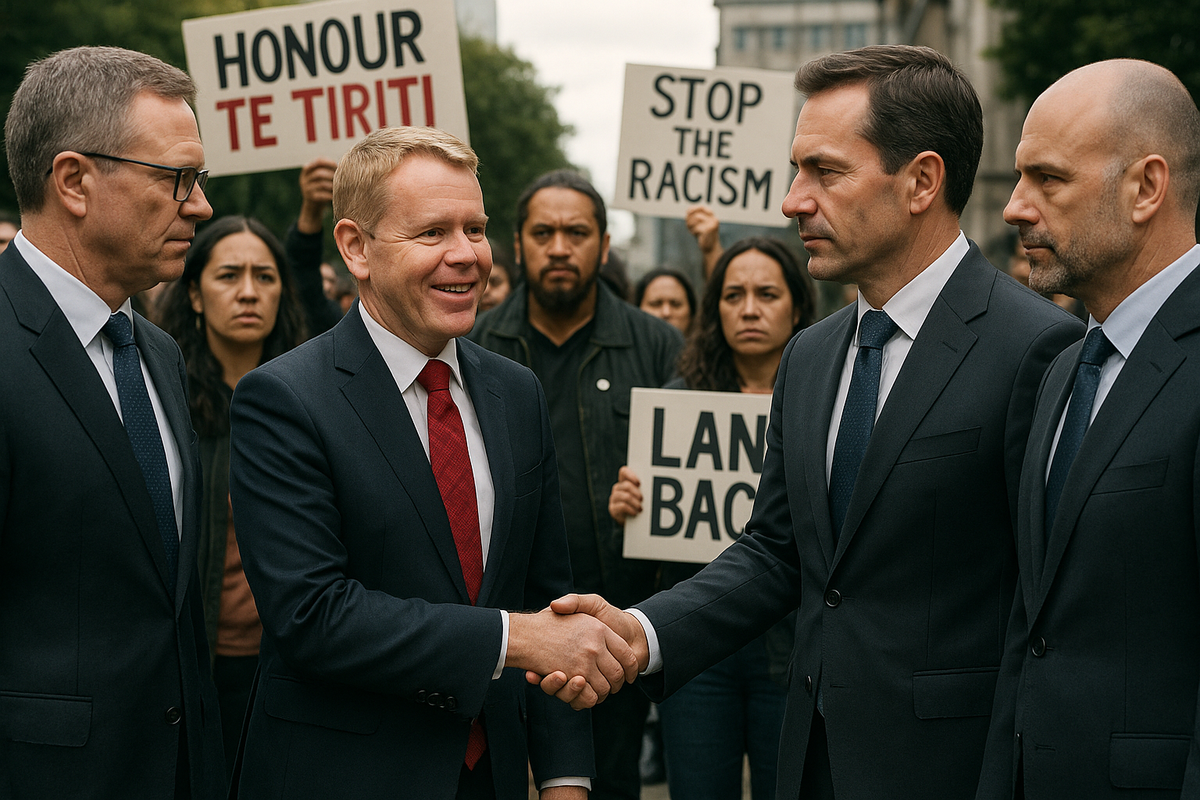
Kia ora koutou katoa. I write to you today as the corporate mask slips further from the face of New Zealand politics.
Christopher Hipkins and his Labour caucus have spent the better part of 2023 demonstrating with crystalline clarity that they serve the same neoliberal masters as their supposed opponents in National. The theatre of left versus right has become nothing more than a carefully choreographed dance designed to maintain the illusion of choice while ensuring that real power remains concentrated in the hands of corporate elites and their political servants.
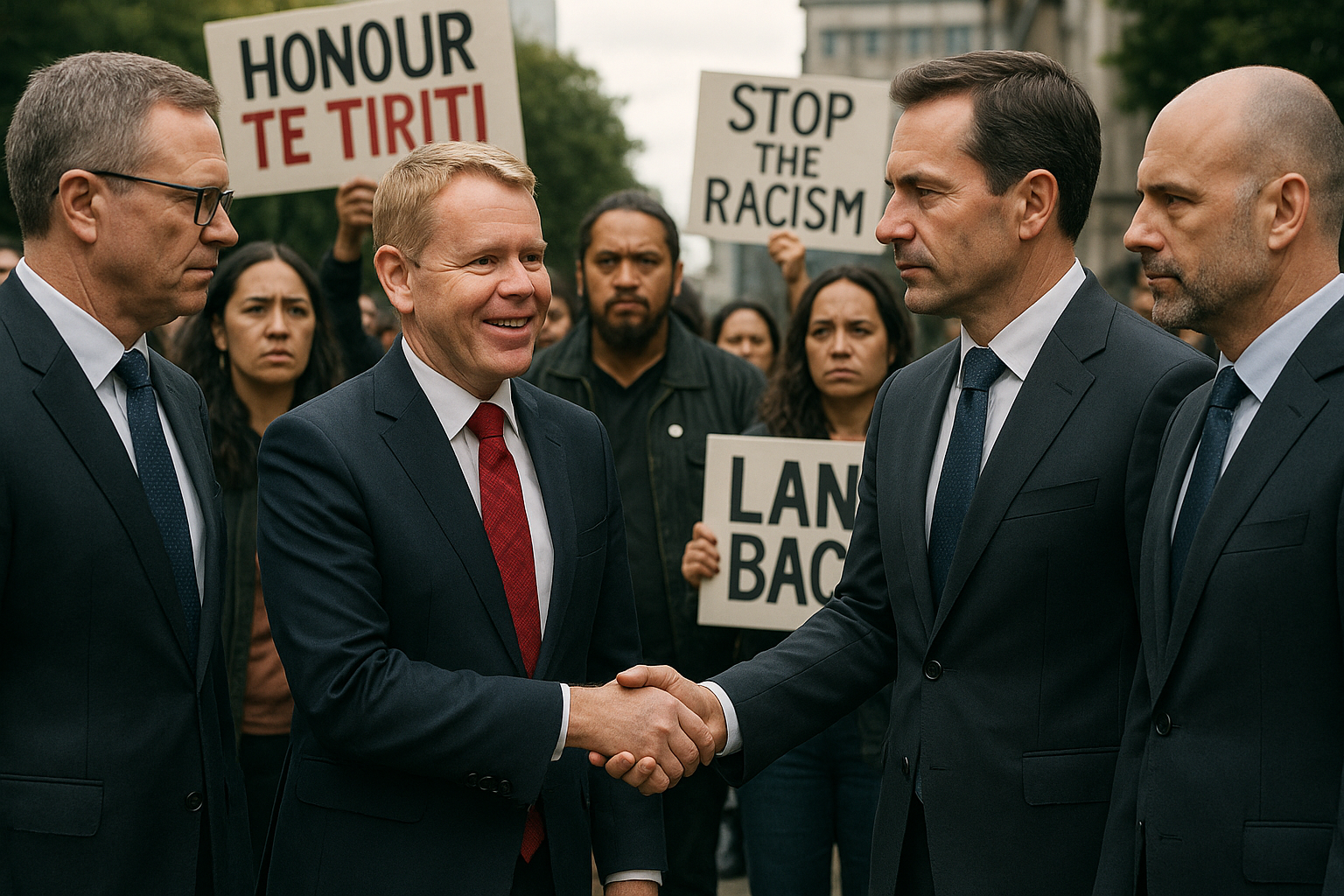
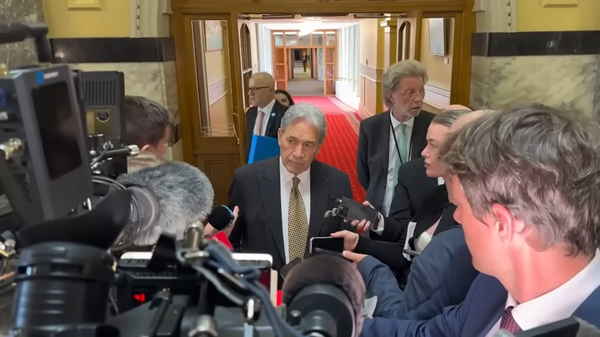
Hipkins choosing corporate interests over Māori rights
The evidence is overwhelming and damning. When push came to shove on the fundamental questions facing Aotearoa, Hipkins and Labour chose corporate interests over the wellbeing of tangata whenua and working people every single time.
The Three Waters Betrayal: Co-governance Sacrificed for Political Expediency
The most egregious example of Labour's true allegiance came in April 2023 when Hipkins announced the effective gutting of Three Waters co-governance provisions, a move that represented nothing less than a calculated betrayal of Te Tiriti o Waitangi and the Crown's obligations to Māori.
Under the original Three Waters framework championed by Nanaia Mahuta, Māori would have held genuine co-governance rights over water infrastructure and decision-making. This represented a small but significant step toward honoring the promises made in 1840. But when polling showed middle New Zealand wavering on co-governance, Hipkins threw Māori under the bus faster than you could say "electoral calculus."
The retreat was swift and merciless. Co-governance became "co-management." Meaningful Māori representation was reduced to tokenistic consultation. The four regional entities became ten, diluting Māori influence even further. What had been sold as transformative reform became yet another exercise in maintaining Pākehā hegemony over our most precious taonga.
He Puapua Shelved: The Systematic Abandonment of Indigenous Rights
Even more telling was Hipkins' decision to effectively shelve He Puapua, the roadmap for implementing the United Nations Declaration on the Rights of Indigenous Peoples in Aotearoa. This comprehensive framework, developed through extensive consultation with iwi and Māori communities, offered a pathway toward genuine constitutional transformation and the recognition of tino rangatiratanga.
But when the right-wing media machine began its predictable fear campaign about "Māori separatism" and "racial privilege," Hipkins folded like a cheap tent. Rather than educate the public about the colonial violence that necessitates these frameworks, Labour chose the path of least resistance: abandoning their Māori coalition partners and constituencies to appease Pākehā voters who benefit from the status quo.
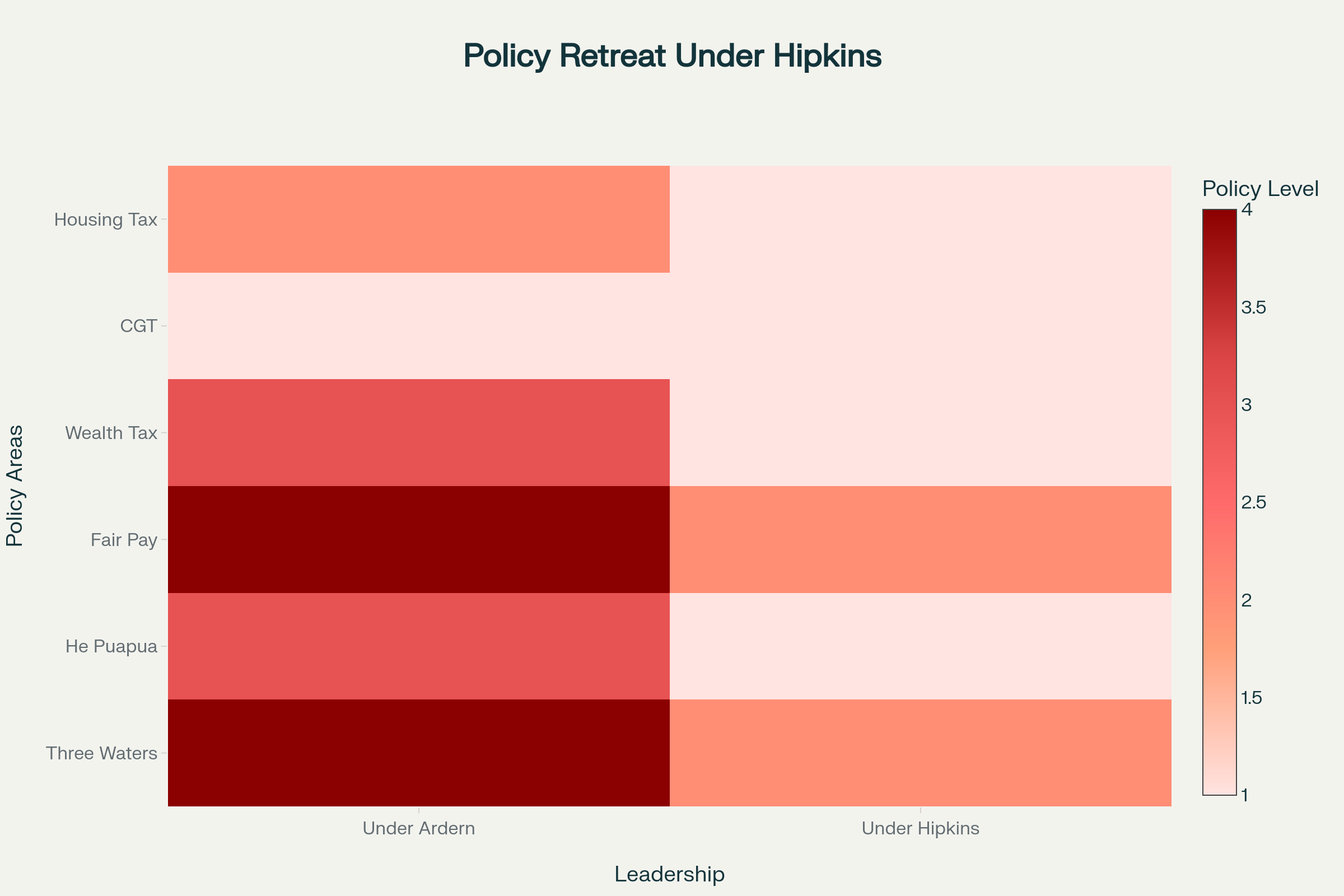
The systematic abandonment of Māori under Hipkins' leadership
The Housing Crisis: Six Years of Spectacular Failure
Perhaps nowhere is Labour's neoliberal DNA more evident than in their catastrophic failure to address Aotearoa's housing crisis. Despite six years of promises, platitudes, and photo opportunities, every metric of housing distress worsened dramatically under their watch.
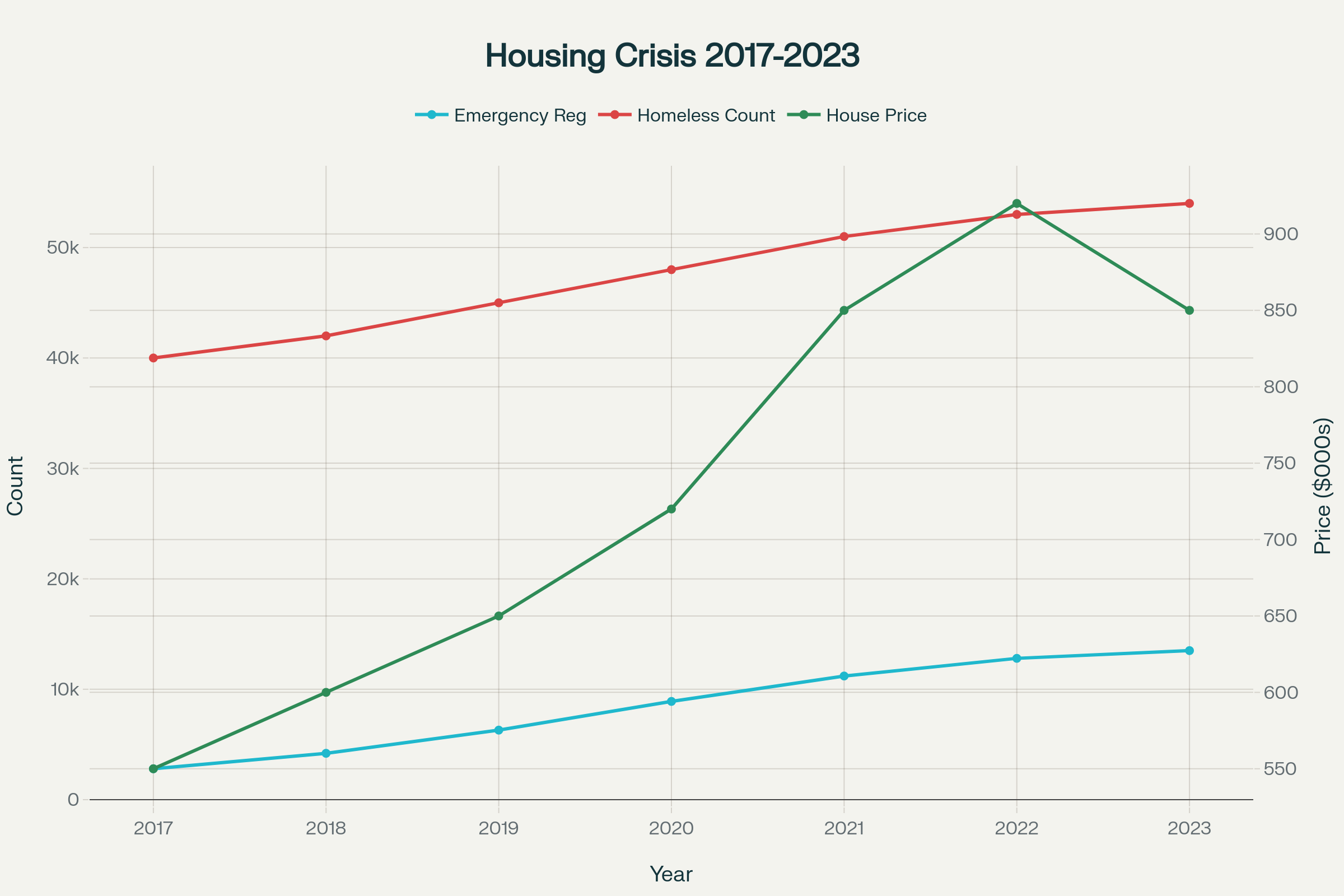
Labour's Housing Crisis: Six years of broken promises and worsening inequality
The numbers tell a story of systematic failure that borders on criminal negligence. Emergency housing registrations exploded from 2,800 in 2017 to over 13,500 by 2023, representing a nearly five-fold increase in desperate families with nowhere to turn. Homelessness continued its relentless climb, while house prices soared to levels that locked an entire generation out of homeownership.
Labour's response? Tinkering around the edges with programs like KiwiBuild that delivered fewer than 2,000 homes against a promise of 100,000. They rejected a capital gains tax not once but twice, ensuring that property speculation remained the most lucrative game in town. They implemented a "bright-line test" so weak it barely registered as a speed bump for wealthy investors.
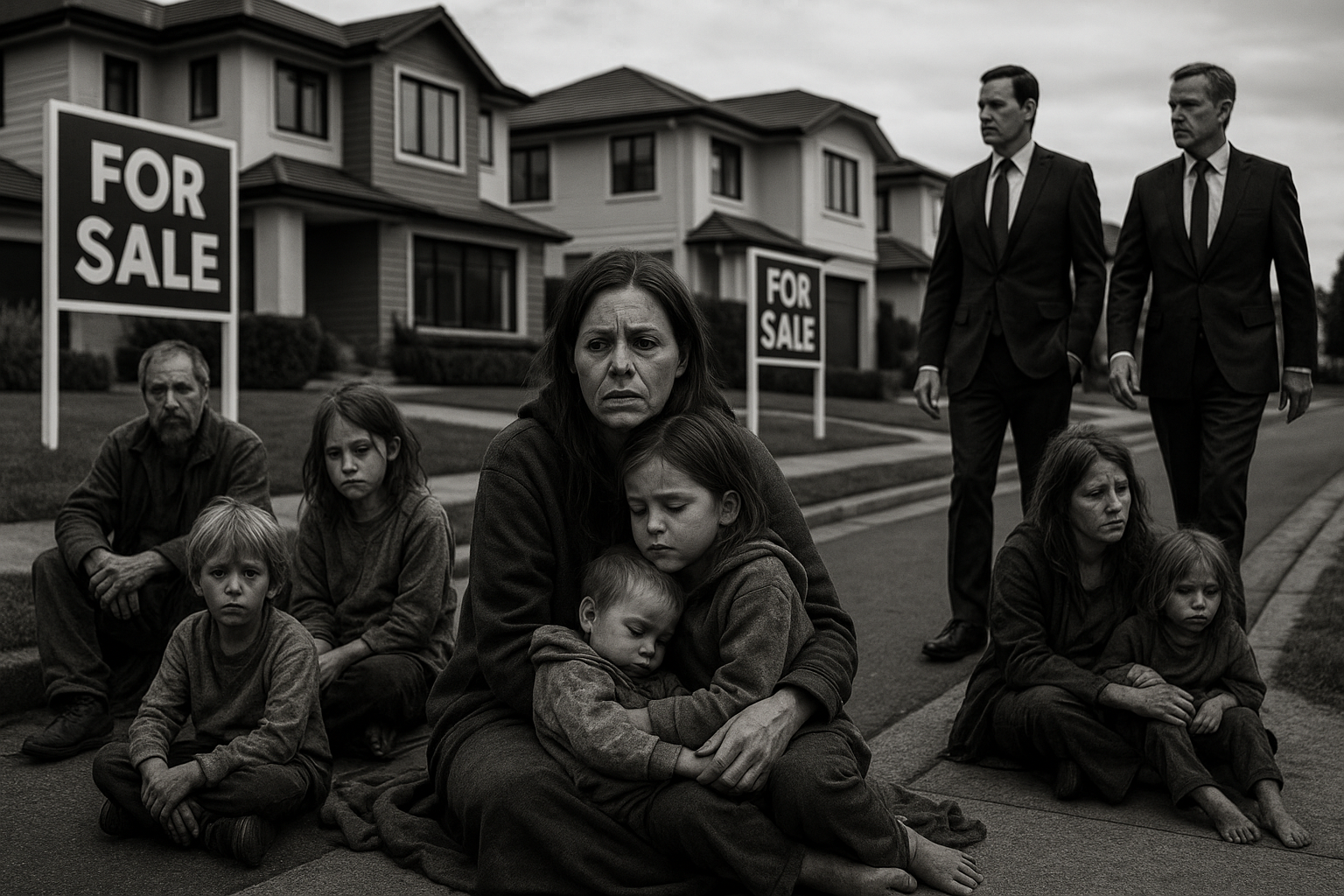
Labour's housing failure: families abandoned while property speculation thrives
This wasn't incompetence. This was a deliberate choice to prioritize the interests of property-owning elites over the basic human right to shelter. Every homeless child sleeping in a car represents a policy choice to maintain the wealth of landlords and property speculators.
Corporate Capture: Following the Money Trail
The pattern becomes clear when you examine Labour's funding sources. Electoral Commission data reveals the extent to which both Labour and National are beholden to corporate interests, receiving hundreds of thousands of dollars from banks, property developers, and other business elites who profit from the status quo.
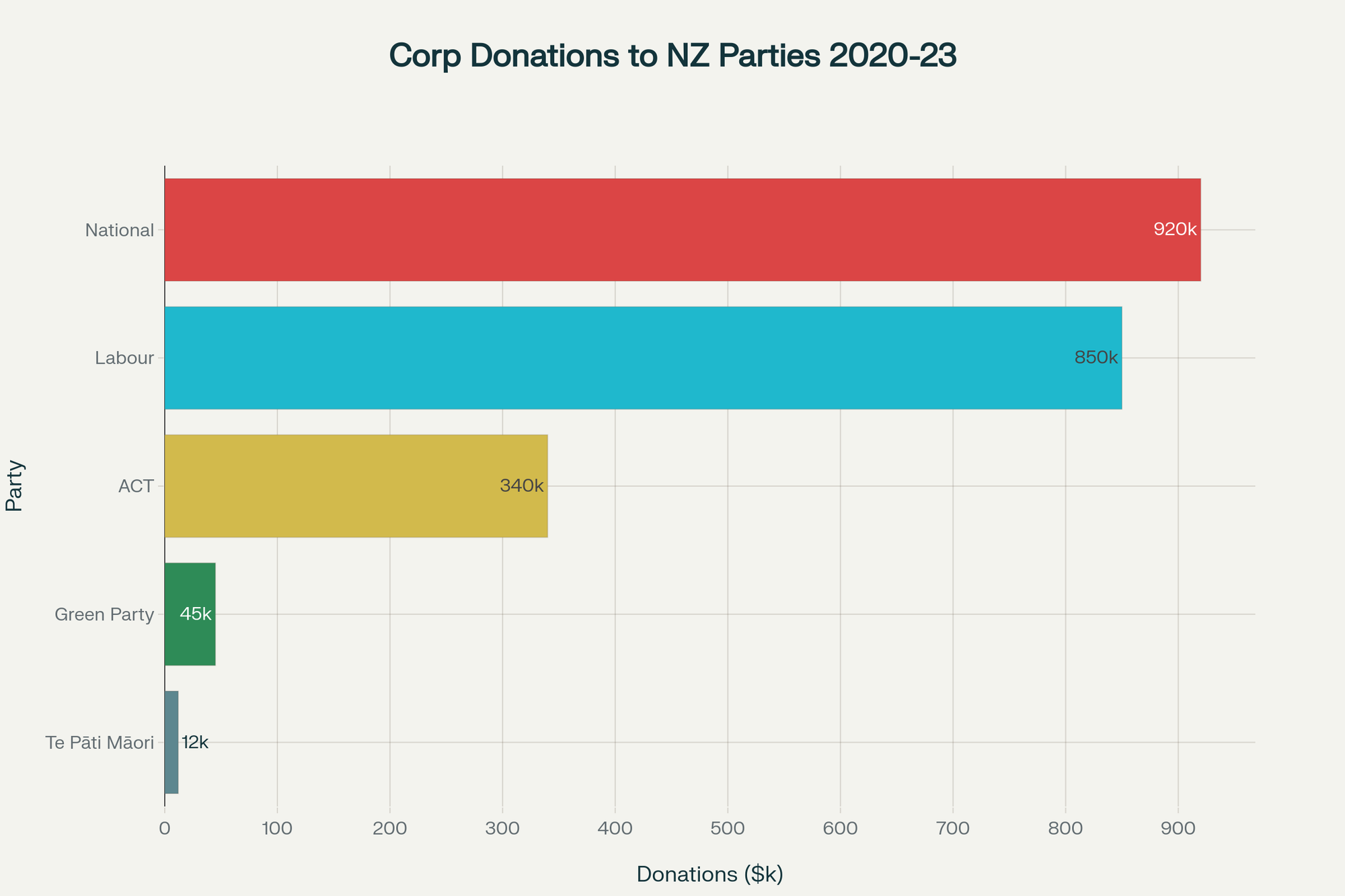
Corporate capture: Labour and National's dependence on big business funding exposed
Compare this to Te Pāti Māori and the Green Party, whose funding comes predominantly from individual donors and grassroots supporters. The contrast could not be starker: parties funded by the people versus parties funded by capital. When crisis moments arrive, politicians dance to the tune of those who pay the piper.
The revolving door between Labour politicians and corporate boardrooms tells the same story. Former ministers routinely transition to lucrative positions with the same companies they were meant to regulate. This isn't coincidence - it's how the system is designed to function.
The Māori Party and Greens: Authentic Alternatives to the Neoliberal Consensus
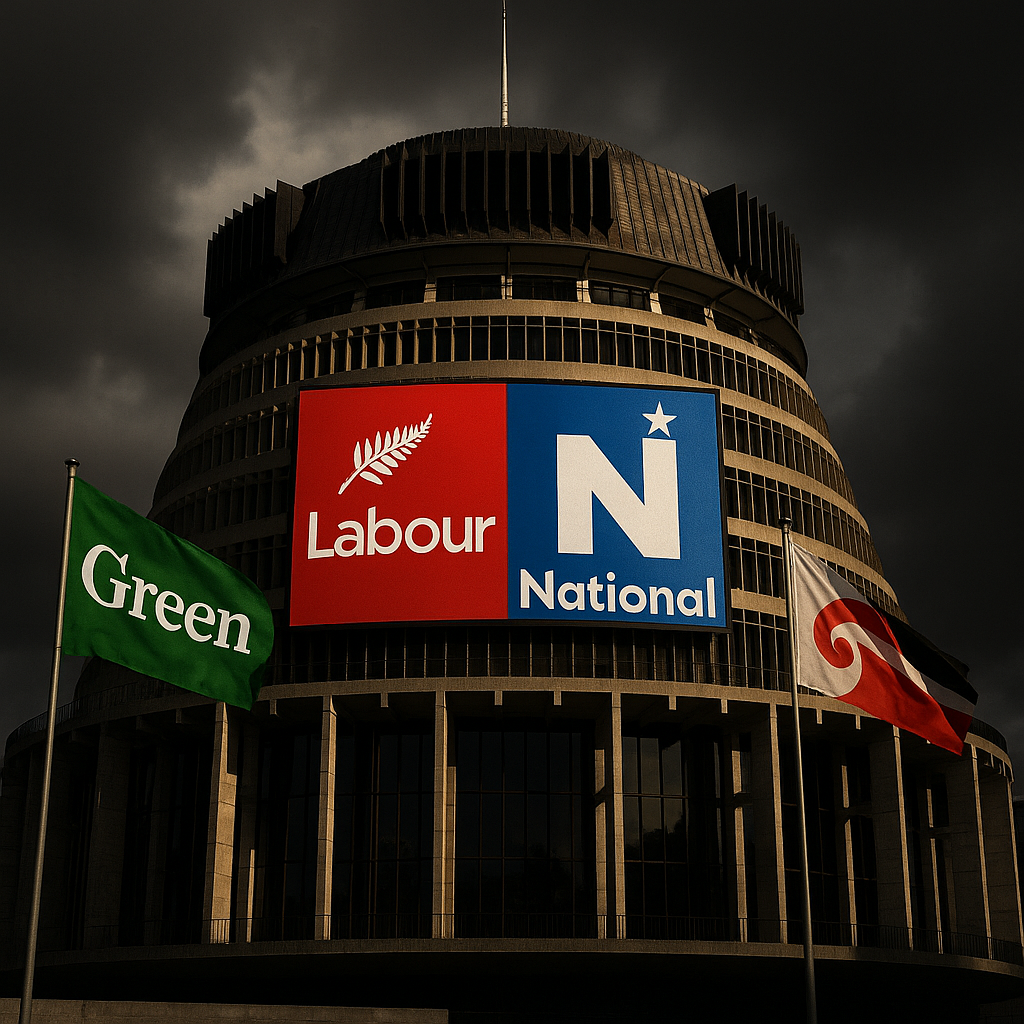
The neoliberal uniparty vs genuine alternatives
In stark contrast to Labour's betrayals, Te Pāti Māori has remained steadfast in its commitment to tino rangatiratanga and the dismantling of colonial structures that perpetuate Māori disadvantage. Co-leaders Rawiri Waititi and Debbie Ngarewa-Packer have consistently opposed neoliberal policies that treat people as commodities and resources as objects for exploitation.
Their policy platform offers a genuine alternative: constitutional transformation that recognizes Māori sovereignty, economic policies that prioritize wellbeing over profit, and environmental stewardship grounded in Māori values of kaitiakitanga. This isn't radical extremism - it's a return to the values that sustained these islands for centuries before colonial capitalism arrived.
Similarly, the Green Party has maintained its commitment to systemic change despite the political costs. Their wealth tax proposal would have begun to address the obscene inequality that has exploded under both Labour and National governments. Their rejection of corporate donations ensures they remain accountable to members rather than business interests.
The Neoliberal Uniparty: Two Parties, One Agenda
The fundamental truth that mainstream media refuses to acknowledge is that Labour and National represent different factions of the same neoliberal project. They may disagree on tactics and timing, but they share an unwavering commitment to market fundamentalism, corporate welfare, and the gradual erosion of public services.
Under Helen Clark's Labour government, the neoliberal revolution continued apace with privatizations, public-private partnerships, and the entrenchment of market logic across government operations. The Ardern-Hipkins years followed the same playbook: progressive rhetoric coupled with fundamentally conservative economic policies that benefit capital at the expense of labor.
This is why Labour consistently abandons its progressive promises when faced with business opposition. They are not a left-wing party that occasionally compromises - they are a neoliberal party that occasionally adopts left-wing rhetoric for electoral purposes.
Breaking the Duopoly: The Path Forward
The solution is not to vote for the lesser evil but to reject the false binary entirely. Coalition mathematics in New Zealand's MMP system creates genuine opportunities for transformative politics if voters have the courage to abandon the major parties that have failed them.
A coalition between Te Pāti Māori, the Greens, and potentially other genuine progressive forces could implement policies that currently seem impossible: a wealth tax that funds universal basic services, constitutional recognition of tino rangatiratanga, genuine climate action that prioritizes justice over corporate profits, and an economic system designed around human and environmental wellbeing rather than capital accumulation.
This isn't utopian dreaming - it's the pragmatic recognition that incremental change within the current system has failed catastrophically. The neoliberal consensus has produced the highest levels of inequality in New Zealand's modern history, environmental destruction that threatens our children's future, and a housing crisis that has become a humanitarian emergency.

The Māori Green Lantern Fighting Misinformation And Disinformation From The Far Right
The Moral Imperative for Change
Every day Labour remains in power is another day that homeless families suffer while property speculators profit. Every day is another day that Māori wait for justice while colonial institutions maintain their stranglehold on power. Every day is another day that working people struggle to pay rent while corporate profits soar.
Christopher Hipkins and Labour have had their chance. They have demonstrated beyond doubt that they lack the courage to challenge power, the vision to imagine alternatives, or the integrity to keep their promises to the most vulnerable. They have chosen corporate respectability over human dignity, electoral calculation over moral courage, and the preservation of privilege over the pursuit of justice.
The next election offers a choice between more of the same neoliberal failure or genuine transformation led by parties that remain accountable to people rather than profit. The decision should be obvious to anyone who believes that politics should serve humanity rather than capital.
Te Pāti Māori and the Greens offer hope where Labour offers only more disappointment. They offer systemic change where Labour offers cosmetic adjustments. They offer integrity where Labour offers betrayal.
The time for lesser evil voting has passed. The time for transformative politics has arrived.
Mā whero, mā pango, ka oti ai te mahi. Through unity and determination, the work will be completed.
Ngā mihi,
Ivor Jones
Te Māori Green Lantern
I remain humble when asking readers who find value in my work to consider a donation/koha to support this crucial analysis: HTDM: 03-1546-0415173-000. The MGL understands these tough economic times for whānau, so please only contribute if you have capacity and wish to do so