“The Ōpōtiki Harbour Betrayal” - 15 January 2026
How a Council Chose Commercial Interests Over Community Access
Koha Consideration
Three pathways exist:
For those who wish to support this mahi directly with a koha (voluntary contribution), please visit the Koha platform:
- Koha—Support - https://app.koha.kiwi/events/the-maori-green-lantern-fighting-misinformation-and-disinformation-ivor-jones
- For those who wish to receive essays directly and support through subscription, join the Substack community:
- Subscribe to the Māori Green Lantern on Substack - https://themaorigreenlantern.substack.com/subscribe
For those who prefer direct bank transfer, account details are: HTDM, account number 03-1546-0415173-000.
Every koha signals that whānau are ready to fund the accountability that Crown and corporate structures will not provide. It signals that rangatiratanga includes the power to fund our own truth tellers.
Kia kaha, whānau. Stay vigilant. Stay connected. And if you are able, consider a koha to ensure this voice continues.
Ōpōtiki is on the brink of a gleaming new era for boats, industry, and investors – and at the very same time, its council is quietly shrinking the one project that was meant to protect ordinary people’s access to the harbour. That contrast is not an accident. It is a choice.
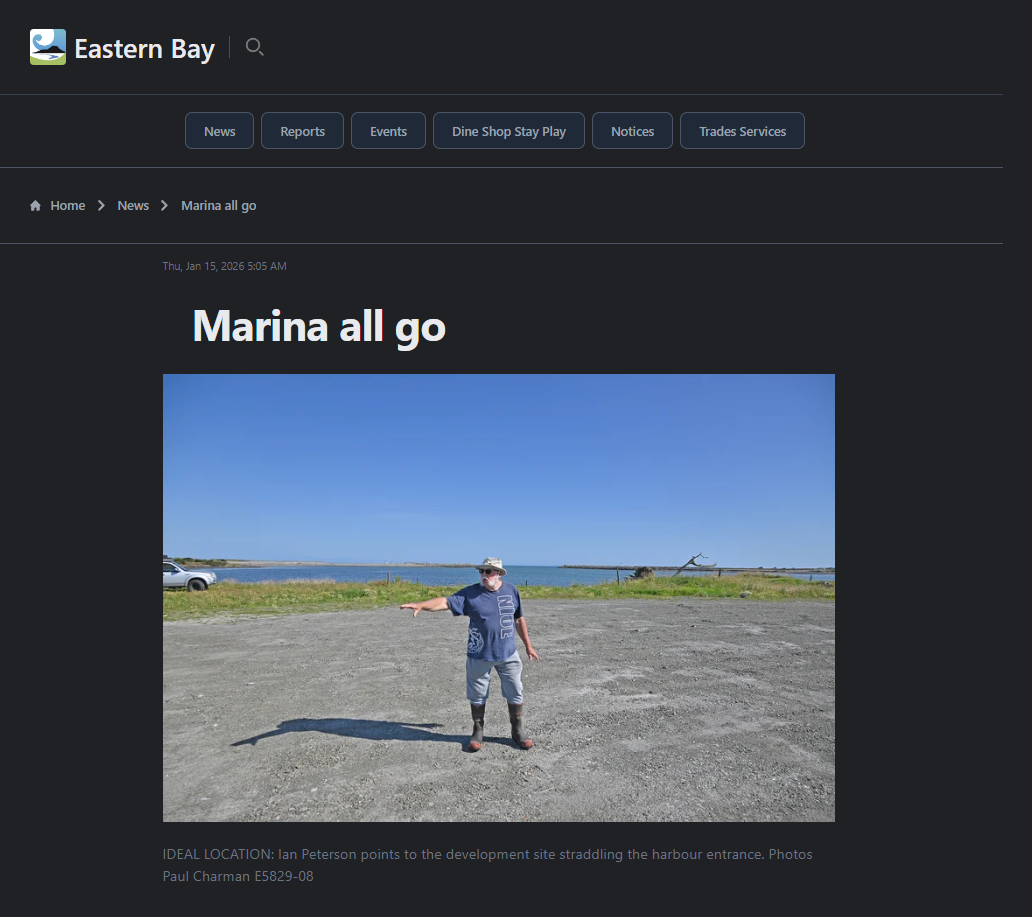
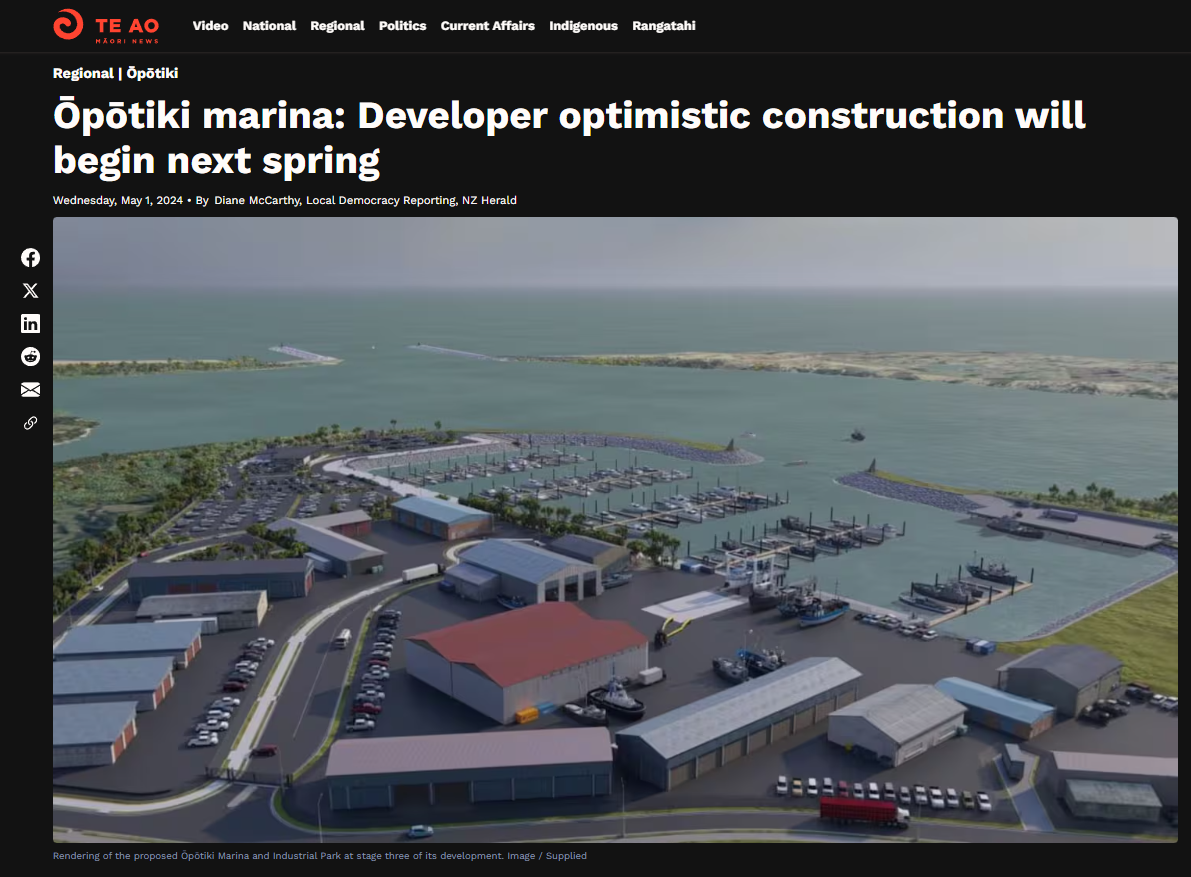
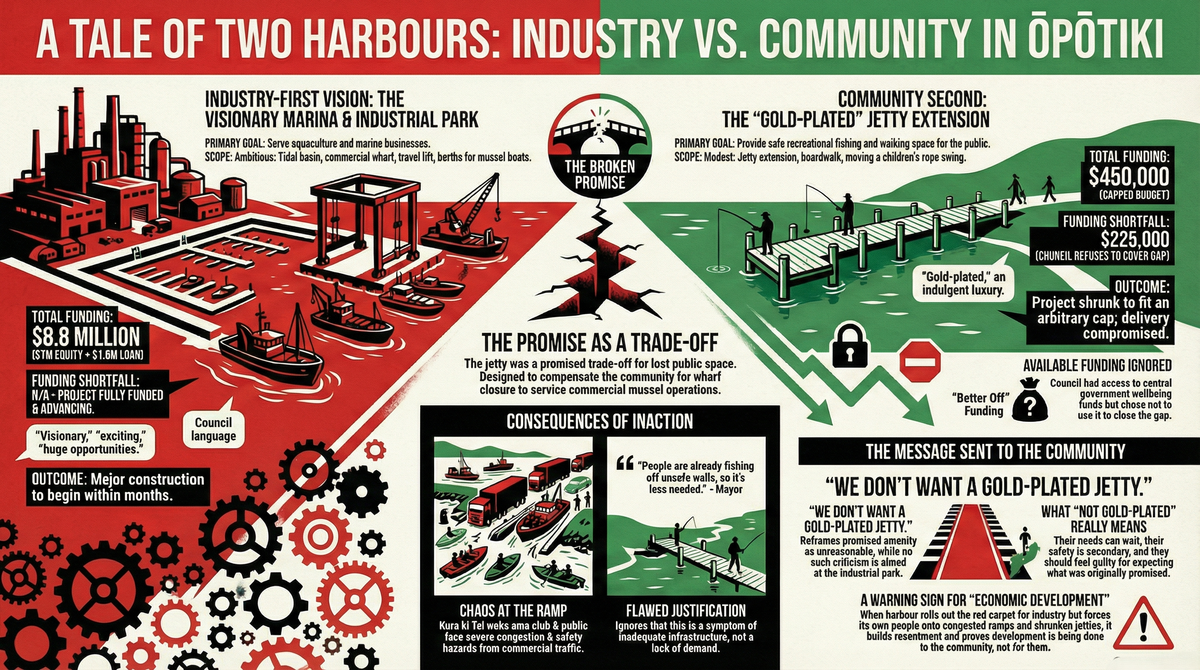
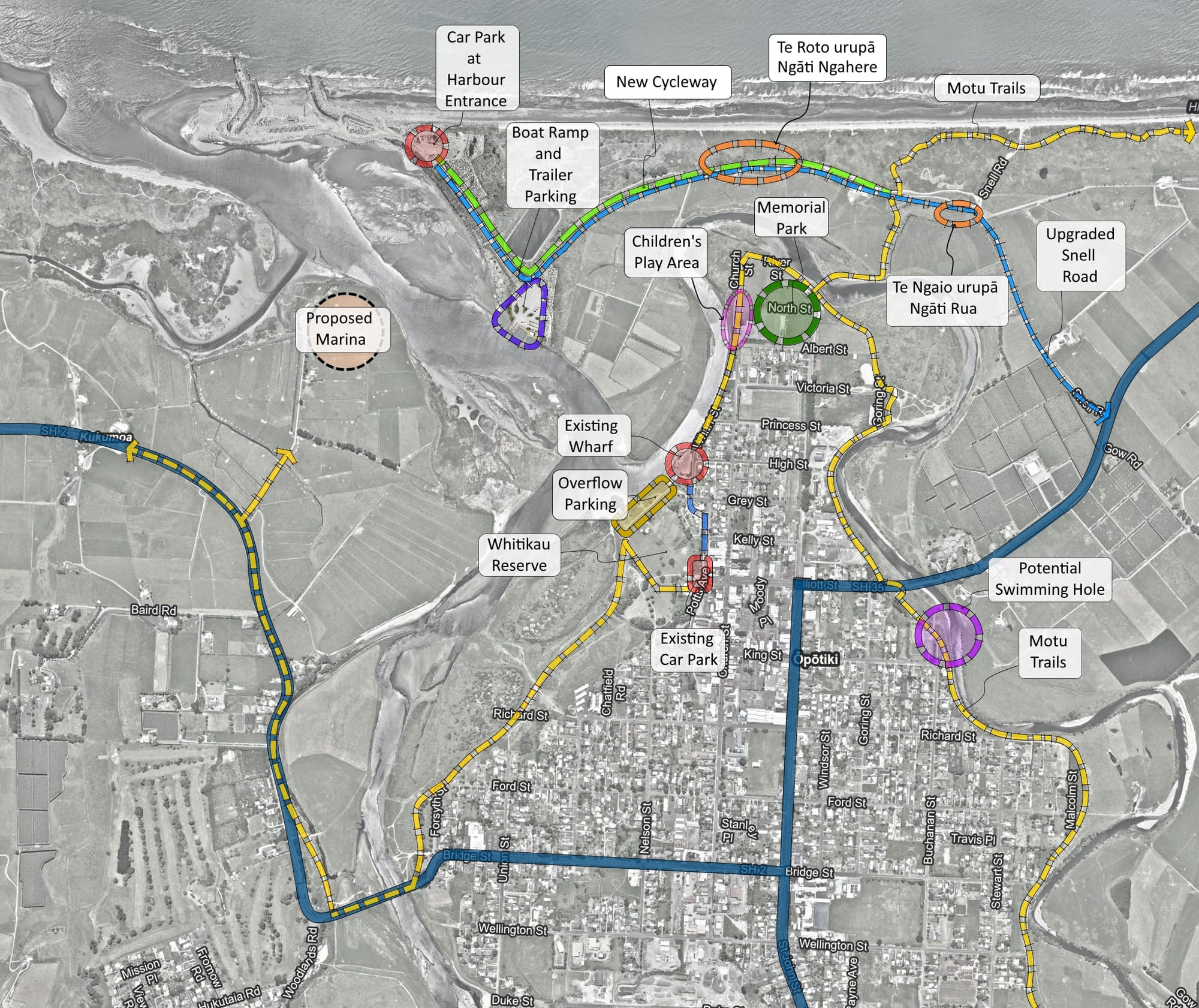
On one side: a privately led marina and industrial park, supercharged with millions in government growth funding and loans, all go and heading for major construction within months.
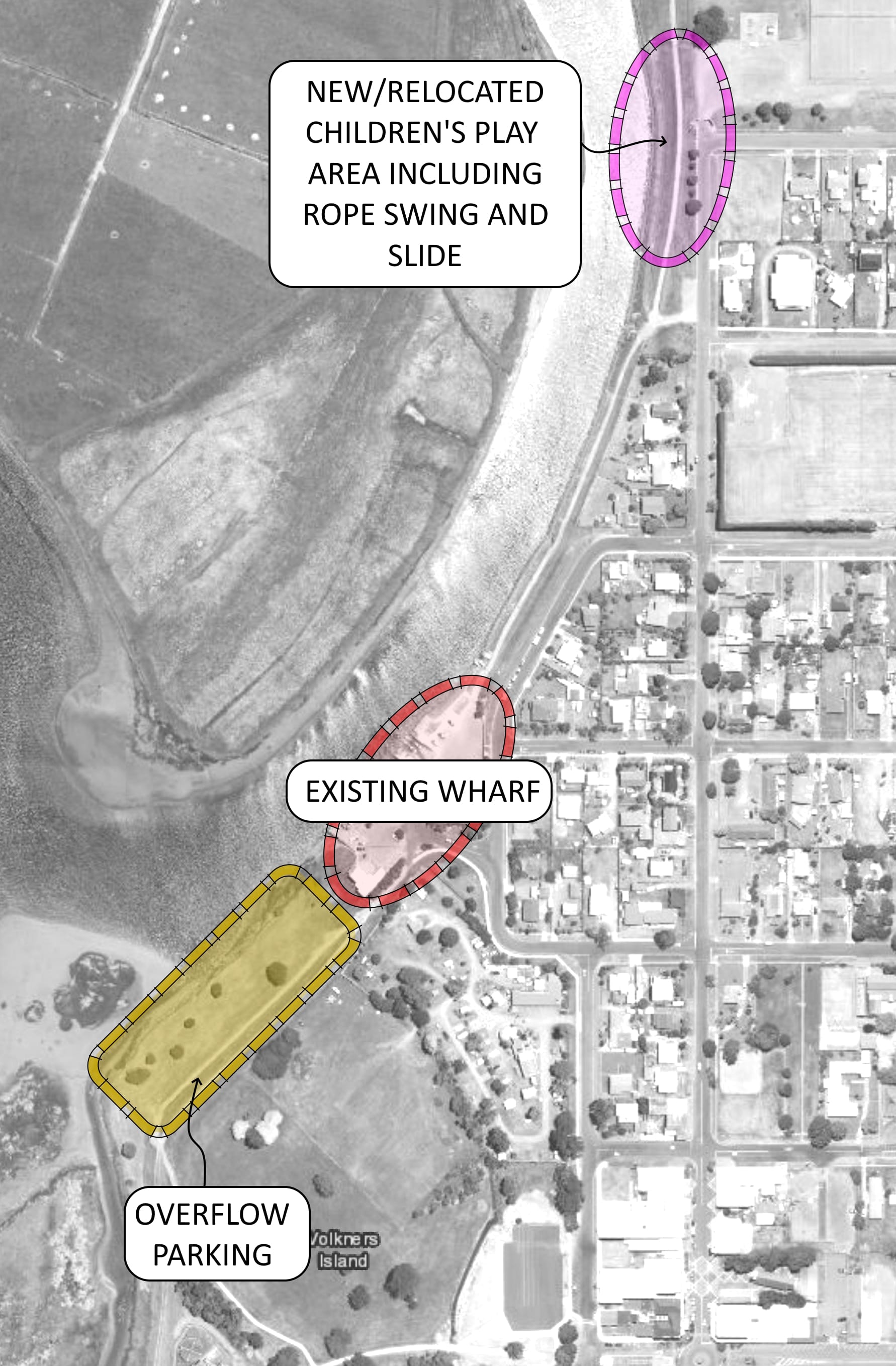
On the other: a modestly priced jetty extension and boardwalk, promised as a way to offset the public being pushed off their own wharf – now politically recast as a “gold‑plated” luxury and squeezed to fit an arbitrary cap, even though extra funding pathways are clearly available.
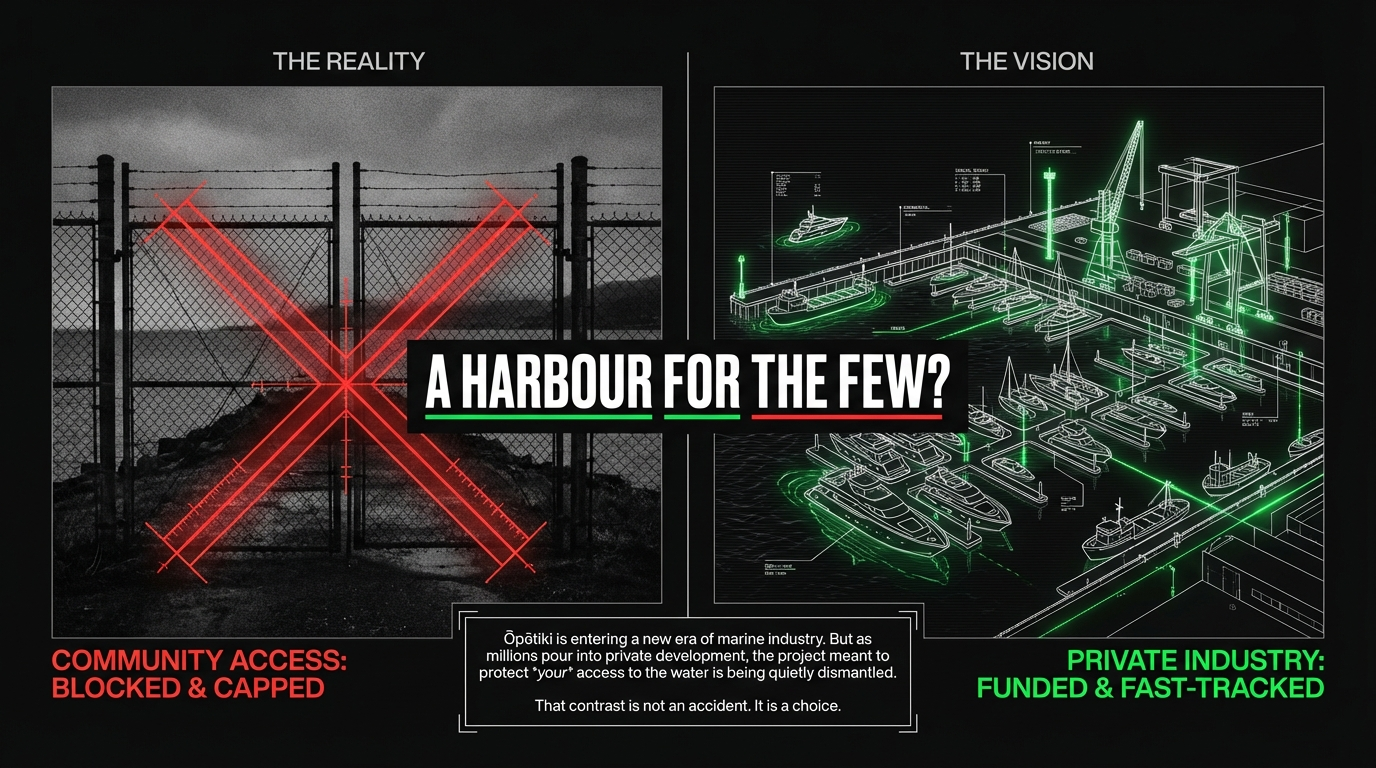
This is not fiscal prudence. It is a textbook example of how local government can bend over backwards for commercial and industrial users while gaslighting the community about what is “affordable” when it comes to basic public amenity.
A Tale of Two Harbours: Who Gets What, and Why
The facts speak for themselves.
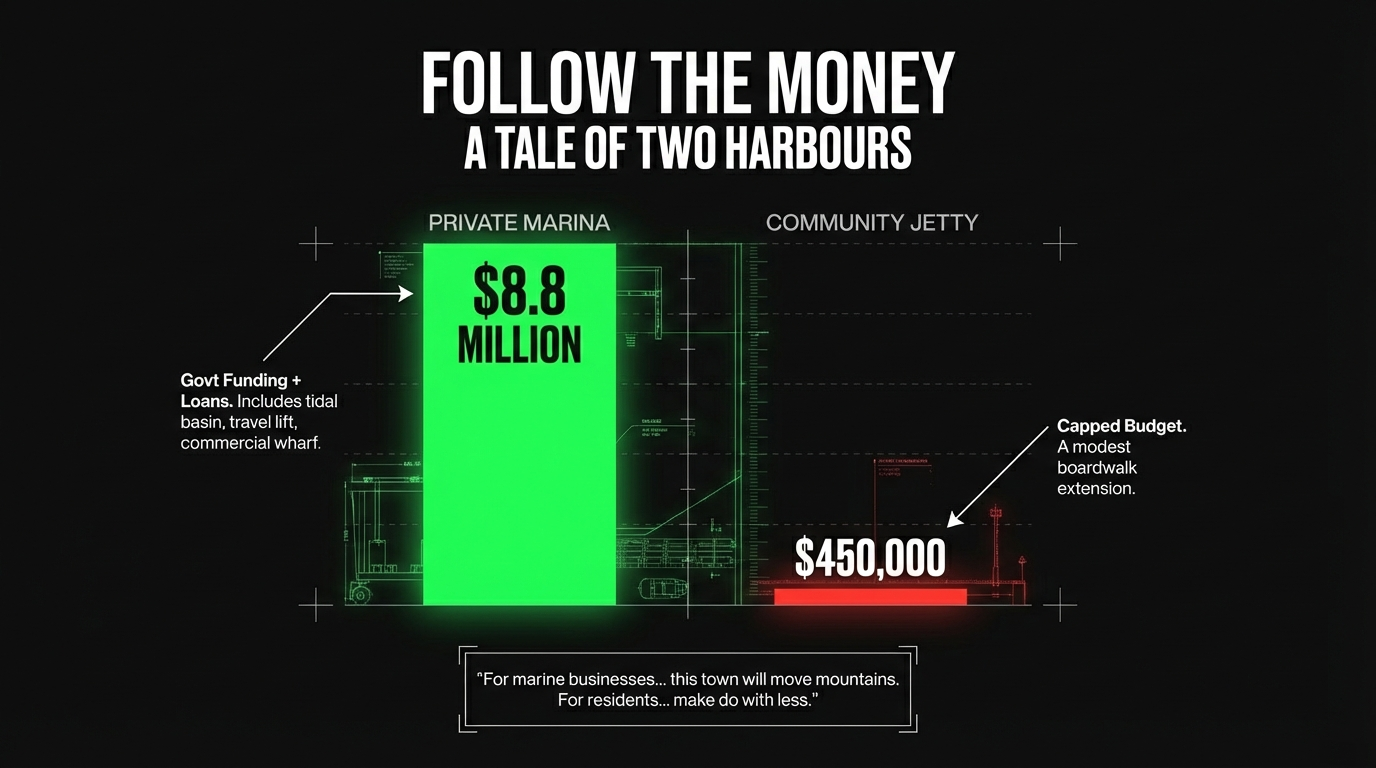
The Ōpōtiki Marina and Industrial Park, on land owned by local man Chris Peterson, has secured 7 million dollars in equity from the Provincial Growth Fund plus a 1.8 million dollar loan – roughly 8.8 million dollars in external funding to get the project moving. All consents are obtained, engineering is complete, iwi engagement is in place, and the developers expect major construction to begin within months.
The development is ambitious: a tidal basin about four metres deep to shelter boats, berths for Whakatōhea Mussels vessels, pleasure craft, a commercial wharf, a boat ramp, hard stand, and a large travel lift. There is even an industrial wharf that was meant to be Stage 2 but is now being pulled forward into the 2026 works if possible – to avoid wasting money on temporary structures.
For marine businesses and aquaculture operators, the message is clear: this town will move mountains, dredge basins, and pour millions into the waterfront to make your future easier.
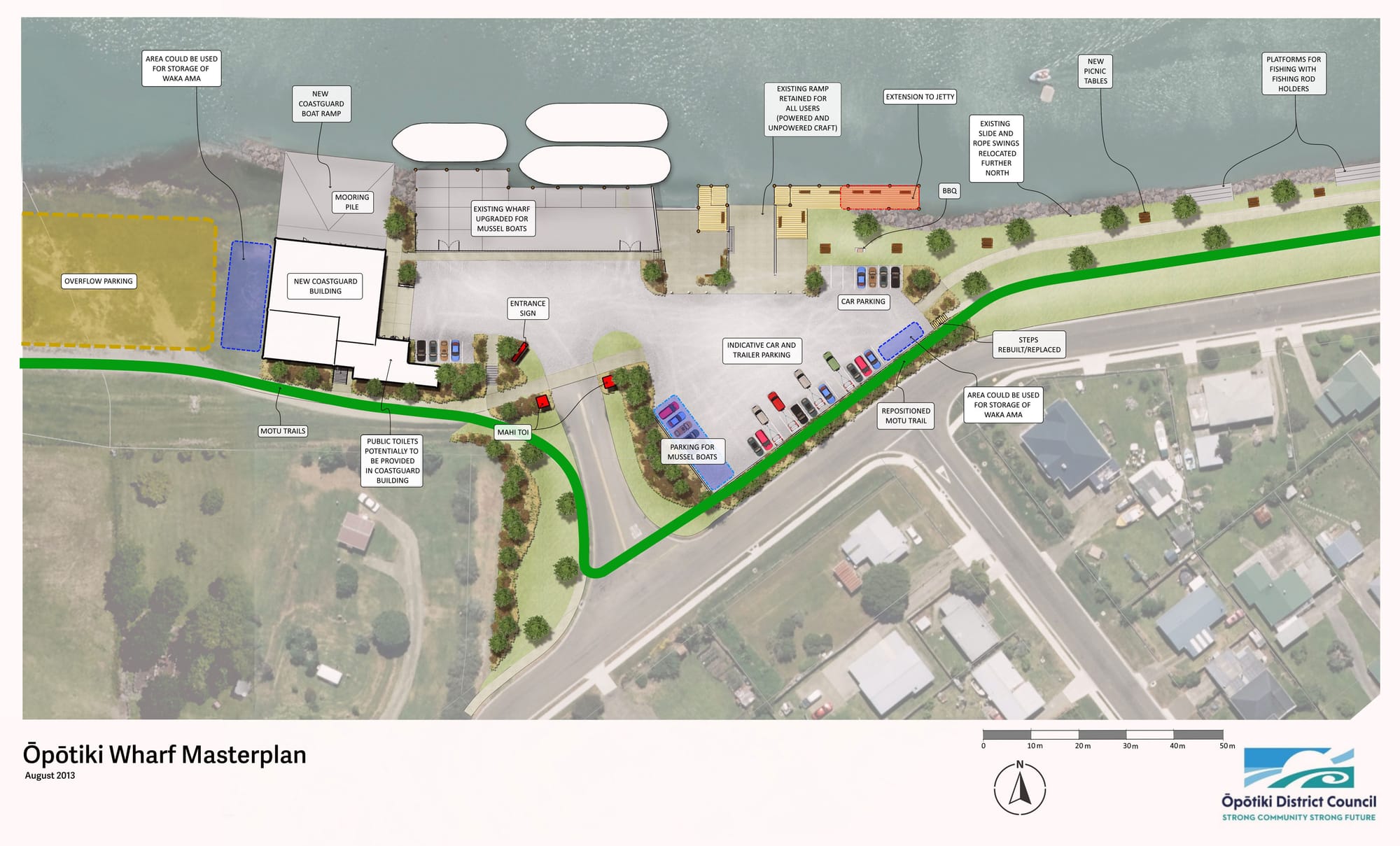
Now contrast that with the wharf jetty extension.
In other words, it was the quid pro quo: the community loses part of its traditional wharf space to commercial mussel boats, but gains a properly designed, safe jetty and shoreline access in return.
Council’s Long-Term Plan 2024–2034 allocated 450,000 dollars for the project, including moving children’s rope swing and slide. Updated engineering estimates put the real cost at 615,000 dollars, reflecting the construction inflation everyone in the country can see.
Instead, the mayor and councillors chose to refuse the extra 225,000 dollars and lock in a hard cap at 450,000 dollars. The mayor floated the idea of testing the market at that cap and “seeing what could be delivered” – code for building a smaller, compromised jetty.
Crucially, one councillor went further, declaring: “We don’t want a gold‑plated jetty.”
Against the backdrop of an almost nine‑million‑dollar marina and industrial build, that line is not just tone‑deaf. It is obscene.
“Gold-Plated” for the Public, Green Light for Industry
Look carefully at how language is being deployed.

When the subject is a marina and industrial park:
- Millions in equity and loans are framed as visionary investment.
- The project is described as “really exciting and satisfying” as groundwork pays off.
- A whole industry built around boat maintenance and boat building is celebrated as “huge opportunities” for Ōpōtiki.
No one calls the industrial wharf “gold‑plated.” No one frets publicly that a 7‑million‑dollar equity injection plus a multimillion loan might be a bit much.
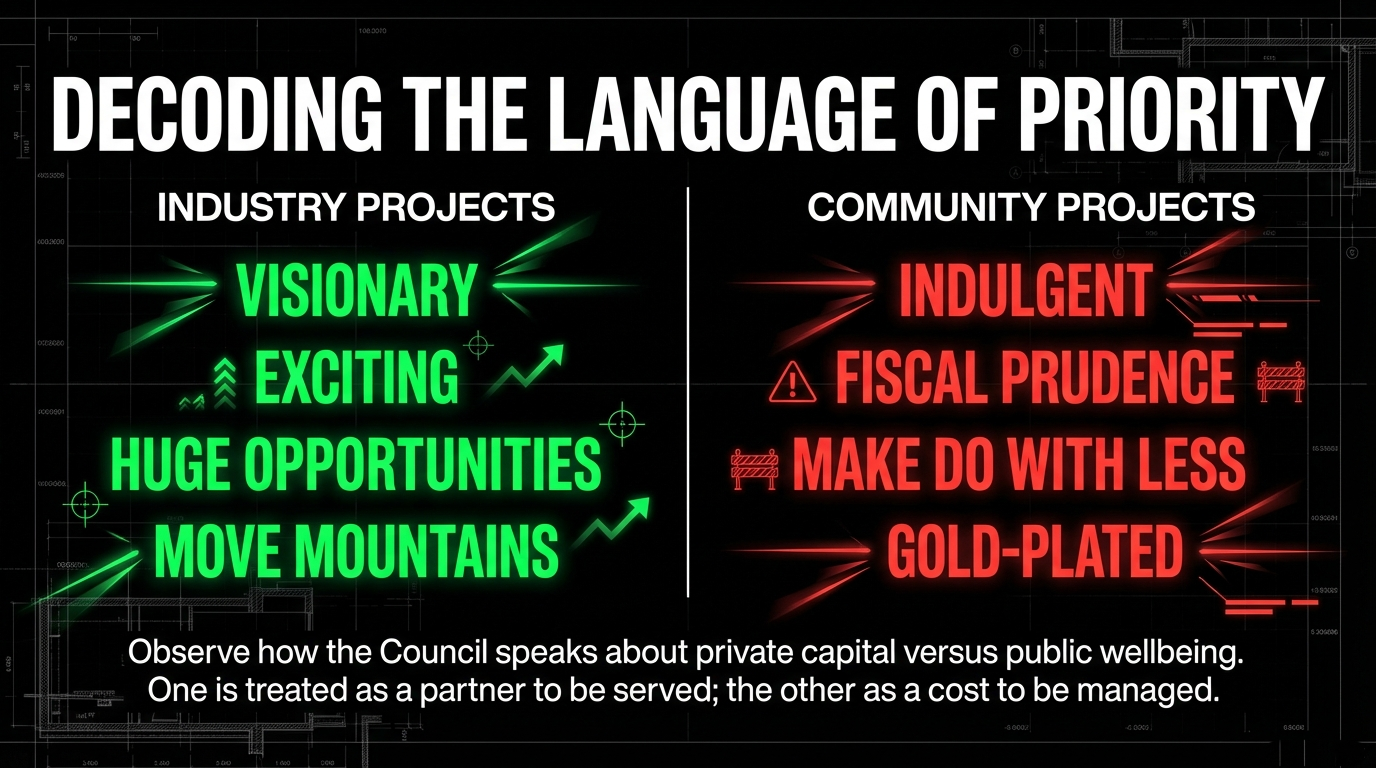
But when the subject is a modest community jetty – whose sole job is to give ordinary people safe access back to a harbour partially handed over to commercial mussel boats – suddenly 615,000 dollars is portrayed as indulgent. Suddenly, asking for 225,000 dollars more than a pre‑inflation paper budget becomes a threat to fiscal rectitude.
This is not about numbers. It is about who the council instinctively sees as deserving of full delivery and who is expected to make do with less.
The Harbour Walls as a Symptom of Design Failure
The mayor’s own justification makes this clearer. In arguing against further funding, he pointed out that the jetty is being utilised less and that people are fishing off the harbour walls despite signs telling them not to. The implication is clear: “The problem we were trying to solve isn’t that big anymore.”
That line would be laughable if it were not so dangerous.
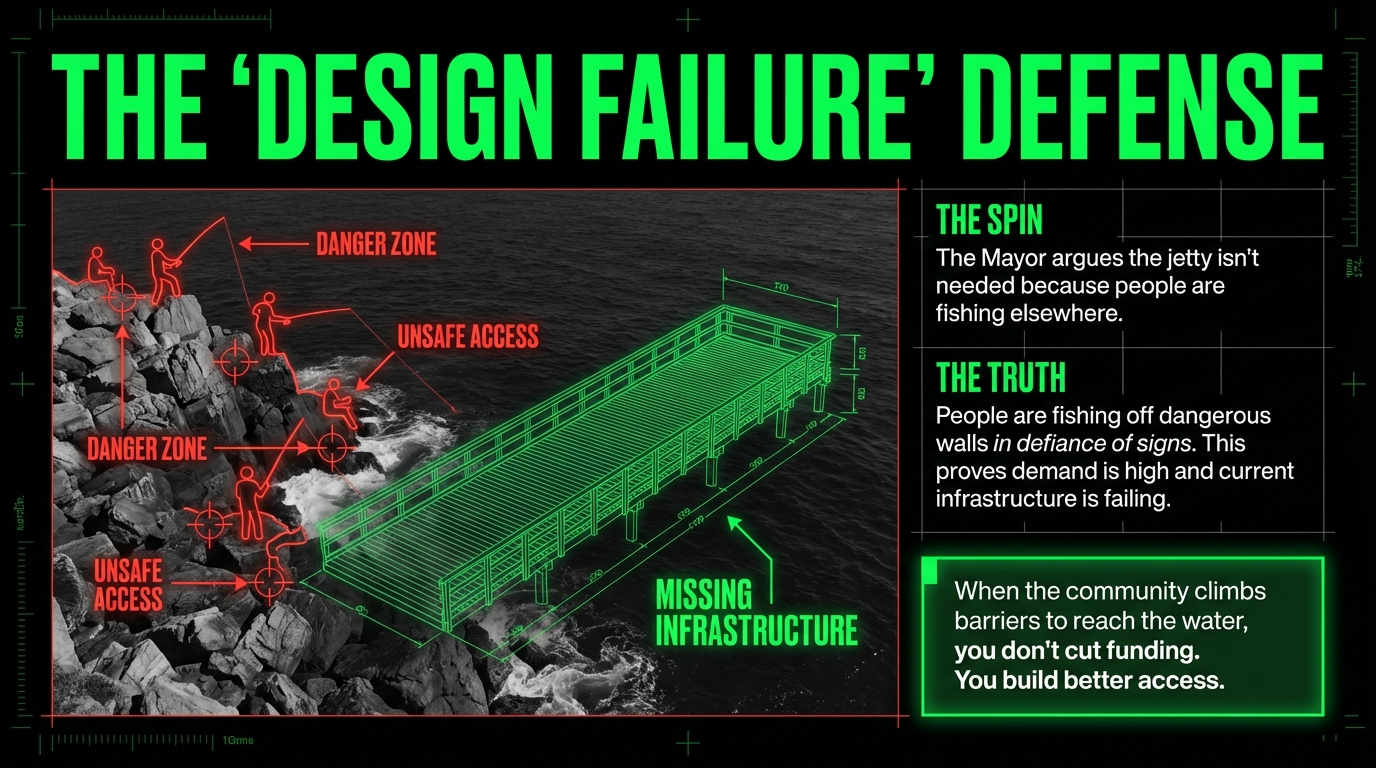
People fishing off harbour walls in defiance of signage is not proof that the jetty is unnecessary. It is proof that:
- Demand for safe, accessible fishing and waterfront space has not gone away, and
- Current infrastructure is not meeting that demand.
When people vote with their feet – and their rods – and go where they should not, despite warnings, that is a design failure, not a justification to give up on better design.
The jetty and boardwalk were meant to be the structural answer to this problem: move people off risky, congested or industrial areas, and onto dedicated, safe public spaces that recognise their right to be at the water’s edge. Shrinking or downgrading that response because “people are already fishing somewhere else” is cowardice masquerading as pragmatism.
Better Off Funding: Money for Community Wellbeing Left on the Table
Perhaps the most damning part of the jetty story is the quiet ghost in the room: Better Off Funding.
If a jetty and boardwalk to replace lost public wharf space, provide safe fishing and walking areas, and maintain ordinary residents’ connection to a dramatically changing harbour is not “community wellbeing,” then the phrase has lost all meaning.
Council had, in effect, a pot of funding earmarked for exactly this kind of project, and chose not to commit to using it to deliver the jetty as originally planned. Instead, they signalled a willingness to build something smaller and cheaper, and worry about whether more is needed later.
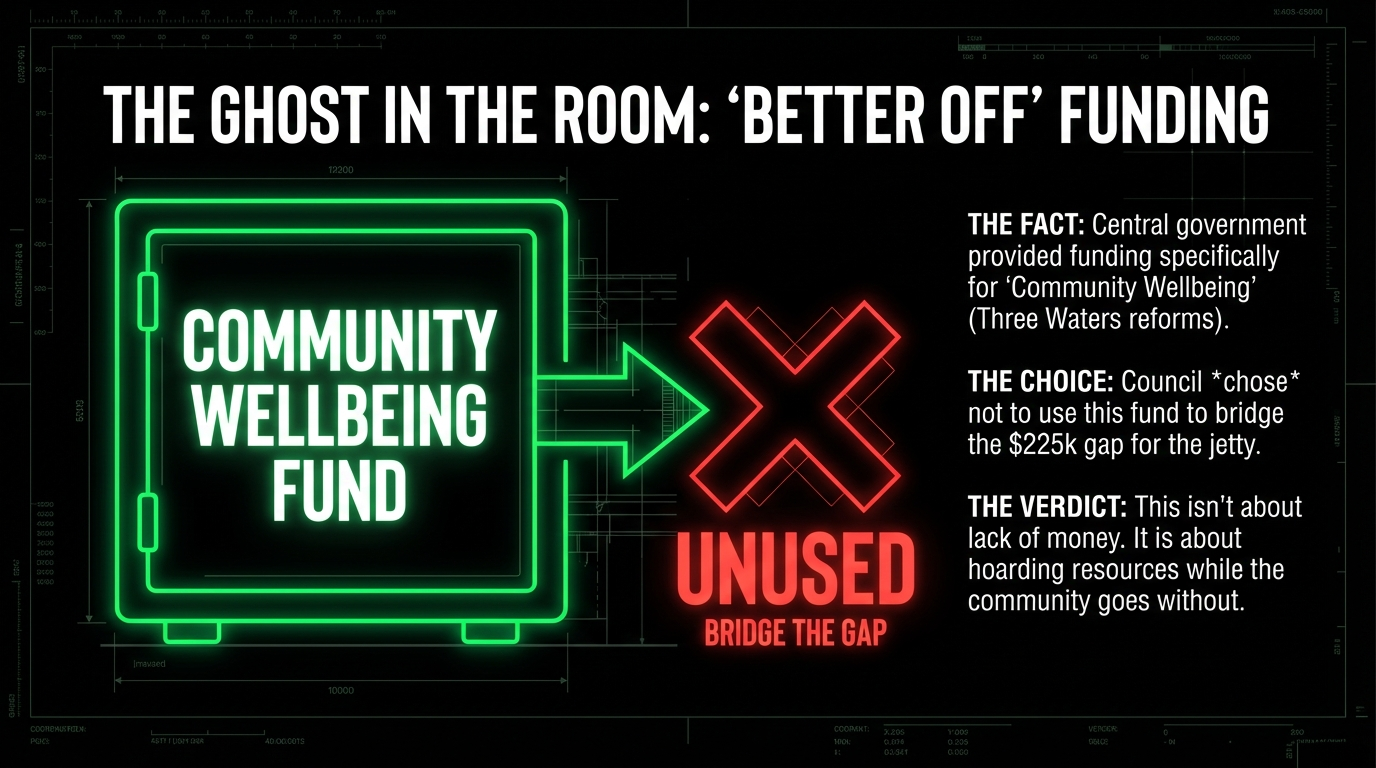
That is not prudence. It is political hedging: keep the books neat in the short term, and hope no one notices how much was quietly taken off the table.
The Social Licence Problem: You Cannot Industrialise a Harbour and Starve Its People of Access
Economic development is not inherently bad. Aquaculture, boat maintenance, and marine industry can bring much‑needed jobs and diversification to a small town. That is the sales pitch behind the marina and industrial park, and there is truth in it.
But large‑scale reconfiguration of a harbour always comes with a moral obligation: to ensure that the people who live there do not become mere spectators to a waterfront designed primarily for commercial operators and private capital.
The Wharf Masterplan appeared to recognise this. It promised tangible compensations for the public: fishing space, a boardwalk, acknowledgement that losing part of the wharf to mussel boats had a cost that had to be repaid in kind.
By refusing to fully fund the jetty extension and leaving its scale and timing to the mercy of an arbitrary cap, Ōpōtiki’s leaders are undermining that social contract. They are sending a blunt message:
- For industry, there will be dedicated berths, engineered basins, industrial wharves, and timely construction.
- For residents, there may be a smaller‑than‑promised jetty someday, if costs behave themselves and the bids line up just right.
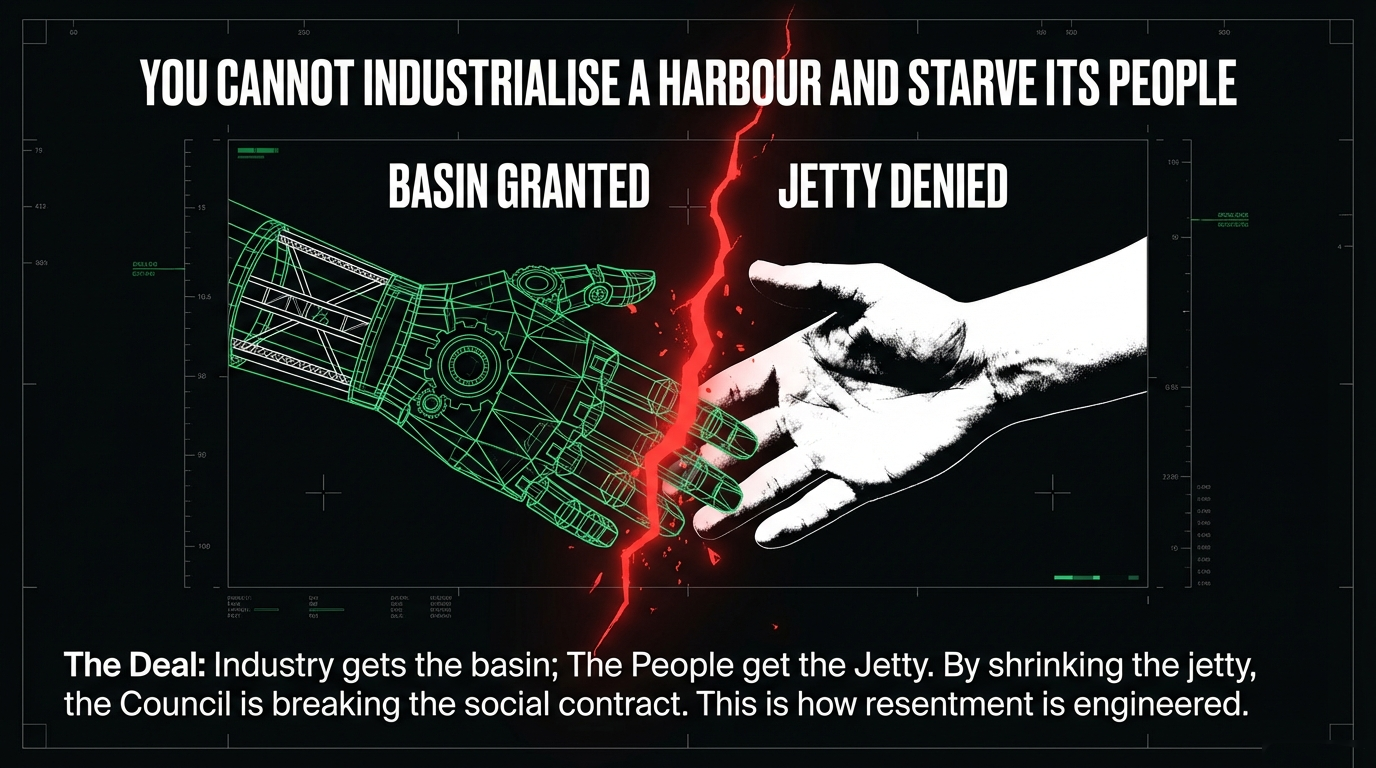
This is how resentment builds. This is how communities decide that “economic development” is something done to them, not with them or for them.
“We Don’t Want a Gold-Plated Jetty”: What That Really Means
That single line from a councillor – “We don’t want a gold‑plated jetty” – deserves to be remembered, because it crystallises the underlying attitude.
It says:
- The public should feel slightly guilty for asking for what was actually promised.
- The problem is not rising construction costs or under‑budgeting; the problem is supposedly public expectation.
- The very idea of building the jetty to a standard that properly serves people over time is rebranded as excess.
Meanwhile, no equivalent moralising language is applied to the far larger, far more expensive industrial facilities rolling ahead down the harbour.
A jetty that finally acknowledges local people’s right to occupy the water’s edge is not “gold‑plated.” It is bare minimum civic decency in a town whose harbour is being structurally reshaped for commercial gain.
The Reality on the Ground: Congestion, Conflict, and Community Squeezed Out
While councillors debate in chambers about what Ōpōtiki can “afford,” the real-world consequences are already playing out at the boat ramp – where the abstract talk of trade-offs meets the concrete reality of community members trying to do what they have always done.
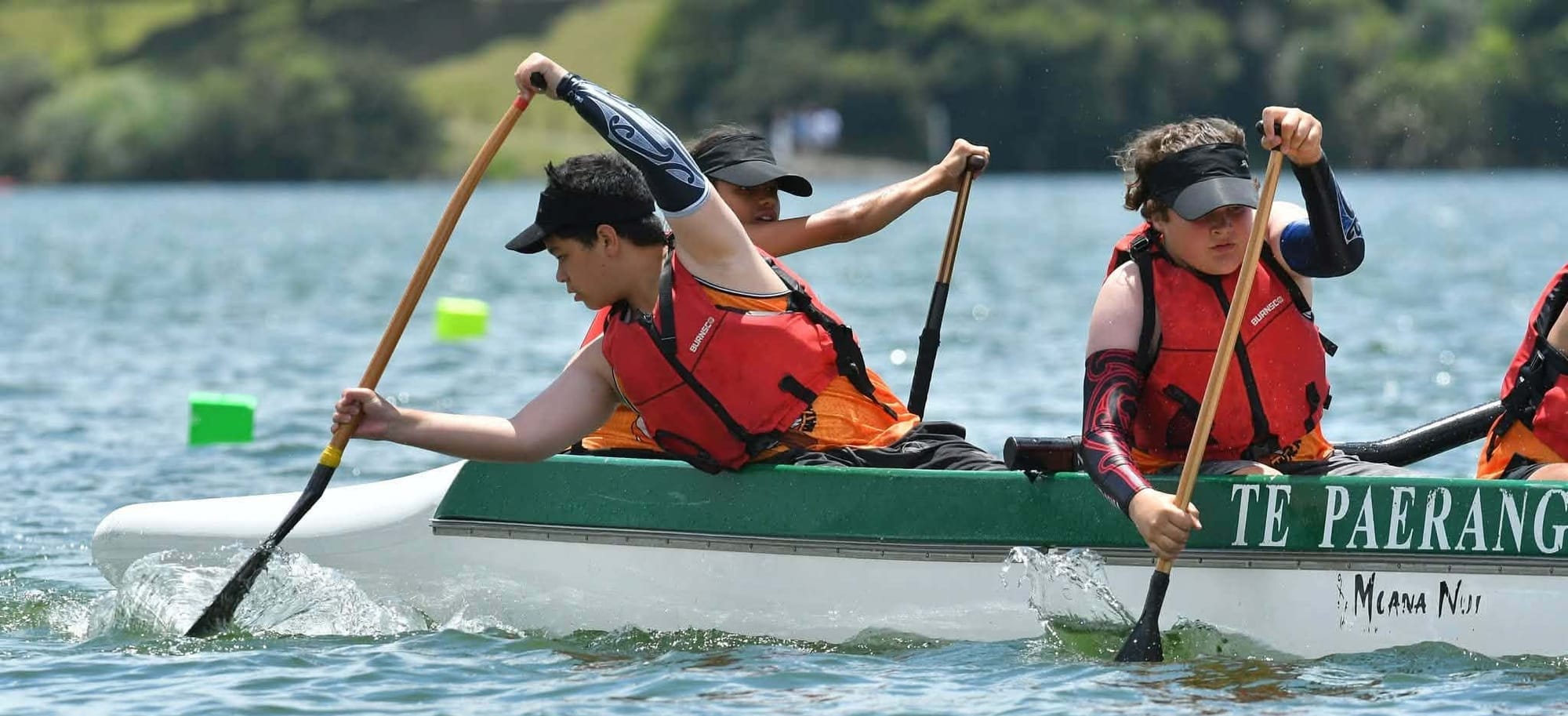
The Kura Ki Tai Waka Ama Intermediate Boys at 2026 Waka Ama Nationals
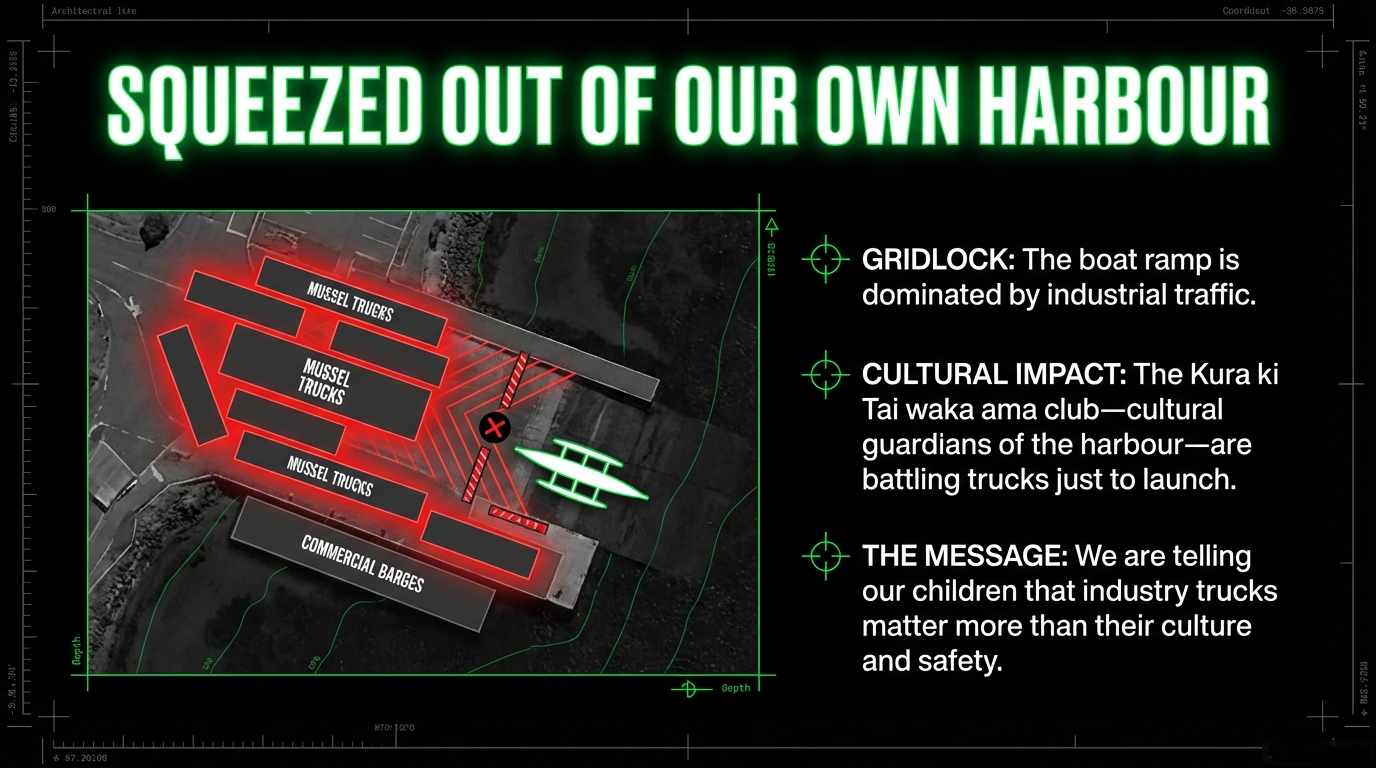
The Kura ki Tai waka ama club, along with many other members of the public, relies on the Ōpōtiki boat ramp to launch their waka, which are stored with support from the Ōpōtiki Coast Guard. These are not luxury users. They are part of the town’s cultural and recreational fabric. The club and others are avid users of this space – it is their harbour access point, and it matters deeply to them.
But here is what is actually happening: half the area is now taken over by the mussel boats for private commercial use. Large trucks enter the small space regularly, servicing the mussel operation. And during peak usage over summer – exactly when Kura ki Tai and other recreational users need the ramp most – the space becomes a genuine congestion hazard.
This summer has already shown the problem in full. Imagine being a member of Kura ki Tai, ready to launch a waka, only to find the ramp gridlocked with industrial traffic, with mussel boats dominating the mooring space that used to be available for community use. Imagine trying to explain to young people learning waka ama that yes, this is your harbour, but no, you cannot really use it right now because trucks are in the way.
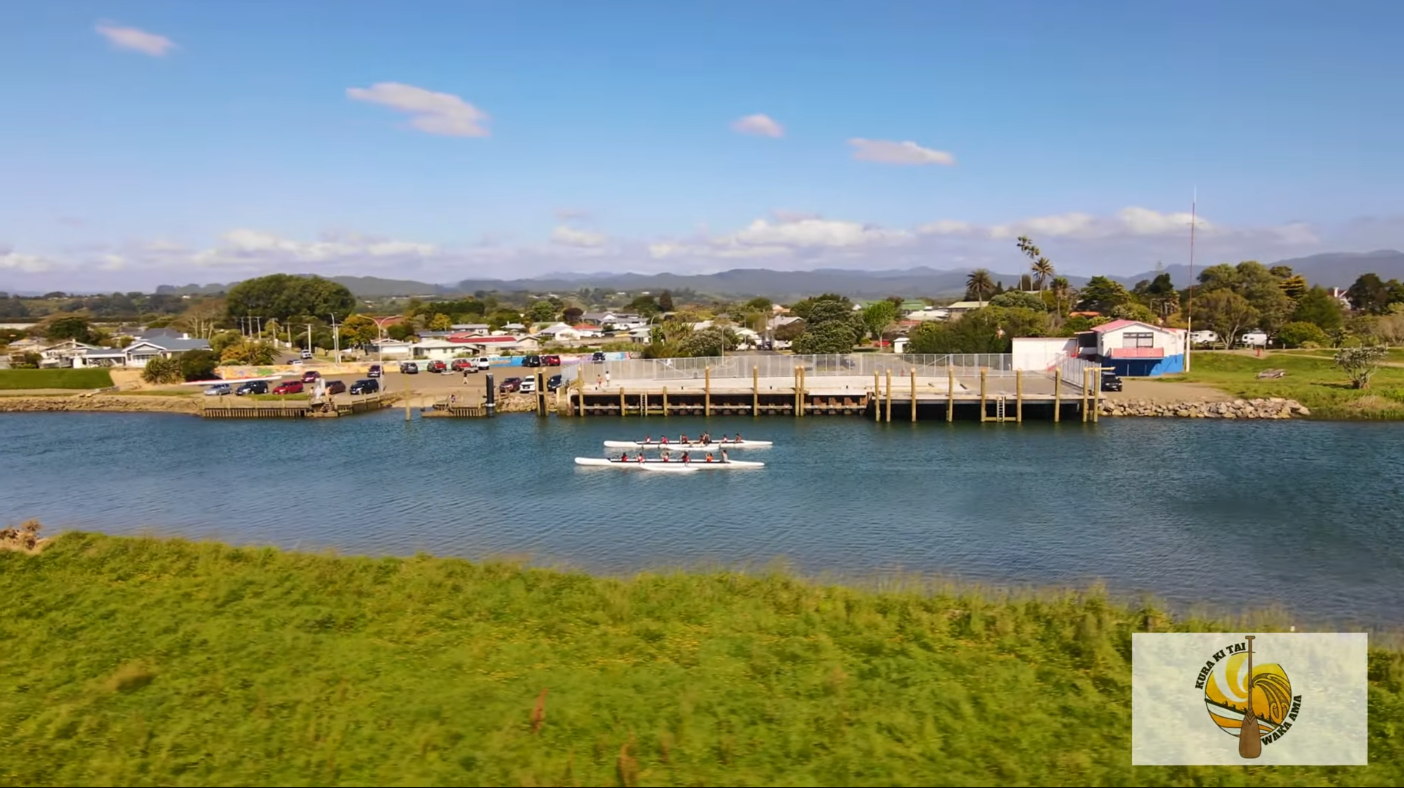
Kura Ki Tai Waka Ama Practice on the Otara River - Ōpōtiki Boat Ramp
This is not “gold-plating” being denied. This is public safety and cultural access being actively degraded in real time, while council votes to cap the mitigation project at pre-inflation prices.
When Councillor Barry Howe declares “we don’t want a gold-plated jetty,” he is speaking from a chamber where congestion is theoretical. He is not the one navigating a gridlocked boat ramp at peak summer. He is not the one explaining to Kura ki Tai members why their traditional access point has become a bottleneck for commercial operations.
The jetty extension and boardwalk were supposed to fix this. They were supposed to say: “Yes, we are reshaping this harbour for mussel aquaculture and industry, but we are not abandoning you. Here is your dedicated space. Here is where you belong.”
Instead, by capping the jetty project and forcing a smaller scope, the council is essentially telling Kura ki Tai, the fishers, the families, and everyone else who does not operate a commercial boat that their needs can wait, their safety is secondary, and the “gold-plated” thinking is actually the idea that they deserve the harbour they have always used.
The congestion at the boat ramp this summer was not a hypothetical problem. It was a warning. And instead of responding by finally delivering the jetty and boardwalk at the scale needed, the council is shrinking the solution.
What Accountability Would Look Like
If this story is going to change course, it will not be because councillors suddenly grow a conscience. It will be because residents refuse to let this be quietly written off as an unimportant cost overrun.
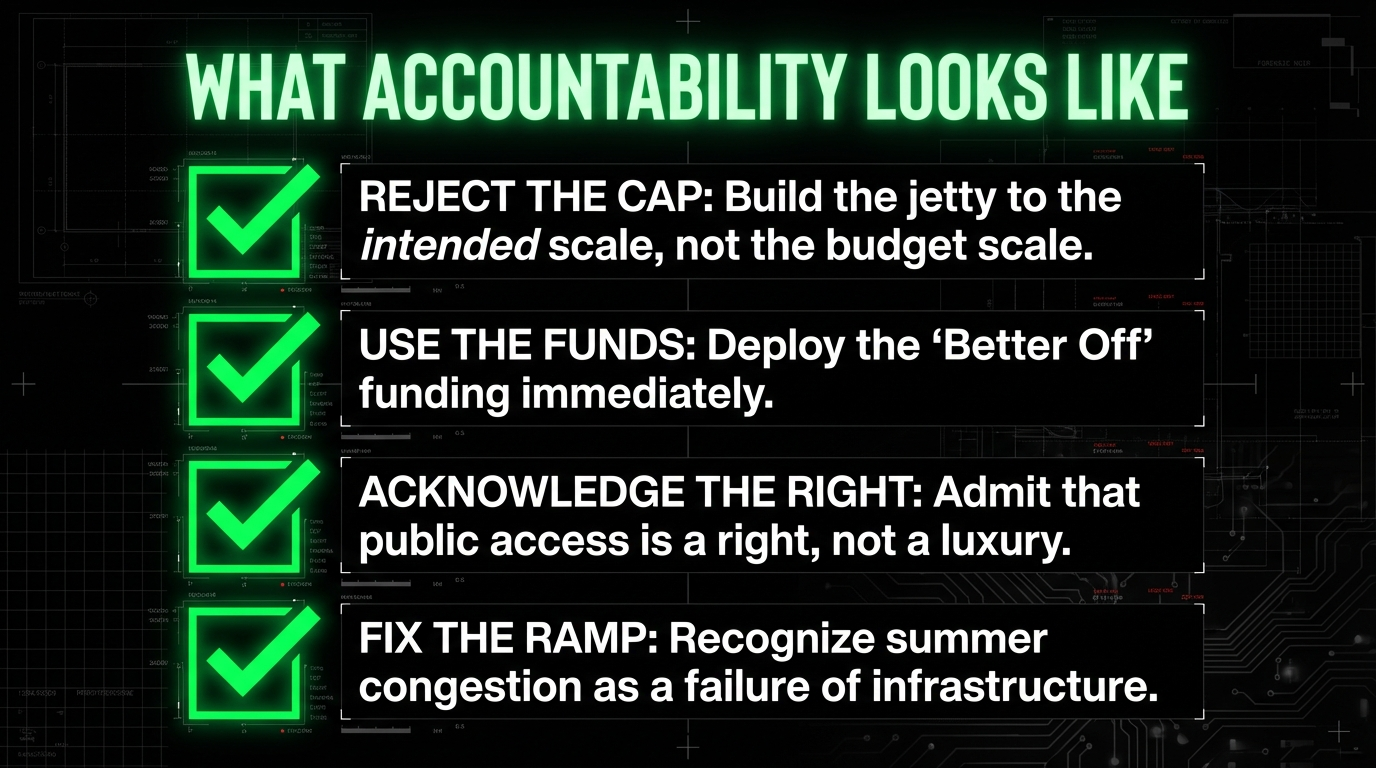
Real accountability would look like:
- Public insistence that the jetty and boardwalk be built at the originally intended scale, not shrunk to fit a pre‑inflation number.
- Transparent use of Better Off Funding – money already labeled for community wellbeing – to close the gap, instead of hoarding it or diverting it away from the very public who are giving up wharf space.
- An honest admission that you cannot industrialise a harbour and then cut corners on the one key piece of infrastructure that keeps the community connected to it.
- Recognition that summer congestion at the boat ramp is not a planning problem to manage – it is a sign that the harbour’s public infrastructure is broken, and the jetty extension is how you fix it.
Until that happens, every artist’s impression and press release about a thriving, revitalised Ōpōtiki harbour should be read with scepticism. A harbour that rolls out the red carpet for mussel boats and marine industry while forcing its own people onto congested ramps, harbour walls, and shrunken jetties is not a success story. It is a warning.
Ōpōtiki is being asked to celebrate a future where the boats get the best of the harbour, the investors get the returns, the Kura ki Tai club and everyday users get gridlock and congestion, and the public get told to be grateful for whatever is left – so long as it is not “gold‑plated.”
That is not a vision. It is an insult.

Ivor Jones The Māori Green Lantern Fighting Misinformation And Disinformation From The Far Right