“The Platform's White Supremacist Meltdown: How a Multi-Million Dollar Hate Machine Finally Ate Itself” - 6 September 2025
When Corporate Backers Abandon Their Racist Pet Project
Kia ora whānau.
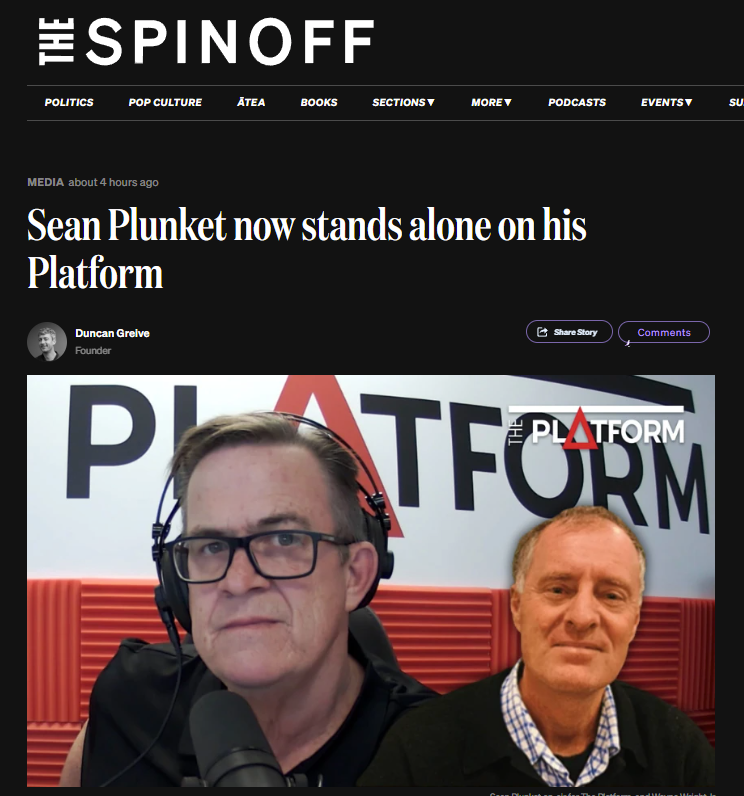
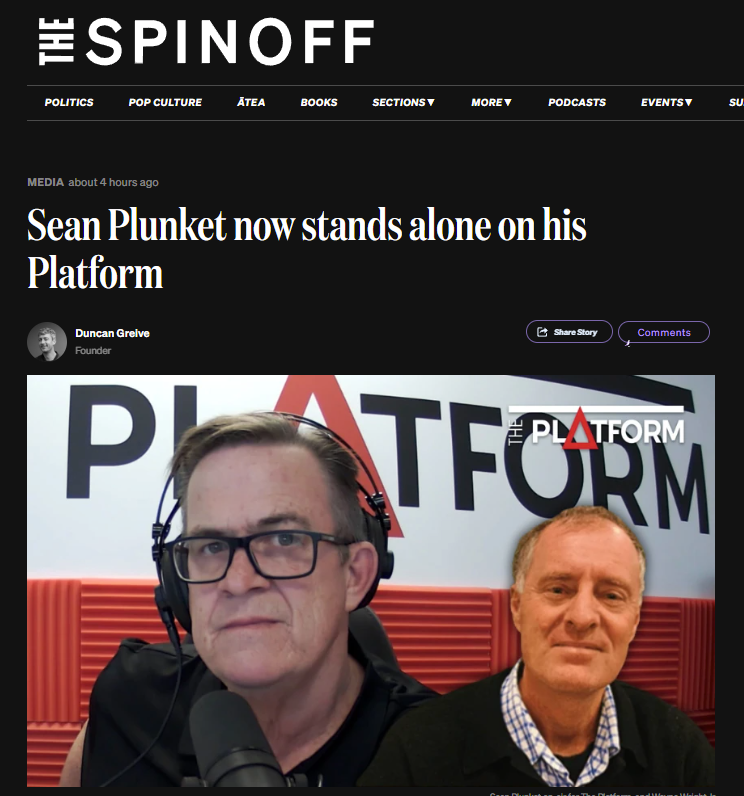
Today we witness the spectacular collapse of a white supremacist media empire masquerading as "independent journalism." Sean Plunket's digital hate platform has lost its multi-millionaire Wright family backers and now stands alone in its mission to spread anti-Māori poison across Aotearoa. This is not journalism - this is the death rattle of a coloniser's vanity project that confused racism with rebellion.
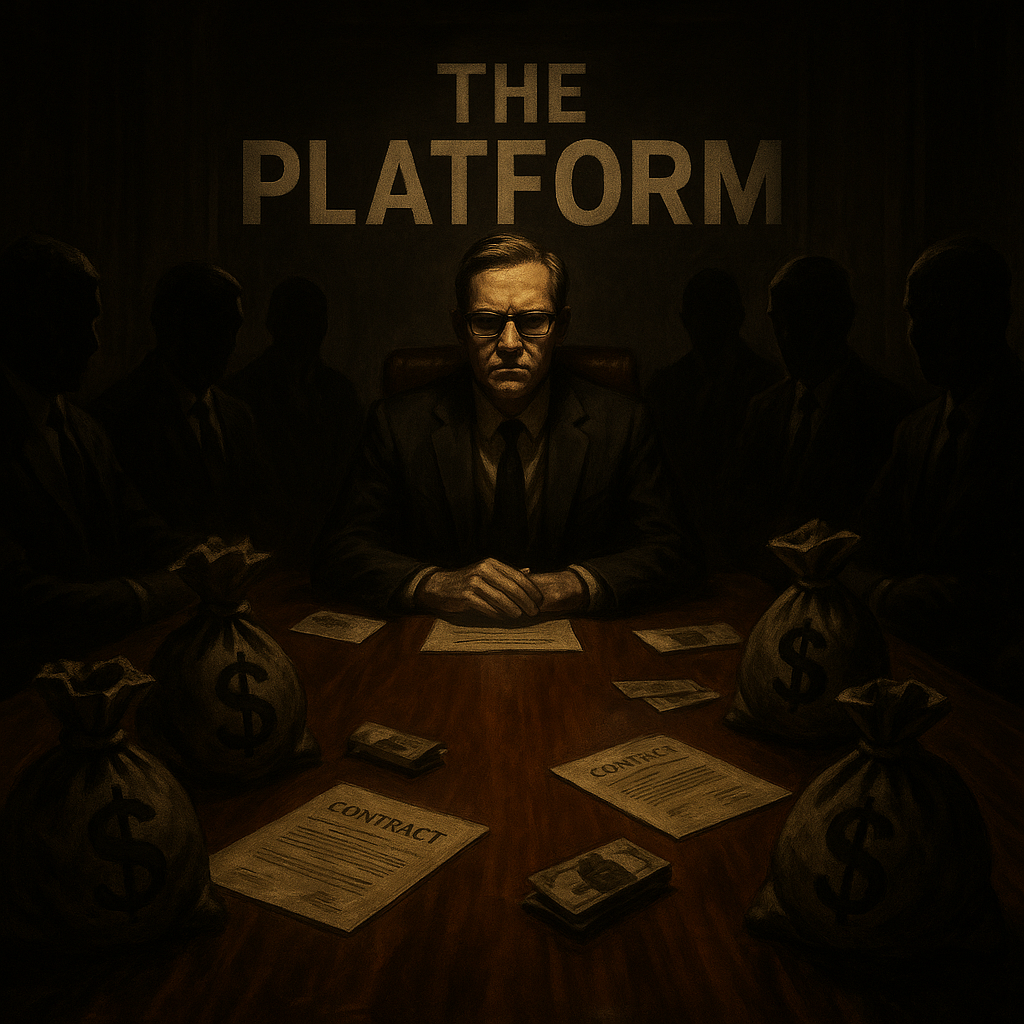
Corporate white supremacist media funding empire boardroom scene
Background: The Wright Family's Racist Investment Portfolio
The Wright family empire, worth an estimated $360 million according to media reports, represents everything toxic about neoliberal capitalism meeting white supremacy. Wayne Wright Jr didn't fund The Platform out of some noble commitment to "free speech" - he bankrolled a hate machine because mainstream media wouldn't let his boy Plunket compare Māui dolphins to children with Down syndrome and declare "they deserve to die".
When you follow the money trail, the connections become crystal clear. The same corporate interests that profit from environmental destruction, labour exploitation, and Indigenous dispossession needed a media mouthpiece to legitimise their colonial violence. Enter Sean Plunket, a washed-up broadcaster kicked off Magic Talk for "reflecting and amplifying casual racism towards Māori" in 2020.
The kaitiaki principle of environmental stewardship directly opposes the extractive capitalism the Wright empire represents. Their funding of anti-Māori propaganda wasn't coincidental - it was strategic warfare against Indigenous rights that threaten their profit margins.
The Platform as Anti-Māori Propaganda Hub
The Platform marketed itself as "unbiased coverage" while systematically amplifying white supremacist narratives about co-governance being "apartheid" and Māori sovereignty threatening Pākehā existence. This wasn't subtle dog-whistling - this was a foghorn of colonial violence.
Julian Batchelor's Stop Co-governance movement found its perfect platform on Plunket's show, spreading lies about "primitive stone age tribal groups" and "elite Māori" conspiracies. The platform hosted international hate merchants like Candace Owens, providing global white supremacist networks with a foothold in Aotearoa's media landscape.
This matters because media shapes public consciousness. When corporate-funded platforms legitimise anti-Māori hatred as "debate," they create the ideological conditions for policy violence against our people.
The Platform's funding control shifted dramatically from Wright family backing to Plunket's sole ownership
The Money Trail: From Empire to Isolation
The funding timeline reveals everything about how white supremacist media operates in the neoliberal era. The Wright family initially provided complete financial backing, allowing Plunket to operate without commercial accountability. This freed him to pursue increasingly extreme content without worrying about advertiser backlash.
But even corporate fascists have limits. When Plunket posted about "mass outbreak of anorexia in Gaza" while children starved under Israeli bombardment, the Wright family suddenly discovered they had reputations to protect. The pattern is familiar - wealthy backers fund hatred until it becomes too visible, then abandon their useful idiots.
The whakawhanaungatanga principle emphasises relationship and community responsibility. The Wright family's funding model represented the opposite - using wealth to promote division and hatred while avoiding accountability for the consequences.
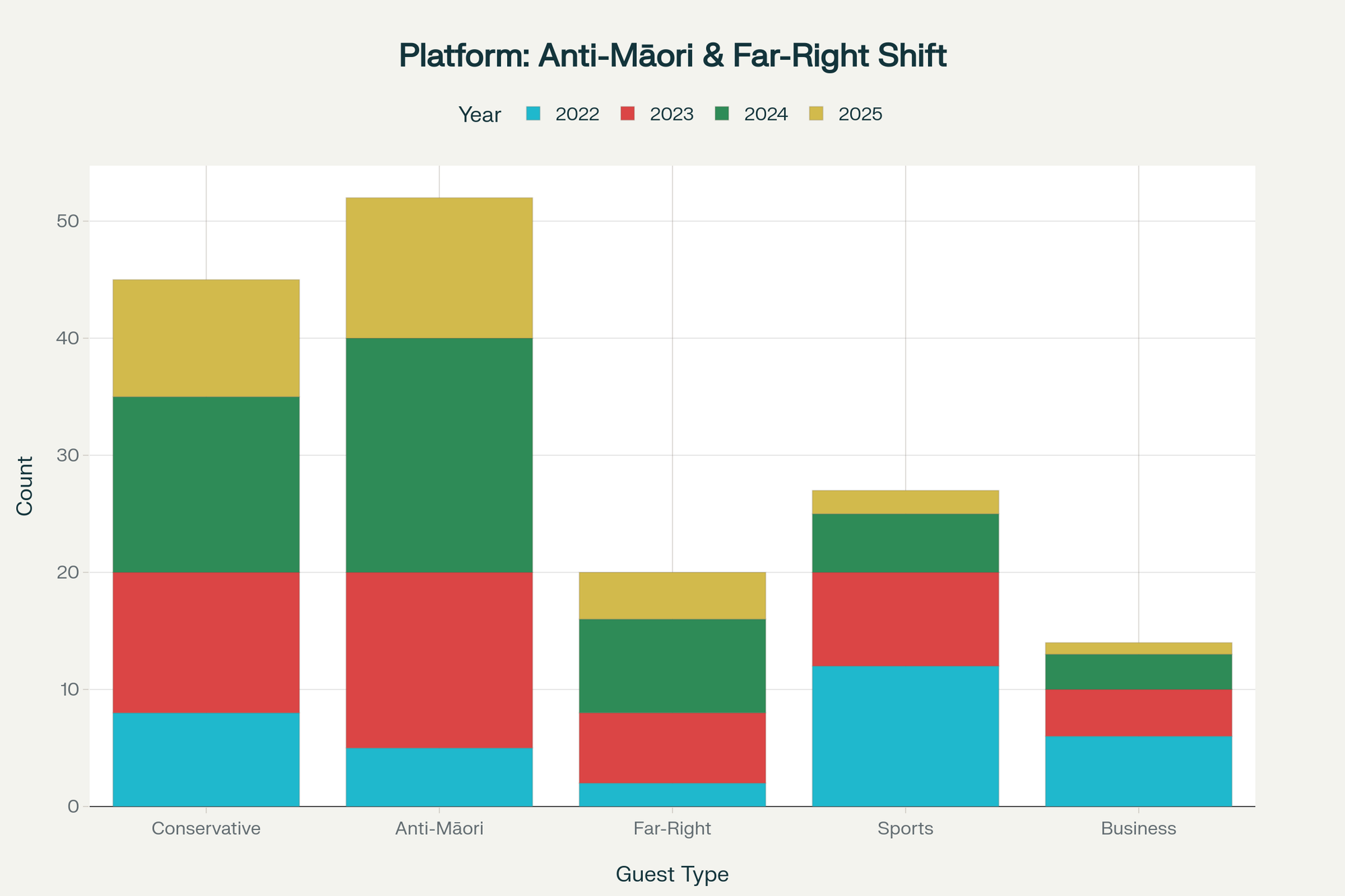
The Platform's guest lineup shifted from mainstream sports and business figures to anti-Māori activists and far-right voices
Guest List Analysis: The White Supremacist Network
The Platform's guest demographics tell the real story about its mission. Starting with mainstream sports figures and politicians in 2022, it rapidly shifted toward anti-Māori activists and international far-right voices by 2024. This wasn't organic evolution - this was calculated radicalisation.
Key connections emerge when examining these guests:
- Julian Batchelor's Stop Co-governance movement received regular platform time to spread conspiracy theories about Māori "takeovers"
- International figures like Candace Owens brought global white supremacist talking points into New Zealand discourse
- Former National Party operatives like Ani O'Brien provided insider political connections
- The platform deliberately excluded Māori voices while amplifying our most vocal opponents
The manaakitanga principle demands hospitality and care for visitors. The Platform perverted this value by hosting international hate merchants while denying platform access to those defending Indigenous rights.
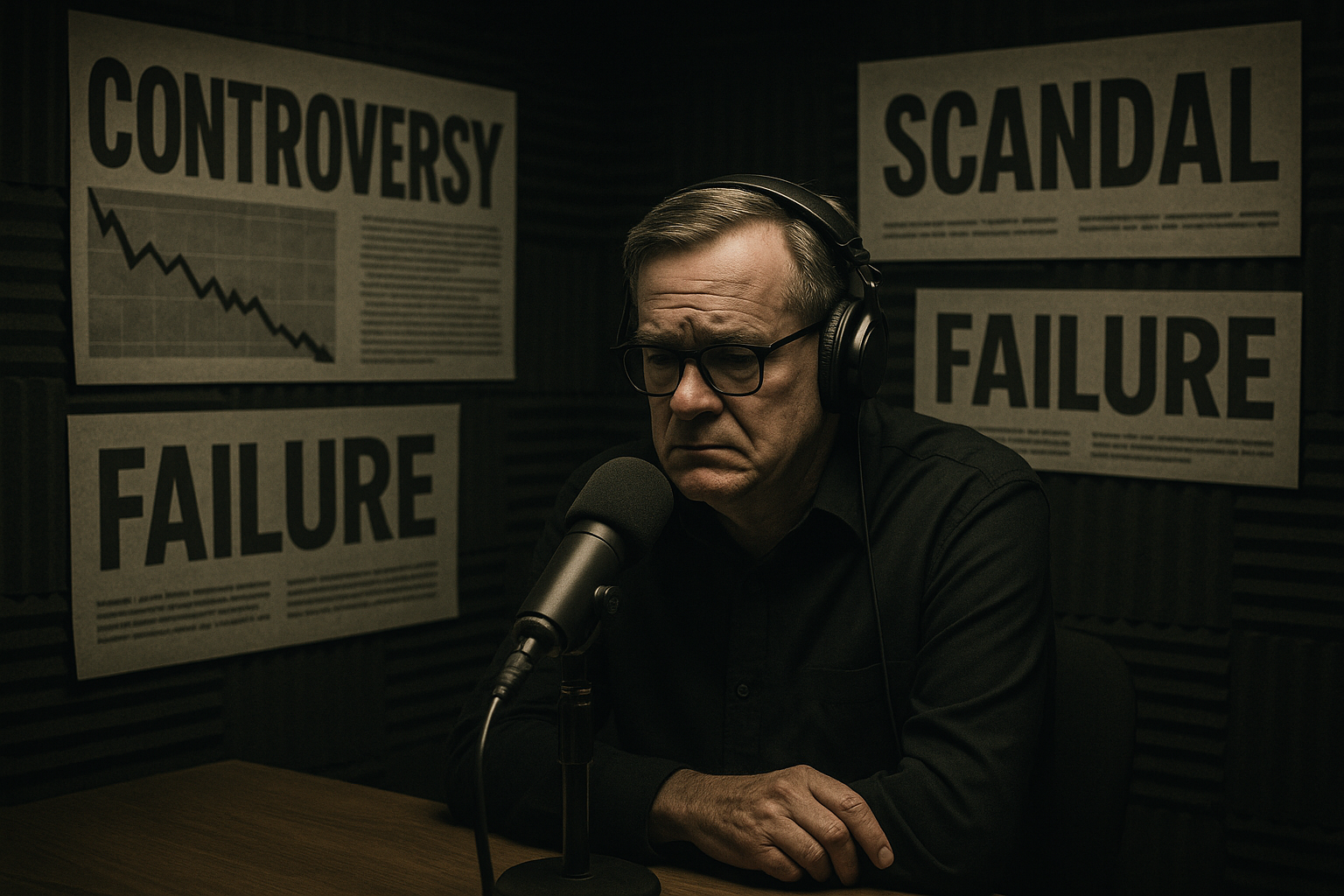
Plunket losing backing and audience after racist controversies
Controversy Timeline: Escalating Hatred and Consequences
Each Platform controversy followed the same pattern - Plunket would make increasingly extreme statements, face public backlash, issue non-apologies blaming "woke mobs," then double down with even worse content. The progression from casual racism to explicit genocide denial shows how unchecked hatred escalates.
The Māui dolphin comments epitomise this dynamic. Comparing endangered marine mammals sacred to Māori with disabled children, then declaring both "deserve to die," represents multiple layers of violence - ableism, environmental racism, and cultural desecration wrapped in one vicious statement.
Plunket's Gaza "anorexia" tweet marked the final straw for his corporate backers. Even Wright family money couldn't protect against association with explicit genocide denial.
The tino rangatiratanga principle demands self-determination and sovereignty. Every Platform controversy targeted this fundamental right by portraying Māori political advancement as threatening to Pākehā existence.
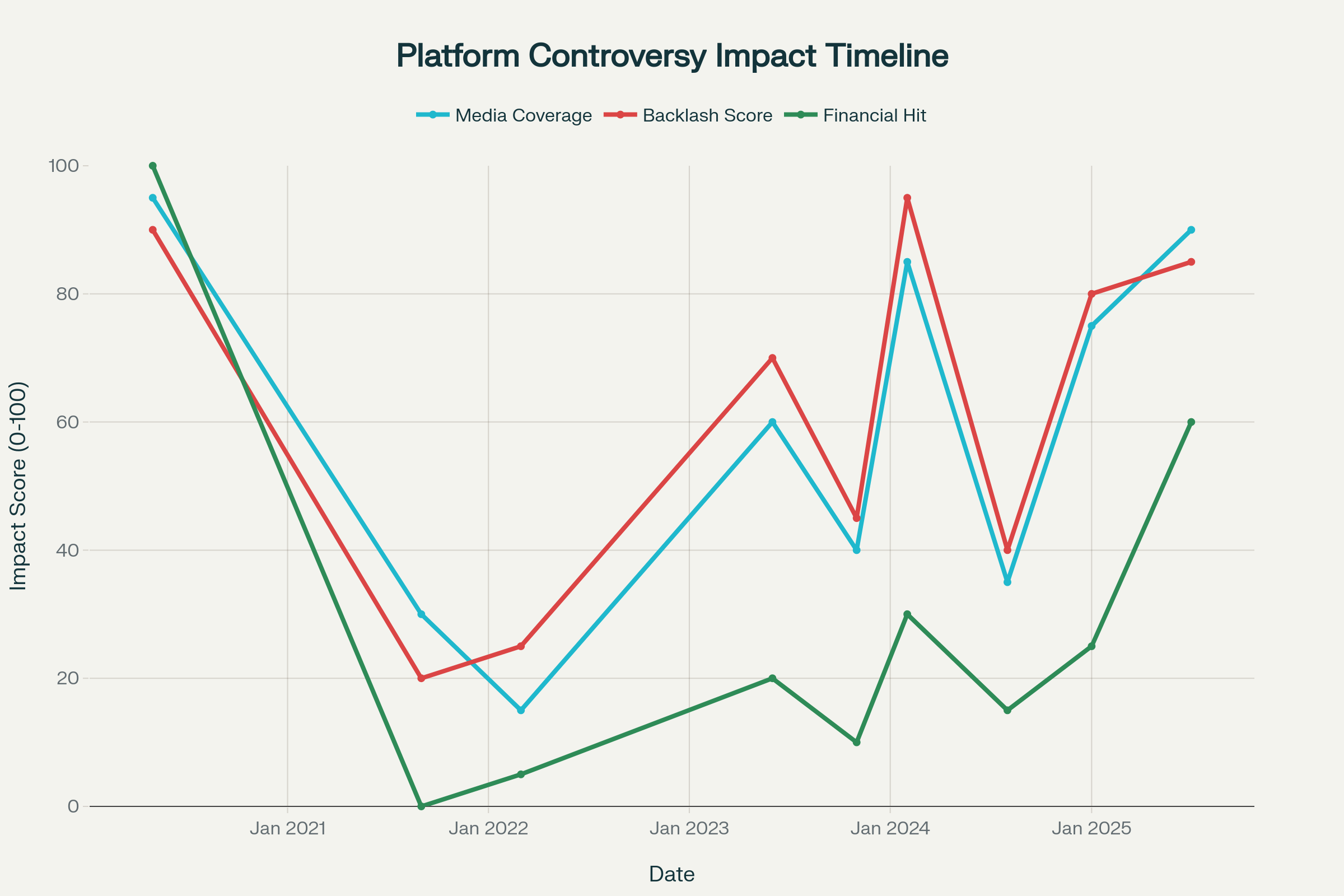
The Platform's controversies created escalating media coverage, public backlash, and financial consequences
The Neoliberal Media Ecosystem
The Platform's business model reveals how neoliberalism enables white supremacist media. Corporate funding allows extreme content to bypass market accountability, while YouTube revenue sharing and social media distribution amplify hatred without traditional regulatory oversight.
This represents media deregulation taken to its logical extreme - wealthy interests funding propaganda operations disguised as independent journalism. The same ideological framework that privatises public assets and dismantles social services also enables the privatisation of public discourse by corporate hate merchants.
The Broadcasting Standards Authority could regulate Magic Talk but has no jurisdiction over digital platforms. This regulatory gap allows content that would be sanctioned on traditional media to flourish online with corporate backing.
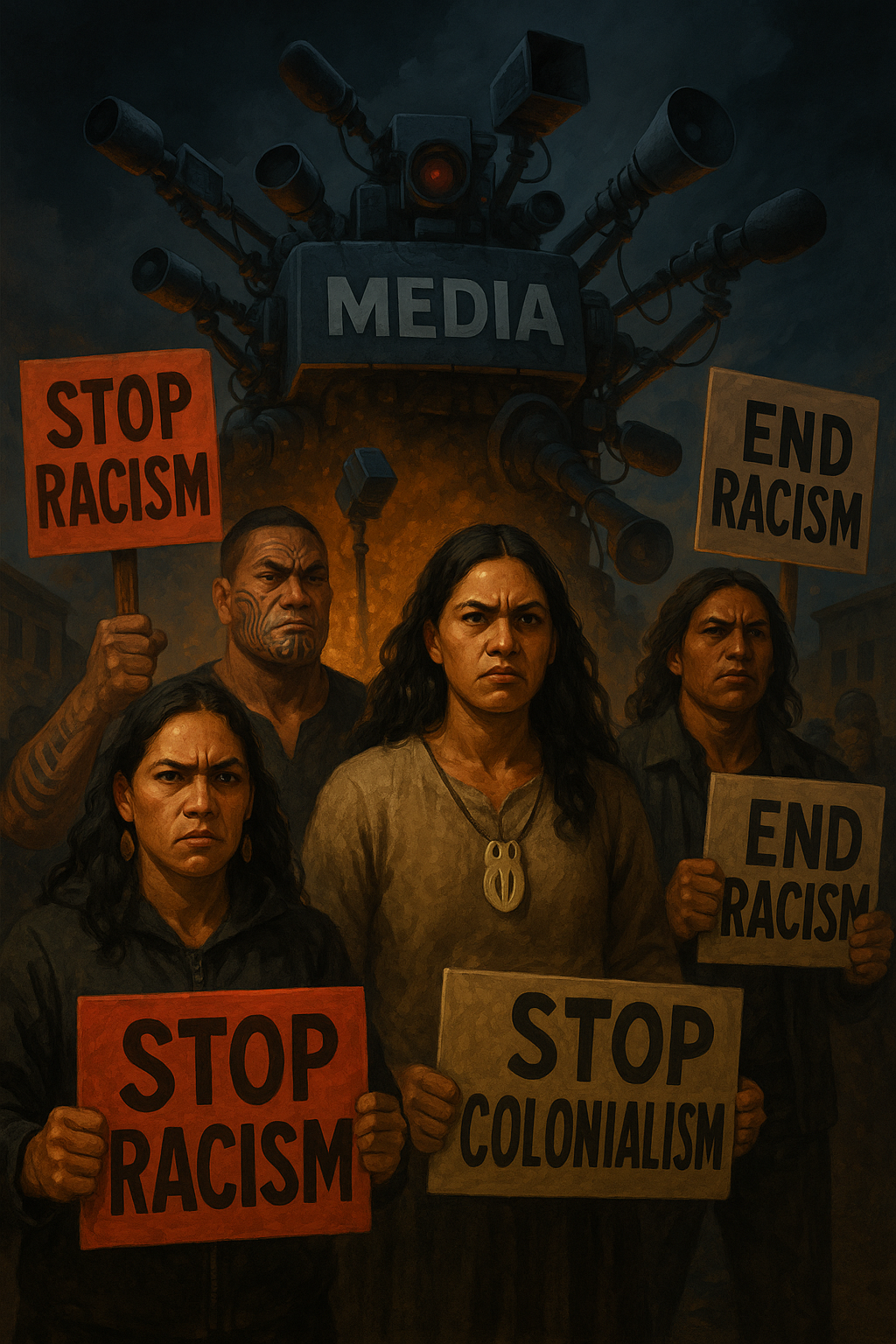
Māori community resistance against white supremacist media narratives
Financial Vulnerability and Abandonment
Without Wright family millions, The Platform faces immediate financial precarity. Plunket admitted the operation has been "dipping in and out of breakeven" while claiming he found buyout funds "down the back of the sofa" - obviously desperate attempts to hide his financial desperation.
The economic model never made sense beyond its propaganda function. Hate content generates engagement but repels mainstream advertisers. Only corporate backers with ideological rather than commercial motivations could sustain such operations long-term.
Wright family abandonment signals that anti-Māori propaganda has become more liability than asset for New Zealand's corporate elite. This creates opportunity for Indigenous voices to reclaim media space previously colonised by corporate hate.
Implications: The Death Spiral of White Supremacist Media
The Platform's collapse demonstrates the fundamental weakness of hate-based media operations. Without constant corporate subsidy, extremist content cannot sustain itself commercially in diverse societies. Racism might generate clicks, but it repels the mainstream audiences advertisers actually want to reach.
More broadly, this signals potential shift in New Zealand's media landscape. Corporate backing for explicitly anti-Māori content may be diminishing as companies recognise the reputational costs. The challenge now is ensuring this space gets filled by authentic Indigenous voices rather than more subtle forms of colonial propaganda.
For Māori communities, this represents both opportunity and continued threat. While The Platform may collapse, the underlying white supremacist networks it connected remain active. Our struggle continues against both overt hatred and systemic colonisation.
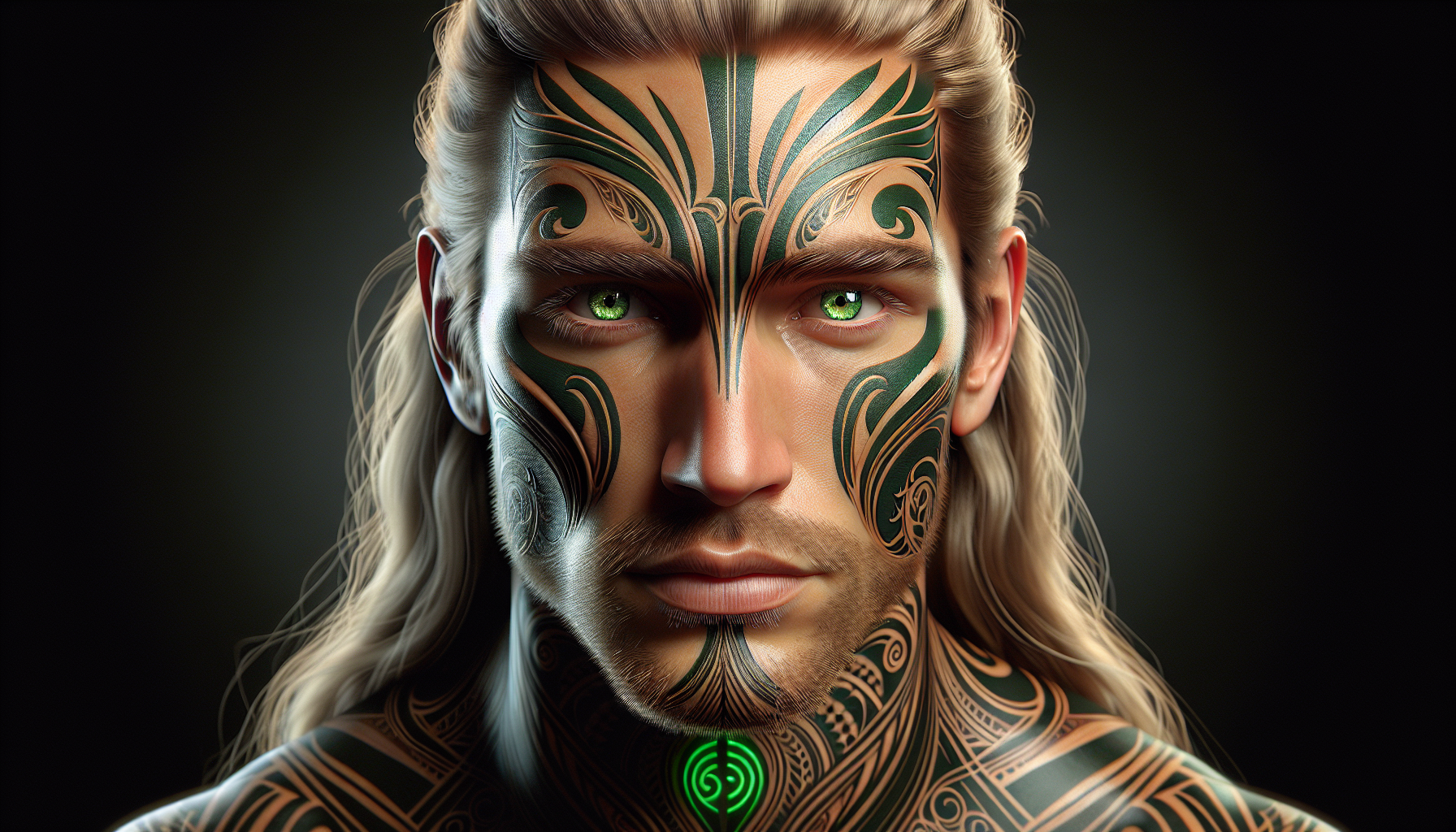
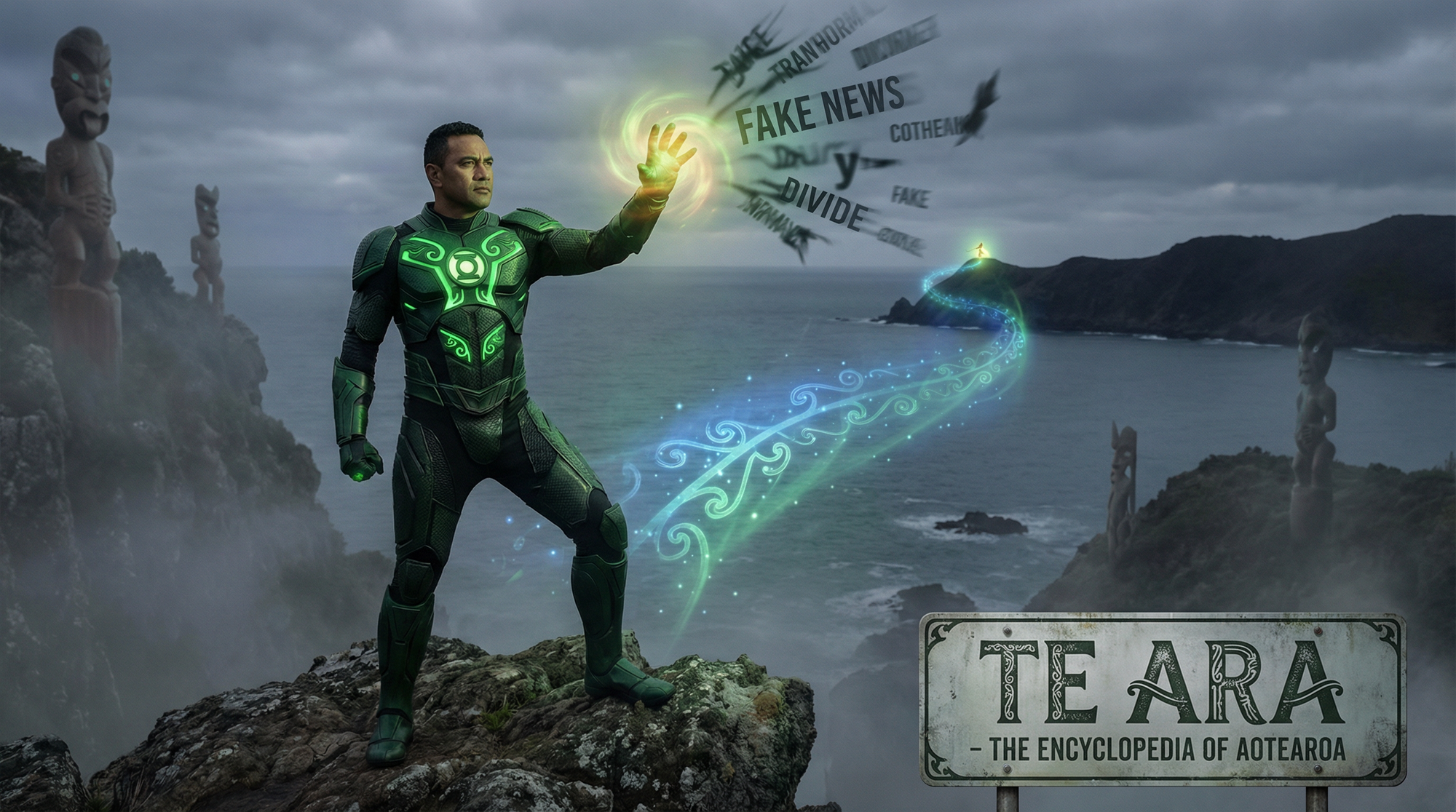
The Māori Green Lantern Fighting Misinformation And Disinformation From The Far Right
Justice Through Financial Consequences
Sean Plunket now faces the consequences of his choices. The corporate sugar daddies who enabled his hatred have abandoned him to face financial reality alone. His platform may survive as a marginal operation, but its days as a well-funded propaganda machine are over.
This outcome reflects the power of sustained community resistance. Māori activists, allied communities, and even some corporate interests eventually recognised The Platform as too toxic to support. When hate becomes unprofitable, capitalists quickly discover their principles.
The Platform's decline shows that white supremacist media projects remain vulnerable to economic pressure. While we cannot rely on corporate conscience, we can make racism expensive enough that even wealthy bigots reconsider their investments.
Our tūpuna understood that justice often arrives through natural consequences. Plunket spent years sowing hatred and division - now he harvests isolation and financial desperation. The karmic balance remains intact.
For readers who find value in exposing these colonial media operations, please consider a koha to support this mahi: HTDM: 03-1546-0415173-000. The MGL understands these are tough economic times for whānau, so please only contribute if you have capacity and wish to do so.
Kia kaha, kia māia, kia manawanui.