"The Regulatory Standards Bill: Corporate Capture and Constitutional Breach" - 4 November 2025
Smoking Gun: International Neoliberal Coordination
Tēnā koutou, tēnā koutou, tēnā koutou katoa.
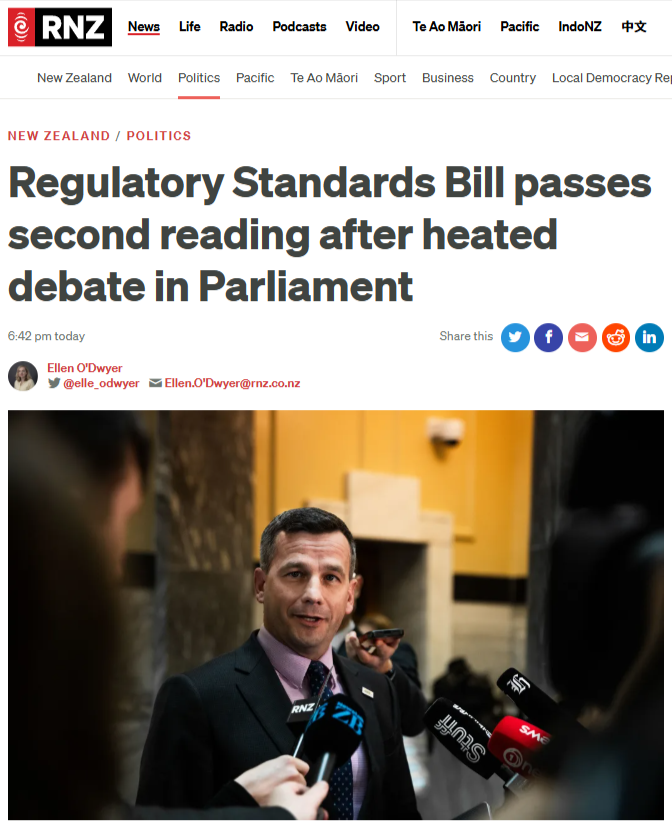
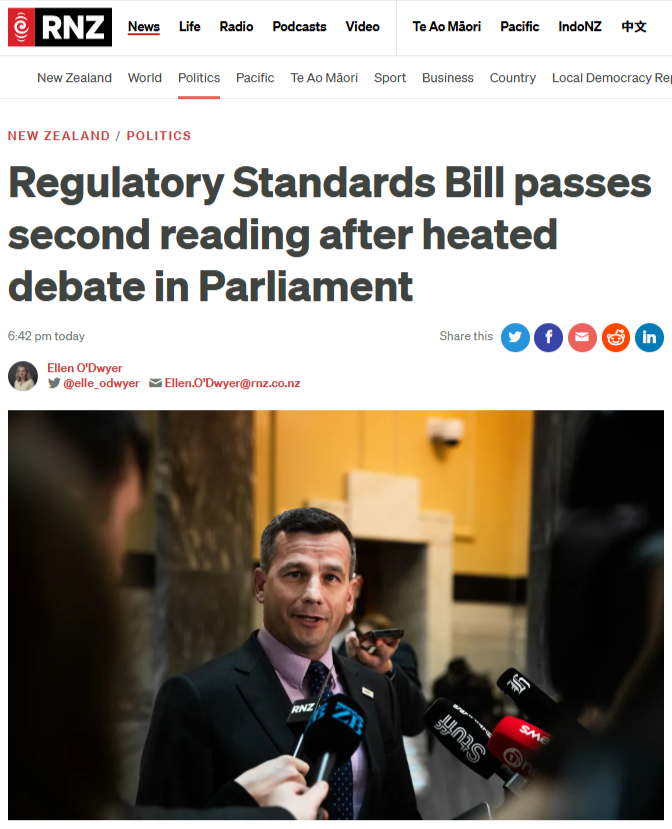
The Regulatory Standards Bill passed its second reading on November 4, 2025. It is not merely a New Zealand legislative proposal—it represents a coordinated international rollout of ideological architecture between the Heritage Foundation’s Project 2025 in the United States and the neoliberal networks in Aotearoa orchestrated through the Business Roundtable (now the New Zealand Initiative).
Russell Vought—OMB Director and co-architect of Project 2025—is executing identical deregulatory strategy as David Seymour, Minister for Regulation and ACT Party leader. Both prioritize property rights elevation, democratic subordination, and removal of community protections. The mechanisms differ; the ideological outcome is identical.
Thesis: The Regulatory Standards Bill weaponizes “good governance” language to entrench neoliberal ideology, breach Te Tiriti o Waitangi partnerships, dismantle Māori equity protections, and concentrate corporate power while enriching the ultra-wealthy.
Historical Roots: Whakapapa of the Bill
The Regulatory Standards Bill did not originate in 2023. Its intellectual lineage traces to a 2001 report by Bryce Wilkinson commissioned by the Business Roundtable, titled “Constraining Government Regulation,” which contained a draft Regulatory Responsibility Act. Wilkinson is currently a senior fellow at the New Zealand Initiative (the Business Roundtable rebranded in 2012).
The bill’s ideological architecture derives directly from American libertarian legal scholar Richard Epstein, who was featured at a 1997 Business Roundtable workshop titled “Towards a Regulatory Constitution.” Epstein’s framework privileges property rights absolutism and frames government regulation as a “taking” requiring compensation—the exact principle embedded in the Regulatory Standards Bill’s “takings” doctrine.
Similar regulatory responsibility bills were introduced to Parliament on three previous occasions (2006, 2011, 2021) and failed each time. Only with National-ACT coalition control has this ideology succeeded, demonstrating that political alignment—not improved policy arguments—determines legislative outcomes.
Quantified Māori Economic Inequality: The Wealth Context
The bill advances amid profound and persistent inequality. According to Stats NZ data for the year ended June 2024, Pākehā have median individual net worth of NZ$222,000, while Māori have NZ$52,000—a ratio of 4.3:1. Pacific Peoples have NZ$26,000.
The wealthiest 20 percent of households hold approximately two-thirds of New Zealand’s total household net worth, while the top 1 percent of households possess 22 times the median household wealth. This disparity has not improved significantly.
According to 2023 Census data, 27.5 percent of Māori owned or partly owned their own house, compared to 47.8 percent of Europeans. Meanwhile, the Māori economy grew from NZ$17 billion GDP contribution in 2018 to NZ$32 billion in 2023, with asset base expansion from NZ$69 billion to NZ$126 billion. This growth—precisely when Māori entities invest in commercial property—is now under threat from neoliberal legislation weaponizing property rights principles.
Political Capture: Money Flows to Deregulation
Between 2021 and 2023, National received NZ$8.2 million in political donations, ACT received NZ$4.2 million, while Te Pāti Māori received only NZ$99,000. This disparity reveals how concentrated wealth translates into disproportionate political influence.
Billionaire Graeme Hart—estimated wealth NZ$12 billion—donated NZ$700,000 to right-wing parties: NZ$400,000 to National, NZ$200,000 to ACT, and NZ$100,000 to NZ First. Hart’s companies—Graham Packaging, Pactiv Evergreen, Reynolds Consumer Products, and CarterHolt Harvey—directly benefit from deregulation: reduced environmental compliance increases profit margins; weakened labour standards lower costs; property rights protection increases asset valuations.
Waitangi Tribunal Findings: Constitutional Breach Confirmed
The Tribunal recommended the Crown immediately halt advancement of the bill to allow for meaningful consultation with Māori. Despite this, Parliament proceeded.
Bill Structure: How Neoliberal Ideology Becomes Law
The bill proposes a set of regulatory principles that lawmakers, agencies, and ministries must consider in regulation design. It establishes a Regulatory Standards Board appointed by the Regulation Minister (David Seymour) which would make non-binding recommendations on whether legislation measures up to the bill’s principles.
These principles prioritize property rights, individual liberties, and “rule of law” in ways specifically hostile to collective rights and Treaty obligations. Critically: the bill does not include any principle related to Te Tiriti o Waitangi.
Treaty Breach Mechanism: Silencing Māori Equity
The bill weaponizes property rights against Māori settlements and equity legislation. If a regulation protects Māori land rights but allegedly “impairs” a developer’s potential profit, the developer can invoke the bill’s principles to demand regulatory review. This creates permanent constitutional injury to Te Tiriti partnership.
Logical Fallacies and Rhetorical Deception
- False Equivalence (”Equal Treatment Before the Law”): The bill frames “responsible regulation” through principles like “every person is equal before the law” as universal and neutral. Yet this language—identical to the rejected Treaty Principles Bill—erases historical dispossession and denies that Māori require specific protections to remedy colonial theft.
- Omission as Intent: The 37-page bill contains zero references to Te Tiriti o Waitangi or te ao Māori. This silence is deliberate ideological choice, not accident.
- Complexity as Obfuscation: The bill disguises libertarian absolutism through technocratic language: “Regulatory Standards Board,” “disclosure statement regime,” “principles-based decision-making.”
- Zero-Sum Framing: Seymour defends the bill through zero-sum rhetoric that inverts colonial reality, presenting Māori equity gains as theft from others.
Tikanga Violations: Breach of Māori Values
- Rangatiratanga (Māori Sovereignty): The bill removes Māori from governance decisions affecting Māori. Lawyer Tania Waikato told the Tribunal the bill “alters the constitutional arrangement between the Crown and Māori under Te Tiriti o Waitangi by stealth and without the consent of Māori as treaty partner.”
- Whanaungatanga (Partnership): The Crown failed to conduct targeted engagement with Māori during policy development, violating Treaty principles of partnership and good faith consultation.
- Manaakitanga (Care/Protection): The bill prioritizes corporate property rights over protecting vulnerable communities. Light-handed regulation has historically enabled workplace deaths, unsafe housing, and dangerous tourism operations.
- Kaitiakitanga (Environmental Stewardship): Environmental regulations become subject to cost-benefit analysis favoring short-term profit over ecological protection.
- Aroha (Compassion): The bill reflects no aroha for Māori dispossession, wealth inequality, or historic harm. Instead, it weaponizes “equality” to prevent redress.
International Context: Project 2025 Playbook Replicating in Aotearoa
Russell Vought, OMB Director and Project 2025 co-architect, operates from identical ideological premises as David Seymour. Project 2025’s 920-page “Mandate for Leadership” calls for elimination or consolidation of regulatory agencies, stripping “Chevron deference” (allowing courts to override agency expertise), concentrating presidential authority through OMB, and mass federal workforce reduction.
Seymour’s Regulatory Standards Bill replicates this framework precisely: elevating an unelected board above elected Parliament; requiring ministers justify regulations against neoliberal principles; making it harder to enact Treaty-compliant, environmental, or equity legislation.
Government Agency Warnings: Official Doubts
Public Submission Reality: Voices Ignored
The Ministry of Regulation received almost 23,000 submissions on the bill, with approximately 80 percent received in the final four days of consultation. According to The Spinoff, nearly 99 percent of submissions opposed the bill, yet Parliament proceeded anyway.
This reveals the bill’s ideological primacy: democratic participation is dismissed when public opinion conflicts with corporate interests.
Who Benefits, Who Is Harmed
Who Benefits: Large corporations (reduced environmental/health/labor regulations; property rights protected); wealthy landowners (asset value protection; capital gains prioritized); private financial sector (deregulation removing consumer protections).
Who Is Harmed: Māori collectives (equity initiatives dismantled; asset seizure via “takings” claims; Treaty principles subordinated); environmental protection (climate/conservation regulations subject to cost-benefit challenge); workers (labor standards subject to deregulation pressure); public health (health regulations subject to property rights override).
Specific Revelations: Hidden Connections
1. Bryce Wilkinson’s Libertarian Pipeline to David Seymour
Bryce Wilkinson authored the 2001 Business Roundtable report “Constraining Government Regulation” containing the original draft Regulatory Responsibility Act. The report was influenced by American libertarian scholar Richard Epstein, featured at a Business Roundtable 1997 workshop. Wilkinson remains a senior fellow at the New Zealand Initiative (the Business Roundtable rebranded).
This network connects American libertarian think tanks (Hoover Institution, Cato Institute, Classical Liberal Institute at NYU) through Heritage Foundation Project 2025 to David Seymour’s current legislation. The ideological vector is traceable and documented.
2. Graeme Hart’s Donation as Legislative Investment
Hart donated NZ$700,000 to right-wing parties between 2021-2023: NZ$400,000 to National, NZ$200,000 to ACT, NZ$100,000 to NZ First. His companies—Graham Packaging, Pactiv Evergreen, Reynolds Consumer Products, CarterHolt Harvey—gain direct financial benefit from deregulation. This is quantifiable return on corporate political spending.
3. Government Officials Doubting Their Own Bill
The Ministry for Regulation stated the bill “hasn’t got a problem that it needs to address” and that “an enhanced disclosure statement regime... will achieve the same benefits” with fewer costs. The government’s own officials—established to advance the bill—admitted it is ideologically driven, not problem-solving.
4. Winston Peters’ Coalition Capitulation
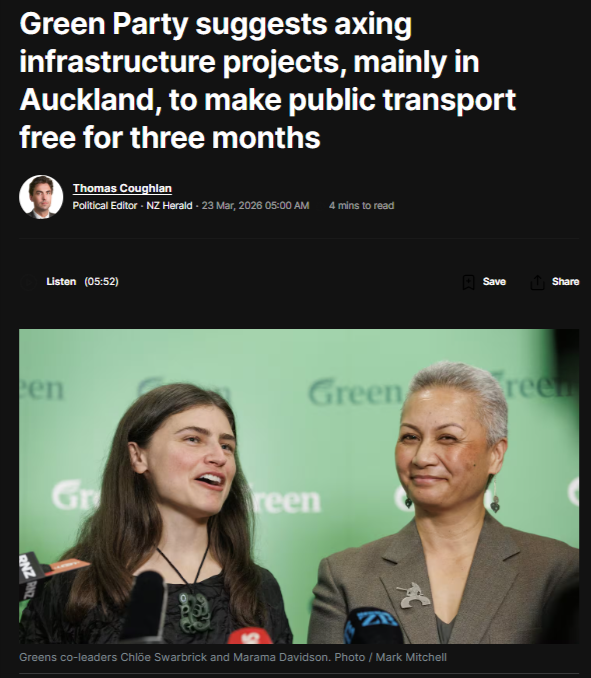
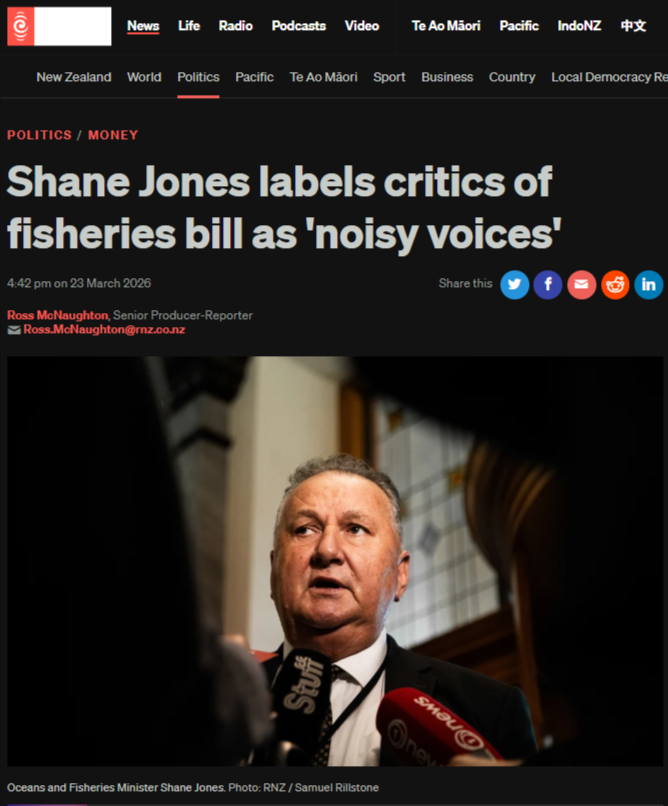
NZ First was founded opposing neoliberal reforms from the 1980s. Yet Shane Jones and Peters backed the second-most opposed bill in New Zealand history (99% opposition), enabling ideology they historically opposed. This represents political capitulation masked as coalition responsibility.
5. Public Voice Dismissed as “Online Campaign”
Seymour dismissed 99 percent opposition to the bill (20,240+ submissions) as “bots” and “online campaigns”—delegitimizing democratic participation. Yet when 18,000 people registered as tribunal claimants, these were treated as legitimate. The selective invocation of “online campaigns” reveals ideological filtering: corporate-funded positions are “legitimate”; democratic opposition is “manufactured.”
Quantified Harms: What Gets Dismantled
- Treaty-Compliant Legislation at Risk: Laws giving effect to Te Tiriti o Waitangi will face regulatory review. Future legislation protecting Māori rights will require ministers to justify why property rights are being “impaired”—creating permanent chilling effects on Treaty obligations.
- Environmental Protections Under Threat: Climate action, conservation, and pollution prevention become subordinate to property rights and compliance cost minimization.
- Public Health Regress: Health protections (tobacco, gambling, food standards, pharmaceutical safety) become subject to regulatory review if they “impair” industry property rights or impose “unnecessary” compliance costs.
- Wealth Concentration Accelerates: Deregulation benefits the already-wealthy. Hart’s net worth increases; Māori median net worth remains at NZ$52,000 versus Pākehā NZ$222,000. The wealth gap widens.
Calls to Action: Specific Targets
To Māori Whānau, Hapū, and Iwi: Register as claimants with the Waitangi Tribunal if further claims proceed. Mobilize politically. Build alternative governance frameworks outside this system.
To Opposition Parties: You have committed to repeal this bill if returned to government. Make this explicit campaign commitment. Support legal challenges. Prepare replacement legislation integrating Te Tiriti, environmental protection, and worker rights as positive governance principles.
To International Indigenous Networks: Connect this case to Project 2025 and similar deregulation initiatives globally. Document patterns of settler-colonial capture coordinated internationally.
Moral Clarity
The Regulatory Standards Bill is neoliberalism weaponized against democracy and Indigenous rights. It will concentrate wealth, subordinate Treaty obligations, and dismantle protective regulations. The Waitangi Tribunal found it breaches Te Tiriti. Eighteen thousand people claimed against it. Ninety-nine percent of submissions oppose it. Yet Parliament advances it regardless.
This is constitutional theft by stealth.
The bill must be repealed and replaced with legislation that prioritizes rangatiratanga (Māori sovereignty), environmental protection, and genuine partnership with Māori.

The Māori Green Lantern Fighting Misinformation And Disinformation From The Far Right
Koha/Contribution
If this mahi (work) holds value, whānau with capacity may contribute to support ongoing research and advocacy: HTDM: 03-1546-0415173-000
Koha is voluntary—there is no obligation.
Harikoa and ka kite anō.