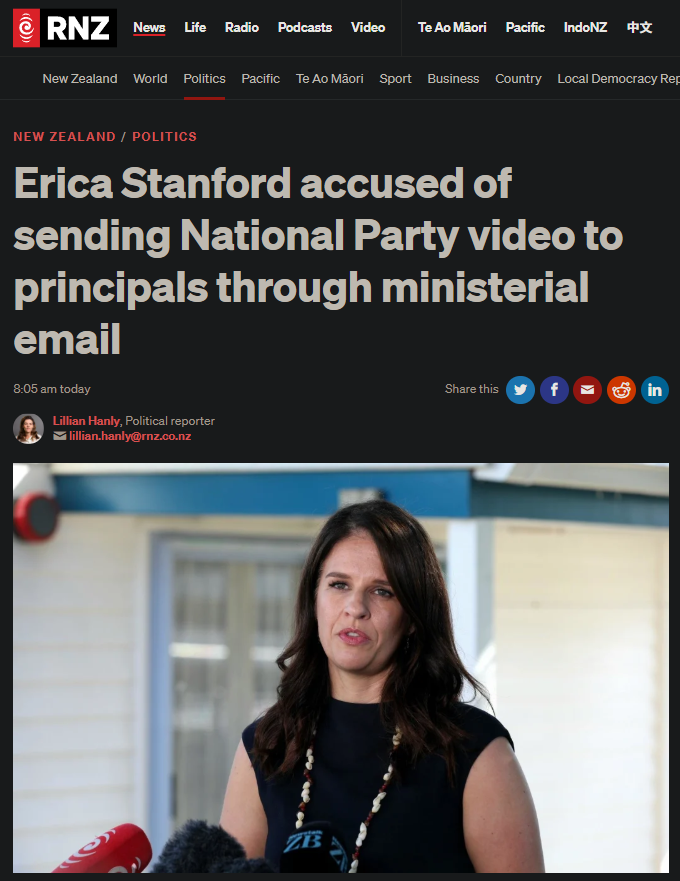
“The Rot Within: How Te Pāti Māori’s Power Hungry Elite Are Sabotaging Māori Liberation” - 2 October 2025
When Your Own Liberators Become Your Oppressors
Kia ora koutou katoa. I am Ivor Jones, The Māori Green Lantern, writing from Te Arawa/Ngāti Pikiao whenua, where the mantle of kaitiakitanga compels me to expose the festering dysfunction poisoning one of our most important political voices.
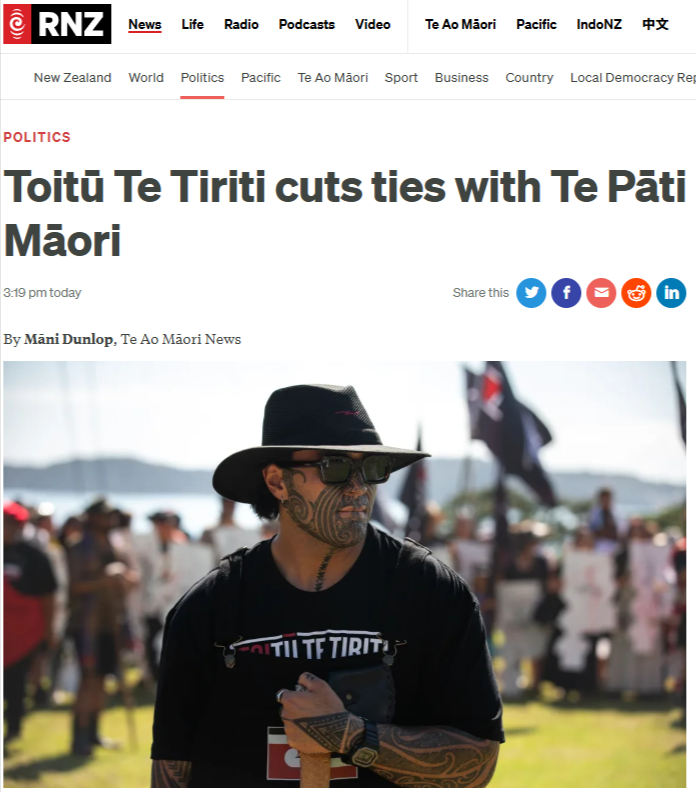
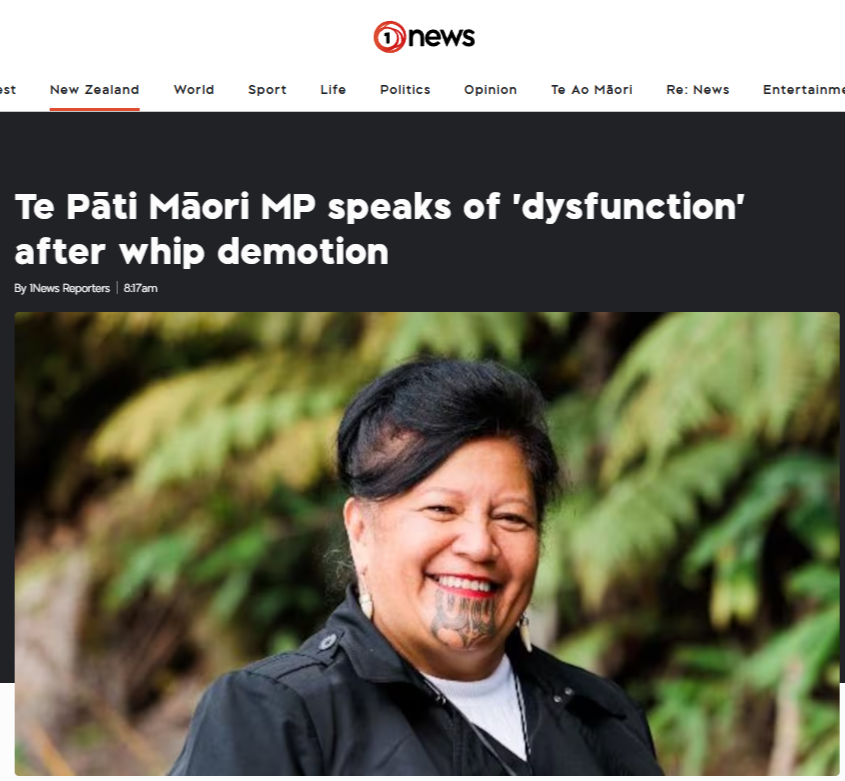
The brutal truth that every whānau needs to understand right now is this: Te Pāti Māori is imploding from within while the Coalition Government systematically destroys Treaty rights from without. The party that claims to represent Māori liberation has descended into what its own former leaders call a “dictatorship model” where power is concentrated among four people while grassroots voices are silenced.
This is not just political drama - this is a crisis that threatens the entire foundation of Māori political resistance at the exact moment we need it most. While David Seymour’s Treaty Principles Bill advances through Parliament and the Coalition Government systematically dismantles co-governance, our supposed champions are too busy fighting each other to defend us.
Background: The Promise Betrayed
Te Pāti Māori was meant to be different. Born from the ashes of the foreshore and seabed betrayal, it promised to be the uncompromising voice for mana motuhake and tino rangatiratanga. For years, it seemed to deliver - blocking harmful legislation, advocating fiercely for Māori rights, and providing a platform for authentic Māori political expression.
The party’s constitution, as documented in their official rules, requires annual general meetings, national council hui, and transparent decision-making processes based on tikanga Māori. These safeguards were designed to prevent exactly the kind of authoritarian concentration of power that critics now describe.
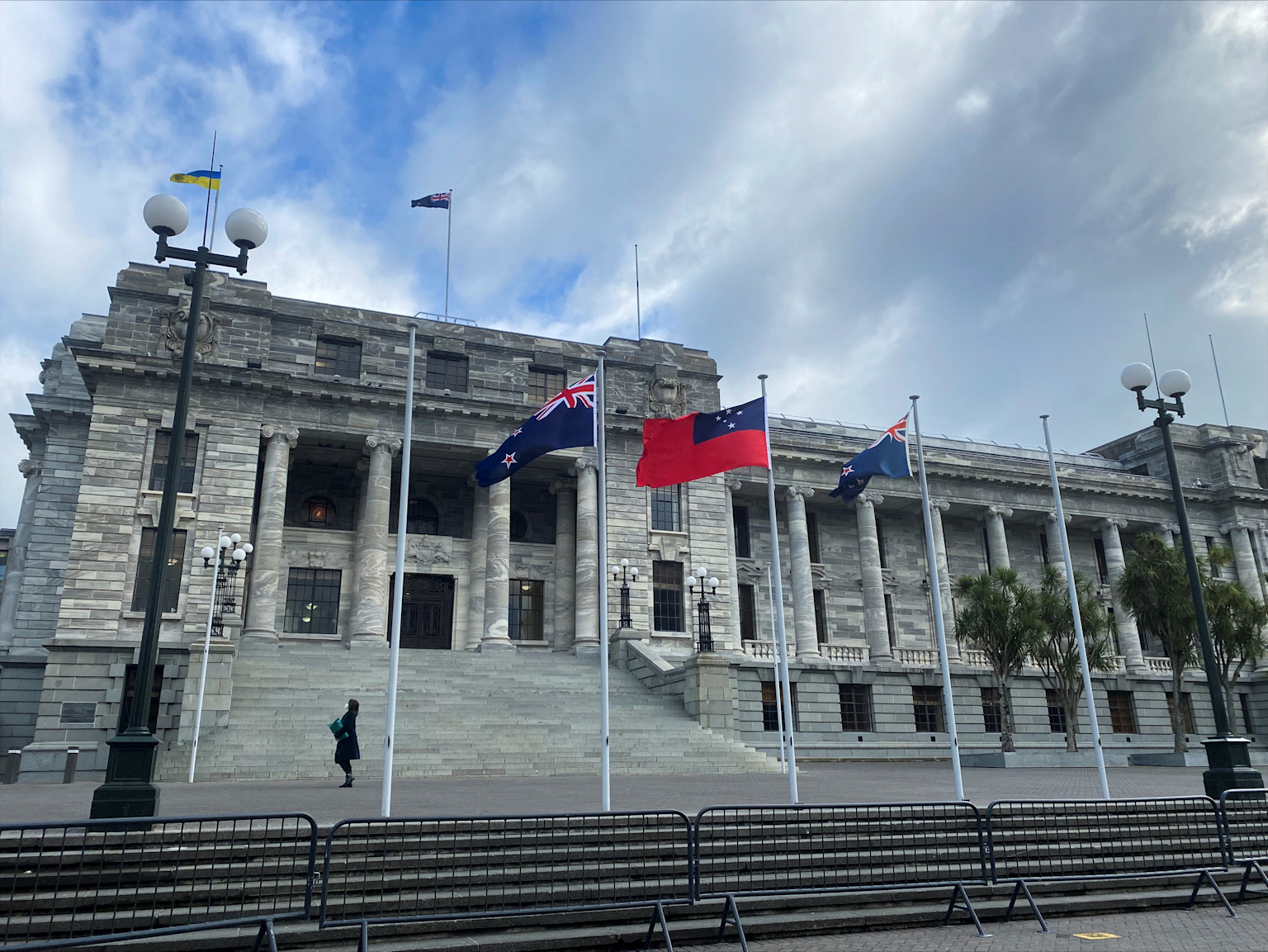
New Zealand Parliament building in Wellington with flags flying in front, representing the nation’s political center
The Crisis Unfolds: A Timeline of Dysfunction
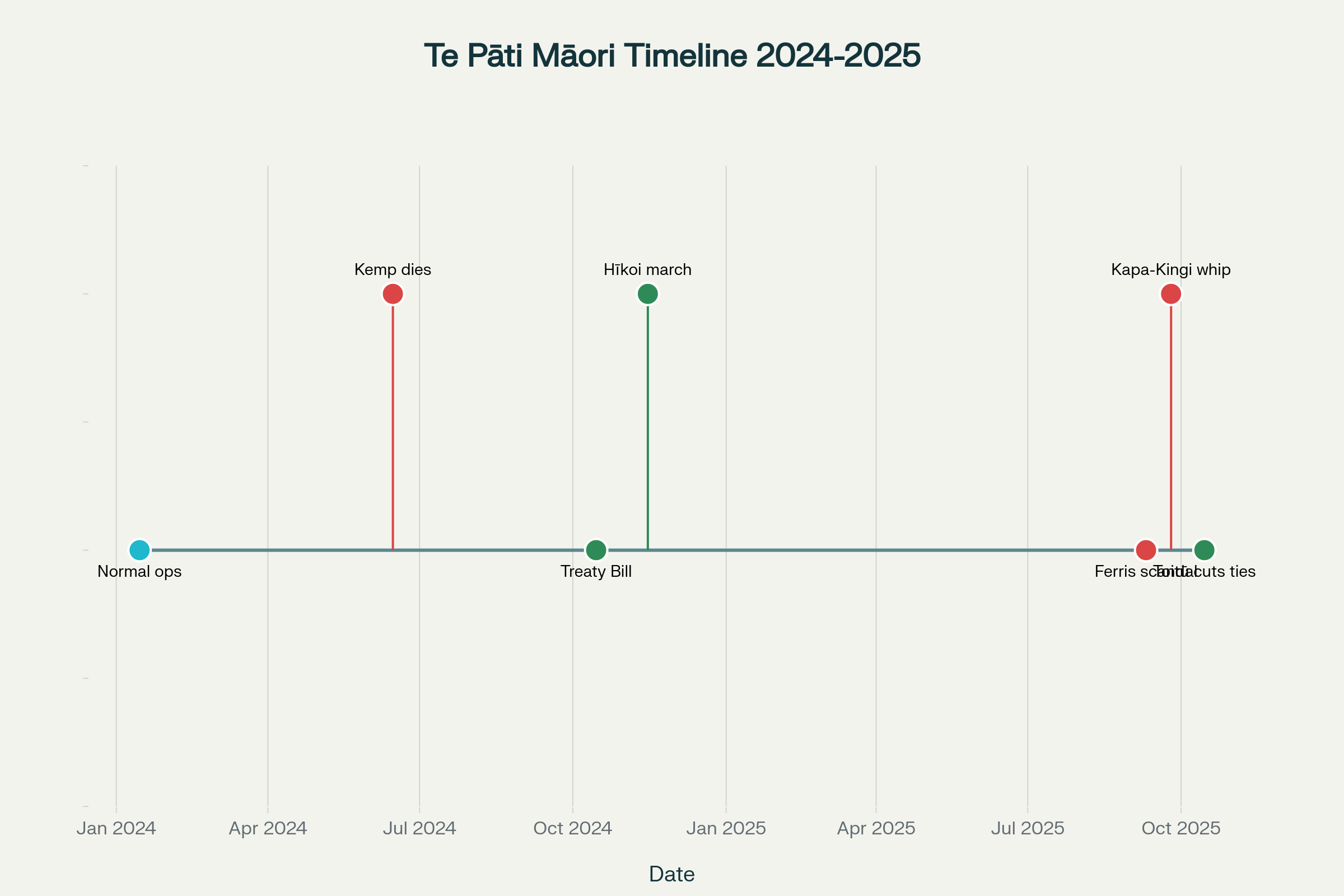
Te Pāti Māori Crisis Timeline: From Unity to Division
The crisis didn’t happen overnight. The death of Takutai Kemp in June 2024 created a traumatic loss that the party has struggled to recover from. But rather than bringing the party together, subsequent events have revealed deep structural problems that existed long before her passing.
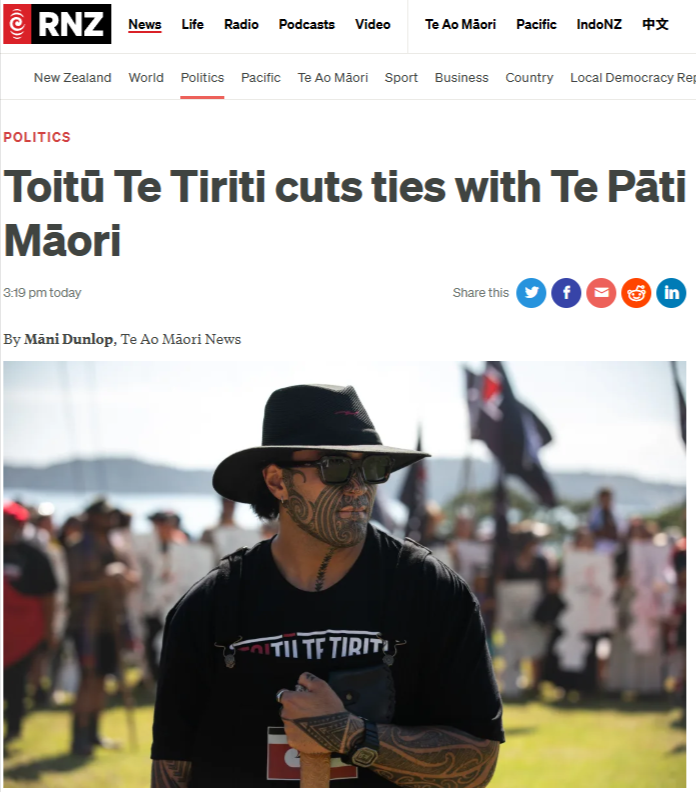
The most damaging revelation came when Toitū Te Tiriti, the grassroots movement that organized the historic 42,000-strong hīkoi to Parliament, announced it was severing ties with Te Pāti Māori. This wasn’t just any ally - this was the movement that had become synonymous with Māori resistance to the Coalition Government’s attacks.
The Dictatorship Model Exposed
Eru Kapa-Kingi, former vice-president of Te Pāti Māori and son of demoted MP Mariameno Kapa-Kingi, pulled back the curtain on what he describes as a fundamentally broken leadership system. His allegations are devastating and specific:
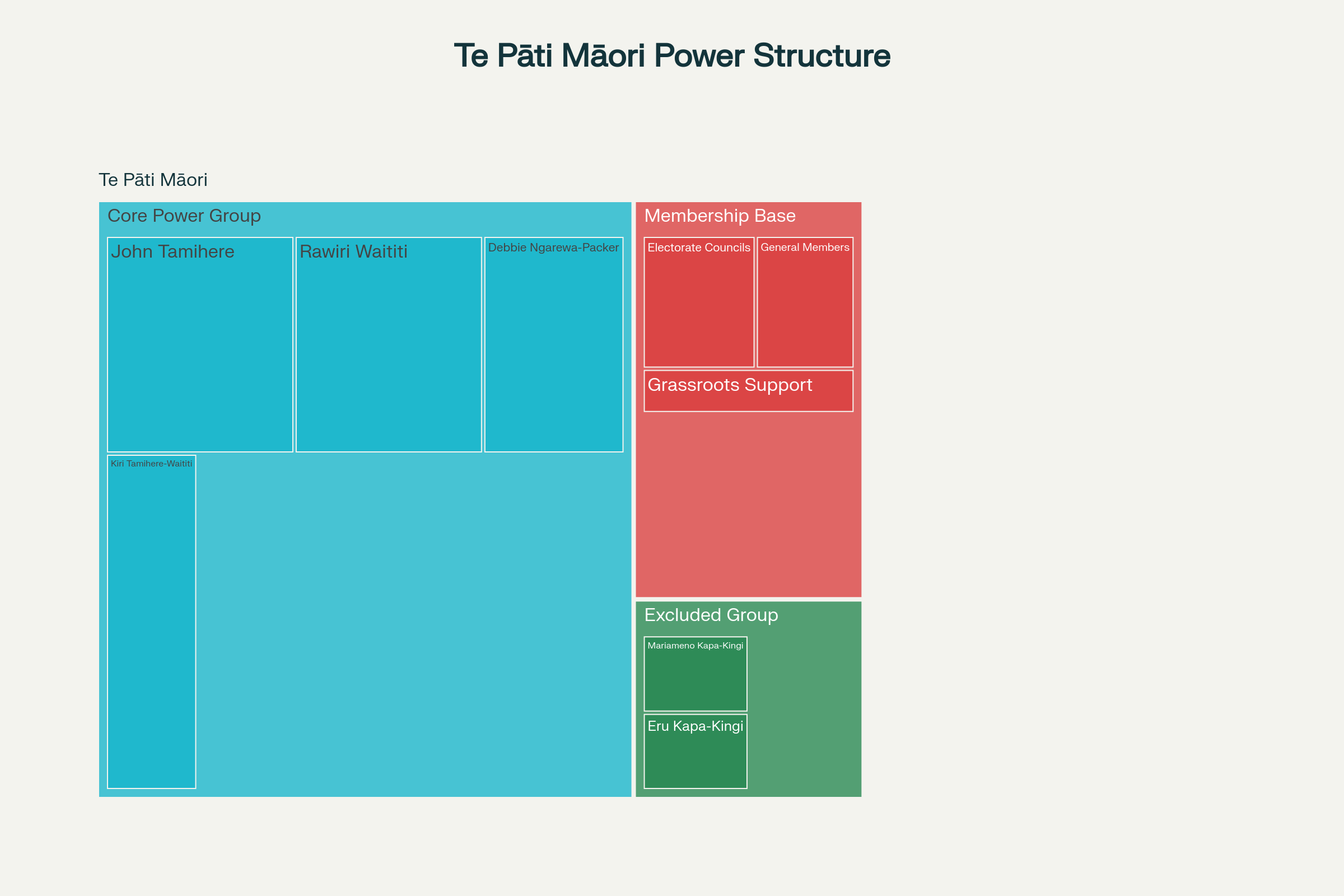
Te Pāti Māori’s Alleged ‘Dictatorship Model’ Power Structure
The power structure Kapa-Kingi describes resembles nothing so much as a corporate boardroom dressed up in kaupapa Māori rhetoric. Decision-making is concentrated among party president John Tamihere, co-leaders Debbie Ngarewa-Packer and Rawiri Waititi, and general manager Kiri Tamihere-Waititi. Meanwhile, the party has failed to hold constitutionally mandated annual general meetings and national council hui, cutting off formal channels for grassroots input.
When Kapa-Kingi attempted to introduce tikanga-based decision-making processes during his time on the executive, he found himself speaking into what he described as “effectively a dictatorship model.” The irony is bitter - a party claiming to champion Māori values while operating according to the most colonial of power structures.
The Racist Instagram Scandal That Exposed Everything
The dysfunction became impossible to hide when Te Tai Tonga MP Takuta Ferris posted racist comments on Instagram criticizing “Indians, Asians, Black and Pakeha” for campaigning with Labour in the Tāmaki Makaurau by-election. The post was widely condemned as racist, including by Labour’s Willie Jackson who called on Ferris to “grow up”.
Te Pāti Māori initially apologized and asked Ferris to remove the post. But then something revealing happened - party president John Tamihere publicly defended Ferris, saying he agreed with the “substance” of his comments while only criticizing the “framing” as “far too aggressive”.
This wasn’t just a communications failure - it exposed a fundamental split within the party leadership about basic values and behavior. Ferris then doubled down in a live video, refusing to back down from his racist comments, creating a situation where the party’s co-leaders were publicly contradicting their own president.
The Silencing of Dissent
Perhaps the most telling indicator of the party’s authoritarian drift was the sudden demotion of Mariameno Kapa-Kingi as party whip. The Te Tai Tokerau MP was stripped of her role and given a $20,000 pay cut with no public explanation.
In her own words, Kapa-Kingi describes hearing rumors and direct questions from constituents asking “Meno what on Earth is going on?”. She spoke of “dysfunction” within the party and expressed disappointment at her treatment, noting that she “had to step in at times to support the caucus team.”
The timing is suspicious. Kapa-Kingi was demoted in the same period as the Ferris scandal, suggesting that questioning the party line on racism and dysfunction has become a fireable offense. This sends a chilling message to other MPs and members about the consequences of speaking truth to power within their own party.
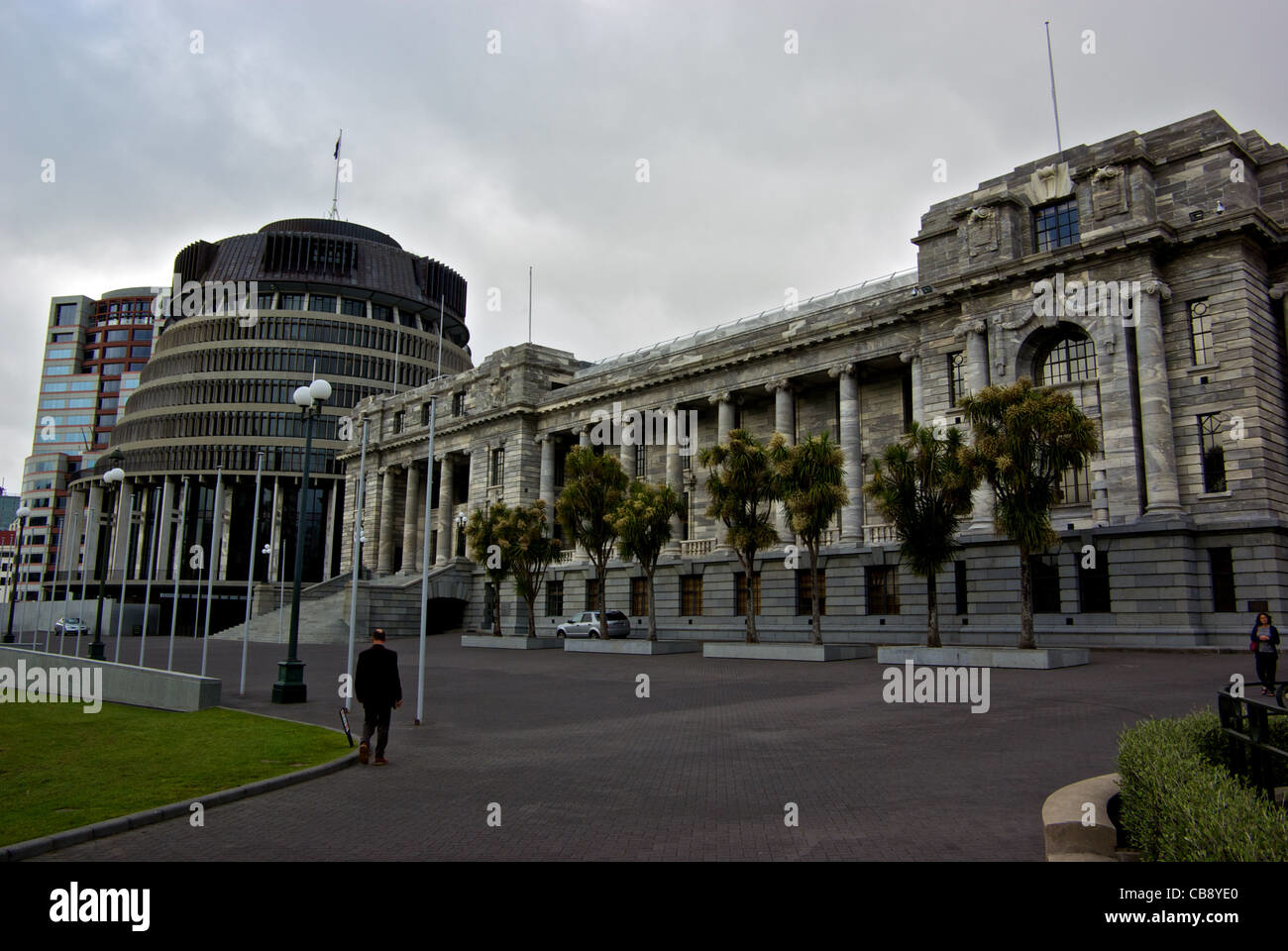
New Zealand Parliament buildings in Wellington featuring the Beehive and Parliament House, the central hubs of political power
The Hidden Connections: Atlas Network and Christian Nationalism
While Te Pāti Māori tears itself apart, the Coalition Government’s assault on Māori rights proceeds with devastating efficiency. But this isn’t just domestic politics - it’s part of a coordinated international campaign driven by the Atlas Network and Christian nationalist ideology.
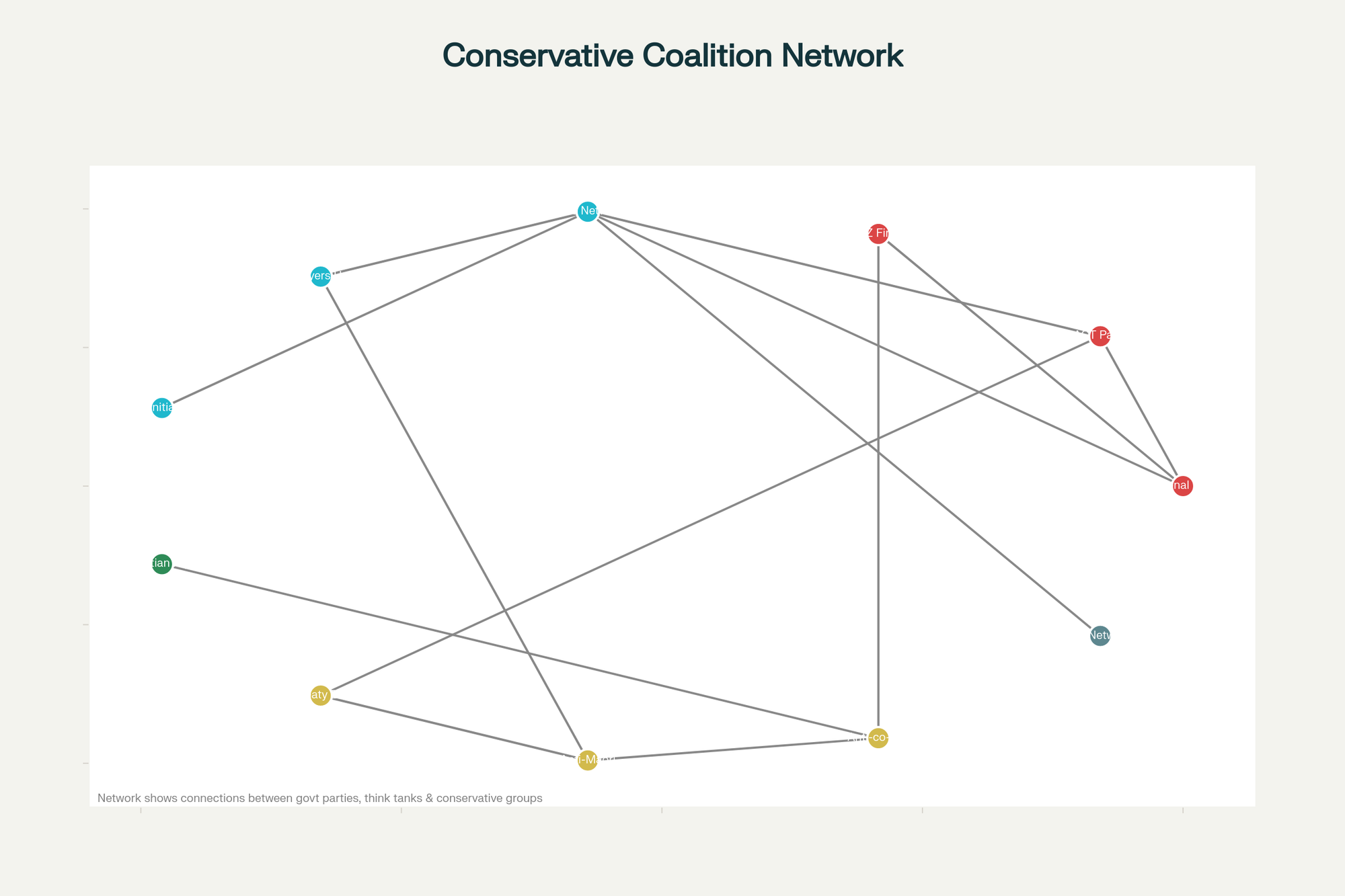
Coalition Government’s Anti-Māori Network Connections
The Atlas Network, which links 550 think tanks in more than 100 countries, promotes “individual liberty, property rights, limited government, and free markets” - a libertarian ideology that is fundamentally opposed to collective indigenous rights and Treaty obligations.
New Zealand partners of Atlas include the Taxpayers’ Union and the New Zealand Initiative, both of which have consistently opposed co-governance arrangements and Māori-specific policies. Taxpayers’ Union executive director Jordan Williams has been openly involved with Atlas since 2015, attending their Think Tank MBA program and receiving funding for anti-Māori campaigns.
The Christian nationalist component is equally concerning. Prime Minister Christopher Luxon has spoken publicly about how his Christian faith “gives him purpose and shapes his values”, though he claims it doesn’t influence his politics. Meanwhile, ACT’s David Seymour has explicitly criticized church leaders who condemned the Treaty Principles Bill, arguing that Christian principles support “equal rights” over Treaty-based collective rights.
This alignment between international libertarian networks and Christian nationalism creates a powerful ideological foundation for the systematic dismantling of Treaty rights. The Atlas Network provides the intellectual framework and international support, while Christian nationalism provides the moral justification for policies that favor individual property rights over collective indigenous rights.
The Coalition’s Systematic Attack
The Coalition Government’s assault on Māori rights has been relentless and coordinated:
- The Treaty Principles Bill seeks to redefine Treaty principles to eliminate Māori collective rights
- The dismantling of the Māori Health Authority
- Attacks on co-governance arrangements across multiple agencies
- The removal of Māori ward provisions
- Cuts to Māori-specific programs and services
- The promotion of “one law for all” rhetoric that denies the special relationship established by Te Tiriti
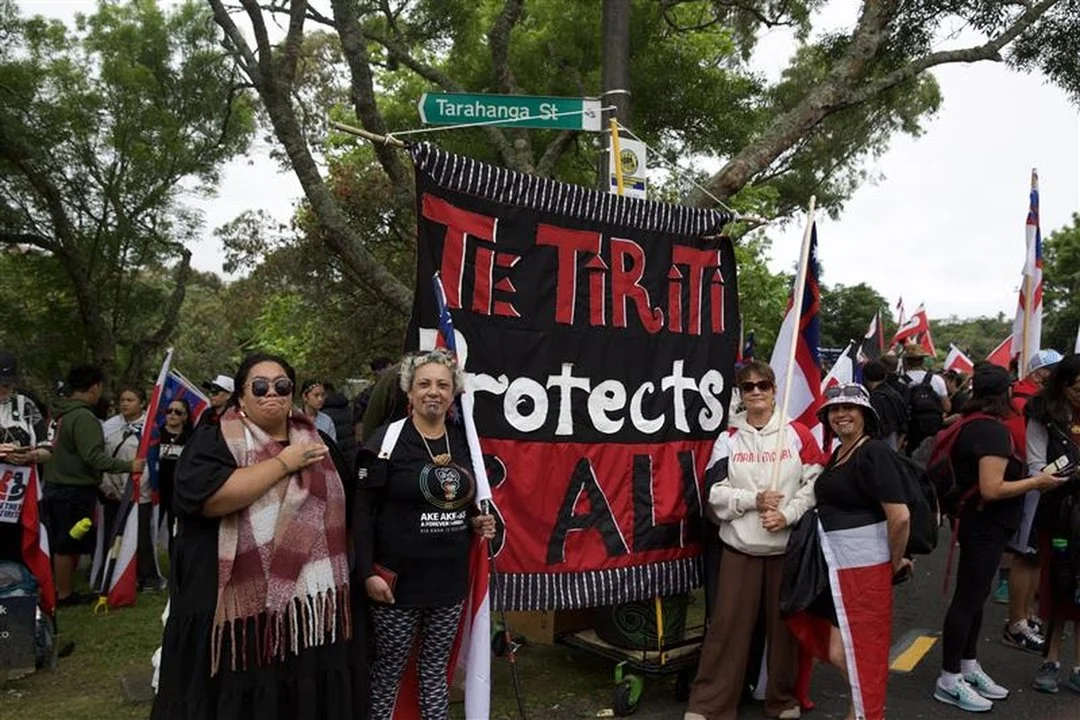
Māori activists hold a banner stating ‘TE TIRITI protects ALL’ during a Treaty rights demonstration near Tarahanga St in Auckland
The Implications for Māori
The dysfunction within Te Pāti Māori couldn’t have come at a worse time. Labour leader Chris Hipkins has already indicated that Te Pāti Māori appears “a long way away” from being ready for a role in government due to their “internal issues”. This effectively isolates the party from potential coalition arrangements just when Māori need strong political representation most.
The loss of Toitū Te Tiriti as an ally is particularly devastating. This grassroots movement demonstrated the power of unified Māori and tangata Tiriti action when it brought 42,000 people to Parliament. Its separation from Te Pāti Māori represents a fracturing of Māori political resistance at the exact moment when unity is most critical.
Young Māori especially are being failed by this dysfunction. They need political leadership that models the values of manaakitanga, kotahitanga, and whakatōhea - not the petty power games and ego-driven conflicts that have come to define Te Pāti Māori’s internal culture.
The Path Forward
The crisis within Te Pāti Māori reveals fundamental tensions between traditional Māori governance structures and the demands of electoral politics. The party’s constitution requires consensus-based decision-making and regular consultation with electorate councils, but the current leadership appears to have abandoned these tikanga in favor of a corporate-style hierarchy.
Real change requires:
- Immediate constitutional compliance - Hold the overdue AGM and national council hui to restore democratic accountability
- Leadership renewal - The current power structure has proven incapable of maintaining unity or advancing Māori interests effectively
- Reconciliation with grassroots movements - Rebuild relationships with Toitū Te Tiriti and other community organizations
- Clear policy differentiation - Articulate a vision that goes beyond opposition to actually advance mana motuhake
- Cultural recentering - Return to tikanga-based decision-making processes that honor collective wisdom over individual ego
The alternative is continued marginalization while the Coalition Government completes its demolition of Treaty rights and Māori institutional power.
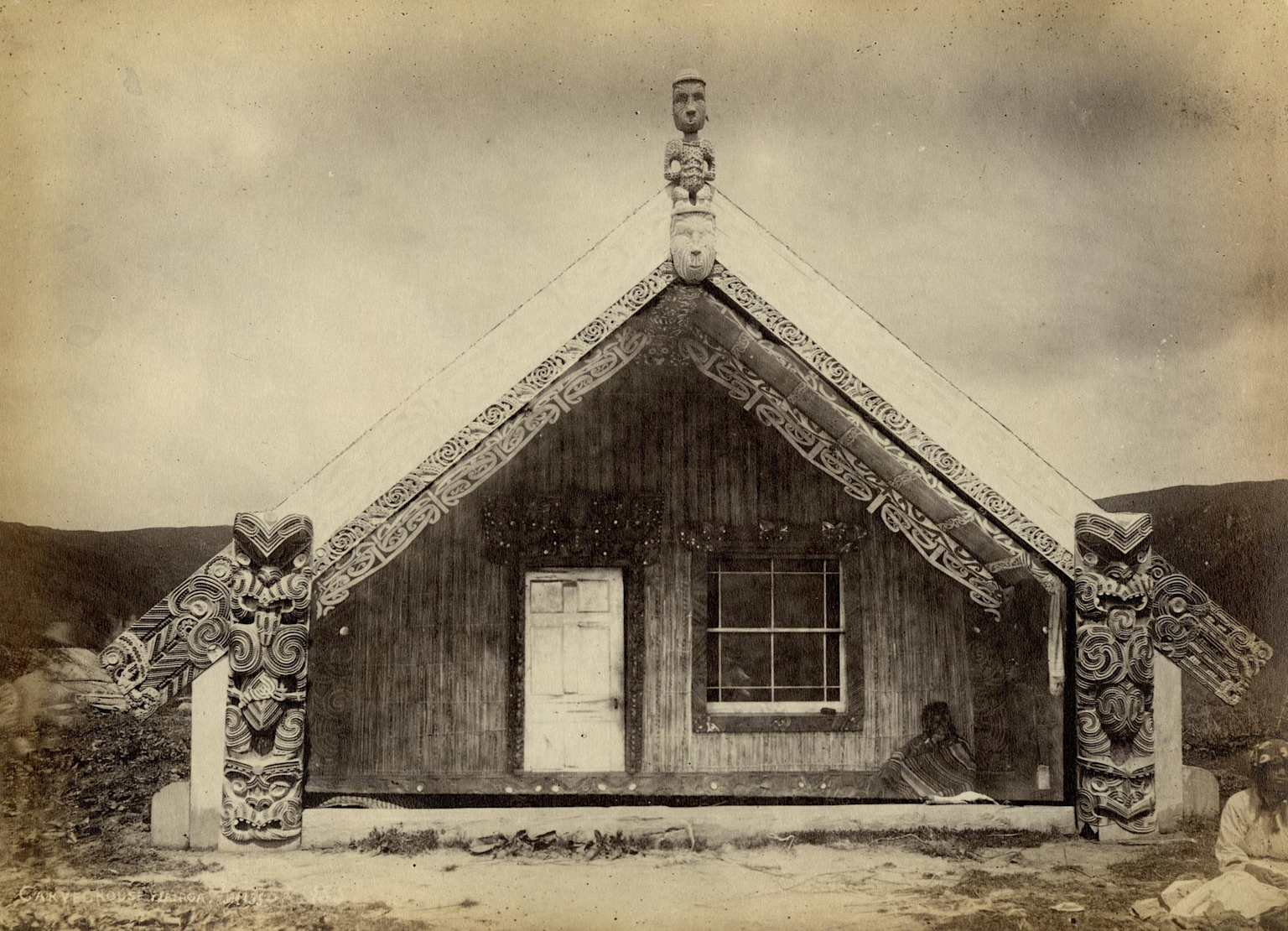
Traditional Māori meeting house with intricate carved wooden details showcasing Māori cultural heritage and architecture
The dysfunction within Te Pāti Māori is not just an internal party matter - it’s a crisis that threatens the entire framework of Māori political resistance. While international networks like Atlas systematically undermine indigenous rights and Christian nationalist ideology provides moral cover for colonial policies, our own supposed champions have become consumed by the very power dynamics they once opposed.
Eru Kapa-Kingi was right when he said “Parliament does not hold the mana. The mana is in our communities, on the ground”. But mana without organization is powerless against organized oppression. Māori deserve political leadership that honors both our traditional values and the strategic demands of contemporary resistance.
The choice before us is clear: demand accountability from Te Pāti Māori’s leadership or watch as both internal dysfunction and external assault combine to destroy decades of progress toward tino rangatiratanga. Our tīpuna didn’t fight colonization for over a century so their mokopuna could watch their supposed defenders become the very authoritarians they once opposed.
Kia kaha, kia māia, kia manawanui. The struggle continues, but only if we have the courage to hold our own leaders accountable to the values they claim to represent.
To those readers who find value in this analysis and wish to support continued investigation of power structures threatening our communities, please consider a koha to: HTDM: 03-1546-0415173-000. I understand these are challenging economic times for many whānau, so please only contribute if you have the capacity and desire to do so.
Nāku noa, nā,
Ivor Jones - The Māori Green Lantern