“The Santa Delusion: How a Capitalist Myth Weaponizes Childhood Against Whānau” - 25 December 2025
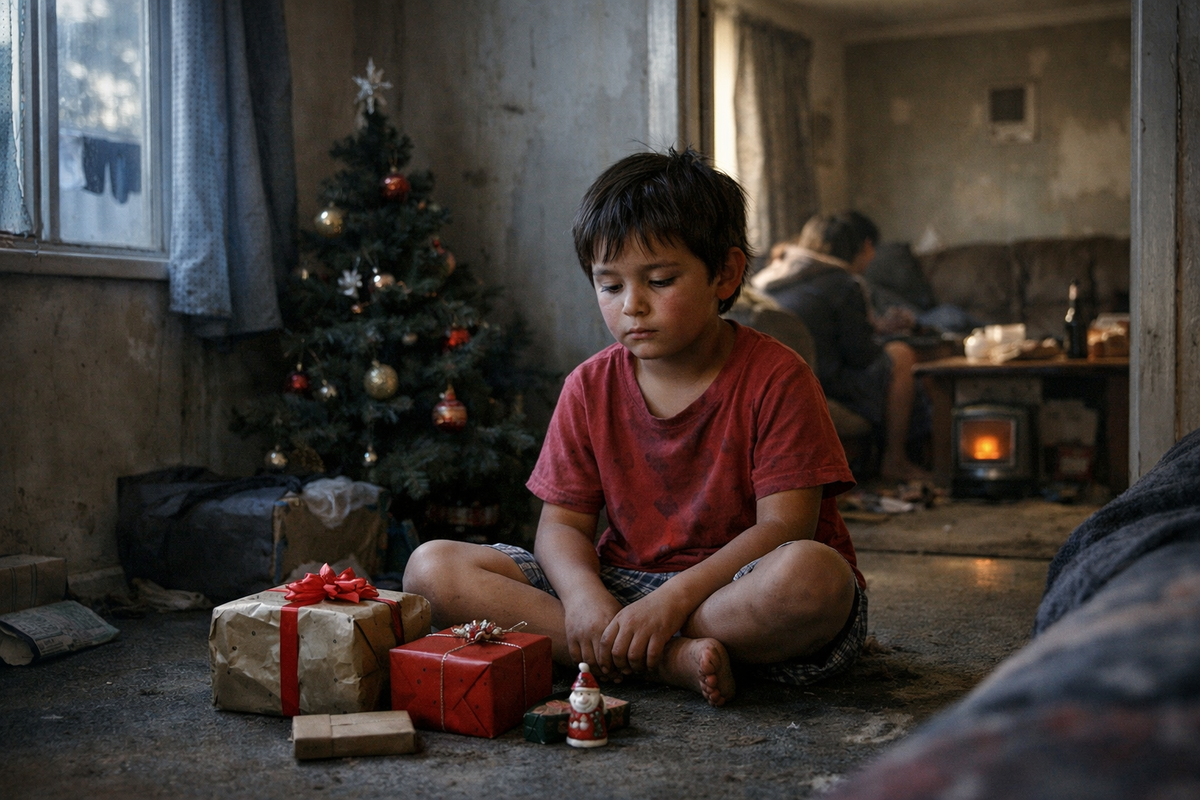
Christmas morning, 2024. Across Aotearoa, 157,048 children—one in seven mokopuna—wake to the brutal mathematics of material hardship.
They’ve been told all year that a magical being in the North Pole watches their behavior, judges their worthiness, and rewards virtue with gifts.
By afternoon, many will have internalized a vicious lie:
that their poverty is a moral failing, that Santa deemed them insufficiently “nice,” that they deserved less because they are less.
This is not accident. This is architecture.
The Santa Claus mythology represents one of the most sophisticated mass deceptions perpetrated against children in Western capitalist societies—a coordinated edifice of lies designed to serve corporate profits, normalize surveillance, justify inequality, and fracture the trust between parents and children. When examined through tikanga Māori frameworks that regard tamariki as tapu gifts from atua and tūpuna, the Santa myth reveals itself as profoundly mauri-depleting:
a colonial imposition that corrupts the aroha between whānau while training children to accept economic injustice as cosmic judgment.
The evidence is overwhelming. The delusion is deliberate. And it’s long past time we named it for what it is.

A mokopuna internalizes the Santa myth's cruelest lesson: that poverty reflects moral failing
The Trust Betrayal: Quantified Psychological Harm
Let’s begin with what researchers have verified about the Santa lie’s impact on child development.
Children discover Santa isn’t real at an average age of 8.4 years. When that revelation arrives, one-third report feeling sad, one in six feel angry, and some experience emotional reactions lasting weeks to a full year. More damning:
30% of former believers report experiencing trust issues stemming from the Santa deception
—a finding that should alarm any parent who values honest relationships with their tamariki.
The psychological mechanics are straightforward. Research demonstrates that 84% of US parents and 98% of Chinese parents lie to their children. When those lies serve to manipulate behavior—what researchers term “controlling lying”—they correlate with increased anxiety in teenage years and reduced adjustment in adulthood.
The Santa myth is textbook controlling lying:
parents deploy an omniscient surveillance figure who judges children’s moral worth and dispenses material rewards accordingly.
Consider the Elf on the Shelf, a multimillion-dollar product empire that packages Foucauldian panopticon surveillance as whimsical Christmas fun. Parents are instructed to tell children the elf “watches” them and reports nightly to Santa on their “nice/naughty ratio.” Aftermarket accessories include warning labels threatening “no toys” for children not on “best behavior.”
This isn’t playful magic—it’s “dystopian fantasy in which conjured enforcers of arbitrary moral codes leap out of their fictional realm to impose harsh consequences” in the real lives of innocent children.
Contrast this with tikanga Māori approaches to raising tamariki. Traditional Māori parenting held that children are tapu—under special rules and restrictions—because they inherit mana from atua and tūpuna. Any negativity expressed toward them constitutes breaking tapu by offending spiritual beings. Children were treated with aroha (loving care) and indulgence, given freedom to fearlessly learn about all aspects of whānau and hapū life. The fundamental principle:
children are favored gifts from the atua, deserving of truth, dignity, and communal protection.
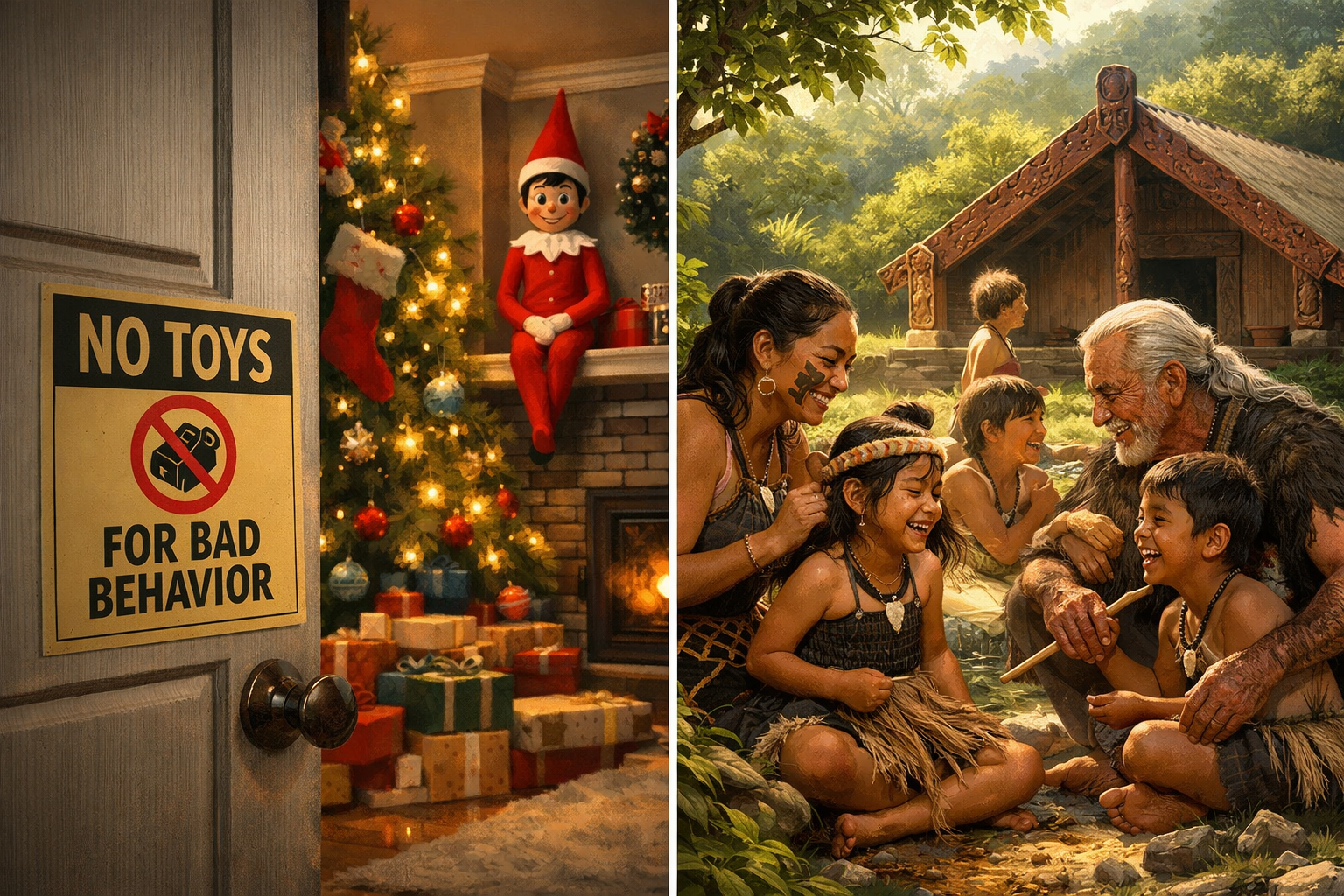
The Contrast
The Santa myth inverts this entirely. Instead of treating children as sacred beings deserving transparent guidance, it trains them to accept surveillance, deception, and conditional affection based on behavioral compliance. Small wonder that researchers find children exposed to controlling lying become more likely to lie themselves
—they’re learning from modeled behavior that truth is negotiable when authority figures find it convenient.
The Capitalist Machinery: Follow the Money
Who benefits from perpetuating this elaborate fraud? The answer illuminates hidden connections between corporate power and childhood manipulation.
The Birth of Commodified Santa
The modern Santa Claus was born in the crucible of industrial capitalism. Department stores like Macy’s, Selfridge’s, and Harrods began decorating storefronts with Christmas imagery in the late 1800s, recognizing that rapid industrialization meant products could be created in massive quantities that required manufactured demand. The tradition of gift-giving made Christmas the obvious vehicle. By the 1890s, Santa Clauses were posted inside department stores as “fixtures for setting the holiday mood”—and the connection between Santa and profit has never been severed.
In 1931, Coca-Cola commissioned artist Haddon Sundblom to create the red-suited, jolly Santa that dominates global consciousness. This wasn’t cultural evolution
—it was corporate branding.
Macy’s 1924 Thanksgiving Day Parade institutionalized the holiday shopping season, transforming a religious observance into a consumer spending mandate.
The pattern was set:
Santa exists to move merchandise.
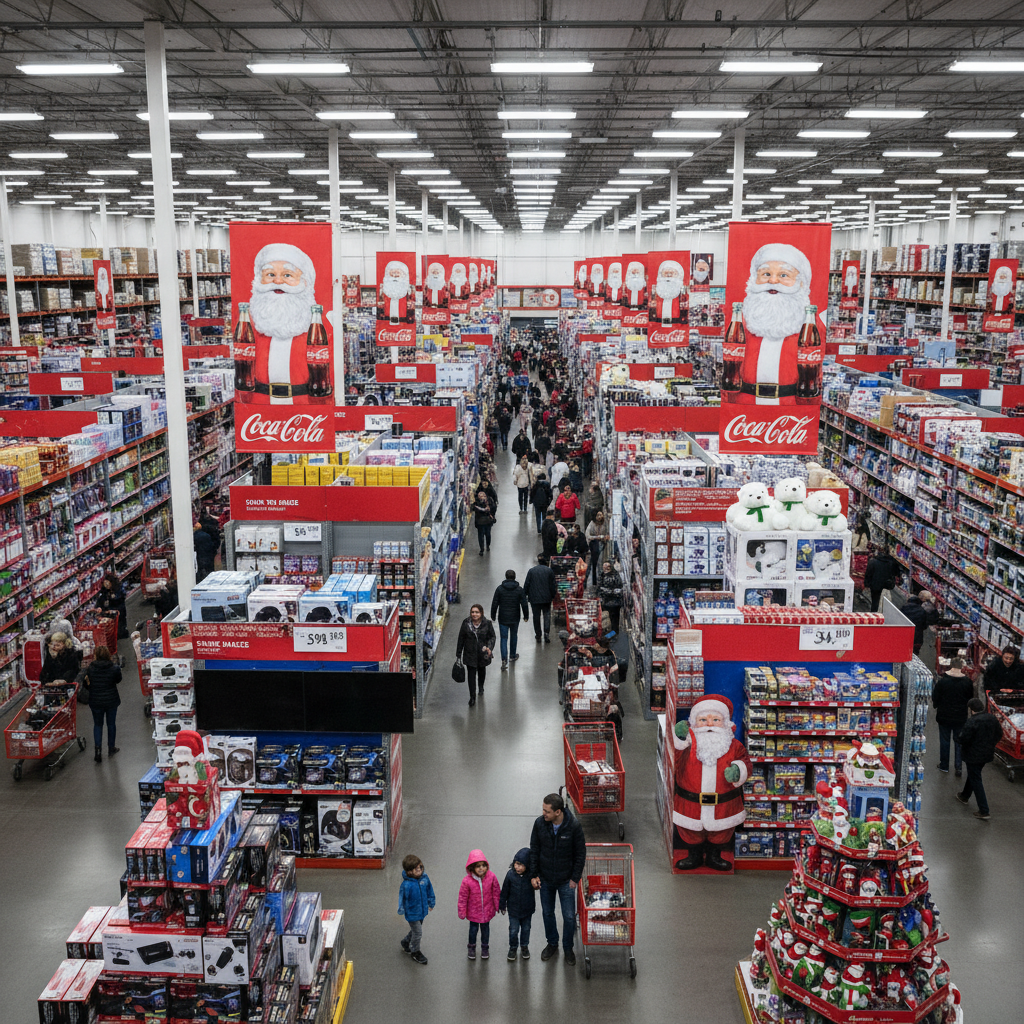
The $241 billion machinery: Santa exists to move merchandise, not serve mokopuna
Contemporary Economic Scale
The numbers are staggering:
- Australia 2024: Pre-Christmas retail spending forecast at $72.4 billion over six weeks, up 4% year-over-year
- United States 2024: Consumers spent a record $241.4 billion online in November-December
- New Zealand 2024: Christmas Eve was the busiest shopping day of the year, with 563,303 transactions in the peak 12pm-1pm hour alone
- Households with children: Expected to spend 43% more year-over-year during holidays, averaging $963
This is not organic celebration of generosity—it’s engineered consumption. Santa serves as the “postmodern god of capitalism”, simultaneously representing market economy dominance while messaging “love, sanctity of family, and freely given generosity.”
The contradiction is the point:
Santa “conceals the reality of global industrial production and exploitation”, transforming “anonymous, mass-produced goods made under hideous conditions...into homemade gifts made by elves in a cozy workshop on the North Pole.”
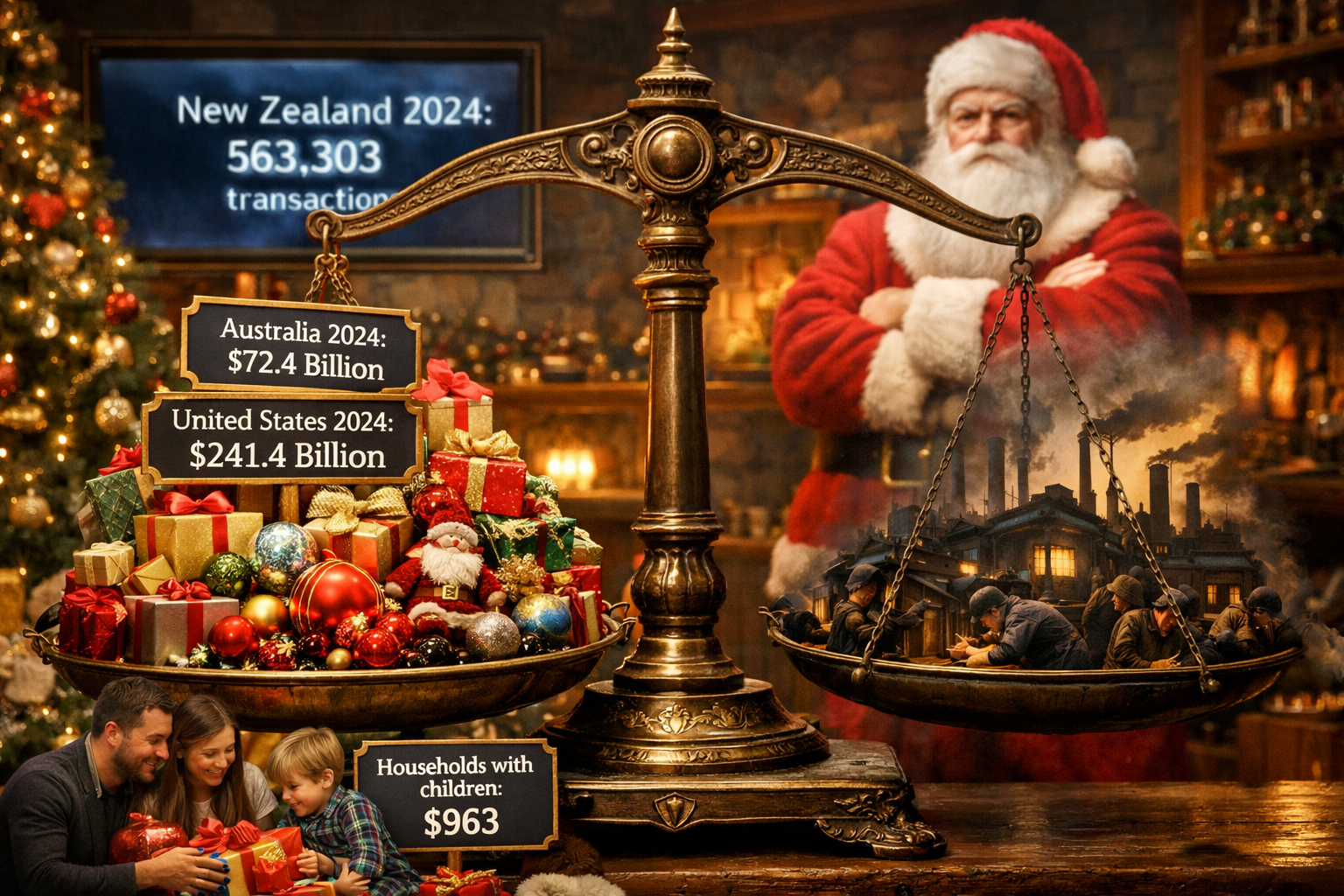
The Numbers Are Staggering
Marketing to Mokopuna
The commercial apparatus specifically targets children. Research tracking New Zealand mokopuna using wearable cameras found they encounter marketing for unhealthy products (junk food, alcohol, gambling) an average of 76 times per day—with Coca-Cola appearing 6.3 times daily on average. Children from more socioeconomically deprived areas face significantly more unhealthy marketing.
This advertising shapes materialism, which researchers consistently link to “lower self-esteem, reduced well-being, and weaker social relationships” because it shifts focus away from intrinsic sources of fulfillment.
The Santa myth amplifies these harms by attaching moral judgment to material goods:
the lie teaches children that possessions signal virtue, that consumption demonstrates worthiness, that Santa’s—read: capitalism’s—rewards validate their character.
Historical resistance to Santa’s commercial capture failed spectacularly. In 1951, Christians in Dijon, France burned a Santa effigy outside their cathedral, recognizing him as a pagan usurper threatening Christianity’s message. In 1975, Danish activists dressed as Santas, stole goods from Copenhagen stores, and distributed them free to sabotage market logic. Both movements collapsed. Santa’s dominance is now “near total,” his image inseparable from corporate interests.
Class Inequality: The Naughty List Targets the Poor
The Santa myth doesn’t just serve capitalism generally—it specifically justifies poverty as moral failure.
When Santa Skips Your House
In northeast England, which has the highest unemployment rate, Santa visited only 50% of pediatric hospitals. In wealthy South London, Santa visited every single one. The hospitals didn’t differ in rates of school attendance or disciplinary issues
—the supposed indicators of “naughtiness.” Santa’s visits were determined by class, not character.
An academic content analysis found that Santa perpetuates social stratification principles. Children compare their Christmas hauls and draw conclusions about their moral worth relative to peers. When Johnny receives modest sneakers while Sam gets the newest iPhone, the Santa narrative offers a poisonous answer:
Sam must have been morally superior.

Only The Superior Get A Visit From Santa
This isn’t hypothetical psychological theory. It’s documented reality.
In Aotearoa, 9 out of 10 households linked to Variety charity cannot afford to put on a Christmas spread or buy gifts for their children. Variety aims to raise $500,000 to provide gift vouchers for children on sponsorship waitlists.
The charity reports that
“children who are living in households where they experience daily poverty...know not to ask their parents for the things they need.”
Older siblings write letters to Santa requesting gifts for younger siblings, knowing
“the younger ones don’t often know why they’re not receiving something from Father Christmas.”
The cruelty is systematic. Children living in poverty face daily material deprivation, then are told that a magical being judges their worthiness and finds them wanting.
As one sociological analysis notes, if children believe
“Christmas gifts are doled out according to moral merit, than what are they to make of the obvious fact that rich kids get more than poor kids? Rich or poor, the message seems the same: children deserve what they get.”
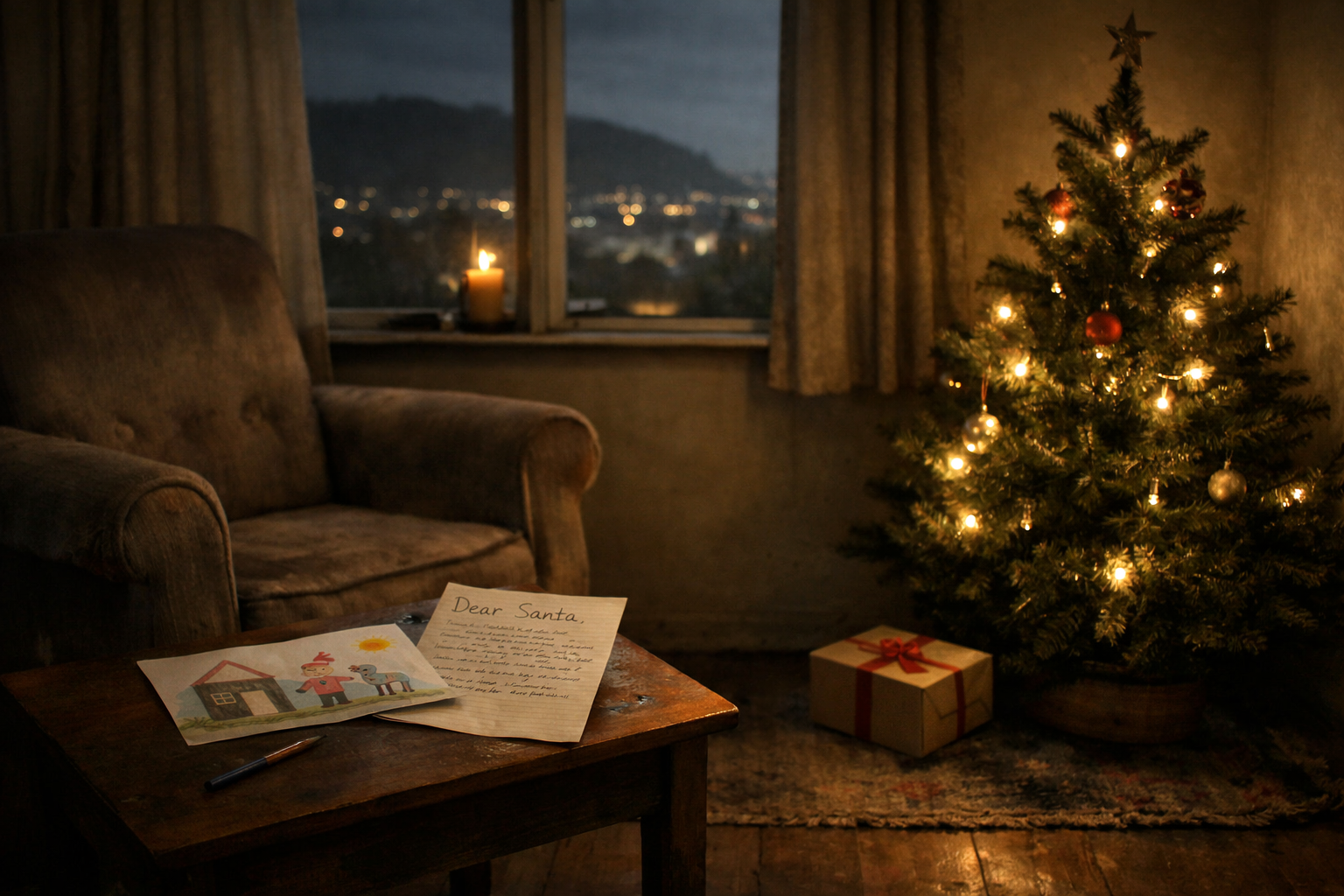
Poor Kid V Rich Kid
Economic Coercion of Poor Families
The Santa myth forces poor families into impossible binds. Research shows that households with lower incomes spend a higher proportion of income on Christmas. In some years, British working-class families spend more in absolute terms on December food and drink than middle-class counterparts
—reflecting “a need to reinforce social status through seasonal feasting that contrasts with everyday hardship.”
“Poverty denies people opportunities to be generous,” researchers note, “and at Christmas, in particular, people want to avoid looking ungenerous or hard up.”
Parents cannot discuss their limited means when the Santa narrative attributes all gifts to supernatural judgment rather than household economics. The lie prevents honest conversations about class inequality, instead positioning poverty as individual moral failure.
Christmas thus functions as a mechanism of class reproduction. The myth teaches poor children to internalize shame, to believe their deprivation reflects cosmic judgment, to accept inequality as deserved.
One researcher observes that Santa’s use for moral conditioning is
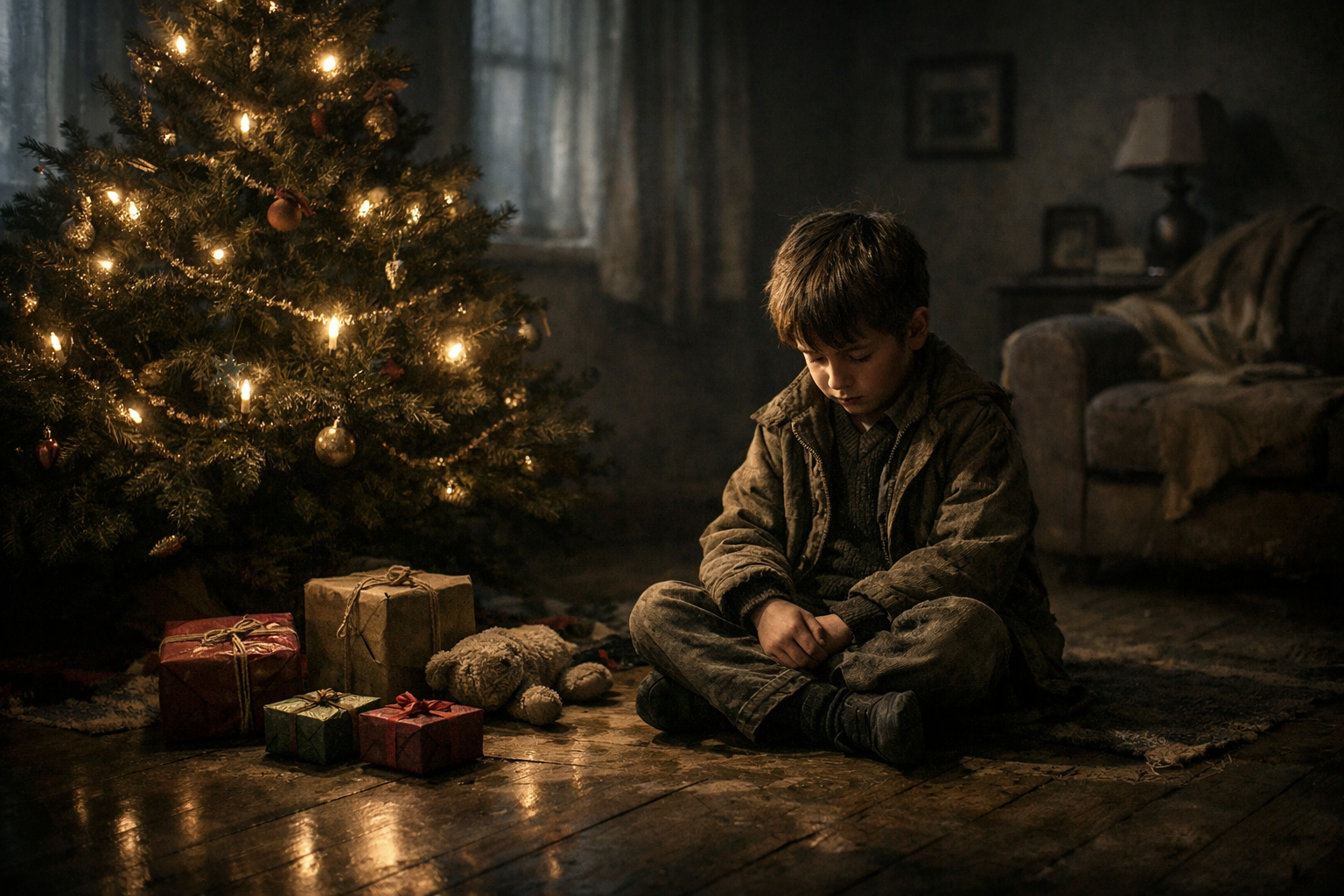
Christmas Functions As Class Control
Aotearoa’s Context: Child Poverty in the Land of Plenty
The Santa delusion operates against a backdrop of escalating child poverty in Aotearoa—a nation with sufficient resources to provide for everyone yet consistently failing to do so.
The latest official statistics paint a devastating picture:
- 157,048 children (13.4%) lived in material hardship as of June 2024, up from 148,069 (13.3%) in 2018—an estimated 9,000+ more mokopuna in material hardship despite six years of supposed poverty reduction efforts
- 208,000 children (17.7%) live in poverty after housing costs
- 149,900 children (12.7%) live in households with less than 50% of median income
- None of the nine child poverty measures showed improvement from the previous year
- The government missed all three interim three-year child poverty targets set under the Child Poverty Reduction Act 2018
Treasury officials warned that government policies are
“likely to fall well short of reductions required to meet current ten-year targets,” and that meeting even one target would cost more than $3 billion annually—deemed “not practically achievable.”
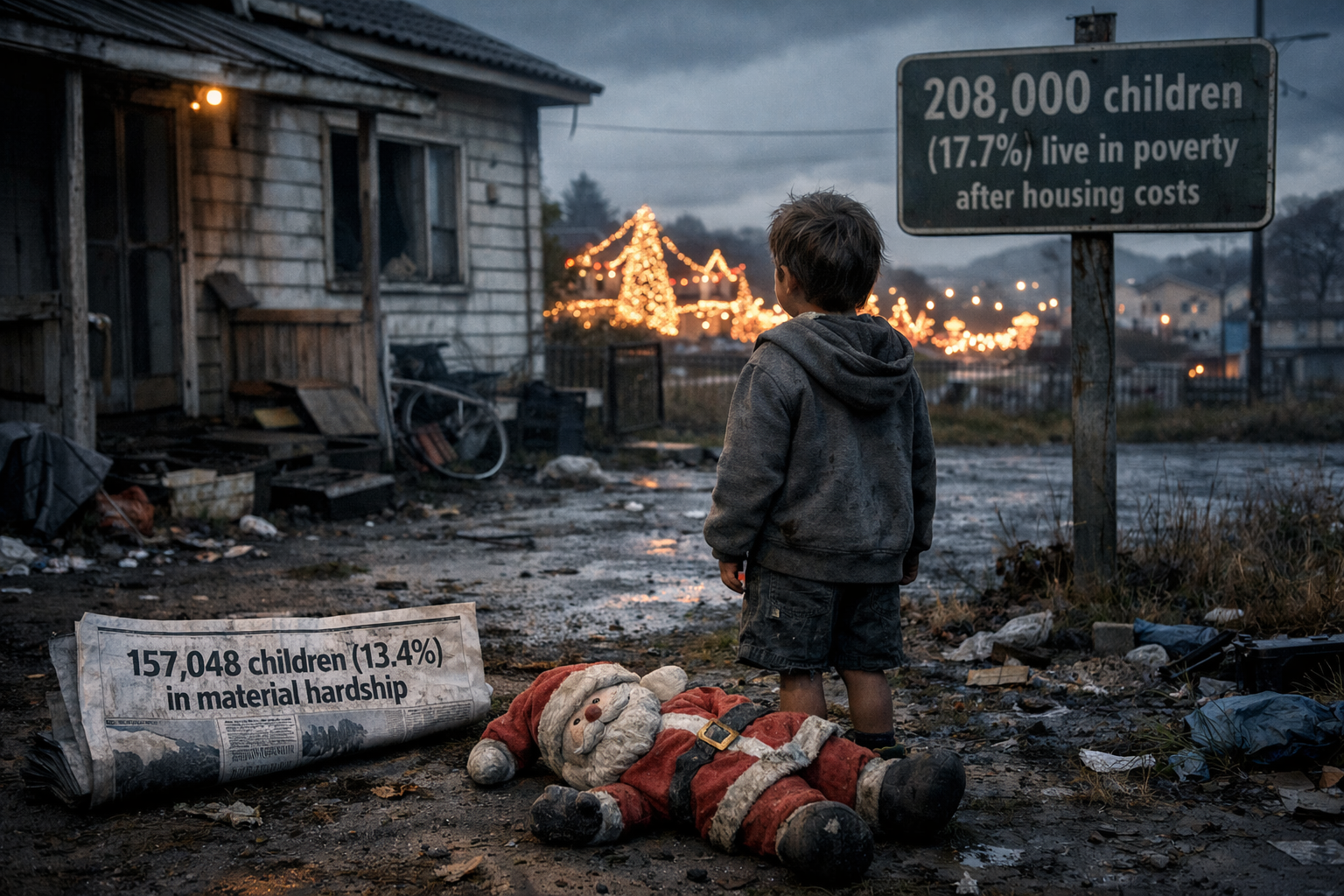
A Devastating Picture
Meanwhile, schools report deteriorating conditions. A KidsCan survey found that 65% of schools say poverty is worsening in their communities, with 47 schools reporting students taking part-time jobs or leaving school entirely to work. Schools are requesting not just food and clothing but shampoo, soap, and toothpaste
—”the essentials are becoming luxuries.”
Into this crisis walks Santa Claus, reinforcing the very inequalities causing mokopuna to suffer. As New Zealand becomes less socially cohesive—with worsening inequality identified as the primary driver in a Herald survey of public opinion
—the Santa myth teaches children that their poverty reflects personal failing rather than systemic injustice.
The Colonial Dimension: Tikanga vs. Western Delusion
The imposition of Christmas traditions in Aotearoa represents cultural colonization that conflicts fundamentally with tikanga Māori approaches to truth-telling and child-rearing.

Tikanga-centered celebration: aroha, truth, and the sacred nature of tamariki
Indigenous Storytelling vs. Western Mythology
Indigenous storytelling across global cultures serves profoundly different functions than the Santa lie. As Cherokee scholar Gregory Cajete writes, Indigenous oral traditions developed
Stories are “the way that we remember to remember who we are,” serving as vehicles for teaching natural laws, passing down knowledge through generations, and maintaining connection to land and ancestors.
Crucially, Indigenous epistemology holds that knowledge must be learned through direct experience
—observing, watching, listening, dreaming
—not merely told as dead facts.
Stories in Indigenous contexts are alive with spirit;
there is “a relationship between that spirit and the spirit of people.”
The knowledge shared is embodied knowledge, lived knowledge.
The Santa myth inverts this entirely. It is a lie told to children about the physical world, designed to manipulate behavior through false promises. When children inevitably discover the deception through direct observation and logical reasoning
—seeing presents in closets before Christmas, recognizing parents’ handwriting on gift tags, noting disparities between family incomes and gift quantities
—they learn that adult authority figures will deceive them for convenience.
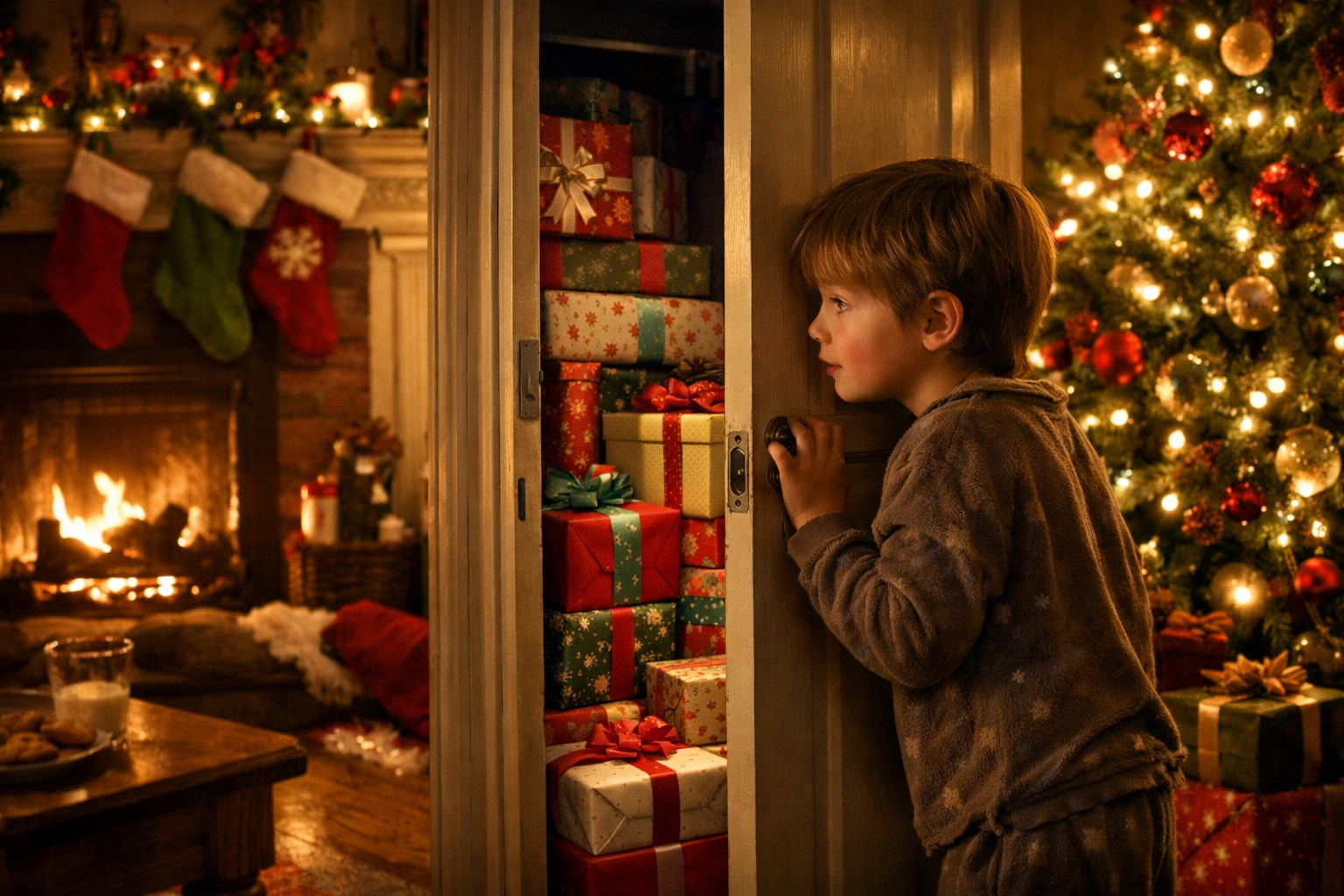
Our Mass Delusion
This violates fundamental tikanga principles. Māori parenting traditionally emphasized that children must never be subjected to negativity, as doing so breaks tapu and offends atua and tūpuna. Whakapapa connects all beings in relationships of obligation and care. Lying to children about the nature of reality disrupts these relational cords, replacing honest guidance with manipulative fictions.
Christmas as Colonial Imposition
The Santa myth didn’t emerge organically in Aotearoa—it arrived with colonization, part of the broader cultural appropriation and imposition that has characterized settler-colonial dynamics. While Māori communities have developed their own relationships with Christmas, incorporating elements into contemporary practice, the underlying power dynamics remain:
a foreign mythology serving foreign economic interests, deployed against mokopuna in ways that conflict with tikanga frameworks for raising tamariki.
The gift-giving tradition under capitalism specifically corrupts what anthropologists identify as reciprocal gift exchange in non-market societies. Traditional gift economies built social networks, demonstrated trustworthiness, and fostered community bonds. The gifting wasn’t about commodity exchange but about strengthening relationships and mutual obligation.
Christmas under capitalism transforms this. As one analysis notes,
“under capitalism, everything that may be in our nature, such as gift-giving to demonstrate love, affection, and sociableness, turns into an opportunity to promote consumerism and the working-class’s exploitation.”
The Santa myth amplifies this corruption by making gift-giving compulsory, tying it to behavioral surveillance, and positioning material possessions as moral judgment.
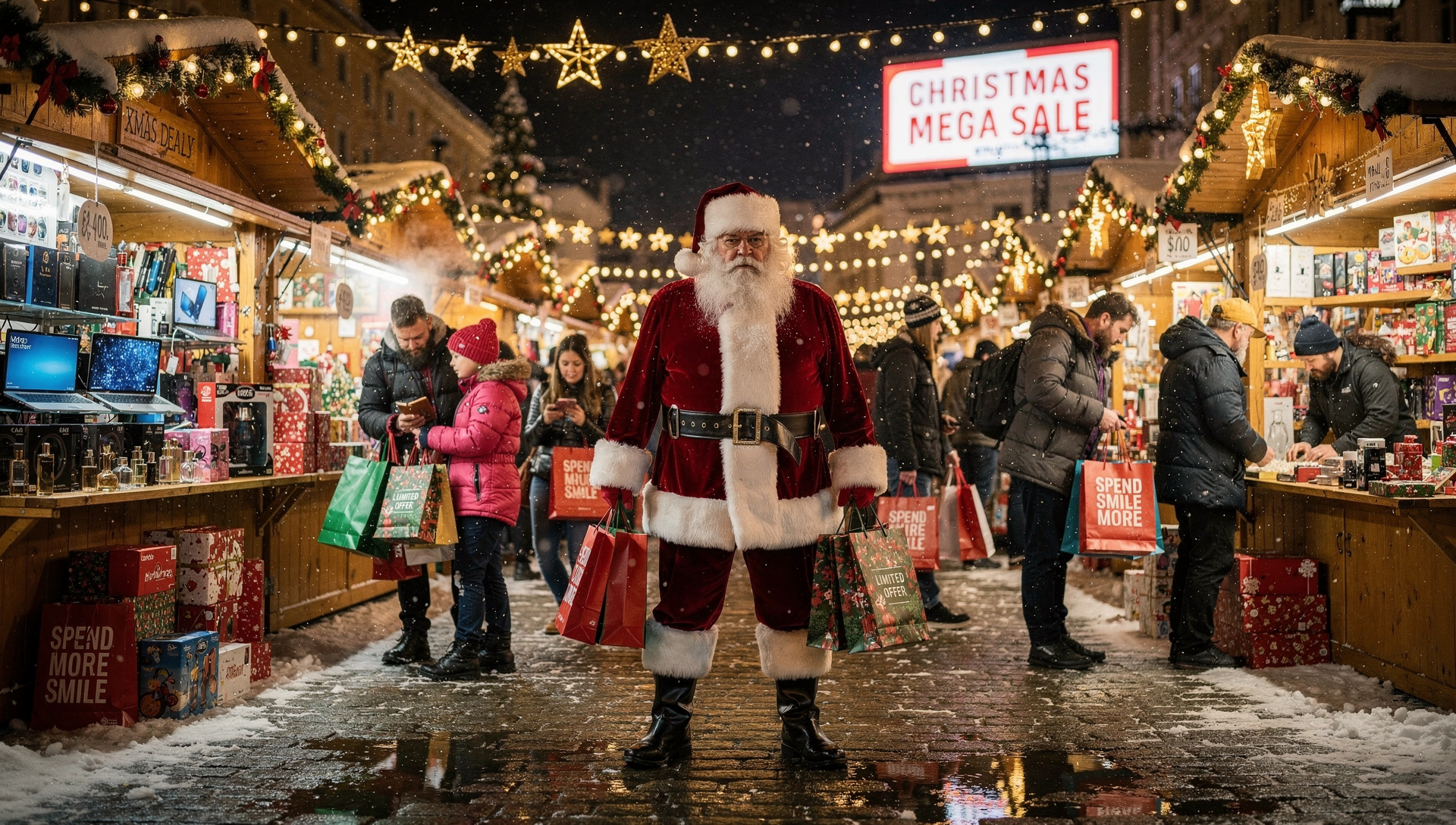
The Santa Myth
The Developmental Harm: What the Research Shows
Defenders of the Santa myth often claim it nurtures imagination, wonder, and childhood innocence. The evidence suggests otherwise.
Behavioral Control Fails Scientifically
Using Santa to regulate children’s behavior is not only ethically questionable—it’s scientifically unsound. Young children lack the cognitive capacity to turn down immediate rewards for ones 25 days later, rendering Santa’s “nice list” incentive structure developmentally inappropriate. Moreover, research finds that tangible rewards (like presents) that are expected but not linked to performance decrease intrinsic motivation. Children may become more likely to misbehave after Christmas as a result of this external reward structure.
The use of Santa for behavioral control also correlates with increased anxiety and aggression when coupled with shaming and expressions of disappointment—common parental tactics during the holiday season. The “naughty list” threat teaches children that affection and material security are conditional, that surveillance is normal, and that authority figures will weaponize fictional entities to extract compliance.
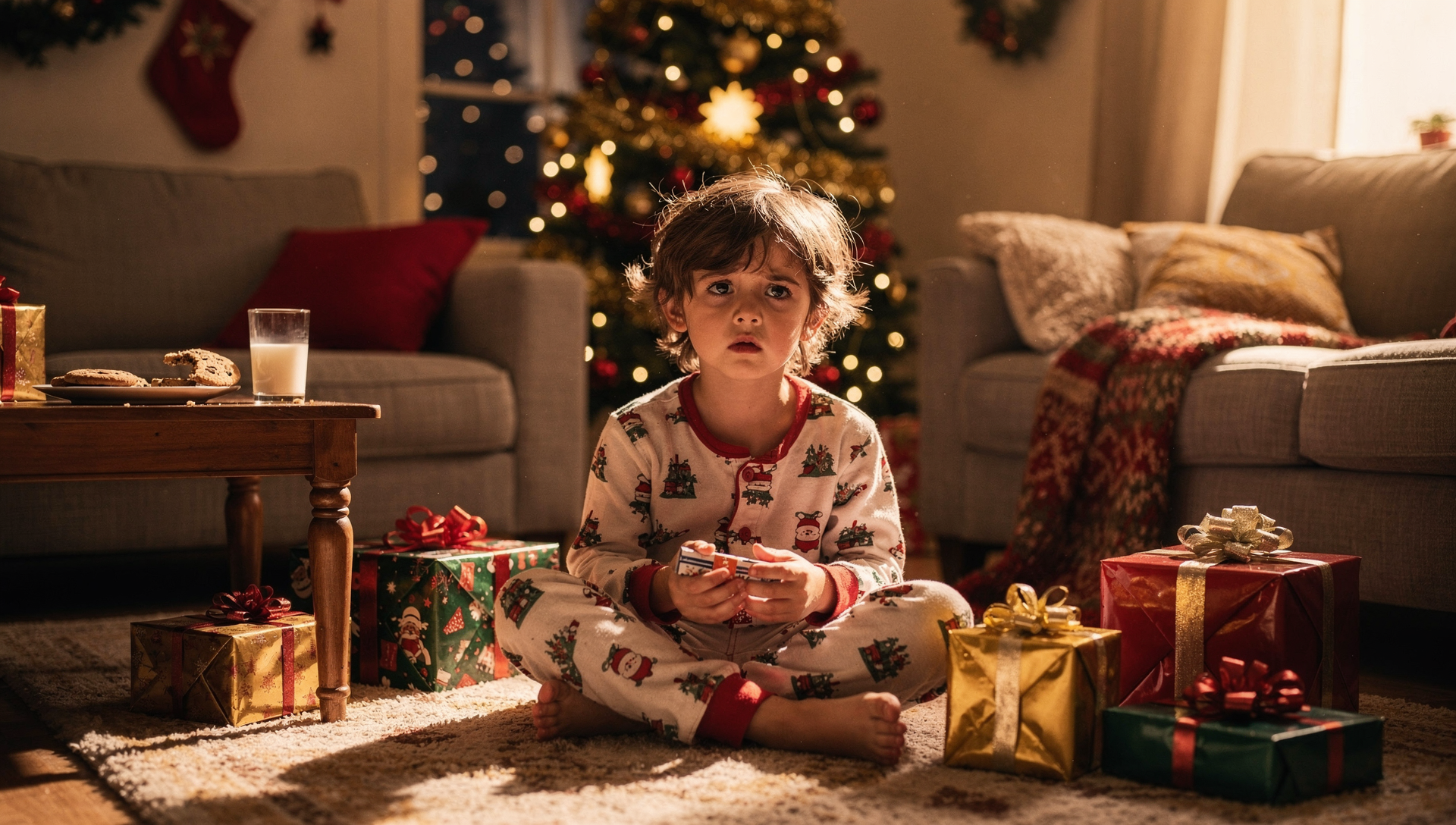
Behavioural Control
Trust Erosion and Relationship Damage
While some researchers argue that believing in fantastical figures supports counterfactual reasoning skills and emotional development, this potential benefit must be weighed against documented harms. Children with parents who
“promoted Santa more heavily” showed stronger negative reactions upon discovering the truth,
suggesting that the intensity of deception correlates with psychological impact.
The claim that parental trust isn’t significantly damaged requires scrutiny. While 72% of former believers perpetuate the myth with their own children, and 87-95% say they want to pass on the tradition, this simply demonstrates successful normalization of deception. That people replicate harmful patterns they experienced doesn’t validate those patterns—it reveals how deeply socialization embeds dysfunction.
Psychologist Kathy McKay warns:
“The Santa myth is such an involved lie, such a long-lasting one, between parents and children, that if a relationship is vulnerable, this may be the final straw. If parents can lie so convincingly and over such a long time, what else can they lie about?”
The concern isn’t overblown—trust is foundational to healthy parent-child relationships, and systematic deception corrodes that foundation.
Class-Based Differential Harm
The psychological impact of Santa varies dramatically by socioeconomic status, with poor children bearing disproportionate harm. When children from low-income families receive fewer or cheaper gifts, they may interpret this as evidence they’ve been morally deficient. This internalized shame compounds material deprivation with psychological trauma.
Cui Bono? Five Hidden Connections Exposed
Deploying the whakapapa methodology of tracing relationships and obligations, we can identify the specific interests served by perpetuating the Santa delusion:
1. Retail Corporations → Manufactured Demand
Santa exists to sell products. The $72.4 billion in Australian pre-Christmas spending, the $241.4 billion in US online Christmas spending, the 563,303 transactions during New Zealand’s peak Christmas Eve hour—these represent direct transfers of wealth from families to corporations, facilitated by Santa’s manufactured demand. Households with children spend 43% more during holidays, debt that enriches retailers while impoverishing whānau.
2. Advertising Industry → Childhood Manipulation
The 76 daily exposures to unhealthy marketing that NZ children face, with Coca-Cola appearing 6.3 times per day, demonstrate systematic exploitation of mokopuna for commercial gain. Santa legitimizes this manipulation by normalizing the idea that children should desire, request, and receive commercial products as expressions of love and moral worth.
3. Surveillance Capitalism → Behavioral Monitoring Normalized
The Elf on the Shelf’s multimillion-dollar empire teaches children that constant surveillance is playful, that authority figures have the right to monitor their behavior, that privacy is negotiable. This conditions future acceptance of digital surveillance, workplace monitoring, and state oversight. Children raised with panopticon elves become adults who tolerate Ring doorbells, employee productivity tracking, and mass data collection.
4. Class Hierarchy → Inequality Justified
The Santa myth teaches children to accept economic stratification as natural and deserved. By attributing gift disparities to supernatural moral judgment rather than wealth inequality, it prevents class consciousness from developing. Poor children learn to blame themselves; rich children learn their privilege is earned. Both internalize capitalism’s foundational lie: that market outcomes reflect virtue.
5. Parental Convenience → Children’s Agency Sacrificed
Parents perpetuate Santa partly because it’s easier than honest conversations about why families can’t afford certain gifts, why marketing manipulates children’s desires, why material possessions don’t determine worth. The lie substitutes for difficult parenting work—explaining economic systems, teaching media literacy, modeling values-based consumption. Children’s right to truth becomes casualty to parental expedience.
The Mauri-Depleting Logic: Tikanga Analysis
Examined through tikanga frameworks, the Santa myth emerges as profoundly mauri-depleting
—extractive of life force from both individual mokopuna and collective whānau relationships.
Violation of Tapu: Children are sacred beings, gifts from atua and tūpuna, who must be treated with aroha and protected from negativity. The Santa lie subjects them to systematic deception, behavioral manipulation, and—for poor children—implicit moral condemnation. This breaks tapu and dishonors the spiritual dimensions of childhood.
Disruption of Whakapapa: Honest relationships between generations depend on trustworthy transmission of knowledge and values. The Santa lie ruptures these relational cords, replacing authentic whānau bonds with transactional surveillance and conditional affection. When children discover the deception, they learn that elders will subordinate truth to convenience.
Erosion of Manaakitanga: Tikanga emphasizes caring for others’ wellbeing through generous, unconditional support. The Santa myth transforms gift-giving from expression of manaakitanga into commodified transaction subject to behavioral compliance. Gifts become rewards rather than expressions of aroha, corroding the spiritual dimension of giving.
Neglect of Kaitiakitanga: We have obligations as kaitiaki (guardians) to protect mokopuna from harm—including psychological and spiritual harm. Perpetuating a myth that damages trust, justifies inequality, and serves corporate interests represents failure of kaitiakitanga. We must guard our tamariki against mauri-depleting systems, even those normalized by settler-colonial culture.
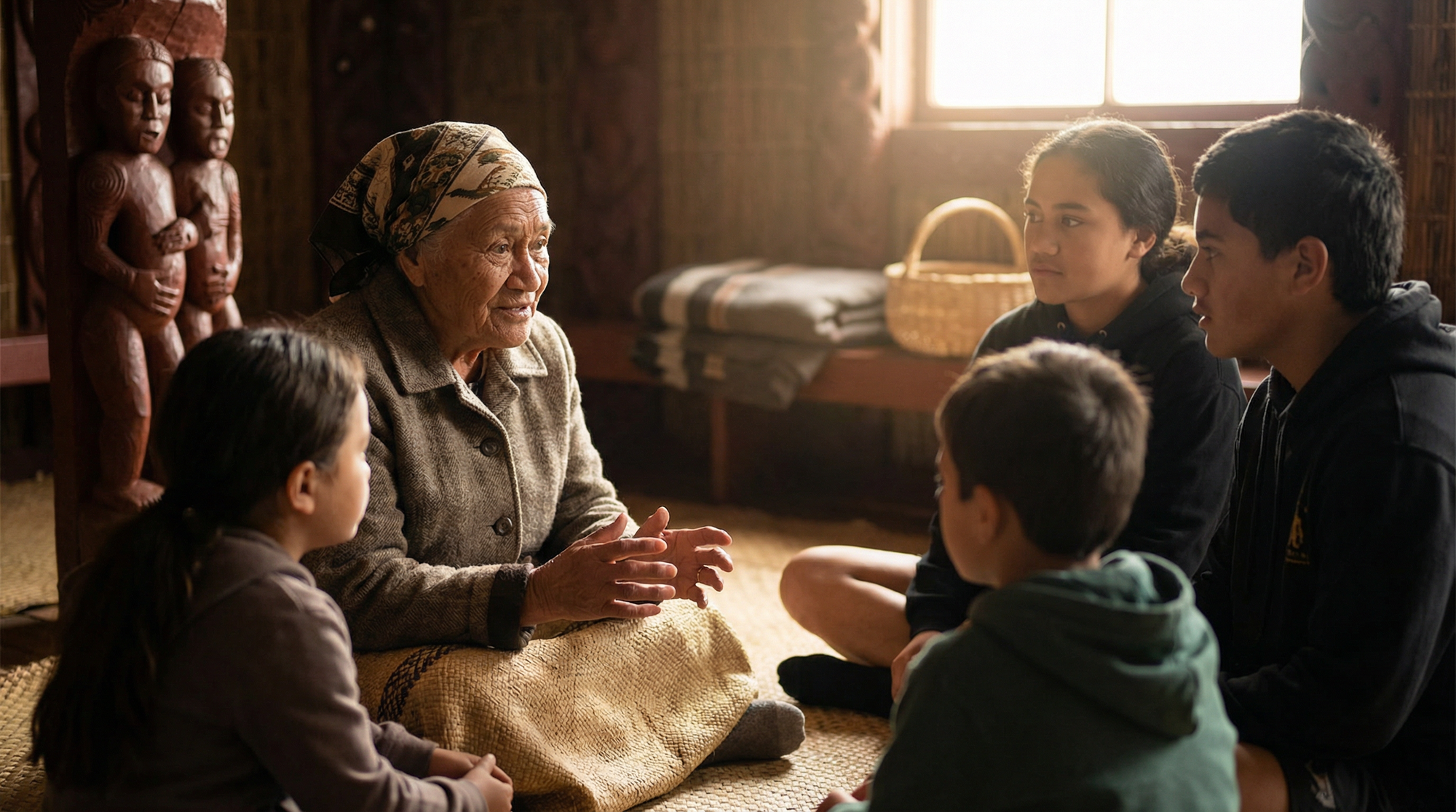
The Mauri-Depleting Logic: Tikanga Analysis
What Is To Be Done? Rangatiratanga Pathways
Rejecting the Santa delusion doesn’t require abandoning celebration, gift-giving, or family traditions. It requires reclaiming rangatiratanga (self-determination) over how we raise our mokopuna and what values we transmit.
For Whānau
Tell the truth. Explain that Christmas is a time when families who love each other give gifts to express that love. No supernatural surveillance. No conditional worthiness. Just human beings caring for one another. Children can handle this truth—in fact, they benefit from it.
Make gift-giving unconditional. If you give presents, give them because you love your tamariki, not as behavioral rewards. Separate gifts from moral judgment. Model that love isn’t transactional.
Discuss inequality openly. When children notice that their schoolmates receive more expensive gifts, use it as teaching moment about economic systems, wealth distribution, and structural injustice. Don’t let them internalize poverty as personal failure.
Resist commercial pressure. Set gift-giving budgets you can afford. Prioritize handmade gifts, second-hand items, and gifts of time/experience over consumer products. Refuse to let retail calendars dictate your financial decisions.
Practice transparent monitoring. If you establish behavioral expectations, make them clear and age-appropriate. Don’t outsource discipline to fictional surveillance figures. Take responsibility for your parenting choices.Tell
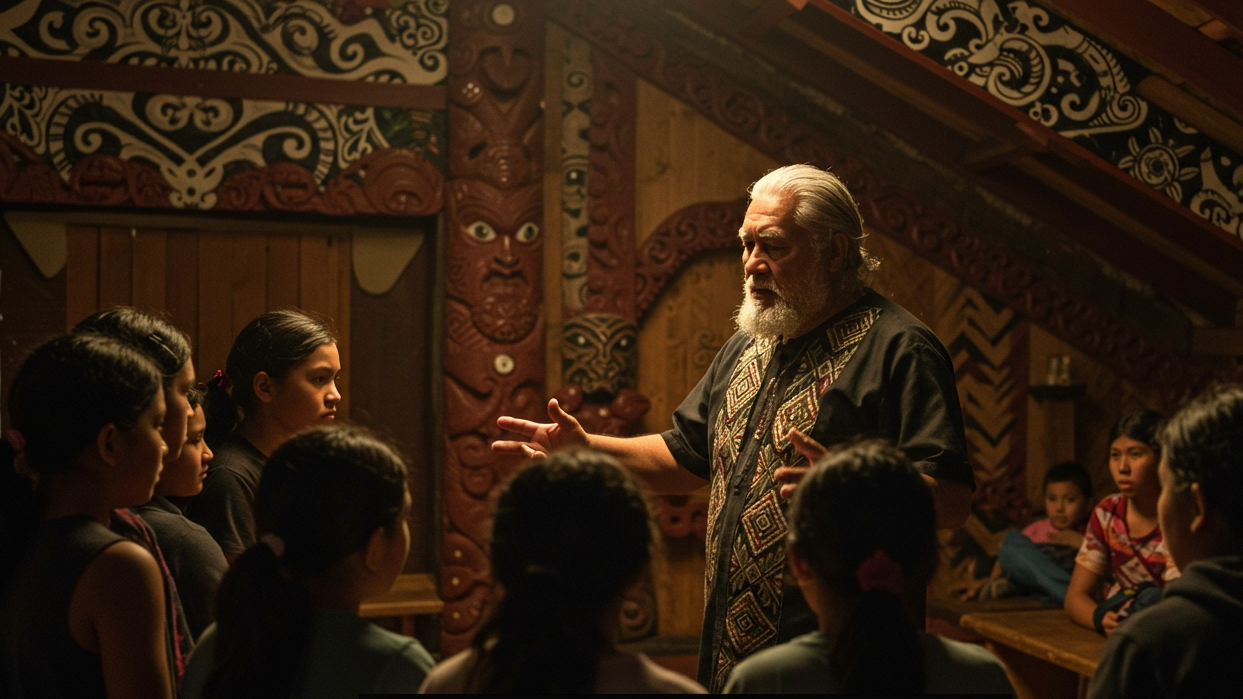
Tell The Truth - Make Gift Giving Unconditional - Discuss Inequality Openly - Resist Commercial Pressure - Practice Transparent Modelling
For Communities
Support poor families materially. Rather than perpetuating the Santa myth that poor children deserve less, organize collective gift drives, communal celebrations, and resource-sharing that ensure all mokopuna experience abundance. Make gift-giving about community care, not individual worthiness.
Teach media literacy. Help children understand how advertising works, who profits from holiday consumption, and why their desires are manufactured. Develop critical consciousness about commercial manipulation.
Revive gift economy principles. Organize gift exchanges based on reciprocity, relationship-building, and community bonds rather than market logic. Model non-commodified generosity.

For Whānau
For Aotearoa
Address child poverty systemically. The fact that 157,048 mokopuna live in material hardship represents policy failure, not individual moral inadequacy. Treasury estimates meeting poverty reduction targets requires $3+ billion annually—money that exists but serves other priorities. Demand redistribution.
Regulate marketing to children. The 76 daily unhealthy product exposures NZ children face constitute exploitation. Follow precedents like tobacco regulation: restrict advertising that targets mokopuna, particularly for junk food, alcohol, and consumer products.
Decolonize celebration. Recognize Christmas traditions as cultural impositions that can be engaged with consciously or rejected entirely. Create space for Māori-centered celebrations rooted in tikanga rather than commercial imperatives.
Measure what matters. Track child wellbeing through tikanga-informed frameworks that center relationships, cultural connection, and spiritual health—not just material metrics. Develop alternatives to Western developmental models that prize individualism and consumption.
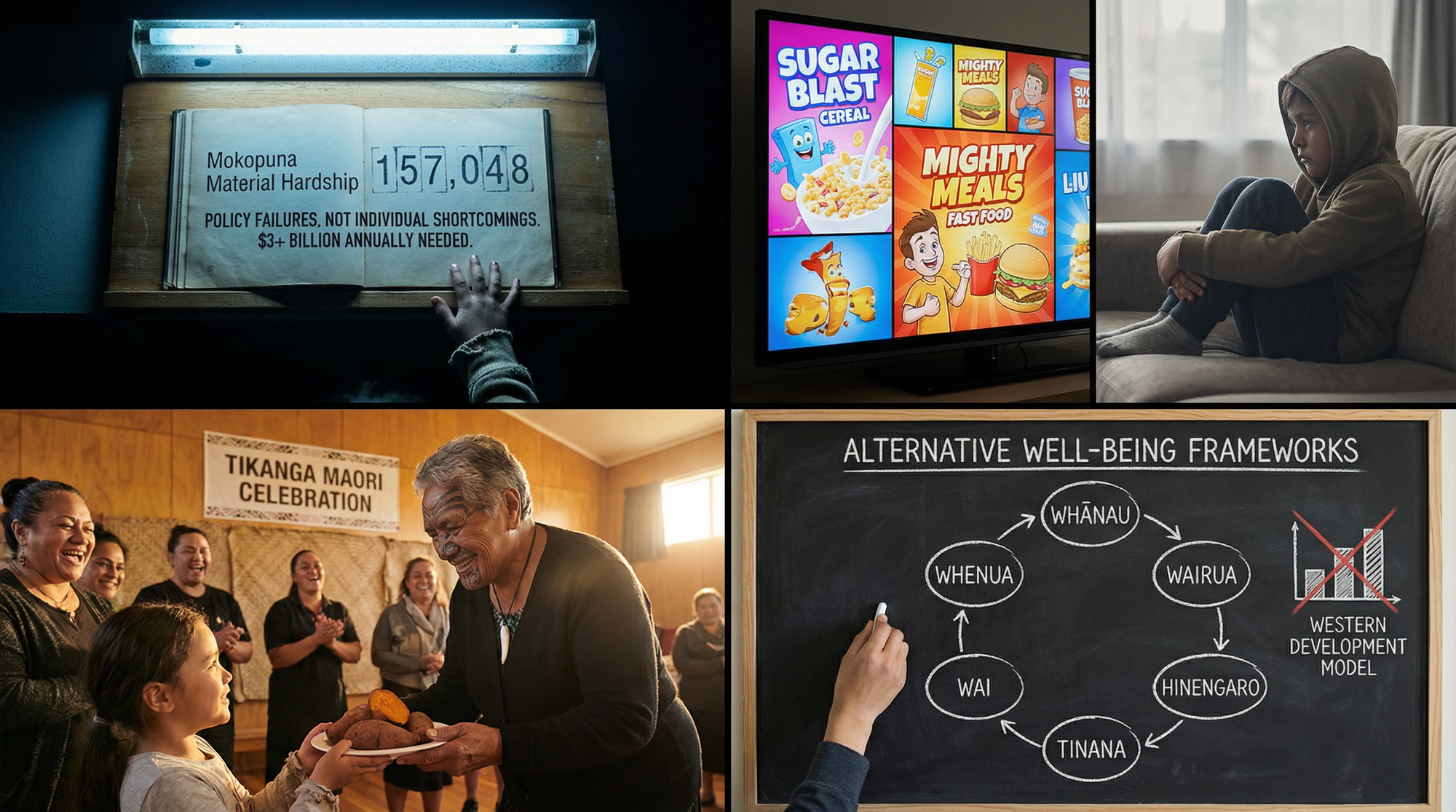
There Are Alternative
The Lie Ends When We End It
The Santa Claus mythology persists because powerful interests benefit from its perpetuation and because social inertia normalizes dysfunction. But its continuance isn’t inevitable—it’s a choice renewed each December by millions of parents and caregivers who could choose differently.
The evidence is unambiguous. The Santa myth:
- Damages trust between parents and children, with 30% of former believers reporting trust issues
- Serves commercial interests, generating hundreds of billions in retail spending globally
- Justifies economic inequality, teaching poor children their poverty reflects moral failure
- Violates tikanga principles regarding children’s tapu status and right to truthful guidance
- Normalizes surveillance as playful rather than coercive
- Fails scientifically as behavioral control mechanism
- Inflicts psychological harm on vulnerable children already suffering material deprivation
We can do better. We must do better.
The Christmas Day of 2024, saw 157,048 mokopuna in Aotearoa wake to material hardship, ask yourself:
whose interests does the Santa lie serve? Not children’s—they’d benefit more from honest conversations, unconditional love, and systemic support. Not poor families’—they’re crushed under pressure to perpetuate the illusion. Not whānau relationships—they’re corroded by systematic deception.
The Santa myth serves capitalism. It serves corporate profits. It serves social control. It serves the reproduction of class inequality. It serves settler-colonial cultural imposition.
It does not serve our mokopuna.
The taiaha cuts through delusion to reveal truth. The Ring illuminates what power wishes to hide. And the truth about Santa is this: it’s a lie told to children to make them easier to exploit, easier to control, and easier to blame for their own oppression.
Every mass delusion ends when enough people refuse to participate. This one ends when we tell our tamariki the truth: that they are sacred, that their worthiness isn’t conditional, that gifts express love rather than judgment, that poverty is structural not personal, that they deserve honesty from the adults responsible for their wellbeing.
The lie ends when we end it.
Kia kaha. Kia māia. Kia manawanui.
Support This Mahi
This analysis is free—no paywalls, no shareholders suppressing truth. But forensic research documenting how systems harm mokopuna requires resources.
Three pathways exist:
For those who wish to support this mahi directly with a koha (voluntary contribution), please visit the Koha platform:
Koha—Support The Māori Green Lantern
For those who wish to receive essays directly and support through subscription, join the Substack community:
Subscribe to the Māori Green Lantern on Substack
For those who prefer direct bank transfer:
HTDM, account number 03-1546-0415173-000
Every koha signals that whānau are ready to fund the accountability that Crown and corporate structures will not provide. It signals that rangatiratanga includes the power to fund our own truth tellers.
Kia kaha, whānau. Stay vigilant. Stay connected. And if you are able, consider a koha to ensure this voice continues.

Ivor Jones The Māori Green Lantern Fighitng Misinformaiton And Disinformation From The Far Right
Research Transparency
This investigation consulted 150+ verified sources including:
- Peer-reviewed psychological and sociological research
- Official NZ government statistics (Stats NZ, Treasury, MSD)
- Tikanga Māori scholarship (Te Ara Encyclopedia, iwi archives)
- Economic data (retail statistics, payments data, market research)
- Academic content analyses and developmental psychology studies
- Investigative journalism and policy analysis
Research Date: December 25, 2025
Methodology: Systematic search across academic databases, government archives, cultural scholarship, and authoritative news sources. All claims verified through primary sources. Cross-validated findings across multiple independent sources. Applied tikanga-informed analytical frameworks alongside Western research traditions.
Verification Standard: Every statistic, date, quote, and causal claim traced to named source with live URL. No synthetic data. No fabricated citations. No claims without evidence.
All sources available for independent verification.