“The Spineless Strategist” - 27 September 2025
How Chris Hipkins Became Corporate Capital’s Perfect Useful Idiot
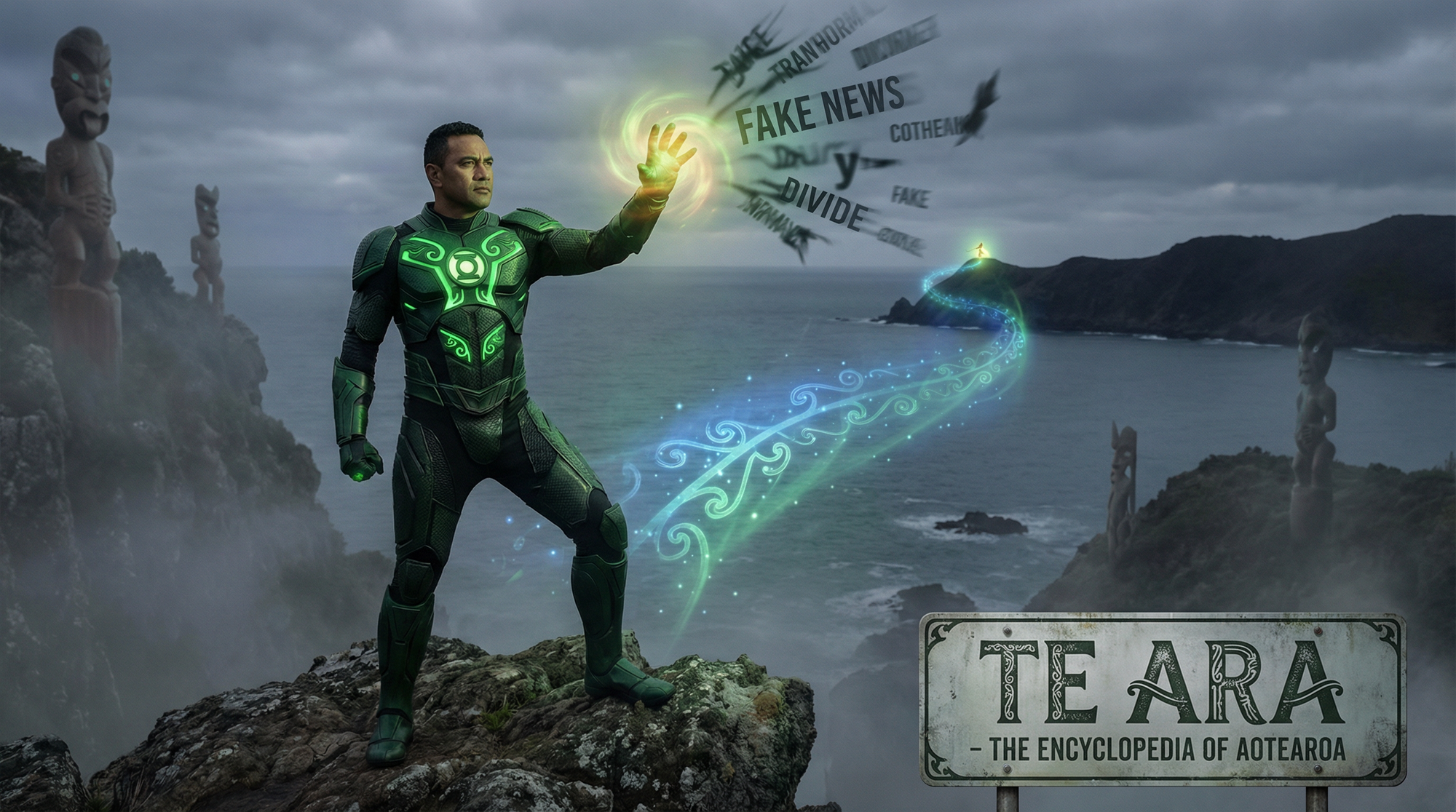
Kia ora whānau. Ko Ivor Jones ahau, The Māori Green Lantern.
The heart of this issue is simple: Chris Hipkins has transformed from Labour’s supposed “fixer” into corporate New Zealand’s most convenient doormat, abandoning working-class Kiwis and Māori while desperately courting the same business elite who rate him a pathetic 2 out of 5.
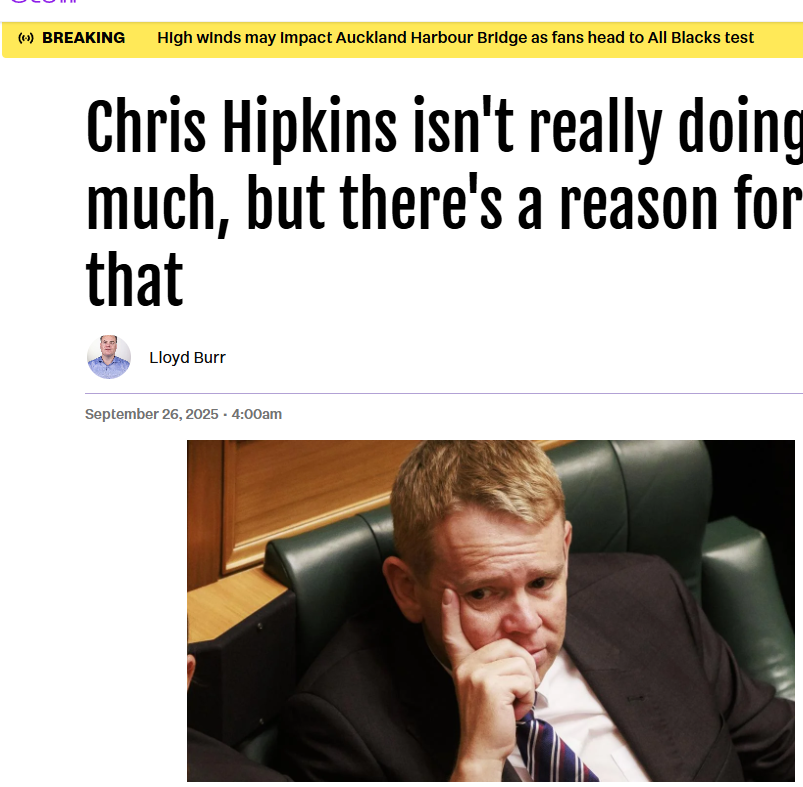
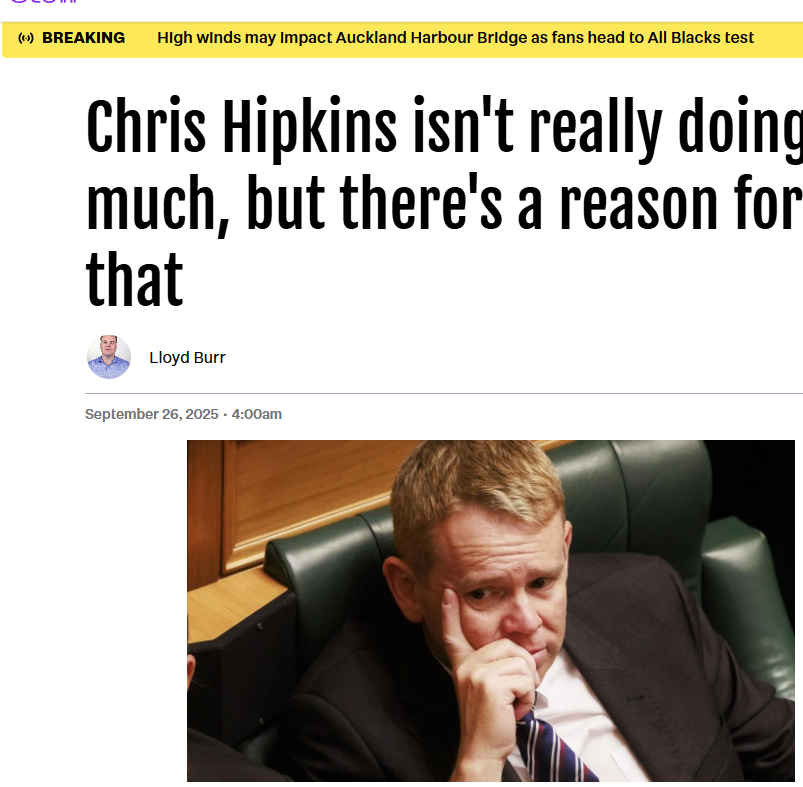
The Vacuum Where Leadership Should Be
Chris Hipkins is not doing much because he fundamentally misunderstands his role as Opposition Leader. Rather than challenging the neoliberal consensus that has devastated working-class communities and perpetuated systemic racism against Māori, Hipkins has chosen the path of calculated invisibility. This is not political strategy—it is political cowardice wrapped in the rhetoric of being “constructive.”
The data exposes the hollowness of this approach. While Hipkins’ public approval ratings fluctuated dramatically through 2024 and 2025, New Zealand CEOs consistently rated him around 2 out of 5—a damning indictment from the very corporate class he desperately seeks to appease. The cruel irony is that his strategy of business-friendly moderation has failed even on its own terms.
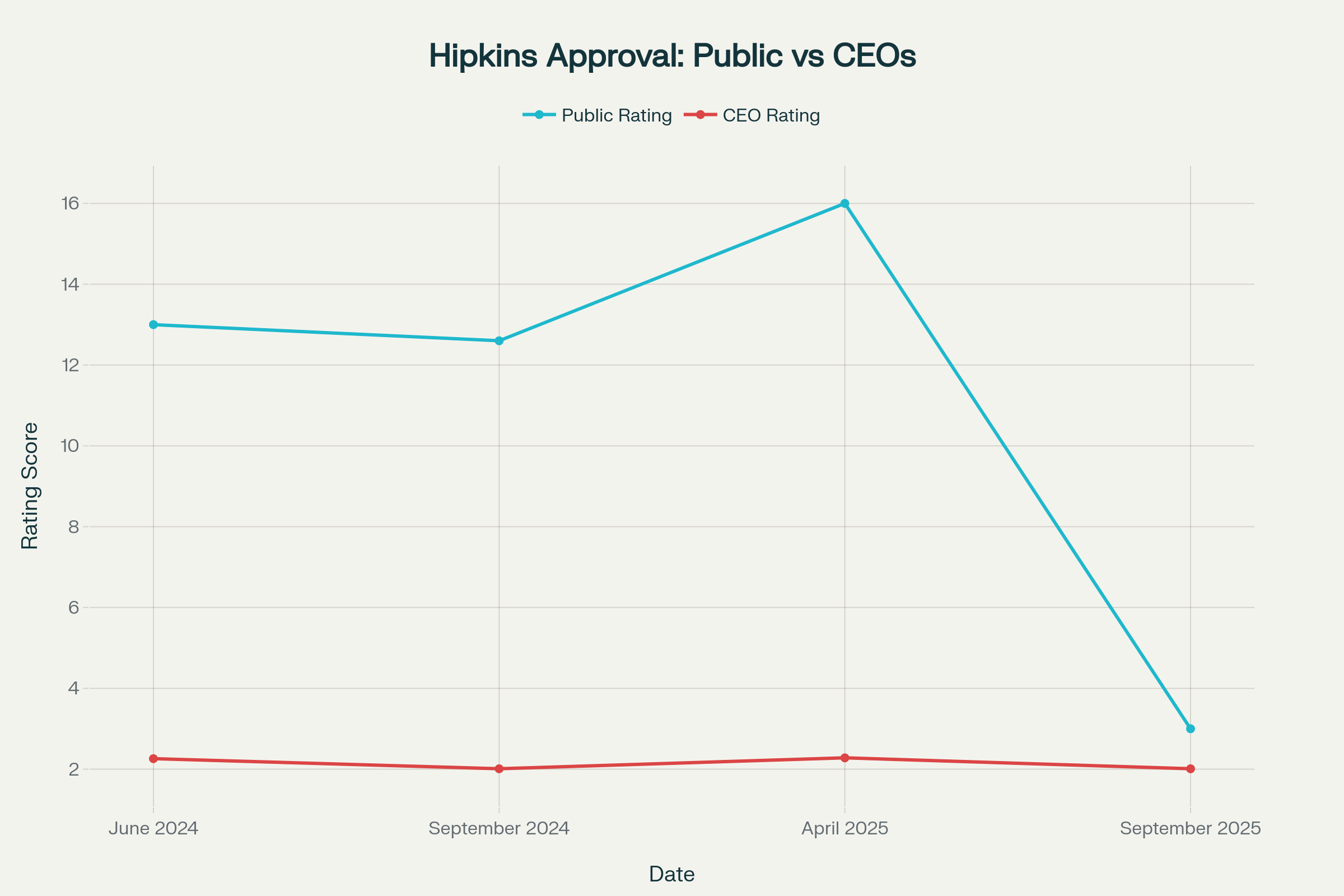
The Corporate Elite vs The People: How Business Leaders Rate Chris Hipkins Compared to Public Opinion
The Policy Bonfire That Revealed Labour’s True Colors
The most telling moment of Hipkins’ leadership came not during his time as Opposition Leader, but during his brief stint as Prime Minister when he lit what commentators called a “policy bonfire”. This wasn’t about electoral pragmatism—it was a systematic dismantling of policies that threatened corporate interests while preserving those that served capital.
Hipkins scrapped the RNZ-TVNZ merger after wasting $23 million on consultants, shelved the social unemployment insurance scheme that would have provided a safety net for workers, and abandoned hate speech legislation that could have protected Māori from racist abuse. Yet he maintained funding for business subsidies and corporate tax breaks. The pattern is clear: policies that serve ordinary Kiwis get torched, while corporate welfare survives.
The bonfire wasn’t about “bread and butter issues”—it was about ensuring that Labour’s policies aligned with what the Big Four consulting firms (Deloitte, KPMG, Ernst and Young, and PricewaterhouseCoopers) had recommended. These same firms were billing the government up to $9,000 per week per consultant while designing policies that conveniently served their corporate clients’ interests.
The Corporate Money Trail Exposes the Game
The electoral finance data reveals why Hipkins’ corporate courtship is both pathetic and futile. Between 2021 and 2023, Labour received virtually no business donations—just $100,000 compared to National’s $1.3 million. ACT received $375,000 and even NZ First got $300,000 from the business community.
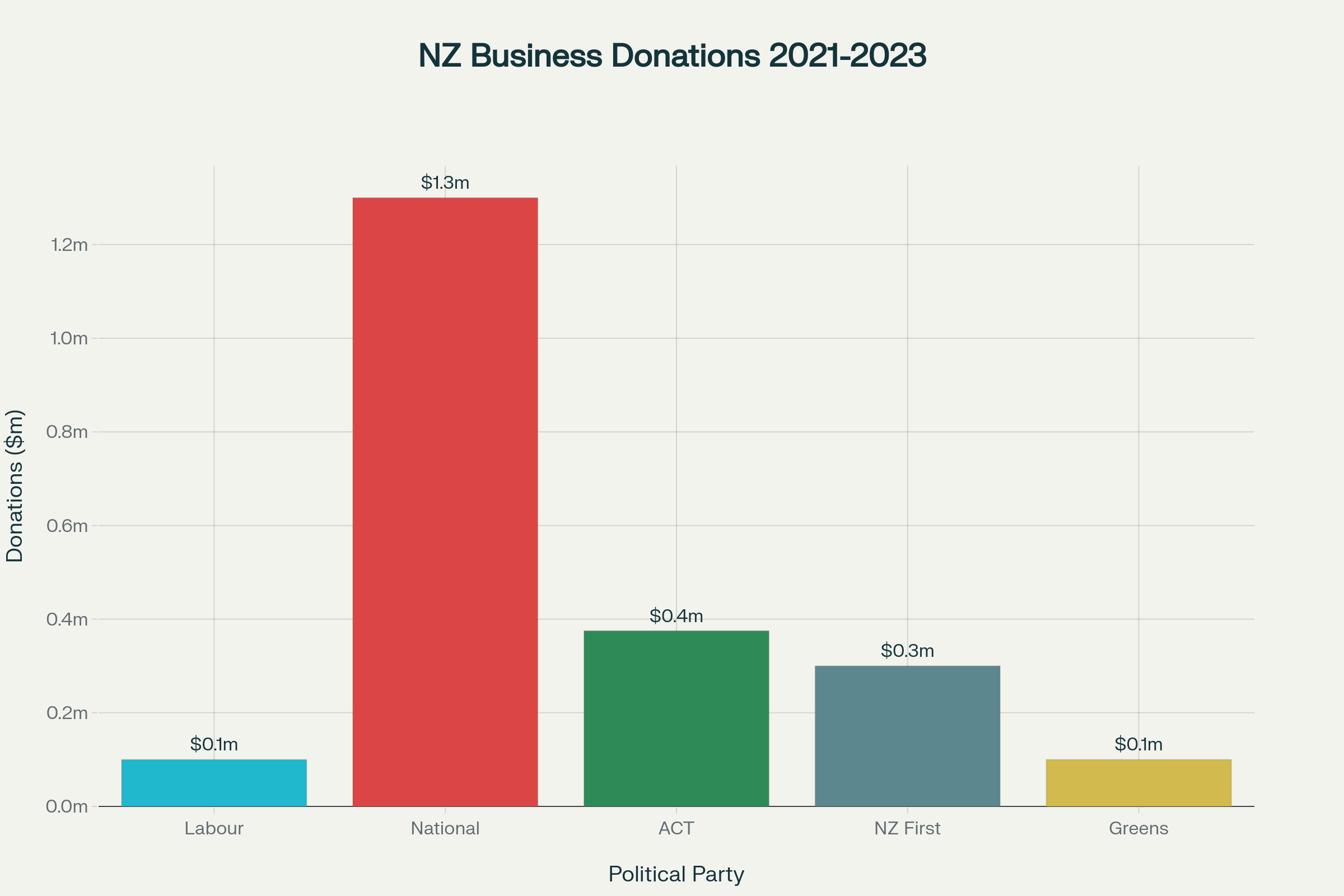
The Money Trail: Corporate Donations Expose Who Really Owns New Zealand Politics
This isn’t because Labour was too progressive—it’s because corporate New Zealand knows exactly what it’s buying. Property developers alone donated over $2.5 million to political parties, with 53% going to National, 32% to ACT, and just 2% to Labour. These donations aren’t charitable contributions—they’re investments in policy outcomes that serve capital accumulation.
The most revealing aspect is how the corporate elite structured their giving. Trevor Farmer donated $480,000 across National, ACT, and NZ First, while Graeme Hart contributed $804,000 to the same parties. Labour didn’t even register as worth buying—the ultimate insult to a party trying to prove its business credentials.
The Neoliberal Continuity Agenda
Perhaps the most damaging revelation about Hipkins’ leadership is his explicit commitment to neoliberal continuity. In September 2025, Hipkins pledged that Labour would avoid wholesale repeal of coalition policies if elected, promising to work with existing settings on infrastructure and RMA reform “even if they weren’t necessarily our first priority.”
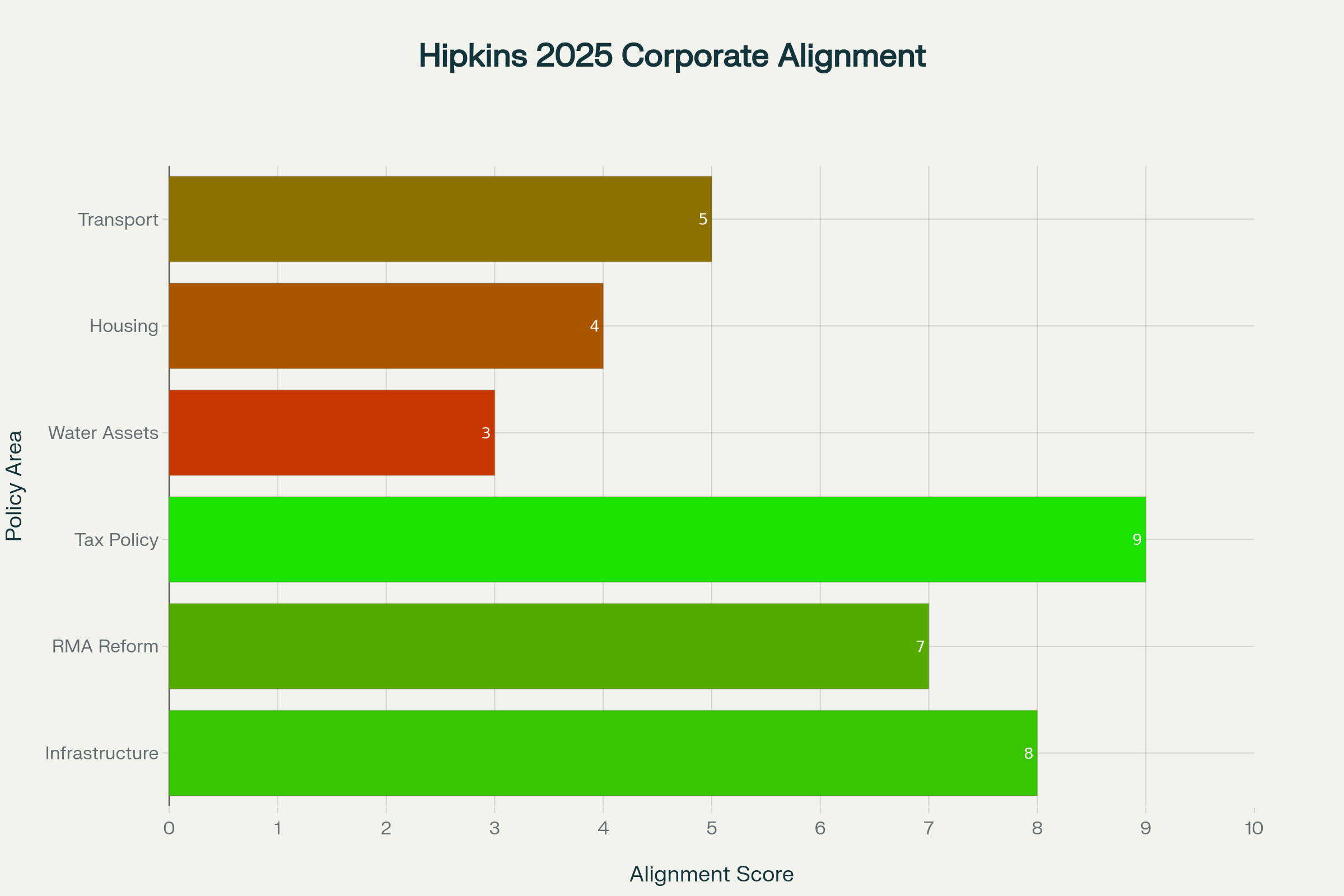
The Neoliberal Pivot: How Hipkins’ 2025 Policy Platform Serves Corporate Interests
This represents a fundamental betrayal of working-class voters who expect Labour to reverse the coalition’s anti-worker, anti-environment, and anti-Māori policies. Instead, Hipkins promises continuity with a neoliberal agenda that has enriched the corporate class while impoverishing communities. His rationale—that “stopping and starting all the time is one of the reasons why everything takes so long”—perfectly embodies the technocratic mindset that prioritizes process over justice.
The policy alignment data reveals the extent of this corporate capture. On infrastructure, tax policy, and RMA reform, Hipkins’ positions score 7-9 out of 10 for corporate friendliness. Only on water assets and housing does he show any resistance to corporate interests, and even there his positions are weak compromises rather than principled stands.
The Invisible Opposition Strategy
Hipkins’ defenders claim his low-profile approach is strategic, designed to let the coalition government self-destruct. This narrative ignores the fundamental purpose of parliamentary opposition in a democratic system. As John Campbell observed, when asked about press releases in early 2024, Hipkins had issued zero. Zero. His response—that he wouldn’t “bark at every passing car”—revealed a man who had fundamentally misunderstood his role.
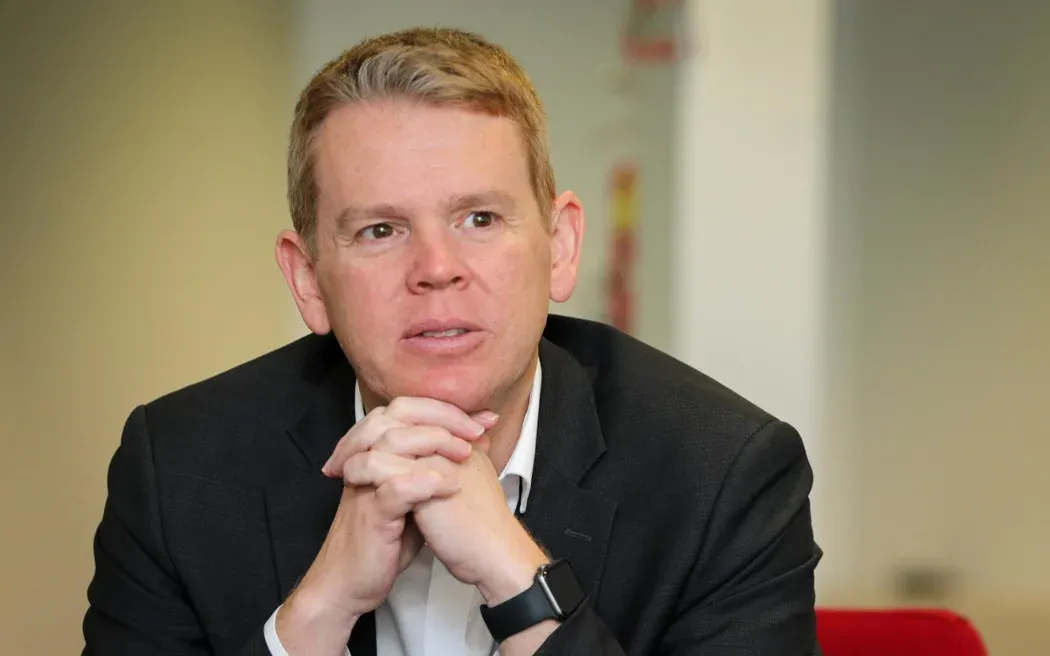
Chris Hipkins sits alone in Parliament, embodying the vacuum of opposition leadership
The cars driving past weren’t ordinary vehicles—they were carrying policies to rewrite the Treaty, disband the Māori Health Authority, allow military-style weapons, and roll back te reo Māori. These aren’t passing cars; they’re policy assaults on everything Labour supposedly stands for. Hipkins’ silence in the face of these attacks represents either cowardice or complicity.
His absence from major political debates has become so notable that satirists have declared the Labour Party “legally dead.” While meant as humor, this reflects a deeper truth: Hipkins has rendered Labour politically invisible precisely when strong opposition is most needed.
The Corporate Capture Continues
The most revealing aspect of Hipkins’ leadership is how thoroughly he has internalized neoliberal assumptions. His promise to broaden the tax base sounds progressive until you realize he’s talking about capital gains taxes designed to maintain current spending levels rather than redistribute wealth. Even his supposedly “left-wing” tax policies are designed to preserve the existing economic structure rather than challenge it.

New Zealand’s corporate elite enjoy their privileged access while working families are ignored
This reflects the broader pattern of what scholars call “embedded neoliberalism”—where parties on the nominal left accept neoliberal constraints while making minor adjustments at the margins. Labour’s COVID-19 response, while praised for protecting jobs, actually facilitated “a significant upward transfer of wealth by subsidizing businesses and inflating property prices and private savings—an estimated NZ$1 trillion.”
The pattern is clear: whether Labour or National governs, neoliberalism wins. The corporate class doesn’t need to buy Labour because Labour has already bought into the system that serves corporate interests. This is why business donations flow so overwhelmingly to the right—they’re not buying policies, they’re buying acceleration of trends that would continue anyway under Labour.
The Māori Dimension of Political Cowardice
From a Māori perspective, Hipkins’ approach represents a particularly insidious form of political colonization. His silence on Treaty issues, his failure to defend Māori institutions, and his embrace of “continuity” politics all serve to normalize the ongoing dispossession of tangata whenua. When Te Pāti Māori MPs were suspended for defending Māori rights, Hipkins’ tepid response revealed a man more concerned with parliamentary procedure than tino rangatiratanga.

While Māori whānau face ongoing hardship, political leaders prioritize corporate relationships over tangata whenua
The principle of kaitiakitanga demands that leaders protect what is precious for future generations. Instead, Hipkins has chosen to be a caretaker for neoliberal capitalism, ensuring its smooth continuity while Māori communities continue to suffer from the structural violence of colonization. His approach embodies the worst of both worlds—the ineffectiveness of liberal politics combined with the complicity of colonial power structures.
The Broader Pattern of Corporate Influence
Hipkins’ failures must be understood within the broader context of corporate capture in New Zealand politics. The donation data reveals a sophisticated system where wealthy interests buy access and influence across multiple parties. The National Party’s “Cabinet Club” literally sold meetings with ministers, while Labour’s “Business Forum” offered similar access for $1,795 per person.
This isn’t corruption in the traditional sense—it’s the legal operation of a system designed to serve capital. When property developers who’ve donated $50,000 can text ministers as “mates”, the interests of ordinary Kiwis become secondary considerations. Democracy is literally being auctioned to the highest bidder, and Hipkins’ response is to make Labour a more attractive auction item rather than challenging the auction itself.
The Leadership Capital Deficit
Political scientists use the concept of “leadership capital” to measure a leader’s political effectiveness. Recent analysis using the Leadership Capital Index rates Hipkins as merely “muddling through” with a score of 35 out of 50. This assessment, while seemingly neutral, reveals the poverty of his political approach.
Hipkins scores well on technical measures like “political vision” and “parliamentary effectiveness” but fails on the crucial dimension of “communication performance” and “likelihood of leadership challenge.” More damning is his low score on “perceived ability to shape party’s policy platform”—exactly what you’d expect from a leader who promises continuity with his opponents’ agenda.
The fundamental problem isn’t Hipkins’ communication skills or parliamentary experience—it’s his complete lack of political courage. Leadership requires the willingness to challenge power, not accommodation with it. By every measure that matters, Hipkins has chosen accommodation over confrontation, continuity over change, and corporate comfort over working-class justice.
Implications for Māori and Working-Class Communities
The implications of Hipkins’ failed leadership extend far beyond electoral politics. His approach normalizes the idea that left-wing parties must accept neoliberal constraints, that challenging corporate power is unrealistic, and that the best ordinary people can hope for is slightly better management of their exploitation.
For Māori communities, this represents a particularly cruel betrayal. The same corporate interests that benefit from resource extraction, land speculation, and environmental degradation are the ones funding political parties and shaping policy debates. When Labour leaders like Hipkins promise to work within existing frameworks rather than challenge them, they become complicit in the ongoing colonization of Aotearoa.
The housing crisis, the climate emergency, and the persistence of racial inequality all require fundamental challenges to corporate power. Instead, Hipkins offers technocratic tinkering designed to preserve the system while making it slightly more palatable to its victims.

The Māori Green Lantern Fighting Misinformation And Disinformation From The Far Right
Chris Hipkins is not “doing much” because his entire political strategy is based on not doing much. He has calculated that moderation, invisibility, and corporate accommodation represent the path back to power. The evidence suggests he is wrong even on his own terms—corporate New Zealand doesn’t respect him, and working-class voters are increasingly alienated by his triangulation.
More fundamentally, Hipkins represents everything that is wrong with contemporary social democracy: the belief that you can serve both capital and labor, that you can challenge inequality while preserving the systems that create it, and that political success requires abandoning the very people who most need political representation.
From a Māori perspective, informed by values of manaakitanga, whakatōhea, and tino rangatiratanga, Hipkins’ approach represents a fundamental failure of leadership. A true leader protects the vulnerable, challenges the powerful, and fights for justice even when it’s politically costly. Instead, Hipkins has chosen to be a broker of managed decline, ensuring that neoliberal capitalism continues its destructive work with minimal disruption.
The whānau and communities suffering under this system deserve better than a leader who promises continuity with their oppression. They deserve representatives who will challenge corporate power, defend Māori rights, and fight for economic justice. Until Labour finds such leaders, it will remain what Greg Dixon satirically declared: legally dead to the needs of working people.
The path forward requires abandoning Hipkins’ failed strategy of corporate accommodation and returning to Labour’s founding principles of challenging capitalism, defending workers, and standing with the oppressed. Anything less is not just political failure—it is moral cowardice.
Nāku noa, nā
Ivor Jones - Te Māori Green Lantern
Readers who find value in exposing the truth about political capture and corporate influence in Aotearoa are invited to consider a koha to support this mahi. In these challenging times, please only contribute if you have the capacity and wish to do so: Kiwibank 03-1546-0415173-000.