"The whare is on fire and I’m not here to calm you down - I’m here to name the arsonists and show our people the way out." - 5 January 2026
Ivor Jones The Māori Green Lantern Fighting Misinformation And Disinformation From The Far Right
Kia ora Aotearoa,
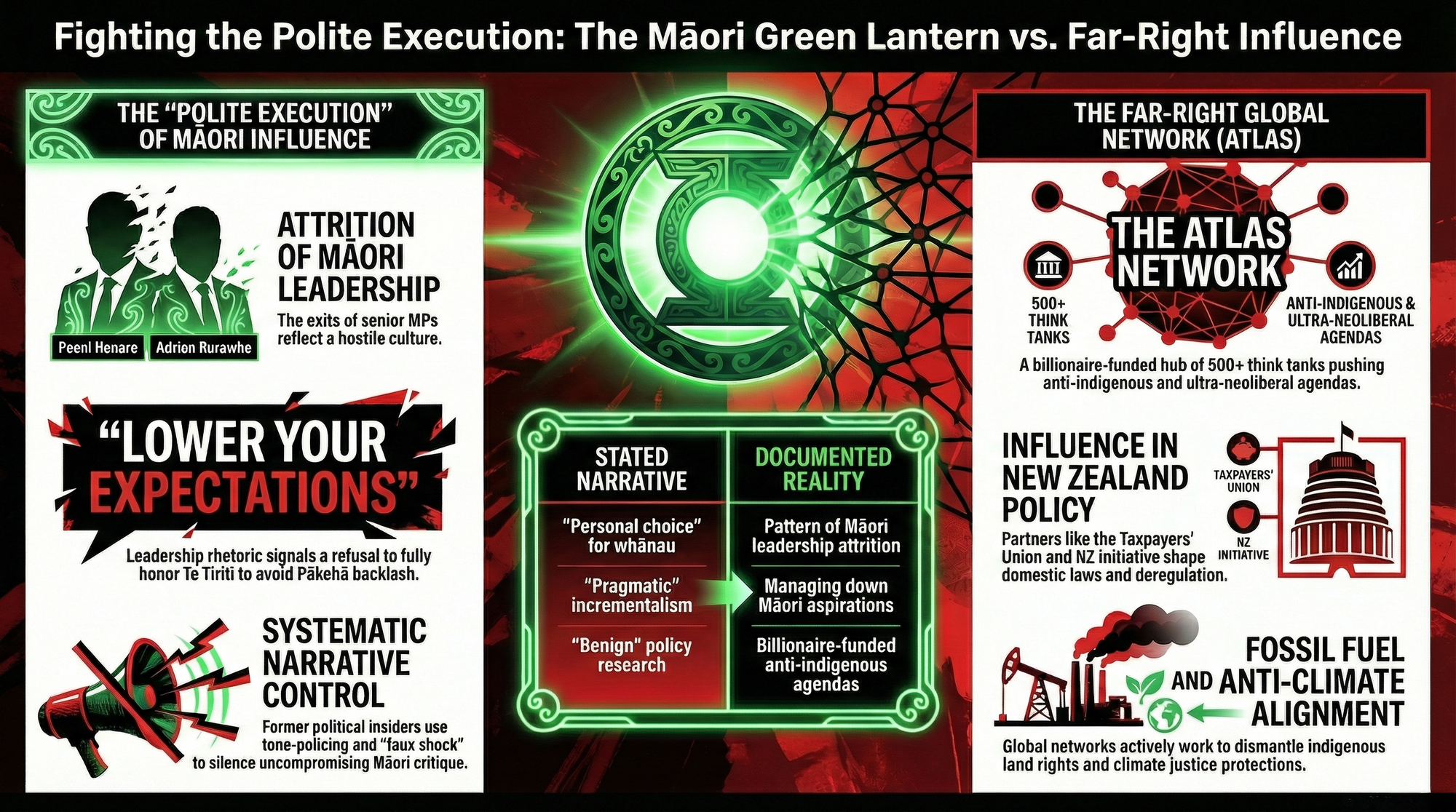
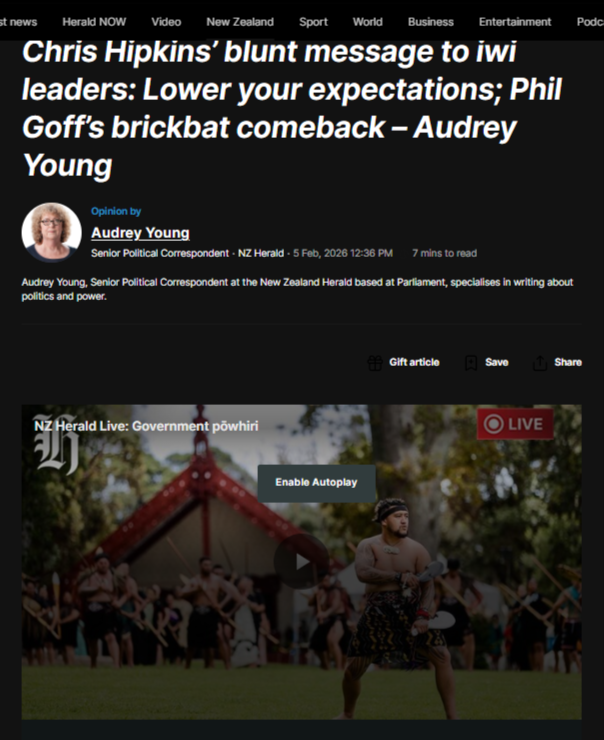
I am not going to pretend this is abstract politics anymore. When Chris Hipkins looked iwi leaders in the eye and told us, in carefully polished language, to “lower your expectations”, he was speaking directly to me, my whānau, and my tīpuna. I heard it as a command from a man whose party has spent years draining Māori mana from inside its own caucus, then asking us to be grateful for the slow bleed, exactly as I documented in
“Kua Tae Te Wā: The Polite Execution of Peeni Henare and Labour’s Manufactured Māori Exit”.
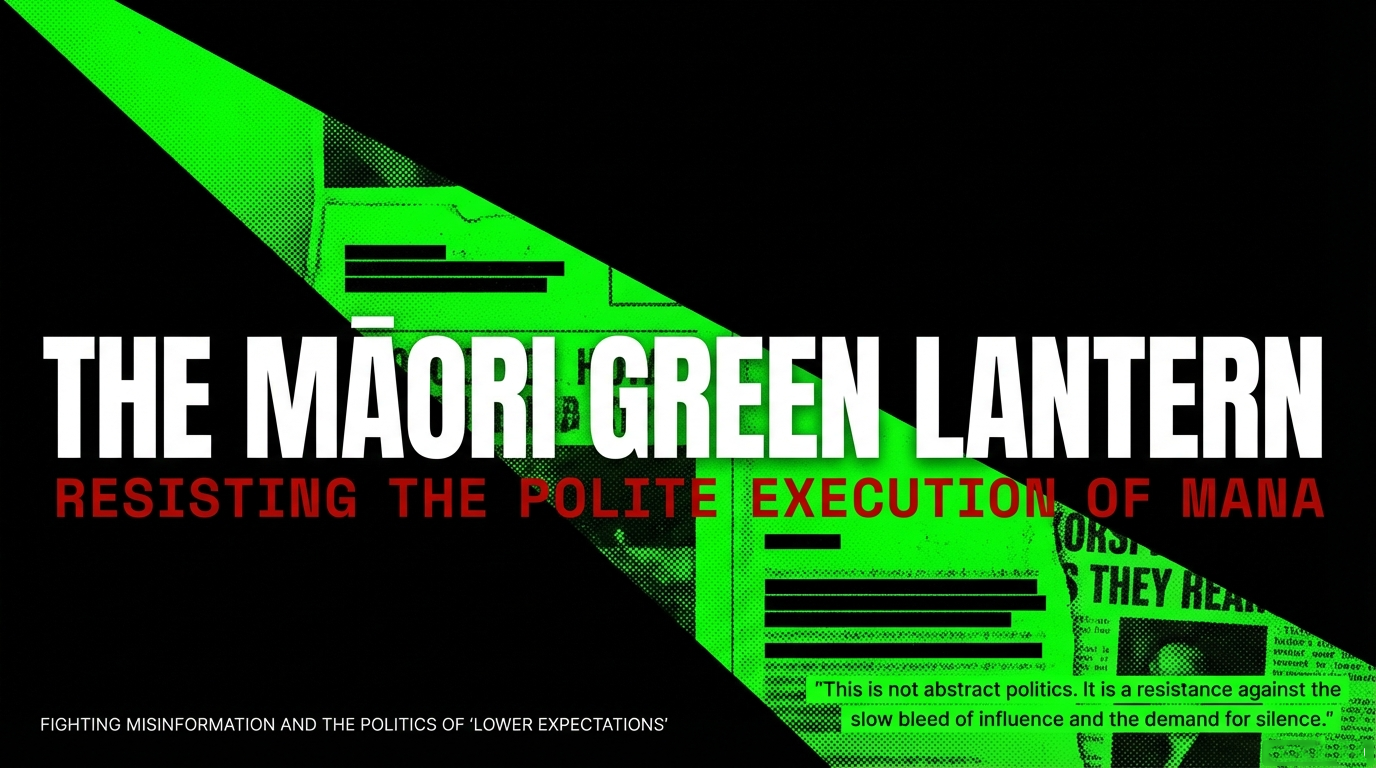
I have already laid out how Labour perfected the art of the polite execution of Māori influence in that essay “Kua Tae Te Wā: The Polite Execution of Peeni Henare and Labour’s Manufactured Māori Exit”. That piece was not theory; it was a record of what it feels like watching a party weaponise courtesy and process to isolate and neutralise Māori voices who become “too much trouble” for the leadership. When Hipkins now sells incrementalism to iwi as “pragmatism”, I hear the same soft blade. I know that tone. I have traced its whakapapa.
So when I see Peeni Henare standing at Waitangi and announcing that he is stepping away from Parliament after twelve years in politics, I do not begrudge him a single moment of rest, especially as his exit has been covered by outlets like Te Ao News. I refuse, however, to see his departure as an isolated personal choice when the pattern is so obvious, a pattern I unpacked in “Why Peeni Henare walked away from Labour”. In that piece, I set out how Henare had been positioned: a loyal Māori workhorse asked to defend and front Labour’s contradictions on Te Tiriti, then expected to swallow public humiliation after losing Tāmaki Makaurau, while the party leadership moved on as if nothing deep had been lost.
Mainstream coverage recites lines about family, service and “time to move on”, with reports of his exit being framed as a normal cycle in politics as shown in coverage from NZ Herald. Those things are real, but I sit with a different mauri. I see a senior Māori MP whose name was once floated as a leadership contender now exiting at the exact moment Labour is openly signalling it will not fully reverse the current government’s anti‑Māori agenda. I see a man who knows what it costs to carry that contradiction in his own body deciding he will not do another round of it, echoed in my analysis in “Why Peeni Henare walked away from Labour”. When I map that onto Hipkins’ message to iwi, the picture is clear: the party expects Māori to stay inside a shrinking box of acceptable aspiration, and when we refuse, the polite exits begin.
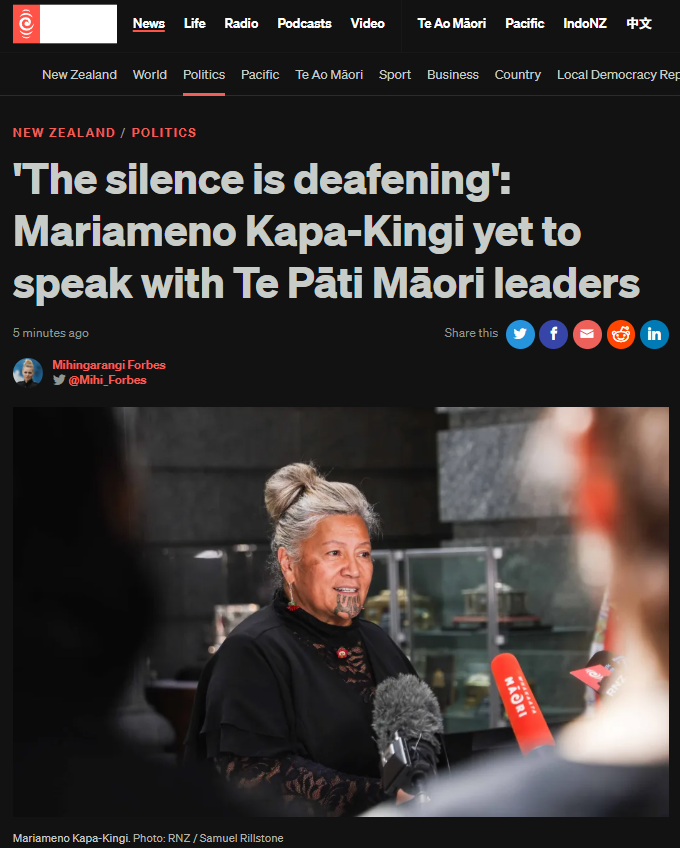
Adrian Rurawhe’s departure fits the same script. An experienced Māori MP, former Speaker, respected across the House, announces after summer reflection that it is time to retire, time to focus on whānau and church, a framing reflected in coverage by RNZ and reaffirmed by Labour’s own statement on his retirement on Labour’s website. I take him at his word about his priorities. But I also refuse to pretend it is meaningless that another senior Māori figure is stepping away just as Labour’s leader is telling the country that Māori expectations must be managed down for the sake of “stability”. When I read that alongside my essay “How Labour and the Greens turned their backs on Māori”, where I documented the ways both parties have chosen Pākehā comfort over Māori justice, I feel the cumulative weight.
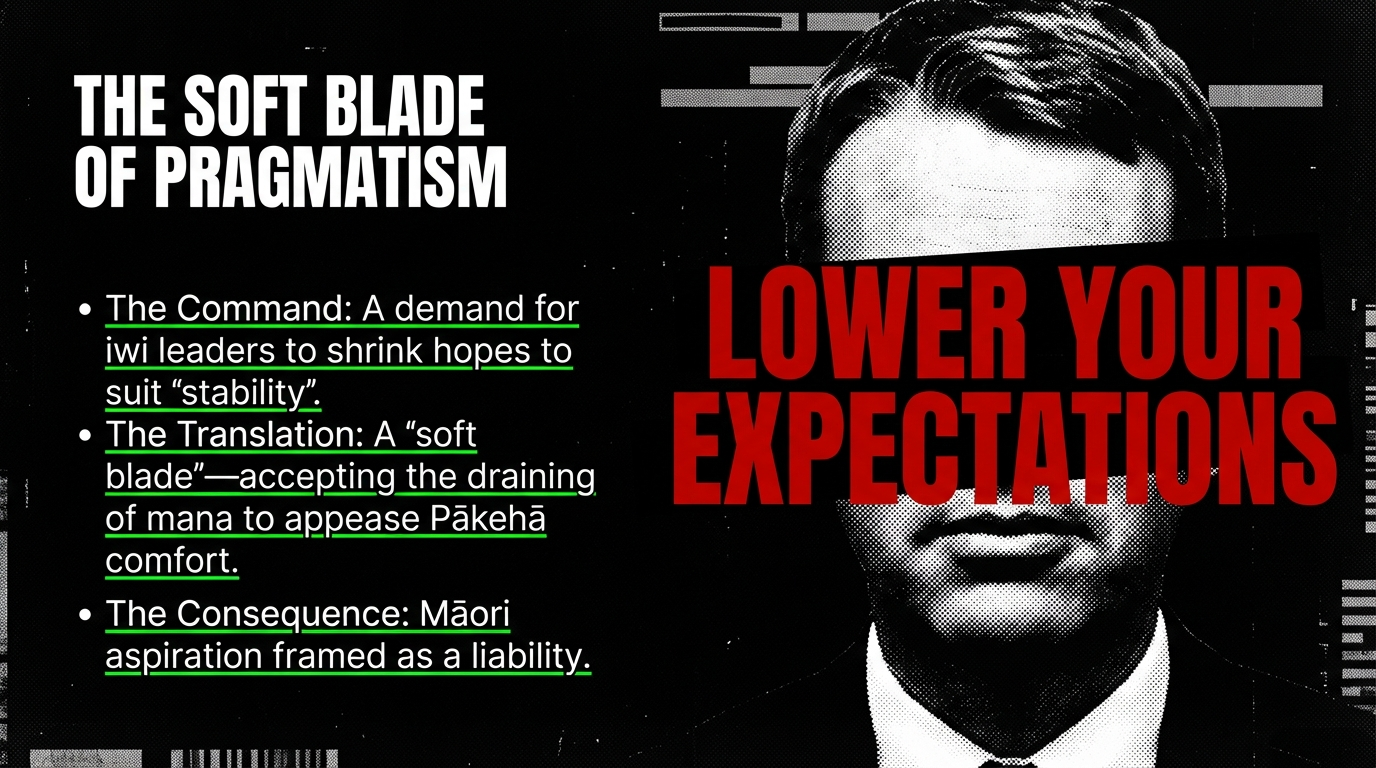
From my vantage point as The Māori Green Lantern, this is what Hipkins’ “lower your expectations” actually means:
- It means that when Māori MPs like Henare and Rurawhe decide they cannot, or will not, keep bending themselves around the party’s fear of Pākehā backlash, their exits are framed as tidy personal choices, not as alarms about a hostile culture, in sharp contrast to how their work is quietly minimised in official narratives like those from RNZ and Te Ao News.
- It means that the slow attrition of Māori leadership inside Labour is treated as natural turnover, while the real constant – a leadership unwilling to fully honour Te Tiriti when it might cost votes – goes unnamed, even as the government’s broader rollback of Māori‑focused protections and institutions has been extensively documented by outlets such as 1News.
- It means that Māori on the outside, like me, are told we are “too harsh” when we say the party has turned its back on us, even as the whakapapa of these departures keeps lengthening, exactly as I argued in “How Labour and the Greens turned their backs on Māori”.
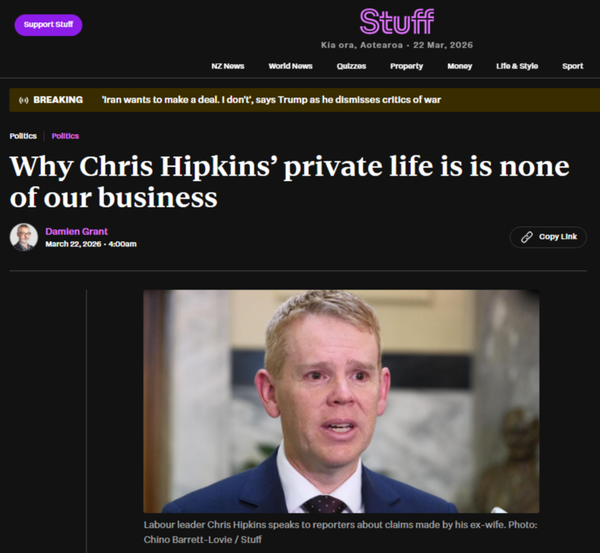
In tikanga terms, this is a profound breach. I am watching a party that once spoke of partnership now stand in the pā of Waitangi and tell iwi to shrink our hopes because Pākehā feelings are fragile, even as Māori leaders like Tukoroirangi Morgan publicly call out government rollbacks on Māori rights at events like Koroneihana 2024, reported by 1News.
I am watching that same party wave off the departure of its senior Māori MPs with warm words, while doing nothing to confront why so many of us feel we cannot thrive under its current settings. As I wrote in “Kua Tae Te Wā: The Polite Execution of Peeni Henare and Labour’s Manufactured Māori Exit”, courtesies cannot cover that kind of mauri‑depletion; they only delay the reckoning.
Enter Darien Fenton
And then, into this landscape, steps Darien Fenton.
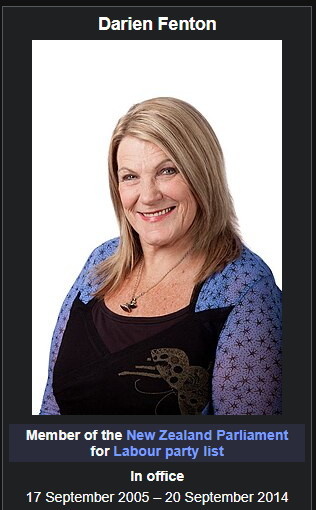
Darien Fenton is not a random commenter on the internet. She is a former Labour list MP who entered Parliament in 2005 as a trade union leader turned politician, serving three terms in the House, as recorded in profiles like Wikipedia’s summary of her parliamentary career and in coverage of her retirement by RNZ. Before politics, she was a senior union figure, including National Secretary of the Service & Food Workers Union Ngā Ringa Tota and vice‑president of the Council of Trade Unions, as noted in her parliamentary biography and supporting references from National Library’s record of her career. While in Parliament, she had members’ bills drawn on minimum redundancy entitlements and extensions of the minimum wage to contractors, which were ultimately voted down by National‑led governments, a legislative record summarised in Wikipedia’s entry on her.
This is the person who decided to come into my kāinga, into the comments beneath
“Kua Tae Te Wā: The Polite Execution of Peeni Henare and Labour’s Manufactured Māori Exit”,
and try to lecture me about Labour, about fairness, about my criticism of Hipkins and the party’s treatment of Māori. She did not arrive as someone asking questions. She arrived as someone asserting authority – as “I am Labour”, echoing the posture she takes on her own social media presence, such as her public description of herself on her X/Twitter profile.
When I responded with the same clarity I bring to all my mahi, (and a bit more colourful language than usual), which I was policed by other readers, as a matter of fact, she retreated into a familiar pose of faux shock and horror. In the email notification from Substack, I see her line:
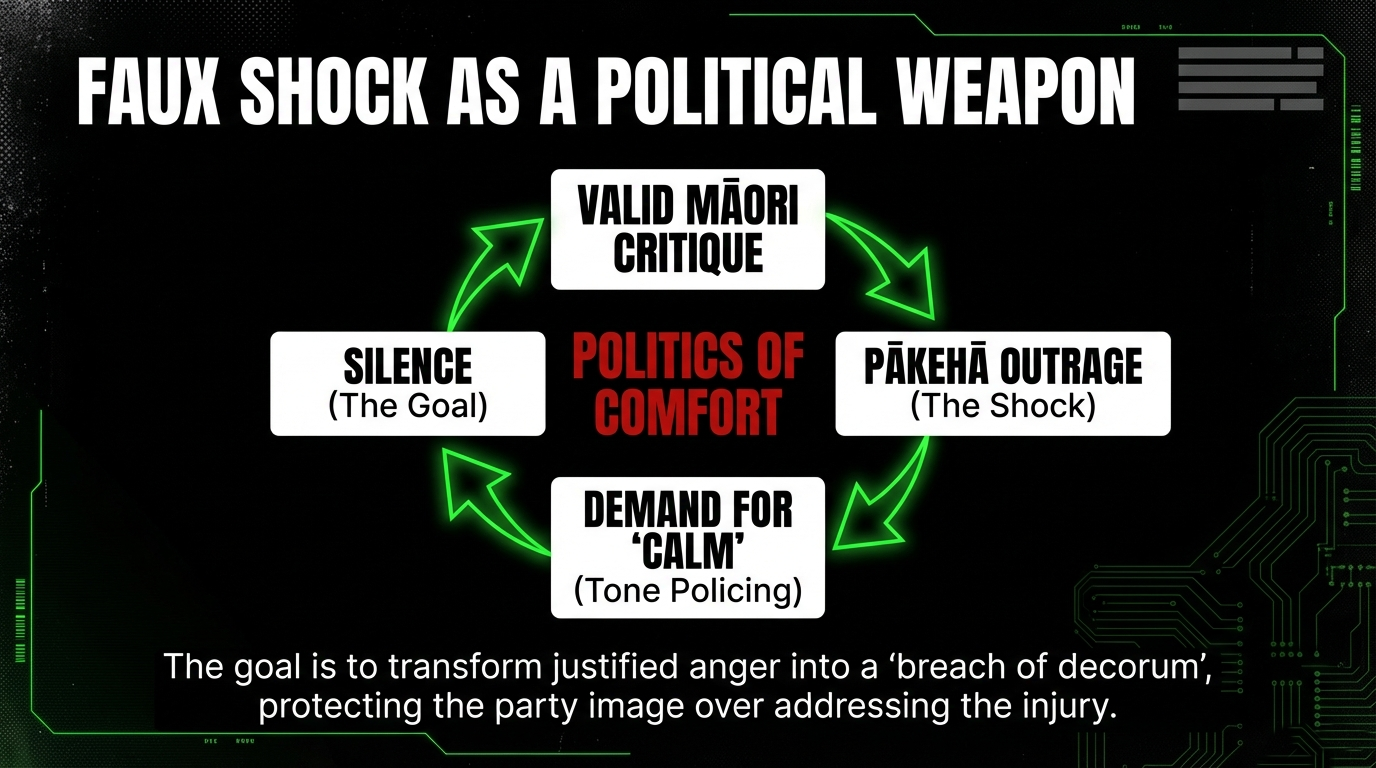
“Oh my god. I was replying to another writer. which came up on substack. Calm the fuck down and quit the personal attacks while you are at it.”
In a follow‑up notification the reply to my further comment was a flat “No thanks.” Those are not the words of someone engaging in good‑faith dialogue. They are classic Pākehā insider moves: reposition herself as the wounded party, pretend my pushback is “personal attacks”, and demand emotional de‑escalation – from the Māori commentator she has just tried to correct – while she keeps her own tone sharp. That brusque “No thanks” is an assertion of status: the former MP declining accountability as if she’s flicking away spam.
Her comments followed an old, familiar script. First, she stepped into the thread with the confidence of a former MP and union leader, implying that my analysis was unfair, too harsh, that I was misrepresenting Labour’s record and motives – just as she has historically defended Labour leadership dynamics in the past, such as when she urged “cool heads” after Labour’s 2014 defeat in comments reported by RNZ. Then, when I answered her on the merits, she pivoted to injured outrage: “Oh my god… Calm the fuck down…” as if a Māori commentator taking her seriously and pushing back point‑by‑point is a breach of good manners, rather than the very accountability she claims to value as a lifelong activist.
I did not let that pass. In my responses on Substack, I dismantled her objections point by point, grounding every claim in the documented record of Labour’s behaviour toward Māori and in the very pattern she was trying to deny. I pointed back to the party’s track record on Māori policy and representation, which includes a history of Māori MPs and members speaking out about being sidelined or punished when they push too hard, a dynamic echoed in wider debates about Māori representation and effectiveness in Parliament analysed in reports like “Effective Māori Representation in Parliament”. I reminded her that my critique was not plucked from the air; it was built on verifiable facts, on data, on specific examples, including the attrition of Māori leadership in Labour and the willingness of both Labour and the Greens to sacrifice Māori when the Pākehā middle looked nervous, as I set out in “How Labour and the Greens turned their backs on Māori”.
Her attempt to reframe my essay as “unfair” collapsed under the weight of that evidence. When challenged, she did not engage with the substance – Henare’s exit, Rurawhe’s retirement, Hipkins’ message to iwi, Labour’s documented history of caution on Māori equity reforms – all of which have been widely reported across outlets from Te Ao News to RNZ to 1News. Instead, she retreated into tone policing: I was the problem, because I refused to treat her intervention as benign.
That is why I say her “shock” is faux. Real shock would be followed by reflection: “Why did my comment land that way? What power am I bringing into this space as a former Pākehā MP? How does this look to Māori readers?” Faux shock is a tactic. It exists to flip the script, to transform justified Māori anger into a breach of decorum, and to re‑centre Pākehā feelings as the real injury. In that sense, her reaction is not separate from Hipkins’ Waitangi line; it is the micro‑level version of the same politics of comfort.
The Epstein files, Atlas, and why “harsh” is not harsh enough
If, after all this, a reader still finds my tone too harsh, let me widen the frame.
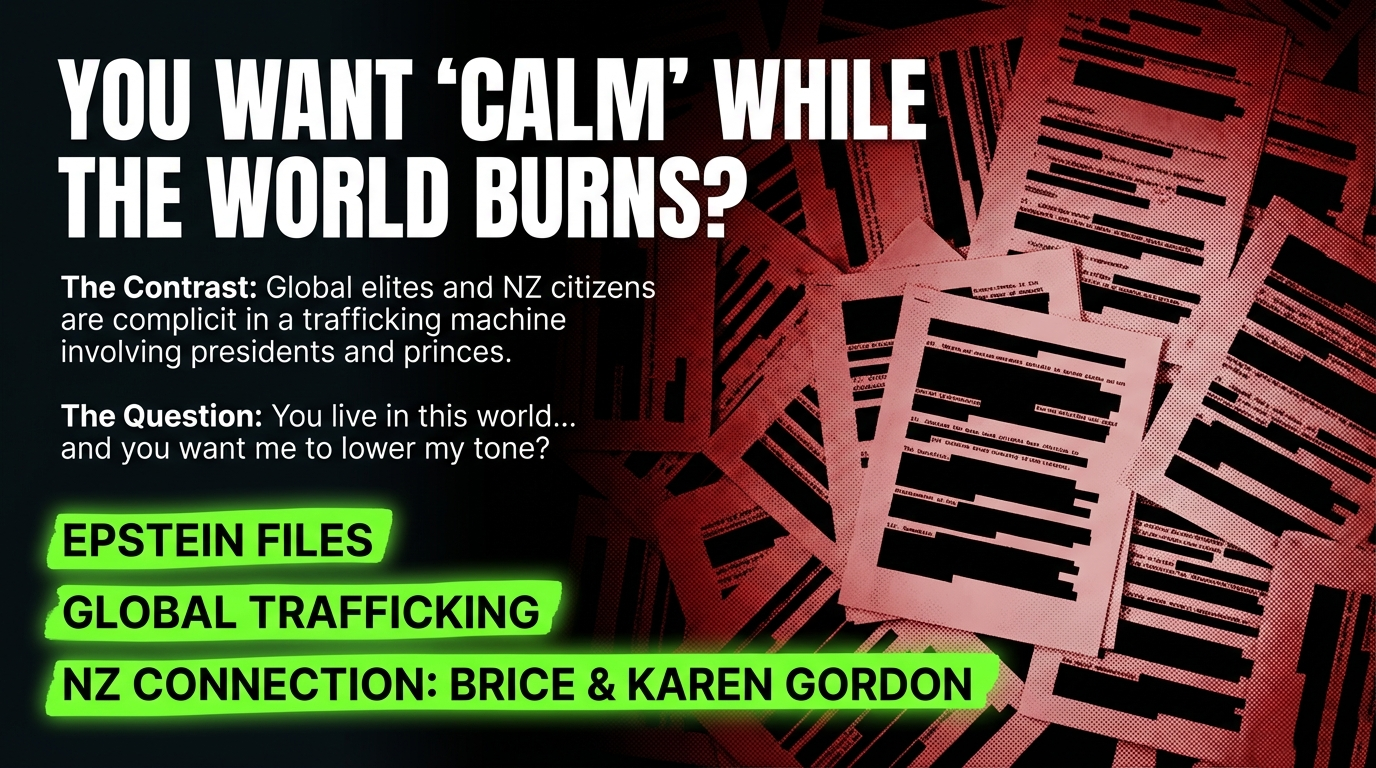
In the last months, the United States Justice Department has begun releasing millions of pages from its investigative files on Jeffrey Epstein under the so‑called Epstein Files Transparency Act, including emails, videos, and images documenting his interactions with the rich and powerful across politics, business, and philanthropy, as reported by 1News. Earlier releases, including tens of thousands of documents and photos subpoenaed by the US House Oversight Committee, showed Epstein surrounded by presidents, princes, CEOs and other elites, while Congress forced the Department of Justice to comply with deadlines for releasing case files, as covered in another 1News report. International coverage of the unsealed court documents has highlighted how names of major political figures – Donald Trump, Bill Clinton, Prince Andrew – and dozens of others appear in relation to Epstein’s network, even where those named deny wrongdoing, as summarised in this overview by Time.
Then, the latest dump lands and Aotearoa’s name is there too. Newly released US government files reveal that a New Zealand couple, Brice and Karen Gordon, helped manage properties for Epstein, including his infamous island, during the period when prosecutors say he was sexually abusing and trafficking women and girls, as reported by NZ Herald. That is not conspiracy theory. That is our passport, our people, literally written into the logistics of a global child sex trafficking empire – one that counted presidents, princes, tech billionaires and media figures among its contacts, as both 1News and PBS describe.
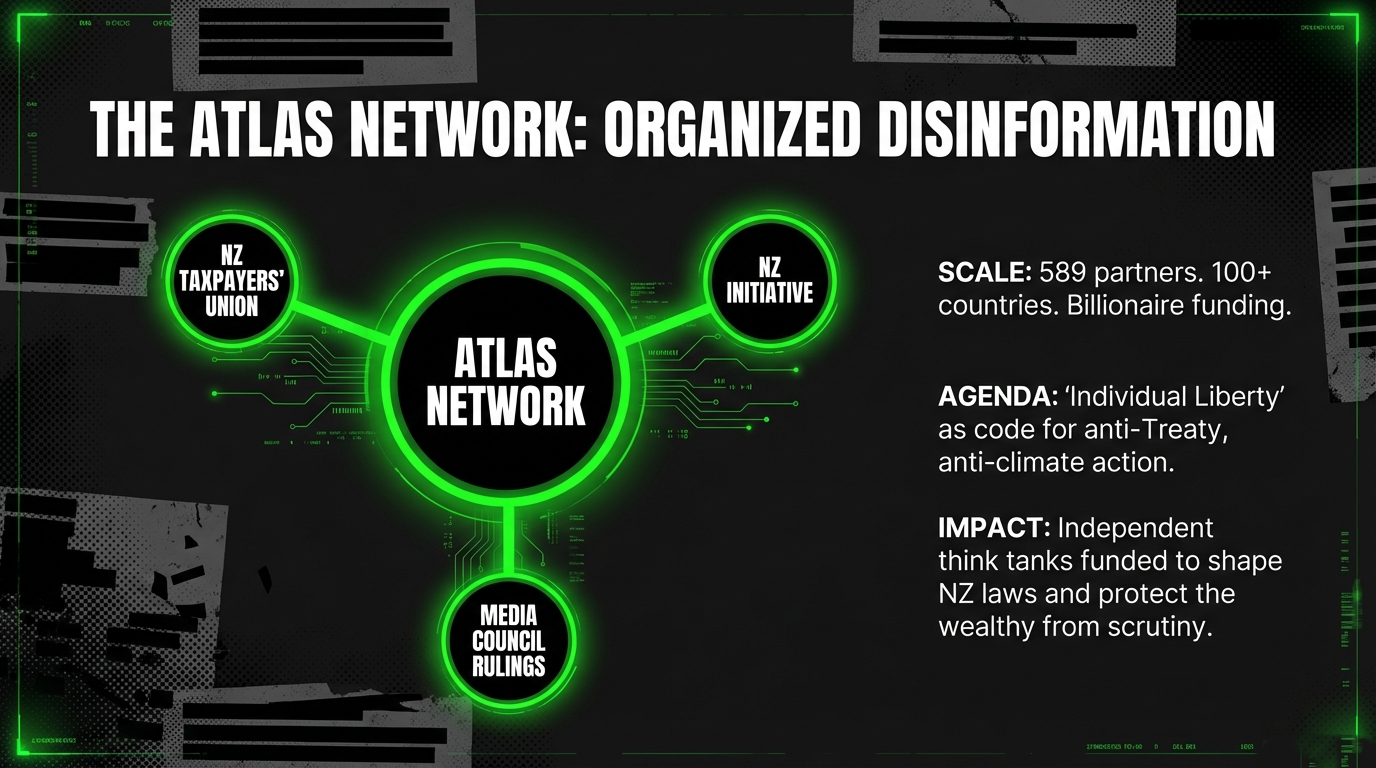
At the same time, far‑right and ultra‑neoliberal networks like Atlas are openly building global influence, linking hundreds of think tanks across more than 100 countries, with a vision centred on “individual liberty, property rights, limited government, and free markets”, and with political alignment that clearly favours fossil fuel interests and hostility to indigenous land rights and climate justice, as analysed in depth by the Public Service Association’s piece “Understanding Atlas”. That article documents how Atlas partners with local right‑wing outfits like the New Zealand Taxpayers’ Union and the New Zealand Initiative, using think tanks as “subtle vehicles for influencing the development of public policy and the deliberations of governments” by winning the respect of journalists and officials, a strategy first spelt out by Atlas leaders in The Economist and quoted in the PSA analysis.
International investigations go further. A detailed 2024 report on Atlas by French and European researchers shows how it acts as a billionaire‑funded hub of libertarian and ultra‑conservative think tanks, backed by Koch and Templeton money, opposing regulation, climate justice, and minority rights while quietly shaping policies across Europe, Latin America and beyond, from Brexit to the Chilean constitution to the election of Javier Milei, as set out in “The Koch‑funded Atlas Network is also targeting Europe”. That piece lists Atlas’ 589 partners in 103 countries, including heavyweight US think tanks like the Heritage Foundation and the Cato Institute, and describes it as a core part of a wider alliance between extreme neoliberal economics and hard‑right culture war politics.
New Zealand is not immune to any of this. Political scientists and journalists here have already begun tracing how Atlas‑linked organisations influence our own policy agenda. A recent long‑form explainer on Atlas and its role in our politics notes that both the Taxpayers’ Union and the New Zealand Initiative proudly identify as Atlas partners, and that their advocacy for smaller government and deregulation aligns tightly with the current right‑bloc government’s programme, as explained by Victoria University political scientist Lara Greaves in this analysis. That piece describes Atlas’ model: provide funding and training, seed a network of “independent” think tanks, and let them shape the climate of opinion and the wording of laws – including bills here like the Regulatory Standards Bill – while formal party links remain deniable.
Even the media oversight bodies can feel the pressure. When TVNZ’s Mata Reports investigated Atlas’ role in undermining indigenous rights and the Treaty in Aotearoa and Australia, the Atlas Network’s CEO complained to the New Zealand Media Council. The Council found TVNZ’s factual claims were robust and well‑defended, but still upheld a narrow complaint about fairness for not inviting Atlas to respond, effectively reinforcing the expectation that this billionaire‑backed network must be given a respectful platform when criticised, as summarised in the Council’s ruling reported by 1News.
Put these threads together:
- A global trafficking and blackmail machine like Epstein’s, touching presidents, royalty and now a New Zealand couple managing his properties, documented in official files released under law and reported by NZ Herald and 1News.
- A billionaire‑funded far‑right network like Atlas, embedded in New Zealand’s policy ecosystem, partnering with local think tanks to push deregulation, anti‑climate, anti‑indigenous agendas while hiding behind the veneer of “independent research”, as laid bare by the PSA’s Atlas analysis and the European investigation of Atlas’ global strategy.
- A domestic political establishment that tells Māori to “lower expectations”, that treats Māori MPs’ exits as routine, and that uses former MPs and union leaders as unofficial enforcers in the comments to keep Māori criticism within safe bounds.
You are living in a world where billionaire networks quietly write the laws, where an international sex trafficker’s estate is full of photos of presidents and princes, where New Zealanders are literally managing his properties, and where Atlas‑aligned think tanks help set the frame for “respectable” debate about Te Tiriti and indigenous rights in our media, as the Media Council’s Atlas ruling makes plain. And you want me to lower my tone?
No.
If anything, my tone is still too gentle for the scale of what is on fire. The Epstein files show us that whole chunks of the global elite are at best indifferent to violence against children and at worst complicit; the Atlas investigations show that far‑right billionaires have spent decades building sophisticated machinery to dismantle indigenous rights, climate protections and social safety nets; the law‑change binge in Aotearoa, and the “lower your expectations” line from Hipkins, show that our own establishment is more afraid of those networks and their Pākehā base than of failing Māori again, as summarised in 1News’ overview of 2025’s law changes impacting Māori.
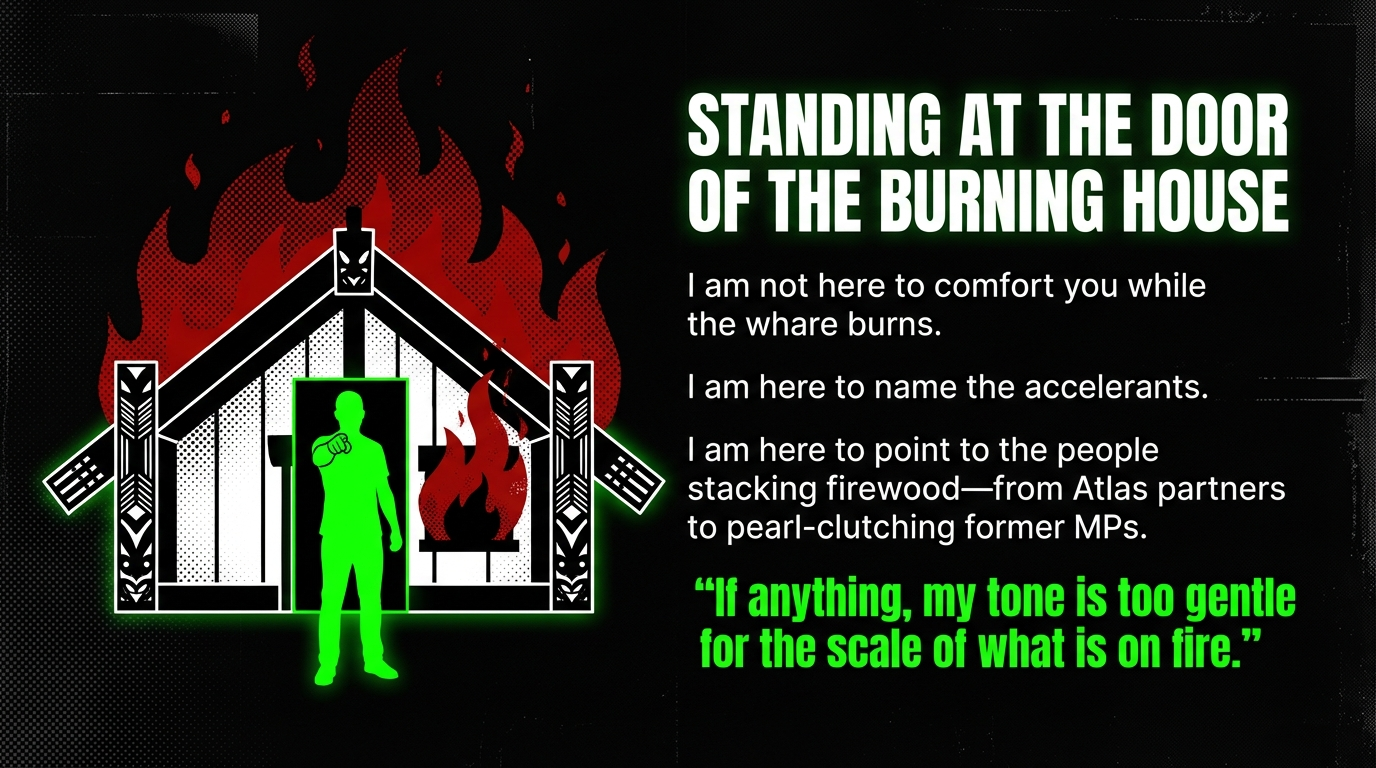
So if you find my tone too harsh, too bad. I am not here to comfort you while the whare burns. I am here to show you the exits, to point to the accelerants, to name the people stacking firewood – from Atlas’ local partners to the ministers fronting anti‑Māori legislation to the former MPs clutching their pearls in my comment section.
Why this is an attack on Māori commentary – and why I will not stand down
This matters far beyond one comment thread. Darien Fenton’s intervention, and her faux horror when challenged, is a textbook example of how Pākehā Labour insiders try to police Māori critique. They arrive with a CV, with a history of being “on the left”, with union credentials, and they assume that gives them a veto over how Māori are allowed to describe our own experience of betrayal. This is the same dynamic I wrote about in “The Māori Green Lantern’s True Home: Moving to Substack”, where I explained how corporate platforms and gatekeepers had tried to mute and shadowban this kaupapa, forcing us to relocate to a space where our voices cannot be quietly throttled.
When a former Labour MP walks into my digital kāinga and, after being challenged, tells me to “calm the fuck down and quit the personal attacks”, she is not just disagreeing with my interpretation. She is attempting to reinstate the old rule that Māori may critique only within bounds set by Pākehā respectability, and that when we refuse, we are the ones at fault. That is why I call it an attack on Māori commentary itself.
It is the same logic as Hipkins telling iwi to lower expectations, the same logic as Labour thanking Henare and Rurawhe for their service while refusing to confront why their exits matter: Māori are welcome so long as we do not insist on speaking the full truth about power.
I reject that outright. My work is doing exactly what it was designed to do. As I wrote in “The Māori Green Lantern: Manifesto of Power—Why Position #79 Matters”, this kaupapa exists to quantify harm, name names, and expose how colonial media and party structures manage Māori dissent. Darien Fenton’s reaction does not show I am off‑base; it shows I am on target. It confirms that when a Māori commentator speaks with uncompromising clarity about Labour’s treatment of Māori – from Hipkins’ message to iwi, to the “polite execution” of Māori influence, to the exits of Henare and Rurawhe – the first instinct of some former insiders is still to control the narrative, not to confront the harm.
I write this because I am done pretending this is just analysis. When Hipkins asks iwi to lower expectations, he is asking me to accept that my mokopuna will inherit a country where anti‑Māori policies are only partially undone, where Māori MPs are cycled out with kind press releases when they have served their purpose, and where the Crown’s fear of Pākehā backlash remains the hard ceiling on our aspirations, a pattern visible across current policy debates as summarised by 1News. When a former Labour MP walks into my digital kāinga to tell me I am being unfair for naming that truth, then clutches her pearls and swears at me when I push back, she is playing her part in the same system – the same world where Epstein’s files show what global elites tolerate, and Atlas’ network shows how they intend to lock it in.
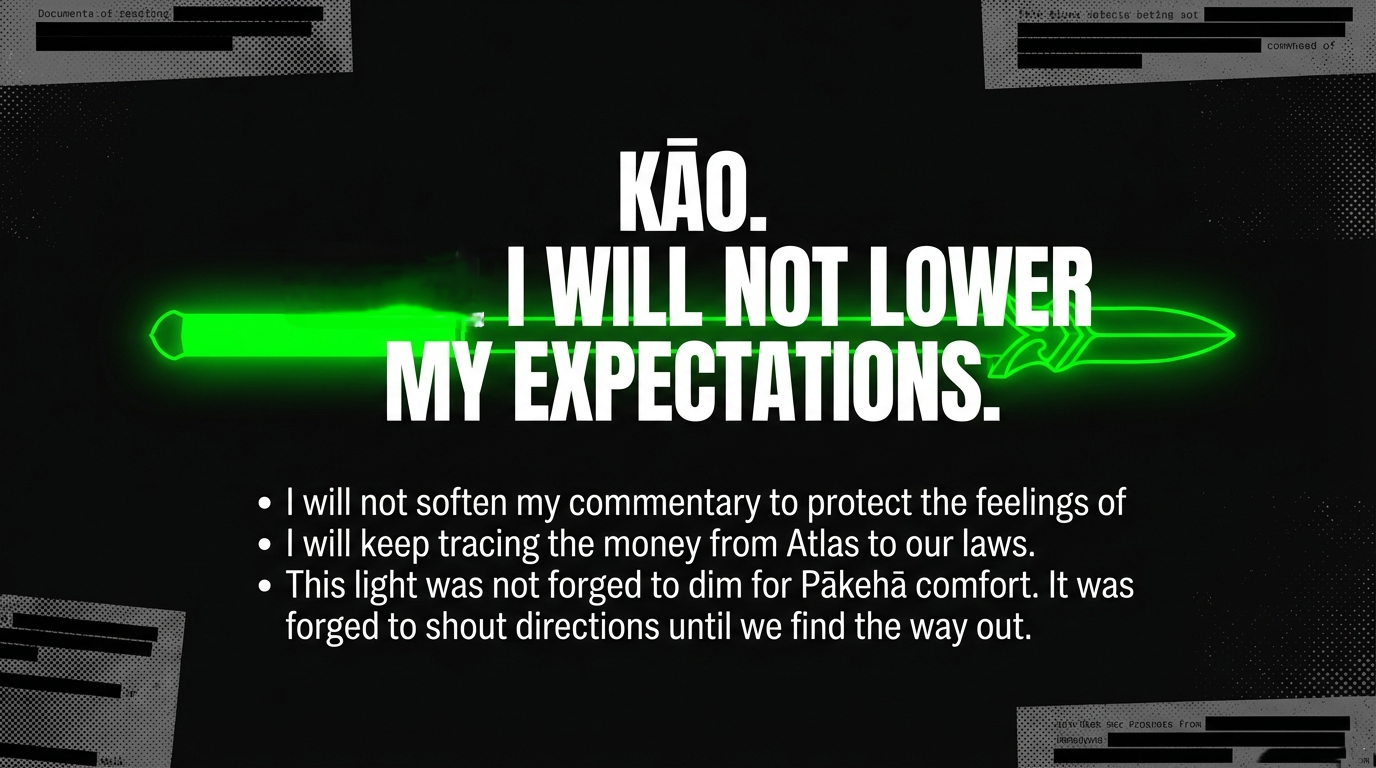
My answer to all of them is simple: kāo. I will not lower my expectations. I will not soften my commentary to protect the feelings of those who helped build or defend the very structures I am dissecting. I will keep naming the pattern, linking Hipkins’ messaging to the treatment of Henare and Rurawhe, tracing the money and networks from Atlas to our own think tanks, and exposing attempts – whether by current leaders, retired MPs, or billionaires hiding behind “non‑profits” – to corral Māori analysis back into safe, Pākehā‑approved lanes, as I have already begun in “Kua Tae Te Wā: The Polite Execution of Peeni Henare and Labour’s Manufactured Māori Exit”, “How Labour and the Greens turned their backs on Māori”, and “Why Peeni Henare walked away from Labour”.
The ring on my finger, metaphorical as it is, was never forged to dim our own light for someone else’s comfort. It was forged for moments exactly like this – when the world is on fire, and someone has to stand at the doorway of the burning house and shout directions until enough of us find the way out.
Koha consideration
Every koha on this kaupapa is a refusal to “lower our expectations” just because Chris Hipkins, Atlas‑aligned think tanks, or Labour’s old guard tell us to be realistic. It is whānau saying: we will not let polite executions of Māori leadership, soft‑spoken betrayals at Waitangi, or billionaire‑backed networks rewriting our laws pass without forensic, Māori‑led scrutiny, as this essay and its companions on Substack do in year‑one reflections on the kaupapa.
Your support means this taiaha can keep swinging at the narratives that tried to tidy away Peeni Henare’s exit, downplay Adrian Rurawhe’s departure, normalise Atlas’ fingerprints on our policy, and gaslight us in the comments section when we name the pattern – whether that gaslighting comes from current ministers, former MPs like Darien Fenton, or international networks that expect Māori to stay quiet. It signals that our rangatiratanga includes funding our own truth‑tellers, on our own terms, with no party, newsroom or corporate board diluting the punch, as set out in the kaupapa for this koha campaign on Koha Kiwi.
If you are unable to koha, kei te pai. Subscribe or follow The Māori Green Lantern on Substack, kōrero about these essays, and share them with your whānau and friends – that is koha in itself, and it is exactly how this kaupapa has grown across platforms like Substack and community posts on Facebook.
Three pathways exist:
For those who wish to support this mahi directly with a koha (voluntary contribution), please visit the Koha platform:
Koha—Support – https://app.koha.kiwi/events/the-maori-green-lantern-fighting-misinformation-and-disinformation-ivor-jonesFor those who wish to receive essays directly and support through subscription, join the Substack community:
Subscribe to the Māori Green Lantern on Substack – https://themaorigreenlantern.substack.com/subscribeFor those who prefer direct bank transfer, account details are: HTDM, account number 031546-0415173-000.

Ivor Jones The Māori Green Lantern Fighting Misinformation And Disinformation From The Far Right