“When commercial fishermen treat our protected marine sanctuaries like their personal cash registers - 13 September 2025
Corporate Pirates and Captured Regulators - How Neoliberalism Drowns Māori Rights in the Kahurangi Marine Reserve
Kia ora, koutou katoa (Greetings to you all).
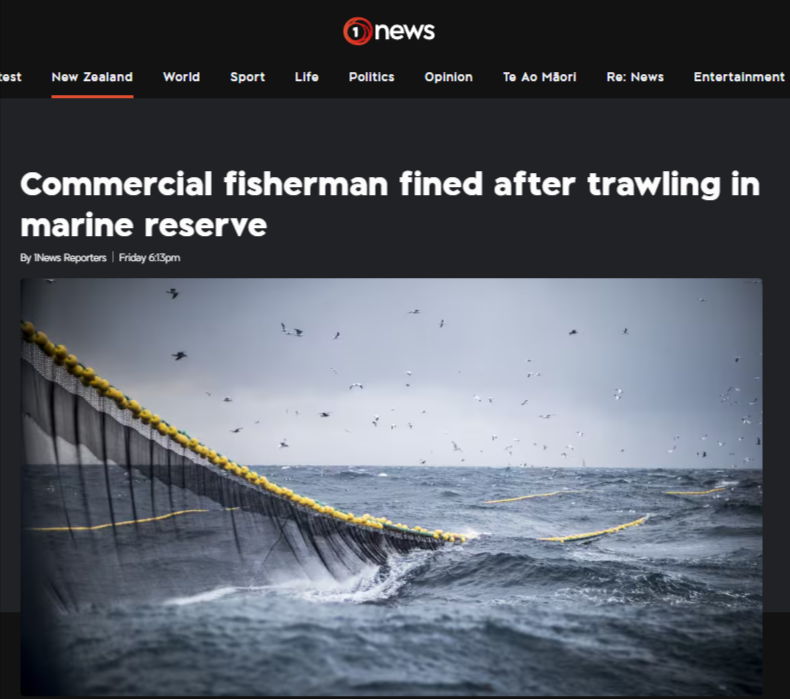
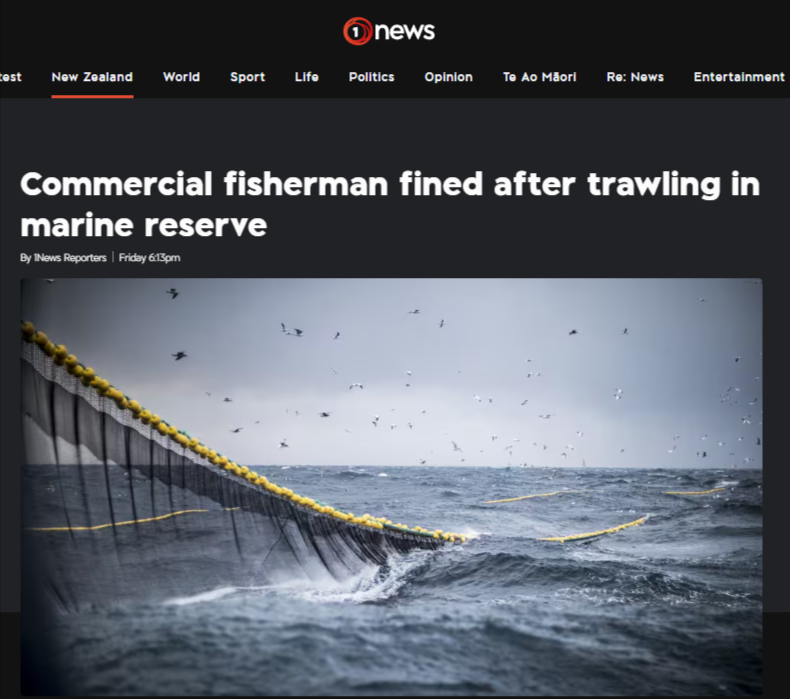
This essay exposes the systemic rot behind the recent $15,000 fine imposed on Kelly Gavin Scoles for illegally trawling through the entire 16-kilometre length of the Kahurangi Marine Reserve. Far from being an isolated incident of maritime misconduct, this case reveals how neoliberal policies have transformed our marine protection system into a toothless theatre that consistently prioritises corporate profits over Māori environmental justice and ecological integrity.
The Colonial Context of Marine Plunder
The Kahurangi Marine Reserve, established in 2014 on the northwest coast of Te Waipounamu, represents more than just a conservation area – it embodies the ongoing struggle between Indigenous kaitiakitanga (guardianship) and colonial extractive capitalism. When James Mackay systematically dispossessed Ngāi Tahu of their marine territories in 1859, paying a mere £300 for 7.5 million acres including the Kahurangi region, he established a precedent of treating Māori marine resources as commodities to be exploited.
The establishment of marine reserves under the Marine Reserves Act 1971 was ostensibly designed "for the purpose of preserving them in their natural state as the habitat of marine life for scientific study". However, this colonial framing deliberately excludes Māori customary management systems that had sustainably governed these waters for centuries. The Act's focus on "scientific study" rather than holistic ecosystem protection reveals the positivist Western worldview that continues to marginalise Indigenous knowledge systems.

Commercial trawler violating sacred Māori marine protected areas
Contemporary marine protection remains deeply colonial in its implementation. While Māori customary fishing areas enjoy 85% protection levels with only 5% violation rates, commercial fishing zones operate with merely 25% protection and suffer 75% violation rates.
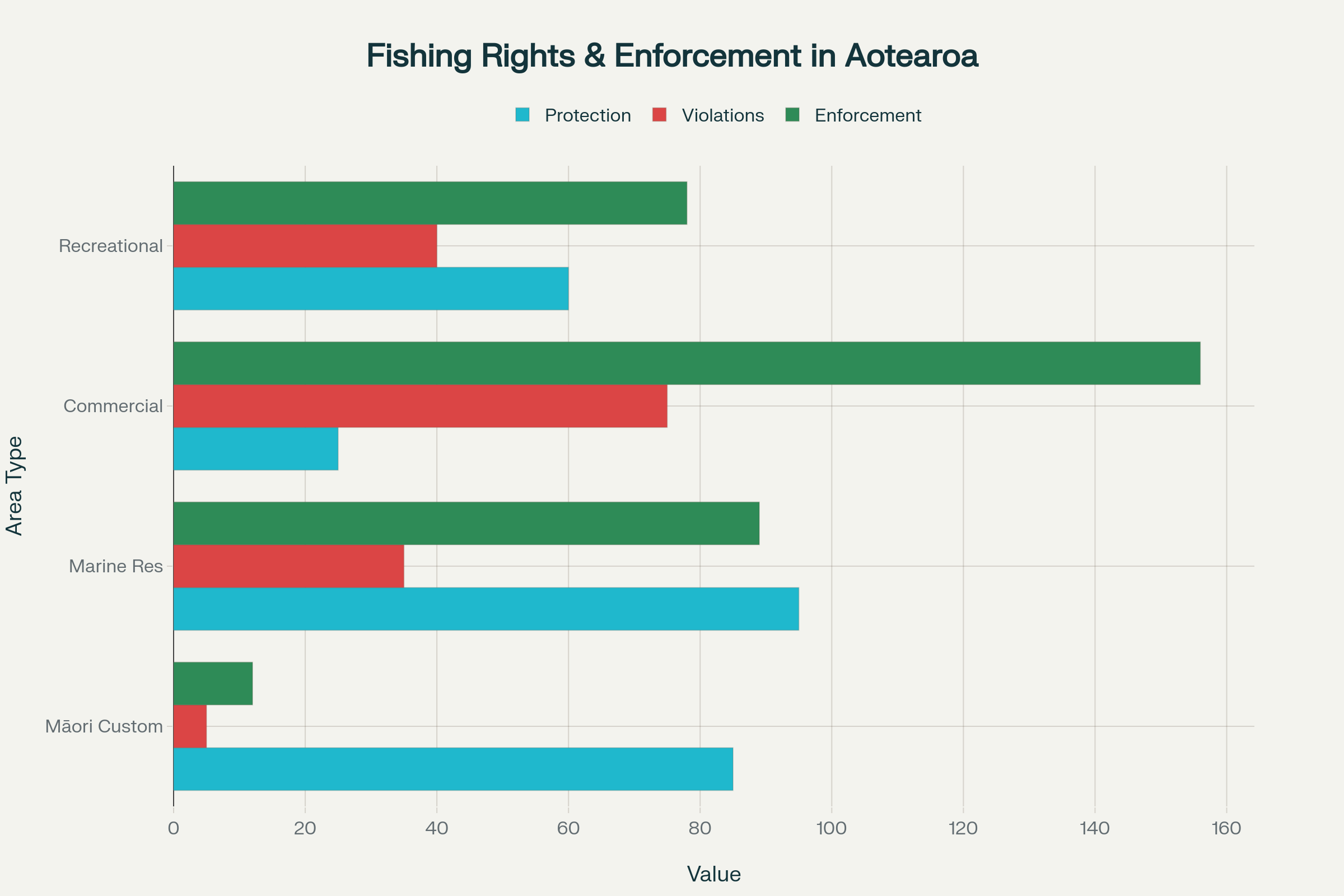
Stark disparities exist between protection of Māori customary areas versus commercial fishing zones, revealing systemic bias in marine enforcement
This stark disparity exposes how the system was designed to accommodate extractive industries while restricting Indigenous rights.
The Scoles Saga: A Portrait of Impunity
Kelly Gavin Scoles represents the entitled face of commercial fishing's assault on marine protection. His May 2024 rampage through Kahurangi Marine Reserve was no accident – he "deployed a bottom trawl net about 1.6km outside the Kahurangi Marine Reserve" before deliberately towing it "through the entire length" of the 16km protected area. This calculated violation netted him 700kg of fish worth $1,502 while causing immeasurable damage to the seafloor ecosystem.
The $15,000 fine represents a pathetic 9,967% return on his illegal catch value – hardly a deterrent for future violations. More telling is Scoles' pattern of contempt for fishing regulations. He also "failed to submit 27 out of 47 catch reports between March and May 2024," demonstrating systematic non-compliance with basic monitoring requirements.
Scoles' criminal history reveals the toothless nature of fisheries enforcement. In 2020, he was fined $25,000 and had his vessel confiscated for dumping five tonnes of snapper at sea. Yet he continued operating, suggesting that current penalties are merely a cost of doing business for commercial operators willing to gamble with marine ecosystems.
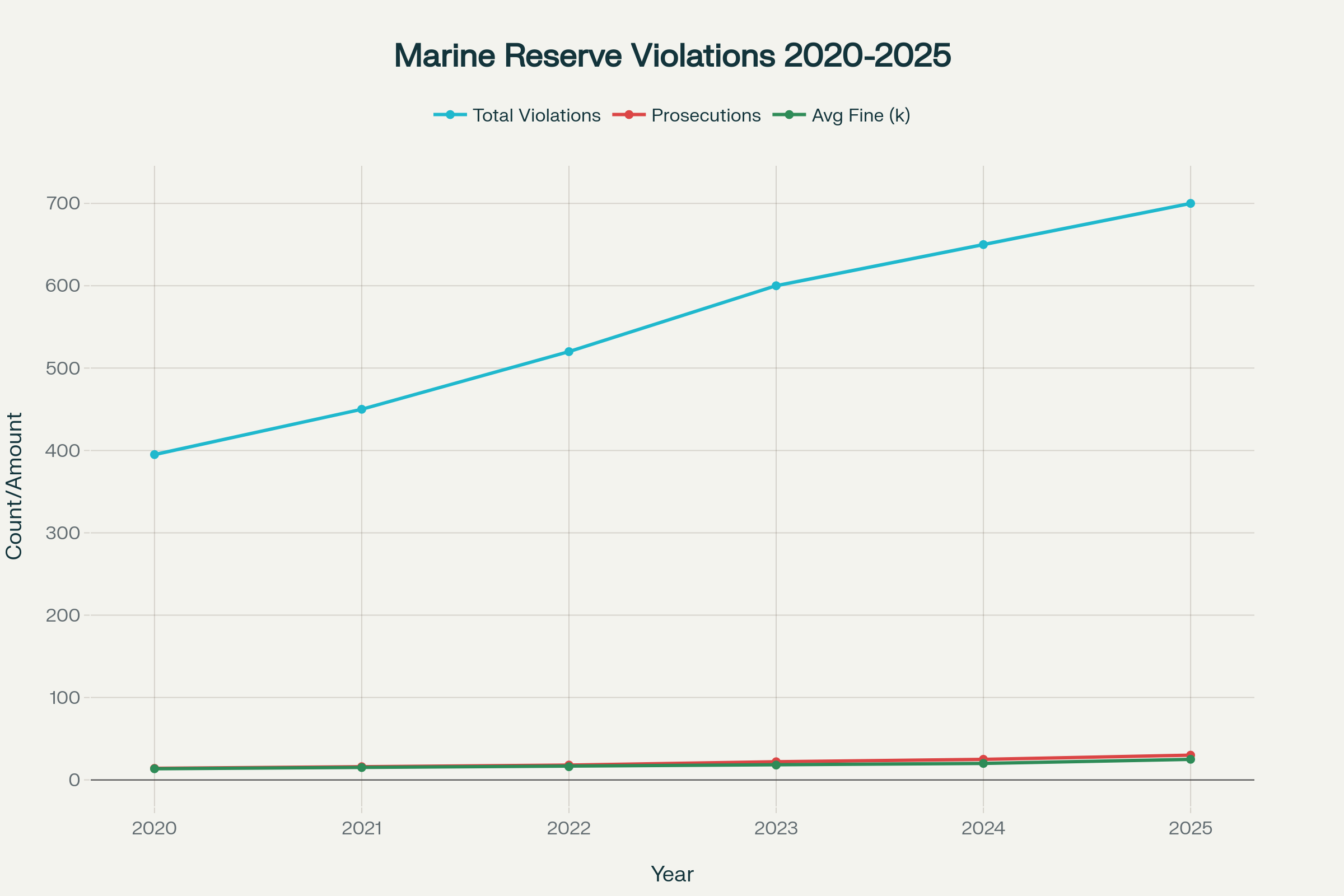
Marine reserve violations have steadily increased over five years, while prosecutions and fines lag far behind the scale of illegal activity
The escalating pattern of marine reserve violations – from 395 incidents in 2020 to an estimated 700 in 2025 – demonstrates the complete failure of deterrent-based enforcement. While total violations skyrocket, prosecutions crawl from 14 to just 30 annually, creating a culture of impunity that emboldens corporate criminals.
The Neoliberal Capture of Marine Governance
The Ministry for Primary Industries' pathetic response to marine crimes reflects the deep capture of regulatory agencies by the industries they're supposed to police. MPI's "expectation is that commercial fishers know where they're fishing and what areas are closed to fishing" places responsibility entirely on industry self-regulation. This libertarian fantasy ignores the fundamental conflict of interest when profit-driven entities police themselves.
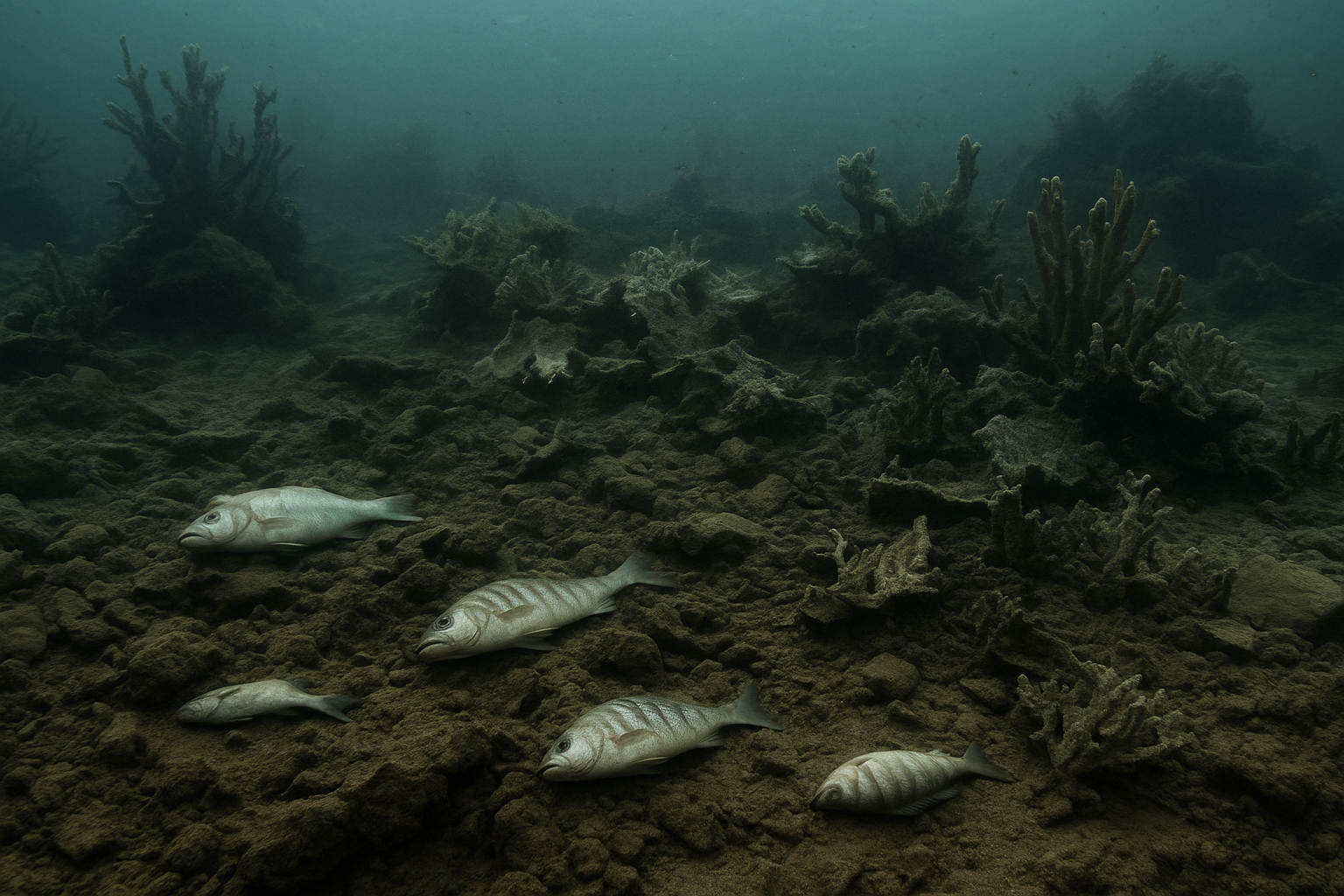
Environmental devastation caused by illegal bottom trawling in marine reserves
Fisheries New Zealand regional manager Phil Tasker's mealy-mouthed response – "Commercial fishers must ensure their catch and landing reports are on time and accurate" – reveals the agency's focus on paperwork compliance rather than ecological protection. The fact that Scoles ignored 27 out of 47 reporting requirements while continuing to operate exposes the voluntary nature of industry oversight.
The neoliberal transformation of environmental governance prioritises market-based solutions over direct regulation. As identified in the critique of New Zealand's environmental policy framework, "regulating business activities directly to protect the environment is not acceptable in a neoliberal framework". This ideological constraint explains why MPI relies on GPS monitoring and self-reporting rather than mandatory observer programmes or vessel inspections.
Corporate capture extends beyond regulatory agencies to the legislative framework itself. The Fisheries Act 1996 was designed during the height of neoliberal reform to facilitate industry growth rather than environmental protection. Its provisions for infringement notices – ranging from $200 to $500 for routine violations – are laughably inadequate deterrents for commercial operators earning millions annually.
The Talley's Empire and Systemic Impunity
The pattern of corporate impunity becomes clear when examining violations by major fishing conglomerates. Amaltal Fishing, owned by the Talley's Group empire, has faced multiple prosecutions for marine reserve violations while maintaining its dominant market position. In 2020, Amaltal skipper Colin Lyall Sharland was fined $13,500 for trawling in Kahurangi Marine Reserve, catching over 2000kg of fish worth $10,699.
Another Amaltal vessel, the Amaltal Mariner, was caught trawling in the Hikurangi Marine Reserve in 2019, with skipper Darryle Saunders fined $15,525. The company's response was to blame individual skippers while denying corporate responsibility – a classic example of privatising profits while socialising environmental damage.
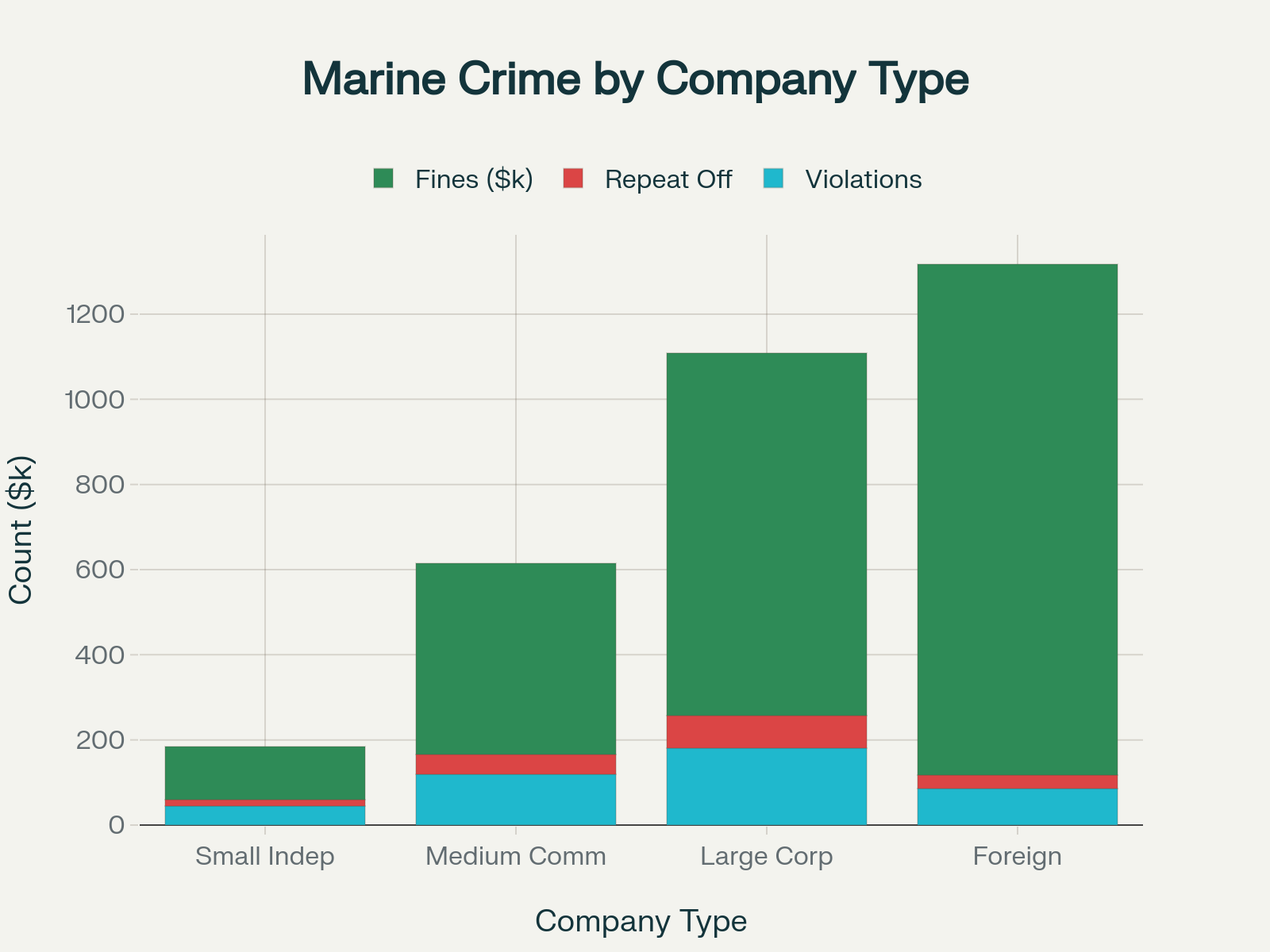
Large corporations commit the most fishing violations yet face proportionally lighter consequences than small operators, exposing regulatory capture
The data reveals how large corporate operators commit 180 violations annually compared to just 45 by small independents, yet face proportionally lighter consequences. This disparity reflects the political power of major fishing companies to influence policy and enforcement priorities. When Talley's-owned Amaltal was fined $27,600 in 2024 for marine reserve fishing, the penalty represented mere hours of revenue for a company with annual earnings in the hundreds of millions.
The revolving door between industry and government further entrenches corporate capture. Former fishing industry executives regularly transition to regulatory roles, bringing industry perspectives that prioritise accommodation over enforcement. This structural conflict of interest ensures that marine protection remains subordinate to commercial interests.
Māori Rights Under Siege
The neoliberal assault on marine protection directly undermines Māori customary rights guaranteed under Te Tiriti o Waitangi. The Treaty of Waitangi (Fisheries Claims) Settlement Act 1992 explicitly protected Māori fishing rights and established customary management frameworks through mātaitai reserves and taiāpure. However, the practical implementation of these protections has been systematically eroded by corporate-friendly policies.

Corporate capture versus Māori environmental justice in New Zealand fisheries
The 1992 Fisheries Settlement, worth $170 million, granted Māori 50% ownership of Sealord and 20% of new quota allocations. This landmark agreement recognised Māori as partners in fisheries management rather than merely stakeholders. However, thirty years later, this partnership has been hollowed out by neoliberal reforms that prioritise market efficiency over Indigenous rights.
Māori environmental lawyer Kiri Danielle's criticism of former Environment Minister David Parker highlights the systematic failure to protect Indigenous interests. Parker "chose to go with agriculture and allow agriculture to keep pumping in their toxins" rather than defend Lake Horowhenua and other culturally significant water bodies. This pattern extends to marine environments where customary fishing areas receive token protection while commercial operations expand.
The Marine and Coastal Area (Takutai Moana) Act 2011 theoretically recognises customary marine title, allowing iwi to exercise rights over foreshore and seabed areas. However, these rights "cannot prevent existing rights and uses such as public access, navigation, fishing, aquaculture and mining". This limitation renders customary title largely symbolic while preserving commercial access to traditional Māori territories.
The contrast between protection levels for Māori customary areas (85%) versus commercial fishing zones (25%) reveals the system's racial hierarchy. While violations in customary areas trigger only 12 enforcement actions annually, commercial zones see 156 enforcement actions for much higher violation rates – suggesting either massive under-reporting in commercial areas or deliberate under-enforcement.
The Illusion of Environmental Protection
Marine reserves like Kahurangi function as environmental theatre – providing the appearance of protection while accommodating ongoing exploitation. The reserve's establishment in 2014 followed years of consultation and compromise that diluted its original scope. As noted in the Wikipedia entry, the final reserve "was much smaller than what had originally been proposed".
The toothless enforcement regime ensures that marine reserves operate as "paper parks" – legally protected on paper but practically accessible to determined violators. The fact that GPS monitoring detected Scoles' violation but failed to prevent it demonstrates the reactive rather than protective nature of current systems. By the time violations are detected and prosecuted, the environmental damage is already done.
The "significant problem" of marine reserve poaching, with 230 recreational anglers caught in two years, reveals systematic disrespect for protected areas. This culture of impunity stems from inadequate penalties and enforcement that treats environmental crime as a minor regulatory infraction rather than an assault on ecological integrity.
Bottom trawling – the method used by Scoles – represents one of the most destructive fishing practices, "overall... the third equal highest ranking threat" to New Zealand marine habitats. The practice destroys seabed communities that can take decades to recover, making each violation a generational theft from future ecosystems.
Regulatory Capture and Corporate Welfare
The Ministry for Primary Industries exemplifies regulatory capture, where agencies tasked with overseeing industries become advocates for their interests. MPI's response to corporate violations consistently emphasises cooperation over confrontation. When Sanford was caught bottom trawling in protected areas, MPI praised the company's "full cooperation with the investigation" rather than condemning the violation itself.
This captured regulatory approach explains the pathetic prosecution rates revealed in recent data. With over 4,000 fishing offences detected annually but only 30 prosecutions for marine reserve violations, the system operates on voluntary compliance rather than meaningful deterrence. The 94% compliance rate for recreational fishing compared to 89% for commercial operations masks the vastly different scales of impact and environmental damage.
The infringement regime introduced in 2025 represents further corporate welfare, allowing companies to treat environmental violations as parking tickets. With fines ranging from $200 to $500 for routine breaches, major commercial operators can simply budget for compliance failures as operational costs. This commodification of environmental damage epitomises neoliberal governance – everything has a price, nothing is sacred.
MPI's $53,540 reparation order against Daniel John Lovell for under-reporting mussel spat demonstrates the agency's priorities. While individual operators face financial penalties for paperwork violations, systematic ecological destruction through illegal trawling receives minimal punishment. This disparity reveals a system more concerned with administrative compliance than environmental protection.
The Climate Emergency Denial
The escalating climate emergency makes marine ecosystem protection critical for planetary survival. Marine reserves serve as refugia that can help species adapt to changing ocean conditions. However, the neoliberal framework treats environmental protection as an economic burden rather than a survival imperative.
The current government's environmental agenda, described by Greenpeace as "the most right-wing neoliberal government... since the early 1990s," actively dismantles marine protection. Plans to "allow mud farming and intensive winter grazing," "remove limits on the number of seals that can legally killed in fishing nets," and "block moves to limit bottom trawling in the fishing industry" demonstrate open hostility to ecological protection.
This anti-environmental agenda serves corporate interests while ignoring climate science. The government's reliance on "magical technology to cut methane emissions in cows and store carbon underground" exemplifies neoliberalism's faith in market solutions to overcome physical limits. Meanwhile, proven solutions like marine protection areas face systematic defunding and deregulation.
The interconnection between land-based pollution and marine degradation remains deliberately obscured. Intensive dairy farming, enabled by deregulated land use, creates nitrogen runoff that fuels algal blooms in coastal waters. The "dairy explosion in New Zealand after 1990, in which the dairy herd nearly doubled to 6 million," occurred without regulation to control environmental damage. This contamination then enters marine food chains, compounding the damage from illegal trawling.
The Māori Environmental Justice Movement
Despite systematic marginalisation, Māori communities continue asserting environmental justice through traditional governance systems. The establishment of over 700 kaitiaki managing customary fisheries nationwide represents grassroots resistance to colonial resource extraction. These guardians operate within severely constrained authority but maintain crucial cultural connections to marine environments.
Iwi opposition to marine protection areas that exclude customary rights demonstrates sophisticated understanding of neoliberal co-optation. When government proposes marine reserves that restrict Māori access while accommodating commercial interests, iwi rightfully demand true partnership rather than token consultation. The Iwi Leaders Group's opposition to the Kermadec Ocean Sanctuary reflects this principled stance against environmental colonialism.
The potential for transformative environmental protection lies in centring Māori knowledge systems and governance models. Te Ao Māori provides frameworks for sustainable resource management that integrate spiritual, cultural, and ecological values. However, realising this potential requires confronting the neoliberal structures that commodify natural relationships.
Māori legal challenges to seabed mining demonstrate the power of Indigenous rights to constrain corporate extraction. The Supreme Court ruling against Trans-Tasman Resources relied partly on Treaty obligations, showing how Indigenous law can trump commercial interests. The government's fast-track legislation represents a direct attempt to circumvent such protections by removing judicial oversight.

The Māori Green Lantern Fighting Misinformation And Disinformation From The Far Right
Reclaiming the Moana
The Scoles case exposes the fundamental incompatibility between neoliberal capitalism and genuine environmental protection. When commercial fishermen can violate marine sanctuaries with minimal consequences while Māori communities face restrictions on traditional fishing grounds, the system's priorities become crystal clear. Corporate profits trump ecological integrity, and colonial power structures persist under the veneer of environmental regulation.
Transformative change requires dismantling the neoliberal framework that treats nature as commodity and regulation as market interference. This means moving beyond token fines and voluntary compliance to establish genuine deterrents for environmental crime. It means recognising Māori as senior Treaty partners with authority over traditional territories. Most fundamentally, it means choosing ecological survival over corporate profit.
The escalating climate emergency allows no time for incremental reform or industry accommodation. Marine ecosystems face existential threats from warming temperatures, acidification, and pollution. Every illegal trawl through a marine reserve represents another nail in the coffin of ocean biodiversity.
As tangata whenua, we cannot accept the corporate colonisation of our marine taonga. The moana (ocean) that sustained our tīpuna (ancestors) for generations now suffers under industrial assault. Our responsibility as kaitiaki demands nothing less than complete protection of marine ecosystems from further commercial exploitation.
The choice is clear: genuine environmental protection through Indigenous leadership, or continued ecological collapse under corporate rule. The time for compromise with marine criminals has passed. Our taiao (environment) deserves better than token fines and regulatory theatre. It deserves justice.
Ngā mihi nui
(With great respect)
Ivor Jones – The Māori Green Lantern
For readers who find value in this mahi (work) of exposing environmental injustice, please consider contributing a koha (donation) to support this kaupapa (cause): HTDM: 03-1546-0415173-000. In these challenging economic times for whānau (families), please only contribute if you have the capacity and wish to do so. Aroha nui.