“When Ministers Serve Capital, Not Communities: The Nicole McKee Alcohol U-Turn” - 31 December 2025
Introduction: The Urgent Message That Exposed the Game
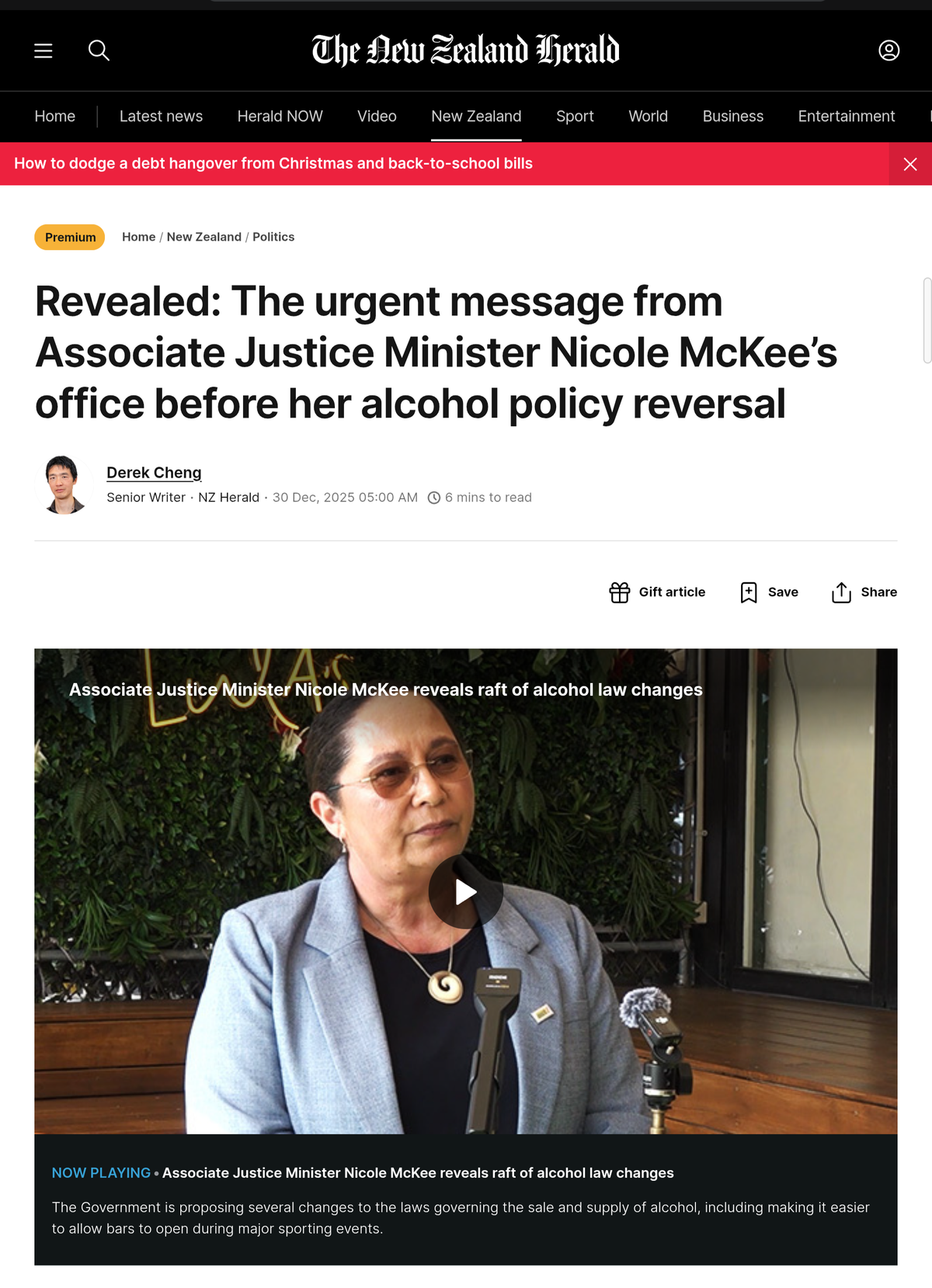
In early August 2025, Associate Justice Minister Nicole McKee’s office sent an urgent message to the Ministry of Justice.
“ASAP,” it demanded, “please could you provide source of information”.
The question concerned data McKee’s own ministry had provided nine months earlier in November 2024:
evidence showing that restricting alcohol off-licence hours could prevent 2,400 violent victimisations every year.
This was not a minister seeking clarification. This was a minister searching for an exit ramp.
Days later, on August 13, 2025, justice officials were directed by McKee “to proceed with speed to lodge a revised Cabinet paper”. The focus had changed from harm reduction to “reducing regulatory burden”. The evidence-based policy to restrict off-licence hours—a measure that could have spared thousands of whānau from alcohol-fuelled violence—was dead. By August 27-28, 2025, McKee publicly announced alcohol reforms with no restrictions on bottle store or supermarket trading hours.
What happened between November 2024 and August 2025 tells a story older than colonisation itself: the story of power bending policy to profit, of ministers serving capital instead of communities, and of evidence sacrificed on the altar of ideology.
This essay exposes the networks, decisions, and cui bono behind McKee’s betrayal of public health—and reveals the pattern of alcohol industry capture that makes Aotearoa one of the most alcohol-damaged nations in the developed world.
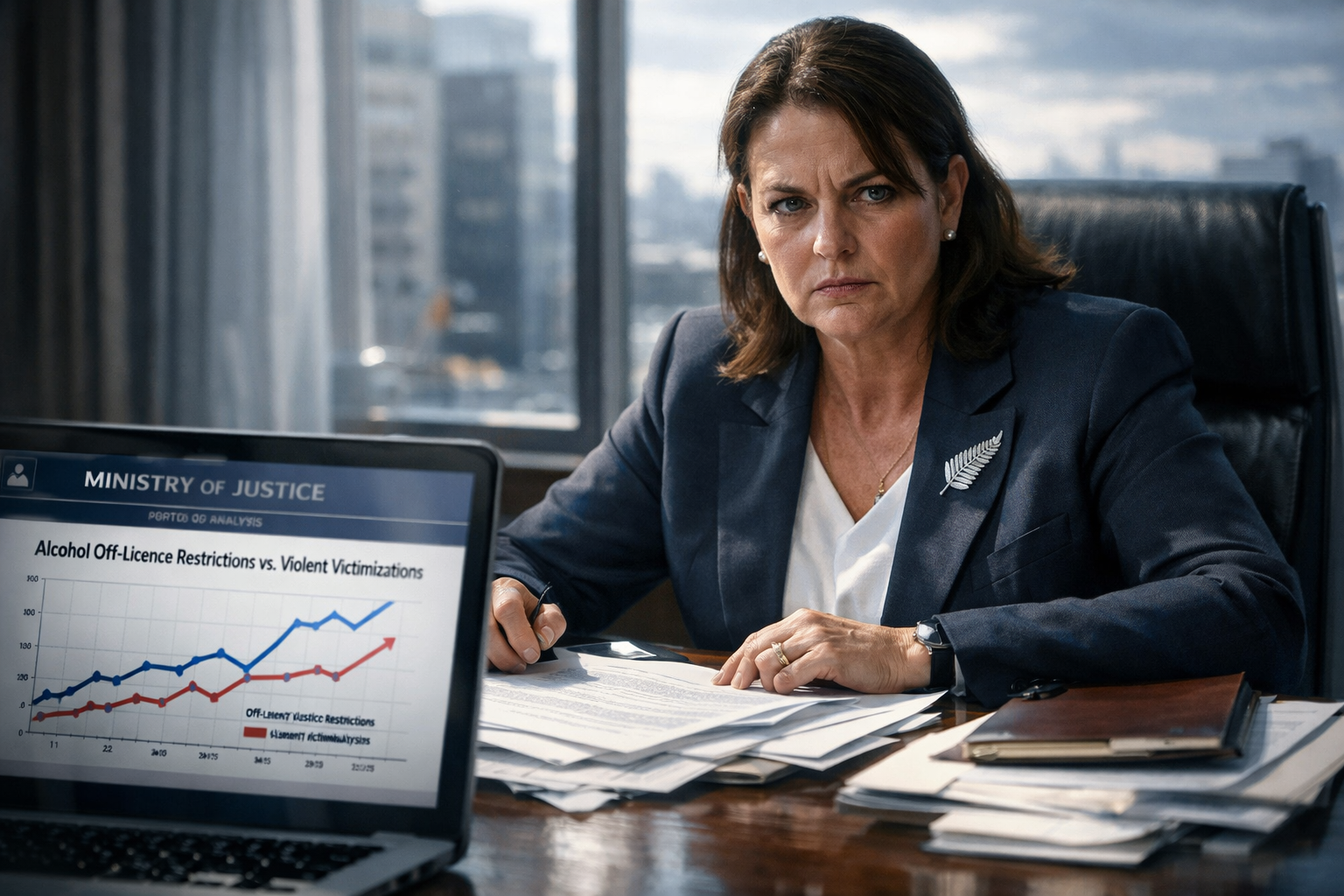
When Ministers Serve Capital
Background: The Evidence That Should Have Driven Policy
The Ministry of Justice briefing provided to McKee in November 2024 was unequivocal. Drawing on a 2018 agent-based simulation model from New South Wales, informed by academics, policy specialists, and clinicians, the ministry demonstrated that extending bottle shop hours by two hours to midnight resulted in a 5.9% ± 1.1% increase in alcohol-related violence. Applied inversely to Aotearoa’s context—reducing off-licence hours from 7am-11pm to 9am-9pm—the model projected 2,400 fewer violent victimisations annually.
The briefing included stark New Zealand-specific data. According to the 2023 NZ Crime and Victims Survey, 53% of violent victims experienced at least one violent event involving alcohol. In 2018, Police recorded an average of 103 daily offences involving alleged offenders who attributed alcohol to their offending. Between March 2024 and February 2025, the drop in alcohol-involved offending (45,000 fewer victims) accounted for 94% of the total drop in violent offending (48,000 fewer victims).
These are not abstract statistics. They represent whānau terrorised in their homes, women assaulted after supermarket bottle runs at 10pm, rangatahi hospitalised from violence fuelled by cheap liquor purchased late at night. The Ministry briefing stated plainly: “Evidence suggests intoxication is strongly associated with aggressive behaviour and interpersonal violence, alcohol increase the severity of family violence”.
The ministry recommended restricting off-licence purchases to between 9am and 9pm, noting that “less than 20% of purchases are made between 8pm and 11pm, and 2% are made before 9am”. The policy was targeted, evidence-based, and modest. It would inconvenience a small percentage of alcohol purchasers while potentially saving thousands from harm. Both the Ministry of Justice and Police supported the restrictions.
This was precisely the kind of mauri-enhancing policy tikanga demands: protecting the collective from preventable harm, prioritising vulnerable whānau over commercial convenience. Yet within nine months, it was dead—killed not by evidence, but by ideology and industry influence.
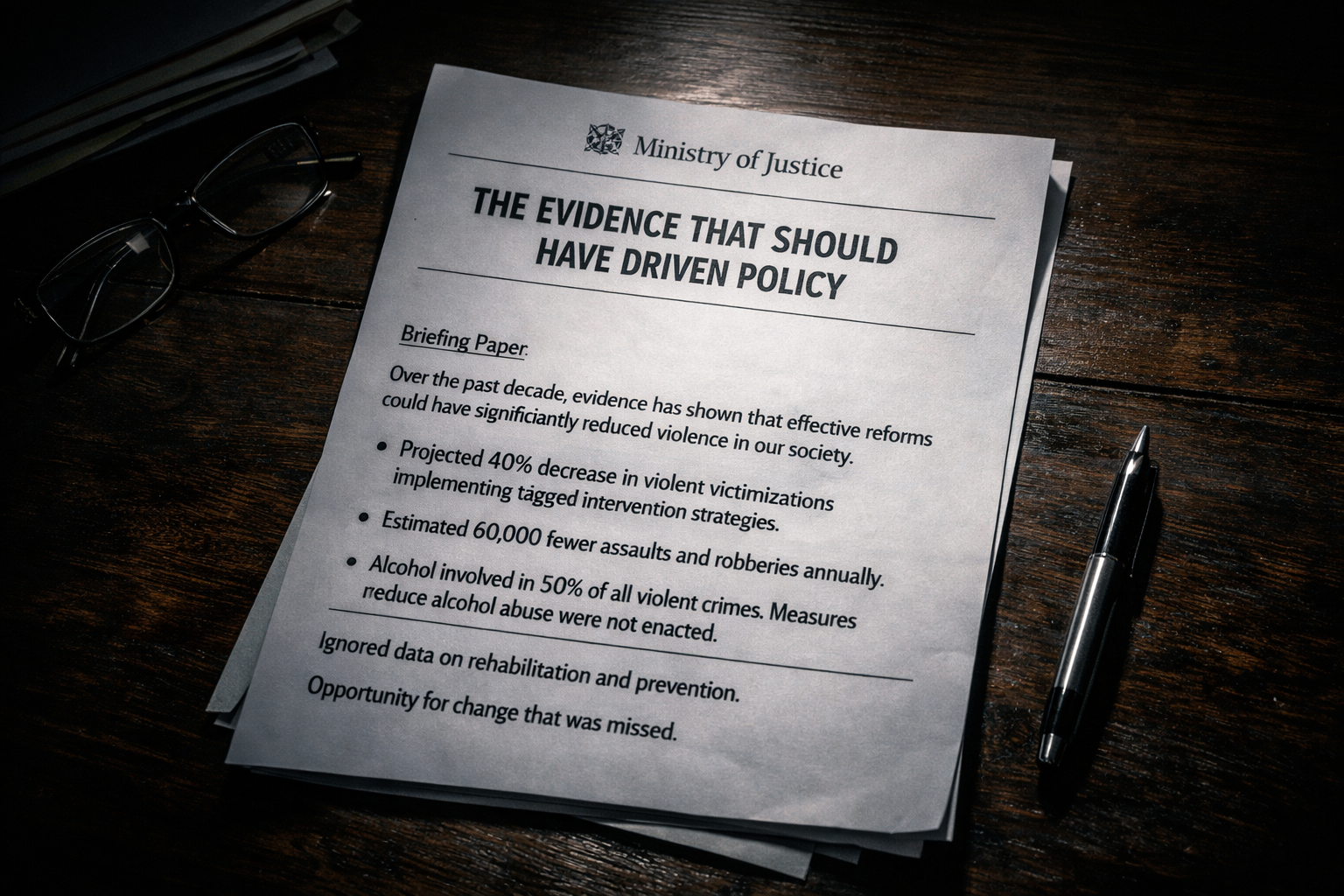
The Evidence
Analysis: Five Hidden Revelations of Alcohol Industry Capture
Revelation 1: The ACT Party’s Ideological Commitment to Deregulation Trumped Public Health
Nicole McKee is not merely a minister. She is an ACT Party MP recruited directly from her role as spokeswoman for the Council of Licensed Firearm Owners (COLFO). Her political career began as a lobbyist opposing government regulation—first on firearms, now on alcohol. The ideological continuity is unmistakable.
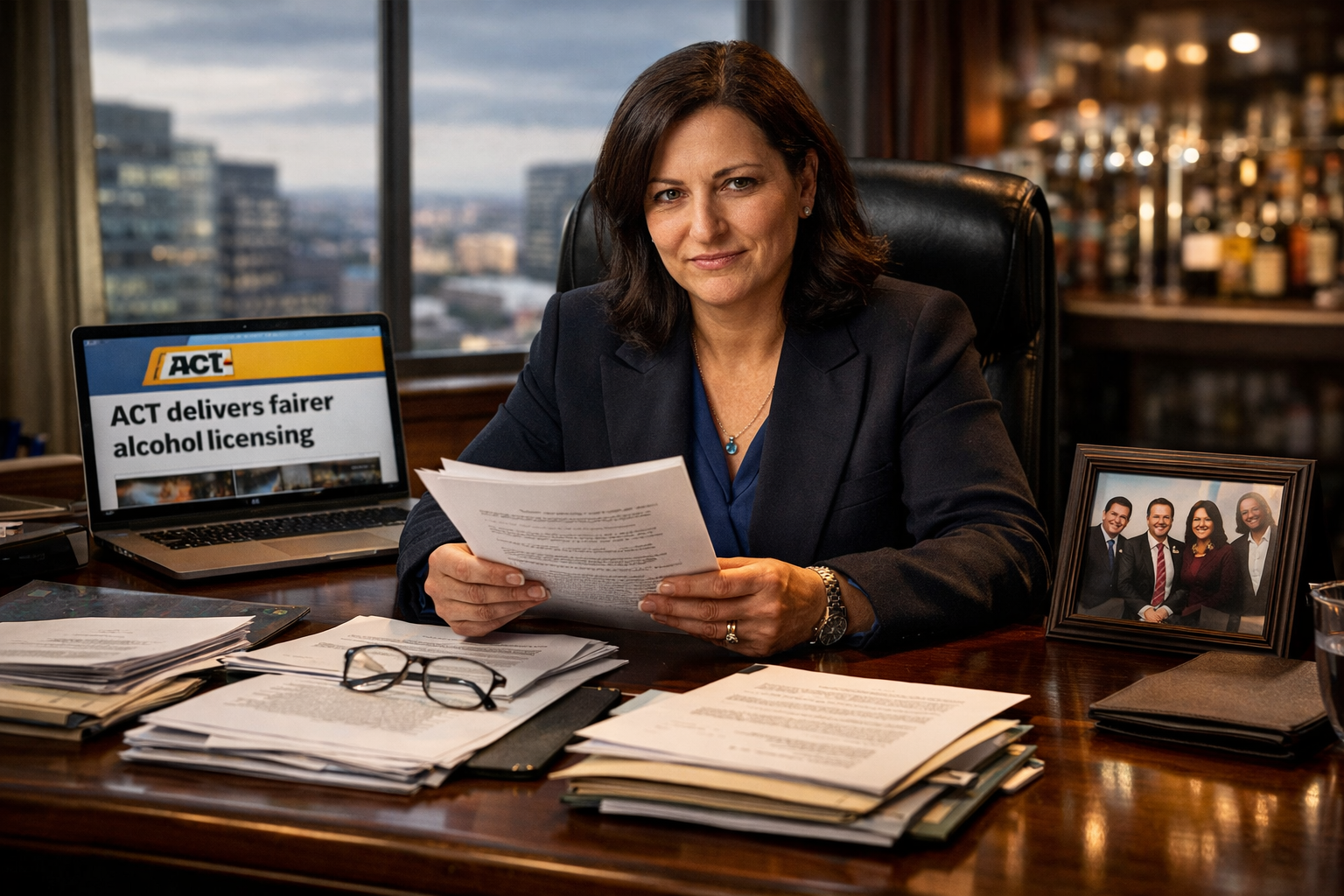
ACT’s website celebrates McKee’s alcohol reforms under the headline “ACT delivers fairer alcohol licensing”, emphasising the restoration of “a fair right of appeal on Local Alcohol Policies” and reducing “red tape restricting businesses”. For ACT, this is victory: the market liberated, business unshackled, the nanny state defeated.
But cui bono? Not whānau. Not communities bearing the $9.1 billion annual cost of alcohol harm. Not the 185,000 New Zealanders who were victims of violent crime in 2023, more than half of whom experienced alcohol-involved violence. The beneficiaries are alcohol retailers—supermarket giants Foodstuffs and Woolworths, hospitality operators, and the liquor industry lobby.
McKee’s justification for the U-turn was transparently disingenuous. She claimed she no longer had “trust or confidence” in the 2,400 victimisation reduction projection, arguing the NZ Crime and Victims Survey suggested the reduction would be “closer to half-a-percent”. She dismissed the November 2024 Cabinet paper as “a draft... not a final and it was not written by me”. This is sophistry. The draft Cabinet paper reflected Ministry of Justice analysis, which McKee’s office had possessed for nine months. If she genuinely distrusted the evidence, why did she wait until August 2025—days before a Cabinet decision—to demand “ASAP” verification?
The answer is clear: McKee did not lose trust in the evidence. She chose to prioritise her party’s deregulatory ideology over public health.

Da Bitch
Revelation 2: Supermarket Giants Fought an Eight-Year War Against Alcohol Restrictions—And Won
The battle over Auckland’s Local Alcohol Policy (LAP) reveals the ruthlessness with which alcohol capital defends its profits. In 2015, Auckland Council adopted a provisional LAP restricting off-licence sales to 9pm. Supermarket chains Foodstuffs North Island and Woolworths New Zealand launched appeals that cost ratepayers more than $1 million in legal fees and delayed implementation for eight years.
The supermarkets took their battle all the way to the Supreme Court, which dismissed their appeals in 2023. The LAP finally took effect on 9 December 2024. Within days, liquor store owners reported sales drops of 20-30%, with one Karangahape Road owner claiming a “drop of over 30 percent”.
This is the policy’s purpose: reducing alcohol availability to reduce harm. Yet McKee cited Auckland and Christchurch’s 9pm restrictions as proof that national change was unnecessary, arguing local councils should manage such decisions themselves. This is deliberate misdirection. Auckland’s LAP succeeded despite eight years of industry obstruction costing ratepayers $1 million. Most councils lack Auckland’s resources to fight such battles. McKee’s reforms make it even easier for industry to block local restrictions by limiting objections to local communities only and giving applicants a right of reply to objections.
McKee’s policy does not empower local democracy. It empowers alcohol capital.
Revelation 3: The Hospitality Industry Celebrated—Because They Got What They Paid For
Hospitality New Zealand welcomed McKee’s reforms as “a significant win”. The organisation praised McKee for “reducing red tape” and making it easier for bars to extend trading hours during major sporting events.
This is unsurprising. Hospitality New Zealand is a lobby group funded by the alcohol industry. While specific donation records for hospitality groups to political parties are not publicly disclosed in detail, the pattern of industry influence is unmistakable. Research from the Integrity Institute reveals that “the liquor industry provides another stark example” of corporate donations buying weak regulations, with the hospitality and liquor industries described as “major political donors, buying themselves weak regulations while you pay through higher prices, insurance premiums, healthcare costs, and crime”.
New Zealand’s largest alcohol producers—Lion Pty Ltd and DB Breweries Ltd, both owned overseas—control vast hospitality networks. DB Breweries is the majority shareholder of Star Hospitality, which operates over 50 bars, pubs, restaurants and gastropubs across the North Island. Lion owns New Zealand’s largest alcohol beverage company, with brands including Steinlager, Speight’s, and Mac’s. These are not neutral business interests. They are profit-maximising corporations whose revenue depends on alcohol consumption—including hazardous drinking.
When McKee abandoned harm reduction for “reducing regulatory burden”, she served these interests. Alcohol Healthwatch executive director Andrew Galloway predicted the U-turn the moment he learned the government was considering restrictions: “We should prepare for a U-turn... once industry lobbying swung into action”. He was correct.

Did You Know That Winston Is A Wino?
Revelation 4: The Evidence McKee Dismissed Has Saved Lives Elsewhere
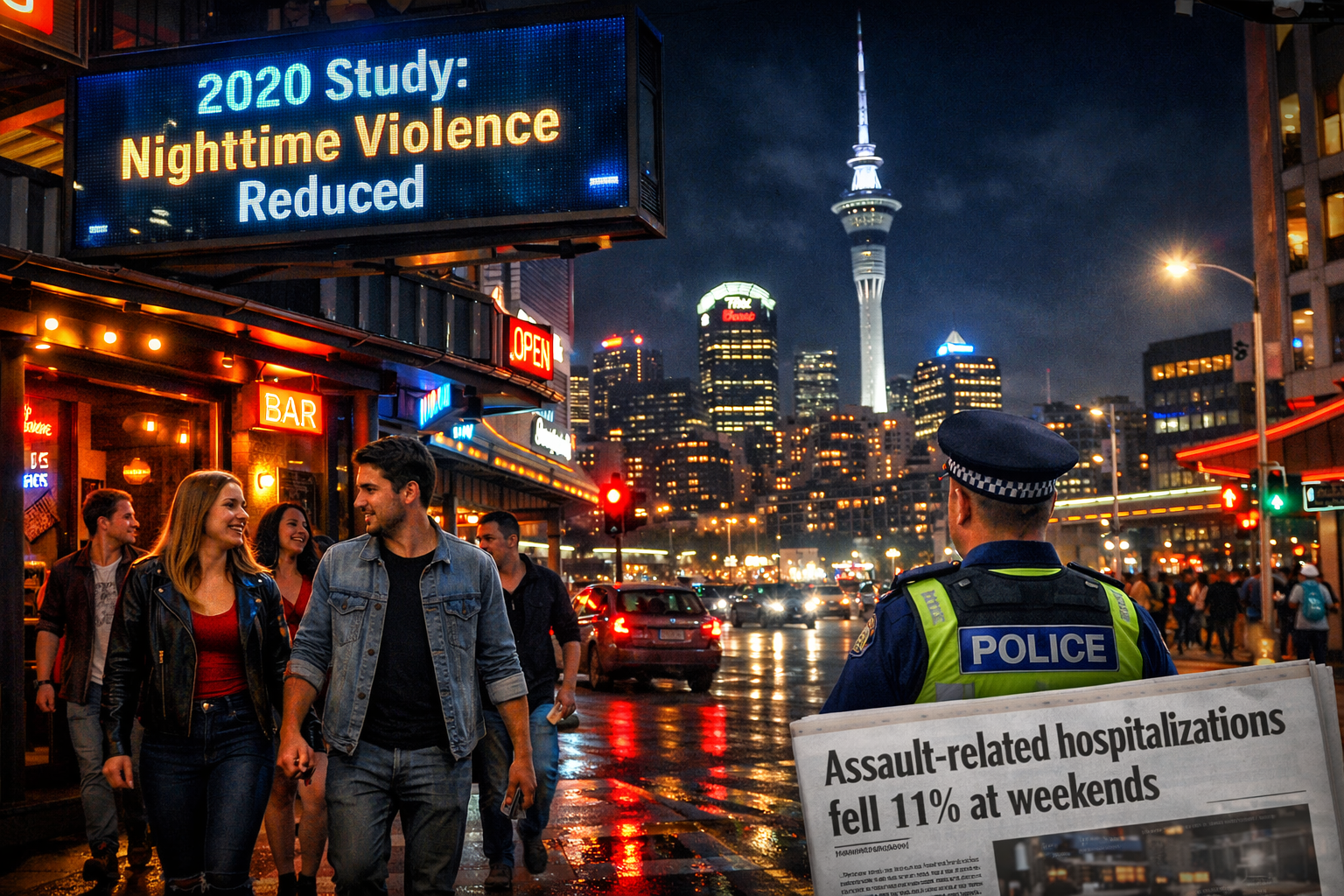
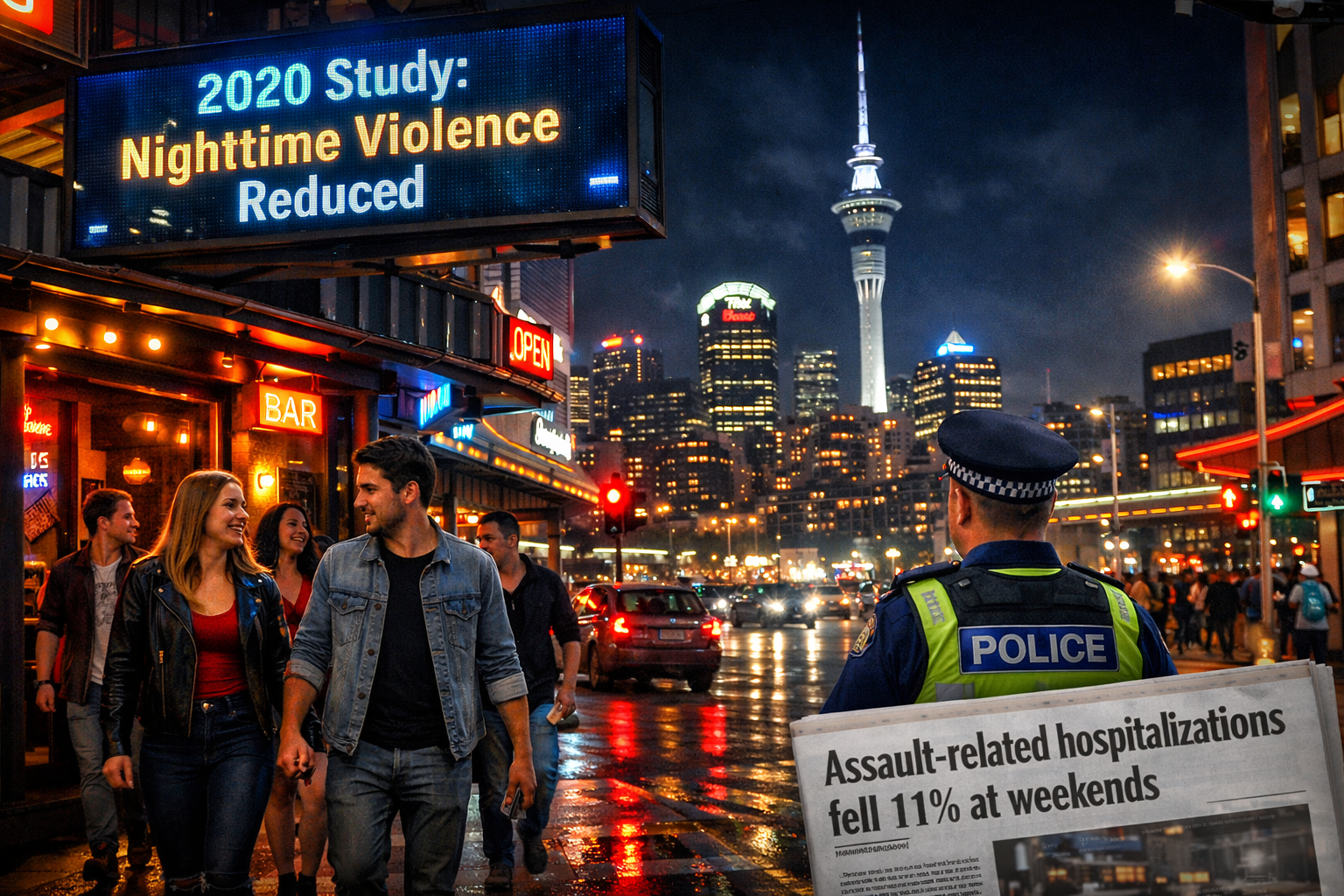
McKee’s claim that she lost confidence in the evidence collapses under scrutiny. International and domestic research consistently demonstrates that reducing alcohol trading hours reduces harm. A 2020 study found that national alcohol trading hour restrictions in New Zealand led to reductions in nighttime violence. A 2020 Otago University study showed assault-related hospitalisations fell by 11% at weekends after bars and clubs were made to close earlier.
The 2018 NSW agent-based simulation model McKee questioned was developed using “existing research evidence, analysis of available data and a structured approach to incorporating expert opinion”. It simulated 3.6 million individuals calibrated to New South Wales demographics, informed by academics, policy specialists, and clinicians. The model was validated against “real-world historic patterns across a range of outcome indicators”.
The Ministry of Justice explicitly noted that while “there were few evaluations of the impact of limiting liquor trading hours in the real world, two studies demonstrate significant impacts on harms among young people, suggesting the model results are broadly plausible”. Auckland’s LAP, which McKee cited as proof national restrictions were unnecessary, demonstrates the policy works: one year after the 9pm restriction took effect, “communities are experiencing positive impacts, such as quieter and safer streets”, according to Auckland Council.
McKee did not reject the evidence because it was weak. She rejected it because it contradicted her ideology.
The Evidence McKee Dismissed Has Saved Lives Elsewhere
Revelation 5: The Māori and Pacific Harm Burden—Erased from the Equation
Alcohol harm is not distributed equally. Māori experience alcohol harm at disproportionately high rates. The rate of alcohol-attributed deaths was twice as high for Māori. Off-licences are over-concentrated in the most deprived areas, targeting Māori and Pacific communities with cheap alcohol and extended trading hours.
Restricting off-licence hours to 9am-9pm would have disproportionately benefited these communities. Yet McKee’s revised policy framework contains no analysis of the differential impact on Māori and Pacific whānau. No acknowledgment of tikanga obligations. No recognition that alcohol is a tool of colonisation, used historically and structurally to extract wealth from vulnerable communities while externalising harm.
This erasure is not accidental. Neoliberal policy frameworks treat all consumers as equal market participants, ignoring structural inequities. When McKee cited “responsible drinkers should not be penalised because of the behaviour of a few”, she invoked the libertarian fantasy that alcohol harm is an individual moral failing rather than a structural, policy-driven phenomenon. This logic exonerates the alcohol industry, the state, and the minister herself.
It is, in every sense, a betrayal of Te Tiriti obligations.
The Māori and Pacific Harm Burden—Erased from the Equation
Implications: The Cost of Captured Ministers
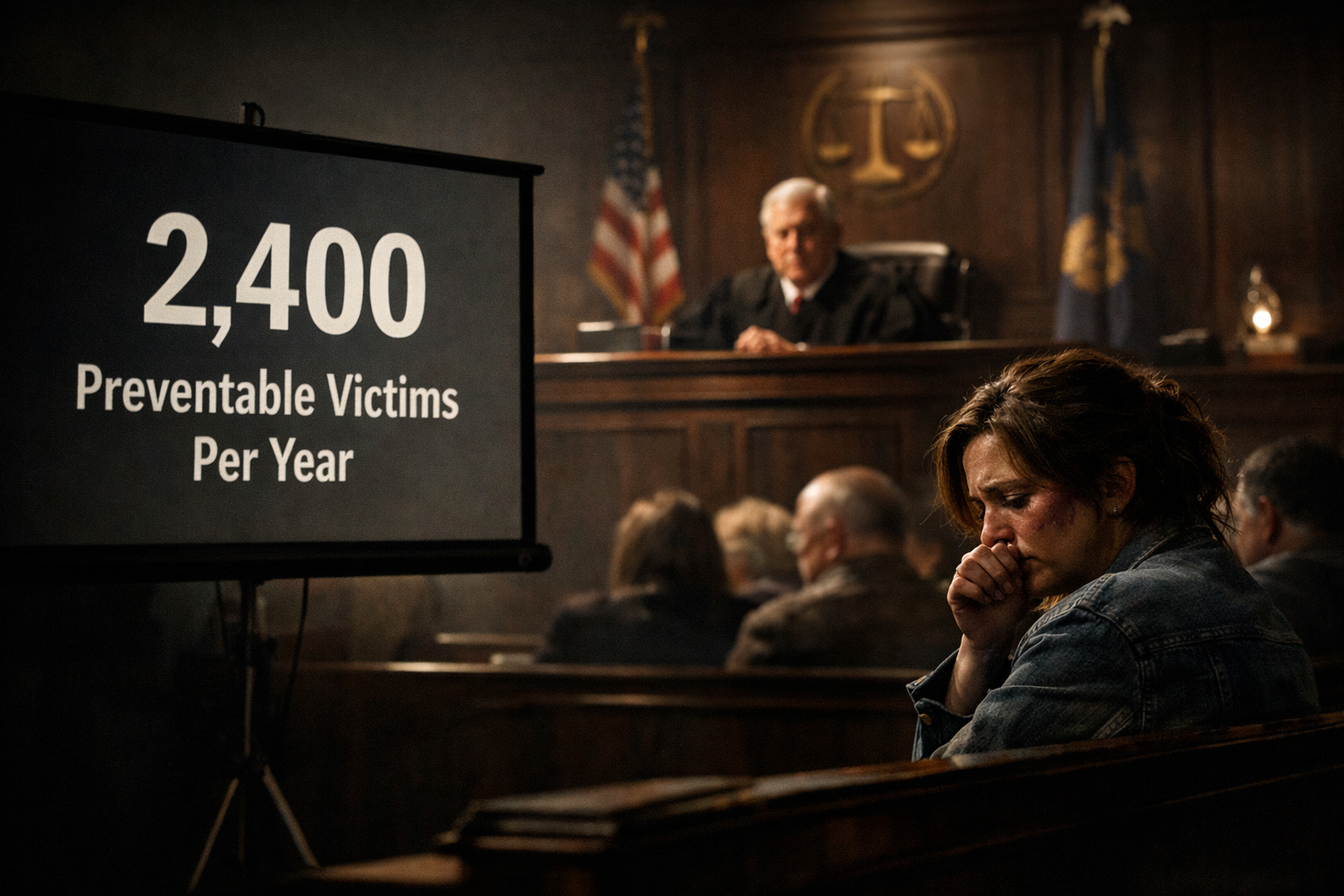
Quantified Harm: 2,400 Preventable Victims Per Year
McKee’s decision to abandon off-licence hour restrictions means an estimated 2,400 additional violent victimisations every year. These are not abstract numbers. They are:
- Intimate partner violence survivors who will endure assaults that could have been prevented. The Ministry estimates intimate partner violence attributable to alcohol use disorder alone costs $281 million annually, a figure described as “likely underestimated due to low reporting and evidence gaps”.
- Rangatahi and tamariki exposed to family violence. Child maltreatment attributable to hazardous drinking costs $74 million annually, also “likely underestimated”.
- Emergency department staff facing alcohol-related occupational violence and aggression.
- Whānau and communities bearing the $9.1 billion annual cost of alcohol harm, including $4.8 billion for fetal alcohol spectrum disorder.
McKee’s U-turn is not merely a policy failure. It is a decision to allow preventable harm for the benefit of alcohol capital.
The Cost of Captured Ministers
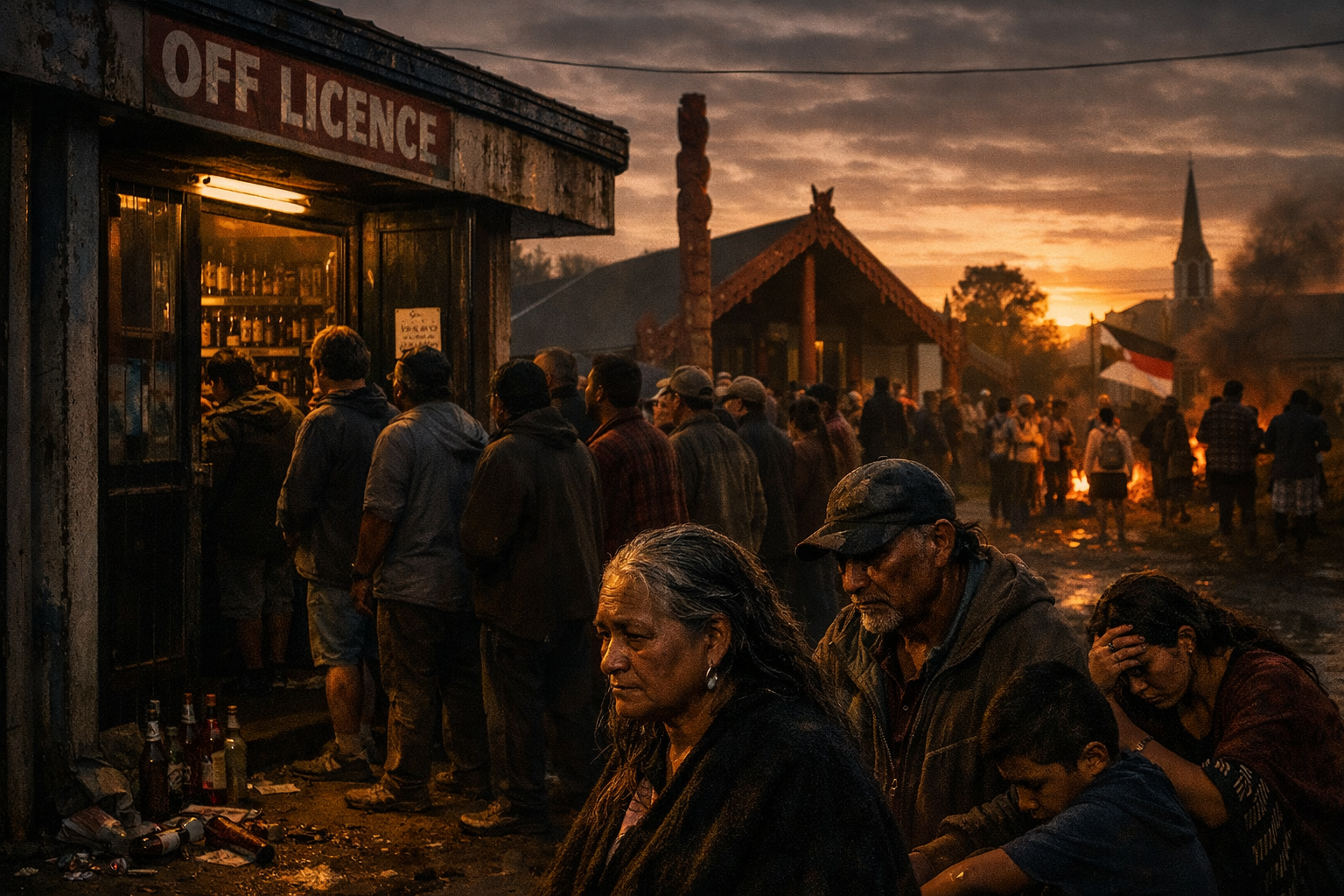
Mauri Depletion: The Spiritual and Communal Cost
From a tikanga perspective, McKee’s decision is mauri-depleting. Mauri—the life force, the binding energy of people and place—is diminished when policy serves profit over protection. Alcohol erodes mauri at every level:
individual (health, dignity, autonomy), whānau (violence, poverty, neglect), hapū (community safety, collective wellbeing), and iwi (intergenerational trauma, structural harm).
Restricting off-licence hours would have been mauri-enhancing: reducing availability, breaking the cycle of late-night purchasing and violence, protecting vulnerable whānau. McKee’s decision to abandon this policy in favour of industry deregulation prioritises transactional capital flows over the spiritual and material health of communities.
This is the logic of neoliberalism, which commodifies everything—including harm.
The Spiritual and Communal Cost
Precedent: What This Signals About Coalition Government Priorities
McKee’s U-turn reveals the National-ACT-NZ First coalition’s true priorities. National raised nearly $5 million in donations in 2024, more than triple Labour’s haul. While the public donor list does not itemise hospitality or liquor industry contributions, the pattern is clear: this is a government funded by and serving capital.
The alcohol U-turn is not an isolated case. It follows the coalition’s pattern of fast-track projects linked to $500,000 in political donations, property developer influence over housing policy, and landlord lobbying against capital gains tax. As the Integrity Institute argues, “when wealthy landlords get a $2,900,000,000 tax break and avoid having to pay a capital gains tax through strategic donations, you shoulder more of the tax burden while they get richer”.
Alcohol policy is no different. The harm is socialised. The profit is privatised.
What This Signals About Coalition Government Priorities
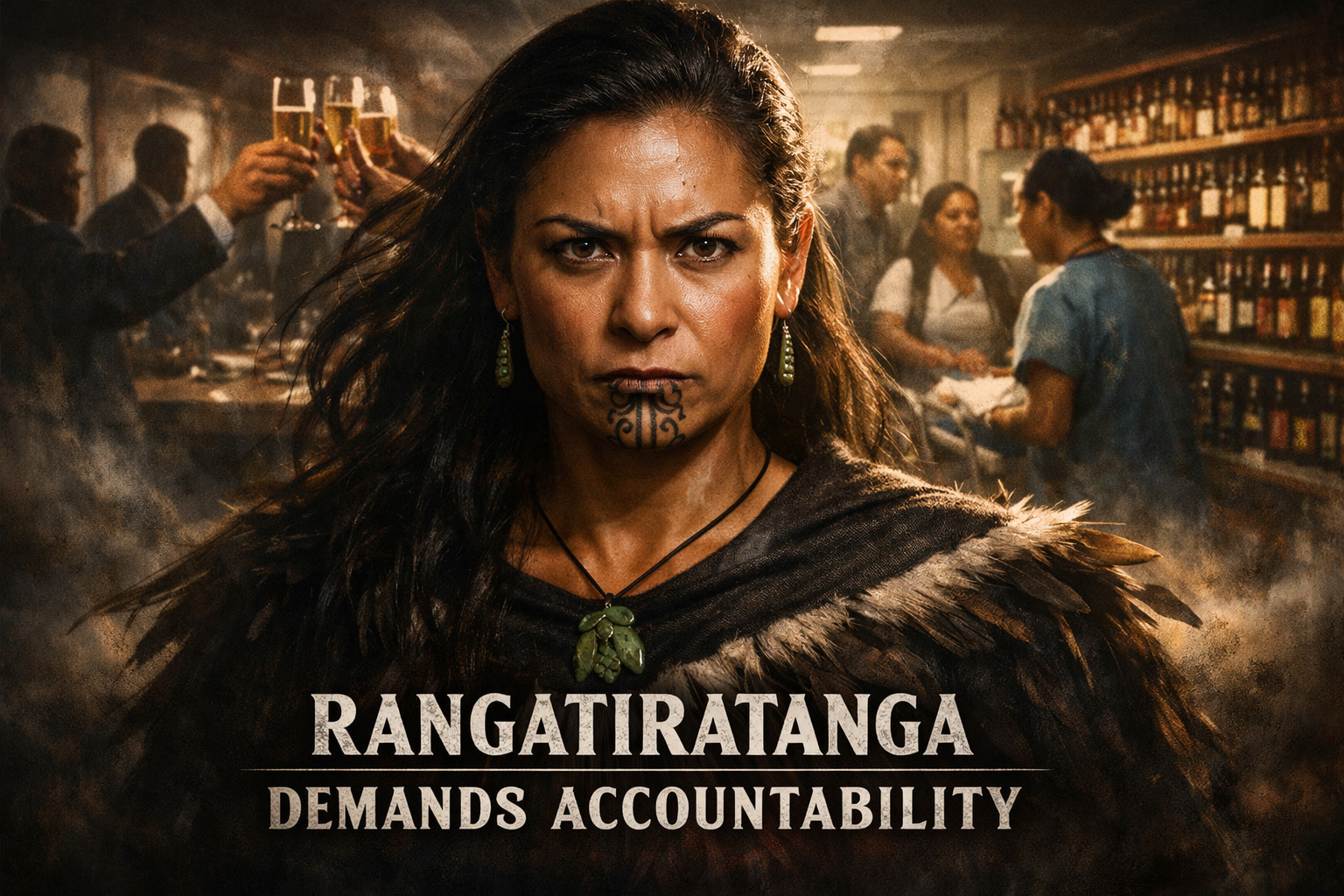
Rangatiratanga Demands Accountability
Rangatiratanga—self-determination, autonomy, authority—requires the power to protect whānau from harm. McKee’s alcohol U-turn is an assault on rangatiratanga. By abandoning evidence-based harm reduction to serve alcohol capital, McKee has subordinated community protection to industry profit. This is the opposite of mana motuhake. It is the logic of colonisation: extractive, exploitative, and indifferent to Māori wellbeing.
The evidence was clear. The policy was modest. The harm reduction was significant. McKee chose to serve her party’s ideology and industry interests instead.
This essay has exposed five hidden connections:
- ACT’s ideological deregulation agenda trumping public health evidence.
- Supermarket giants’ eight-year, $1 million war against Auckland’s alcohol restrictions—and their victory through McKee’s national policy.
- Hospitality industry celebration of reforms that serve their profit margins.
- Dismissal of validated international evidence showing trading hour restrictions save lives.
- Erasure of Māori and Pacific harm burden from policy analysis.
The moral clarity is absolute. Ministers who serve capital instead of communities are failures of governance. Ministers who ignore evidence to protect industry profits are captured. Ministers who abandon harm reduction for ideological purity are complicit in preventable violence.
Rangatiratanga demands accountability. Whānau deserve ministers who protect them, not those who sacrifice them to profit. Aotearoa deserves alcohol policy grounded in tikanga, evidence, and aroha—not ideology, lobbying, and capital.
McKee’s U-turn is not merely bad policy. It is a betrayal. And betrayals must be named, exposed, and resisted.
Rangatiratanga Demands Accountability
Koha Consideration
Three pathways exist:
For those who wish to support this mahi directly with a koha (voluntary contribution), please visit the Koha platform: Koha—Support
For those who wish to receive essays directly and support through subscription, join the Substack community: Subscribe to the Māori Green Lantern on Substack
For those who prefer direct bank transfer, account details are: HTDM, account number 03-1546-0415173-000.
Every koha signals that whānau are ready to fund the accountability that Crown and corporate structures will not provide. It signals that rangatiratanga includes the power to fund our own truth tellers.
Kia kaha, whānau. Stay vigilant. Stay connected. And if you are able, consider a koha to ensure this voice continues.

Ivor Jones The Māori Green Lantern Fighting Misinformation And Disinformation From The Far Right