"When Police Investigate Police" - 1 November 2025
The Dangerous Secrecy Behind New Zealand’s Latest Misconduct Scandal
Tēnā koutou katoa,
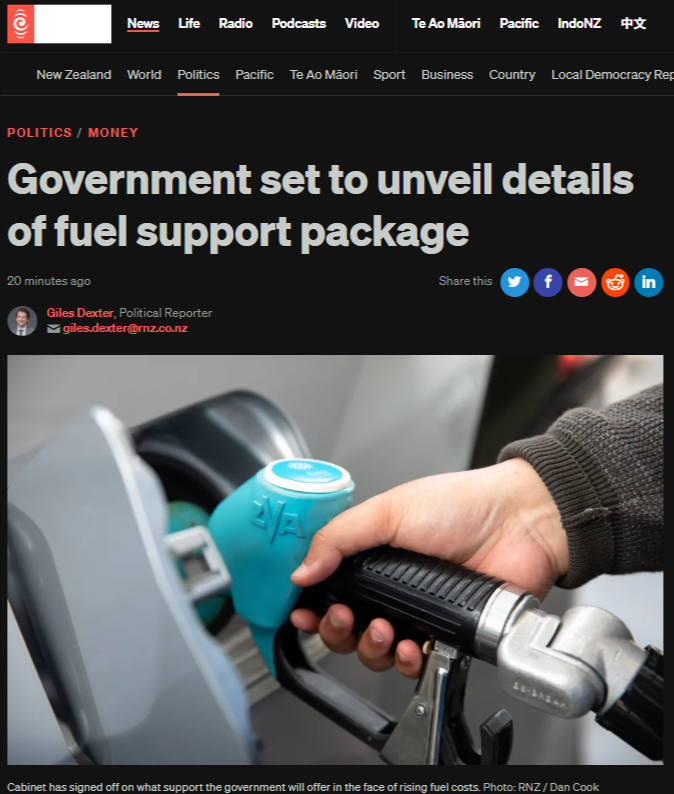
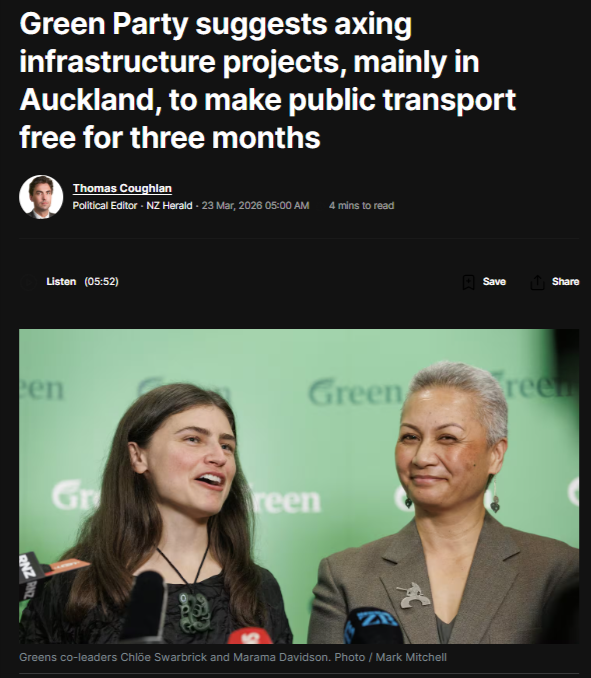
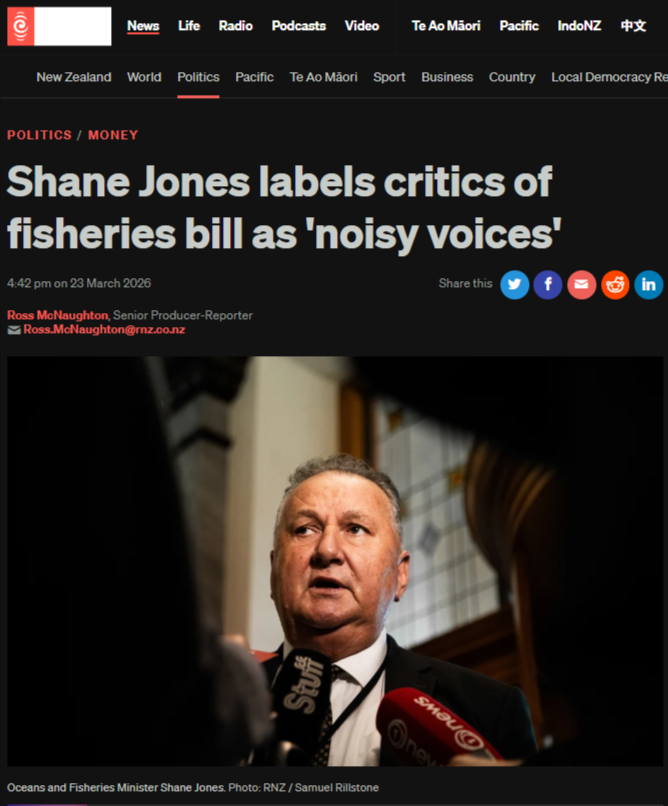
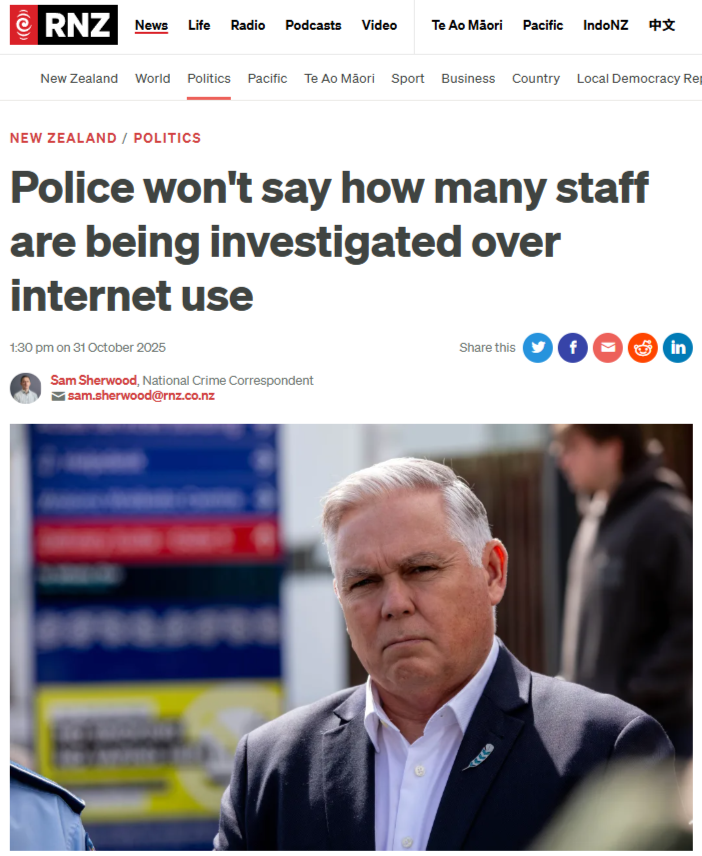
A deputy police commissioner possesses child sexual exploitation material for four years on police devices—and only gets caught because of monitoring installed after he resigns. But here’s the smoking gun: police still won’t say how many other officers are under investigation. Police Minister Mark Mitchell, the former mercenary who profited from Iraq’s chaos, claims he hadn’t been briefed. The Independent Police Conduct Authority—supposedly our watchdog—is more secretive than our spy agencies and exempt from the Official Information Act. This is not incompetence. This is design. This is how the system protects its own while Māori, who comprise just 12.5% of the population, make up 50% of prisoners and are seven times more likely to have police force used against them(Corrections Dept, 2016)(NZ Herald, 2022). Who benefits? Those who need unaccountable enforcement arms for neoliberal austerity. Who’s harmed? Every New Zealander whose safety depends on trustworthy policing. What’s hidden? The international playbook connecting David Seymour’s Regulatory Standards Bill to Trump’s Project 2025—both designed to dismantle oversight and weaponize state power.
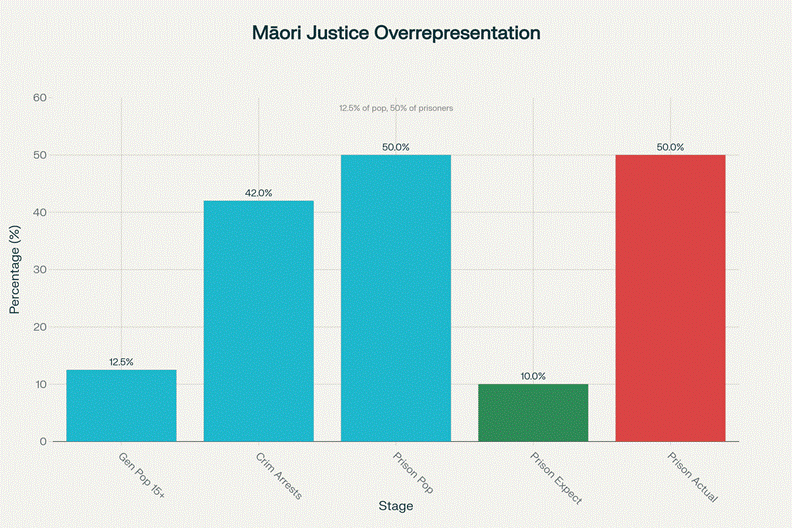
Māori comprise just 12.5% of New Zealand’s adult population but account for 42% of criminal apprehensions and 50% of the prison population—six times higher than would be expected based on population alone.
Background: The Whakapapa of Police Impunity
Jevon McSkimming wasn’t some rogue cop operating alone. He was the country’s second-most powerful police officer, promoted to statutory deputy commissioner in 2023 on then-Prime Minister Chris Hipkins’ recommendation(Beehive, 2025). He oversaw road policing, operational services, strategy, media relations, risk assurance, and firearms regulation(RNZ, 2025). For four years—2020 to 2024—he allegedly possessed objectionable material including child sexual exploitation and bestiality imagery on police-issued devices(RNZ, 2025). He faces eight representative charges(1News, 2025). The material was only discovered during a separate investigation into sexual misconduct allegations from a former female police employee—allegations for which he won’t be charged because prosecutors claim insufficient evidence(RNZ, 2025).
Police Commissioner Richard Chambers then ordered a “Rapid Review” of IT systems, finding that police needed better monitoring and “stronger filtering mechanisms” to detect inappropriate content(1News, 2025). That review triggered an audit revealing “a small number of users of concern”—but police refuse to say how many(RNZ, 2025). At least one officer has been stood down for “inappropriate, but not objectionable” material(RNZ, 2025). Acting Deputy Commissioner Jill Rogers—herself a controversial figure who allowed failed recruits to bypass fitness and psychometric testing(NZ Herald, 2025)—confirmed the National Integrity Unit is reviewing multiple cases.
The stakes? New Zealand imprisons Māori at six times the rate you’d expect based on population(Corrections Dept, 2016). Of 16,000 Māori males aged 20-29, over 30% have Corrections records—versus 10% for non-Māori(Corrections Dept, 2016). Police use force on Māori seven times more often than Pākehā(NZ Herald, 2022). Māori are 1.7 times more likely than Pākehā to go to court for identical first offenses(NZ Herald, 2020). A 2024 police-commissioned report found “bias” and “structural racism” explain why Māori men are disproportionately stopped, prosecuted, and tasered(RNZ, 2024). The same police force monitoring us can’t monitor its own senior leadership accessing illegal material for years.
Internationally, this mirrors patterns where police secrecy shields misconduct. Columbia Law School research reveals “police secrecy exceptionalism”—law enforcement agencies across US states enjoy unique protections from transparency laws that other agencies don’t(Columbia Law Review, 2023). New Zealand’s IPCA is even worse: it’s exempt from the Official Information Act, making it more secretive than our Security Intelligence Service(RNZ, 2022). The IPCA independently investigates only 2-3% of complaints—the rest get referred back to police to investigate themselves(RNZ, 2022).
Decoding the Opacity
Let’s name what’s happening: argument from authority (police can investigate police because we say so), appeal to secrecy (we can’t tell you how many are under investigation because “ongoing investigation”), false reassurance (”small number of users of concern”), and deflection (Mitchell wasn’t briefed, so no ministerial accountability).
The parties involved span a coordinated network. Mark Mitchell—Police Minister and former security contractor who ran a company in Iraq earning millions(Spinoff, 2018)—claims ignorance despite being responsible for police oversight. He joined NZ Police in 1989, left to found his private military firm, then entered Parliament in 2011(Beehive.govt.nz, 2023). Labour’s Ginny Andersen asked if he kept a “tally” of people he shot while providing private military services; Mitchell called the comments “outrageous” but never denied being paid to use lethal force(RNZ, 2024). His firm operated during Iraq’s reconstruction when private military contractors outnumbered regular military personnel in-theater(Academia, 2014).
Richard Chambers—the new Police Commissioner—ordered the IT audit only after McSkimming resigned, raising obvious questions: why wasn’t this monitoring already in place? Chambers, a 30-year police veteran appointed November 2024, previously worked at Interpol as Director for Organised and Emerging Crime(1News, 2024). He claims the new tools provide “reassurance” they can now “detect potentially inappropriate behaviour”(RNZ, 2025)—an admission that for years, they couldn’t.
The Independent Police Conduct Authority (IPCA)—run by appointed officials, exempt from OIA, with insufficient funding—receives 1,900+ complaints annually but independently investigates only a handful(Wikipedia, 2025). Former IPCA chairs have stated the Authority lacks resources to fulfill its statutory obligations(Beehive, 2012). When the IPCA does investigate, it gives police six weeks advance notice of findings—but complainants get reports the day before publication(RNZ, 2022). This isn’t oversight. It’s collaboration.
The pattern is clear: secrecy protects power. When 333 police staff faced criminal investigation between 2021-2024—resulting in just 89 charges—this suggests either most complaints are unfounded, or the system is designed to protect its own(NZ Herald, 2024). When 2,600+ misconduct allegations involve 2,270+ staff annually—but outcomes are buried in district-by-district data—transparency dies(Newstalk ZB, 2020). When bullying complaints submitted through the Speak Up system get routed directly to the bullies—and HR staff admit deliberately avoiding the word “bullying” in reports to evade OIA requests—the corruption is institutional(RNZ, 2019).
Following the Money, Power, and Ideology
Evidence Trail: The IT That Wasn’t There
McSkimming’s case exposes systemic failure. For four years, a deputy commissioner accessed illegal material on police devices without detection. Only when a separate sexual misconduct investigation triggered forensic examination did investigators find the child exploitation content. Police claim they lacked “sufficient security measures for detection and prevention of misuse”—but this is a lie of omission(1News, 2025). The technology exists. Police deploy sophisticated surveillance on the public—they use social media monitoring tools, three separate platforms to scan social media during investigations, and have trialed facial recognition technology without transparency(RNZ, 2020)(RNZ, 2020). They can surveil us, but not themselves.
Police Professional Conduct statistics—published quarterly—show they track incidents, involved employees, and allegation types(NZ Police, 2024). But when asked specifically how many staff are under investigation post-McSkimming audit, they claim “investigation phase” prevents disclosure(RNZ, 2025). This selective transparency is strategic: publish aggregated data that looks like accountability, withhold specific cases that reveal patterns.
Rhetoric vs Reality: The “World-Class” Police Myth
Mitchell repeatedly calls New Zealand Police “world-class”(1News, 2023). Yet public trust dropped from 70% (2022) to 67% (2023), recovering only to 69% (2024)(RNZ, 2025)(NZ Herald, 2024). The proportion with no trust fell to 2%—the lowest ever—but this masks dissatisfaction: 74% satisfaction with service received, yet only 40% confidence in criminal justice system effectiveness(Ministry of Justice, 2025). People like individual officers but don’t trust the system.
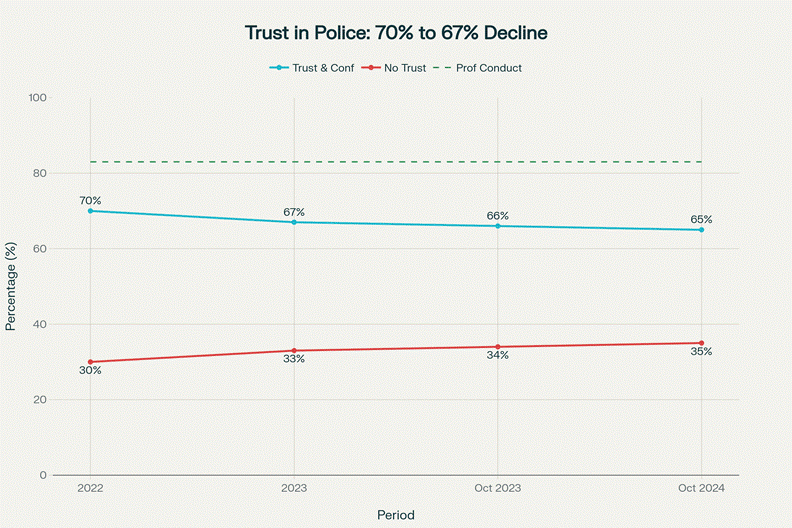
Public trust and confidence in police declined from 70% in 2022 to 67% in 2023 before recovering slightly to 69% in 2024, while the proportion with no trust dropped to its lowest level at 2%.
Chambers calls the retail crime memo that deprioritized investigations under certain thresholds “confusing and unhelpful”(1News, 2025), yet this memo reflects resource allocation reality: police focus on high-visibility enforcement (gangs, patches, public order) rather than systemic harm (white-collar crime, police misconduct, family violence). The 2022 IPCA report on fraud found police treat it as “low importance” despite it affecting more New Zealanders than any other crime(IPCA, 2022). Only 1% of serious fraud complaints result in Serious Fraud Office prosecution(Victoria University, 2025). The system is designed to punish the poor and powerless while the wealthy and connected face negligible consequences.
Historical Pattern: Bullying, Cover-Ups, and the Bazley Legacy
The 2007 Bazley Commission of Inquiry exposed police culture problems: sexual assault mishandling, bullying, institutional insularity, and whistleblower retaliation(ANZSOG, 2008). The IPCA’s 2021 bullying investigation—sparked by RNZ’s reporting—found “significant elements of bullying,” that 26% of staff experienced abuse in the prior 12 months (9% repeatedly), and that “virtually without exception” interviewees had “no trust and confidence” in complaints mechanisms(IPCA, 2021)(IPCA Report, 2021). Complainants were told by the Police Association not to complain about known bullies “unless going to leave” because “everyone knew he was being protected”(IPCA, 2021). Complaints equal “career suicide.”
Despite reforms, the pattern persists. A 2023 investigation revealed a former police officer built massive social media followings mocking gay people, youth offenders, and politicians—while serving officers engaged with his content, violating professional standards(1News, 2023). The IPCA ruled police failed to investigate properly, but the officer merely “underwent an employment process”—code for a slap on the wrist(1News, 2023).
This isn’t isolated incidents. It’s culture. A 2025 Employment Relations Authority case involved a female senior police manager in Northland alleging she faced a “boys’ club” culture, was excluded from decisions, and became the subject of gossip and private group chats(RNZ, 2025). The controversial CIPEM interview technique—ruled “manipulative” and “nonsense” by the High Court—led to false confessions, yet police tried to conceal internal emails revealing doubts about its efficacy(Wikipedia, 2025)(NZ Herald, 2025). When oversight bodies like IPCA investigate—taking years to complete reviews—police simply rebrand (CIPEM became “PEACE Plus”) and continue(Wikipedia, 2025).
Network Revelations: The Mercenary-Minister-Deregulator Pipeline
Here’s where it gets sinister. Mark Mitchell—former private military contractor—oversees a police force serving neoliberal priorities. Mitchell’s company operated in Iraq when the US deployed private contractors at a 1:10 ratio to military personnel(Academia, 2014). He was involved in the 2004 siege in Nasiriyah where he and others “fought thousands of insurgents for five days”(ODT, 2024). When asked if he killed anyone, Mitchell said he “doesn’t know” during the siege but hadn’t killed anyone the rest of his time in Iraq(NZ Herald, 2024). His firm made “over $4 million a year”(RNZ, 2024). Mercenaries learn to see force as a commodity—you deploy violence to protect clients who pay. That’s the mentality now overseeing our police.
Mitchell’s policy priorities reveal his worldview: gang patch bans, dispersal notices, non-consorting orders, firearms prohibition orders, warrantless searches(National Party, 2024). These are control measures, not safety measures. Gang membership increased 190 people while police numbers dropped by 80 officers in Mitchell’s first year(1News, 2024)—yet he claims “success” and says he’d resign if things didn’t improve in 12 months. That deadline passed. He’s still there.
Tikanga Violations: The Assault on Whanaungatanga, Kaitiakitanga, and Manaakitanga
Whanaungatanga (relationships, kinship) is obliterated when police disproportionately target Māori. You can’t have whanaungatanga when 30% of young Māori men have Corrections records—when uncles, brothers, cousins cycle through prisons while Pākehā commit similar offenses but receive warnings(Corrections Dept, 2016).
Manaakitanga (care, hospitality, respect) is violated when police refuse to disclose how many officers are under investigation—denying the public the respect of transparency. When victims of police misconduct are told complaining means “career suicide,” manaakitanga is dead.
Kaitiakitanga (guardianship, stewardship) requires those with power to protect the vulnerable. Instead, police leadership accessed child exploitation material for years—the opposite of guardianship. The system protects predators in uniform while criminalizing the communities it supposedly serves.
Rangatiratanga (self-determination) is undermined when iwi have no control over how their people are policed. When Māori are seven times more likely to have force used against them—force justified by “threat perception” influenced by racial bias—self-determination becomes impossible(RNZ, 2024).
Hidden Connections: The Project 2025-Seymour-Mitchell Triumvirate
Let’s connect the international dots. Russell Vought—Office of Management and Budget director under Trump, Project 2025 co-author—oversees all US federal spending and wrote 350+ executive orders to “dismantle the deep state”(ProPublica, 2025)(Conversation, 2025). Vought founded the Center for Renewing America, which drafted policies to centralize presidential power, eliminate agency independence (DOJ, FBI, FCC, FTC), and put all federal employees under political control(Wikipedia, 2025). He works with Elon Musk’s “Department of Government Efficiency” (DOGE)—using government shutdowns to permanently cut “Democrat Agencies”(Marshall Project, 2024).
David Seymour‘s Regulatory Standards Bill is New Zealand’s version of Project 2025. The bill establishes “principles of responsible regulation” and a Regulatory Standards Board appointed by Seymour himself—functioning as an “anti-Waitangi Tribunal” to remove Treaty protections from legislation(RNZ, 2025). The Waitangi Tribunal found Māori weren’t adequately consulted—Seymour claimed 144 iwi-based groups submitted, but critics note submission isn’t consultation(RNZ, 2025). The bill costs $18 million annually for a board making non-binding recommendations—but the real purpose is political pressure to conform to libertarian ideology favoring corporations over communities(RNZ, 2025).
The bill prohibits retrospective laws, requires compensation for “regulatory takings” (any law reducing property value), and mandates “equal treatment before law”—coded language to eliminate affirmative programs for Māori(E-Tangata, 2025). As lawyer Tania Waikato testified, it’s a “blatant and audacious attempt to subvert democratic processes for private gain”(NZ Herald, 2025). Government agencies—LINZ, Treasury, multiple departments—warned the bill would constrain legitimate regulation, but Seymour dismissed their concerns as proof they “see rights as an inconvenience”(RNZ, 2025).
Here’s the connection: both Vought and Seymour seek to eliminate independent accountability mechanisms. Vought wants Schedule F to fire civil servants, eliminate agency independence, and centralize power. Seymour wants his board to override legislative intent, eliminate Treaty considerations, and centralize power in ministerial hands. Mitchell wants police free from external scrutiny—able to refuse disclosing misconduct investigations, able to investigate themselves, able to surveil the public without reciprocal transparency.
It’s the same playbook: dismantle oversight, centralize enforcement, protect the powerful. Musk running DOGE mirrors Seymour running the Regulatory Standards Bill—both unelected ideologues wielding state power to advance billionaire interests. Mitchell running police after profiting from private militarized violence mirrors Vought overseeing federal cuts after drafting authoritarian executive orders. The through-line is neoliberal authoritarianism: use state violence to discipline the poor, deregulate to enrich the wealthy, eliminate democratic accountability to prevent resistance.
Implications: Quantified Harm and Threatened Rights
The harm is measurable. Māori incarceration rates mean approximately 4,000 Māori in prison at any time—six times more than the 650 expected based on population(Corrections Dept, 2016). Each prisoner costs taxpayers ~$110,000 annually—so the “excess” 3,350 Māori prisoners cost $368 million per year. Over a decade: $3.68 billion—money diverted from health, education, housing because police disproportionately arrest Māori.
Sexual violence conviction rates remain at 11%—meaning 89% of reported cases don’t result in convictions, with 63% involving children or young people aged 17 or under(RNZ, 2019). Police focus resources on gang patches and dispersal notices while serious harm goes unprosecuted. When only 1% of fraud complaints result in SFO prosecution, white-collar criminals face virtual impunity(Victoria University, 2025).
Threatened rights include: the right to know how many police officers are under investigation (transparency), the right to independent oversight (IPCA’s OIA exemption), the right to equal treatment (Māori overrepresentation proves systemic bias), the right to safety from police violence (seven times more force used on Māori), and the right to Treaty-based protections (Seymour’s bill eliminates these).
Internationally, this mirrors trends. US police secrecy laws shield misconduct from scrutiny(Columbia Law Review, 2023). UK police faced similar racism scandals—the Macpherson Report defined “institutional racism” as collective failure through “unwitting prejudice, ignorance, thoughtlessness”(Criminal Justice UK, 2020). Brazil’s militarized policing under neoliberalism targets Black and poor communities(Oñati Socio-Legal, 2024). The playbook is global: police become enforcers of neoliberal austerity, targeting marginalized communities while protecting wealth.
Kua Tae Te Wā—The Time Has Come
Five smoking guns demand action:
- A deputy police commissioner accessed child exploitation material for four years undetected—revealing systemic surveillance failure where monitoring exists for the public but not leadership.
- Police refuse to disclose how many officers are under investigation post-audit—proving transparency is selective and strategic.
- The IPCA is more secretive than the SIS, exempt from OIA, independently investigates 2-3% of complaints—revealing “oversight” is performative collaboration.
- Māori comprise 12.5% of population but 50% of prisoners, face seven times more police force—proving institutional racism isn’t “bias,” it’s design.
- Mitchell-Seymour-Vought share a playbook: dismantle oversight, centralize power, eliminate Treaty protections—connecting local police secrecy to international authoritarian movements.
The pattern exposes who benefits: those who need unaccountable enforcement arms. Police protect property, disperse protestors, arrest the poor, surveil activists, and criminalize Māori—all while senior officers access illegal material undetected and white-collar criminals face 1% prosecution rates. Neoliberalism requires aggressive policing to manage inequality’s casualties.
What we must do:
- Demand full disclosure: How many officers under investigation? What were their ranks? What material did they access? Police must publish this within 14 days or face contempt proceedings.
- Abolish IPCA’s OIA exemption: No public agency investigating government misconduct should be exempt from transparency laws. Submit to the Justice Select Committee demanding immediate legislative amendment.
- Require body cameras with independent storage: All police interactions recorded, stored by an independent entity (not police-controlled), accessible via OIA. Trial in Auckland, Waitematā, Counties Manukau districts within six months.
- Establish an independent Māori Police Oversight Board appointed by iwi, funded at $10 million annually, with power to investigate police conduct affecting Māori, subpoena witnesses, and publish findings without police approval.
- Reject the Regulatory Standards Bill: It’s Project 2025 in te reo. Flood submissions to Finance and Expenditure Select Committee. Organize protests at every electorate office. This bill eliminates Treaty protections to advance corporate interests.
- Support investigative journalism: Fund RNZ, Stuff, NZ Herald journalists who expose these patterns. Without media pressure, the McSkimming case would’ve been buried.
The moral clarity is simple: systems that cannot monitor their own senior leadership accessing child exploitation material for four years have no legitimacy surveilling our communities. When police investigate police, impunity is the outcome. When ministers who profited from war oversee domestic enforcement, violence is the tool. When deregulation ideologues dismantle Treaty protections, colonization continues.
Kia kaha, kia maia, kia manawanui. Be strong, be brave, be steadfast. The fight for transparency is the fight for tino rangatiratanga.

The Māori Green Lantern Fighting Misinformation And Disinformation From The Far Right
He mihi aroha
If this mahi has been useful and you have the capacity, a humble koha is deeply appreciated:
HTDM: 03-1546-0415173-000
Nāku noa, nā
Ivor Jones
Te Māori Green Lantern
Academia. (2014). The Case for a Pragmatic Assessment of Private Military Companies in Iraq.
ANZSOG. (2008). Leading Culture Change at New Zealand Police.
Beehive. (2012). Independent Police Conduct Authority Budget Information.
Beehive. (2023). Hon Mark Mitchell Biography.
Beehive. (2025). Resignation of Deputy Police Commissioner.
Beehive. (2025). Regulatory Standards Bill Passes First Reading.
Columbia Law Review. (2023). Police Secrecy Exceptionalism.
Conversation. (2025). Who is Project 2025 Co-author Russ Vought.
Corrections Department. (2016). Over-representation of Māori in the Criminal Justice System.
Criminal Justice UK. (2020). Institutional Racism in Police: How Entrenched Has It Become?.
E-Tangata. (2025). How the Regulatory Standards Bill Gives Companies More Rights Than the Public.
IPCA. (2021). Bullying, Culture and Related Issues in New Zealand Police.
Marshall Project. (2024). How Project 2025 Hopes Trump Will Change the Justice System.
Ministry of Justice. (2025). Public Perceptions of the Justice System - NZCVS.
National Party. (2024). Backing Police, Tackling Gangs.
National Party. (2024). Restoring Law and Order.
NZ Herald. (2020). Fundamentally Racist: Māori More Likely to Go to Court Than Pākehā.
NZ Herald. (2022). Police Use of Force Report: Māori Seven Times More Likely Than Pākehā.
NZ Herald. (2024). Hundreds of Police Staff Criminally Investigated Since 2021.
NZ Herald. (2024). Mark Mitchell Unsure If He Killed Anyone During Siege.
NZ Herald. (2024). Revealed: Sliding Levels of Trust in Police.
NZ Herald. (2025). Controversial CIPEM Police Interviewing Technique Under Fire.
NZ Herald. (2025). Senior Police Officer Allowed Recruits to Bypass Fitness Test.
NZ Herald. (2025). Taxpayers’ Union, Māori Data Scientist Among Regulatory Standards Bill Submitters.
NZ Police. (2024). Police Professional Conduct Statistics.
Newstalk ZB. (2020). Trending Down But Police Still Hit by Thousands of Misconduct Allegations.
ODT. (2024). MP ‘Went Too Far’ Claiming Mark Mitchell Was ‘Paid to Kill People’.
Oñati Socio-Legal. (2024). State of Exception, Neoliberalism, and Militarization of Public Security.
ProPublica. (2025). What You Should Know About Russ Vought, Trump’s Shadow President.
RNZ. (2019). Bullying in the Police: It Just Builds Up and Builds Up.
RNZ. (2019). 11 Percent of Reported Sexual Violence Cases End in Conviction.
RNZ. (2020). Police Tight-Lipped on Tools Used to Scan Social Media Activity.
RNZ. (2020). Regulation Gap for Facial Recognition Technology.
RNZ. (2021). IPCA Finds Significant Elements of Bullying Within Police Workforce.
RNZ. (2022). How the Police Watchdog is More Secretive Than the Spy Agency.
RNZ. (2022). IPCA Calls for Fundamental Overhaul of Fraud Investigation Processes.
RNZ. (2022). IPCA Constrained: How Independent Is NZ’s Police Watchdog?.
RNZ. (2024). Labour’s Ginny Andersen Claims Police Minister Was Paid to Kill People.
RNZ. (2024). Māori Men More Likely to Be Stopped, Tasered, Prosecuted by Police Due to Bias.
RNZ. (2025). Police Audit in Wake of Jevon McSkimming Saga Sees Several Other Staff Investigated.
RNZ. (2025). Police Commissioner Chambers Angry and Let Down Following Allegations.
RNZ. (2025). Police Won’t Say How Many Staff Are Being Investigated Over Internet Use.
RNZ. (2025). Public Trust in Police Rises Slightly - Survey.
RNZ. (2025). Regulatory Standards Bill: What Is It, What Does It Propose?.
RNZ. (2025). Revealed: Child Exploitation and Bestiality Material Allegedly Found.
RNZ. (2025). Senior Police Manager Alleges Boys’ Club Culture.
RNZ. (2025). David Seymour Defends $18m Annual Cost of Regulatory Standards Bill.
RNZ. (2025). David Seymour Lashes Officials After LINZ Concerns.
RNZ. (2025). Why Opponents and Supporters of the Regulatory Standards Bill Are So Far Apart.
Spinoff. (2018). Why Mark Mitchell’s War-for-Profit Past Matters.
Victoria University. (2025). NZ’s White-Collar Crime Gap: Just 1% of Serious Fraud Complaints Result in Prosecution.
Wikipedia. (2025). Department of Government Efficiency.
Wikipedia. (2025). Independent Police Conduct Authority.
Wikipedia. (2025). List of New Zealand Police Controversies.
1News. (2023). Ex Cop’s Social Media Pages an Ongoing Embarrassment.
1News. (2023). Labour Pledges 300 Extra Police Officers.
1News. (2024). Gang Numbers Up, Police Down a Year On.
1News. (2024). Richard Chambers Named New Police Commissioner.
1News. (2025). Jevon McSkimming Facing Charges of Possessing Objectionable Material.
1News. (2025). Top Cop Says Retail Crime Memo Confusing and Unhelpful.