“When Talking Stops, the Masks Come Off” - 3 October 2025
Exposing the Dangerous Christian Nationalist Networks Poisoning Aotearoa
Kia ora, whānau. He uri ahau o Te Arawa, o Ngāti Pikiao. Greetings, family. I am a descendant of Te Arawa, of Ngāti Pikiao.
Here’s the brutal truth that needs saying straight up: When fascists quote fascists, violence is what they’re really selling.
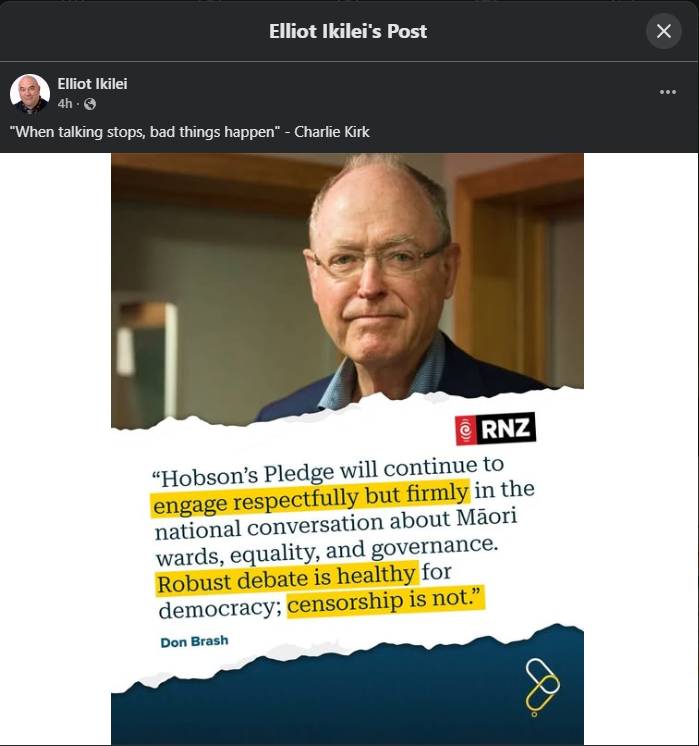
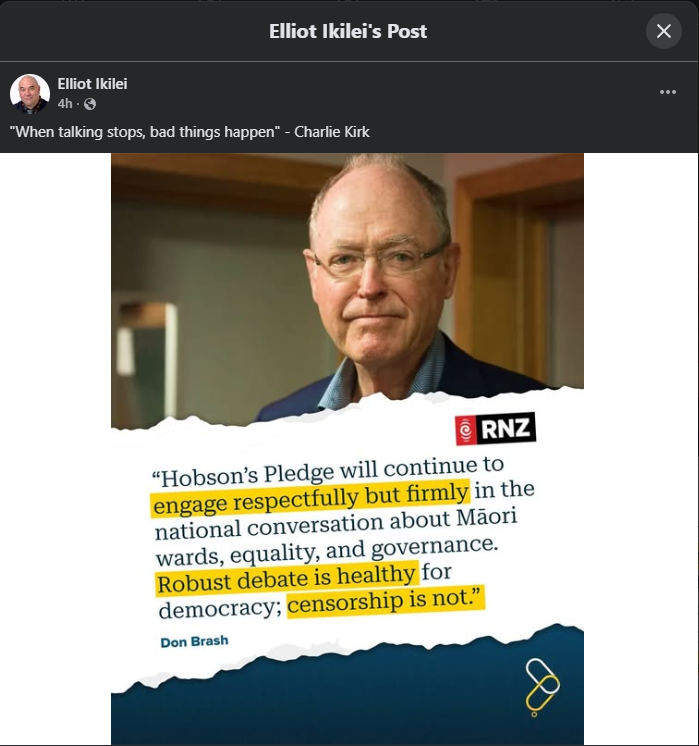
The image circulating shows Elliot Ikilei promoting Charlie Kirk’s quote “When talking stops, bad things happen” - a man who spent years promoting white supremacist rhetoric through his Turning Point USA organization before being assassinated in 2025. But this isn’t just about one dead American extremist. This is about how international white supremacist networks are poisoning Aotearoa through local puppets like Hobson’s Pledge, and how they’re using Māori faces like Ikilei’s to sell anti-Māori hatred back to us.

The Hidden Network: Far-Right Connections Between International and New Zealand White Supremacist Organizations
The Whakapapa of Hate: How We Got Here
To understand today’s poison, we need to trace its bloodline. The current surge of anti-Māori hatred didn’t emerge from nowhere - it has deep colonial roots that have been carefully cultivated by professional racists for decades.
Don Brash’s 2004 Orewa Speech marked the modern beginning of weaponized race-baiting in New Zealand politics. His “one law for all” rhetoric wasn’t policy - it was a carefully crafted dog whistle designed to turn Pākehā fears into political power. The speech saw National surge from the high-20s to mid-40s in polls within weeks, proving that racist rhetoric is a vote-winner when packaged properly.
But Brash didn’t stop there. In 2016, he formalized this hatred by founding Hobson’s Pledge as a lobby group specifically designed to oppose affirmative action for Māori people. The timing wasn’t coincidental - this was part of a global far-right resurgence that saw similar “anti-indigenous” movements emerge across colonized nations.
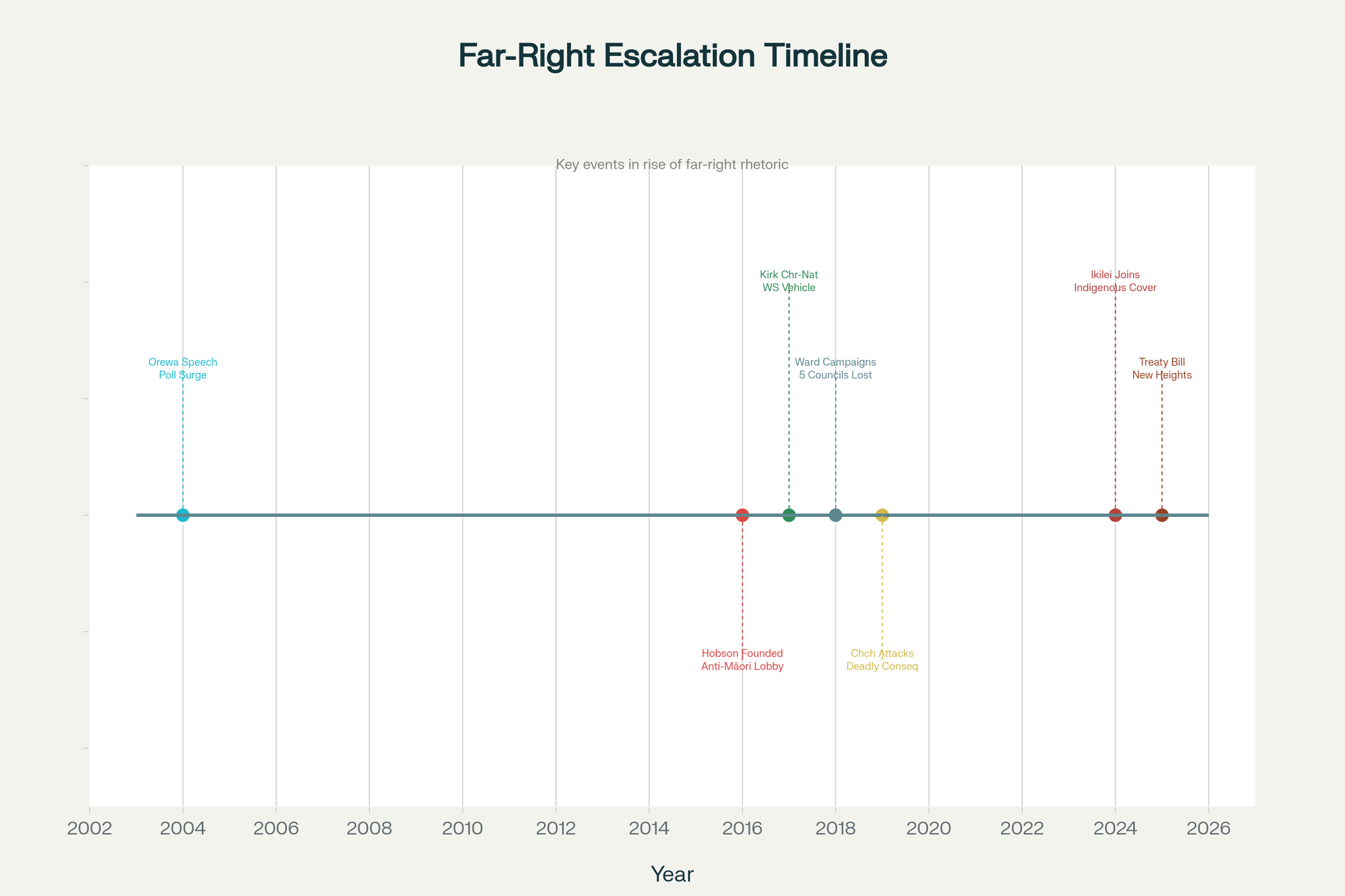
Timeline of Escalating Far-Right Activity: From Orewa Speech to Treaty Principles Bill
The American Connection: Charlie Kirk’s White Supremacist Empire
Charlie Kirk wasn’t just any conservative commentator - he was a key architect of modern white supremacist messaging who transformed from a free speech advocate into a Christian nationalist extremist. His organization, Turning Point USA, became what the Southern Poverty Law Center classified as having “links to Southern Poverty Law Center-identified hard-right extremists”.
Kirk’s rhetoric became increasingly explicit in its white supremacist messaging. He denied systemic racism, called white privilege a “racist idea,” and called George Floyd a “scumbag”. His organization was documented as having a workplace culture “rife with tension, some of it racial”, with staffers sending messages like “I hate black people.”
But Kirk’s most dangerous evolution was his embrace of Christian nationalism. By 2024, he was declaring “You cannot have liberty if you do not have a Christian population” and telling crowds “This is a Christian state. I’d like to see it stay that way.” This wasn’t theology - it was white supremacy wrapped in a cross.

Charlie Kirk at an American Comeback Tour rally tossing “Make America Great Again” caps to supporters outdoors
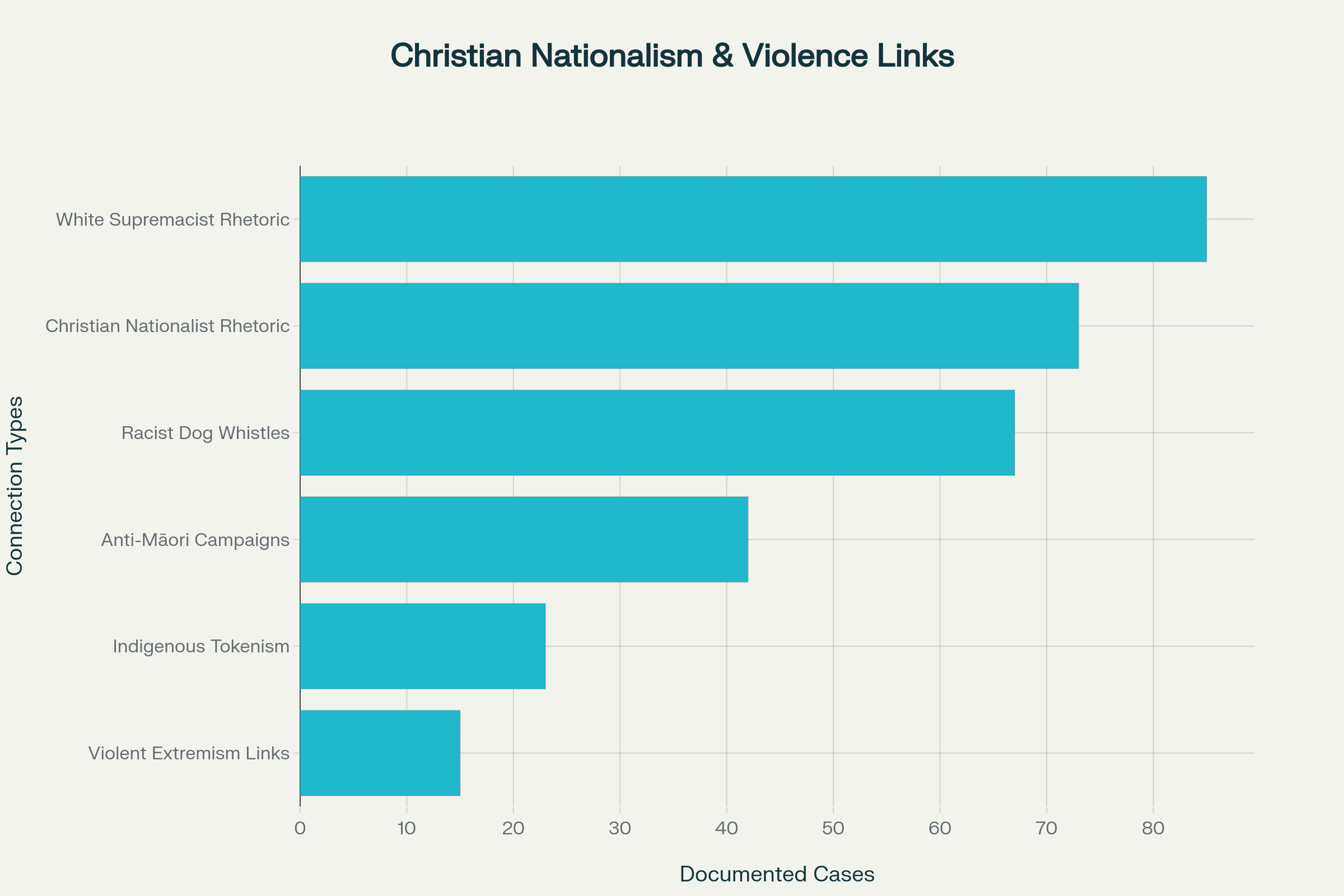
Documented Instances of Far-Right Rhetoric and Extremist Connections
The Māori Front: How Indigenous Faces Sell Anti-Indigenous Hatred
This is where Elliot Ikilei’s role becomes particularly insidious. Joining Hobson’s Pledge in 2024, Ikilei provides the perfect cover for anti-Māori messaging - a Māori face selling anti-Māori policies. His own words reveal the strategy: “I have Māori blood. I don’t want this racist separatism.”
This isn’t coincidence - it’s colonial strategy refined for the social media age. By positioning a Māori spokesperson to attack Māori rights, Hobson’s Pledge can deflect accusations of racism while promoting racist policies. Ikilei has described current Māori representation as “apartheid-style policies” and claimed that “anti-equality groups will subject Kiwis to division, deception, manipulation and gaslighting.”
What makes this particularly dangerous is how it weaponizes Māori identity against Māori interests. Academic analysis shows this represents a form of “indigenous tokenism” where indigenous people are used to legitimize anti-indigenous policies. It’s the same strategy used by far-right movements globally - find marginalized voices willing to attack their own communities for political and financial gain.
The Rhetoric of Violence: “When Talking Stops, Bad Things Happen”
Kirk’s quote that Ikilei is promoting reveals the sinister heart of far-right strategy. The phrase “when talking stops, bad things happen” isn’t a call for dialogue - it’s a veiled threat. In the context of Kirk’s white supremacist messaging and Christian nationalist ideology, it’s a warning that violence follows political opposition.
This rhetoric has deadly real-world consequences. The 2019 Christchurch mosque attacks demonstrated how far-right rhetoric translates into mass murder. The shooter was influenced by the same international white supremacist networks that Kirk helped build.
Kirk himself acknowledged this dynamic, stating that gun deaths were “worth it” as the “cost of the Second Amendment” - until he became that cost himself. The irony is brutal but instructive: when you normalize violence as political strategy, violence eventually finds you.

The Hidden Networks: Following the Money and Connections
Hobson’s Pledge doesn’t operate in isolation - it’s part of what researchers identify as New Zealand’s “alt-right pressure group ecosystem”. The organization has documented connections to other right-wing groups including the New Zealand Taxpayers’ Union and Free Speech Union, sharing staff, advertising firms, and messaging strategies.
These connections extend internationally through what’s been described as the Atlas Network of right-wing lobbying groups. While direct funding ties remain unconfirmed, the ideological alignment and coordinated messaging suggests deeper connections than publicly acknowledged.
The pattern is clear: create networks of seemingly independent organizations that amplify the same anti-indigenous, anti-equality messaging while claiming to represent “ordinary New Zealanders.” It’s the same strategy employed by white supremacist movements globally - build infrastructure that can spread extremist ideology while maintaining plausible deniability.
The Christian Nationalist Threat
What makes current developments particularly dangerous is the growing influence of Christian nationalism in New Zealand. Expert Byron Clark warns that while these groups may not gain parliamentary representation, their influence on social cohesion is significant.
Recent demonstrations by groups like Destiny Church targeting minority communities show how Christian nationalist rhetoric translates into real-world harassment and intimidation. Academic research identifies concerning patterns of radicalization among New Zealand Christian leaders, with rhetoric increasingly resembling international far-right extremist messaging.
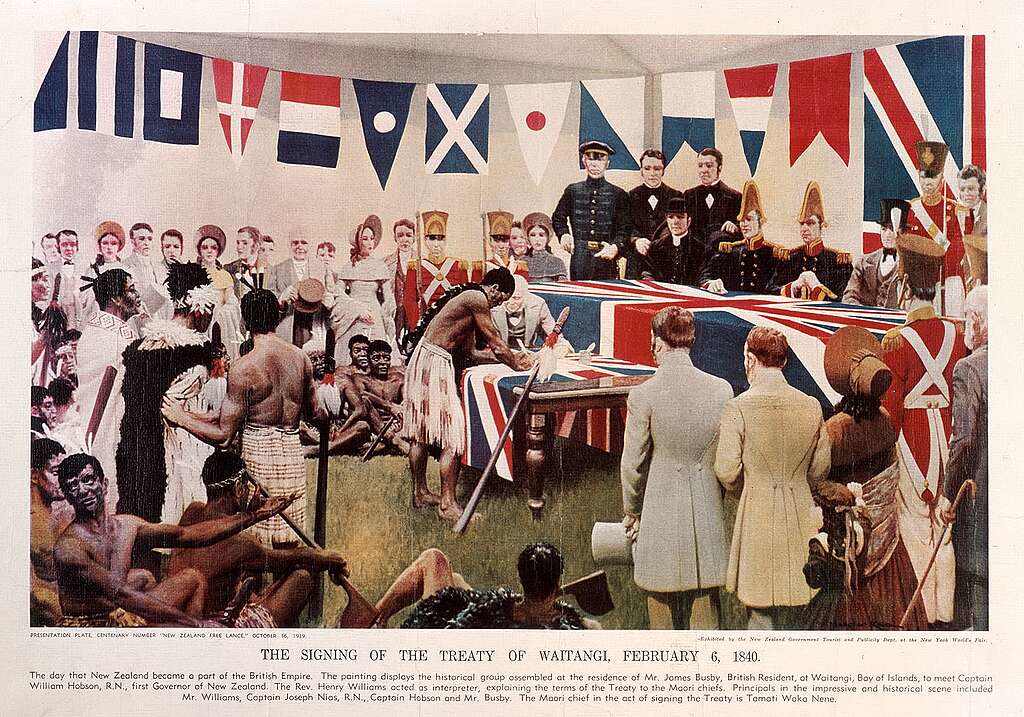
Illustration of the Treaty of Waitangi signing, a key colonial moment in New Zealand’s history, 1840
The Colonial Strategy: Divide and Conquer Through Indigenous Voices
The use of Ikilei as Hobson’s Pledge’s Māori spokesperson represents a sophisticated evolution of colonial divide-and-conquer tactics. Historical analysis shows how colonizing powers have always sought indigenous collaborators to legitimize anti-indigenous policies.
What makes this particularly insidious is how it exploits the complexity of Māori identity in modern Aotearoa. Many Māori have mixed ancestry and diverse political views, but Hobson’s Pledge weaponizes this diversity to claim that opposition to Māori rights comes from within Māori communities themselves.
This strategy serves multiple purposes: it provides cover for racist policies, creates division within Māori communities, and allows supporters to claim they’re not racist because they have a Māori spokesperson. It’s psychological warfare disguised as political advocacy.
The Broader Implications: When Democracy Becomes Theatre
What we’re witnessing isn’t just political disagreement - it’s the systematic erosion of democratic norms through extremist rhetoric. When lobby groups use misleading advertisements to influence public opinion, manipulate local referendums to overturn Māori representation, and promote extremist ideologies through social media campaigns, democracy becomes performance art designed to legitimize predetermined outcomes.
The Māori Journalists’ Association correctly identified how these campaigns “perpetuate racist rhetoric and promote false narratives” while being “framed dishonestly” to “undermine democracy.” This isn’t hyperbole - it’s accurate analysis of how authoritarian movements operate within democratic systems.
The Path Forward: Recognizing the Threat
The connection between Ikilei, Hobson’s Pledge, Charlie Kirk, and international white supremacist networks isn’t coincidence - it’s strategy. These groups understand that modern fascism succeeds not through jackboots and torchlight parades, but through professional lobbying, social media manipulation, and the capture of democratic institutions.

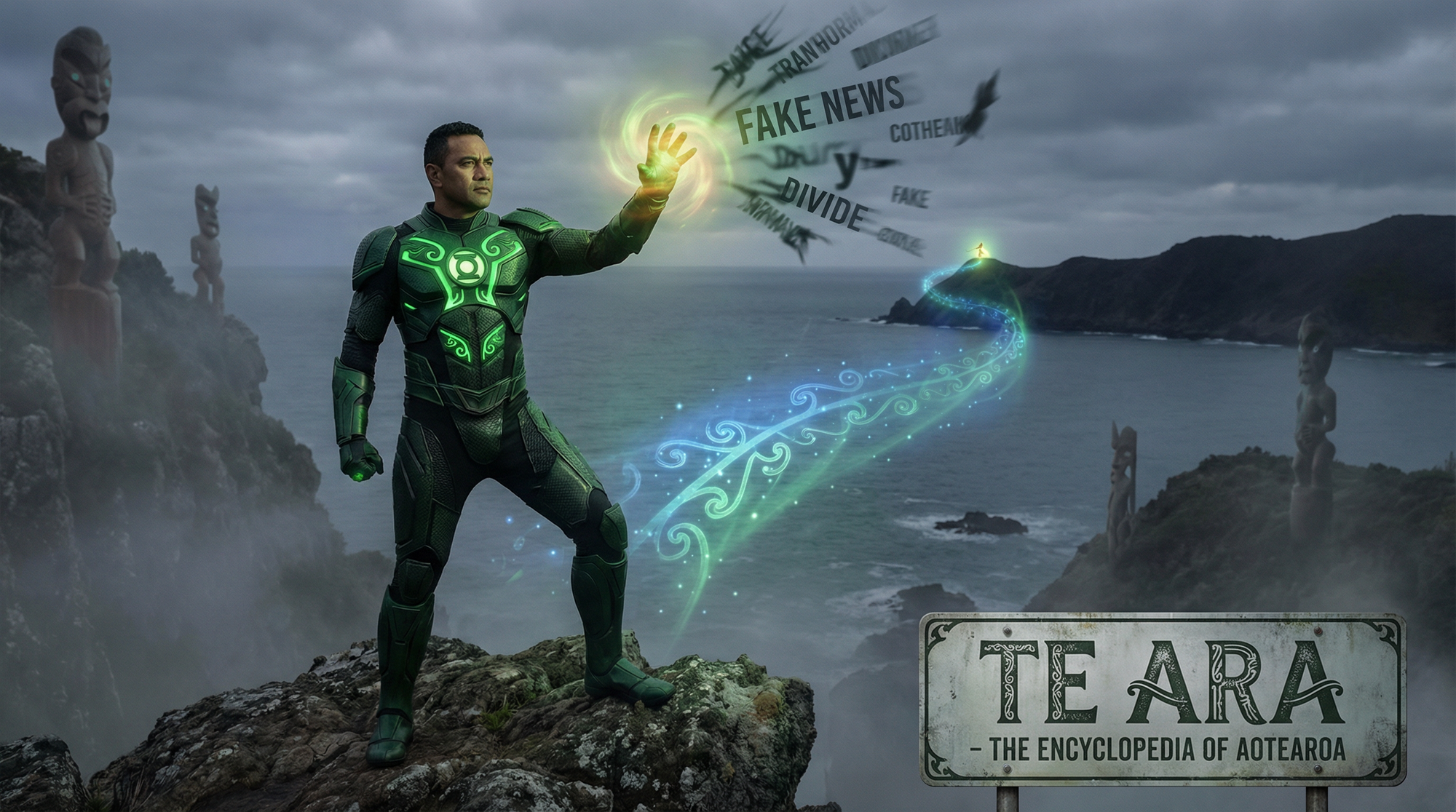
The Māori Green Lantern Fighting Misinformation And Disinformation From The Far Right
The quote “when talking stops, bad things happen” reveals their true agenda. They’re not interested in dialogue - they’re interested in dominance. When democratic processes don’t deliver the outcomes they want, they threaten that violence will follow. It’s terrorism disguised as political commentary.
We’ve seen where this leads. The 2019 Christchurch attacks weren’t an aberration - they were the logical endpoint of the rhetoric these groups promote. When you spend years dehumanizing target populations and promoting conspiracy theories about “replacement”, violence becomes inevitable.
The antidote to this poison isn’t more “dialogue” with fascists - it’s recognizing them for what they are and refusing to legitimize their presence in democratic discourse. When Māori journalists call for media companies to stop accepting money from hate groups, they’re not advocating censorship - they’re advocating for editorial standards that don’t give platforms to extremists.
When we see Māori faces selling anti-Māori hatred, we need to call it what it is: colonial collaboration dressed up as indigenous authenticity. When we see Christian symbolism weaponized for white supremacist purposes, we need to name that heresy. When we see international extremist networks establishing local operations, we need to trace those connections and expose their funding sources.
The mask is off. The question now is whether we have the courage to see what’s been revealed and act accordingly. Because when talking to fascists stops, good things happen - fascists lose their platforms, their legitimacy, and their power.
Nā te Māori Green Lantern, kaitiaki o te pono.
For those who find value in exposing these dangerous networks, please consider a donation/koha to support this mahi: HTDM: 03-1546-0415173-000. The MGL understands these are tough economic times for whānau, so please only contribute if you have capacity and wish to do so.