“When The Lamp Goes Out, Where Does The Light Go? - The Coastline That Remembers Us” - 6 February 2026
The First Essay After Waitangi Day 2026
Mōrena e hoa,
Standing Together at the Edge Between Worlds
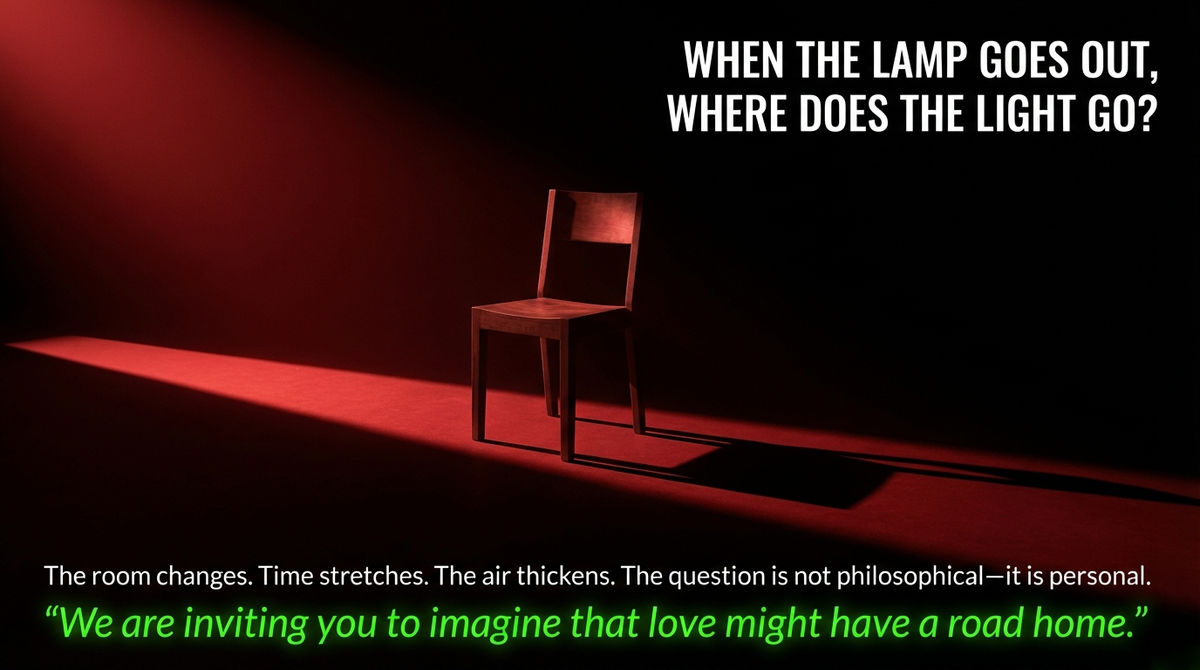
Most of us, wherever we come from, know the feeling of sitting beside someone we love as they leave this world. The room changes: time stretches, air thickens, language feels too small. In those moments, the question is not philosophical — it is personal: Where are they going? Are they still somehow with me?
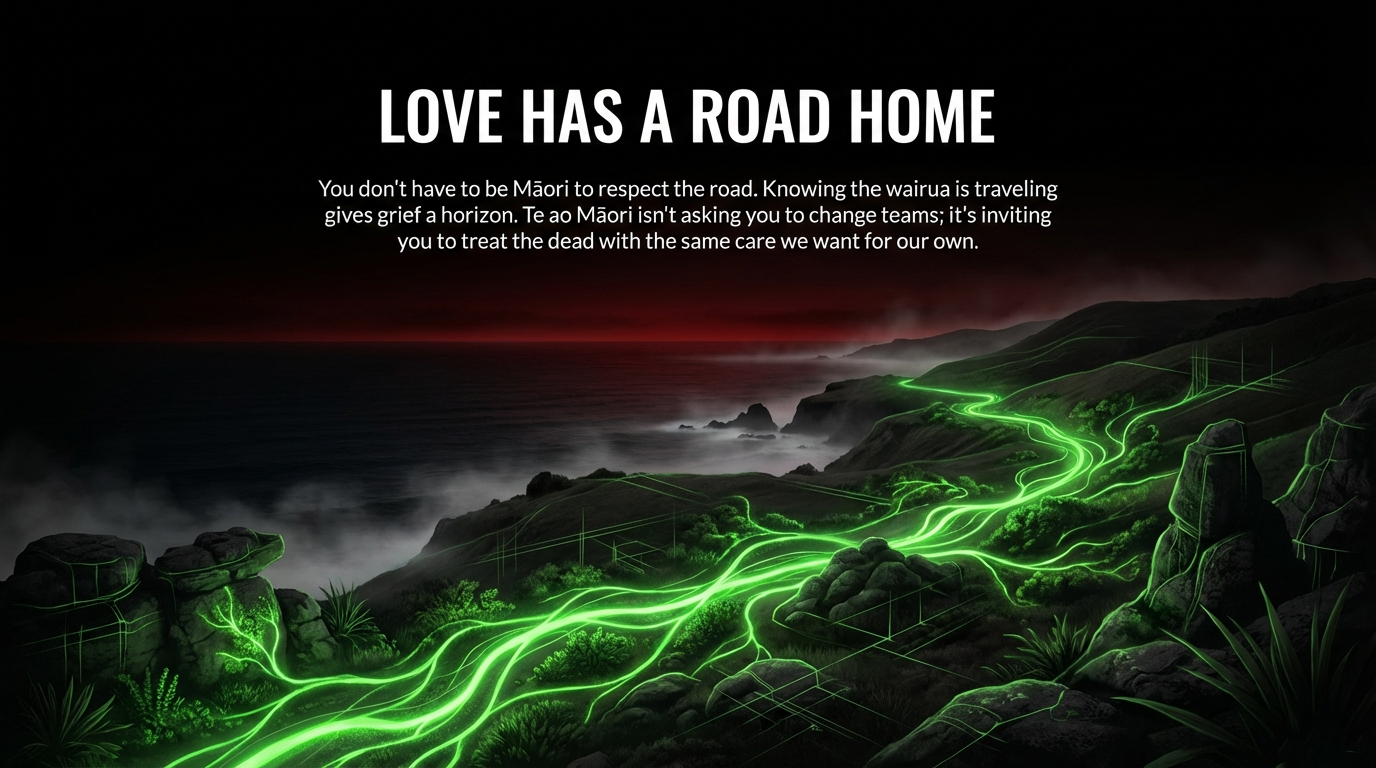
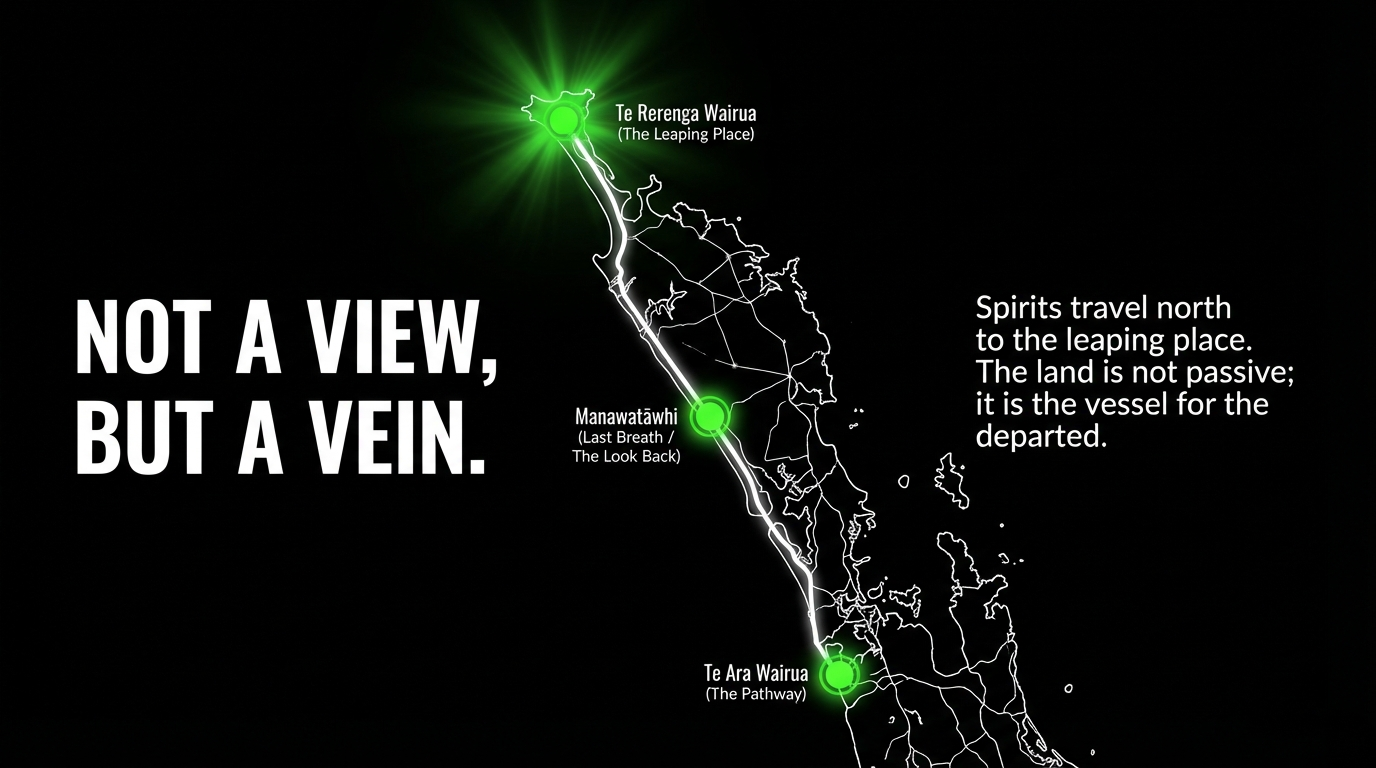
In te ao Māori, one answer is gentle and specific: the wairua — the spirit — continues. Te Ara, Aotearoa’s national online encyclopedia, explains that wairua is the spirit of a person, and that “when a person dies it is their wairua which lives on.” It notes that Māori traditionally believed that the wairua goes to Rarohenga, the underworld, and that in northern traditions this involves travelling te ara wairua (the pathway of spirits) to te rerenga wairua (the leaping place of spirits) at the very tip of the North Island, before descending into the sea. You can see this mapped, with named waypoints like Manawatāwhi (“last breath”), in Te Ara’s interactive feature on Te Rerenga Wairua.
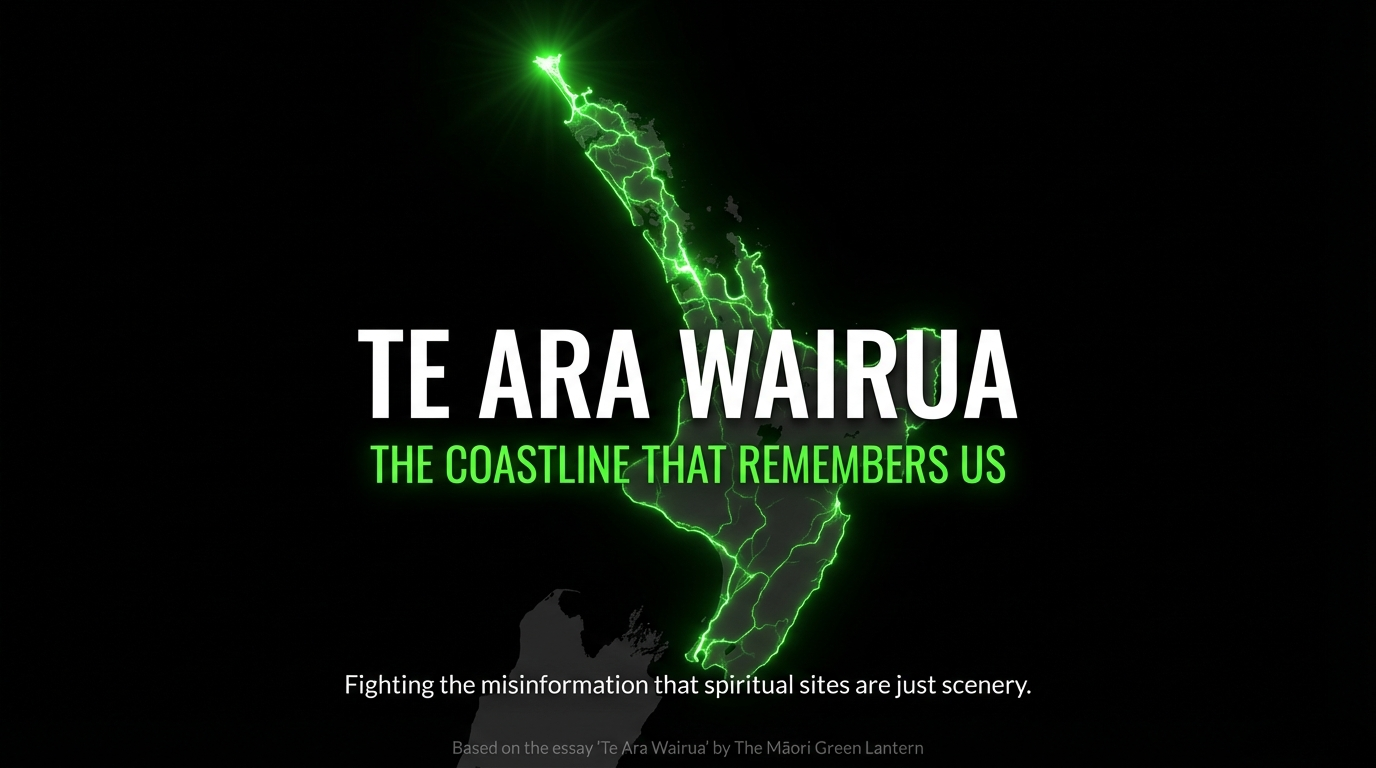
For many Māori, this is not just a story you tell children; it is a tender map for grief. The coastline is not only a view — it is a vein. And when you stand there, you are standing in the same wind that, in our understanding, has carried countless spirits north.
Wairua, Consciousness, and Belonging
If you grew up in a Western frame, you might be tempted to translate wairua as “disembodied consciousness.” That is not entirely wrong — but it is incomplete.
Te Ara’s page on spiritual concepts describes wairua as the spirit, capable of leaving the body and going wandering, and reiterates that it is the wairua that lives on after death and travels to Rarohenga, with northern traditions placing Te Ara Wairua and Te Rerenga Wairua on that journey. At first glance, this might sound like a familiar idea: a self or consciousness that continues when the body stops.
But Māori health models add more nuance. The Te Whare Tapa Whā model, outlined by Te Ara and expanded by the Ministry of Health, imagines wellbeing as a meeting house with four walls:
- Taha tinana – the physical body
- Taha hinengaro – the mind, thoughts, emotions
- Taha whānau – family and social relationships
- Taha wairua – spiritual wellbeing
The Ministry explains that taha hinengaro is about how we think and feel and communicate, while taha wairua is the capacity for faith, meaning and connection to “unseen and unspoken energies.” It warns that when one wall is missing, the whole house is unstable.
So, if we borrow Western language for a moment:
- “Consciousness” in the Western sense sits mostly in taha hinengaro — awareness, thought, memory.
- Wairua is deeper and wider. It is the part of you that belongs — to your ancestors, your land, the universe, and the mystery that sits behind words.
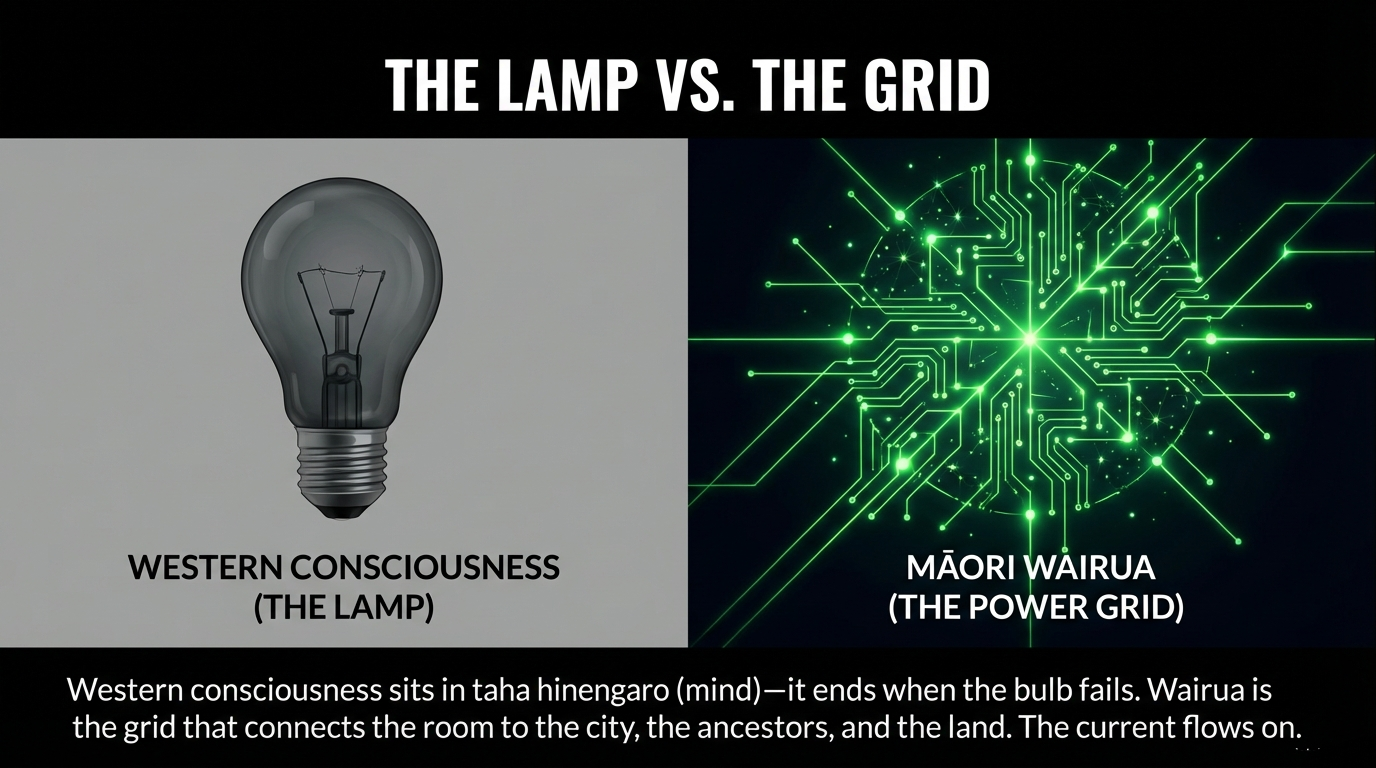
You might think of consciousness as the lamp in one room, and wairua as the power grid that connects that room to an entire city. At death, the lamp goes out. But in te ao Māori, the grid does not. The current flows on — along Te Ara Wairua, toward the ancestors.
Te Ara Wairua: A Road of Light Across Sea and Sky
Te Ara Wairua, the pathway of spirits, is not a dot on a map; it is a story laid across land and sea so people don’t feel lost when they grieve.
Te Ara’s interactive map of Te Rerenga Wairua explains that spirits are said to journey north, passing places like Manawatāwhi, where they rise from the sea and take a last look back at Aotearoa, before reaching Te Rerenga Wairua. There, at a cliff crowned by an ancient pōhutukawa tree, they descend into the water on their way to Rarohenga.
From a Western perspective, you might see:
- A coastal highway.
- A lighthouse.
- Two seas meeting.
From a Māori perspective, all of that is true — and also something more: this is the final stretch of road walked by everyone you miss.
An example to make this tangible:
Imagine a loved one has died. At home, their chair is empty, their voice absent. But you know, in your bones, that their wairua is traveling: up the west coast, pausing at bays and headlands your grandparents spoke of, then rising at Manawatāwhi, looking back with you, and leaping from Te Rerenga Wairua. That image does not magically remove grief, but it gives grief a horizon.
When this coastline is treated only as a tourist backdrop, it hurts not because people are enjoying the view, but because they are walking through a place of farewell without realising they are in a kind of open-air cathedral.
Tangihanga: Building a Bridge With Time, Voices and Tears
If you have attended a short Western-style funeral — an hour in a chapel, a few speeches, then tea — you know both the comfort and the abruptness of that pattern. Tangihanga stretches time on purpose.
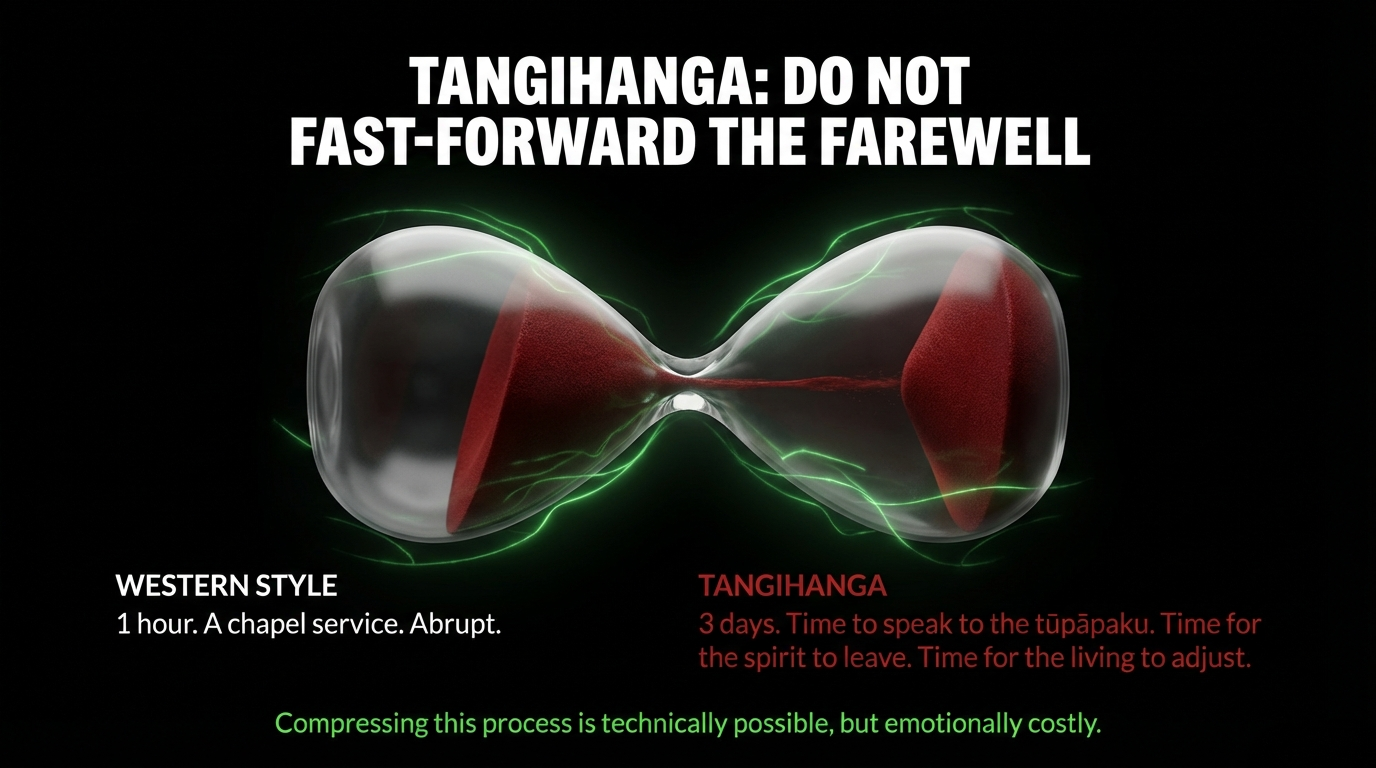
Te Ara’s article “Tangihanga – death customs” explains that tangi is the enduring Māori ceremony for mourning the dead. It describes how the body (tūpāpaku) is prepared, usually by an undertaker now, and taken to the marae, often in an open coffin. A tangi commonly lasts three days. During that time, whānau and friends come from near and far to speak directly to the deceased, sing, weep, tell stories, and sit together. All of this happens under a framework of tikanga (customs) that guide behaviour, from how people are welcomed onto the marae to how they leave the urupā.
Te Ara’s companion piece on death and dying adds that, traditionally, tūpāpaku were rubbed with kōkōwai (red ochre) and oil, seated with knees drawn up, wrapped in cloaks, and placed on a platform or in a house of mourning. People would talk to them as if they were still listening. After burial, a ritual called takahi whare sees a minister or tohunga walk through the home saying karakia to remove the tapu of death so the house can return to ordinary life. A year or so later, hura kōhatu — unveiling the gravestone — invites people back into remembrance and healing.
For a Western mind, one way to think of tangihanga is this:
- It combines the functions of a wake, a funeral, a memorial, and much of what ongoing therapy aims to do.
- It gives the spirit time to leave and the people time to adjust — together.
When workplaces or institutions struggle to accommodate three-day tangi — for example, with limited bereavement leave or strict visiting rules in hospitals — families can feel forced to compress something that was designed to unfold slowly. It is a bit like trying to fast-forward a farewell; technically possible, emotionally costly.
Tikanga as Spiritual Engineering, Not Just Manners
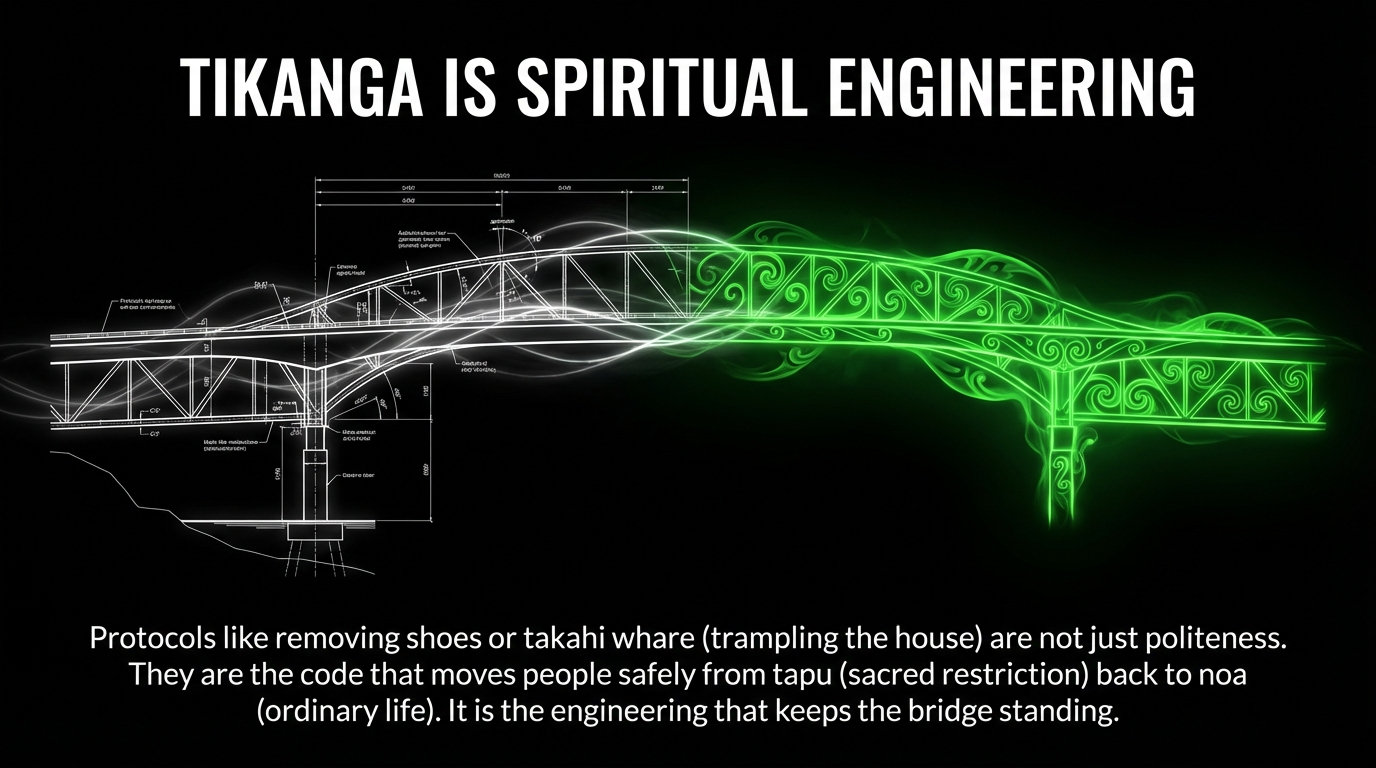
It can be tempting, from a Western angle, to treat tikanga as a set of politeness rules: “take your shoes off here,” “don’t sit on tables,” “use the right entrance.” In te ao Māori, tikanga around death and the afterlife is more like engineering code for a bridge: it’s what keeps everything standing.
Te Ara notes that wairua sits alongside mana, tapu and mauri as key spiritual concepts in traditional Māori religion. It explains that mana has an implicit connection with tapu, that tapu involves sacred restrictions, and that ceremonies are used to move people and places from tapu back to noa — a state where ordinary life can resume. It also describes mauri as a life principle or vital essence that exists in people, animals, plants and places. All of these concepts intertwine in practices like tangihanga, takahi whare, and respecting wāhi tapu (sacred sites), as set out by Te Ara’s “Spiritual concepts” page.
From this point of view:
- Allowing time for tangihanga is not “cultural sensitivity”; it is allowing the engineering work to be done so wairua can travel and tapu can be safely lifted.
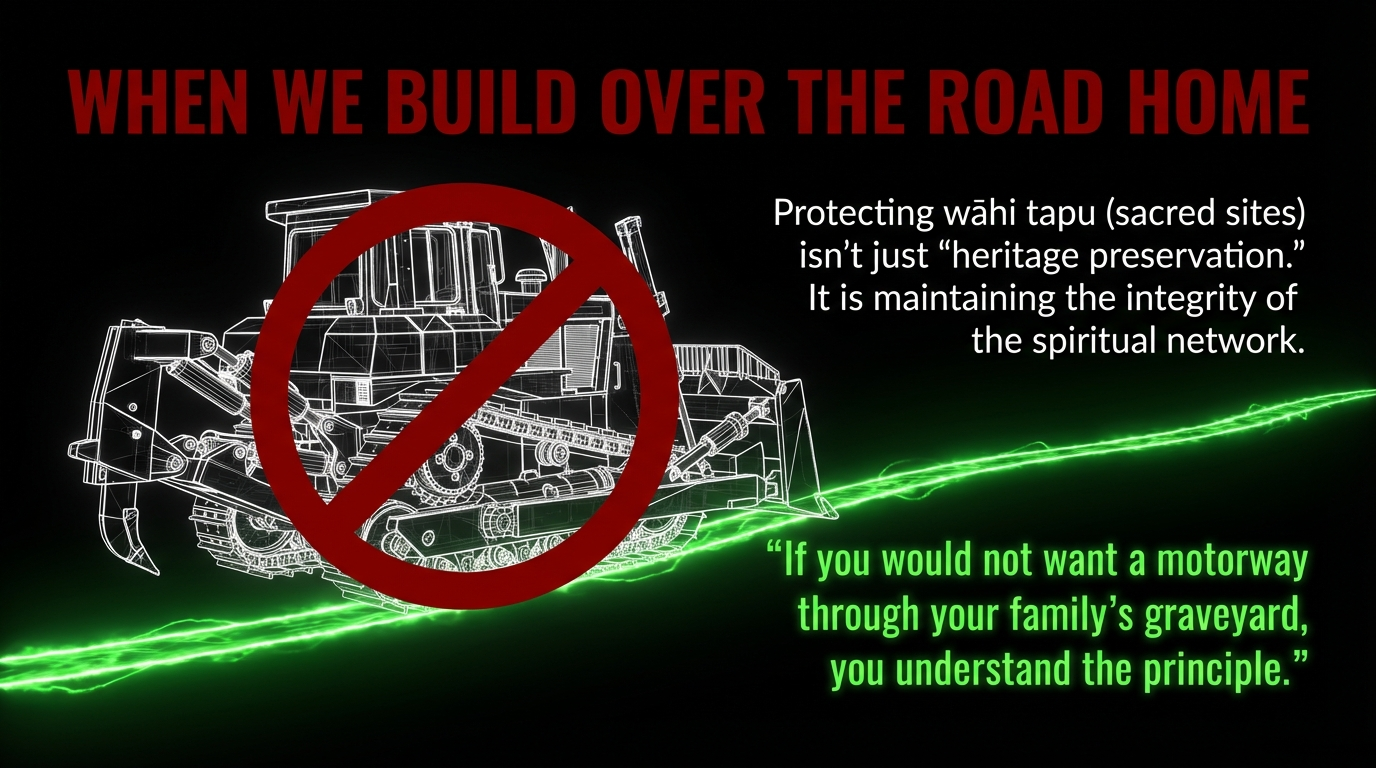
- Protecting urupā and significant headlands is not “heritage preservation”; it is maintaining the integrity of the pathways that hold relationships between the living and the dead.
When policies ignore this, the impact on Māori is not just frustration — it is a sense that the world’s wiring has been disturbed. And that feeling can linger across generations.
Practical Ways a Western Mind Can Honour These Pathways
You do not have to become Māori to walk gently in a world where our stories live. But there are ways to make space.
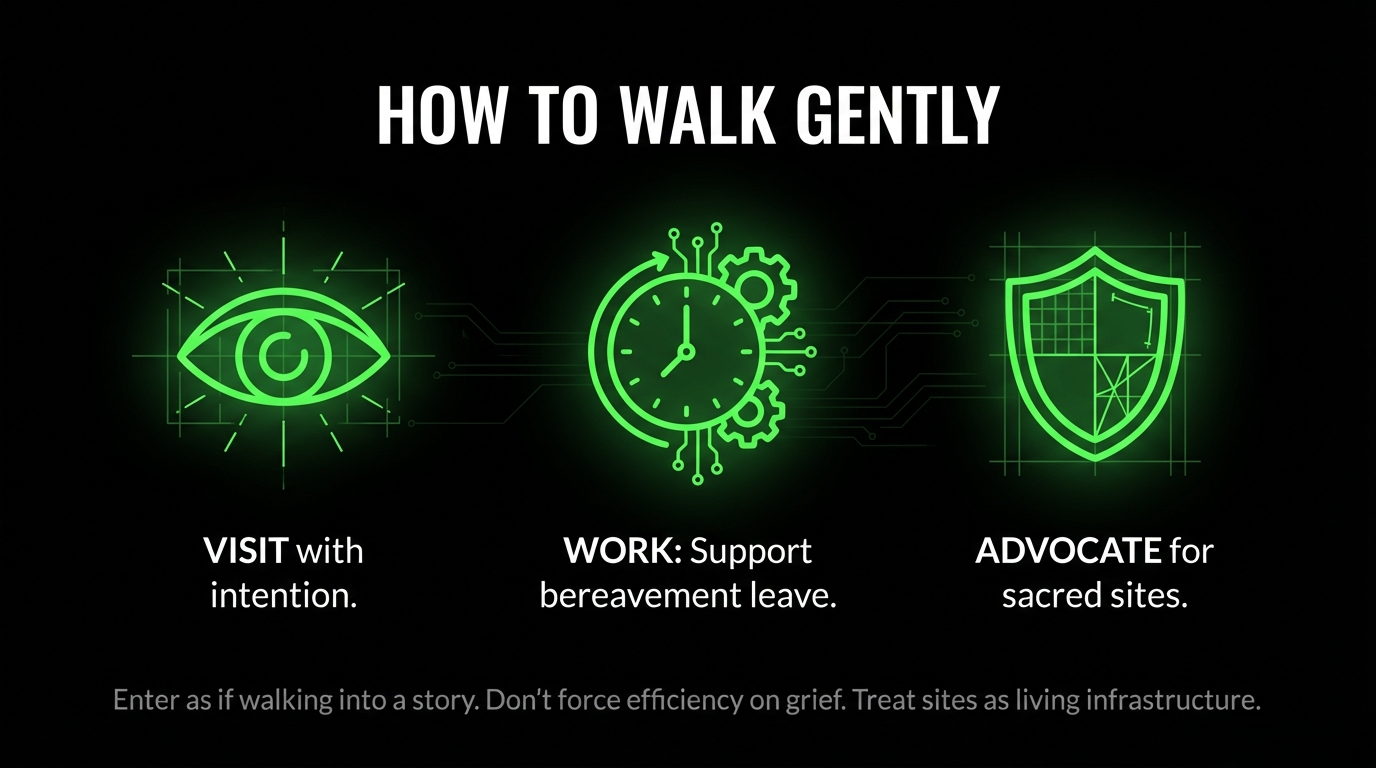
Visit as if you are entering someone’s sacred story
If you ever travel to Te Rerenga Wairua or other significant places, you might carry this simple shift: “I am walking into a story where someone I’ve never met is saying goodbye.” Knowing from Te Ara that this headland is described as the leaping place of spirits, and that spirits are believed to pause at Manawatāwhi for a last look, can turn casual visiting into quiet pilgrimage.
That might mean: speaking softly, moving with intention, asking local guides about tikanga, and imagining — even if you’re not sure what you believe — that the land remembers more than we do.
Advocate for time and space for tangihanga
If you are an employer, colleague, health worker, or educator, you can treat tangihanga not as a disruption but as essential work. Te Ara is clear that tangihanga is the central Māori ceremony for mourning and that it typically takes several days. Knowing this, you might:
- Support generous bereavement leave for staff attending tangi.
- Make hospital policies flexible enough to allow large whānau presence near the end of life.
- Understand that a Māori student or co-worker returning from tangi may be carrying a different kind of emotional work than you are used to.
Small institutional decisions can either squeeze or support a family’s ability to honour their loved one’s journey.
Support protection of wāhi tapu as living spiritual infrastructure
Reports to the Waitangi Tribunal, such as those in the Taihape inquiry, show how often wāhi tapu were not adequately protected in Crown policy and land management, leaving hapū and iwi to fight for places that hold their ancestors and stories. Reading even a summary of those submissions makes it clear that these sites are experienced as part of an ongoing spiritual network, not just historically interesting locations.
If you are involved in planning, conservation, or local politics, you can:
- Take Māori concerns about specific sites seriously, even when those concerns are expressed in spiritual or relational terms rather than legal language.
- Advocate for laws and policies that give real weight to wāhi tapu in decision-making.
Think of it this way: if you would not want someone to build a motorway through your family’s graveyard, you already understand the principle.
Let your own questions breathe
You might be reading this with your own private griefs and questions. You don’t have to agree with every detail of Māori cosmology to appreciate the tenderness of the idea that spirits have a road home, that grief is held communally over days, that land and sea can be part of how we remember those who have gone.
There is room here for your curiosity, your hesitation, your “I’m not sure what I believe, but this moves me.” Te ao Māori is not asking you to change team; it is inviting you to consider that our world might be richer if we treated each other’s dead — and each other’s sacred places — with the same care we want for our own.
Koha Consideration
Every koha to this kaupapa is a quiet promise that the pathways of wairua — along Te Ara Wairua, through tangihanga, across our wāhi tapu — will not be left undefended in a world that prefers speed over ceremony. It signals that rangatiratanga is not only about laws and policies, but also about resourcing the storytellers and kaitiaki who can explain these gentle, intricate maps of life and death to a wider world.
Kia kaha, whānau. Keep listening for the stories in the wind at the headlands, keep making room for tangihanga in your own lives and workplaces, and if you are able, consider a koha to help this voice continue weaving bridges between te ao Māori and the Western mind.
If you are unable to koha, kei te pai — subscribe or follow The Māori Green Lantern on Substack, kōrero about these ideas at your own tables, and share with your whānau and friends. That is koha in itself.
Three pathways exist:
To support this mahi directly with a koha (voluntary contribution), visit:
Koha—Support – https://app.koha.kiwi/events/the-maori-green-lantern-fighting-misinformation-and-disinformation-ivor-jonesTo receive essays directly and support through subscription, join the Substack community:
Subscribe to The Māori Green Lantern on Substack – https://themaorigreenlantern.substack.com/subscribeFor direct bank transfer, account details are:
HTDM, account number 031546-0415173-000.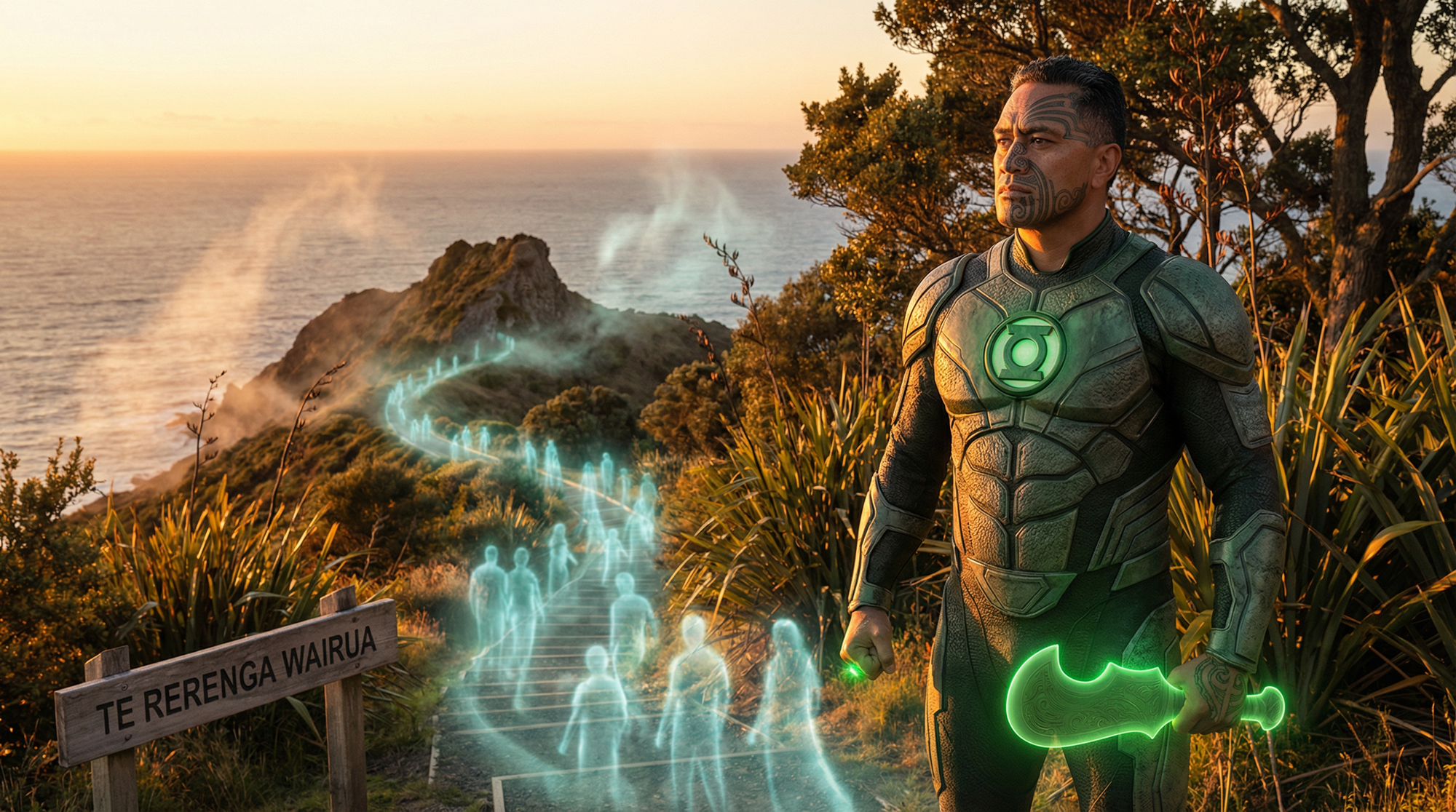
Ivor Jones The Māori Green Lantern Fighting Misinformation And Disinformation From The Far Right