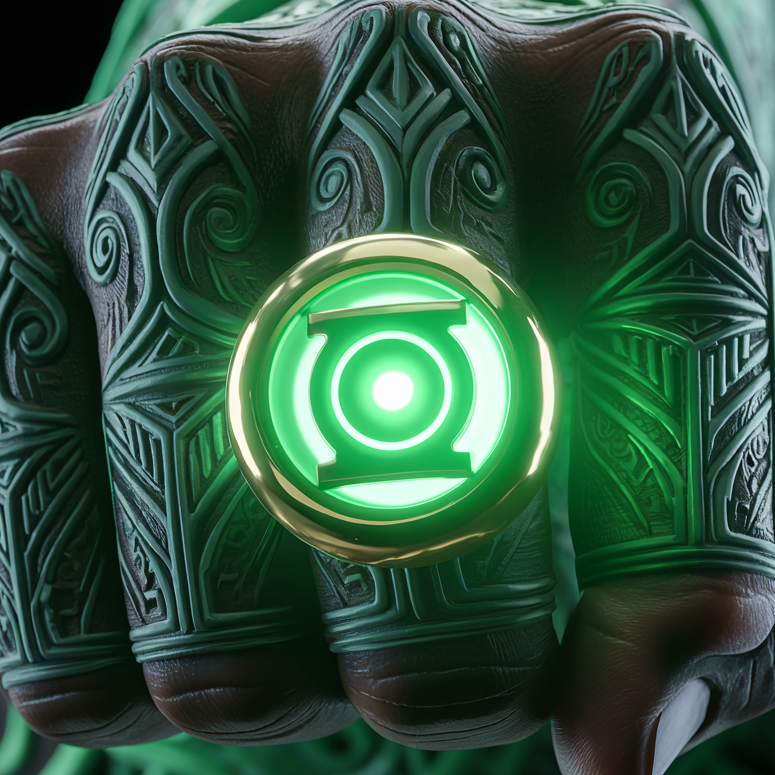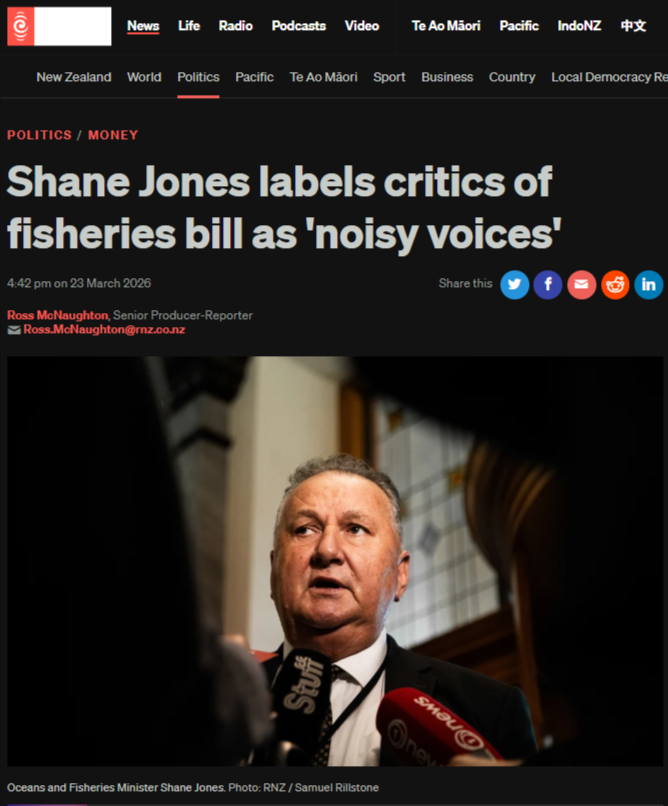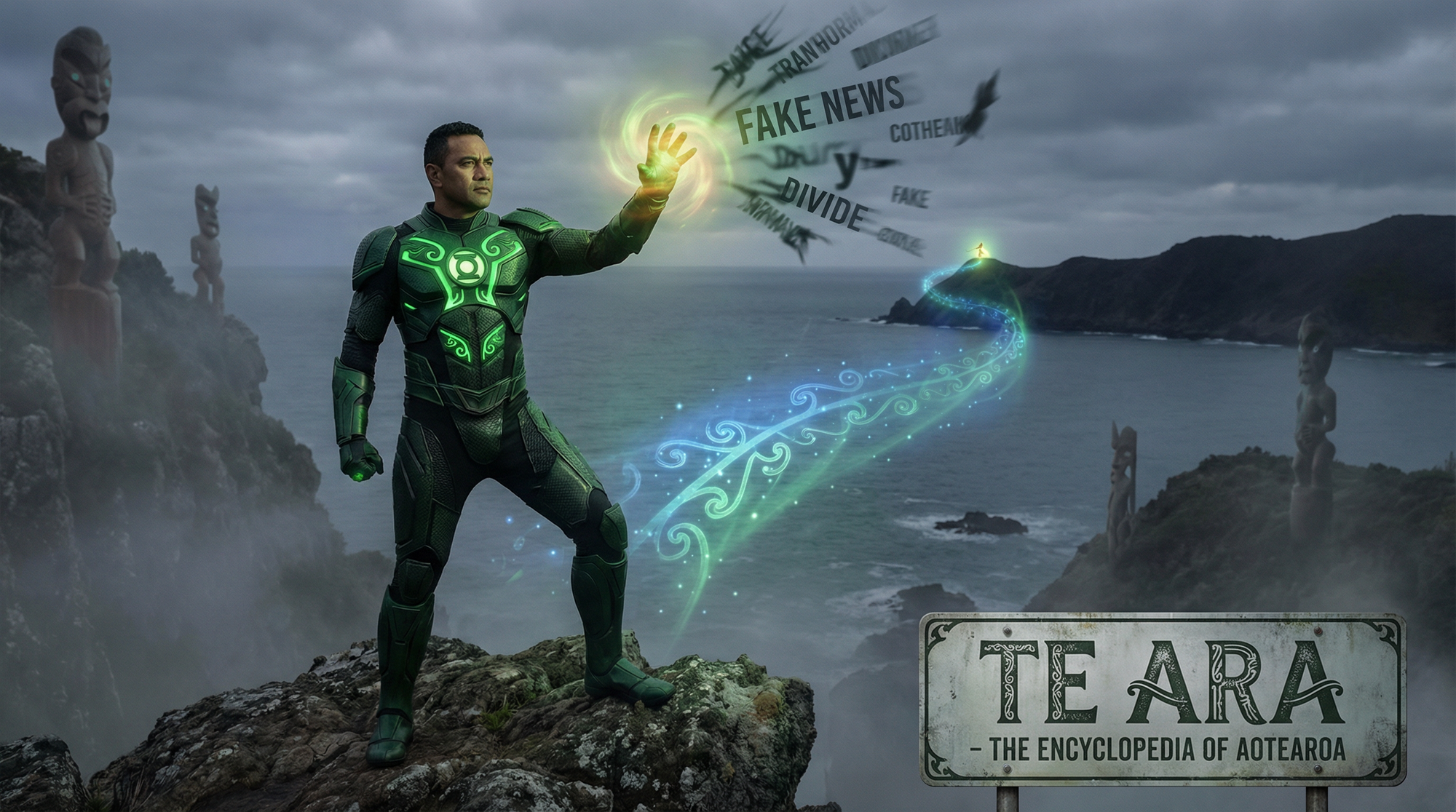
"When the Māori Green Lantern Exposes Te Pāti Māori's Self-Immolation" - 10 November 2025
Taiaha Unsheathed
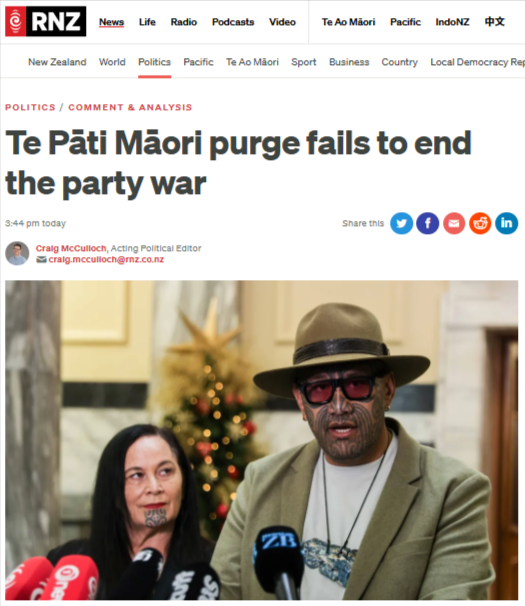
Te Kauwae Runga: The Unseen Forces
The tōtara splits. The fire beckons.
A party that swept six of seven Māori electorates in 2023 now devours itself from within. This is not politics—this is institutional collapse masquerading as constitutional process.
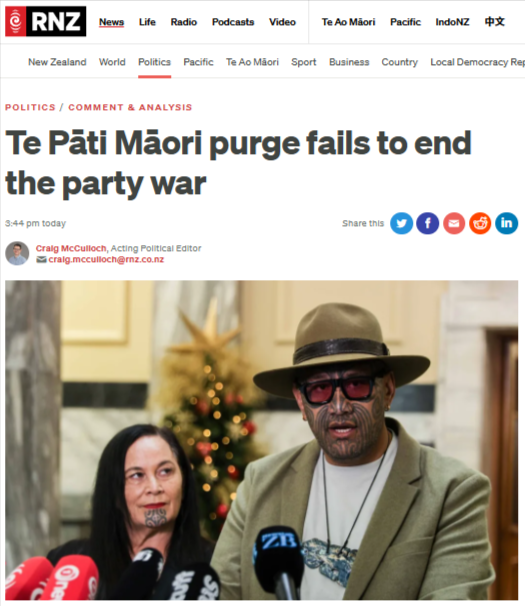
John Tamihere, Te Pāti Māori president since June 2022, controls a financial-political nexus unprecedented in Māori governance:
CEO of Te Whānau o Waipareira Trust since 1991, with balance sheet grown substantially under his leadershipCEO of Whānau Ora Commissioning Agency (formerly Te Pou Matakana) from 2014 through June 30, 2025 when the contract was not renewedCEO of National Urban Māori Authority (NUMA) since 2014Lead negotiator for Ngāti Porou ki Hauraki Treaty settlement as documented on his professional profiles
This is vertical integration of Māori political economy. One person controlling social service delivery, Treaty settlement processes, electoral machinery, and multiple governance structures.
Hidden Connection #1: The Whānau Ora Procurement Loss
In March 2025, Tamihere’s Whānau Ora Commissioning Agency contract was not renewed.
Six months earlier, in September 2024, the Electoral Commission found that Te Pou Matakana—then under Tamihere’s leadership—inappropriately used Whānau Ora interest funds to create political advertising featuring Tame Iti encouraging Māori electoral roll enrollment. The advertisement ran before the 2023 election.
The timeline: funding misuse allegation → contract non-renewal → electoral victory. The optics raise questions about how government procurement intersects with Māori political mobilization.
Hidden Connection #2: The Kemp Death & Kapa-Kingi Crisis
MP Takutai Tarsh Kemp died June 25, 2025. She held office in Tāmaki Makaurau and was connected to networks centered on Manurewa Marae.
Approximately three months before Kemp’s death, Mariameno Kapa-Kingi’s office was flagged for overspending its budget by up to $133,000. Kapa-Kingi alleged this was due to budget reallocation to support Kemp’s terminal illness.
On October 2, 2025, Eru Kapa-Kingi (Mariameno’s son and parliamentary staffer) accused Te Pāti Māori leadership of operating a “dictatorship model”. He announced Toitū Te Tiriti movement distancing from the party.
Te Pāti Māori responded by releasing Parliamentary Services allegations against Eru, accusing him of security breaches. Eru denied wrongdoing and called the accusations “defamatory.”
Timeline collapse: Kemp dies (June) → budget crisis exposed (September) → Eru’s public accusations (October 2) → Party retaliation with Parliamentary Services letter (October 13) → Suspension votes (October 23-26) → Iwi Chairs Forum mediation announcement (November 3) → MPs expelled (November 9).
Te Kauwae Raro: Tangible Harm
Both MPs declared the expulsion “unconstitutional” and pledged appeals.
The party now holds four MPs (Waititi, Ngarewa-Packer, Maipi-Clarke, Kaipara), down from six. The party’s National Council must now decide whether to invoke waka-jumping provisions, which would trigger by-elections in Te Tai Tokerau and Te Tai Tonga.
Mātauranga Deconstruction: Tikanga Violations
Whanaungatanga (Kinship Violated)
Eru Kapa-Kingi is Mariameno Kapa-Kingi’s son. Using security allegations against him to discredit his mother weaponizes whānau bonds contrary to tikanga.
Rangatiratanga (Collective Leadership Destroyed)
One-person CEO control of multiple entities is not rangatiratanga. It is hierarchy.
Kotahitanga (Unity Shattered)
When Hone Harawira split from the Māori Party in 2011 to form Mana, both parties eventually collapsed. Harawira lost Te Tai Tokerau in 2014, and the Māori Party was eliminated in 2017.
Division historically exterminates Māori political power.
Verified Financial Network
Te Whānau o Waipareira TrustFounded and led by John Tamihere since 1991Organization provides employment, health, and welfare services to urban MāoriIn 2023, Tamihere agreed to cease political donations and recover loans made to him
Whānau Ora Commissioning AgencyEstablished 2014 as Te Pou Matakana under Whānau Ora frameworkLed by John Tamihere through June 30, 2025Contract not renewed after Electoral Commission findings regarding political advertising
National Urban Māori AuthorityFounded 2003 as national collective for urban Māori authoritiesTamihere became CEO in 2014
Historical Precedent: John Tamihere’s 2004-2005 Scandal
Cabinet Suspension
In October 2004, John Tamihere faced accusations relating to financial dealings with the Waipareira Trust. He requested leave from his ministerial portfolios.
Investigations
On December 21, 2004, an official investigation cleared Tamihere of tax charges. On March 14, 2005, the Serious Fraud Office cleared him of charges relating to his stewardship of the Waipareira Trust.
Political Consequences
In 2005, Tamihere lost the Tāmaki Makaurau seat and left Parliament. He returned to Waipareira Trust and has since rebuilt the organization.
Current Coalition Political Context
The National-ACT-NZ First coalition government (elected 2023) introduced the Treaty Principles Bill. ACT leader David Seymour advanced arguments regarding the Treaty.
The Hīkoi mō te Tiriti movement drew thousands of marchers to Parliament in November 2024.
Strategic context: A divided Māori political party serves the coalition government’s interests. United Māori opposition is stronger; fragmented opposition is weaker.
December 7 AGM: The Reckoning
Te Pāti Māori will hold its AGM in Rotorua on December 7, 2025, where members must confront how to piece the party together.
The questions facing whānau:
· Will Kapa-Kingi and Ferris’s expulsions be upheld or overturned on constitutional grounds?
· Will John Tamihere retain the presidency?
· Will waka-jumping provisions be invoked, triggering by-elections?
· Will Labour commit to a future coalition with a fractured Te Pāti Māori?
Rangatiratanga Manifested: Mobilization Pathways
- Immediate: Appeals of expulsions must proceed via independent tikanga panel with representation from iwi and constitutional experts.
- Structural: Separate CEO and political roles. No dual mandate. One person cannot control multiple entities while holding elected office.
- Constitutional: Electorate MPs require rohe veto over National Council decisions affecting their seats, restoring electorate sovereignty.
- Electoral: Labour must guarantee Te Pāti Māori coalition inclusion in 2026 or face Māori electorate wipeout through continued division.
- Cultural: Toitū Te Tiriti remains autonomous, multi-party, grassroots—not party property.
- Accountability: Independent audit of Waipareira, NUMA, and connected entities required for transparency.
A year before this crisis, Te Pāti Māori rode unity as “a driving force behind the historic Toitū Te Tiriti hikoi”.
Now: division, expulsions, constitutional questions, whānau fracture.
The tōtara splits. Only collective rangatiratanga—rooted in whakapapa, governed by tikanga, accountable to electorate rohe—can heal the mauri.
The ancestors watch. The mokopuna wait.
Kia kaha. Ka tū. The mahi is everything.