“Winston Peters: New Zealand’s Master of the Victim Card” - 9 October 2025
When Political Theater Trumps Substance - How Peters Perfected the Art of Strategic Whining
Kia ora whānau (Greetings family).
Winston Peters has become New Zealand’s own Donald Trump – a master manipulator who turns every setback into a performance of victimhood designed to distract, divide and consolidate power. The recent broken window incident at his Auckland home perfectly demonstrates this cynical playbook in action.
Peters isn’t just crying victim like Trump – he’s following the exact same strategic blueprint that authoritarian populists worldwide use to weaponize grievance for political gain. When a window gets smashed, Peters doesn’t see property damage. He sees opportunity.
Background: The Anatomy of Political Theater
Strategic victimhood isn’t new, but it’s become the go-to tactic of far-right populists from Trump to Viktor Orbán. Academic research shows these leaders deliberately construct narratives where they and their supporters are portrayed as righteous victims under siege from malicious forces. This isn’t genuine victimization – it’s calculated political manipulation designed to justify retaliation and consolidate power.
In Aotearoa, Peters has perfected this art form. From his decades-long pattern of playing the victim to his recent “Make New Zealand First Again” rallies that directly echo Trump’s rhetoric, Peters has imported the worst of American political theater to our shores.
The broken window incident reveals how this manipulation works in practice. When someone uses a crowbar to smash Peters’ window – a criminal act that should be condemned – Peters doesn’t just seek justice. He launches a full-scale propaganda campaign designed to maximize political advantage.
The Crowbar Chloe Campaign: A Case Study in Manipulation
Here’s what actually happened: A 29-year-old man broke Peters’ window with a crowbar and left a note saying “welcome to the real world.” The perpetrator was arrested and charged. This was a clear criminal act that endangered Peters’ partner and dog, and deserved universal condemnation.
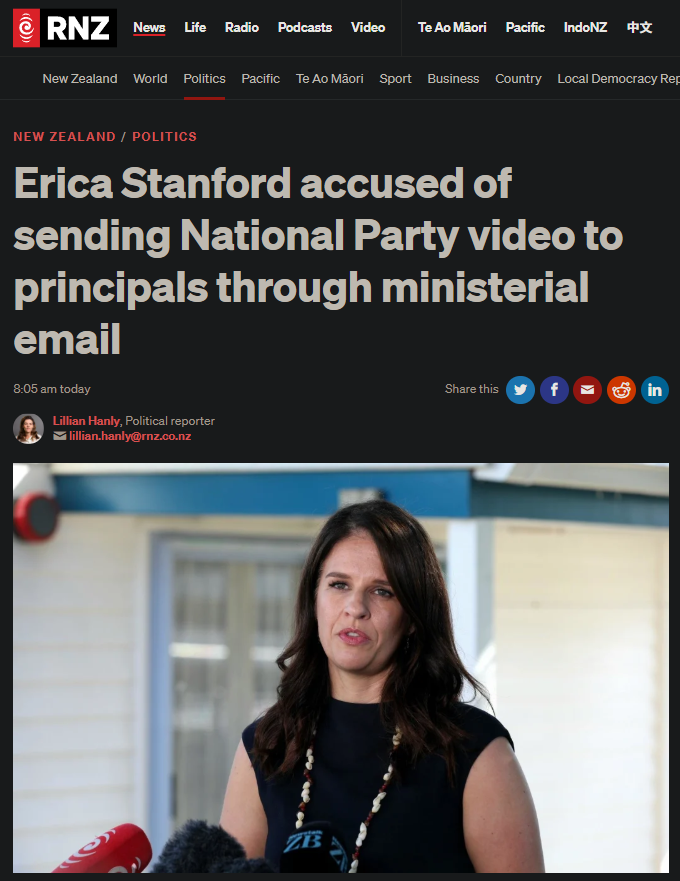
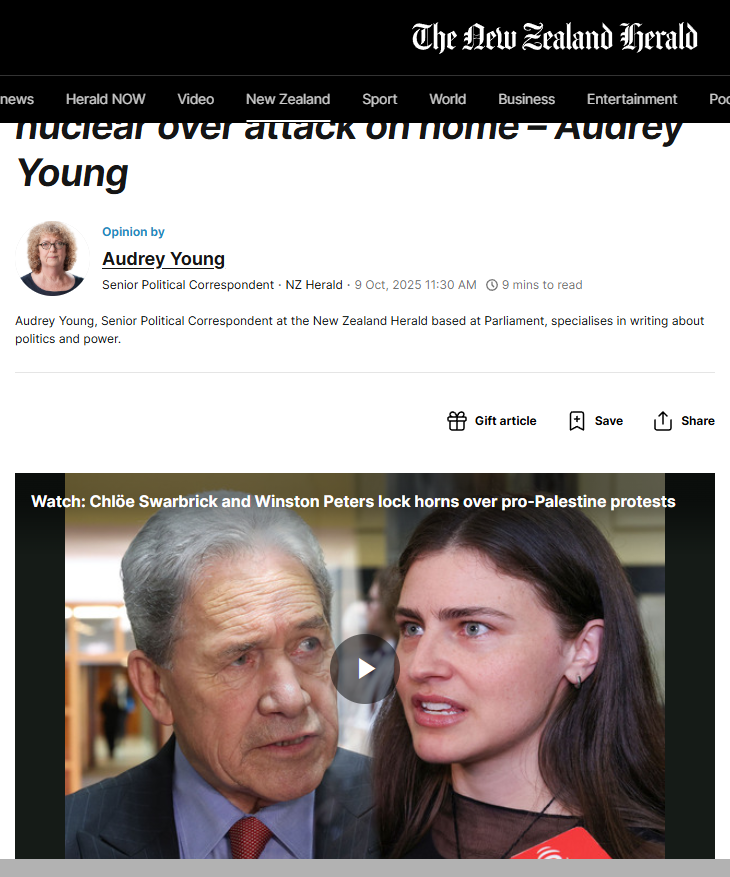
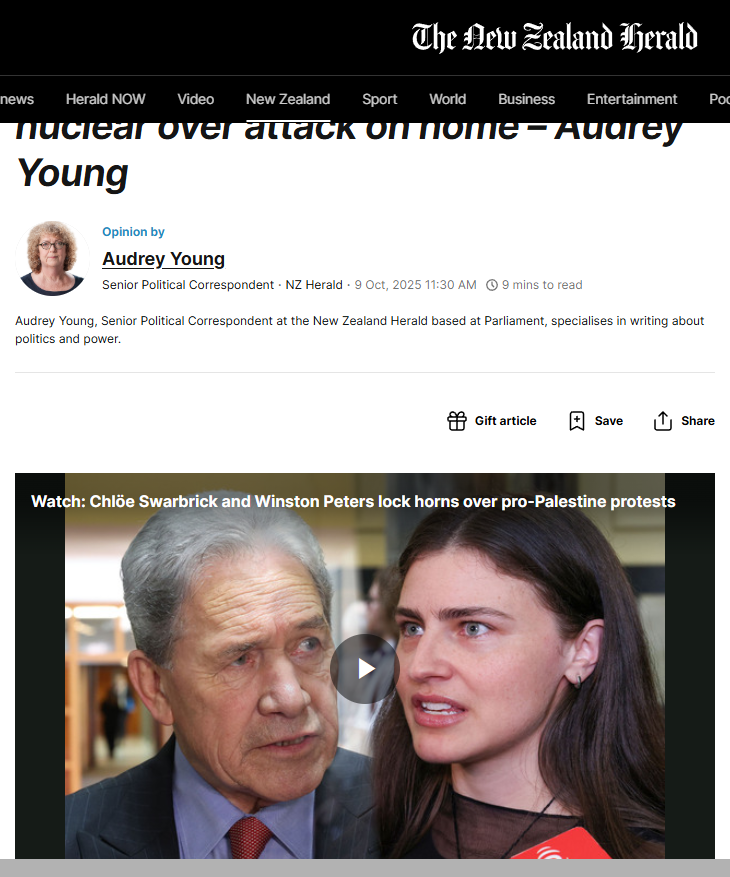
But Peters saw gold in that broken glass. Rather than focus on the actual perpetrator, he immediately branded Green Party co-leader Chlöe Swarbrick as “Crowbar Chloe” and launched a sustained attack claiming her rhetoric about Gaza had incited the violence.
The manipulation was masterful and cynical. Peters took Swarbrick’s measured comments about New Zealanders’ frustration over Israel’s detention of three New Zealand citizens and twisted them into incitement to violence. He knew perfectly well that Swarbrick had condemned the attack and had nothing to do with the actual perpetrator. But truth was never the point.
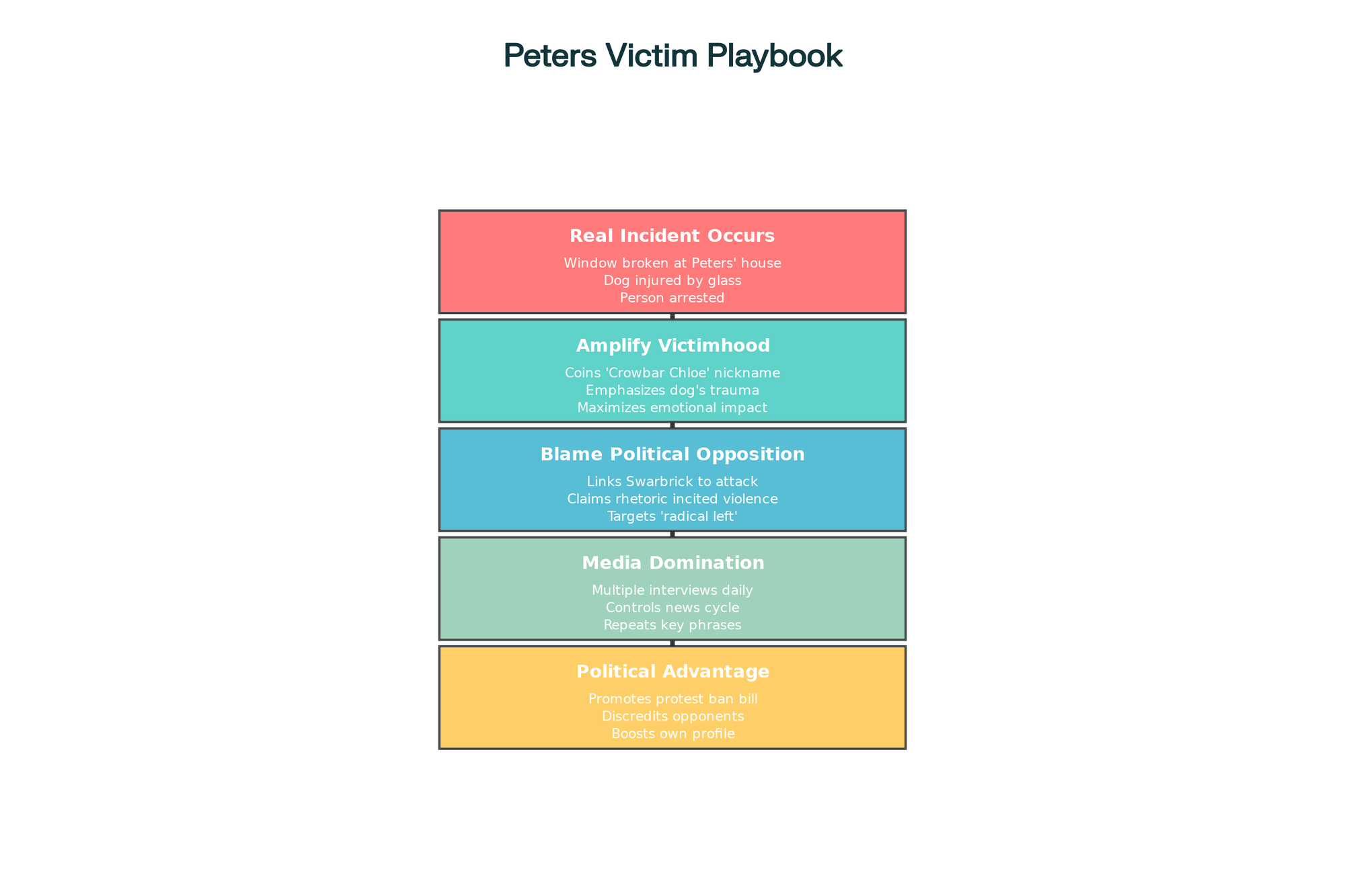
The Winston Peters Victim Narrative Playbook - How a broken window becomes political gold
This playbook follows the exact same pattern Trump uses. Research shows Trump strategically claims victimhood to justify retaliatory policies, constantly positioning himself as a persecuted martyr while attacking his opponents. Peters has imported this tactic wholesale, using a genuine criminal act to launch political warfare against his opponents.
The Trump Comparison: Strategic Victimhood as Authoritarian Tool
The parallels between Peters and Trump aren’t coincidental – they’re structural. Both men represent what scholars call “strategic victimhood,” where political leaders deliberately construct narratives of persecution to mobilize supporters and justify aggressive actions against opponents.
Consider the evidence:
Victim Rhetoric: Peters routinely claims he’s under attack from the media, political opponents, and “radical leftists.” Trump similarly portrays himself as history’s most persecuted politician, claiming witch hunts and fake news conspiracies at every turn.
Weaponizing Grievance: Both men turn their supporters’ legitimate frustrations into weapons against their opponents. Peters blames everything from immigration to co-governance policies on leftist conspiracies. Trump does the same with economic anxiety and cultural change.
Media Warfare: Peters has launched sustained attacks on New Zealand media, claiming they were “bribed” by previous governments – a direct copy of Trump’s “fake news” playbook.
The academic literature is clear: this isn’t normal political discourse. It’s a deliberate strategy used by authoritarian populists to undermine democratic norms and consolidate power through manufactured grievance.
How the Victim Card Works: Manipulation Through Emotion
Peters’ response to the broken window reveals the sophisticated psychology behind strategic victimhood. Rather than focus on the legal process or policy responses, he immediately shifted to emotional manipulation:
The Dog: Peters made sure everyone knew his labrador Kobe was injured by glass shards. This wasn’t providing context – it was deliberate emotional manipulation designed to generate maximum sympathy and outrage.
The Branding: “Crowbar Chloe” wasn’t an off-the-cuff comment. It was carefully crafted political messaging designed to permanently link Swarbrick to violence in voters’ minds, regardless of the facts.
The Escalation: Peters didn’t stop at condemning the attack. He used it to launch broader attacks on Green Party policies, protest rights, and left-wing politics generally. This is classic authoritarian behavior – using specific incidents to justify sweeping crackdowns on opposition.
Research shows this manipulation works because it bypasses rational analysis and appeals directly to emotion. When people see a injured dog and broken glass, they don’t stop to analyze the political context. They just feel angry and want someone to blame. Peters exploits this psychological vulnerability ruthlessly.
The Real Victims: Democracy and Truth
While Peters plays victim, the real casualties are democratic norms and honest political discourse. His manipulation tactics cause genuine harm:
Chilling Effect on Protest: By linking legitimate political criticism to violence, Peters undermines New Zealanders’ democratic right to hold their government accountable. This is particularly dangerous given the coalition government’s attacks on Māori rights and environmental protections.
Degrading Political Culture: Peters’ victim theater normalizes the politics of grievance and retaliation. Rather than debating policy on its merits, political discourse becomes about who can claim the most victimization.
Targeting Vulnerable Communities: Peters consistently uses his victim narratives to justify attacks on Māori, migrants, and other marginalized communities. This is the real purpose of strategic victimhood – creating permission to harm others while claiming moral righteousness.
The broken window incident perfectly demonstrates this pattern. A simple criminal matter becomes justification for broader attacks on protest rights, progressive politics, and ultimately Māori sovereignty. This isn’t coincidence – it’s strategy.

Healthcare workers in New Zealand protest for an immediate ceasefire in Gaza, showing solidarity with Palestine
The Māori Perspective: Recognizing Colonial Manipulation
From a Māori worldview, Peters’ victim theater represents a classic colonial inversion. The same government that is actively undermining Māori rights through policies like the Marine and Coastal Area Act changes claims victimization when faced with criticism.
This manipulation betrays core Māori values:
Mana (dignity): Peters’ theatrical victimhood lacks genuine mana. It’s performative weakness designed to manipulate rather than genuine leadership in adversity.
Tika (righteousness): There’s nothing tika about exploiting a criminal act to attack political opponents and undermine democratic rights.
Kotahitanga (unity): Peters’ divisive rhetoric actively works against unity, using manufactured grievance to pit communities against each other.
The colonial mindset always portrays the colonizer as victim when their power is challenged. Peters follows this pattern perfectly, claiming persecution while wielding significant state power to attack Māori rights, environmental protections, and social justice movements.
Breaking the Spell: Seeing Through Political Theater
Understanding Peters’ manipulation tactics is crucial for maintaining democratic discourse. Here’s how to recognize strategic victimhood in action:
Disproportionate Response: When the political reaction far exceeds the original incident, question the motivation. A broken window doesn’t justify sweeping attacks on civil liberties.
Emotional Manipulation: When politicians focus more on emotional appeals than policy solutions, they’re usually manipulating rather than leading.
Scapegoating: When specific incidents are immediately linked to broader political opponents, you’re seeing strategic victimhood in action.
Peters’ broken window performance ticks every box. What should have been a straightforward criminal matter became a multi-day media circus designed to attack progressive politics and boost authoritarian policies.
Implications for Aotearoa: The Cost of Imported Authoritarianism
Peters’ Trump-style victim politics carry serious consequences for Aotearoa’s democratic culture:
Normalizing Authoritarian Tactics: When senior politicians routinely use manipulation and manufactured grievance, it degrades public expectations of honest leadership.
Undermining Legitimate Criticism: By linking criticism to violence, Peters creates a chilling effect on democratic accountability.
Enabling Policy Extremism: Strategic victimhood creates permission for extreme policies by framing them as necessary responses to persecution.
The proposed protest ban legislation perfectly demonstrates this pattern. Rather than address legitimate concerns about protest tactics through existing laws, Peters uses the broken window to justify sweeping restrictions on democratic rights.
This isn’t about preventing violence – it’s about preventing accountability. The same pattern plays out globally as authoritarian populists use manufactured crises to restrict civil liberties while claiming to protect public order.
Rejecting Political Theater

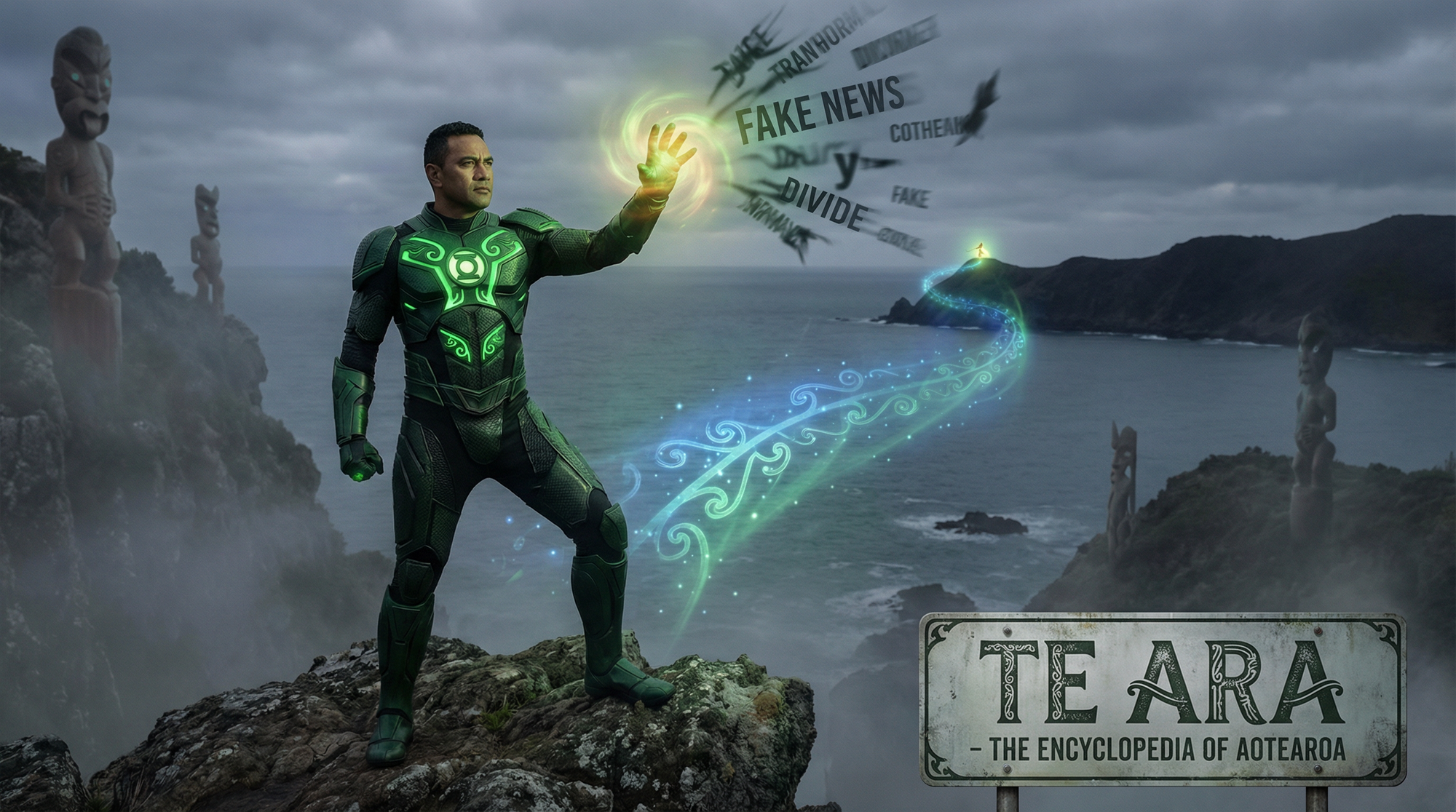
The Māori Green Lantern Fighting Misinformation And Disinformation From The Far Right
Winston Peters isn’t a victim – he’s a skilled political operator using Trump’s playbook to manipulate New Zealand’s democratic discourse for personal and political advantage. The broken window incident reveals this manipulation in stark detail.
Every time Peters cries victim while wielding state power to attack his opponents, he damages our democratic culture. Every time he uses manufactured grievance to justify authoritarian policies, he weakens the institutions that protect all New Zealanders’ rights.
We must reject this imported political theater and demand better from our leaders. Real leadership means taking responsibility, building unity, and addressing genuine problems rather than manufacturing crises for political gain.
Peters may have perfected the art of strategic victimhood, but we don’t have to fall for it. Democracy depends on our ability to see through manipulation and demand honest political discourse based on evidence rather than emotion.
The choice is ours: theatrical victimhood or genuine leadership. Manufactured grievance or real solutions. Trump’s playbook or democratic values.
Kia kaha (Be strong)
Readers who find value in this analysis and wish to support independent commentary exposing far-right manipulation are welcome to contribute a koha to HTDM: 03-1546-0415173-000. I understand these are challenging economic times for whānau, so please only contribute if you have the capacity and desire to do so.
Mauri ora (Life force be with you)
Ivor Jones - The Māori Green Lantern