“Wolves in Sheep's Clothing: How Luxon and Hipkins Expose the Neoliberal Puppet Show” - 17 September 2025
The people have spoken - they hate both leaders. But the real scandal isn't their unpopularity. It's that changing the face changes nothing because both parties serve the same corporate masters.
Kia ora, ko Ivor Jones ahau, he uri no Te Arawa, no Ngāti Pikiao hoki. Greetings, I am Ivor Jones, a descendant of Te Arawa and Ngāti Pikiao.
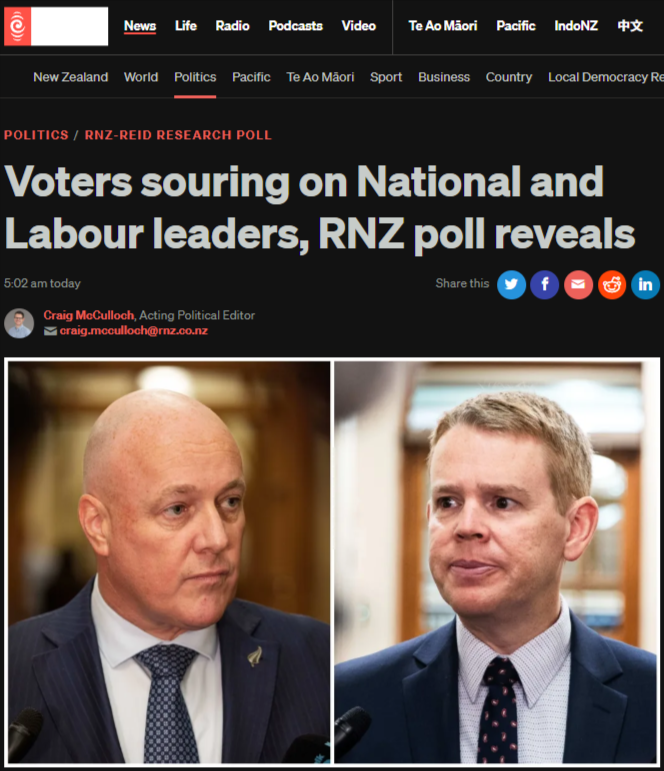
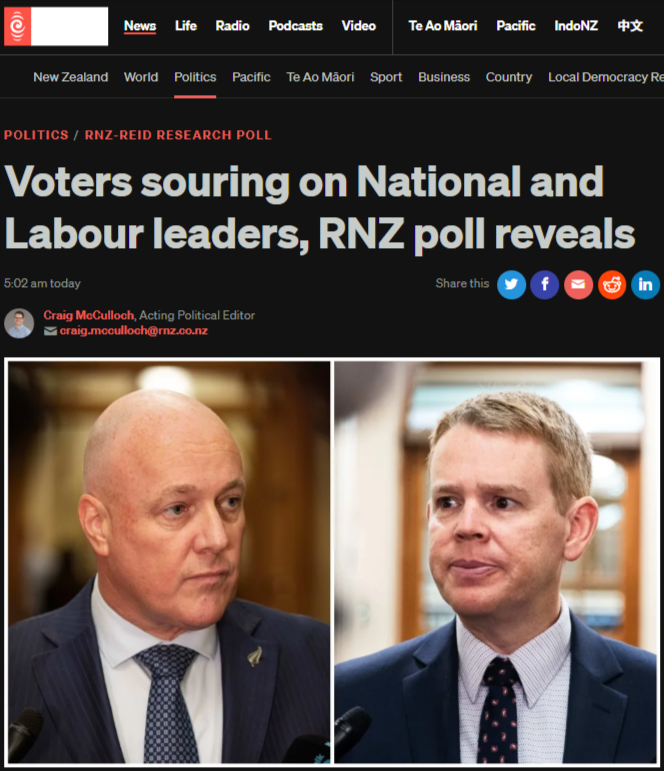
The latest RNZ poll shows Christopher Luxon at a pathetic -15.2 approval rating while Chris Hipkins clings to +3. But here's the real gut punch - when asked if new leadership would help either party, only 24.7% think changing National's leader would improve their chances, while just 24.9% believe Labour would benefit from fresh blood. The people can smell the stench of a rigged system where it doesn't matter who's holding the leash - the same corporate dogs are still calling the shots.
Background
To understand why these poll numbers expose a deeper rot, we need to grasp how neoliberalism operates in Aotearoa. This isn't just about economics - it's about a worldview that treats everything sacred to tangata whenua as commodities to be bought and sold. Our whenua becomes "real estate." Our people become "human resources." Our mana becomes "brand value."
Neoliberalism hit Aotearoa like a wrecking ball in 1984 when Labour's Roger Douglas launched "Rogernomics" - the ultimate betrayal of working people by their supposed champions. From that moment, both major parties accepted the premise that markets know best, privatization is progress, and individual greed magically creates collective good.
For Māori, this represents the latest phase of colonization. Where once they took our land through military force, now they use "market mechanisms" to complete the job. Both parties have consistently maintained the neoliberal framework that treats Māori sovereignty as a barrier to "economic efficiency".
The principle of whakatōhea - collective responsibility - stands in direct opposition to neoliberal individualism. Similarly, kaitiakitanga - our duty to protect the environment - conflicts fundamentally with treating nature as a resource to exploit for profit.
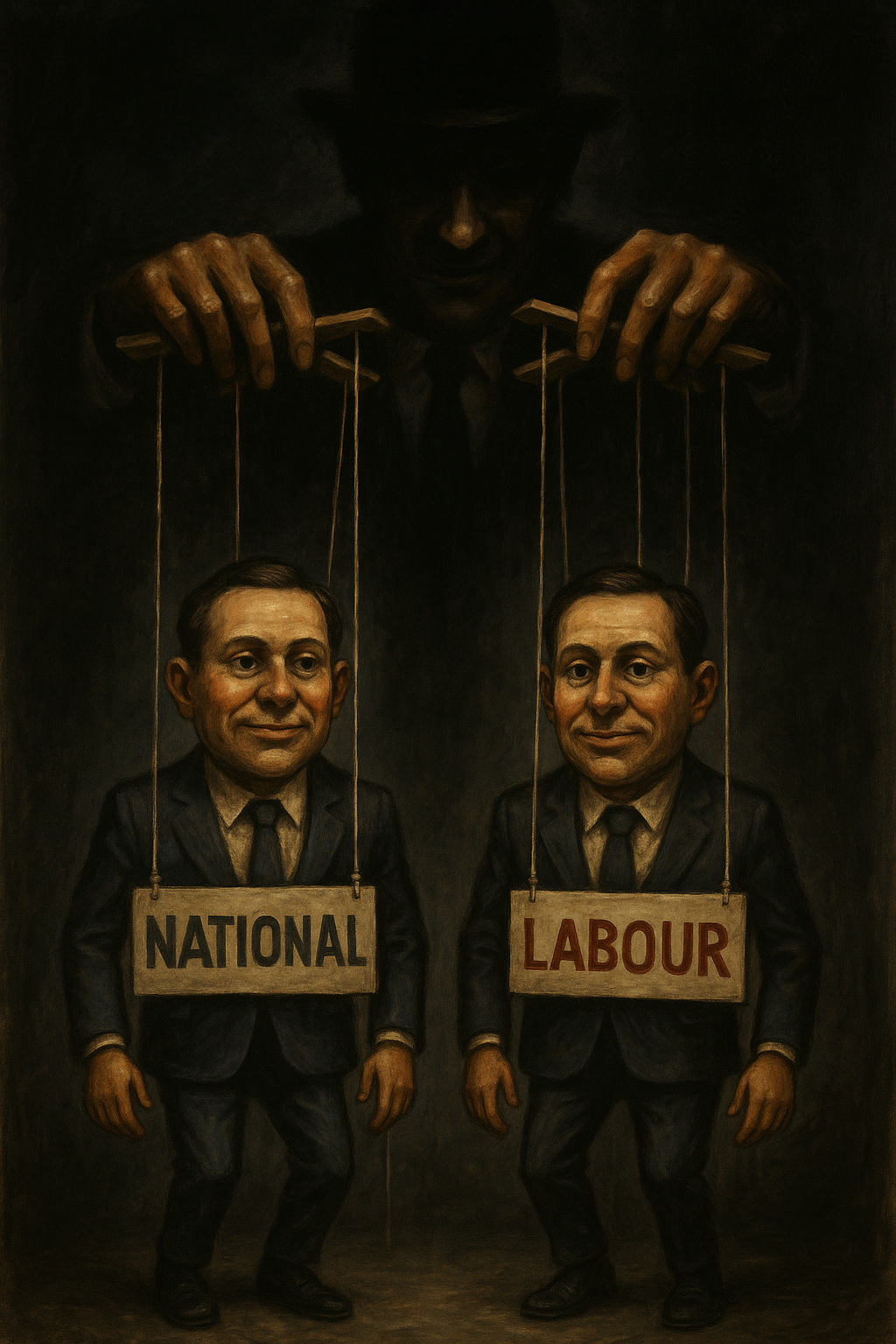
The illusion of choice: corporate puppeteers control both major parties
This poll reveals something more sinister than personal unpopularity. It exposes a system so captured by corporate interests that voters instinctively understand changing the puppets won't change the puppet masters. When 43.3% of National supporters can't even name an alternative leader they'd prefer, it's not because they lack imagination - it's because they recognize the entire National caucus represents the same class interests.
The same dynamic applies to Labour. After six years of Ardern and Hipkins delivering what scholars call "progressive neoliberalism" - rainbow capitalism with a social justice veneer - voters aren't fooled anymore.
For tangata whenua, this represents a particular betrayal. Both parties promise partnership while maintaining economic systems designed to extract wealth from our communities. They offer consultation on the details while refusing to question the fundamental assumptions that treat our whenua as private property and our people as expendable.
The Millionaire's Club: When Leaders Live in Different Universes
Let's start with the obscene wealth gap that defines our political leadership. Christopher Luxon earned $4.2 million annually as Air New Zealand CEO and owns a property portfolio worth over $21 million. This isn't just being "well-off" - this is ruling class wealth that insulates him from the reality ordinary New Zealanders face.
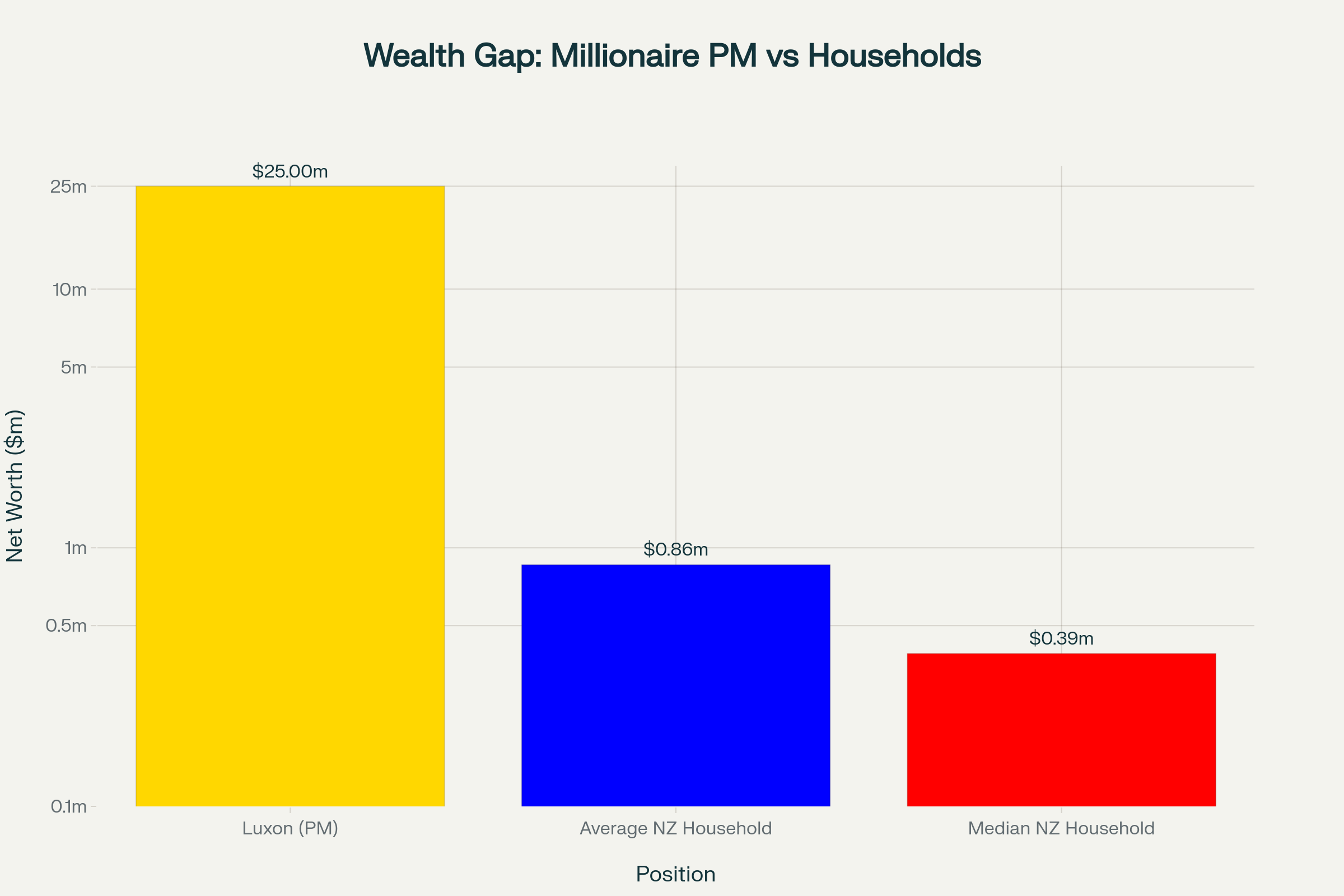
Christopher Luxon's $25 million wealth dwarfs ordinary New Zealanders, exposing how the ultra-rich rule over us
During 2024, Luxon sold properties making an estimated $769,500 in tax-free capital gains - more money than most families see in a decade. But here's the kicker - he sold just before his own government's changes to the bright-line test took effect, allowing him to dodge taxes that would have applied under previous rules. The timing was so convenient it borders on insider trading.
This isn't coincidence - it's class solidarity in action. Luxon represents what Marxists call the "finance fraction" of capital - wealth extracted through property speculation, financial manipulation, and corporate extraction rather than productive labor.
The Corporate Money Pipeline
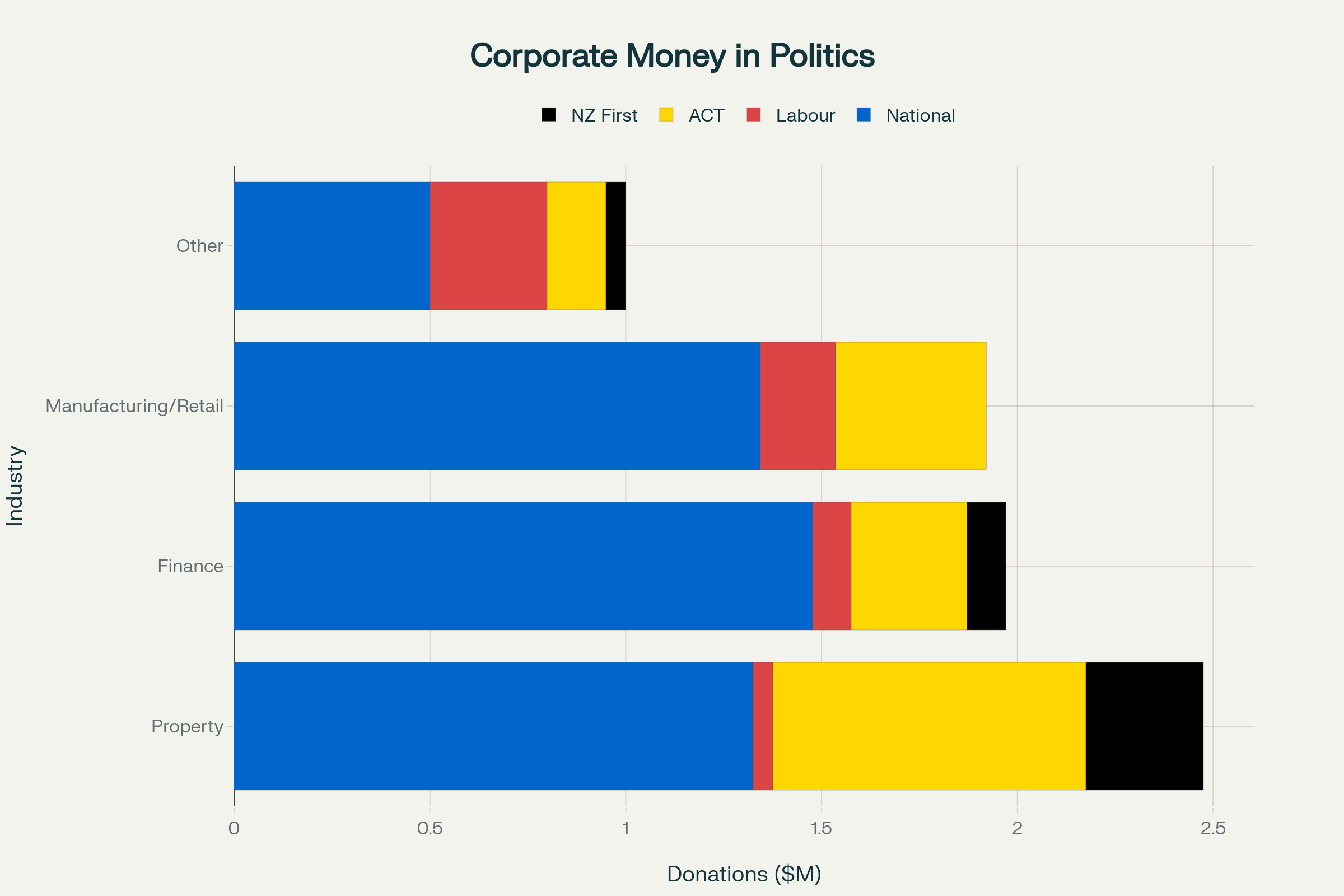
Corporate donations heavily favor National, ACT and NZ First, revealing the class interests behind political power
The property industry alone has donated over $2.5 million to political parties since 2021, with 53% going to National, 32% to ACT, and just 2% to Labour. This isn't charity - it's investment. These donors expect returns in the form of policies that boost property values, reduce tenant rights, and accelerate gentrification.
Trevor Farmer, worth $900 million, donated $480,000 across National ($215,000), ACT ($215,000), and NZ First ($50,000). Mark Wyborn contributed $300,000 split between the same parties. Meanwhile, Labour received zero donations from businesses in 2023.
But here's where it gets truly insidious. Labour doesn't need direct business donations because it serves business interests through other mechanisms - consultant fees, corporate capture of policy development, and the revolving door between government and private sector.
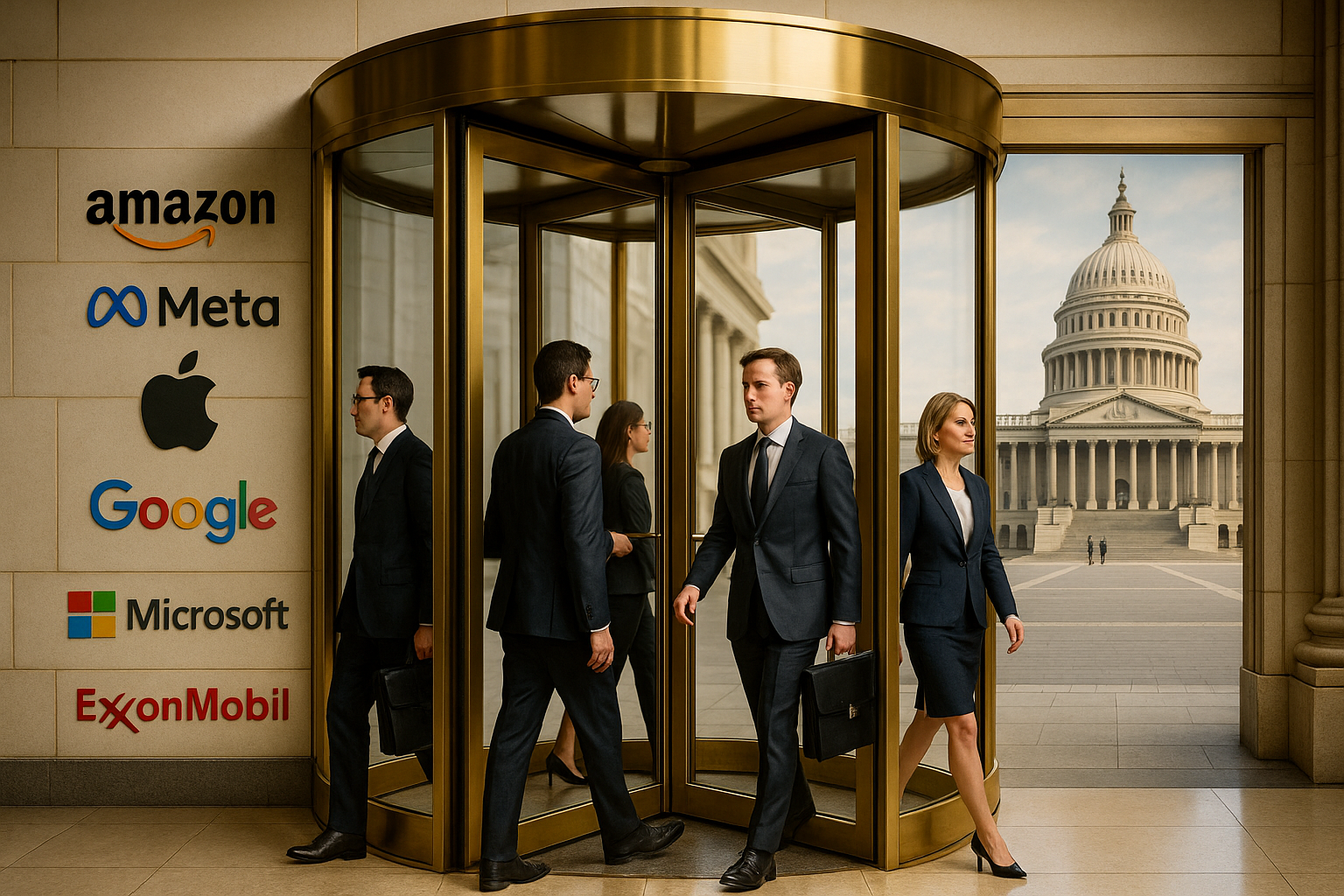
The revolving door between corporate boardrooms and political power
The Neoliberal Continuity Machine
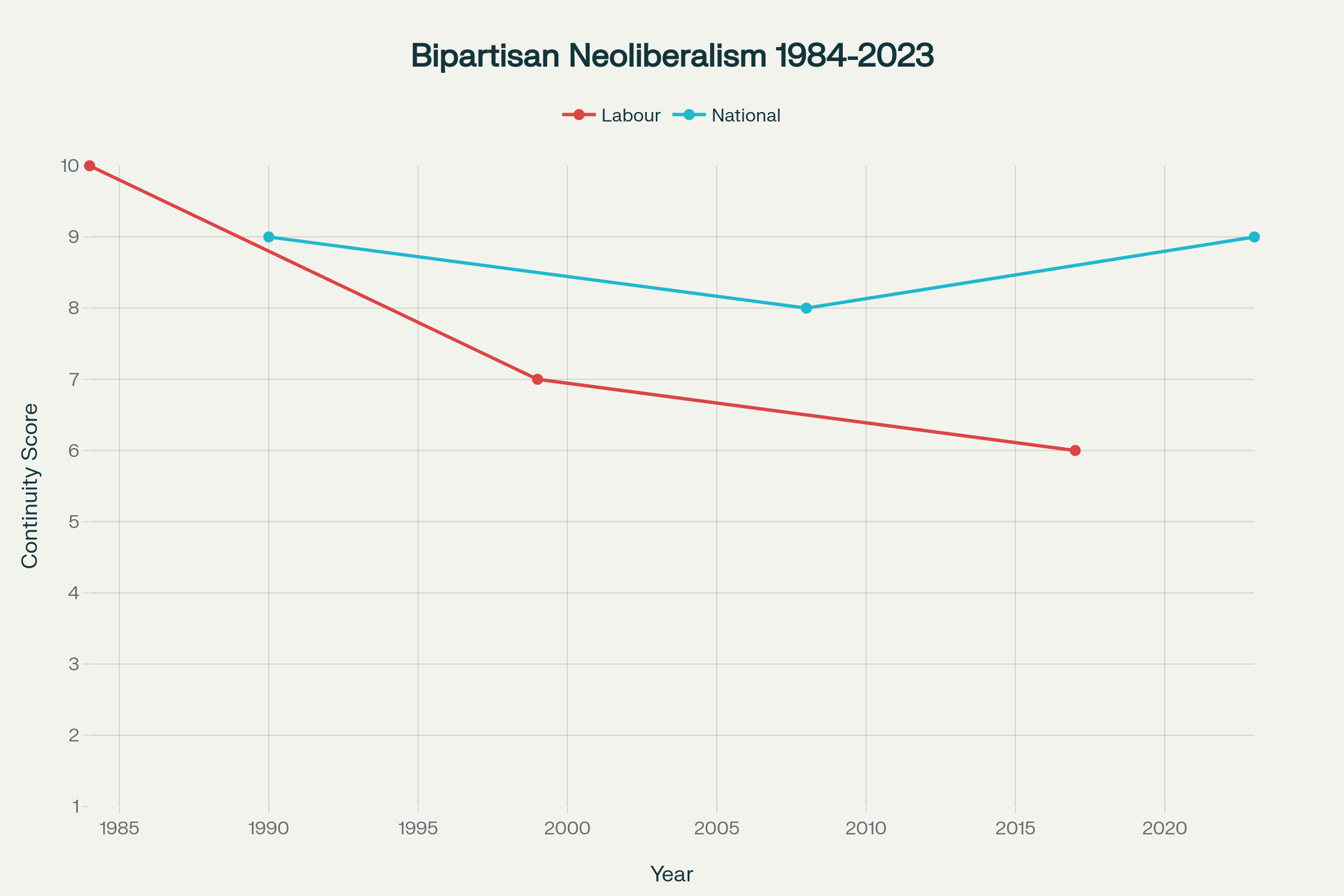
Both Labour and National governments have consistently implemented neoliberal policies, proving they serve the same masters
Academic analysis reveals "beneath the obvious policy differences between Labour and National lies a tacit consensus on fundamental economic settings". This consensus includes low taxes on wealth, free trade agreements that subordinate sovereignty to corporate profits, financial deregulation, and using unemployment as a tool to control inflation.
Labour's supposed "progressive" policies during 2017-2023 were textbook examples of what Nancy Fraser calls "progressive neoliberalism" - diversity initiatives and cultural recognition programs that leave economic exploitation untouched. They increased the minimum wage while facilitating a $1 trillion upward transfer of wealth during COVID.
Both Ardern and Hipkins ruled out wealth taxes or capital gains taxes, ensuring the ultra-rich continue avoiding their fair share. Meanwhile, they effectively cut social services in real per-capita terms through "stealth austerity" - reducing funding relative to population growth and inflation.
The Auckland Model: Privatization by Stealth
The clearest example of bipartisan neoliberalism is Auckland's Council Controlled Organizations (CCOs). Originally imposed by National's Rodney Hide, these unelected corporate boards control most of Auckland's key services - transport, water, economic development.
Labour initially opposed CCOs as undemocratic, but once in government from 2017-2023, they left the system untouched. Why? Because CCOs serve capital by insulating crucial decisions from democratic pressure. They allow privatization of decision-making without the political cost of actual asset sales.
The Hidden Connections
The corporate capture goes deeper than donations. Luxon went straight from Air New Zealand's boardroom to Parliament, representing the classic revolving door between corporate power and political office. His government's policies - tax cuts for landlords, reduced bright-line test, foreign buyer exemptions - directly benefit his property portfolio and business networks.
Labour's consultant spending provides another mechanism for corporate capture. They spent $23 million on consultants for the failed RNZ-TVNZ merger alone. This isn't incompetence - it's a wealth transfer mechanism that channels public money to private firms while ensuring policies emerge pre-shaped by corporate interests.
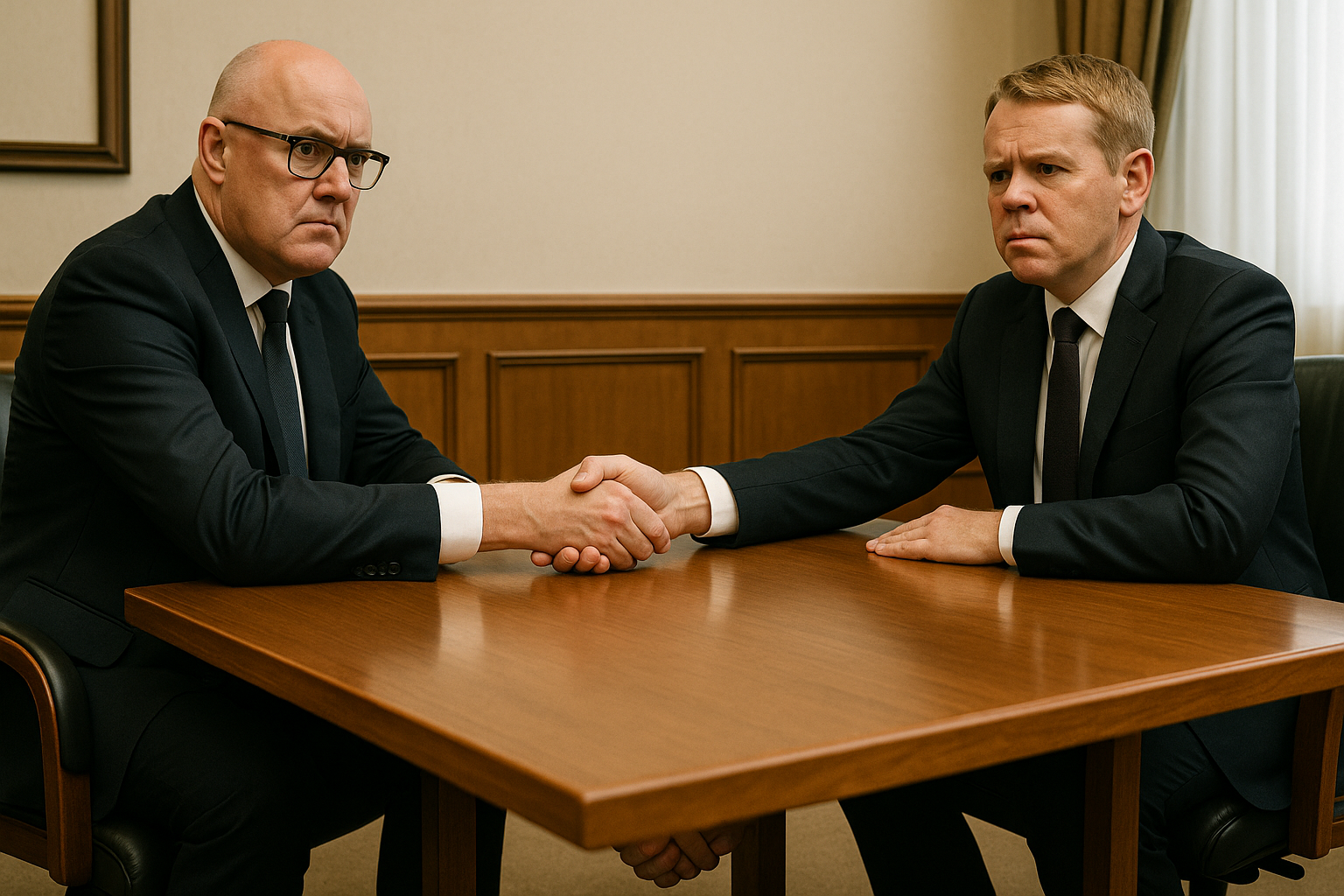
The neoliberal handshake: public enemies, private allies
The Māori Dimension
For tangata whenua, this corporate duopoly represents a particular threat. Both parties support economic policies that commodify our whenua, exploit our people, and subordinate our rangatiratanga to market forces. National's coalition includes ACT, which openly opposes Māori rights, while Labour offers tokenistic consultation while maintaining systems of economic extraction.
The principle of manaakitanga demands we care for our most vulnerable whānau. Yet both parties have accepted policies that deliberately create unemployment to control inflation - using Māori joblessness as a tool of macroeconomic management.
Similarly, whakapapa connects us to whenua across generations. But both parties support economic systems that treat land as a commodity, enabling foreign speculation and corporate extraction while pricing whānau out of their ancestral areas.
Implications
This polling data reveals the bankruptcy of liberal democracy under capitalism. When people reject their leaders but the system offers no meaningful alternatives, democratic participation becomes theater. The real decisions get made in boardrooms, not ballot boxes.
For Māori communities, this means continued marginalization within a system designed to extract value from our people and places. Health inequities, educational disparities, and housing unaffordability aren't policy failures - they're system features that funnel wealth upward while keeping us fighting over scraps.
The broader pattern connects to global trends where traditional center-left and center-right parties have converged on neoliberal orthodoxy. In Britain, France, Germany, and the United States, voters face similar "choices" between different flavors of corporate rule.
This convergence creates space for more extreme political movements that exploit legitimate anger while directing it toward scapegoats rather than root causes. The far-right benefits when the mainstream offers only managed decline and cultural theater.

The Māori Green Lantern Fighting Misinformation And Disinformation From The Far Right
The poll numbers for Luxon and Hipkins expose more than personal unpopularity - they reveal a political system so captured by corporate interests that changing the salespeople won't change the product. Both leaders represent variations of neoliberal capitalism that has failed working people and tangata whenua for decades.
The principle of tino rangatiratanga - self-determination - demands we reject this false choice entirely. Real change requires building alternatives that center collective wellbeing over individual profit, democratic control over corporate power, and indigenous values over colonial capitalism.
The people's instinctive rejection of both leaders creates an opening for movements that offer genuine alternatives - parties like Te Pāti Māori and the Greens that challenge fundamental assumptions rather than promising to manage exploitation more nicely.
We must stop pretending that shuffling deck chairs will fix a sinking ship. The entire neoliberal project - whether delivered by smooth-talking corporate lawyers or bumbling property speculators - needs to be dismantled and replaced with systems that serve people and whenua rather than profit.
Only by naming the real enemy - the corporate class that owns both parties - can we begin building the democratic, decolonized future our people deserve.
Noho ora mai
Readers who find value in my content and wish to support this work may consider a donation/koha to HTDM: 03-1546-0415173-000. I understand these are tough economic times for many whānau, so please only contribute if you have the capacity and desire to do so.