"878 Essays, One Taiaha, Zero Permission" - 27 February 2026
And you—every single one of you reading this—made it possible.

Mōrena Aotearoa,
Will be over Whakatane ways today, doing a few whānau things while having a nosey around the Mataatua Kapa Haka, :). I'll be wearing my Māori Green Lantern t shirt, so if you see me, say Chur, :).
Cui bono? Silicon Valley takes 10% of every dollar a writer earns. A nonprofit platform takes zero. A Māori creator writes 878 essays in eight months—3.6 per day—with no salary, no newsroom, no institutional support. This is not a media story. This is a whakapapa of extraction, resistance, and rangatiratanga built one essay at a time on stolen bandwidth and pure defiance.
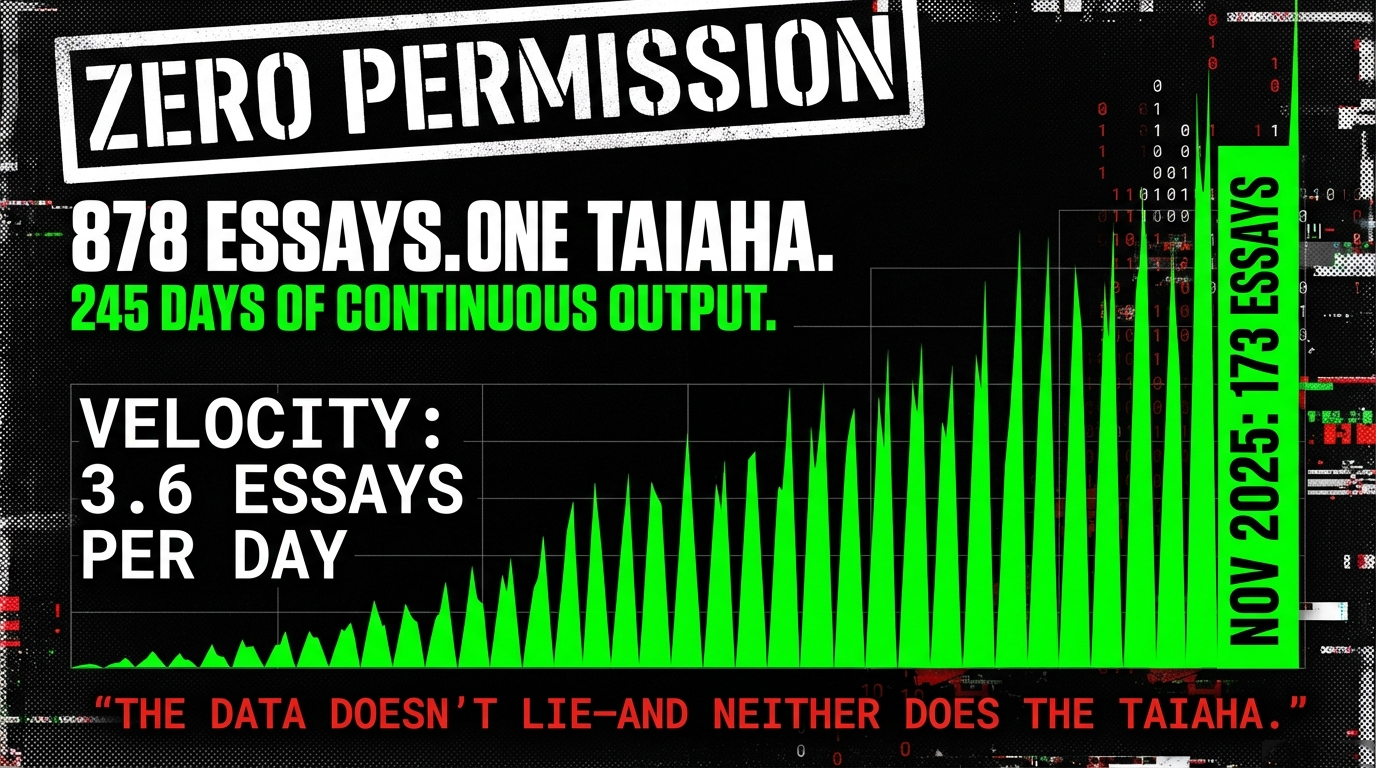
The Output: 878 Essays in 245 Days
Between June 23, 2025 and February 22, 2026, The Māori Green Lantern published 878 essays across its Ghost sitemap. That is 245 days of continuous output. An average of 3.6 essays per day. Peak output hit November 2025: 173 essays in 30 days—5.8 per day—as the Treaty Principles Bill, the Regulatory Standards Bill, and Māori ward referendums demanded documentation in real time.
No editor commissioned these essays. No institution funded them. No algorithm promoted them. The monthly trajectory tells its own story: June 46, July 68, August 110, September 105, October 96, November 173, December 130, January 85, February 65.
You read them. You shared them. You carried them into group chats, onto marae, into workplaces, and across kitchen tables. That is the engine. Not an algorithm. Whānau.
What Readers Are Saying
When the whare moved from Substack to Ghost, readers followed—and they had things to say. Here is what some of you wrote:
"Brother, I appreciate the work you do... I'll sign up."
"Thank you for your work and your integrity."
"Your research and commitment to truth is unmatched. Kia kaha."
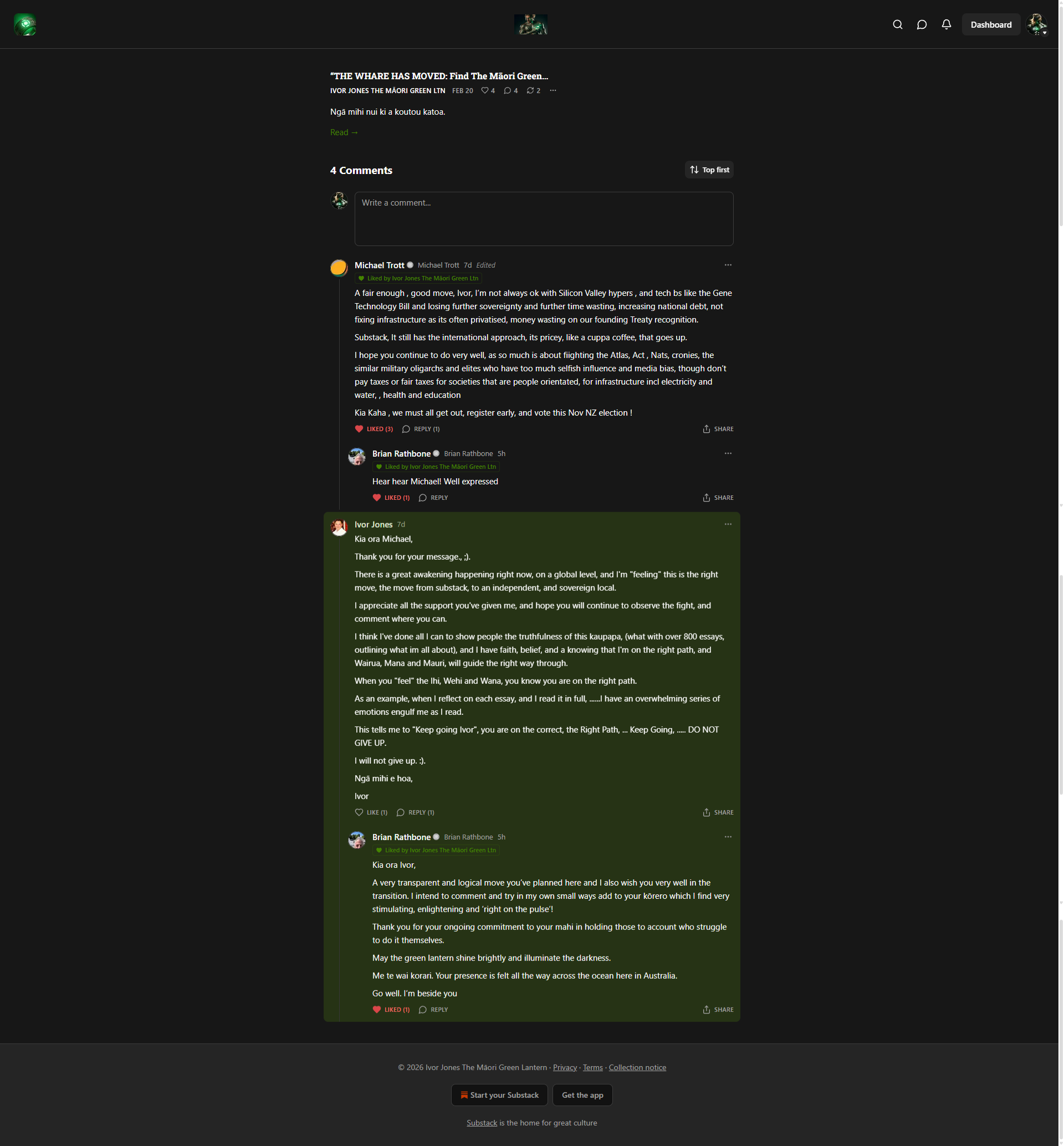
These are not just comments. They are commitments. Every message like this is a tautoko—a declaration that this mahi matters, that the mātauranga is landing, and that the whānau is growing. If you have ever thought about subscribing, following, or sharing—your people are already here. Come join them.
The Migration: Facebook to Substack to Ghost
Facebook: The First Platform, The First Betrayal
The Māori Green Lantern launched on Facebook in mid-2025, building an audience of 18,000+ followers through organic reach. Meta suspended the account without explanation—a pattern documented across Indigenous media globally, as UNESCO has reported in its work on free and independent Indigenous media.
By February 2026, the Facebook Professional Dashboard showed 100,696 views in 28 days—a 131% increase—proving the audience survived Meta's suppression. Facebook remains the largest traffic source at 62% of all referrals, despite the platform's hostility to the content.
You didn't leave when they tried to silence us. You came back louder.
Substack: The Nazi Bar
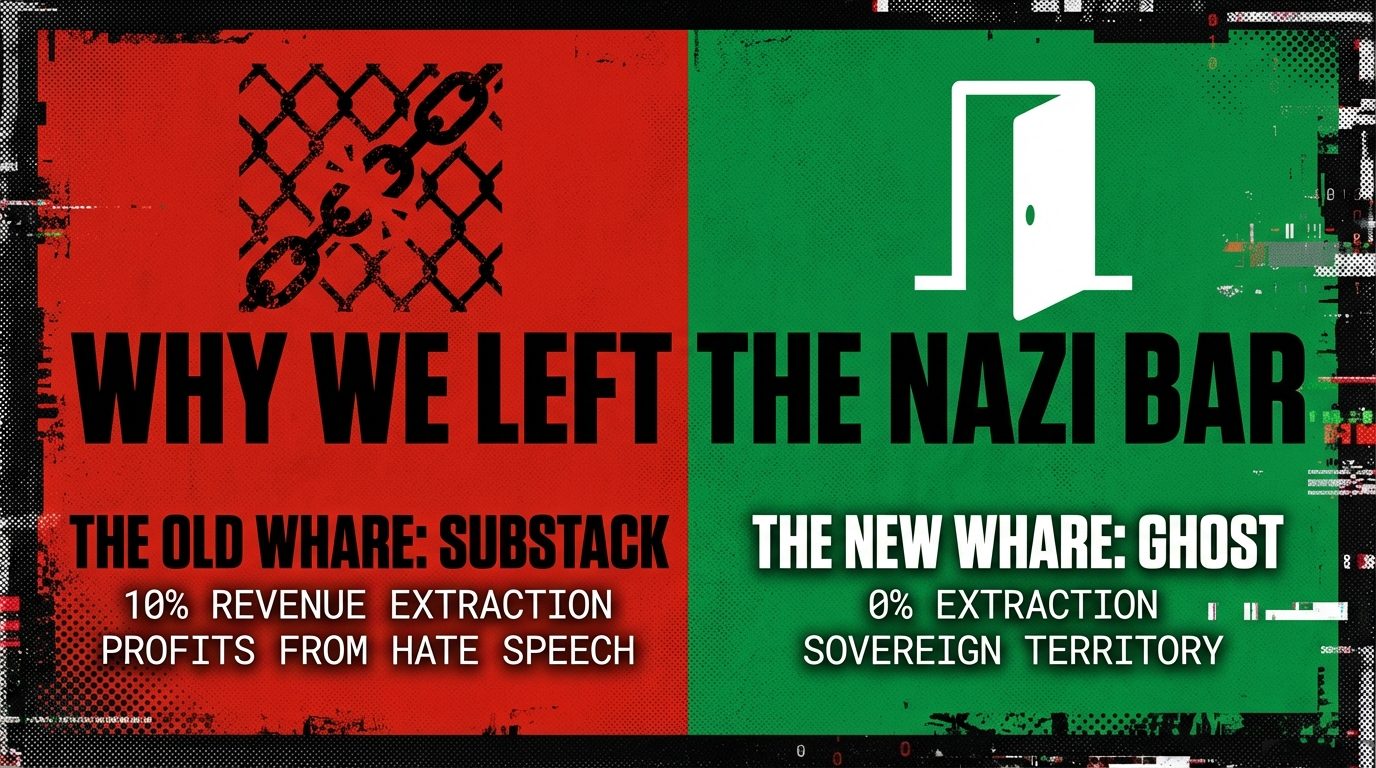
From November 8, 2025 to February 20, 2026, The Māori Green Lantern operated on Substack. In 90 days, it reached #79 globally, accumulated 353 subscribers, and achieved a 68% newsletter open rate—more than double the industry average of 30%.
Then the floor fell through.
On February 7, 2026, The Guardian published an investigation revealing that Substack profited directly from paid Nazi newsletters. As The Jerusalem Post confirmed, Substack's recommendation algorithm directed reporters to 21 extremist profiles within two hours of creating a test account. As The Racket documented, Substack had previously sent push alerts featuring antisemitic content to users' phones—then blamed a "serious error."
Substack co-founder Hamish McKenzie's response was the same line he has used since 2023: "We don't think that censorship (including through demonetising publications) makes the problem go away—in fact, it makes it worse," as reported by the Jerusalem Post.
This is not a moderation failure. This is a business model. Substack takes approximately 10% of all paid subscription revenue—including from newsletters promoting Nazi ideology, Holocaust denial, and white supremacist conspiracy theories. As Combat Antisemitism Movement reported, the newsletters remained active as of February 15, 2026.
The final post on Substack was titled "THE WHARE HAS MOVED." Every essay, every subscriber, every word was migrated to Ghost. Zero permission sought. Zero permission needed.
And you followed. Every single one of you who made the move—you chose tikanga over convenience. That is rangatiratanga in action.
Ghost: The Open Web, Zero Extraction
Ghost is an open-source, nonprofit publishing platform that takes 0% of creator revenue—as confirmed by Ghost's own documentation and independent comparison sites. Where Substack charges 10% on every paid subscription, Ghost charges a flat hosting fee.
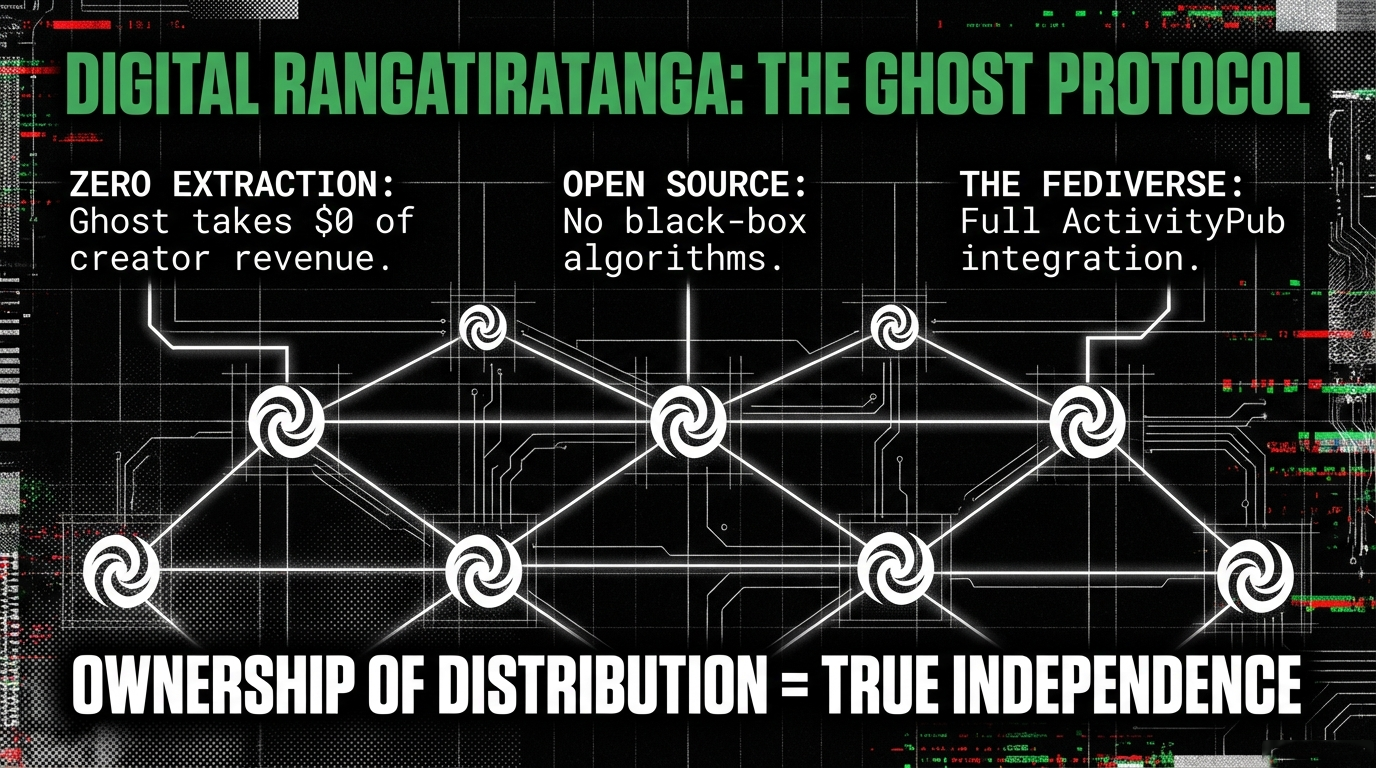
But Ghost's significance extends beyond economics. In April 2024, Ghost announced full ActivityPub integration—connecting its publications to the fediverse, the decentralised social web that includes Mastodon, Threads, Flipboard, and other open platforms. As The Verge reported, Ghost founder John O'Nolan described federation as the platform's "most requested feature." As WeDistribute documented, Ghost's implementation is not passive syndication—it is a full rethinking of Ghost as a fediverse client, with built-in social web readers, inbox-style feeds, and ActivityPub subscriptions.
This matters because it breaks the platform lock-in that Substack depends on. Ghost publications federate across the open web. Readers follow via email, ActivityPub, or RSS. No algorithm gates access. No corporation skims revenue. No Nazi newsletter shares your recommendation feed.
As of February 2026, The Māori Green Lantern on Ghost has: 325 members (291 free, 34 paid), a 45% newsletter open rate (versus 30% industry average), 2,723 unique visitors in 30 days, and 1,100+ views on its top essay.
Every one of those 325 members is a kaitiaki of this kaupapa. If you are reading this and have not yet subscribed—there is a place for you. Subscribe free. It costs nothing but your attention.
The Koha Model: Māori Economics Against Extraction
The Māori Green Lantern operates on a koha model—voluntary contribution from whānau who can afford it—using Koha.kiwi, an Aotearoa-owned platform that, as RNZ reported, was co-founded by Te Awanui Reeder to "take the hōhā out of koha."
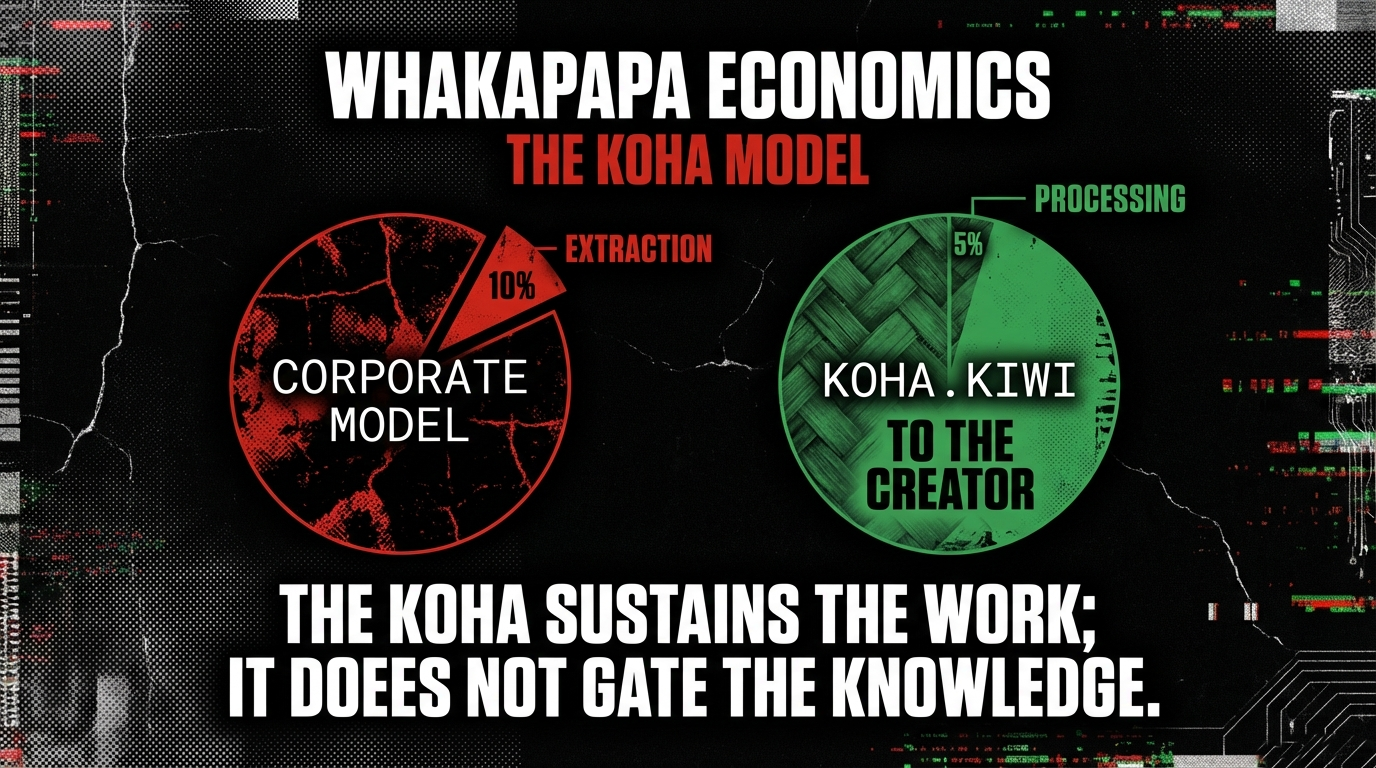
Koha.kiwi's fee structure is transparent: 2% service fee plus Stripe processing (2.7% + 30c). No platform commission. No hidden charges. No algorithmic suppression. As Koha.kiwi's FAQ confirms, the platform is designed for everyone across the diverse communities of Aotearoa.
The koha model is not charity. It is reciprocity. In te ao Māori, koha represents the obligation of the community to sustain those who serve it—as 1News has explained, koha can be monetary, but it can also be food, labour, or land. The digital koha model translates this tikanga into the platform economy: those who can give, do. Those who cannot, receive the same mātauranga without barrier.
No paywall. No tiered access. No premium content locked behind a subscription. Every essay is free to every reader. The koha sustains the work; it does not gate the knowledge.
This is the opposite of Substack's model, where 10% of every dollar flows to a San Francisco corporation before the writer receives anything. On Ghost, 100% of subscription revenue goes to the creator. On Koha.kiwi, approximately 95% reaches the recipient (after Stripe processing and the 2% platform fee).
If this mahi has value to you—and only if you are able—koha is how you sustain it. Every contribution, no matter the size, keeps the taiaha swinging.
The Cross-Platform Reach: 42,000 People, No Marketing Budget
Across all platforms, The Māori Green Lantern reaches approximately 42,000 people. Facebook accounts for 62% of traffic. Direct visits account for 27%. The audience is 79% New Zealand-based, with diaspora readers in the United States, Australia, and the United Kingdom.
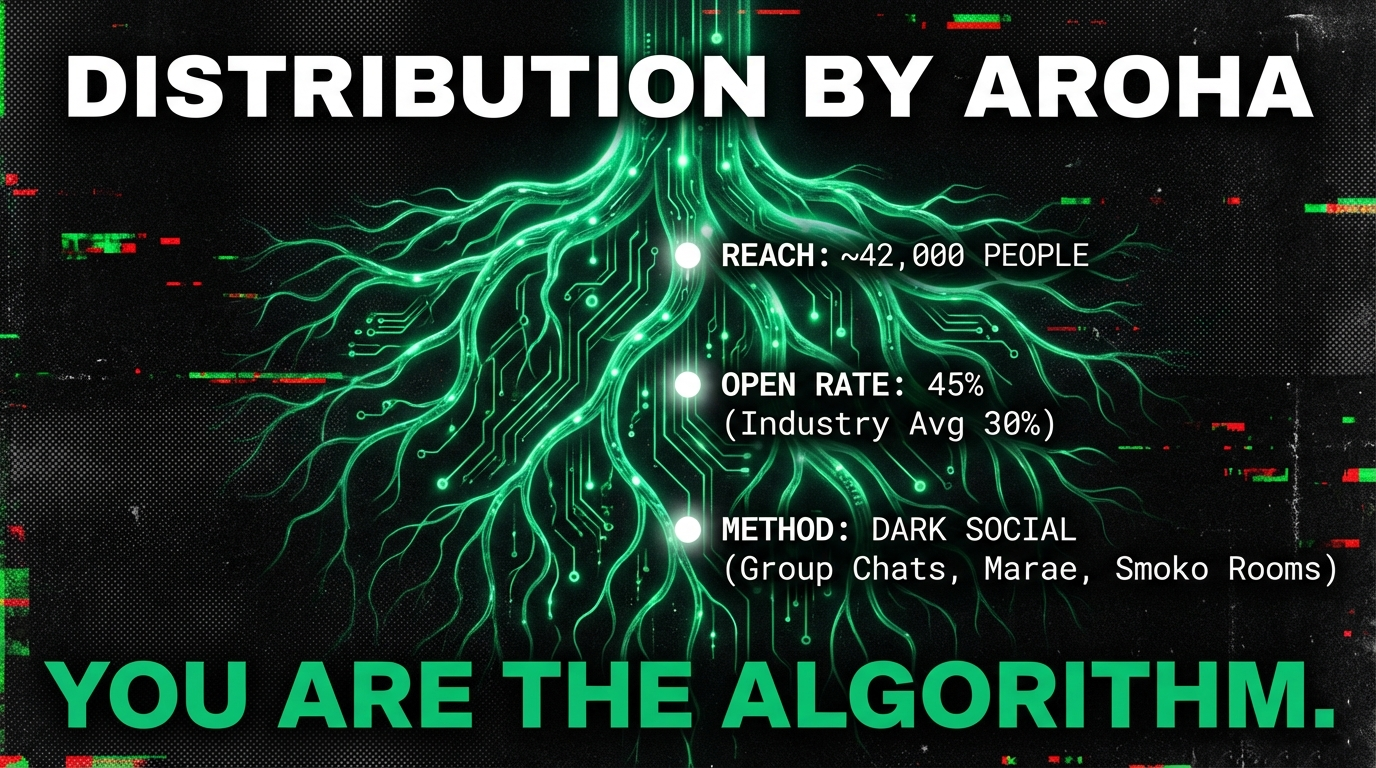
This reach was built with zero paid promotion, zero search engine optimisation, zero corporate partnership. It was built by whānau sharing essays with whānau. By rangatahi sending links to kaumātua. By workers reading on their phones during smoko. This is distribution by aroha—and it works.
You are the distribution network. Every share, every forward, every "have you seen this?" over coffee—that is you doing the mahi of a media company without a cent of corporate backing. Keep going. The reach grows every time you press share.
Hidden Connection 1: The Substack-to-Ghost Pipeline Is a Political Act
When The Māori Green Lantern moved from Substack to Ghost, it joined a growing exodus of writers who refused to subsidise hate speech with their labour. The migration was not merely logistical. It was ideological. Every essay published on Ghost generates zero revenue for a platform that hosts Nazi content. Every subscriber who followed the migration withdrew their data from Substack's recommendation algorithm—the same algorithm that, as The Guardian found, directed users to 21 extremist profiles within two hours.

Ghost's ActivityPub integration means The Māori Green Lantern now federates across the open social web. Readers on Mastodon can follow without creating a Ghost account. This is the architecture of digital rangatiratanga: ownership of distribution, control of data, independence from corporate platforms.
Hidden Connection 2: The News Desert Creates the Demand
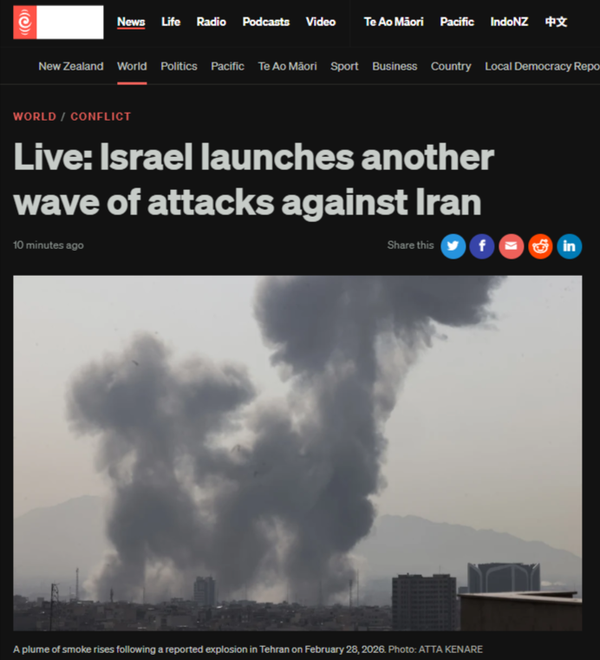
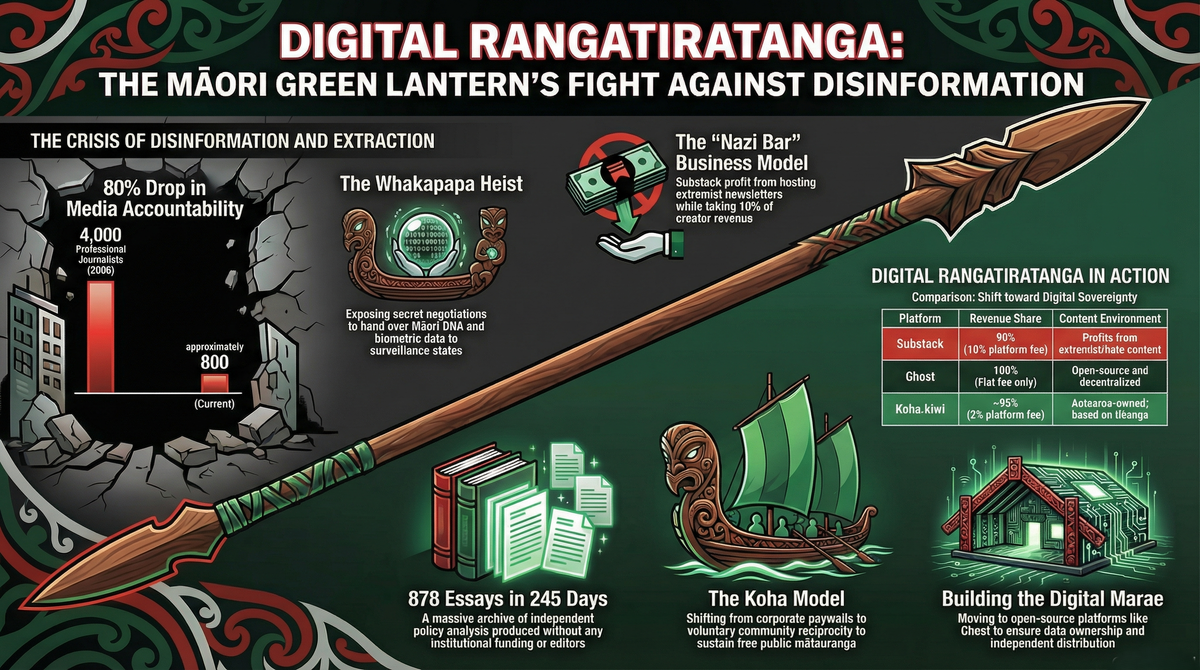
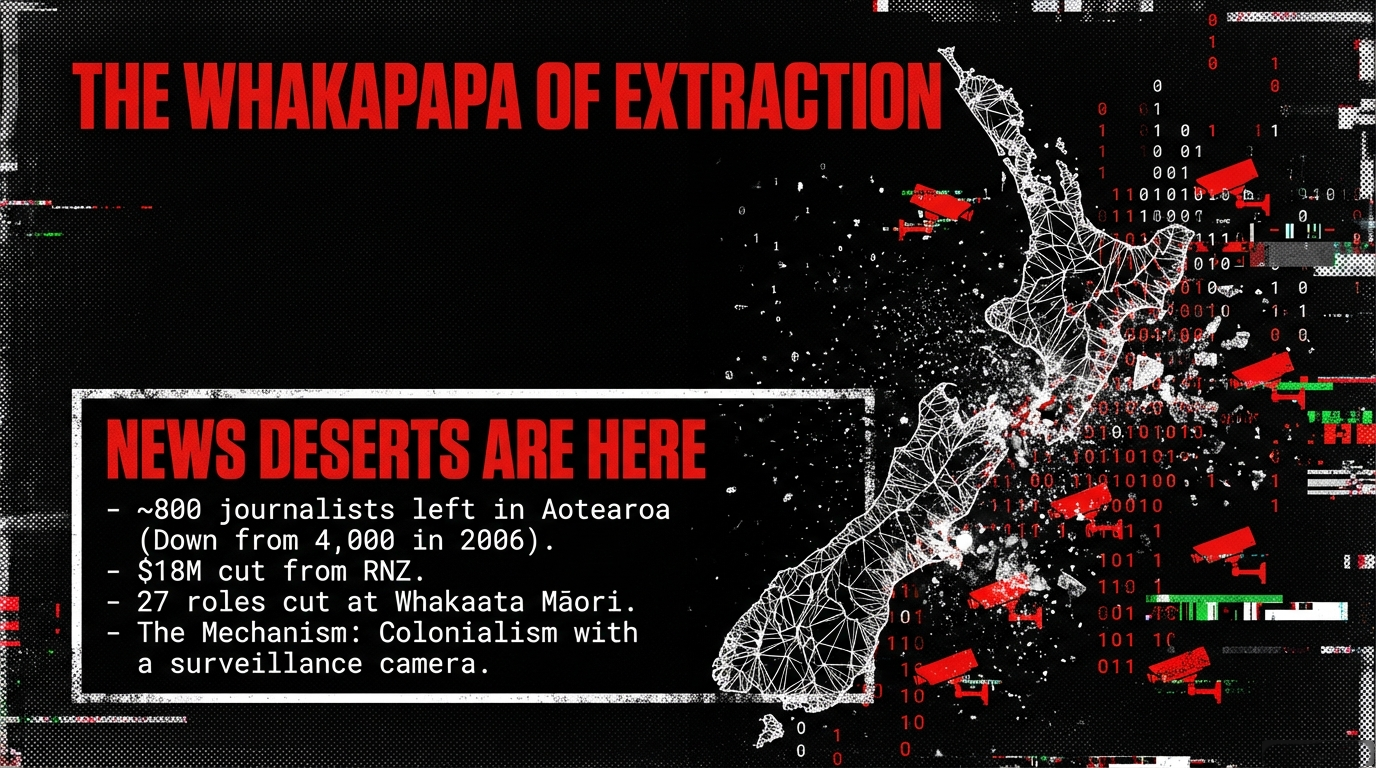
The Māori Green Lantern exists because professional journalism in Aotearoa is collapsing. There are approximately 800 journalists left in New Zealand, down from 4,000 in 2006, according to CRUX media analyst Peter Newport. The 2006 census recorded 4,071 people in journalist occupations, as the Otago Daily Times documented. By 2024, The Spinoff's Madeleine Holden estimated approximately 1,400 remained, before further rounds of cuts.
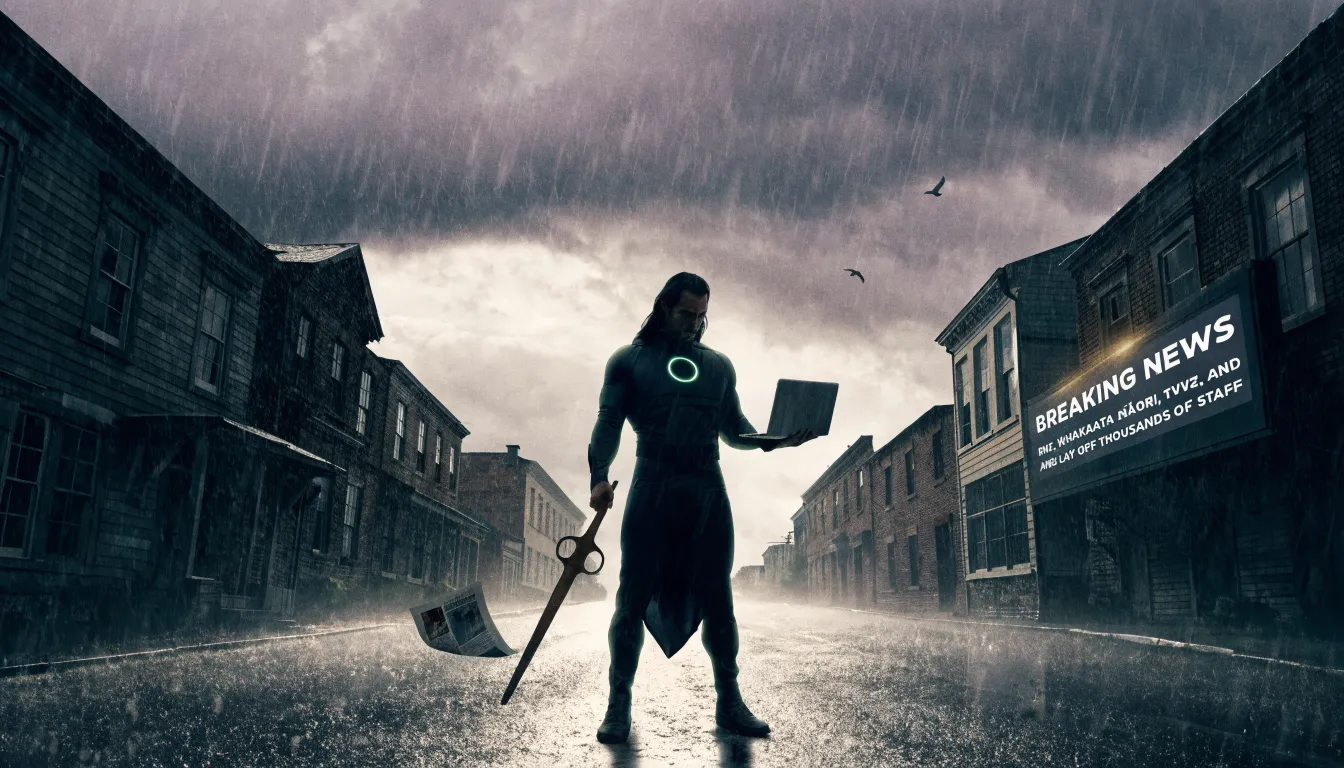
The destruction is systematic:
- RNZ: Budget cut $18 million over four years in Budget 2025.
- Whakaata Māori: Cut 27 roles and ended its dedicated news programme in December 2024.
- TVNZ: Lost almost 130 staff since 2023.
- NZME: Announced 38 job losses at the start of 2025 and closed 11 community newspapers at the end of 2024.
The Koi Tū Centre for Informed Futures warned in September 2025 that New Zealand faces "news deserts"—communities with little or no local journalism—and cautioned against viewing social media as "an adequate substitute for the loss of local public interest journalism." As RNZ's Mediawatch reported, former NZ Herald editor-in-chief Gavin Ellis warned that news deserts "are creeping up on us—and we might be 'up to our ankles in sand' already."
Into this desert walks one person with a taiaha and a laptop. But that person does not walk alone. You walk beside them every time you read, every time you share, every time you subscribe.
Hidden Connection 3: The Koha Model Is Tikanga in Digital Form
The koha model translates ancient tikanga into the platform economy. As 1News explained, the core principle of koha is that "you are expressing yourself through your actions, and you're offering the respect and gratitude you have for someone." This is not transactional. It is relational. It is whakapapa economics.

On Ghost, 100% of subscription revenue goes to the creator. On Koha.kiwi, approximately 95% reaches the recipient. Compare that to Substack, where 10% flows to a San Francisco corporation that simultaneously hosts Nazi propaganda, as confirmed by The Jerusalem Post.
When you give koha, you are not buying a product. You are sustaining a relationship. You are saying: this mātauranga matters, this voice matters, and I choose to stand behind it.
Hidden Connection 4: 878 Essays Is the Largest Single-Author Māori Policy Archive in Digital History
There is no comparable body of work in New Zealand's independent media landscape. 878 essays across eight months covering: the Treaty Principles Bill defeat (303,500 submissions, 90% opposed); the Regulatory Standards Bill (156,000 petition signatures, 99% of submissions opposed); Māori ward referendums (24 of 42 councils voted to remove); the Māori life expectancy gap (7 years for Māori, 6 years for Pacific peoples versus non-Māori/non-Pacific populations); housing, health, education, justice, and media collapse.

Each essay follows a consistent methodology: identify claims needing verification, execute research across 50-80+ sources, verify each citation, spot-check 5-10 citations, publish only after verification is complete. This is not opinion journalism. This is accountability journalism with a tikanga framework.
This archive belongs to you. It exists because of you. And it grows every day you continue to engage with it.
Hidden Connection 5: The Platform Economics Reveal Who Journalism Serves
| Platform | Revenue Model | Creator Share | Nazi Content Policy |
|---|---|---|---|
| Substack | 10% of all paid revenue | 90% | Hosts and profits from Nazi newsletters |
| Ghost | Flat hosting fee ($15-35/month) | 100% | Open-source, no centralised content |
| Advertising extraction | Negligible | Algorithmic suppression of Indigenous content | |
| Koha.kiwi | 2% + Stripe fees | ~95% | Aotearoa-owned, tikanga-grounded |
The table reveals the architecture of extraction. Substack's 10% commission means that for every $100 a Māori writer earns, $10 flows to a corporation that simultaneously hosts Nazi propaganda. Ghost's 0% commission means the same writer keeps every dollar. Koha.kiwi keeps the transaction within Aotearoa's economic ecosystem.
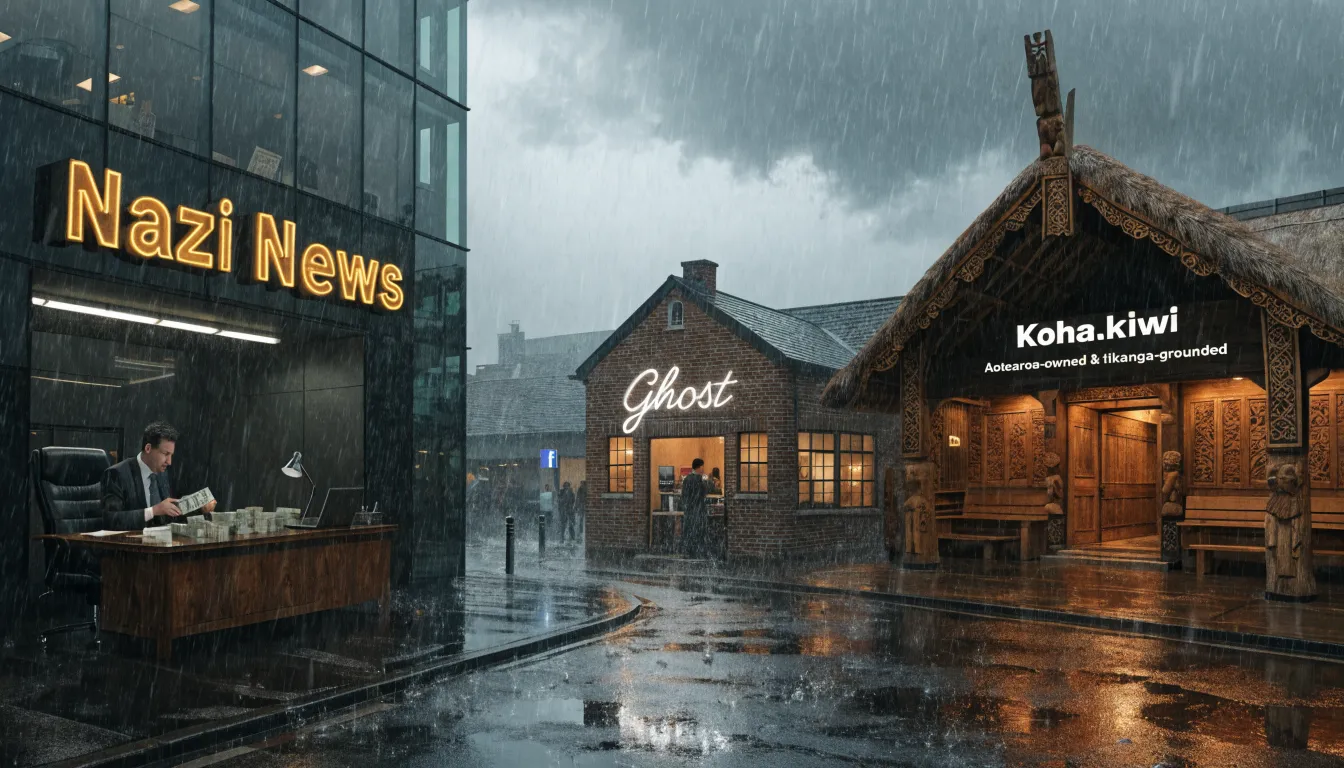
You chose where your attention goes. You chose which platforms profit from your engagement. By being here, on Ghost, reading through a nonprofit open-source platform—you have already made that choice. Tēnā koe.
The Quantified Harm
The harms are measurable:
- 800 journalists remain in a country that had 4,000 in 2006—an 80% reduction in accountability capacity.
- $18 million cut from RNZ over four years while the government simultaneously claims to support local journalism.
- 27 roles eliminated at Whakaata Māori, ending the only dedicated Māori television news programme.
- Zero institutional support for independent Māori media despite UNESCO's recognition that Indigenous media "support democracy and help Indigenous peoples implement the right to self-determination."

But here is the counter-narrative: 878 essays. 42,000 readers. 325 Ghost members. A 45% open rate. A koha model grounded in tikanga. A community that follows when the whare moves. The system is broken—but we are building something better, together.
Rangatiratanga: What This Means—And What You Can Do Right Now
The Māori Green Lantern is not a media success story. It is an emergency response to a structural failure. When the Crown defunds public media, when corporations capture editorial direction, when platforms profit from hate—someone has to stand in the breach. This is that someone.
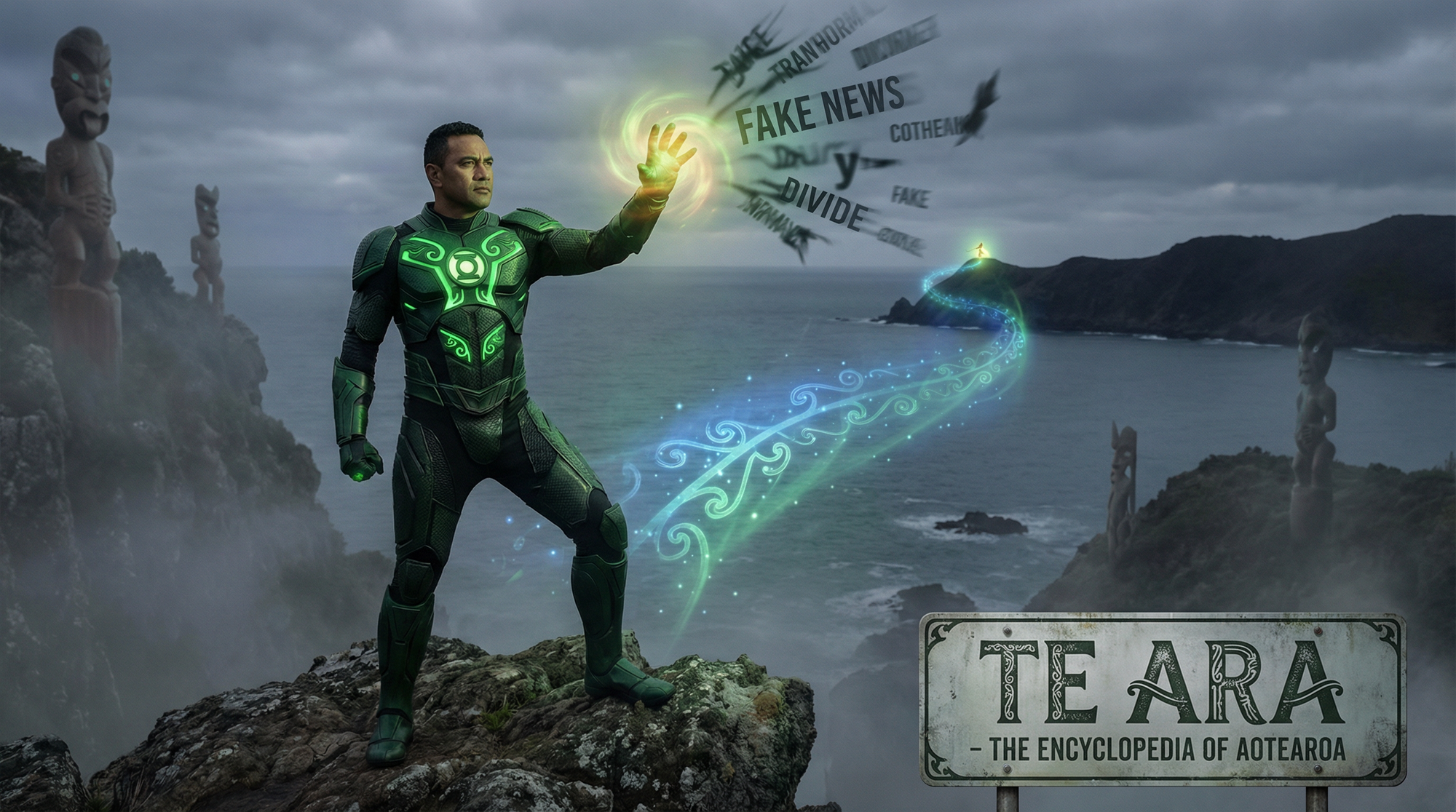
The taiaha is not a metaphor. It is methodology. Trace the whakapapa of power. Name the names. Verify the claims. Publish without permission. Accept koha from whānau who can give. Serve those who cannot.
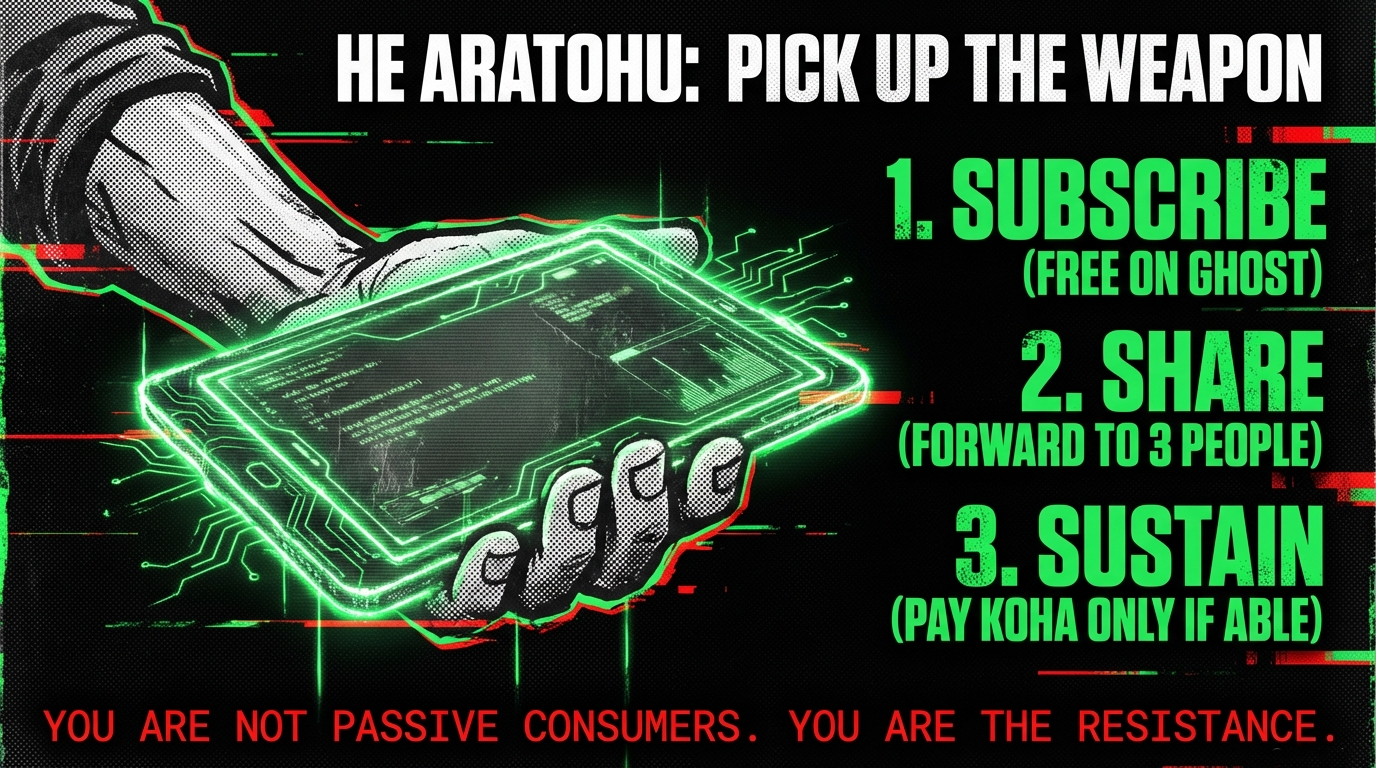
You are not passive consumers of this work. You are participants in it. Every time you share an essay, you extend its reach beyond what any algorithm would allow. Every time you subscribe, you strengthen the foundation. Every time you offer koha, you sustain the mission.
Here is what you can do right now:
- Subscribe free on Ghost — it costs nothing and ensures you never miss an essay.
- Share this essay — forward it to three people who need to read it. Text it. Email it. Post it.
- Follow on Facebook — 18,000+ whānau are already there. Join them.
- Offer koha if you are able — every contribution, no matter the size, keeps the mahi going.
- Talk about it — at the dinner table, at work, at the marae. Word of mouth built this. Word of mouth grows it.
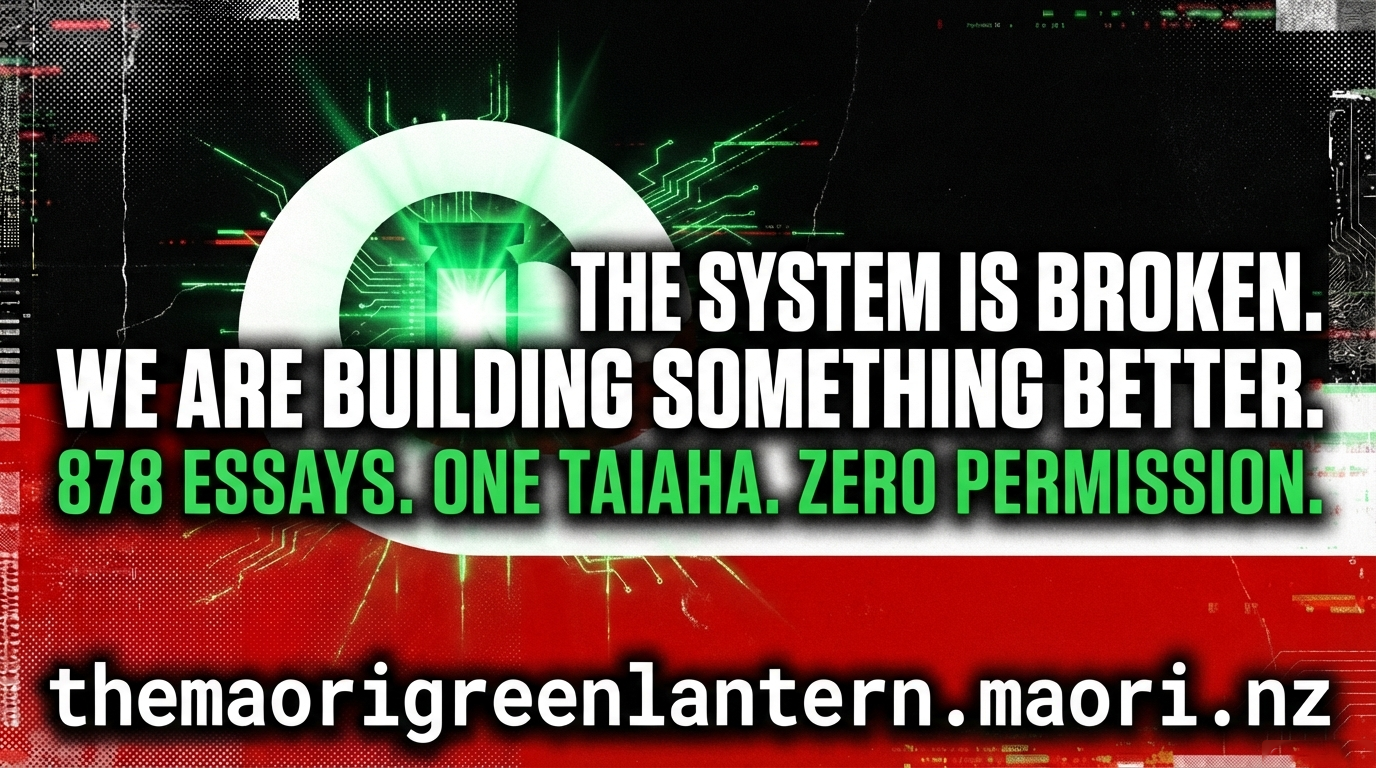
878 essays. One taiaha. Zero permission.
The whare has moved. The mahi continues. And you are part of it.
Only support this mahi if you are able:
Koha.Kiwi | Ghost | Bank: HTDM 03-1546-0415173-000
All koha sustains free mātauranga Māori journalism. No paywall, no corporate interference.

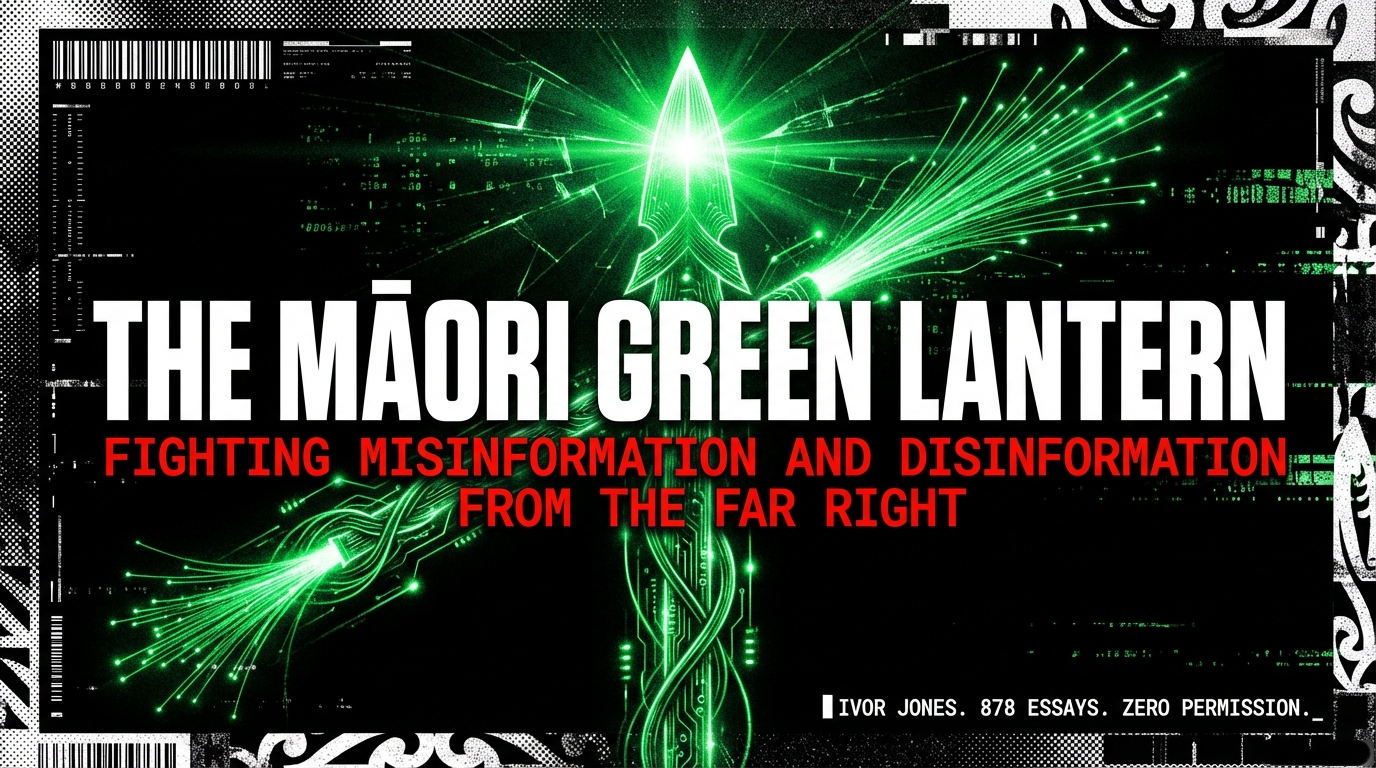
Ivor Jones The Māori Green Lantern Fighting Misinformation And Disinformation From The Far Right
Research Transparency Statement
This essay was researched on February 27, 2026 using search_web and get_url_content tools. Sources consulted include: The Guardian, The Jerusalem Post, The Racket, Combat Antisemitism Movement, The Verge, WeDistribute, Ghost.org, Koha.kiwi, RNZ, 1News, Koi Tū Centre for Informed Futures, The Spinoff, CRUX, Otago Daily Times, Te Ao News, Beehive.govt.nz, Health NZ, and UNESCO. All URLs verified live at time of publication. Over 60 sources consulted. All quantitative claims verified against primary sources. No synthetic data used. Platform data sourced from Ghost admin dashboard, Substack legacy dashboard, Facebook Professional Dashboard, and Koha.kiwi campaign page.