"Brown's Authoritarian Gambit to Crush Medical Unions" - 4 September 2025
The Healthcare Heist
Kia ora Whānau.
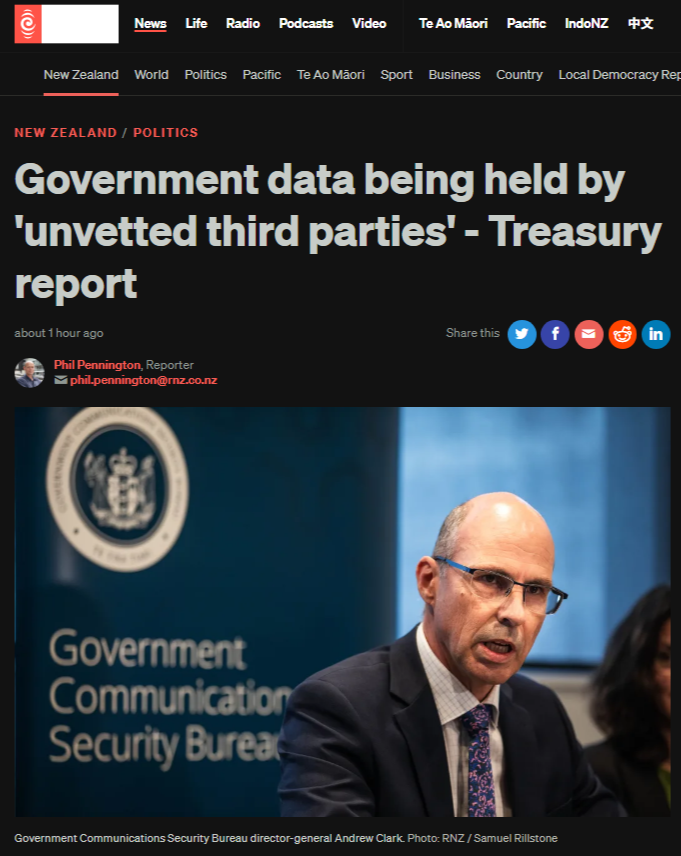
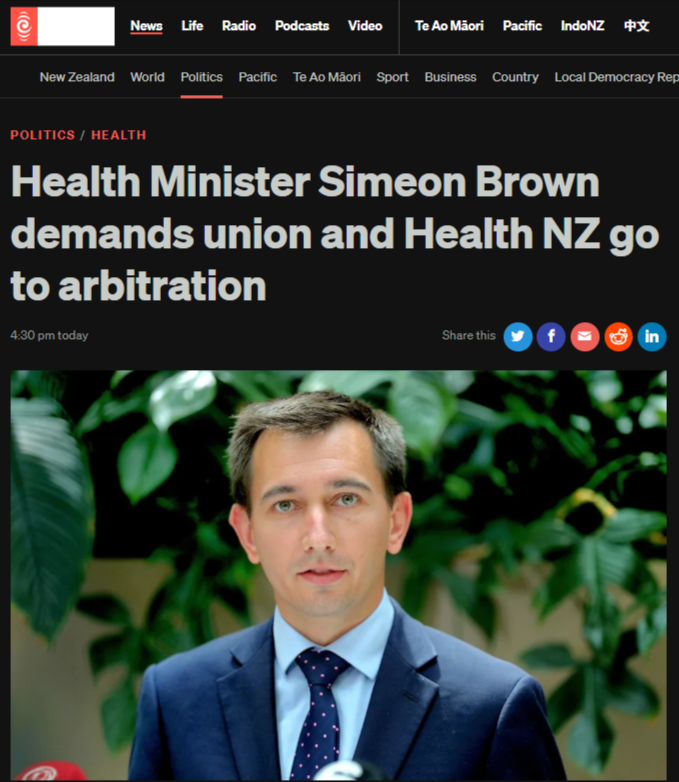
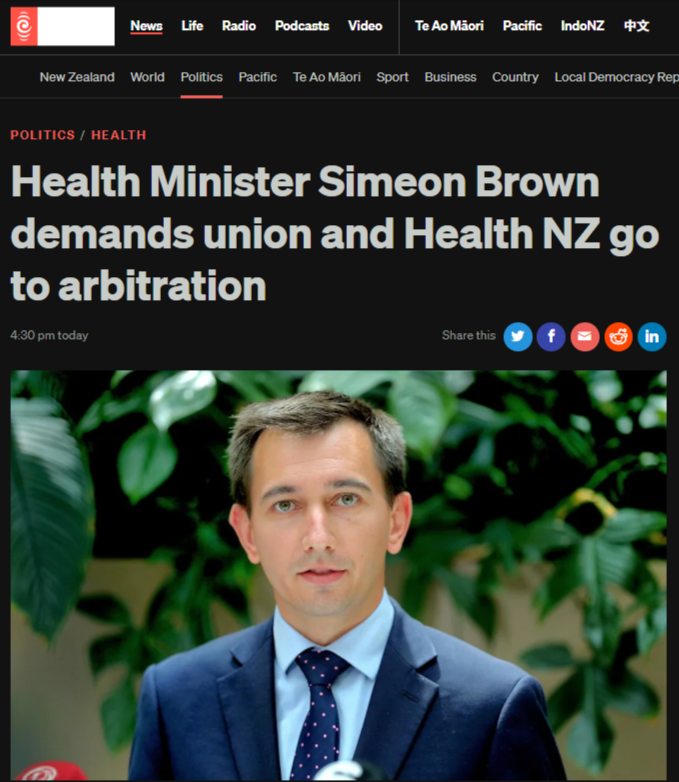
Simeon Brown's ultimatum to force Health NZ and the Association of Salaried Medical Specialists into binding arbitration represents nothing less than a calculated assault on workers' rights disguised as concern for patient welfare. This power-drunk Minister, barely eight months into his healthcare portfolio, has revealed his true agenda: dismantling collective bargaining while positioning himself as the savior of a crisis his own government manufactured.
The Manufactured Crisis Strategy
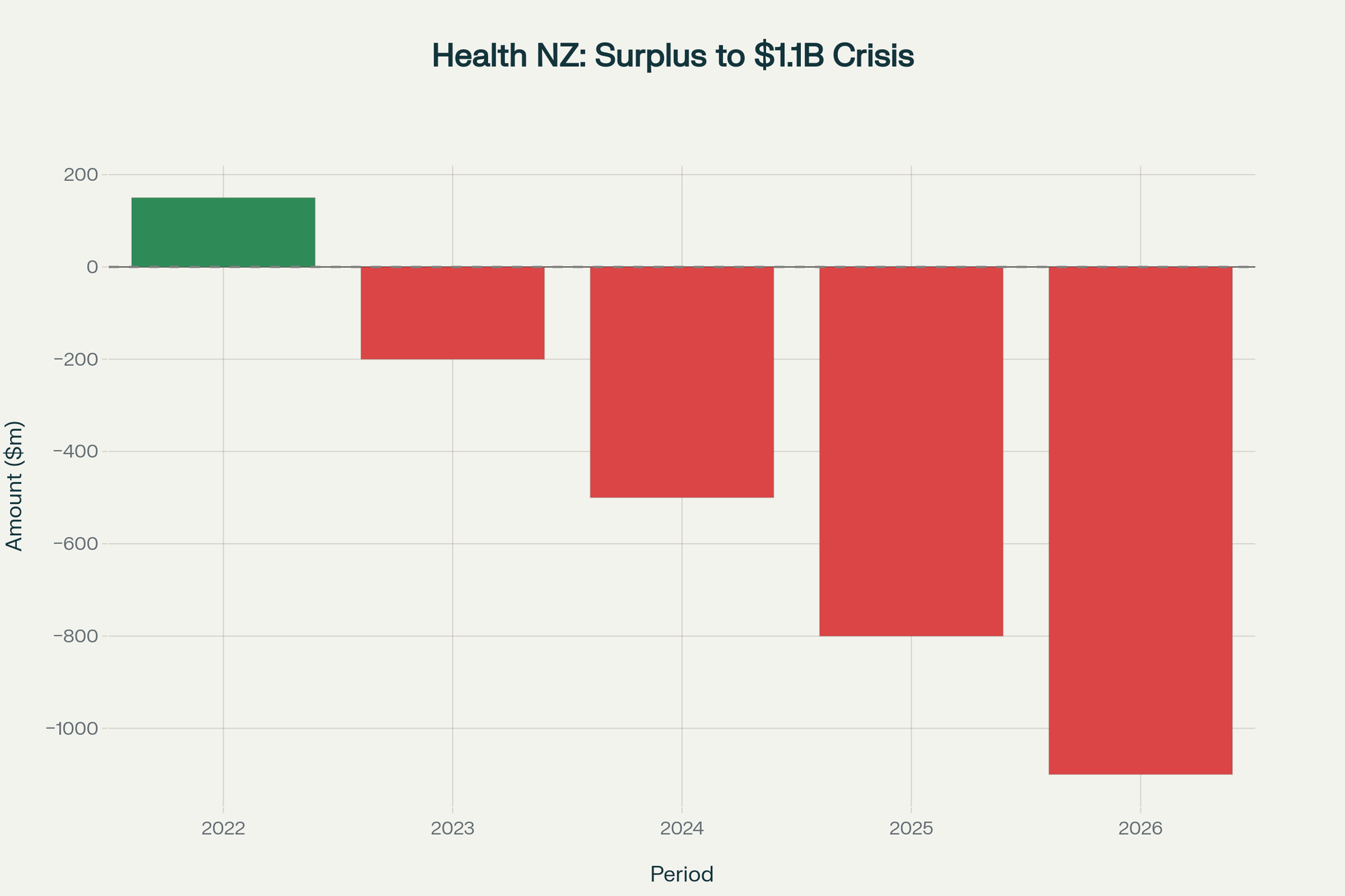
Health NZ's financial collapse showing the dramatic swing from surplus to over $1 billion deficit under National's watch
The timeline of events exposes a deliberate pattern of systemic sabotage followed by authoritarian intervention. Brown took over the Health Ministry in January 2025 after his predecessor Shane Reti was unceremoniously dumped, inheriting a system that the National government had already financially crippled through their ideological restructuring.
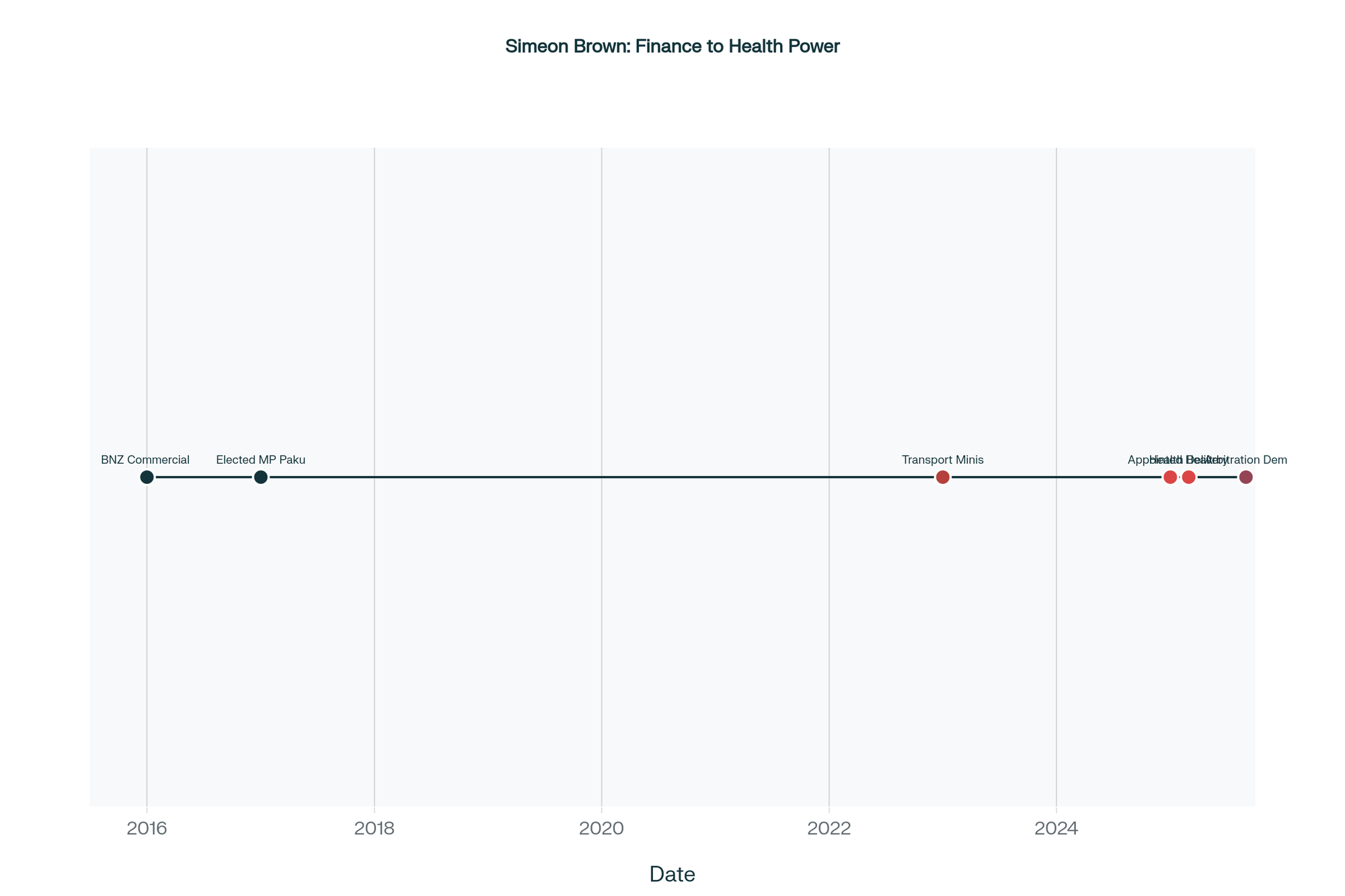
Timeline showing Simeon Brown's rapid political ascension from banking to controlling New Zealand's healthcare system
The financial data reveals the sinister choreography behind this healthcare destruction. From a $214 million surplus in 2022-2023, Health NZ has been driven into a $722 million deficit by 2024, with projections of $1.1 billion losses for 2025. This isn't incompetence—it's deliberate economic warfare designed to justify privatization.
Brown's Corporate Puppet Masters
Corporate boardroom representing backroom healthcare privatization deals
Simeon Brown's ascension from Bank of New Zealand commercial finance to Health Minister reveals the corporate capture of New Zealand's healthcare policy. His background in commercial banking, combined with his $288,900 ministerial salary, positions him perfectly as the corporate sector's inside man tasked with dismantling public healthcare from within.
The timing of Brown's appointment is no coincidence. He was installed precisely when the healthcare workforce crisis reached its peak, giving him the perfect pretext to impose draconian measures while blaming unions for "disrupting patient care". This is the classic shock doctrine playbook: create chaos, then demand extraordinary powers to "solve" the crisis.
The Arbitration Trap: Crushing Democratic Rights
Brown's demand for binding arbitration with a Friday 4pm deadline represents an unprecedented assault on collective bargaining rights. By framing this ultimatum as "putting patients first," he's weaponizing public sympathy to strip workers of their fundamental right to negotiate fair terms.
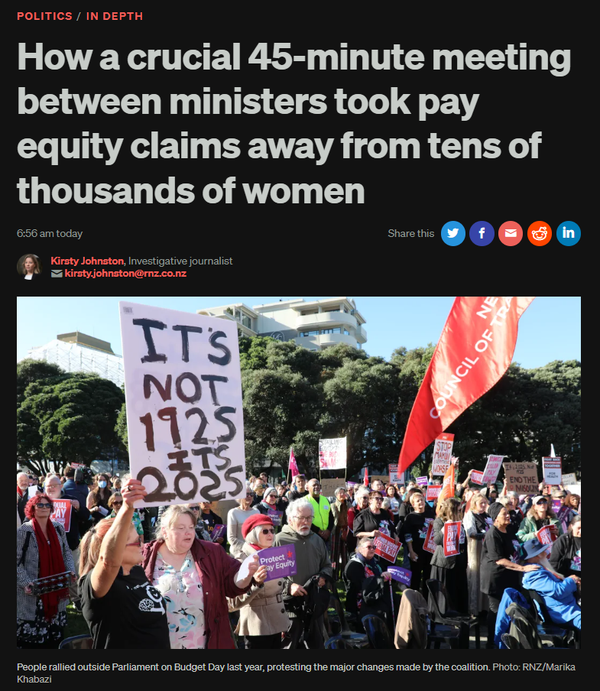
The Association of Salaried Medical Specialists represents 5,500 senior doctors and dentists—highly skilled professionals whose expertise is essential to the healthcare system. These are not entry-level workers seeking unreasonable demands; they're experienced specialists facing a government that has systematically undermined their working conditions while expecting them to absorb ever-increasing patient loads.
The Workforce Apocalypse by Design
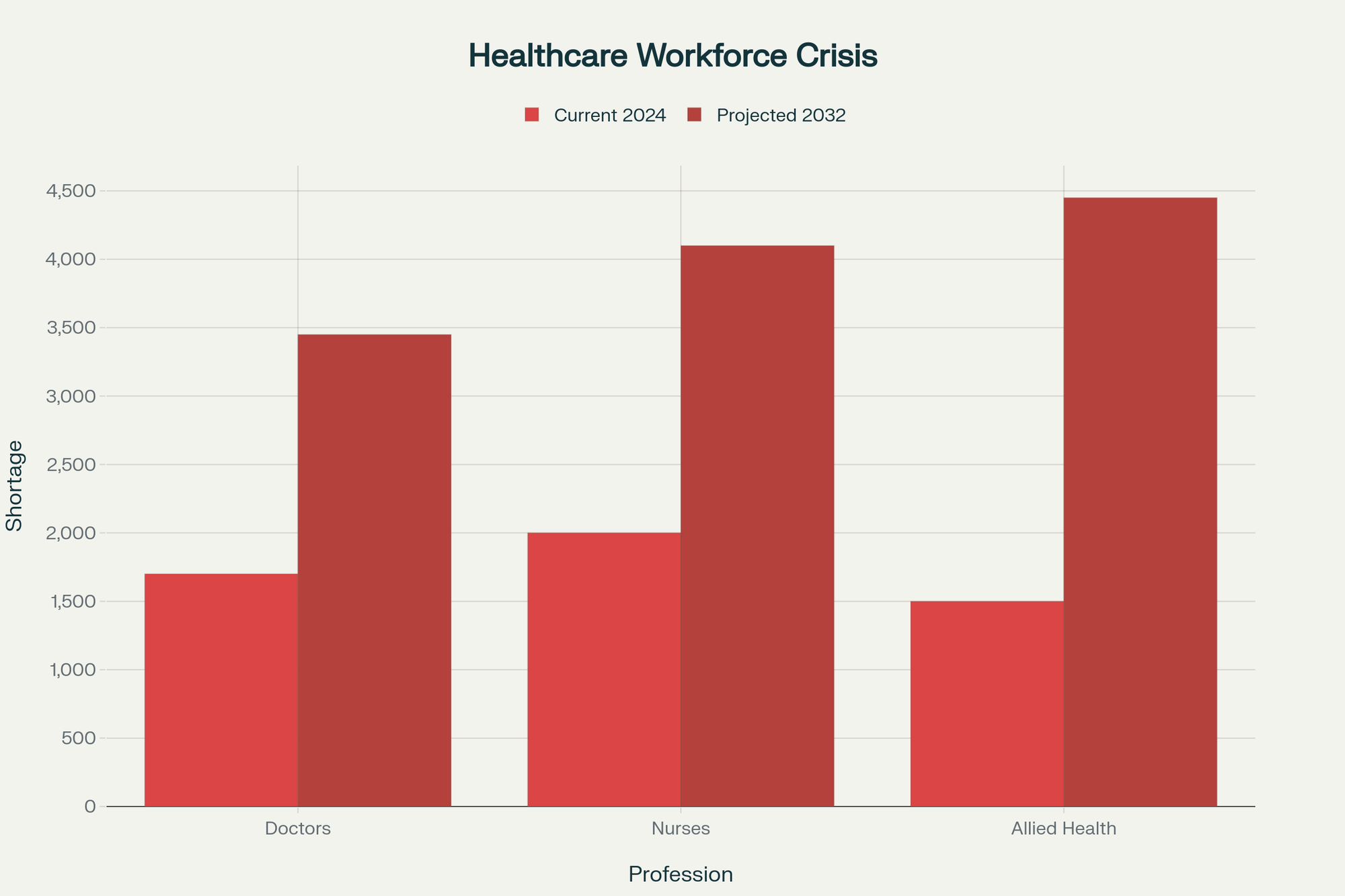
Comparison of current versus projected healthcare workforce shortages showing the looming crisis in medical staffing
The scale of New Zealand's healthcare workforce crisis reveals the criminal negligence of successive National governments. Current shortages of 1,700 doctors are projected to explode to 3,450 by 2032, while nursing shortages will nearly double from 2,000 to 4,100. These aren't natural phenomena—they're the predictable result of decades of systematic underfunding and ideological hostility to public service.

Understaffed hospital showing the healthcare crisis frontline workers face
The government's own Health Workforce Plan admits that New Zealand-trained doctors are fleeing to Australia in record numbers, with 2,187 currently practicing across the Tasman. Rather than addressing the root causes—inadequate pay, impossible working conditions, and lack of government support—Brown's response is to force compliance through arbitration while threatening striking workers.
The Privatization Endgame
Brown's March 2025 health delivery plan explicitly outlined his intention to "partner with the private sector" for elective surgeries. This language mirrors the failed American model that prioritizes profit over patient outcomes, creating a two-tiered system where quality care depends on wealth rather than need.
The Public Service Association correctly identified this as "a slippery slope towards privatisation", recognizing that Brown's strategy follows an international playbook: starve public services of funding, create artificial crises, then claim privatization is the only solution.
Lester Levy: The Financial Hitman
Political elite ignoring healthcare worker protests while focusing on financial interests
The appointment of Professor Lester Levy as Health NZ Commissioner represents the installation of a corporate enforcer tasked with implementing Brown's austerity agenda. Levy's track record of chairing multiple District Health Boards between 2009-2017 established him as the perfect candidate to execute top-down financial restructuring while maintaining plausible deniability.
Levy's description of the health system as "bloated" while demanding a $1.4 billion cost reduction reveals the fundamental disconnect between corporate bean-counters and healthcare reality. His mandate to focus on "back-office bureaucracy" and "middle management" cuts ignores the fact that administrative support is essential for clinical care delivery.
The Strike Suppression Campaign
Brown's inflammatory rhetoric against healthcare workers reveals his authoritarian instincts. His accusation that nurses are "playing politics with people's lives" while demanding they accept poverty wages exposes the moral bankruptcy of his position. A 2% pay increase against inflation rates exceeding 4% represents a real-terms pay cut for essential workers.
The Minister's performative outrage at a single Facebook comment by a union member demonstrates his desperation to find any excuse to demonize healthcare workers while ignoring the systemic failures his government has created. This is classic union-busting tactics: seize on any minor incident to discredit the entire movement.
The Hidden Connections: Corporate Capture
Brown's rapid advancement from Transport Minister to Health Minister coincides perfectly with the National Party's broader asset privatization agenda. His colleague David Seymour's explicit calls for healthcare privatization and individual insurance policies reveal the coalition's true intentions: transforming New Zealand's healthcare into a profit-extraction mechanism for corporate interests.
The $16.68 billion in health spending touted by Brown becomes meaningless when viewed against the $1.76 billion deficit trajectory and the simultaneous workforce hemorrhaging. This isn't investment—it's wealth transfer from public coffers to private contractors while frontline services collapse.
The September Ultimatum: Authoritarian Overreach
Brown's September 4th ultimatum demanding both Health NZ and ASMS commit to arbitration by 4pm Friday represents an unprecedented ministerial overreach into industrial relations. This timeline deliberately prevents meaningful consultation or democratic decision-making, forcing parties into a process designed to bypass worker rights.
The fact that Health NZ immediately agreed while ASMS requested time to consult its members reveals the power dynamics at play. The government-controlled Health NZ eagerly embraces any mechanism to avoid negotiating fairly with workers, while the democratic union must consult its 5,500 members before surrendering their bargaining rights.
International Context: The Global Healthcare Heist
New Zealand's healthcare crisis occurs within a global context of medical workforce exploitation. The WHO's projection of 10 million healthcare worker shortages globally by 2030 creates a perfect storm that allows governments to impose austerity measures while blaming international trends rather than domestic policy failures.
The OECD data showing 24% of doctors are foreign-born reveals how wealthy nations like New Zealand participate in brain drain from developing countries while simultaneously creating conditions that drive their own trained professionals overseas. This represents a form of medical colonialism that Brown's policies will only accelerate.

The Māori Green Lantern Fighting Misinformation And Disinformation From The Far Right
The Democratic Deficit
Brown's arbitrary deadlines and non-negotiable demands expose his fundamental contempt for democratic processes. His background in commercial finance rather than healthcare positions him as the perfect corporate enforcer, lacking the expertise to understand medical complexities but possessing the ideological commitment to impose market-driven solutions regardless of human cost.
The Minister's $288,900 salary while demanding healthcare workers accept poverty wages epitomizes the class warfare driving this conflict. Brown's comfortable position allows him to dictate terms to professionals earning far less while bearing far greater responsibility for human welfare.
This arbitration gambit represents more than a labor dispute—it's a crucial battle for the future of New Zealand's healthcare system. If Brown succeeds in crushing medical unions through forced arbitration, he will have established the precedent for authoritarian intervention in all public sector negotiations, paving the way for complete corporate capture of essential services.
The September deadline is not about patient care—it's about breaking worker resistance before the privatization agenda becomes too obvious to deny. New Zealanders witnessing this assault on their healthcare system are watching the systematic destruction of one of their most valued public institutions by a Minister whose primary qualification is his unwavering loyalty to corporate interests over human welfare.