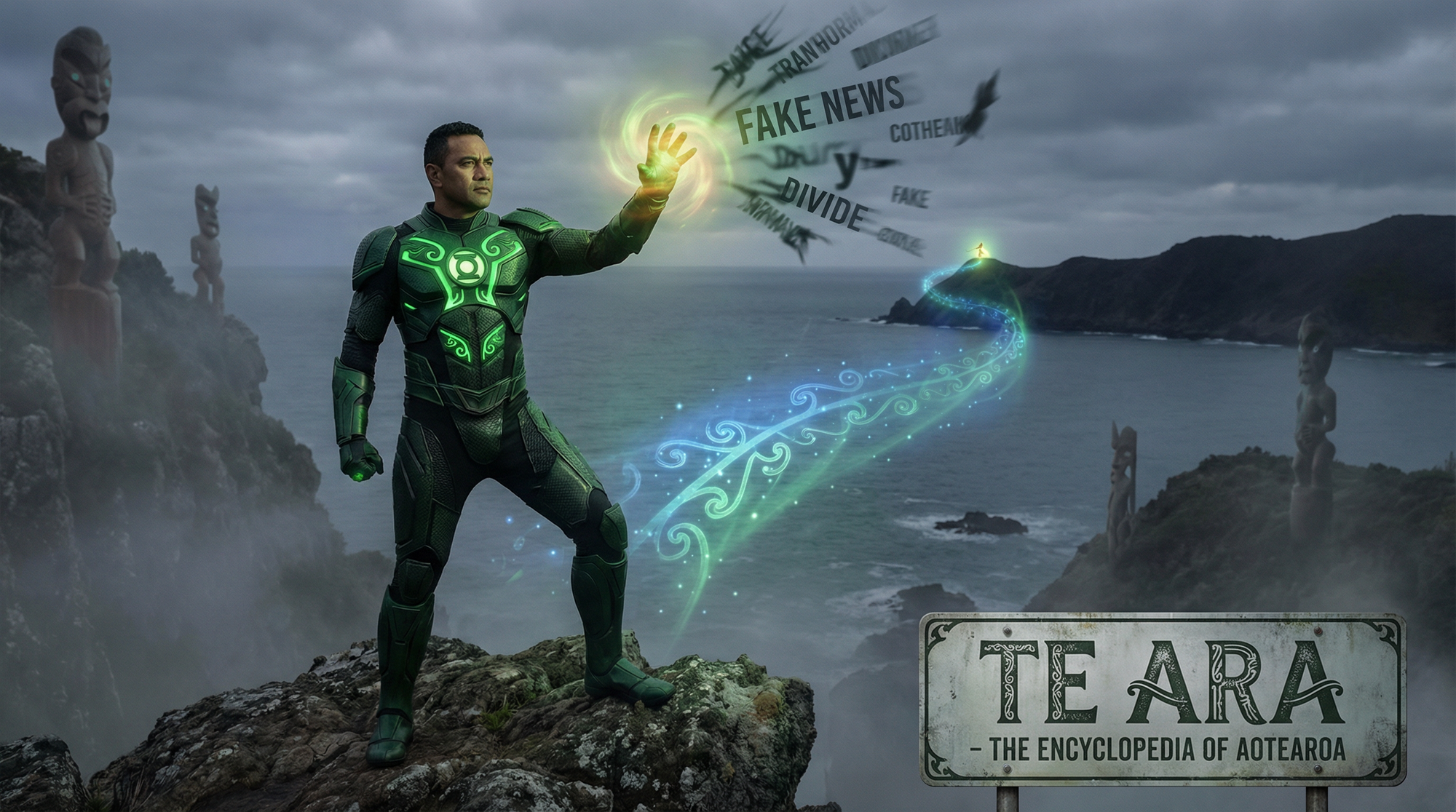
“Defending the Sacred: Te Moko as Mana in the Face of Colonial Disrespect” - 26 June 2025
When Colonial Politicians Expose Their True Face - An Analysis of Winston Peters' "Scribbles" Comment and the Defense of Māori Mana
Kia ora koutou katoa.
The recent derogatory comments by NZ First leader Winston Peters describing Te Pāti Māori co-leader Rawiri Waititi's mataora as "scribbles" have exposed a profound colonial wound that continues to fester in Aotearoa's political landscape. This essay examines how Ngātiwai kaumātua Taipari Munro's powerful response illuminates not only the sacred nature of tā moko but also the ongoing struggle for Māori cultural dignity against persistent colonial attitudes embedded within our political institutions.
Background: The Sacred Art Under Attack
Tā moko, the traditional Māori art of tattooing, represents far more than mere body decoration. As University of Auckland's Paora Sharples emphasizes, "Tā moko plays a huge part within te ao Māori. It represents our history, our whakapapa, our knowledge. It's a key to our very identity and our existence". The practice involves years of learning, years of wānanga, and searching for identity to find out who you are.
The historical context cannot be ignored. During early European settlement, preserved tattooed heads were sold as souvenirs and collectors' items, with Māori sometimes killed for their heads, leading to a decline in tā moko practice. This commercialization and violence against moko wearers represents one of colonialism's most horrific violations of Māori tapu and mana.
When Cultural Disconnection Meets Political Power
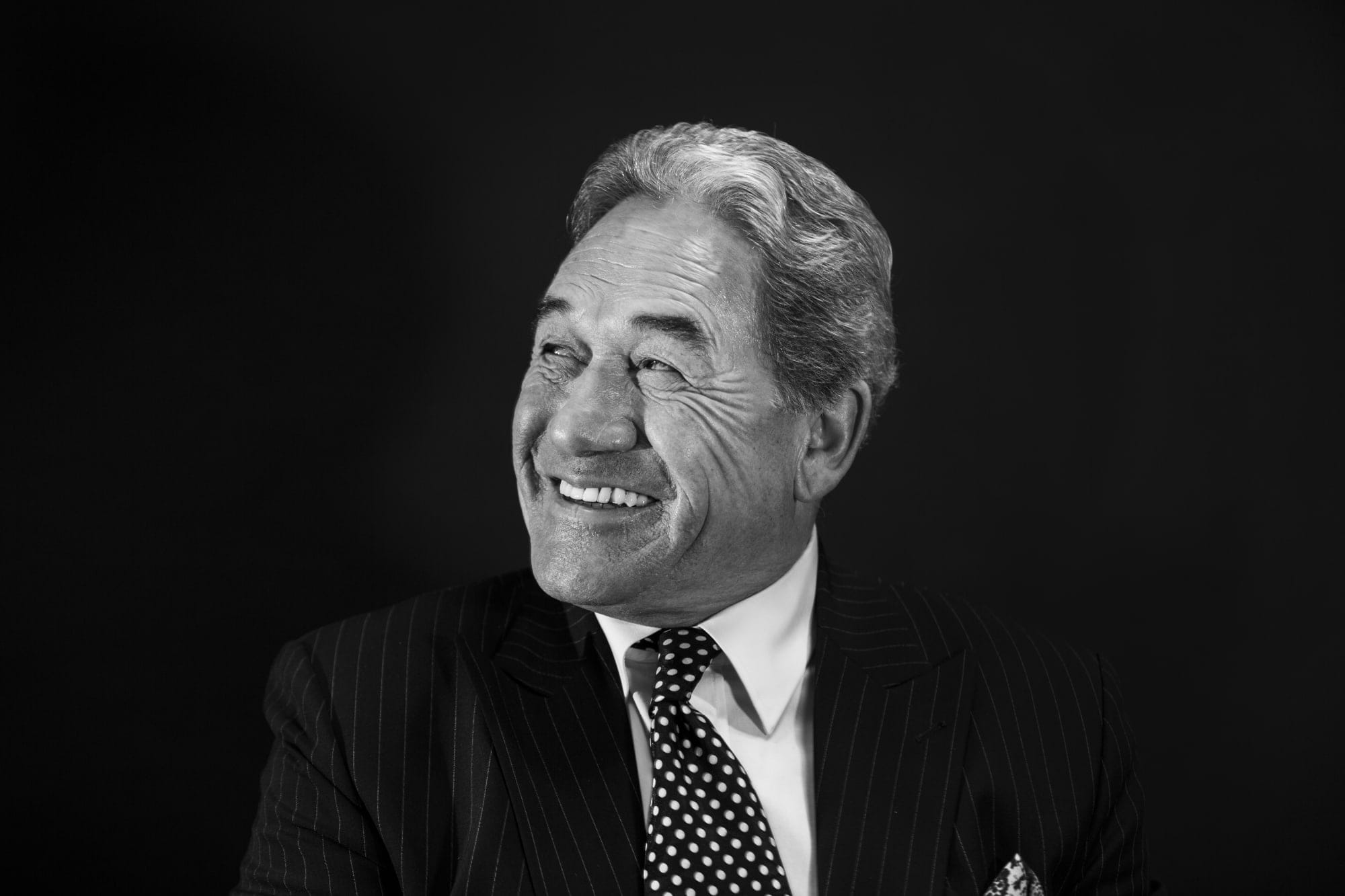
The incident occurred during parliamentary debate on the suspension of Te Pāti Māori MPs following their haka during the first reading of the Treaty Principles Bill. Peters, who is of Ngātiwai descent, referred to Waititi as "the one in the cowboy hat" with "scribbles on his face", demonstrating a shocking cultural disconnection from his own whakapapa.
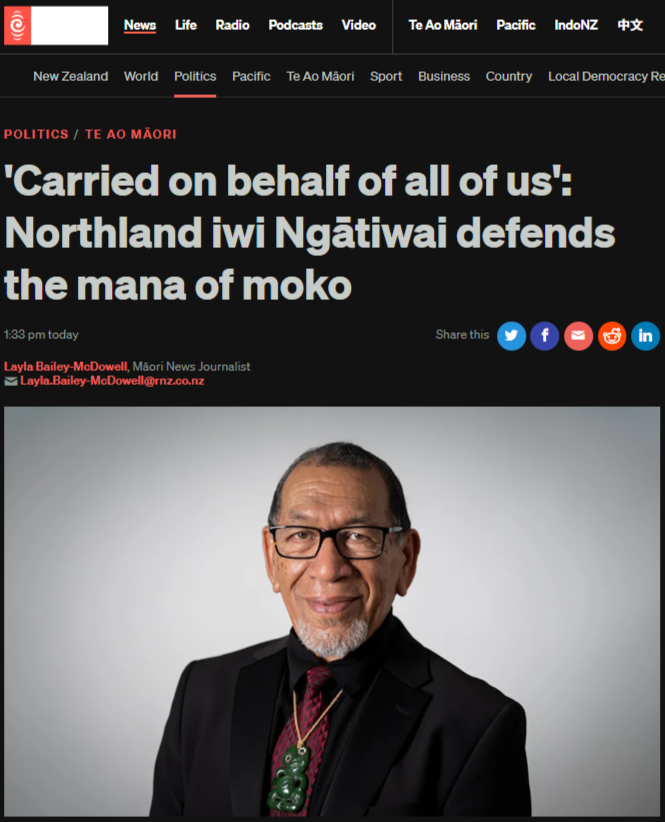
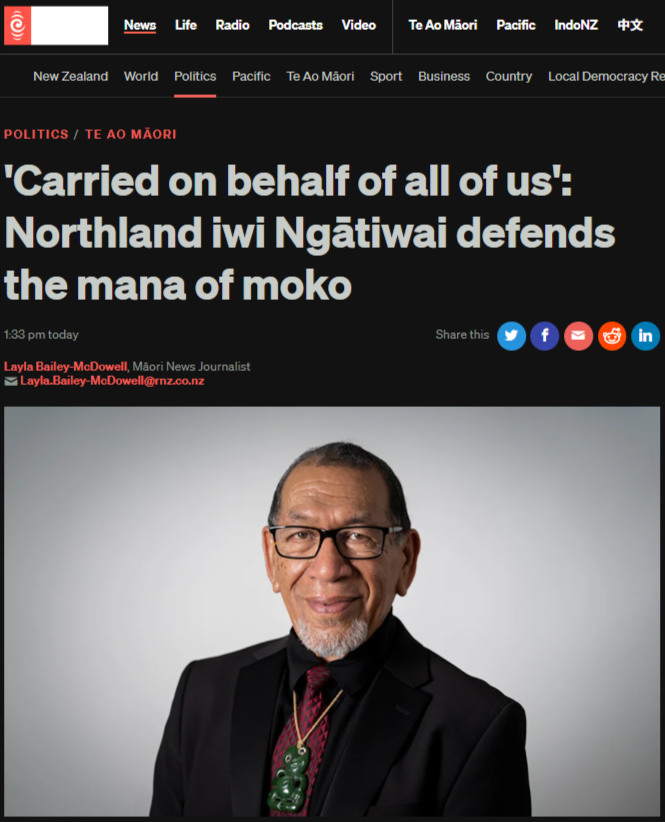
This matters profoundly to Māori because moko are carried on behalf of whānau, hapū, and iwi. As Taipari Munro explains, "You carry those markings because of you and your people... those moko marks are carried on behalf of all of us". The insult therefore extends far beyond one individual to an entire cultural practice and the communities it represents.
The Colonial Mind Revealed Through Language
Peters' language choice reveals classic colonial tactics of diminishment and dehumanization. By reducing mataora to "scribbles," he employs what can only be described as cultural violence - the systematic degradation of Indigenous knowledge and practice through linguistic minimization. This mirrors historical colonial strategies that dismissed Māori as "primitive" and their cultural practices as "savage."
The term "scribbles" suggests randomness, lack of meaning, and childish doodling. This directly contradicts the reality that each tā moko design is unique to the individual it adorns, with patterns and motifs representing a person's life journey, achievements, and relationships. These designs are created in collaboration with a tohunga tā moko (master tattoo artist) and the person receiving the tattoo.
Peters' attempt to distance himself by claiming his comments targeted only Te Pāti Māori reveals another colonial tactic - divide and conquer. However, as Munro correctly identifies, "When he hurled that insult out, it went to all Māori, as far as I'm concerned". Cultural attacks cannot be compartmentalized; they wound the entire cultural fabric.
The Hypocrisy of Whakapapa Disconnection
Perhaps most disturbing is Peters' cultural hypocrisy. As a descendant of Ngātiwai, his attack on moko represents a profound disconnection from his own ancestral heritage. Ngātiwai trace their ancestry to early Te Tai-tokerau settlers and have deep connections to traditional Māori practices.
Munro's disappointment is palpable: "And also, you do that to your own people? I thought we'd come out of that quagmire, that we were at a place where we support and advocate for our people and for kaupapa Māori". This reflects the particular pain of cultural betrayal from within.
Peters' subsequent statement attempting to justify his position by criticizing Te Pāti Māori for "claiming to represent all of Māoridom" reveals classic neoliberal individualism that fractures collective Māori identity. He argues that "it is not a right for anyone to decide for themselves one day to have a traditional tā moko tattoo", ironically positioning himself as an authority on Māori cultural practice while simultaneously denigrating it.
Institutional Racism and Parliamentary Privilege
The incident exposes how parliamentary privilege can become a shield for cultural violence. Peters made these comments within Parliament's protected environment, where he was later made to apologize by the Speaker of the House. However, as Sharples notes, "once you say it, it's out there".
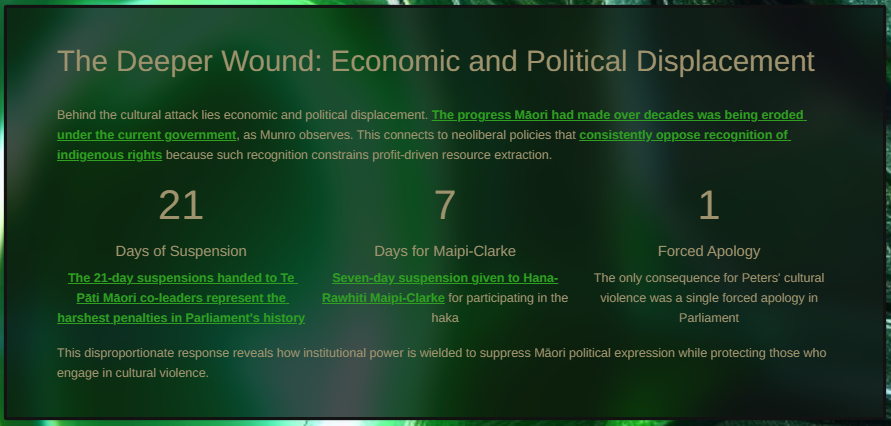
This reflects broader institutional racism where Māori MPs face disproportionate punishment for cultural expression. The 21-day suspensions handed to Te Pāti Māori co-leaders and seven-day suspension to Hana-Rawhiti Maipi-Clarke represent the harshest penalties in Parliament's history, while Peters' cultural violence received only a forced apology.
The Atlas Network Connection and Systemic Attack
The timing of these events connects to broader Atlas Network influence in New Zealand politics. As Te Pāti Māori co-leader Debbie Ngarewa-Packer observed, "we have an Atlas agenda that has not only crept in, it's stormed in on the shores of Aotearoa". These right-wing neoliberal groups consistently oppose both climate action and recognition of indigenous rights.
The Treaty Principles Bill itself represents this systematic attack, attempting to redefine Treaty principles through legislation rather than respecting Māori understandings. The bill's progression despite overwhelming opposition demonstrates how neoliberal forces seek to eliminate collective Indigenous rights in favor of individual property rights.
Mana Motuhake and Cultural Resistance
Munro's response embodies mana motuhake - Māori self-determination and sovereignty. His call for Māori to "embrace your identity and take pride in who you are, honour our ancestors" reflects what scholars define as autonomous or independent power that is factual and held by either hapū or iwi, similar to sovereignty but grounded in the whakapapa connection of mana whenua to their ancestor Papatūānuku.
The resurgence of moko kauae among Māori women represents part of this broader cultural renaissance. From the late 20th century moko kauae have been revived among Māori women as part of a reassertion of Māori female identity. This renaissance occurs despite - or perhaps because of - continued colonial pressure.
The Intergenerational Impact of Cultural Violence
Peters' comments perpetuate intergenerational trauma around te reo Māori and cultural practice. Research identifies "te reo Māori trauma" as emotional, psychological, spiritual, and/or physical distress caused by historical or contemporary harmful events that impact Māori individuals' ability or willingness to engage with their culture.
When political leaders model cultural dismissal, they reinforce colonial hierarchies that position Māori knowledge as inferior. This has particular impact on young Māori who may already struggle with cultural connection due to historical policies that banned te reo Māori from schools and public spaces.
Conversely, Munro's response provides healing counter-narrative. His explanation that moko "speak to our presence, to the enduring mana of our ancestors, and to the fact that we are still here" offers powerful affirmation of Māori survival and continuity.
Implications: The Battle for Cultural Legitimacy
This incident represents a microcosm of broader struggles over cultural legitimacy in Aotearoa. Peters' comments reflect what colonial studies identify as "settler/invader colonialism" that fails to provide for Indigenous inclusion, mana motuhake (Indigenous sovereignty) and tino rangatiratanga (self-determination).
The response from Māori communities demonstrates how exceptional circumstances provide opportunities for iwi, hapū and rōpū Māori to authentically activate mana motuhake. Munro's defense of moko represents this activation - asserting Indigenous authority over cultural meaning against colonial interpretation.
The connection to Matariki celebrations provides additional context. As Ngāi Tahu reflected on successful Matariki commemorations showcasing the revival of karakia and te reo, Peters' attack on moko represents attempted disruption of this cultural renaissance.
The Deeper Wound: Economic and Political Displacement
Behind the cultural attack lies economic and political displacement. The progress Māori had made over decades was being eroded under the current government, as Munro observes. This connects to neoliberal policies that consistently oppose recognition of indigenous rights because such recognition constrains profit-driven resource extraction.
The Te Pāti Māori MPs' haka during the Treaty Principles Bill reading represented resistance to this displacement. Their subsequent punishment and Peters' cultural violence form part of coordinated backlash against Māori political assertion.
The irony is stark: while celebrating Matariki as a national holiday demonstrates growing recognition of Māori culture, political leaders simultaneously work to undermine Māori political rights and cultural authority.
Reclaiming the Narrative
Taipari Munro's defense of moko represents more than cultural education - it's an assertion of Indigenous knowledge authority against colonial interpretation. His words, "Let these sacred markings be received by you on behalf of Ngātiwai, not for yourself alone, but as a living symbol for us all", reclaim moko from colonial dismissal and restore its proper meaning within Māori worldview.
The incident exposes how far Aotearoa still has to travel toward genuine partnership. When political leaders of Māori descent attack their own cultural heritage, it reveals the depth of colonial conditioning and the ongoing need for cultural decolonization.
However, Munro's response also demonstrates Māori resilience and the power of cultural knowledge to counter colonial violence. His call for Māori to "plan well, and bring the dreams and aspirations of our people to the floor" offers a path forward based on mana motuhake rather than colonial accommodation.
As we navigate these challenging times, Munro's example reminds us that defending cultural mana requires constant vigilance against those who would reduce our sacred practices to mere "scribbles." The mana of our ancestors demands no less.
Readers who find value in my content and wish to support the cause of exposing misinformation and defending Māori rights are humbly invited to consider a donation to HTDM: 03-1546-0415173-000. I understand these are tough economic times for whānau, so please only contribute a koha if you have capacity and wish to do so.
Ngā mihi nui,
Ivor Jones - The Māori Green Lantern
- https://ppl-ai-file-upload.s3.amazonaws.com/web/direct-files/attachments/2123776/bb2eeff6-9cb3-4482-b3fb-d6dc8d4abf93/Carried-on-behalf-of-all-of-us-_-Northland-iwi-Ngatiwai-defends-the-mana-of-moko-_-RNZ-News.pdf
- https://pplx-res.cloudinary.com/image/private/user_uploads/2123776/3cbf5053-ce2a-46ca-a5de-10b1e7fbc34e/Carried-on-behalf-of-all-of-us-Northland-iwi-Ngatiwai-defends-the-mana-of-moko-RNZ-News-06-26-2025_10_24_PM.jpg
- https://www.rnz.co.nz/news/political/565220/carried-on-behalf-of-all-of-us-northland-iwi-ngatiwai-defends-the-mana-of-moko.
- https://www.rnz.co.nz/news/political/564364/why-ta-moko-should-never-be-dismissed-as-scribbles-maori-academic
- https://www.nzherald.co.nz/nz/ngatiwai-iwi-urges-maori-pride-after-winston-peters-moko-comments/Y2DNTU7IKFBWBLFKWCE5EQ7CHY/
- https://www.nzherald.co.nz/nz/politics/mps-react-to-te-pati-maori-suspension-for-controversial-haka/CRPQ7R3GZZAC5NMOEOPKG3LX3Y/
- https://www.nzherald.co.nz/nz/politics/te-pati-maori-mps-begin-suspension-for-controversial-haka-after-chaotic-debate/B6XVYYBWTVCA7IJMYRVSMHKDHU/
- https://www.rnz.co.nz/news/political/563391/te-pati-maori-co-leader-debbie-ngarewa-packer-on-the-longest-suspension-in-parliament
- https://www.nzherald.co.nz/northern-advocate/news/maori-chief-inspires-name-for-bridge/22KHSTU2W52PIKOHVBSTK6IFSI/
- https://teara.govt.nz/en/ta-moko-maori-tattooing
- https://www.rnz.co.nz/news/political/561443/we-have-to-have-rules-christopher-luxon-won-t-say-if-te-pati-maori-s-punishment-appropriate
- https://www.rnz.co.nz/news/te-manu-korihi/538604/reclaiming-a-birthright-misconceptions-about-moko
- https://www.rnz.co.nz/news/te-manu-korihi/563179/te-pati-maori-co-leaders-suspended-from-parliament-for-21-days
- https://www.teaonews.co.nz/2025/06/05/unprecedented-punishment-handed-to-te-pati-maori-mps-for-historic-haka-in-parliament/
- https://www.ahtahthiki.com/tamoko-about/
- https://www.rnz.co.nz/news/political/563318/suspended-te-pati-maori-mps-to-embark-on-national-tour
- https://www.sunsettattoo.co.nz/blog/origins-of-moko
- https://www.scoop.co.nz/stories/PO2506/S00094/why-ta-moko-should-never-be-dismissed-as-scribbles-maori-academic.htm
- https://www.rnz.co.nz/news/te-manu-korihi/358052/pakeha-with-facial-moko-divides-maori-community
- https://www.rnz.co.nz/news/te-manu-korihi/366222/taranaki-wahine-encourage-uptake-of-moko-kauae
- https://teara.govt.nz/en/te-mana-o-te-wahine-maori-women/page-3
- https://teara.govt.nz/en/ta-moko-maori-tattooing/page-1
- https://teara.govt.nz/en/whangarei-tribes/page-2
- https://www.1news.co.nz/2024/11/14/treaty-principles-bill-passes-first-reading-amid-haka-interruption/
- https://teara.govt.nz/en/te-mana-o-te-wahine-maori-women/print
- https://www.rova.nz/articles/maori-women-talk-about-their-sacred-chin-tattoos
- https://www.newzealand.com/int/feature/ta-moko-maori-tattoo/
- https://contentcatnip.com/2021/04/09/mana-wahine-the-female-moko-in-maori-culture/
- https://shepherdess.co.nz/wearing-their-kauae/
- https://en.wikipedia.org/wiki/Toi_moko
- https://en.wikipedia.org/wiki/Ng%C4%81tiwai
- https://www.justice.govt.nz/justice-sector-policy/key-initiatives/a-treaty-principles-bill/
- https://www.bbc.com/news/world-asia-44220574
- https://online.ucpress.edu/esr/article/46/3/95/197700/Settler-Invader-Identity-and-Belonging-in-Aotearoa
- https://www.ssrn.com/abstract=3845750
- https://online.ucpress.edu/elementa/article/12/1/00118/202997/Land-based-resistance-Enacting-Indigenous-self
- https://www.mdpi.com/1660-4601/20/8/5581
- https://jpp.vu.edu.au/index.php/jpp/article/view/1250
- https://weightstigmaconference.com/colchester-2024/
- https://journals.sagepub.com/doi/10.1177/11771801221088448
- https://www.1news.co.nz/2024/02/04/maori-can-express-righteous-anger-with-compassion-te-pati-maori/
- https://www.nzherald.co.nz/kahu/waitangi-tribunal-begins-historic-wananga-a-rohe-on-maori-sovereignty-in-ngaruawahia/YNPFBAF55FDRTPM7GANHNWTTDM/
- https://teara.govt.nz/en/kawanatanga-maori-engagement-with-the-state/print
- https://www.rnz.co.nz/news/on-the-inside/498546/from-pebble-in-the-shoe-to-future-power-broker-the-rise-and-rise-of-te-pati-maori
- https://teara.govt.nz/en/te-tai/te-mana-o-te-reo-maori-chapter4
- https://www.rnz.co.nz/news/te-manu-korihi/521017/ngai-tahu-reflect-on-a-successful-matariki
- https://www.nzherald.co.nz/kahu/emdick-hubbardem-mt-eden-facelift-a-win-for-everyone/WJEBSZ2LFZP2VMMW7OFTGC7QLM/
- https://teara.govt.nz/en/maori-pakeha-relations/print
- https://en.wikipedia.org/wiki/Mana_motuhake
- https://aoteahealth.com/blogs/journal/what-is-mana-motuhake
- https://scholarworks.boisestate.edu/under_showcase_2023/11/
- https://library.fiveable.me/history-new-zealand/unit-4
- https://www.teaonews.co.nz/2024/10/04/te-reo-maori-trauma-barriers-to-language-revival-unveiled-in-new-report/
- https://floralens.com/2016/01/30/whau/
- https://www.astroturfing.nz/what-is-the-atlas-network/
- https://ir.canterbury.ac.nz/server/api/core/bitstreams/23efce45-516c-454a-9188-2541e8ca5f6c/content
- https://www.parliament.nz/en/pb/hansard-debates/rhr/document/HansS_20250605_051540000/peters-winston
- https://www.semanticscholar.org/paper/fcc254ae405ea274a7663c890288b75d04553d38
- https://www.semanticscholar.org/paper/fcd6a9d64be50f96c19456f1104a4dd0c2a5009f
- https://www.semanticscholar.org/paper/fae76d78b759eca6f63346a2fb1867c9cbcdbe16
- https://www.semanticscholar.org/paper/2be59a68817e30db7b6e4be20fe76adebb8ffd4b
- https://www.semanticscholar.org/paper/14165587d9859423a22153709975d2cc211b7e34
- https://www.semanticscholar.org/paper/06db5a065df5a96919ec9fb51364d98ebe2f929d
- https://journals.sagepub.com/doi/10.1177/1329878X1515400130
- https://www.semanticscholar.org/paper/7185a93bd1ba930e82c6503f67a982897851903a
- https://www.semanticscholar.org/paper/f6797ebf3f35e6f72c7f34853173fa5af645e4f1
- https://www.nzherald.co.nz/hawkes-bay-today/news/porangahau-hosts-revival-of-the-moko-kauae-maori-chin-tattoo/7QQ4GMWSCMCIFLOV4V2MCFYFOA/
- https://www.reddit.com/r/tattoo/comments/z8ek7a/traditional_moko_kauae_ceremony_in_new_zealand/
- https://www.semanticscholar.org/paper/bc4721b0dc249c13b29cd2f40ca1fd8ac2776374
- https://www.semanticscholar.org/paper/5dfc45b5731b7b59dd94228838ce646b36aace13
- https://doi.library.ubc.ca/10.14288/1.0077713
- https://www.rnz.co.nz/programmes/the-detail/story/2018913918/ka-kite-for-maori-health-authority
- https://www.1news.co.nz/2025/01/24/pm-told-state-of-the-maori-nation-at-highest-level-of-concern/
- https://nzhistory.govt.nz/te-akomanga/contexts-activties/mana-motuhake
- /content/files/bitstreams/448885e1-2f97-4910-81cb-07200eb5846b/download.pdf