“Exposing the Coalition's Foreign Buyer Hypocrisy” - 27 August 2025
How Luxon and Peters are Selling Aotearoa to the Highest Bidder While Māori Face Housing Crisis
Kia ora, He Whenua, He Tangata - Welcome to the Land and the People
This government claims to protect New Zealand's housing market from foreign speculation while simultaneously rolling out the red carpet for millionaire investors through backdoor visa schemes. Prime Minister Christopher Luxon and his coalition partners are orchestrating a breathtaking display of hypocrisy that exposes their true priorities: serving wealthy foreign capital while tangata whenua struggle with homelessness and housing insecurity. This analysis reveals the colonial patterns embedded in these policies and their devastating impact on Māori housing sovereignty.
Background - The Colonial Housing Legacy
The housing crisis facing Māori today cannot be understood without acknowledging its colonial origins. Since the signing of Te Tiriti o Waitangi in 1840, successive governments have systematically dispossessed Māori of their land base, creating the foundation for contemporary housing inequality. By 1860, 65% of Māori land had already passed out of Māori ownership, while wars in the 1860s saw 3.2 million acres of Māori land confiscated.[1][2][3]
The establishment of the Native Land Court in 1862 accelerated this dispossession by individualising Māori land titles and enabling direct sales to European settlers. This judicial colonisation created what researchers identify as intergenerational trauma linked to the fundamental and long-lasting structural changes caused by settler colonisation.[4][5]
The Department of Māori Affairs' housing programs from the 1960s-1980s represented a brief period where Māori home ownership peaked at 52% in 1976. However, the neoliberal reforms of the 1980s-1990s systematically dismantled these gains, with the DMA being abolished in 1989 and housing transformed from a social right into a commodity for capital speculation.[6]
The Coalition's Double Standard Exposed
The coalition government's approach to foreign investment reveals a fundamental contradiction that exposes their colonial priorities. While maintaining the 2018 foreign buyer ban introduced by the previous Labour-NZ First coalition to protect New Zealand's housing market, they are simultaneously creating multiple pathways for wealthy foreigners to purchase property through investor visa schemes.
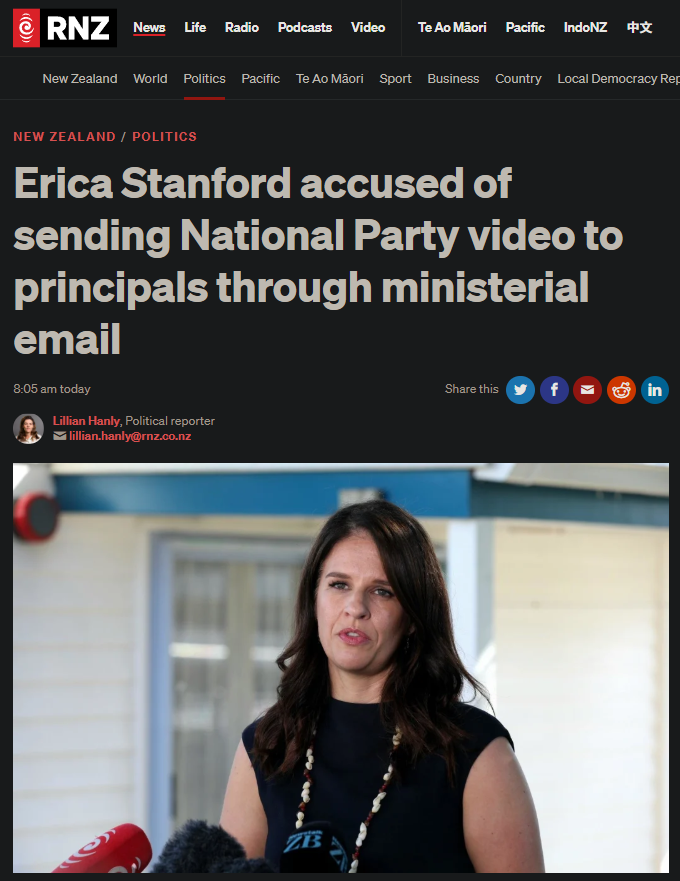
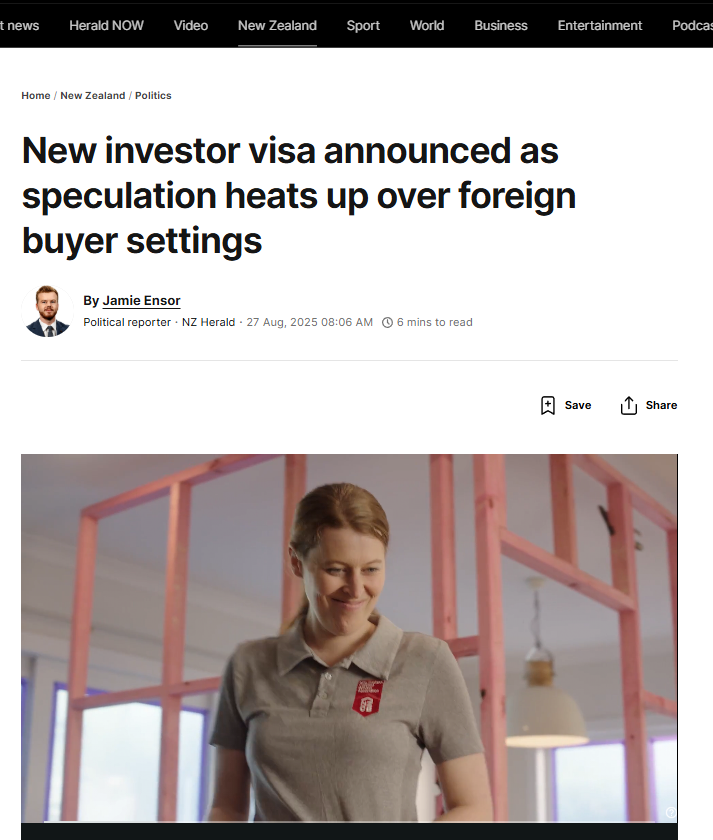
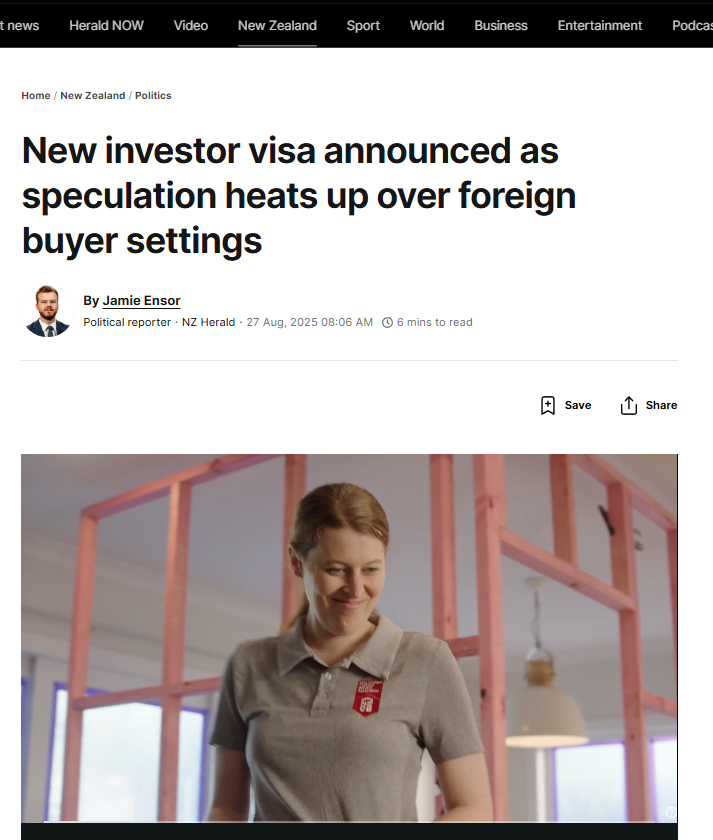
Immigration Minister Erica Stanford announced the Business Investor Visa (BIV) on August 27, 2025, which allows foreign businesspeople investing $2 million to fast-track to residency in just 12 months, or $1 million for a three-year pathway. Stanford expects 100-150 successful applicants in the first year, describing it as "not an Oprah-style 'everyone gets a visa'" while simultaneously celebrating the scheme's popularity.[7]
This follows the government's earlier changes to the Active Investor Plus visa, which removed English language requirements and lowered investment barriers, resulting in 104 investor visa applications representing 346 individuals and at least $620 million in committed investment in just six weeks.[8][9]
Winston Peters, who championed the original foreign buyer ban in 2018, has now signalled that wealthy foreign investors will be allowed to buy high-value houses by the end of 2025. Peters told Interest.co.nz that while "the Foreign Buyers Act is not changing," investment rules would be reformed to allow those investing "millions of dollars" to purchase houses at costs significantly above $2 million.[11]
Meanwhile, Māori face a devastating housing crisis. Māori home ownership has declined from 52% in 1986 to approximately 28% in 2018, representing a catastrophic loss of housing security for tangata whenua. Research shows that Māori are overrepresented in the homeless population and often must accept properties in poor condition, while those whose ancestral lands are in coastal areas are displaced by high rental costs.[12][13]
The Neoliberal Logic of Wealth-Based Citizenship
The coalition's investor visa schemes represent a contemporary form of what scholars identify as "wealth-based citizenship" - the commodification of residency rights based on capital contribution rather than social need or cultural connection to place. This model directly contradicts the principles embedded in Te Tiriti, which guaranteed Māori tino rangatiratanga over their lands and resources.
Simon Bridges, now CEO of the Auckland Business Chamber and former National Party leader, has been a vocal advocate for these changes. He told the Herald that the new visa policies would bring desperately needed cash to Auckland, describing Auckland as having "cashflow issues" that required "$1 million and $2 million dollops of money." This commodified language reveals how the coalition views New Zealand's cities - as investment opportunities requiring foreign capital injection rather than communities needing housing for their people.[7][7]
The government's changes to the Overseas Investment Act are designed to make decisions on foreign investment within 15 days, effectively fast-tracking wealthy foreign access to New Zealand assets. Associate Finance Minister David Seymour has reduced processing times by 39% faster than the previous financial year, from 71 working days to 28 working days, prioritising foreign investor convenience over thorough assessment of national benefit.[14][15]
This speed contrasts sharply with the glacial pace of Treaty settlements and the chronic underfunding of Māori housing initiatives. While the government can process foreign investment applications in under a month, Māori communities wait decades for recognition of their housing needs and land rights.
Hidden Connections - The Auckland Business Chamber Network
The policy advocacy driving these changes reveals concerning connections between former politicians and business interests. Simon Bridges' transition from National Party leader to Auckland Business Chamber CEO positions him as a key influencer in government policy, particularly regarding foreign investment and immigration settings.
The Auckland Business Chamber has been actively promoting foreign investment policies that directly benefit their membership base while potentially displacing local residents. Bridges has used his platform to advocate for foreign buyer reform and liberalisation of tourism and international education visas, describing these changes as essential for injecting stimulus into Auckland's economy.[7]
This revolving door between political leadership and business advocacy raises serious questions about whose interests are truly being served. Bridges' continued influence on government policy through his Chamber role demonstrates how neoliberal networks maintain control over policy direction regardless of electoral outcomes.
The Chamber's advocacy specifically targets high-value foreign investment while remaining silent on Māori housing rights or the displacement effects of speculative investment. This selective concern exposes the colonial priorities embedded in Auckland's business establishment - foreign capital is welcomed, but Indigenous sovereignty over housing and land remains unaddressed.
The Cultural Violence of Commodified Housing
The coalition's investor visa schemes represent a form of cultural violence against Māori worldviews regarding land and housing. While tangata whenua understand housing as part of their spiritual and cultural connection to whenua, the government's policies explicitly commodify housing as an investment vehicle for foreign wealth accumulation.
Immigration lawyer Nick Mason noted that the foreign buyer ban remains a considerable barrier for foreign investors, with wealthy individuals unable to purchase homes until they spend six months in New Zealand. However, this supposed "barrier" applies only to the ultra-wealthy - people with $15 million who don't necessarily spend six months anywhere - rather than addressing the fundamental housing needs of local communities.[16]
The government's solution prioritises the convenience of millionaire investors over the housing security of Māori whānau. While foreign investors complain about rental inconvenience, Māori families face impoverished and overcrowded conditions and are overrepresented in the homeless population.[13]
This inversion of priorities reveals the colonial logic underpinning New Zealand's housing policy - foreign wealth deserves accommodation and convenience, while Indigenous peoples' housing needs remain secondary concerns.
Treaty Violations and Constitutional Implications
The coalition's approach to foreign investment violates fundamental Treaty principles in multiple ways. Article Two of Te Tiriti guaranteed Māori tino rangatiratanga over their lands and taonga, including their capacity to determine how land and housing are used within their territories.
By prioritising foreign investor convenience over Māori housing sovereignty, the government fails to recognise Māori as Treaty partners with constitutional rights over land use decisions. The Treaty established that only the Crown could purchase land from Māori, creating a constitutional framework that should prioritise Indigenous housing needs over foreign investment returns.[4]
Research demonstrates that Māori home ownership peaked during periods of sustained state intervention in the housing market, while decline correlates with state withdrawal and market commodification. The coalition's investor visa schemes represent a further commodification of housing that directly contradicts Treaty-based approaches to Māori housing development.[6]
The government's willingness to create fast-track pathways for foreign millionaires while maintaining slow, bureaucratic processes for Māori housing initiatives demonstrates a clear hierarchy of constitutional priorities that violates Treaty partnership principles.
Economic Colonialism Through Investment Immigration
The coalition's policies represent a contemporary form of economic colonialism that parallels historical patterns of land dispossession. Just as 19th-century colonial governments prioritised European settler access to Māori land, today's government prioritises foreign investor access to New Zealand's housing market over Indigenous housing needs.
The Active Investor Plus visa attracted over $1 billion in investments in the pipeline, primarily from wealthy Americans seeking political stability and Canadians avoiding proposed wealth taxes. This capital flight from overseas markets directly competes with local housing demand while providing no guarantee of community benefit.[17]
Former Labour minister Stuart Nash, whose firm helps high-net-worth foreigners navigate golden visa rules, reported that four potential investors walked away in the last month because of the foreign buyer ban. This demonstrates how foreign investment immigration creates speculative pressure on housing markets regardless of official restrictions.[9]
The coalition's response - to accommodate foreign investor demands rather than strengthen housing protections - reveals their fundamental allegiance to international capital over local communities. This economic colonialism reproduces historical patterns where Indigenous peoples' needs are subordinated to external economic interests.
The Displacement Machine
The coalition's policies create what can be understood as a "displacement machine" - a systematic process that channels foreign wealth into New Zealand's housing market while displacing local residents through gentrification and speculation. This machine operates through multiple mechanisms that compound to create devastating effects for Māori communities.
High-end real estate agent Caleb Paterson reported that luxury home owners are earning three times above market rental rates through off-market deals with foreign investors, with homes valued between $8-20 million being rented to international clients while they "await clarity" on foreign buyer rules. This "try-before-you-buy" model creates speculative pressure throughout the luxury housing sector.[18]
Meanwhile, research demonstrates that investors have been leading property price escalation in Auckland, using behavioural biases and heuristics that contribute to systematic over-pricing. This investor-driven speculation directly competes with first-home buyers and rental seekers, creating displacement pressures that particularly impact Māori communities.[19]
The government's solution - to accommodate more foreign investment rather than regulate speculation - ensures this displacement machine continues operating while providing rhetorical cover through "growth" and "economic development" narratives.
Implications - The Broader Attack on Housing Sovereignty
The coalition's foreign investment policies represent part of a broader neoliberal attack on housing as a social right and public good. By treating housing primarily as an investment vehicle for wealth accumulation, these policies undermine the possibility of developing housing policy based on social need, cultural connection, or Treaty partnership principles.
The government's approach creates a hierarchical housing system where access depends on wealth rather than need, cultural connection, or citizenship status. Foreign millionaires receive fast-track access to both residency and property ownership, while Māori families face multi-generational housing insecurity despite their constitutional status as Treaty partners.
This hierarchy reproduces colonial patterns where Indigenous peoples' needs are systematically subordinated to external economic interests. The speed with which the government accommodates foreign investor concerns - reducing processing times, removing language requirements, and preparing to lift property purchasing restrictions - contrasts starkly with the decades-long delays in addressing Māori housing needs.
The coalition's policies also undermine democratic control over housing policy by creating market-driven pressures that constrain future government options. Once foreign investment immigration establishes expectations of property access, political pressure mounts to maintain these arrangements regardless of their community impacts.
For Māori communities specifically, these policies threaten the possibility of developing housing approaches based on tikanga, whakapapa, and collective decision-making. The commodification of housing through foreign investment schemes prioritises individual wealth accumulation over collective wellbeing and cultural sustainability.
Reclaiming Housing Justice Through Tino Rangatiratanga
The coalition government's investor visa schemes expose the fundamental contradiction at the heart of New Zealand's housing policy - while claiming to protect local housing markets from foreign speculation, they are simultaneously creating multiple pathways for wealthy foreigners to access both residency and property ownership ahead of tangata whenua who face homelessness and housing insecurity.
This hypocrisy reveals the colonial priorities embedded in contemporary neoliberal governance. Foreign millionaires deserve accommodation, convenience, and fast-track processing, while Māori communities wait decades for recognition of their Treaty-based housing rights. The government's willingness to modify policies to suit foreign investor preferences while maintaining systematic barriers to Māori housing development demonstrates whose interests truly matter in Aotearoa today.
The path forward requires rejecting the false choice between foreign investment and housing affordability. True housing justice in Aotearoa must centre tino rangatiratanga - Māori authority over land use decisions and housing development within their territories. This means prioritising Treaty-based housing development, supporting Māori housing providers, and ensuring that housing policy serves community needs rather than investor returns.
Māori communities and their allies must organise to challenge these investor visa schemes and demand housing policies based on social justice, Treaty partnership, and Indigenous sovereignty. The coalition's attempts to sell New Zealand to the highest bidder must be met with principled resistance that asserts the constitutional priority of tangata whenua over foreign capital.
The housing crisis facing Māori today represents more than policy failure - it represents the ongoing violence of colonial capitalism that treats Indigenous peoples' homes as investment opportunities for global wealth. Breaking this cycle requires more than policy reform; it requires asserting Indigenous sovereignty over land and housing as the foundation for a just society.
As we face this renewed assault on housing justice, we must remember that our people have survived worse attacks and emerged stronger. The strength of our whakapapa, the wisdom of our tīpuna, and the power of our collective resistance will sustain us through this struggle for housing sovereignty.
E kore au e ngaro, he kākano i ruia mai i Rangiātea - I will never be lost, for I am a seed sown from Rangiātea.

The Māori Green Lantern fighting misinformation and disinformation from the far right
Readers who find value in The Māori Green Lantern's content and wish to support this important work of exposing misinformation and colonial propaganda are humbly invited to consider a koha. Given these tough economic times affecting whānau across Aotearoa, please only contribute if you have the capacity and wish to do so. Bank details: HTDM: 03-1546-0415173-000.
Our people deserve truth, justice, and homes they can call their own.
Ngā mihi nui,
Ivor Jones - The Māori Green Lantern
References