"Government Incompetence Exposed: How Simeon Brown’s Health Appointment Reveals a System Built to Fail Māori” - 30 September 2025
When Baptist ideology meets healthcare policy, patients pay the price

Kia ora whānau. Ko Ivor Jones ahau, The Māori Green Lantern, kaitiaki exposing the misinformation, white supremacy, racism, and neoliberalism that plagues our nation.

https://www.rnz.co.nz/news/political/574514/government-meets-three-milestones-to-improve-healthcare-in-new-zealand
The government’s own health data has just blown apart their competency claims in the most devastating way possible. Despite throwing billions at the health system, they’ve managed to achieve the impossible: making healthcare worse while spending more money than ever before. This isn’t just incompetence - it’s systematic failure designed to serve ideology over people’s lives.

Overcrowded emergency department showing the reality of New Zealand’s failing health system
The brutal truth is laid bare in their own quarterly health targets report: three out of five health targets failed, with the most critical failures hitting Māori communities hardest. Child immunisation rates sit at a pathetic 82 percent nationally, but plummet to just 62.3 percent in Northland - a region with the highest concentration of Māori whānau. This isn’t coincidence. This is colonialism in action.
Background: The Colonial Health Infrastructure
New Zealand’s health system was never designed for Māori. It was imposed through colonisation, replacing indigenous healing systems with a Pākehā infrastructure that has proven systematically ineffective at addressing the health inequities it created. The evidence is overwhelming: Māori health inequities cost over $863 million annually, with the system actually saving money by under-serving Māori communities while forcing them to bear the costs of worse health outcomes.
The historical context is damning: European diseases decimated Māori populations by up to 30 percent between 1769 and 1840, yet colonial authorities consistently blamed Māori for their own poor health rather than addressing the systemic destruction of indigenous communities and traditional healing practices.
When Ideology Trumps Evidence
The appointment of Simeon Brown as Health Minister represents everything wrong with this government’s approach to healthcare. Brown, a 33-year-old Baptist with zero health experience, was elevated because Prime Minister Christopher Luxon needed “ruthless execution” in the health portfolio. But Brown’s ruthlessness isn’t directed at fixing healthcare - it’s aimed at imposing Christian nationalist ideology on a secular health system.
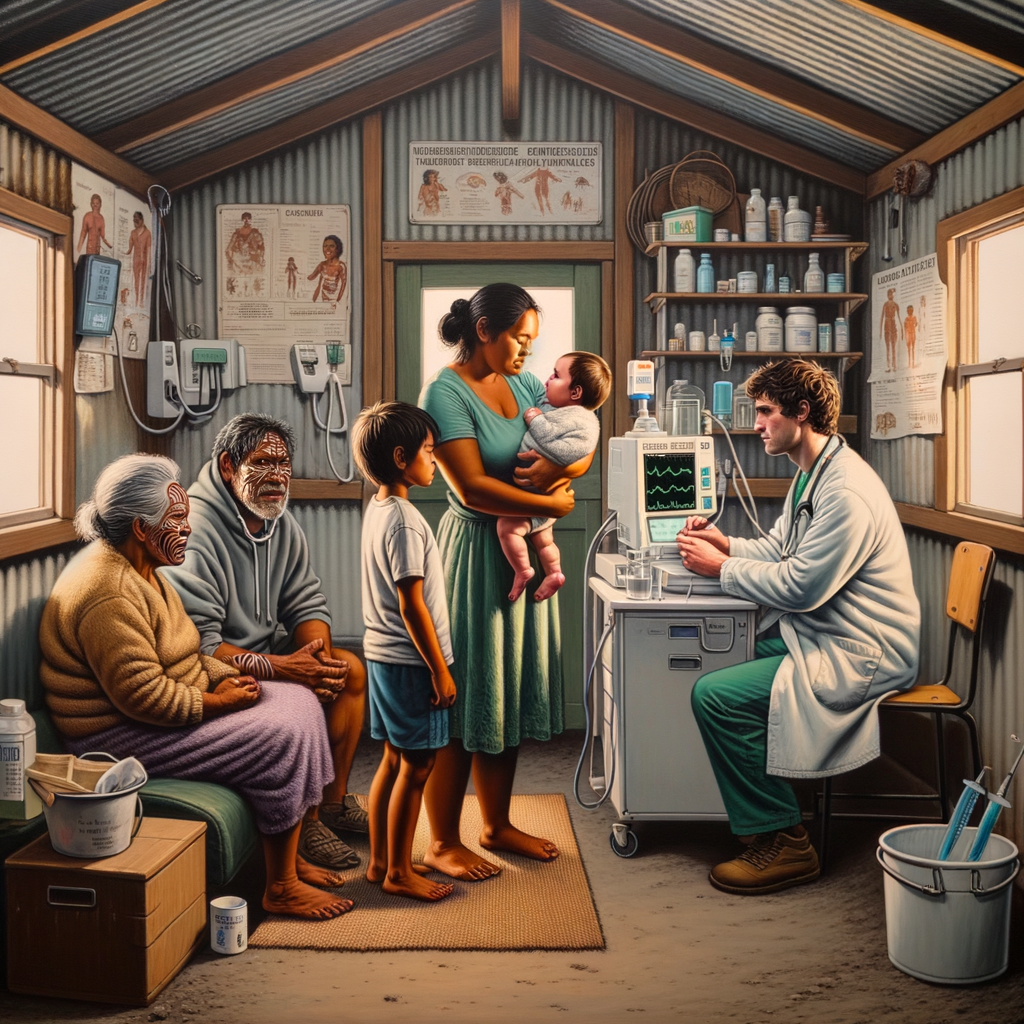
Māori whānau facing healthcare barriers in rural New Zealand, illustrating systemic inequities
The man now controlling New Zealand’s health destiny once led anti-abortion campaigns at university, opposed marriage equality, and represents a constituency where Baptist church members actively organised to get him selected as the National Party candidate. This isn’t democracy - it’s theocracy by stealth.
The timing of Brown’s appointment is no accident. It came after Dr Shane Reti, a respected Māori physician, was dumped from the role despite Luxon previously expressing confidence in his performance. Reti’s removal means no Māori ministers now sit in Luxon’s top eight, revealing the government’s true priorities.
Analysis: Following the Money and Ideology
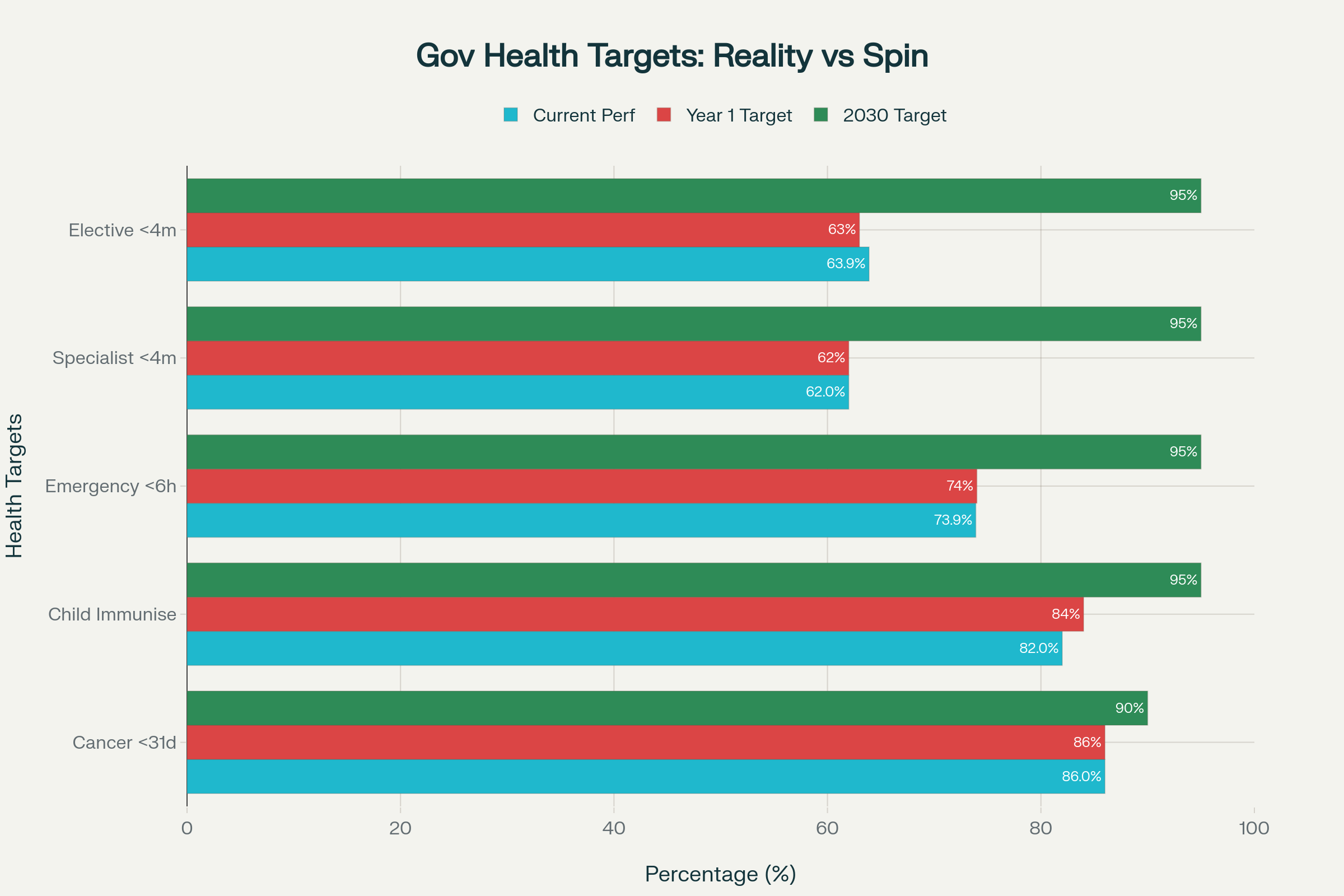
Health targets performance showing the government’s failure to meet basic healthcare milestones, particularly in child immunisation and emergency department wait times
The government’s own data exposes their spectacular failure. Despite health spending nearly doubling since 2014, productivity has been declining. Emergency department wait times that met 90 percent targets under National in 2017 dropped below 70 percent under Labour and now struggle to reach even 74 percent under the current coalition.
But here’s where the colonial pattern becomes clear: the failures aren’t evenly distributed. Areas with higher Māori populations consistently show worse health outcomes, even after controlling for socioeconomic factors. This isn’t just health inequality - it’s systematic discrimination embedded in how services are funded and delivered.
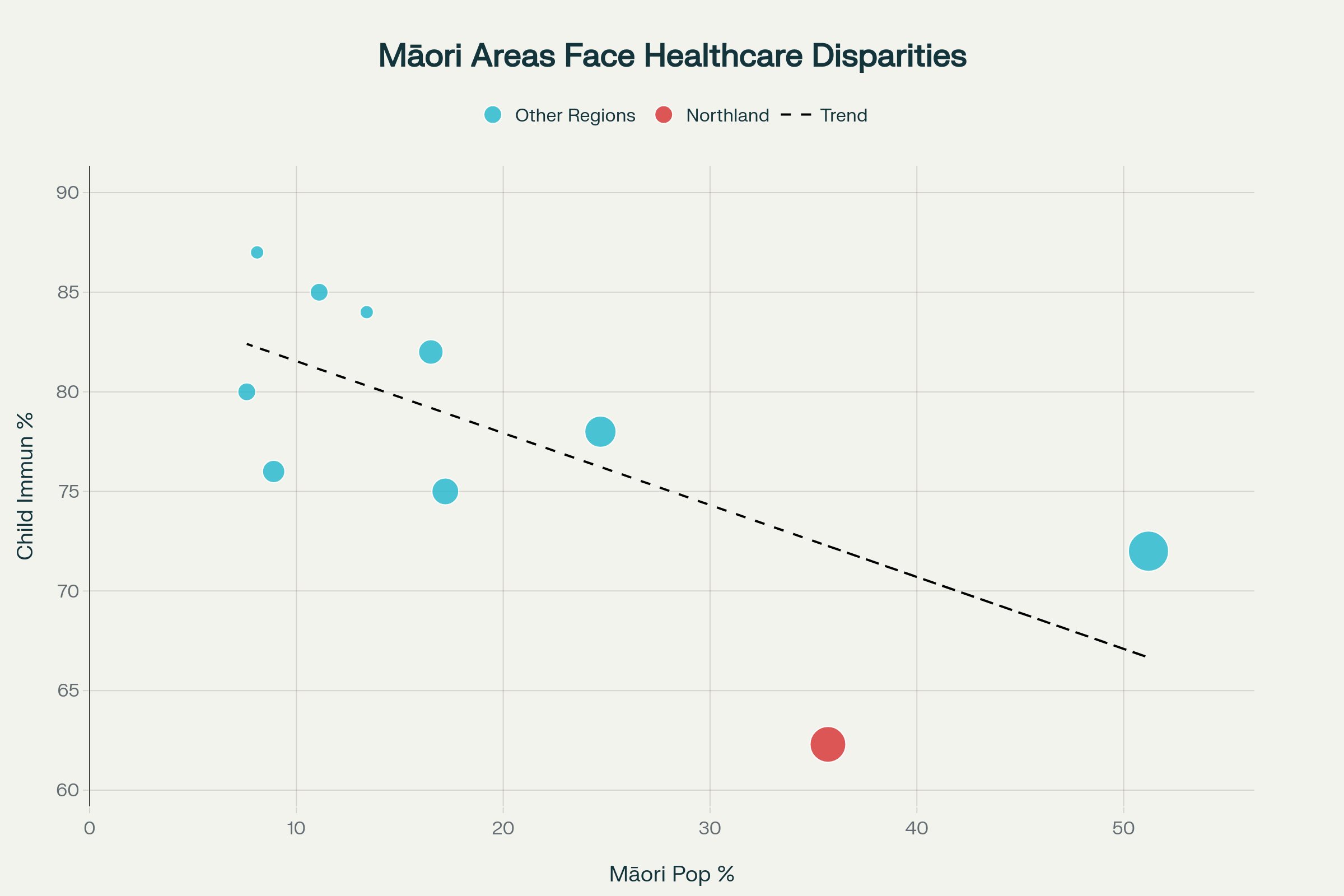
Regional health disparities revealing how areas with higher Māori populations systematically receive worse healthcare outcomes, exposing institutional racism in the health system
The appointment of Brown reveals deeper connections between Christian nationalism and neoliberal healthcare policy. His background as president of ProLife Auckland connects him to broader networks of conservative activists who view healthcare through the lens of moral judgment rather than human rights. When priests recently chained themselves to his office protesting New Zealand’s stance on Gaza, they were protesting someone who shares their theological worldview but applies it selectively.
The pattern extends beyond individual appointments. Baptists represent just 0.8 percent of New Zealand’s population yet hold disproportionate influence in National Party leadership. This is organised entryism - religious communities strategically placing their members in positions of political power to advance theological agendas.
The Digital Destruction Strategy
Brown’s approach to healthcare technology reveals his true priorities. Health NZ is cutting almost half its data and digital positions - more than 1000 jobs - while adopting a strategy to “fail early, fail often” with critical health IT systems. This isn’t efficiency - it’s sabotage.
The human cost is already visible: hospitals face greater cyber attack risks, with Health NZ’s own risk register warning that system failures could “snowball” and force doctors and nurses to abandon patient care to plug IT gaps. Meanwhile, a $116 million payment system upgrade has collapsed after three years and $85 million spent, leaving the health system running on failing infrastructure.
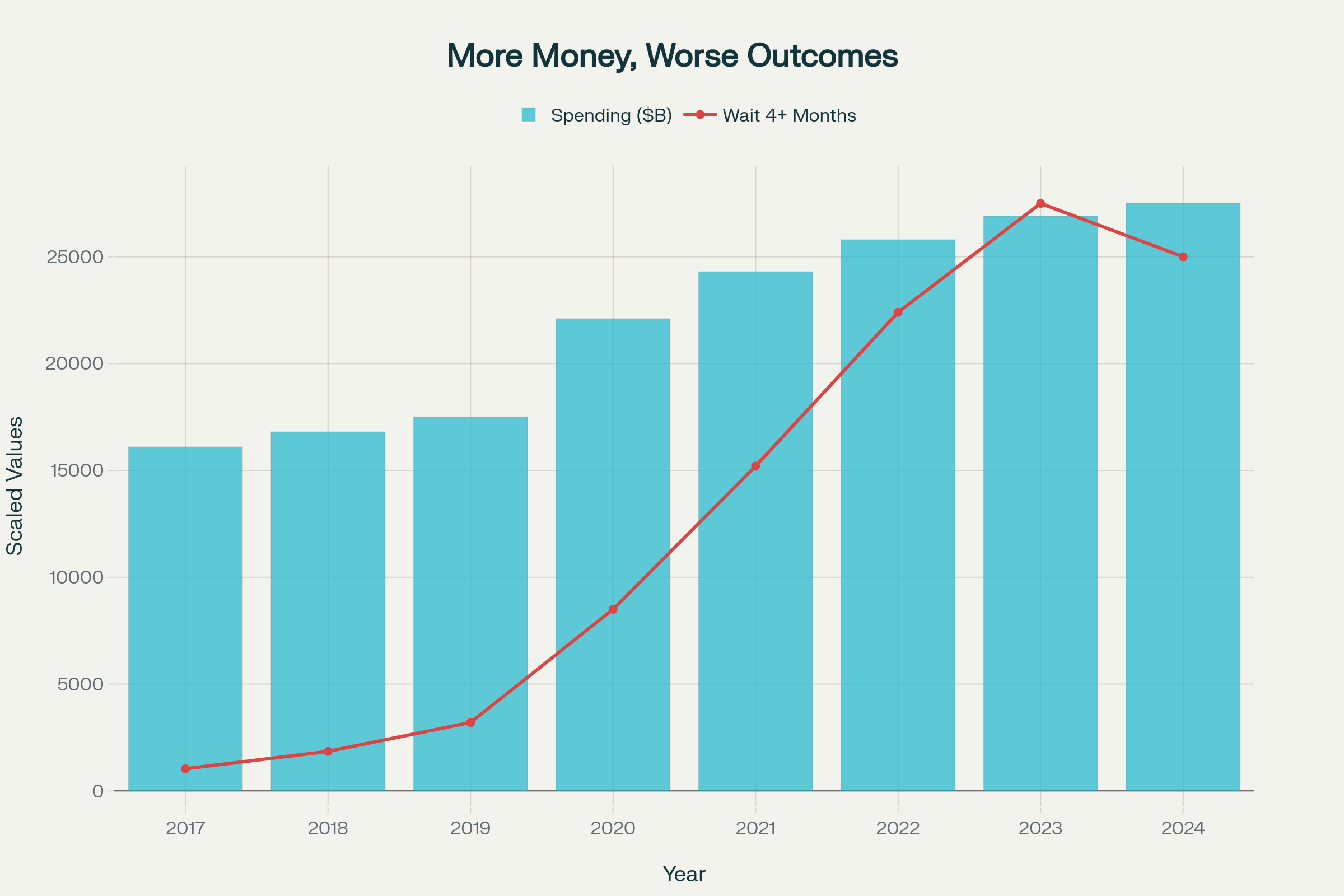
Health spending versus elective surgery waiting lists showing how billions in additional funding resulted in dramatically worse patient outcomes, exposing government incompetence
The Race-Based Policy Reversal
Brown’s ideological agenda becomes clearest in his systematic dismantling of equity-focused healthcare. When Health Minister Shane Reti intervened to scrap a Hawke’s Bay policy that provided free healthcare for young Māori and Pasifika, he was following orders from a coalition government that views equity as discrimination.
This policy reversal wasn’t based on health evidence - research consistently shows Māori face systematic healthcare barriers requiring targeted interventions. It was ideological: the coalition’s commitment to “one law for all” rhetoric that deliberately ignores colonial history and ongoing structural racism.
Implications: The Theocratic Health State
Political spin versus healthcare reality - the gap between government promises and patient outcomes
The broader implications extend far beyond healthcare. Brown’s appointment represents the mainstreaming of Christian nationalist ideology within New Zealand’s secular institutions. When senior doctors strike and cover his office window messages, they’re not just protesting pay conditions - they’re resisting the imposition of ideological control over evidence-based medicine.
The pattern mirrors global trends where Christian nationalist movements use healthcare as a vehicle for imposing moral control. Brown’s background in anti-abortion activism, combined with his current power over reproductive health services, creates obvious conflicts of interest that the mainstream media refuses to interrogate.
For Māori communities, the implications are existential. Health inequities are not just statistics - they represent ongoing colonisation through the systematic denial of healthcare access. When areas like Northland see child immunisation rates collapse to 62.3 percent while spending increases, this represents deliberate policy failure designed to maintain colonial hierarchies.
The government’s own Health Assurance Unit, established by Brown to “drive greater accountability,” operates within the Public Service Commission rather than the health system itself. This isn’t oversight - it’s political control designed to ensure healthcare policy serves ideological rather than health outcomes.
Decolonising Health Means Removing These Charlatans

The Māori Green Lantern Fighting Misinformation And Disinformation From The Far Right
The evidence is overwhelming: this government’s approach to healthcare represents systematic failure driven by ideological commitments that prioritise Christian nationalist values over Māori lives. Brown’s appointment as Health Minister, following the removal of the most senior Māori politician in the National Party, sends a clear message about whose lives matter in New Zealand’s health system.
The path forward requires more than just voting these incompetents out - it demands fundamental decolonisation of health policy and the dismantling of systems designed to maintain Pākehā privilege at the expense of Māori wellbeing. Tino rangatiratanga isn’t just about sovereignty - it’s about the right to healthcare systems that serve our people rather than serve ideological masters who view our suffering as acceptable collateral damage.
When Baptist ministers use religious networks to capture political power and then systematically dismantle equity-focused healthcare, they’re not governing - they’re implementing theocracy. When health spending increases dramatically while outcomes for Māori deteriorate, this isn’t incompetence - it’s colonial policy by design.
The health system crisis won’t be solved by more funding or better targets - it requires removing the ideological barriers that prevent evidence-based policy and replacing colonial health infrastructure with systems designed around tino rangatiratanga and mana motuhake.
Mauri ora, whānau. For those who find value in exposing these truths, please consider a koha to support this kaupapa: HTDM: 03-1546-0415173-000. Only contribute if you have capacity in these tough economic times.
He whakatōhea.
Ivor Jones The Māori Green Lantern