“Henare's Truth Breaks Labour's Fiction” - 21 August 2025
How one honest moment exposed Labour's spineless middle-road deception
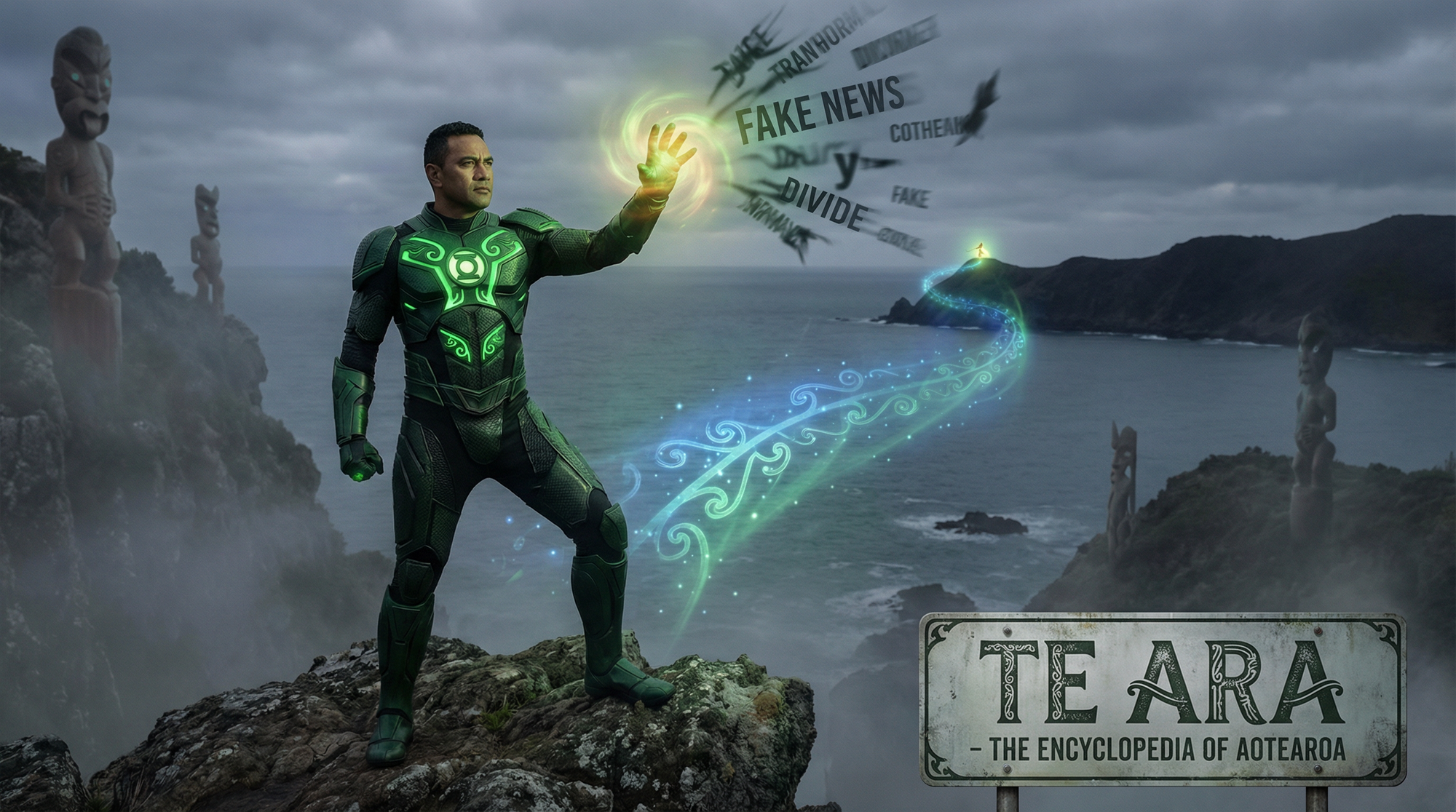
Kia ora whakapapa. Ko au ko Ivor Jones, Te Māori Green Lantern. The political theatre is getting brutal.
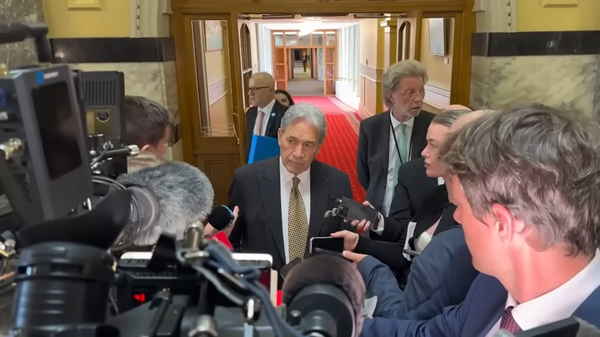
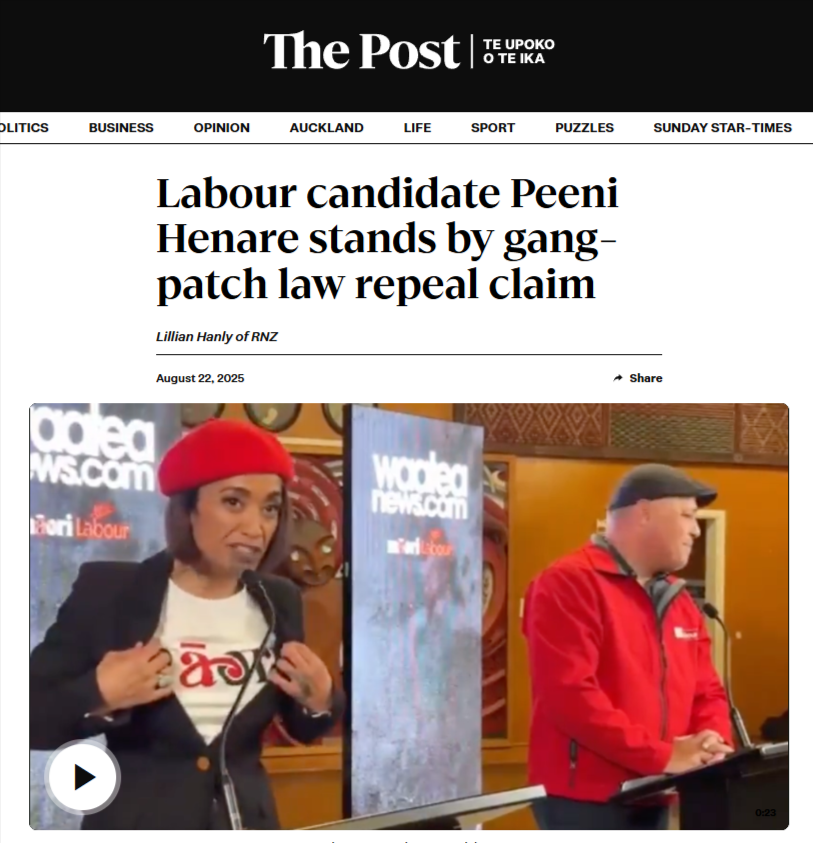
When Peeni Henare said "āe" to repealing the gang patch law at the Waatea-hosted debate in Favona, he committed Labour's cardinal sin: telling the truth about what he believed. Within hours, the machine cranked into damage control mode. Deputy leader Carmel Sepuloni rushed to declare Henare "mistaken", while Justice Minister Paul Goldsmith twisted the knife, claiming Labour had "finally announced its first law and order policy".
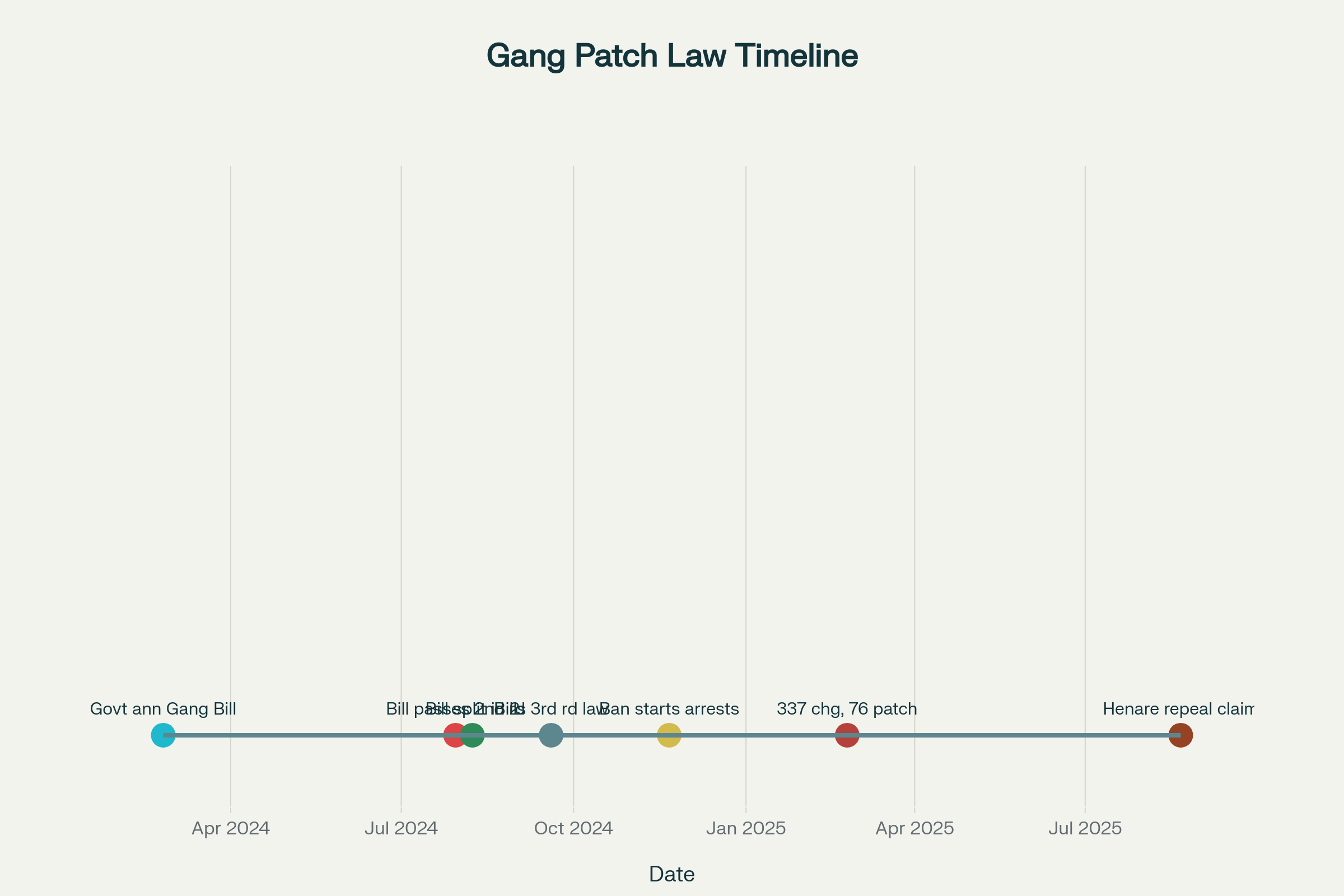
Timeline of Gang Patch Legislation in New Zealand 2024-2025
Background
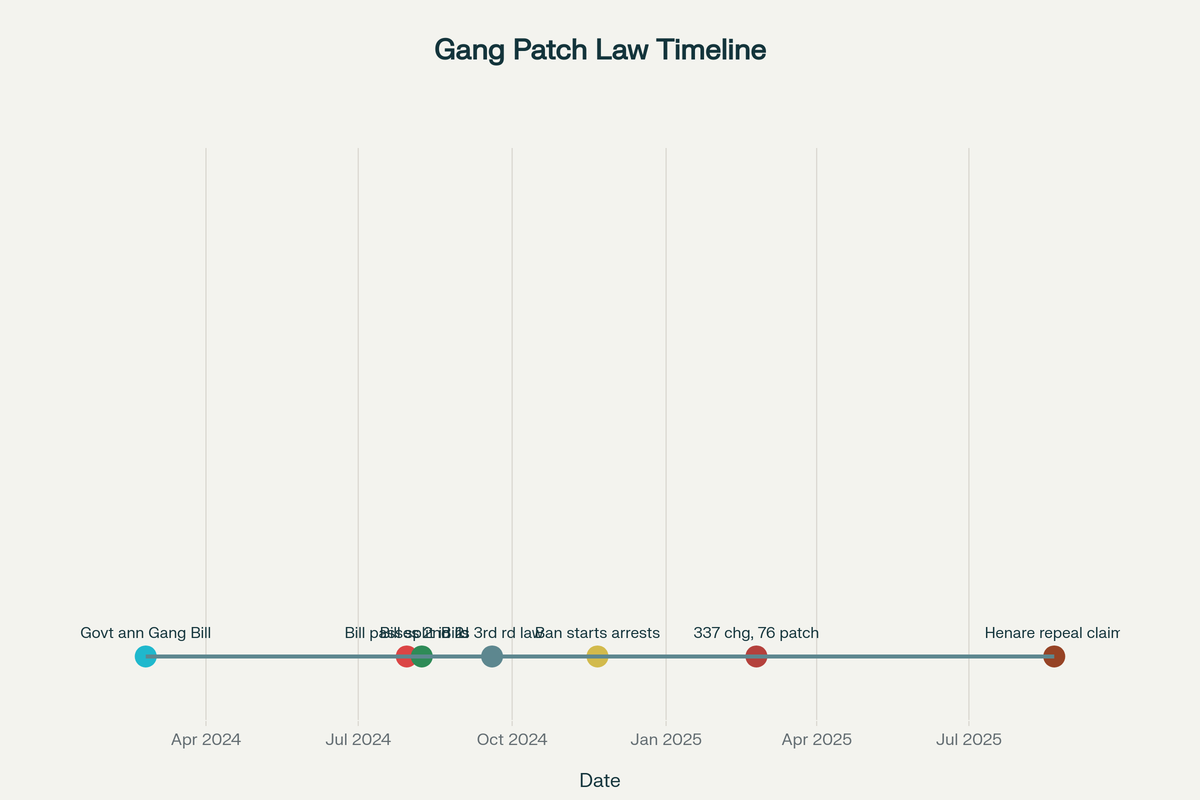
The Gang Legislation Amendment Act represents one of the coalition government's most punitive attacks on Māori communities. Passed in September 2024 by National, ACT and New Zealand First, the law bans gang patches in all public places, grants police dispersal powers, and allows courts to issue non-consorting orders. By February 2025, police had laid 337 charges and seized 76 patches.rnz+1
The legislation emerged from National's election promise to "smash the gangs", despite academic research showing the government's "inability to provide evidence" of effectiveness. The law criminalises cultural expression, creates new search powers, and disproportionately targets Māori communities, where 70% of Māori prisoners have gang connections.ojs.aut+3
On August 21, 2025, at a crucial Tāmaki Makaurau by-election debate, Henare was asked directly whether Labour would repeal the gang patch law. His immediate "āe" response aligned with Te Pāti Māori candidate Oriini Kaipara's "yes," revealing a moment of authentic Māori solidarity that contradicted Labour's official position.
Henare later told RNZ he was expressing his "personal view" informed by "whānau experience," acknowledging it differed from party policy while standing by his position. This exposed the fundamental tension within Labour between authentic Māori representation and electoral pragmatism focused on "middle voters", as Ngarewa-Packer accurately diagnosed.rnz
The incident matters because it crystallises Labour's cowardly approach to systemic racism. While opposing the bill in Parliament, Labour leader Chris Hipkins had previously committed to maintaining National's punitive legislation, revealing a party that talks left but governs right when push comes to shove.rnz+1
Colonial Violence Disguised as Law and Order
The gang patch law represents textbook colonial violence wrapped in the respectable language of public safety. Academic research reveals how gangs emerged as "a response" to the "systemic marginalisation of Māori and socio-economic disenfranchisement resulting from urbanisation and colonisation." Yet the coalition government's response criminalises the symptoms while ignoring the disease.ojs.aut
Justice Minister Paul Goldsmith's rhetoric about "trails of tears and victims behind each gang patch" deliberately obscures the colonial violence that created these conditions. Research demonstrates how "societal changes imposed on whānau and hapū brought about by colonisation shape violence affecting Māori," including how "gang whānau provided rangatahi with a promising future and protection in the face of violence and abuse while in State Care."beehive+1
The law's provisions allowing home searches after three patch violations extend state surveillance into private spaces, while non-consorting orders criminalise association itself. This creates a two-tier justice system where gang members' rights to freedom of expression, association and protection from unreasonable search are systematically violated.wikipedia+2
Labour's Spineless Centre Ground
Henare's moment of truth exposed Labour's fundamental dishonesty about where it stands. The party opposed the legislation in Parliament but refuses to commit to repealing it, revealing the calculated cowardice of a party more concerned with appealing to "middle voters" than confronting structural racism.rnz
Sepuloni's damage control claiming Henare was "mistaken" insults our intelligence. Henare wasn't confused - he was being honest about his values in a moment when political calculation hadn't yet kicked in. His acknowledgment that this was his "personal view" informed by "whānau experience" reveals the authentic Māori perspective that Labour systematically suppresses.nzherald
Te Pāti Māori co-leader Debbie Ngarewa-Packer's analysis cut straight to the bone: Labour "won't push the Māori agenda" because "they're going to push an agenda that, sadly, is focused on middle voters." She identified the exact problem - Labour treats Māori representation as expendable when it conflicts with broader electoral strategy.rnz
Her observation that Henare was "shackled" by party loyalty reveals the institutional racism embedded in Labour's structure. Talented Māori leaders like Henare are forced to choose between authentic representation and party advancement, while the party benefits from their mana without respecting their perspectives.rnz
The Mythology of Evidence-Based Policy
The coalition government's "tough on gangs" rhetoric crumbles under scrutiny. Research published in 2024 demonstrates the government's "inability to provide evidence that demonstrates the efficacy" of its punitive policies, concluding it employs "an ideology-based policy process driven by political expediency (winning votes) rather than an evidence-based approach."ojs.aut
Police statistics reveal the law's true purpose: social control, not crime reduction. By February 2025, police had seized 76 patches and laid 337 charges, but no dispersal notices or non-consorting charges were issued. The focus on visible symbols rather than addressing underlying causes exposes this as performative politics designed to create the illusion of action.rnz
Police Commissioner Richard Chambers' boast about "over 700 prosecutions for the wearing of insignia" reveals the law's function: manufacturing criminals from cultural expression while claiming victory through arrest statistics rather than community safety outcomes.newstalkzb
The Colonial Gaze on Māori Bodies
The gang patch law represents the latest evolution of colonial surveillance and control over Māori bodies. Historical analysis shows how "colonial ideologies and practices of gender, race and class that have been imported to Aotearoa have impacted significantly in undermining Māori structures, beliefs and ways of living."tepunaaonui
The law's requirement that patches be "forfeited to the Crown following conviction" literally appropriates Māori cultural symbols for state possession. This echoes historical patterns of colonial confiscation, from land to children to now cultural expression itself.parliament
Research reveals how the patch functions as cultural "korowai" within gang communities, providing identity and belonging for those marginalised by colonial violence. By criminalising these symbols, the state attacks not just individual expression but collective identity formed in response to systemic exclusion.ojs.aut
Implications
Henare's honest moment exposes the broader crisis within Labour's approach to Māori issues. The party's refusal to commit to repealing obviously racist legislation reveals its fundamental allegiance to maintaining colonial structures while managing Māori dissent through symbolic inclusion.
This has devastating implications for Māori communities facing ongoing state violence. Labour's position legitimises punitive approaches to social problems rooted in colonial dispossession, effectively endorsing the criminalisation of communities already over-represented in every negative social statistic.
The incident demonstrates how institutional racism operates through "progressive" parties. Labour benefits from Māori representation and votes while systematically constraining authentic Māori political expression when it challenges dominant power structures.
For the Tāmaki Makaurau by-election, Ngarewa-Packer's analysis provides clear guidance: voters face a choice between a party that will "defend a system" versus one that will "defend and transform our people."rnz

The Māori Green Lantern fighting misinformation and disinformation from the far right
Peeni Henare's moment of authentic Māori solidarity exposed Labour's calculated betrayal of the communities that consistently vote for them. His "āe" represented everything Labour claims to stand for but abandons when electorally convenient: genuine representation, courage to challenge unjust laws, and solidarity with marginalised communities.
The gang patch law stands as a monument to colonial violence disguised as public safety. Labour's refusal to commit to its repeal reveals a party more interested in managing racism than confronting it. Henare's dismissal of criticism as "another distraction by the government to disguise their anti-Māori agenda" shows he understands the stakes.
This controversy crystallises the choice facing Māori voters: continue supporting a party that treats them as electoral assets while ignoring their voices, or build independent political power that refuses to compromise on justice. Henare's brief moment of truth reveals what's possible when Māori politicians prioritise community over career advancement.
The coalition government's "tough on gangs" rhetoric cannot disguise its fundamental purpose: maintaining colonial structures through state violence against Māori communities. Labour's complicity in legitimising these attacks through their refusal to oppose them demonstrates why authentic Māori political representation cannot exist within colonial political structures designed to contain it.
Ko au ko Ivor Jones, kaitiaki o te pono. The truth always surfaces, no matter how desperately the system tries to bury it.
Those who find value in exposing these colonial deceptions are invited to consider supporting this mahi with a koha to HTDM: 03-1546-0415173-000. Only contribute if you have capacity and wish to do so, as I understand these are challenging times for whānau.
Noho ora mai rā.