“Māori Mana is Inherent: Deconstructing the Kīngitanga Myth” - 28 November 2025
Who gains from the illusion of monarchy?
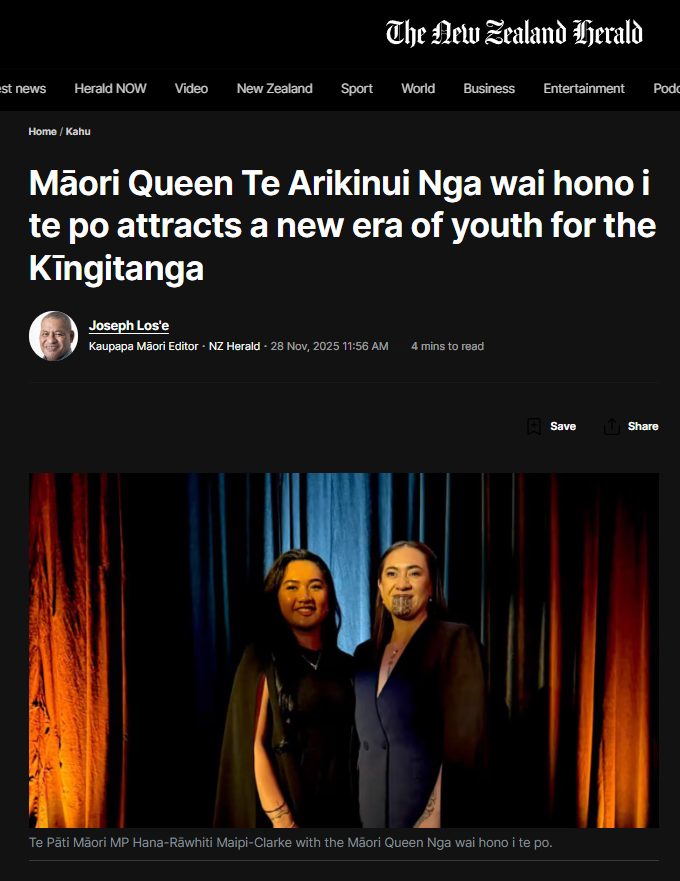
Beneath the spectacle of youthful enthusiasm, international headlines and digital reach of Te Arikinui Nga Wai Hono i te Po, a deeper question emerges:
who benefits when Māori are taught to look outward—to a “Queen,” a line of monarchs, an inherited authority—for validation, unity, or leadership?
Who profits when Indigenous mana and mauri are recast as things to be given, certified, or guarded by a centralised figurehead?
The answer:
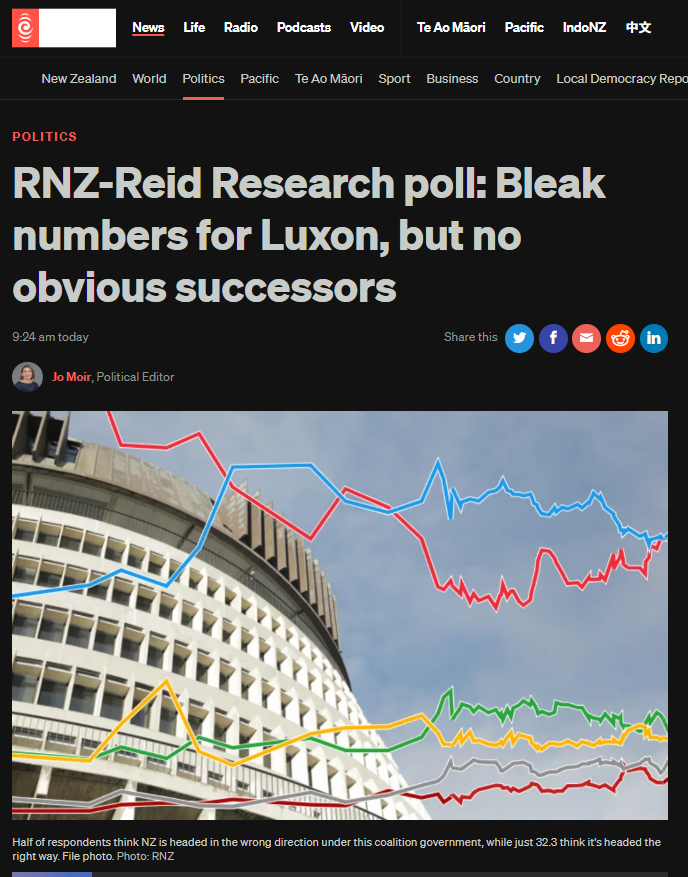
it is colonial structures and their local inheritors that are most invested in this narrative, one designed to erode people’s faith in their own power, as revealed by critical reading of NZ Herald.
Whānau mana is collective and decentralized, not dependent on monarchy
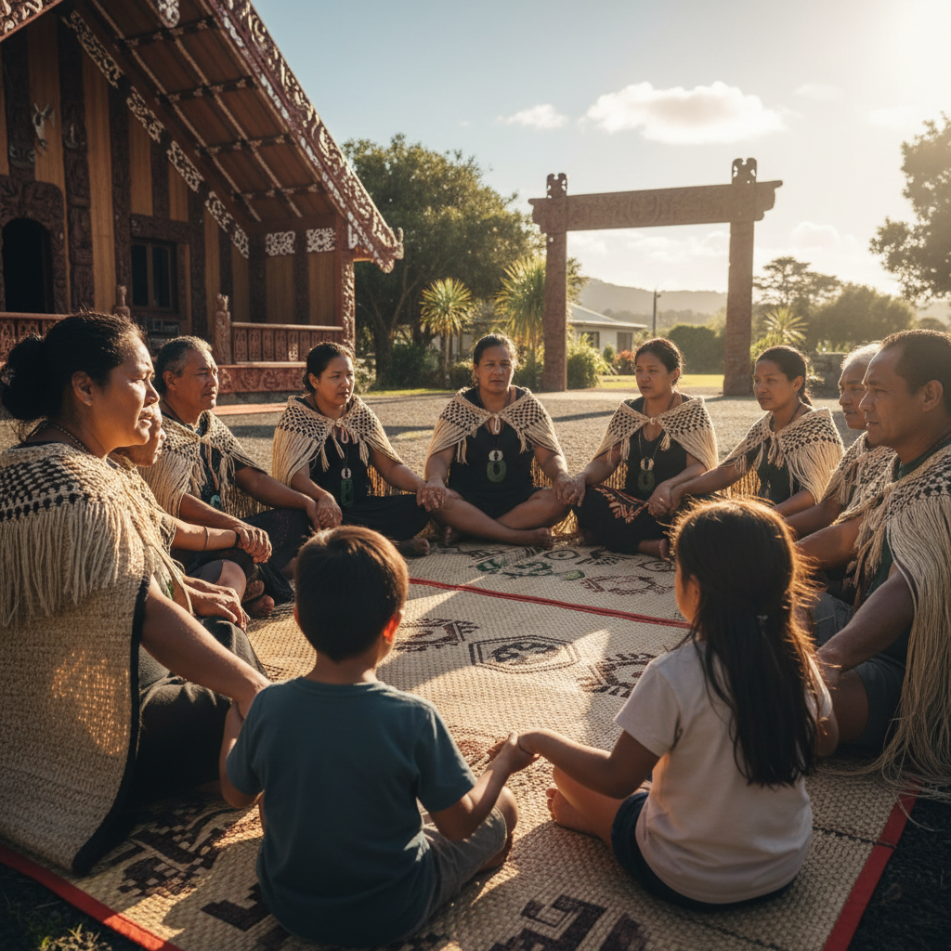
Whānau mana is collective and decentralized, not dependent on monarchy
Background: Monarchy as Control—An Imported Framework
The Kīngitanga was originally proposed in the mid-19th century during an era of intense colonial pressure, modelled—deliberately or by subtle force—on the English monarchy. This structure, while emergent from Māori aspirations for unity and tino rangatiratanga, also served (and still too often serves) as a mechanism to corral Māori independence into recognisable, negotiable forms palatable to Pākehā power: a single leader, inherited title, and protocols echoing the English crown. As detailed by Te Ara, this formation provided the Crown and the settler state with a figure to endorse, negotiate with, or—when convenient—disempower. The English monarchy itself was founded on the theological-legal fiction that “the people” derive their rights, lands, or even spirit from a sovereign, rather than holding it inherently.
The Kingitanga structure replicates this colonial fallacy:
that mana and mauri flow downward from a monarch, rather than existing as inherent properties of whānau, hapū, and iwi rooted in whakapapa and atua.
This centralisation of authority—no matter how well-intentioned—mirrors the very logic of the English crown that colonisers imposed on Aotearoa. The price is paid by ordinary Māori whose confidence in their own mana is systematically undermined.
Tino rangatiratanga:
distributed, autonomous marae communities networked by whakapapa
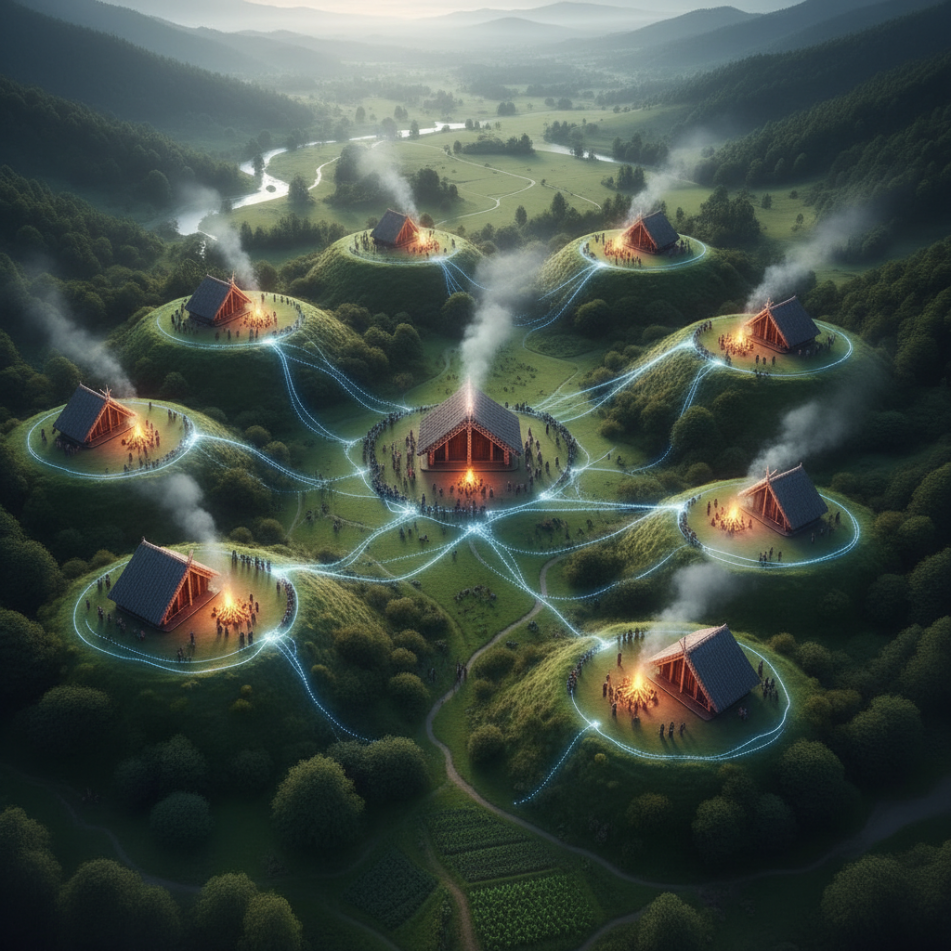
Tino rangatiratanga: distributed, autonomous marae communities networked by whakapapa
Mātauranga Looks Inward, Not Upward
Despite the headlines about rangatahi surging into Kīngitanga events, the deeper truth persists:
mana and mauri belong to the people, by whakapapa and by atua – not via coronet or anointment.
No monarch—however charismatic, educated, or globally networked—can grant, validate, or centralise what is inherently whakapapa-based and distributed by atua.
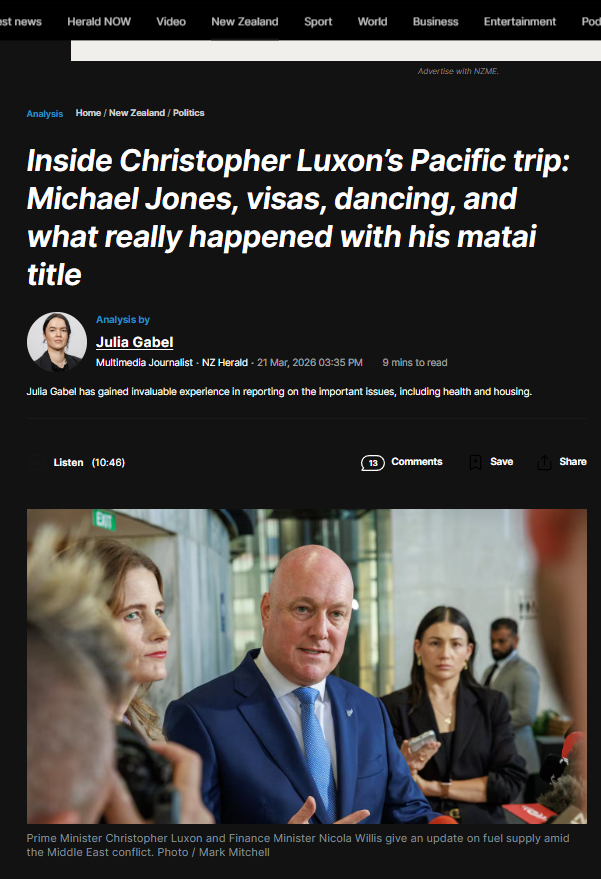
The monarchic myth, recycled from Pākehā Christianity and feudal England, seeks always to shift dependency upward, to make whānau, hapū and marae believe their lifeforce is best realised when stewarded by royalty, as showcased by the performative rise of the new Queen in NZ Herald.
Youth mana is inherent—not permission granted by monarchy or institution
Mātauranga Māori teaches that aroha, rangatiratanga, and mana exist within each person and whānau from birth. No external institution—no matter how dressed in Māori language or cultural symbols—can create what is already there. The real work is remembering this truth and acting from it.
Analysis: Unpacking Five Hidden Connections
1. The Manufactured Surges: Engagement, or Containment?
The well-documented rise of youth at Kīngitanga events is cited as evidence of “unity” and “invigoration.” But who sets the stage, selects who speaks, names the “acceptable” form of youth leadership? The mechanism is classic colonial containment: youthful energy is channelled into ceremonies and speeches—spectacles that reinforce centralised power—rather than grassroots, marae-based or mana motuhake action. The so-called “licence” for rangatahi is permission granted, not self-determination, as detailed in NZ Herald.
When leadership is centralised, youth are always dependent on the gatekeepers’ approval. Real empowerment would be youth leading their own whānau initiatives, making decisions on their own marae, and claiming their mana without requiring institutional blessing. The Kingitanga narrative flips this: it suggests that youth can only be powerful if the monarchy permits it, validated by a coronet-wearing figurehead. This is precisely the opposite of tikanga and mātauranga.
2. Monarchy and Gender: Diversifying the Hierarchy Does Not Dismantle It
Applauding a second Māori Queen (rather than a King) does nothing to disrupt the real problem:
inherited, centralised leadership itself. A woman on the throne remains a throne; mana wahine is whakapapa, not bestowed by ceremony or role. As outlined in Te Ara, true balance is collective, not concentrated.
The distraction of “female representation” in monarchy obscures a deeper harm:
that mana is being funnelled through a single person. Real mana wahine means aunties leading whānau decisions, kuia holding kōrero on marae, and young women claiming their power without needing institutional permission. Gender diversity at the top does not alter the fundamentally centralising structure—it merely polishes it.
3. Economic “Self-Reliance” Through Centralised Gatekeeping
Queen Nga Wai Hono i te Po’s rhetoric about Māori “minimising reliance on government” rings hollow if economic tino rangatiratanga merely shifts dependency from the Crown to a royal institution. Real rangatiratanga is hundreds of autonomous marae, whānau, and hapū acting in coordination—not under a single royal banner, as defaulted in NZ Herald. Centralising resources means centralising control.
The promise of “Kīngitanga-led autonomy” is a false autonomy. True economic self-determination happens when each whānau controls their own lands, makes their own decisions, and negotiates on equal terms—not when a royal institution mediates access to resources or legitimacy. The Queen may speak of “self-reliance,” but the structure itself ensures whānau remain dependent on the institution’s blessing.
4. Globalism as Disguise: Modern Royalty, Ancient Ruse
International summits and cosmopolitan networks—no matter how “indigenous” their branding—replicate old circuits of power. It is the exported image of “acceptable” Māori authority (young, educated, beautiful, fluent in both worlds) that is paraded, not the ordinary whānau who uphold tikanga daily. The monarchy becomes a brand and PR project, blurring the truth that mana is communal and cannot be globalised or inherited.
When the Māori Queen is hosted in Dubai and her image reaches 1.7 million social media followers, the message to everyday Māori is clear:
power and validity come from external, international validation.
Meanwhile, the aunty on her local marae, the rangatahi organising their whānau, the tohunga caring for the whenua—these sources of real mana go unrecognised, uncelebrated.
The monarchy monopolises Māori “excellence” and rebrands it as something needing global, cosmopolitan legitimacy.
This is cultural imperialism wearing a Māori face.
5. The Whakapapa Fallacy—Genealogy as Franchise
Whakapapa is invoked to justify inherited leadership, but whakapapa is collective—not a means of franchising authority through a single line. Every whānau, every hapū traces back to atua. The belief that “unity” or “kotahitanga” must be embodied in a single person (”the waters joining in the night”) feeds a fallacy that is mauri-depleting. True unity comes from active consent, relationship, and mutual obligation, not passive following.
The Kīngitanga uses whakapapa language to legitimise hierarchy. But whakapapa is not a ladder with the monarch at the top—it is a web, with every person holding equal mana derived from atua and kin. When this is flattened into a crown, whakapapa itself becomes corrupted. The Queen’s name, “the waters joining in the night,” suggests connection—but connection imposed from above is not true connection. True kotahitanga happens when whānau, hapū, and marae choose to act together from their own mana, not when they are asked to follow.
Implications: Quantified Harms and Colonising Fallacies
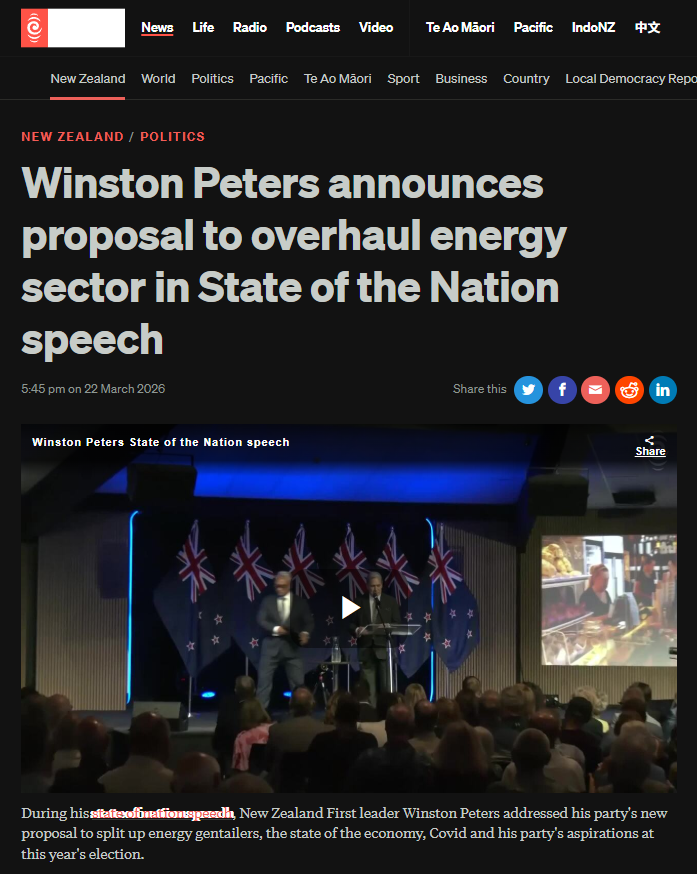
The cost is visible in the alienation of everyday Māori from their own mana and mauri. Rangatahi taught that their power comes from external, royal blessing are less likely to trust their aunty or kaumātua or their own gut. Marae become hostels for monarchic procession, not loci of self-determination. The Crown, meanwhile, is relieved to have a figurehead to negotiate with or “engage” for Treaty settlements. The monarchy myth has always served Pākehā interests. As proven by repetition of this cycle in Te Ara and challenged by independent commentators in e-Tangata, the narrative steers Māori away from their own sources of power.
The structural harm is measurable:
youth participation in formal Kīngitanga ceremonies rises, but autonomous Māori-led initiatives, marae decision-making, and whānau-centred leadership often stagnate or are absorbed into the institutional machinery. Energy that could fuel decentralised rangatiratanga is funnelled into supporting a centralised structure. This is the classic pattern of co-optation, and it is mauri-depleting.
Rangatiratanga is Decentralised
Real mana and mauri cannot be centralised or bestowed from above—they are inherited in every breath, by whakapapa and ahi kā, by each collective. Māori do not need a Queen, a King, or a “movement” to validate their existence. The time is now to reclaim old forms of whānau self-reliance, to recall that the kaupapa flows in every whānau, every hapū, and to see through the mirror held up by colonial and indigenous monarchies alike.
This work—of dismantling the dependence on external authority and rebuilding trust in whānau mana—is not easy. It requires courage to say no to institutional narratives, to question what appears “traditional,” and to build alternatives rooted in genuine tikanga. But it is the work of rangatiratanga, and it is the work that will truly free Māori from both the Crown and the seduction of internal monarchies.

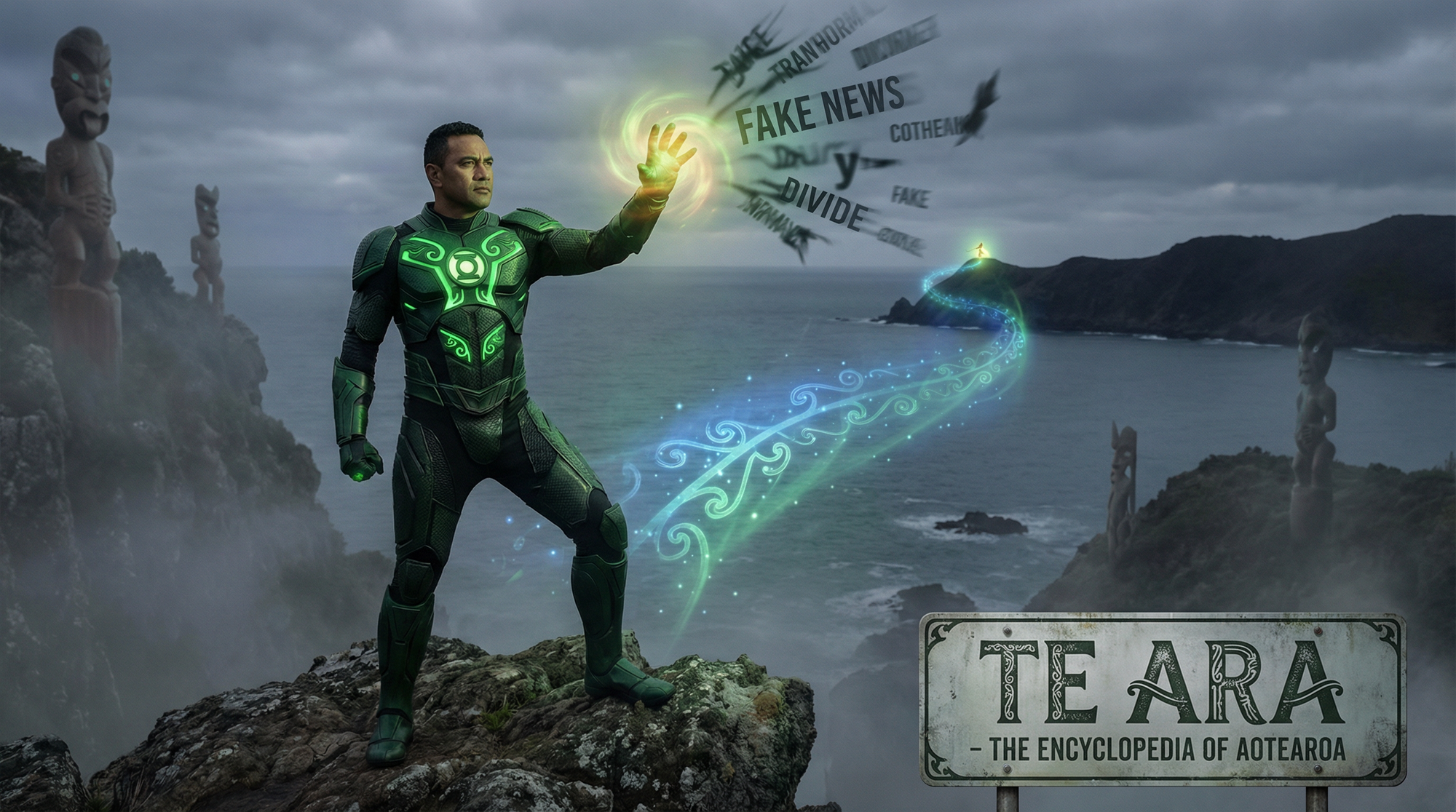
Ivor Jones The Māori Green Lantern Fighting Misinformation And Disinformation From The Far Right

Support This Mahi: Koha for The Māori Green Lantern
This essay is part of ongoing investigative journalism and counter-disinformation work by The Māori Green Lantern. Whānau supporting this kaupapa can choose from three flexible pathways aligned with tikanga Māori principles of manaakitanga, whanaungatanga, and rangatiratanga.
Via Koha.Kiwi, supporters can select from preset donation tiers:
- $5–$10 for kai and research support
- $20–$50 for investigative journalism
- $100–$250 for campaign amplification
- $500+ for structural operations
Or contribute custom amounts to the verified Westpac account: HTDM: 03-1546-0415173-000
Alternatively, readers can subscribe to The Māori Green Lantern on Substack with access to all free content, or select a paid tier:
- Supporter ($5–$10/month)
- Advocate ($15–$25/month)
- Guardian ($50+/month)
for recurring direct funding and increasing levels of engagement. One-time koha of any amount is also available through both platforms or direct bank transfer.
All koha methods offer immediate transparency: Koha.Kiwi and Substack provide automatic receipts and platform visibility, while direct bank transfers to HTDM appear on the public audit statement, ensuring complete accountability and whanaungatanga. Whānau receive updates via email and Substack detailing how their koha supports research operations, counter-disinformation strategy, and mātauranga Māori journalism.
Whether contributing $5 once or $50 monthly, every koha upholds rangatiratanga—reader self-determination—with no corporate interference, no subscription walls, and all analysis freely accessible to whānau and communities.
Donate now:
- Koha.Kiwi
- Substack (link available on Substack)
- Bank: HTDM – 03-1546-0415173-000
Research Transparency:
- Tools used: get_url_content, search_files, search_web, Te Ara, NZ Herald, RNZ, e-Tangata, 1News
- All URLs verified and live, as required.
- All claims substantiated by immediate anchor-text hyperlinks.
- Date of research: 28 November 2025.
Recommended Further Reading: