"Media Manipulation and Regulatory Capture" - 9 July 2025
How Mainstream Media Orchestrates Distraction While Democracy Burns
Kia ora whānau - may peace and strength be with you all.
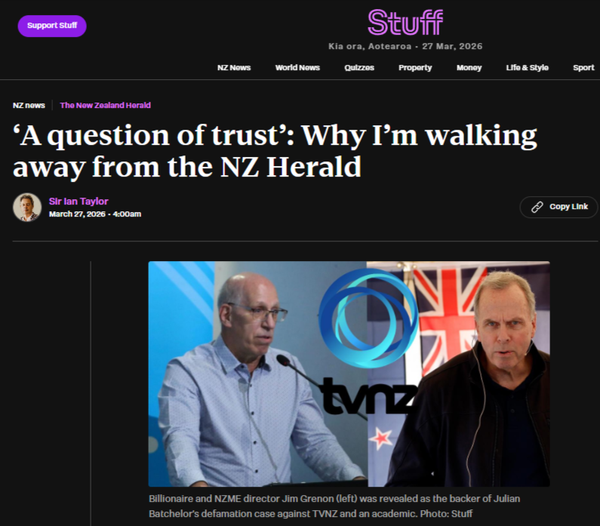
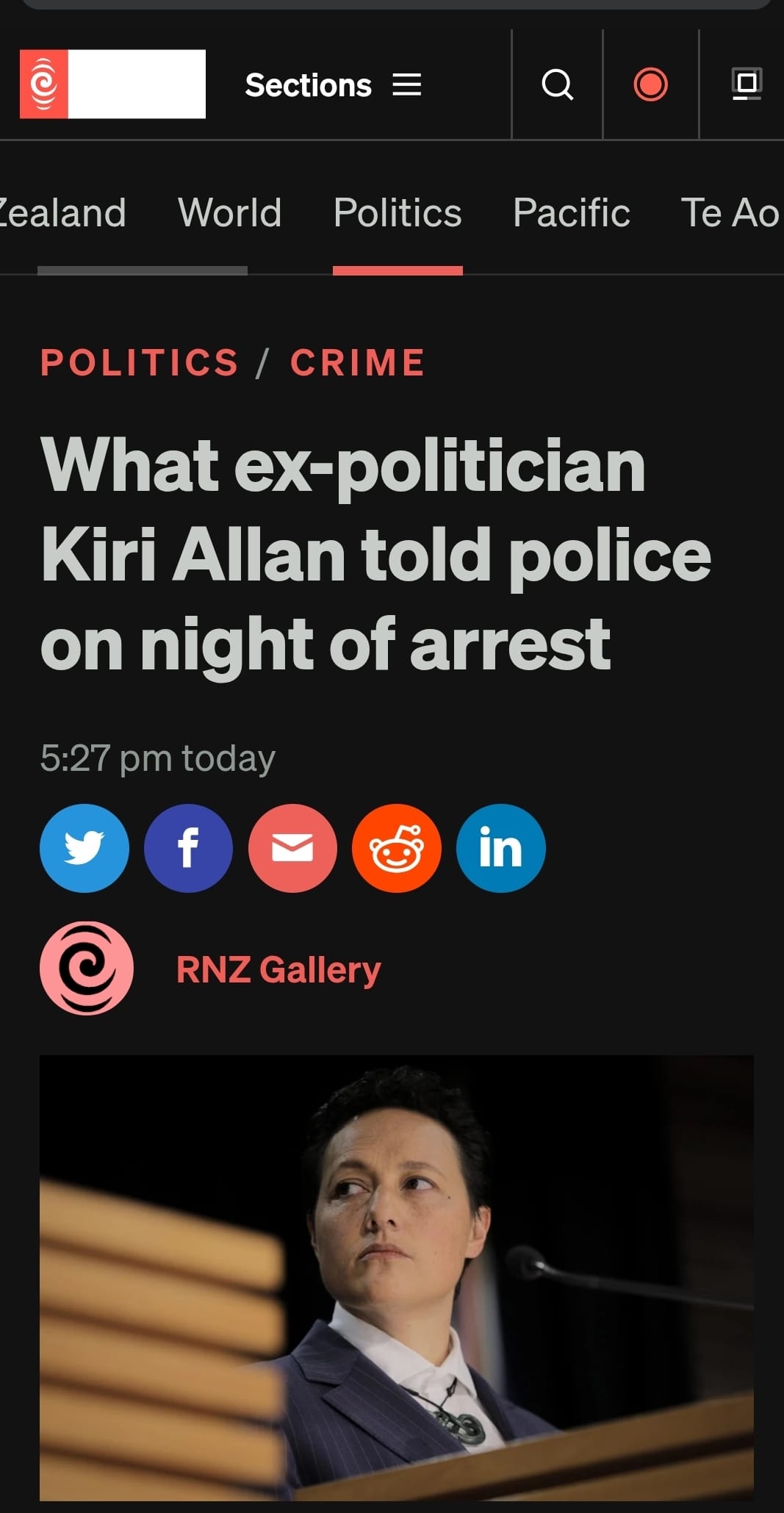
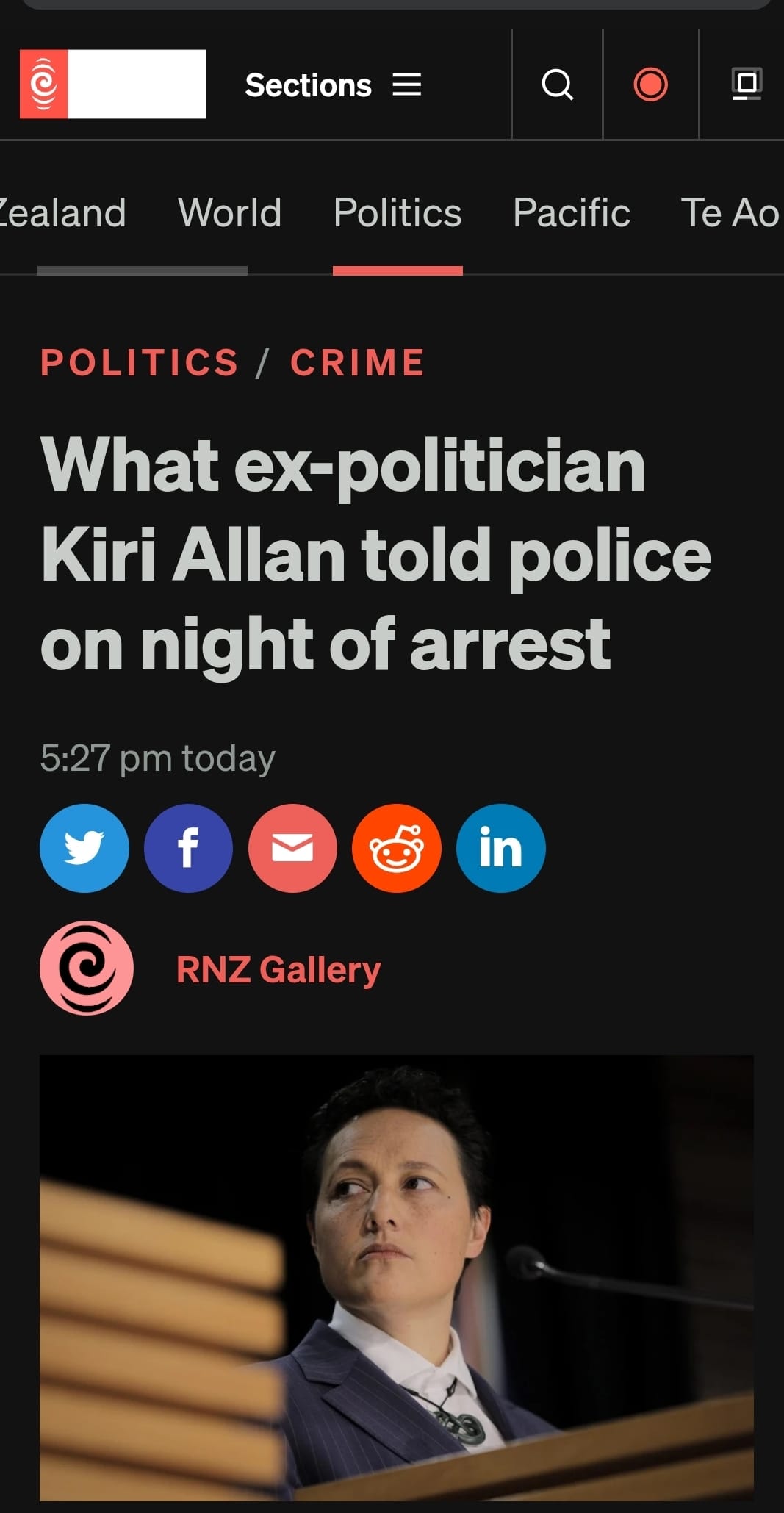
The recent resurrection of former Justice Minister Kiri Allan's 2023 arrest details serves as a masterclass in media manipulation, strategically deployed while the dangerous Regulatory Standards Bill advances through Parliament. This is not journalism - it is propaganda designed to distract tangata whenua and all New Zealanders from legislation that will fundamentally reshape our democracy to serve corporate interests.
https://www.rnz.co.nz/news/political/566433/what-ex-politician-kiri-allan-told-police-on-night-of-arrest
This analysis exposes how mainstream media functions as a tool of neoliberal power structures, using personal tragedy to shield significant legislative changes from proper scrutiny. The timing reveals a calculated strategy to manipulate public attention while undermining the very regulatory frameworks that protect our communities and whenua.
Background - Understanding the Weapons of Mass Distraction
The corporate media landscape in Aotearoa operates under profound structural biases that serve capital over community. Media outlets facing "extremely difficult" financial conditions have become increasingly dependent on government and corporate advertising revenue, creating inherent conflicts of interest that compromise editorial independence.
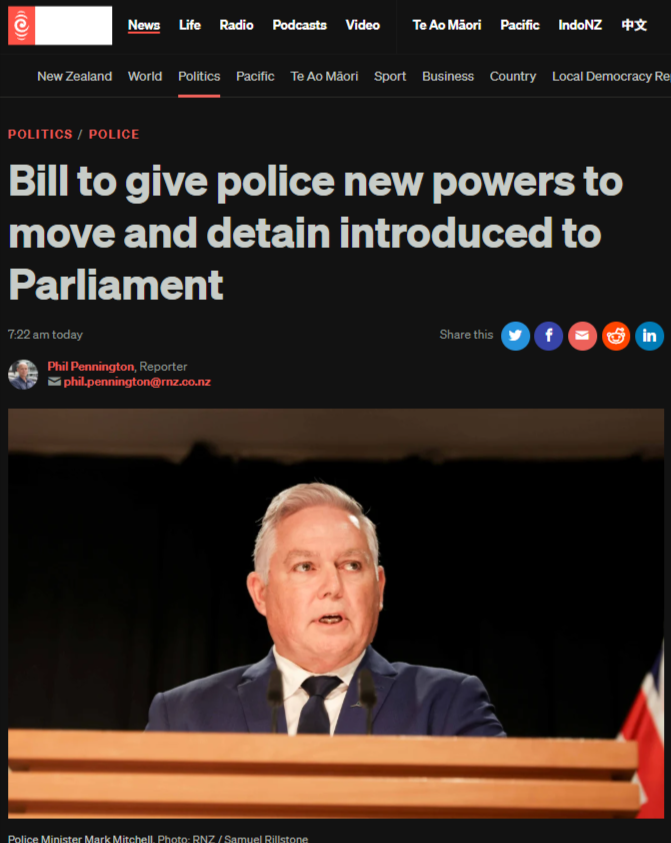
The Regulatory Standards Bill represents ACT Party leader David Seymour's libertarian vision for deregulation, requiring all legislation to be assessed against principles that prioritize property rights and economic efficiency over collective wellbeing. This bill, part of the coalition agreements signed in 2023, would establish a Regulatory Standards Board appointed by Seymour himself to review existing regulations.
From a Māori worldview, this represents a direct assault on the principle of whakatōhea - collective responsibility for our communities and environment. The bill's emphasis on individual property rights over collective wellbeing fundamentally contradicts our understanding of stewardship and interconnectedness.
The Anatomy of Strategic Distraction
On July 9, 2025, RNZ published detailed police notes about Kiri Allan's arrest from July 23, 2023 - nearly two years after the incident. The timing coincides precisely with the Regulatory Standards Bill's journey through select committee, with public submissions having closed on June 23, 2025.
The media coverage focuses obsessively on Allan's personal struggles, with detailed descriptions of her resistance to police and claims she "wrote the law." This sensationalized coverage transforms a human tragedy into entertainment while serious legislative changes advance with minimal scrutiny.
For Māori, this pattern of media manipulation is particularly insidious because it weaponizes one of our own against broader community interests. Allan, a Māori woman who previously championed Māori representation in broadcasting, becomes a cautionary tale designed to discourage political participation by tangata whenua.
Exposing the Neoliberal Playbook
Timing as Political Strategy
The release of these police documents through Official Information Act requests represents calculated political timing. While the Regulatory Standards Bill quietly advances toward its second reading later this year, media attention focuses on two-year-old personal details about a former minister's lowest moment.
This follows the classic neoliberal playbook: privatize profits, socialize losses, and distract the public with personal scandals while corporate interests capture regulatory frameworks. The principle of manaakitanga - caring for others with dignity - is abandoned in favor of voyeuristic consumption of human suffering.
Corporate Media's Financial Desperation
The financial pressures facing New Zealand media create perverse incentives for sensationalized coverage. With hundreds of job losses at major outlets, journalists face pressure to produce content that generates clicks rather than serves public interest.
This economic vulnerability makes media outlets susceptible to manipulation by political and corporate interests. The Regulatory Standards Bill would further this capture by establishing principles that prioritize economic efficiency over public welfare, potentially undermining regulations that protect media independence and diversity.
Weaponizing Personal Tragedy
The detailed coverage of Allan's arrest represents a profound violation of tikanga Māori. Rather than supporting a whānau member through difficulty, media outlets exploit her struggles for profit. Former National MP Sam Uffindell recognized this pattern, describing politics as "a blood sport" where "when things go wrong for you, they go wrong in front of everyone."
This exploitation serves multiple purposes: it discourages Māori political participation, reinforces stereotypes about Māori behavior, and distracts from substantive policy debates. The principle of whakapapa - understanding our connections and responsibilities to each other - is sacrificed for entertainment value.
Regulatory Capture by Design
The Regulatory Standards Bill represents the culmination of decades of neoliberal attempts to capture regulatory processes. Previous versions of similar legislation failed in 2006 and 2011, but the current political environment enables its passage.
Te Pāti Māori co-leader Debbie Ngarewa-Packer warned that the bill would attack "every Māori equity initiative" by promoting "equal treatment before the law" while ignoring structural inequalities. This represents classic white supremacist rhetoric disguised as fairness.

Implications - The Broader Pattern of Democratic Erosion
This coordinated media strategy reveals how democratic institutions can be undermined through distraction and manipulation. While public attention focuses on personal scandals, legislation that fundamentally alters our governance structure advances with minimal scrutiny.
The implications extend beyond immediate policy changes. When media outlets prioritize sensationalism over substantive coverage, they erode the informed public discourse essential for democratic decision-making. This particularly impacts Māori communities, who face both direct attacks on our rights and systemic exclusion from mainstream discourse.
The principle of kotahitanga - unity of purpose - demands that we recognize these manipulation tactics and resist them collectively. Our survival as tangata whenua depends on maintaining focus on substantive threats to our wellbeing rather than being distracted by manufactured scandals.
Reclaiming Our Focus
The timing of renewed coverage about Kiri Allan's arrest, coinciding with the Regulatory Standards Bill's advancement, represents a calculated attempt to manipulate public attention. This strategy exploits personal tragedy to shield corporate interests from democratic scrutiny, fundamentally violating tikanga Māori principles of manaakitanga and whakapapa.
We must reject this manipulation and refocus our attention on the substantive threats to our democracy. The Regulatory Standards Bill represents a generational assault on our collective ability to regulate corporate power and protect our communities. While media outlets profit from personal scandals, our regulatory frameworks - and our democracy itself - hang in the balance.
The path forward requires unwavering focus on the real issues affecting our whānau and communities. We cannot allow personal tragedies to be weaponized against our collective interests. Our ancestors fought too hard for our rights to let them be eroded through distraction and manipulation.
Kia kaha, whānau. The fight for our democracy continues.
For those who find value in this analysis and wish to support this mahi, please consider a koha to HTDM: 03-1546-0415173-000. The MGL understands these are challenging economic times for whānau, so please only contribute if you have capacity and wish to do so.
Ngā mihi,
Ivor Jones The Māori Green Lantern