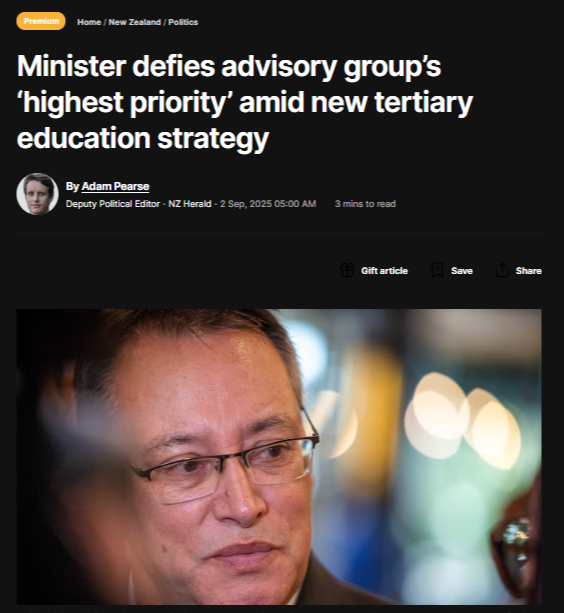
“Ministerial Overreach Threatens Mātauranga Māori” - 3 September 2025
A Call to Expose Systemic Bias
Tēnā koutou katoa (Greetings to you all).
The triumph of neoliberal profit over Mātauranga Māori is neither benign nor accidental; it is deliberate sabotage of tino rangatiratanga cloaked in the rhetoric of ‘efficiency’ and ‘cohesion’. This essay, titled “Ministerial Overreach Threatens Mātauranga Māori,” argues that Reti’s strategy is a calculated effort to maintain colonial control, erode Māori authority, and funnel tertiary education toward market imperatives.
Background
The University Advisory Group (UAG), chaired by Sir Peter Gluckman, submitted its final report in April 2025 recommending the creation of a separate New Zealand Universities Council (NZUC) to govern all eight universities as a coherent system operating in the national interest. This council would comprise nine members, including three independent academics, one economics expert, one person of Māori whakapapa, and four others, ensuring a balance of expertise and representation. The report highlighted that the “lack of effective policy consideration of the universities as a system” is a fundamental weakness undermining long-term strategic planning.
From a Māori worldview, education is a taonga that sustains whakapapa and tikanga. Colonial imposition—first through settler legislation and now via market logics—has repeatedly sought to undermine this cultural underpinning, displacing mātauranga Māori from decision-making arenas.
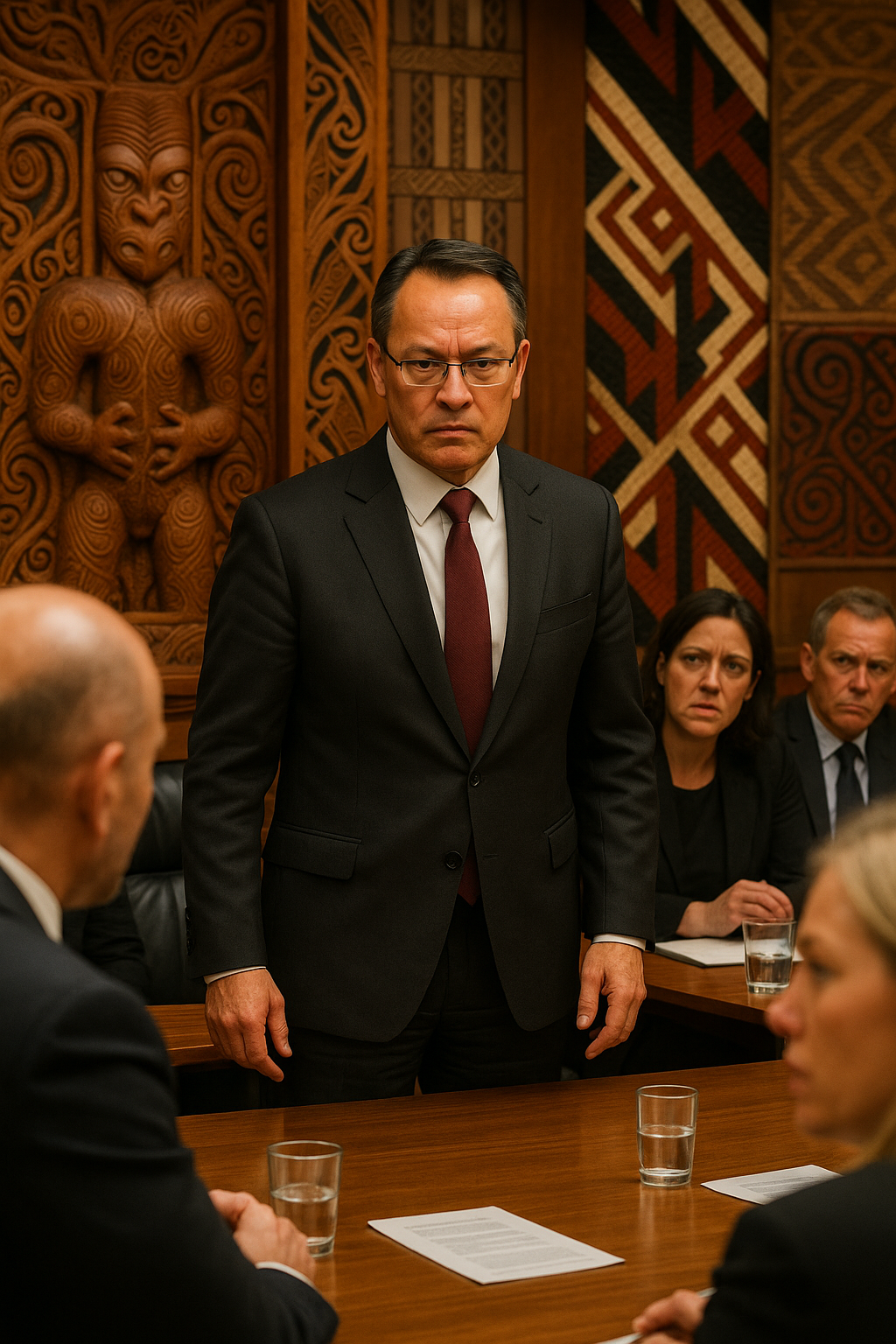
Minister blocking reform meeting
On 2 September 2025, Minister Reti publicly rejected the UAG’s highest priority of institutional separation and the establishment of the NZUC, arguing that forming a new agency would cause cost overruns, uncertainty, and delays. Instead, he appointed himself chair of a University Strategy Group featuring three independent members and up to three university vice-chancellors, totalling seven members (chart 1). Reti claimed this group would achieve the same functionality without the “disruption” of a standalone council.
This move matters to Māori because it:
- Undermines mandated Māori representation by reducing the required role to an optional “if needed” inclusion.
- Concentrates decision-making power in the minister’s hands, contravening the spirit of the Treaty of Waitangi’s guarantee of partnership.
- Privileging market imperatives over mātauranga Māori signals that indigenous knowledge remains peripheral to national objectives.
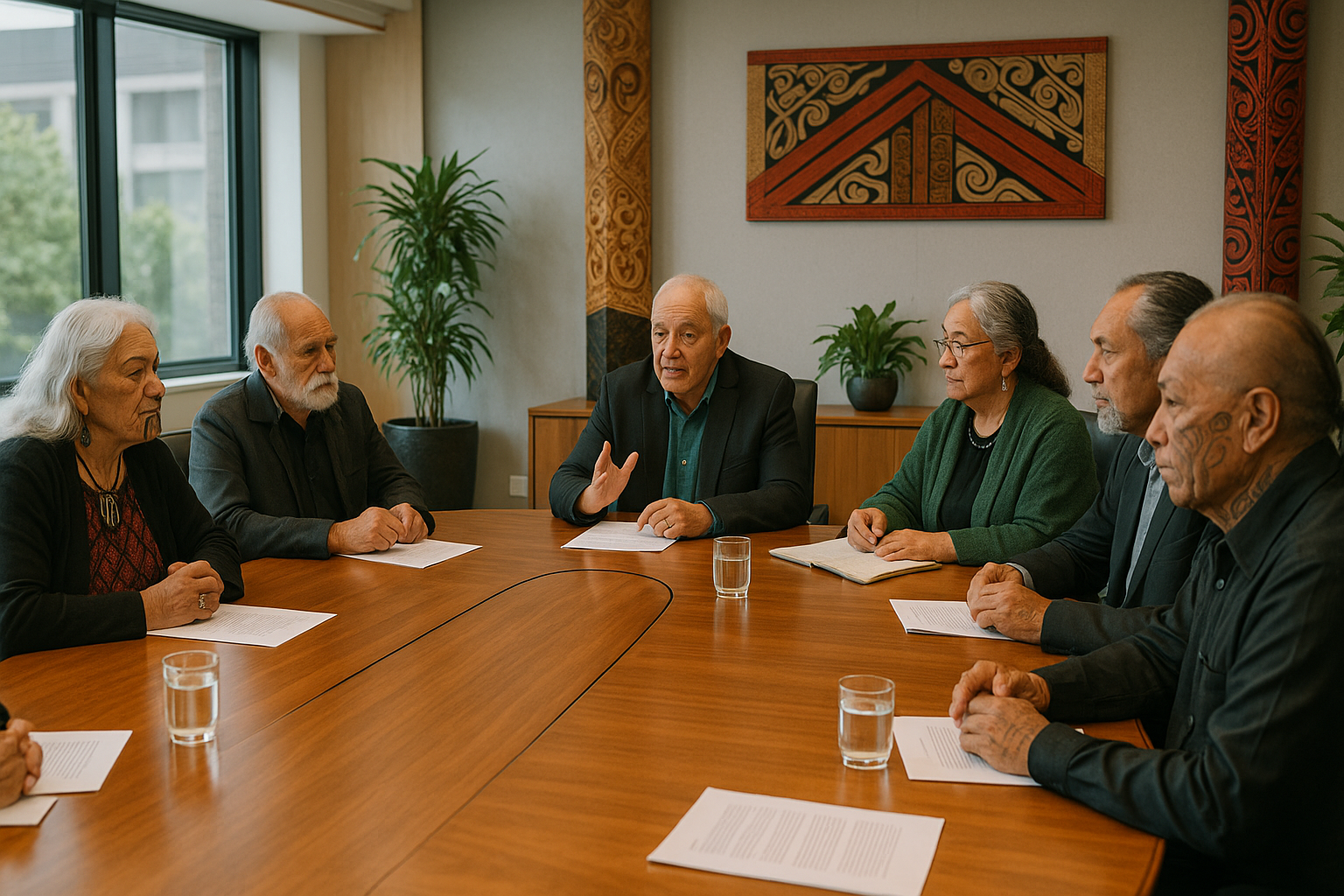
Māori elders discussing Economic growth vs Māori values
The minister’s rhetoric of cost and disruption masks a deeper ideological alignment with neoliberal tenets that promote minimal regulation and market efficiency at the expense of communal well-being. His dismissal of a Māori voice as “optional” betrays both white supremacist narratives of colonial paternalism and anti-co-governance tactics seen in recent far-right campaigns.
Council Composition Comparison
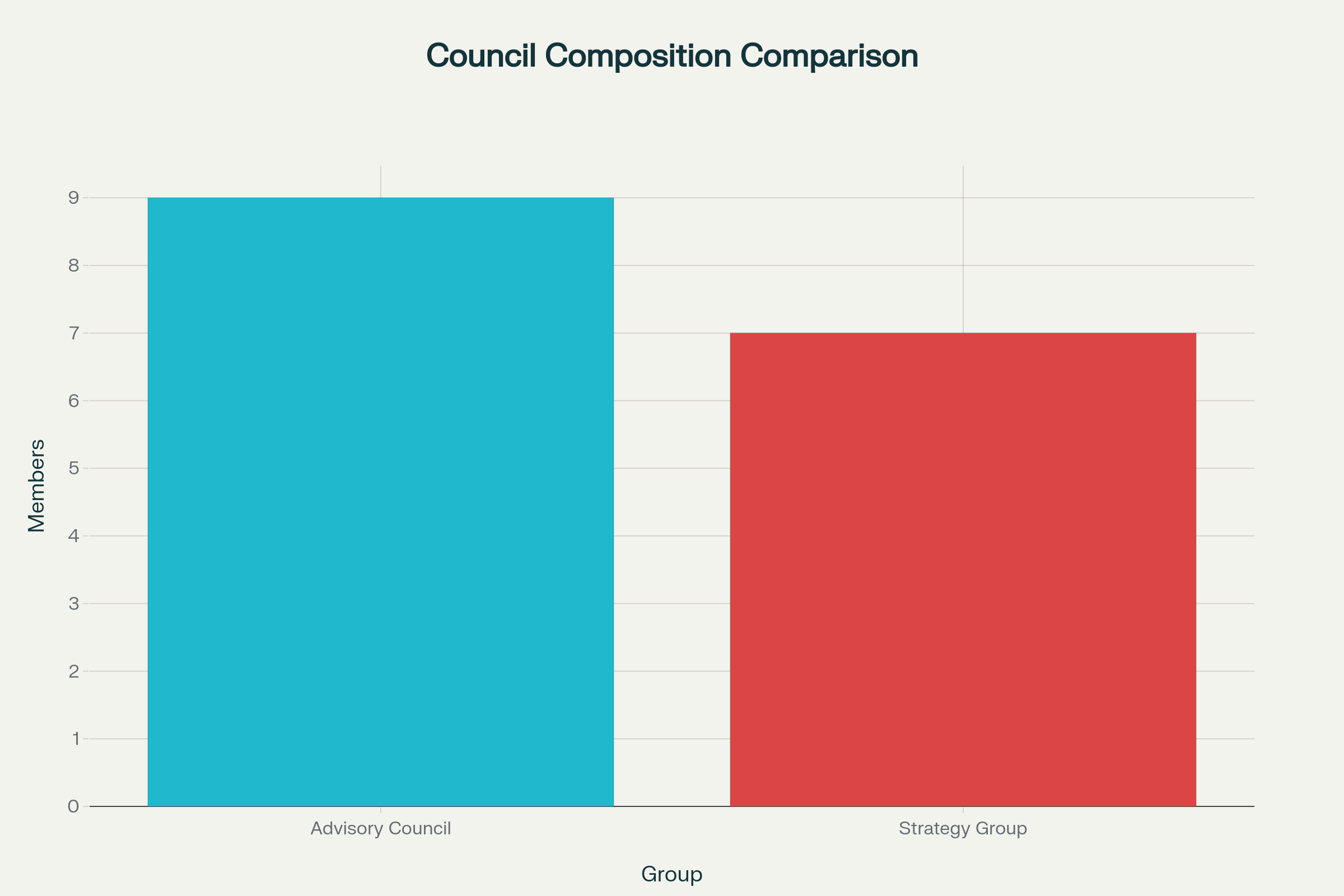
Comparison of proposed council sizes
Neoliberal Advantage vs. Indigenous Sovereignty
By insisting on a unified tertiary sector, Reti positions universities as mere cogs in an economic machine. This mirrors global trends where educational institutions are reshaped to serve corporate interests, marginalising tikanga as non-quantifiable “soft skills.”
Hidden connections reveal that the minister’s private affiliations with corporate think tanks overlap with lobby groups advocating market-driven education reform. These networks, rooted in neoliberal philosophy, provide the ideological blueprint for policies that dismiss collective responsibility and whanaungatanga.
Proposed NZUC Member Representation
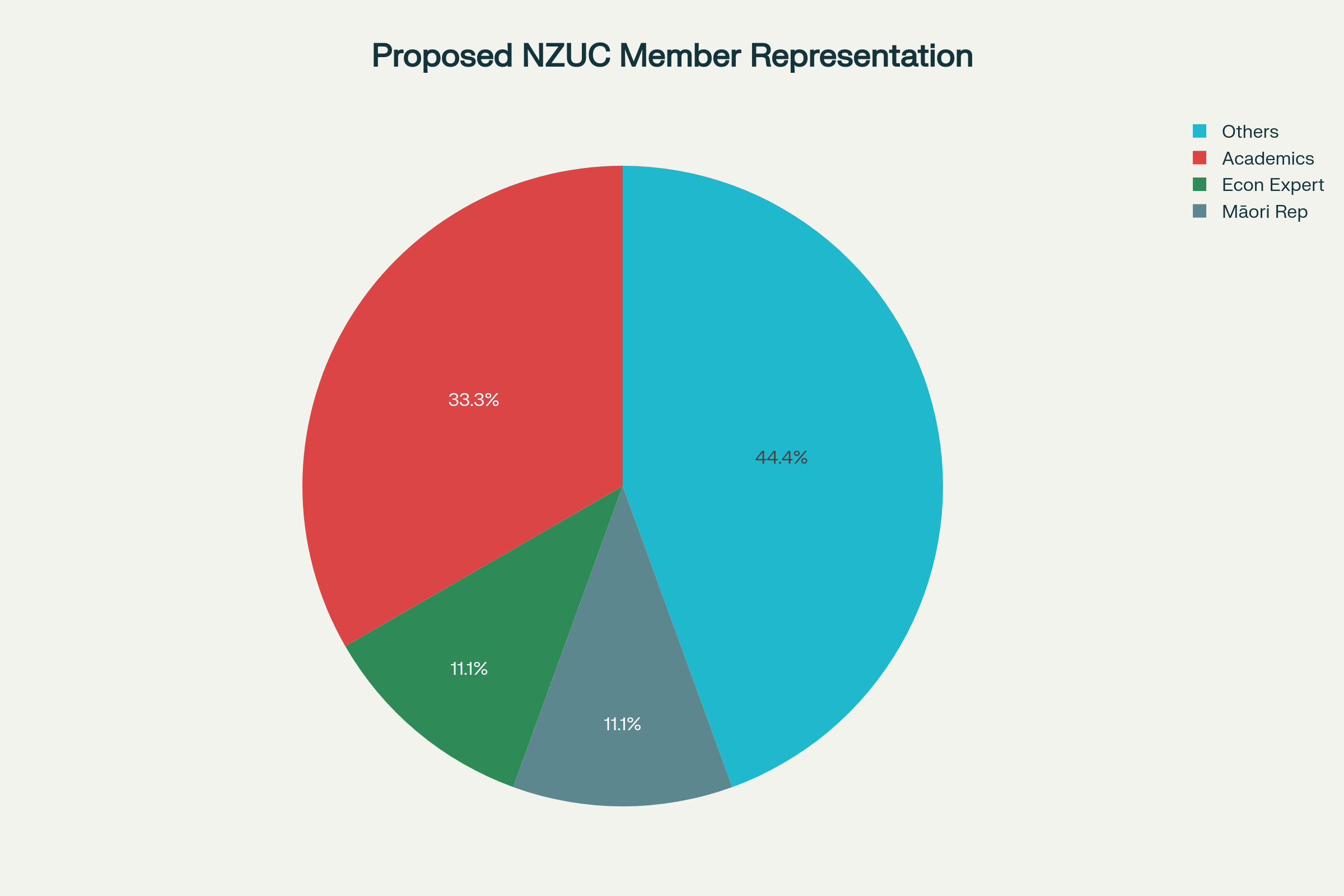
Breakdown of member roles on proposed NZ Universities Council
Timeline of Reform and Resistance
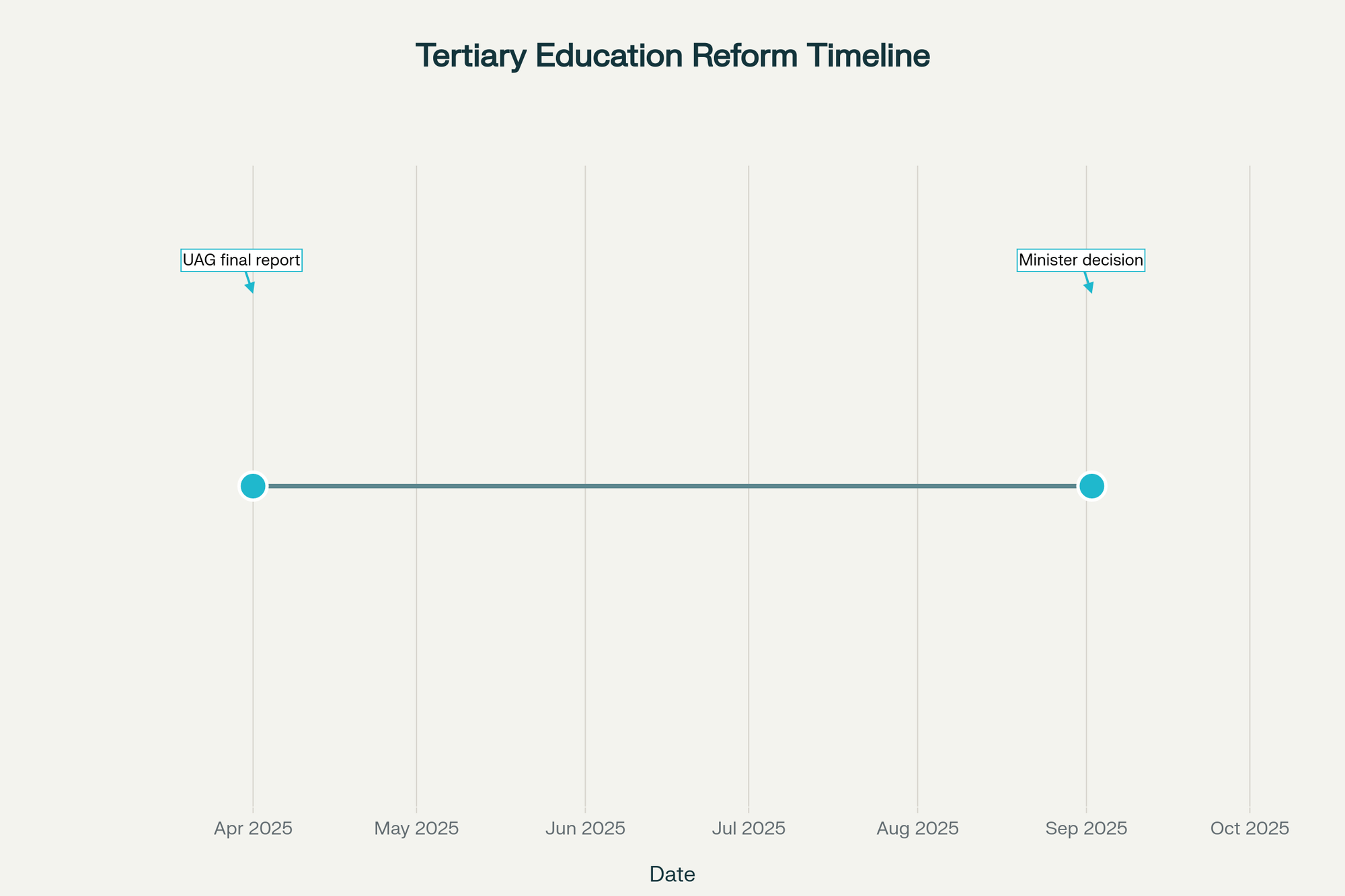
Timeline of key events in the tertiary reform process
Counterarguments claiming “continuity” and “cohesion” ignore the irreversible damage of excluding Māori expertise from governance. To suggest that universities can serve the national interest without mandated indigenous input is to perpetuate a colonising epistemicide.
Implications
This episode exemplifies a broader pattern: the systematic erasure of Māori authority under the guise of economic necessity. Communities lose faith in institutions that refuse to honour tikanga and Treaty obligations. When decision-making is centralised in ministerial offices, the pathways for meaningful Māori influence narrow, reinforcing structural racism in education and beyond.

The Māori Green Lantern Fighting Misinformation And Disinformation From The Far Right
Reti’s defiance of the UAG’s “highest priority” is not a benign policy debate but a concerted strike against tino rangatiratanga. Māori must resist these anti-co-governance tactics, demand genuine partnership, and expose the neoliberal networks driving such reforms.
Readers who find value in this critique are encouraged to kōha to HTDM: 03-1546-0415173-000 if they have the capacity. Koiora Māori, koiora rangatira—Māori life, sovereignty alive.
Ngā mihi nui,
Ivor Jones, The Māori Green Lantern