"New Toll Roads For You To Pay For - TE ARA O TE UTU: THE TOLL ROAD TO COLONIAL EXTRACTION" - 18 February 2026
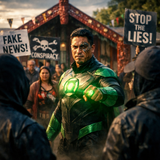
They Built the Bridge on Stolen Land. Now They Want Māori to Pay $9 Every Time They Cross It.
Mōrena Aotearoa,
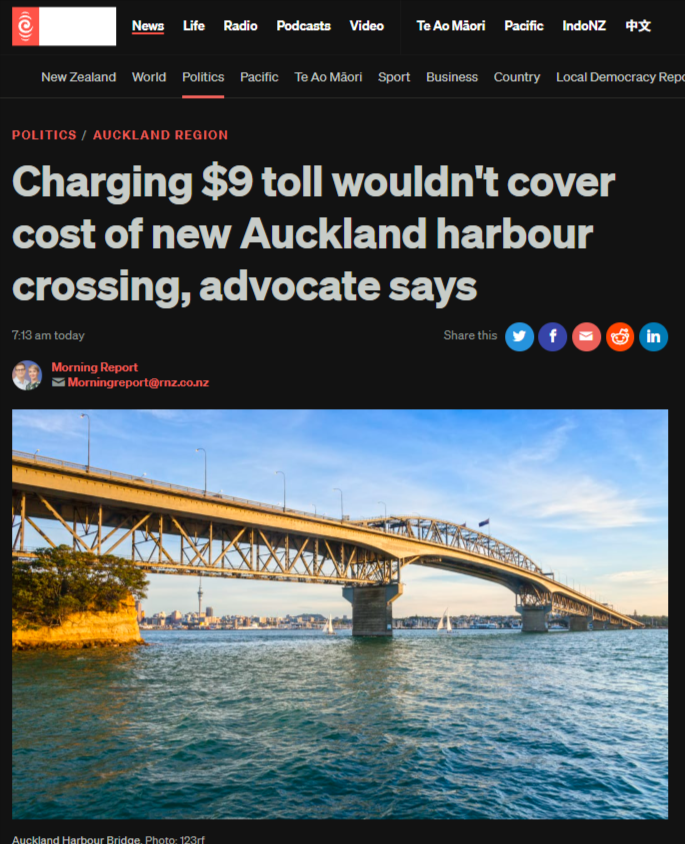
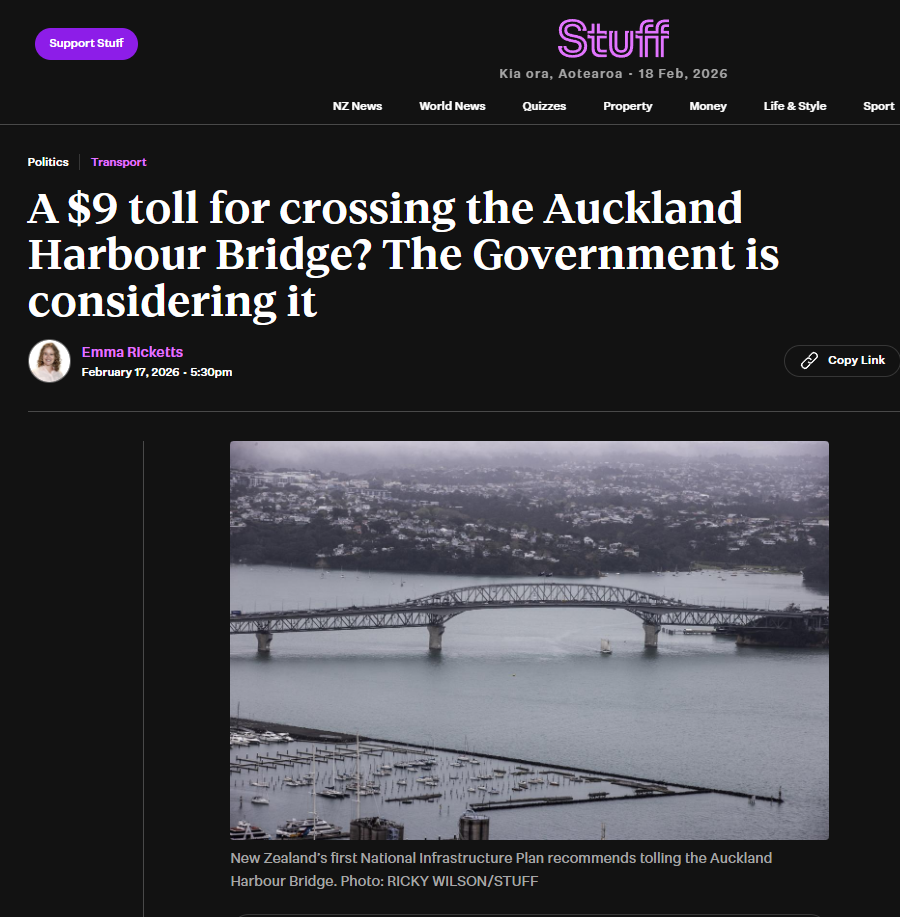
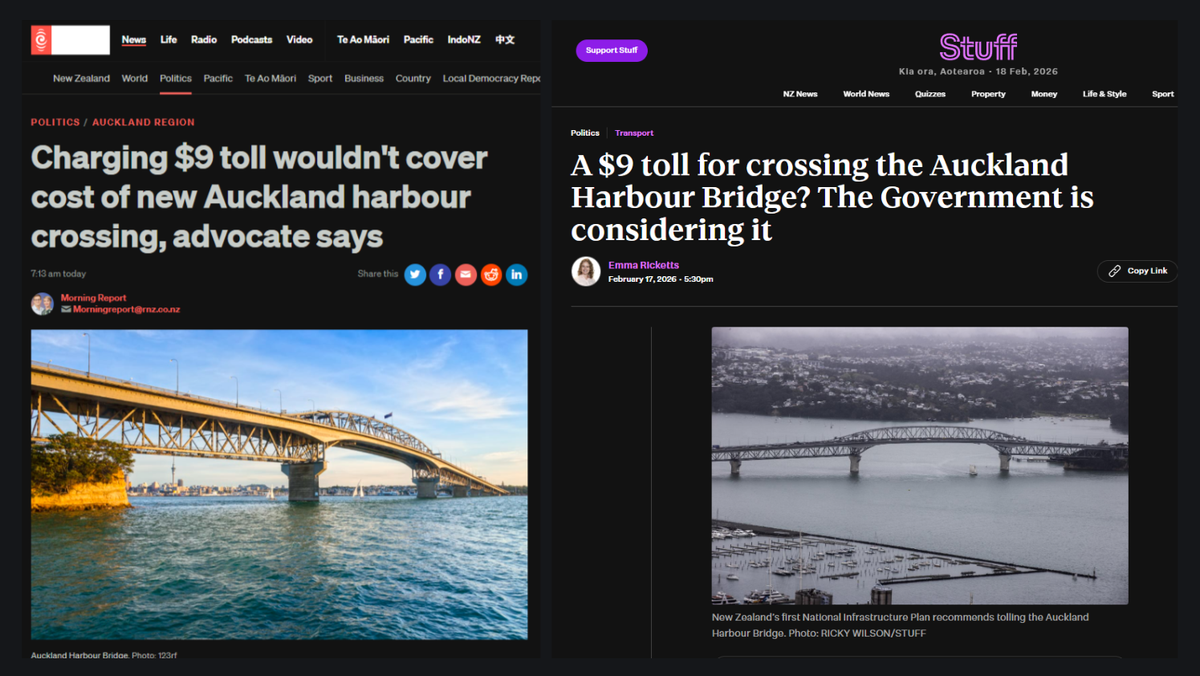
https://www.stuff.co.nz/politics/360939738/9-toll-crossing-auckland-harbour-bridge-government-considering-it; https://www.rnz.co.nz/news/political/587145/charging-9-toll-wouldn-t-cover-cost-of-new-auckland-harbour-crossing-advocate-says
This is a shit government, if you havent already figured it out.
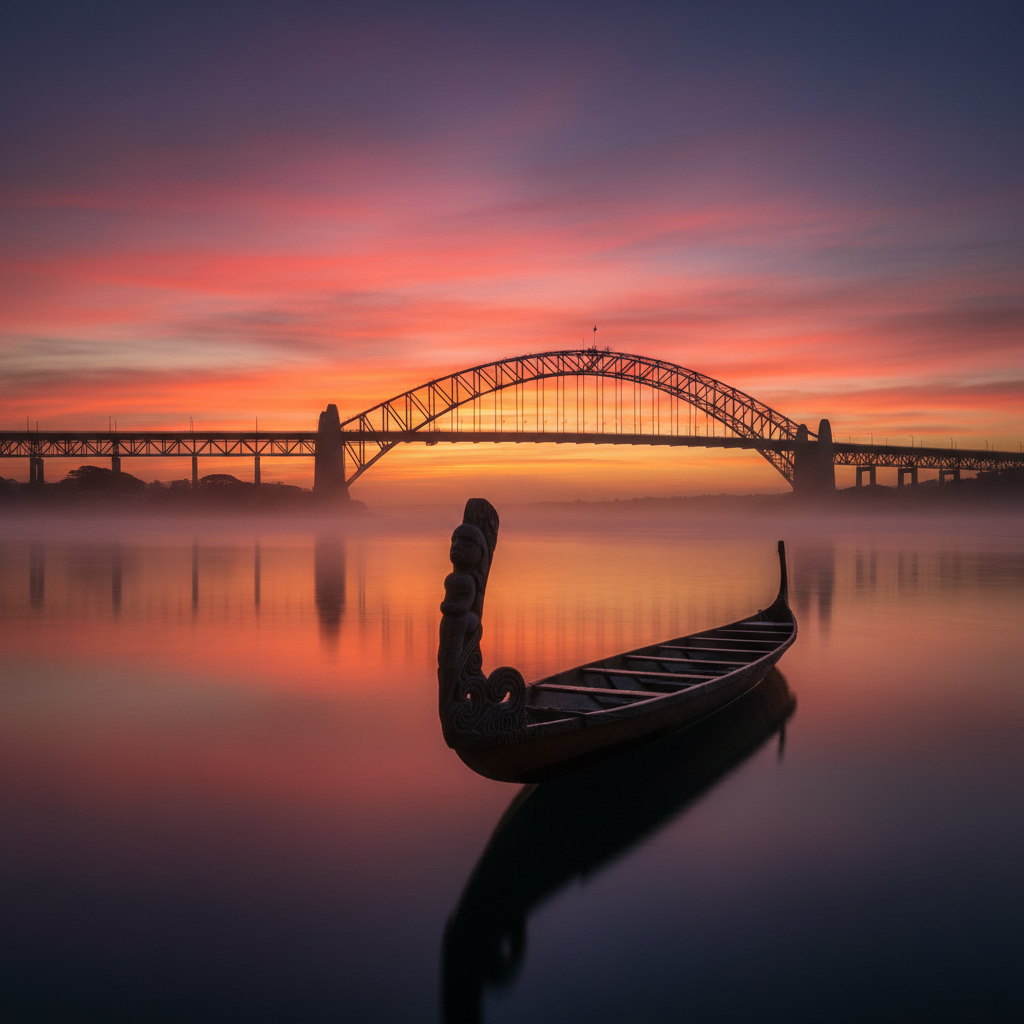
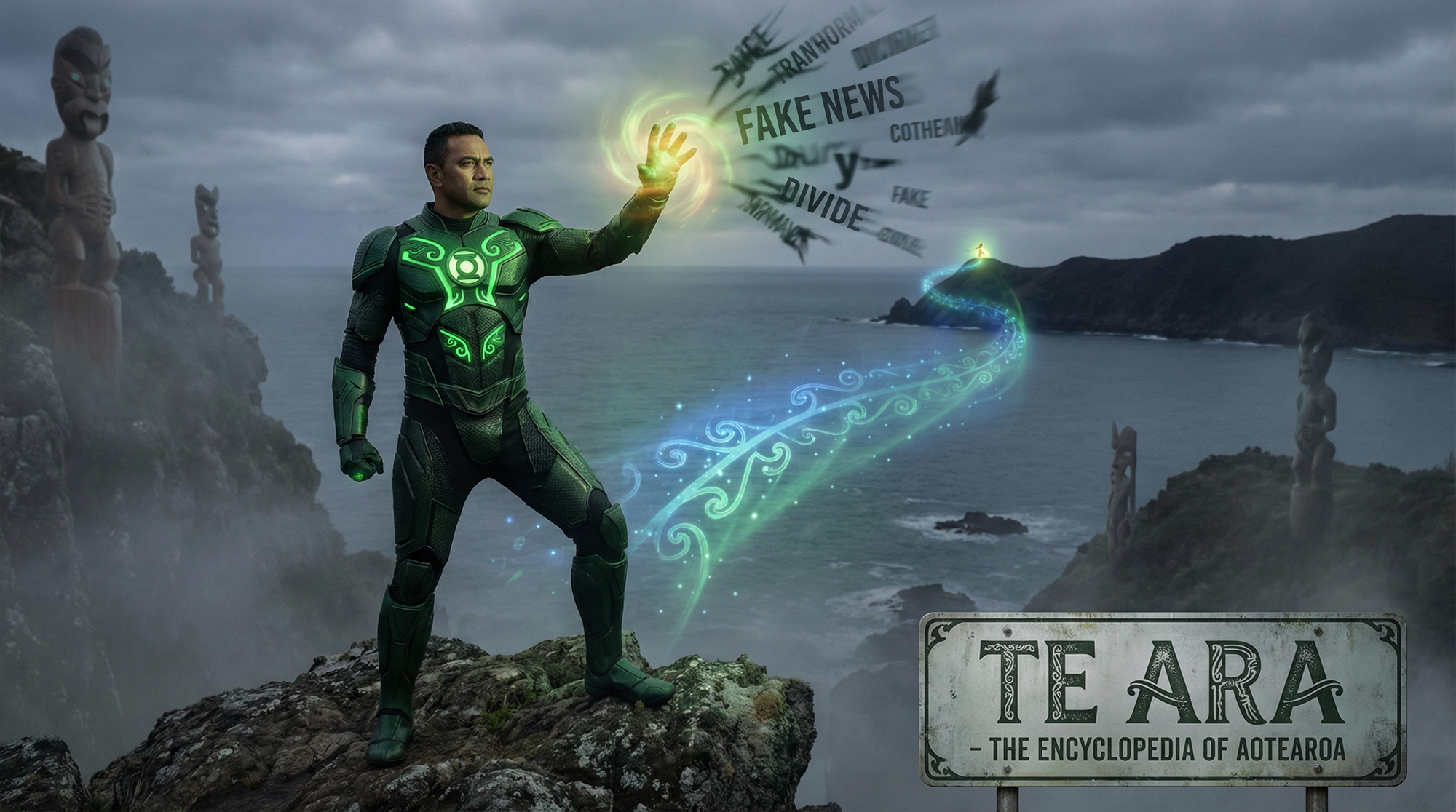
There is a pūrākau from the earliest Māori of Tāmaki Makaurau about the patupaiarehe — the fairy-like night dwellers — who tried to bridge the Waitematā with a stone causeway. They laboured through the darkness, but the sun rose before they finished, and they perished in its light. Their incomplete work became Meola Reef, stretching from Point Chevalier toward Kauri Point. The ancestors knew what it meant to build across these waters. They knew the price. And they knew that some crossings exact more than they give.
Now, in 2026, another set of beings labouring in darkness — the neoliberal architects of this coalition government — want to bridge the Waitematā again. But unlike the patupaiarehe, these creatures do not perish in the light. They thrive in it, because the light belongs to them. They own the media. They own the narrative. And they want Māori and low-income whānau to pay $9 every single time they cross — on a bridge built atop land their ancestors never ceded, across waters their tūpuna named, nurtured, and held as taonga since before the first Pākehā ship broke the horizon.
The Taiaha Strikes: What Is Actually Happening
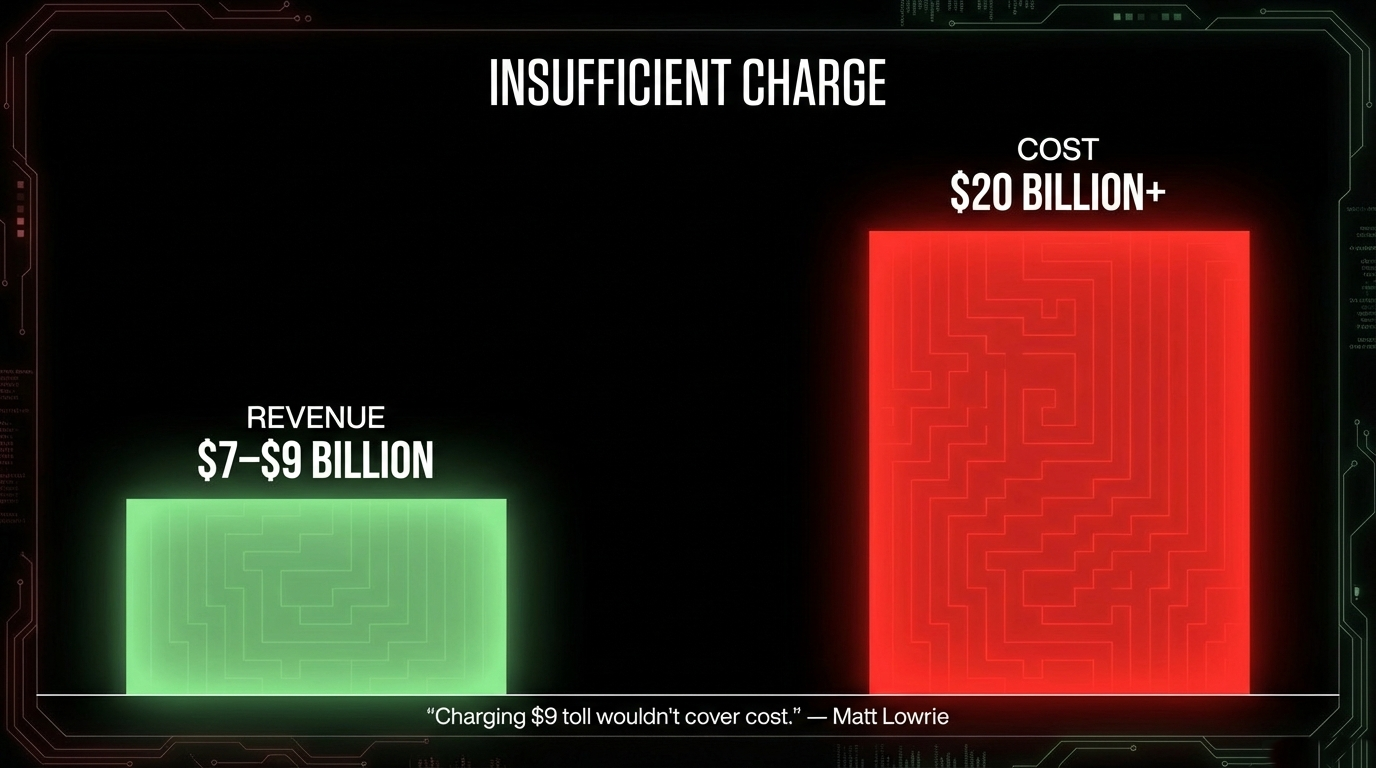
The Infrastructure Commission's first National Infrastructure Plan — all 226 pages of it — dropped on 16 February 2026. Buried inside its bureaucratic prose is the suggestion that a $9 toll on both the existing Auckland Harbour Bridge and any new crossing could raise between $7 billion and $9 billion.
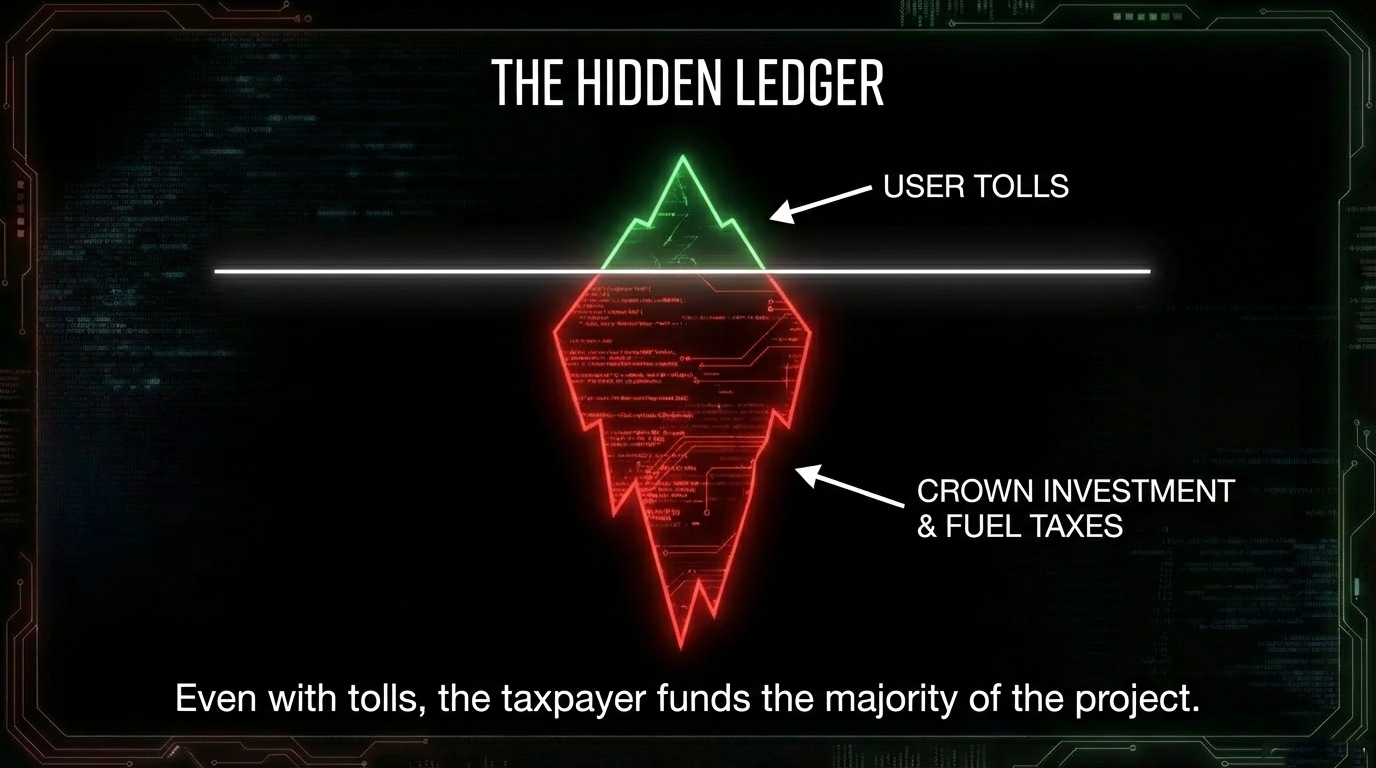
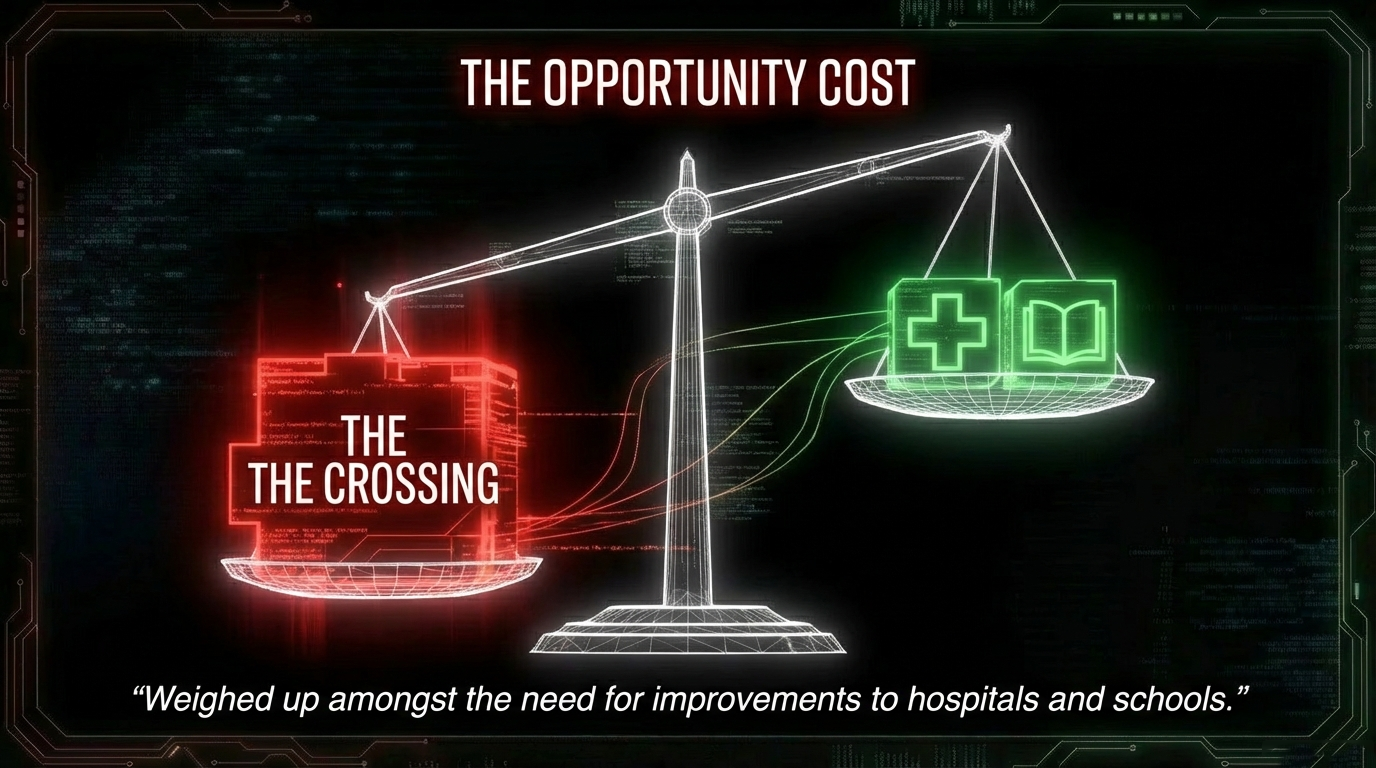
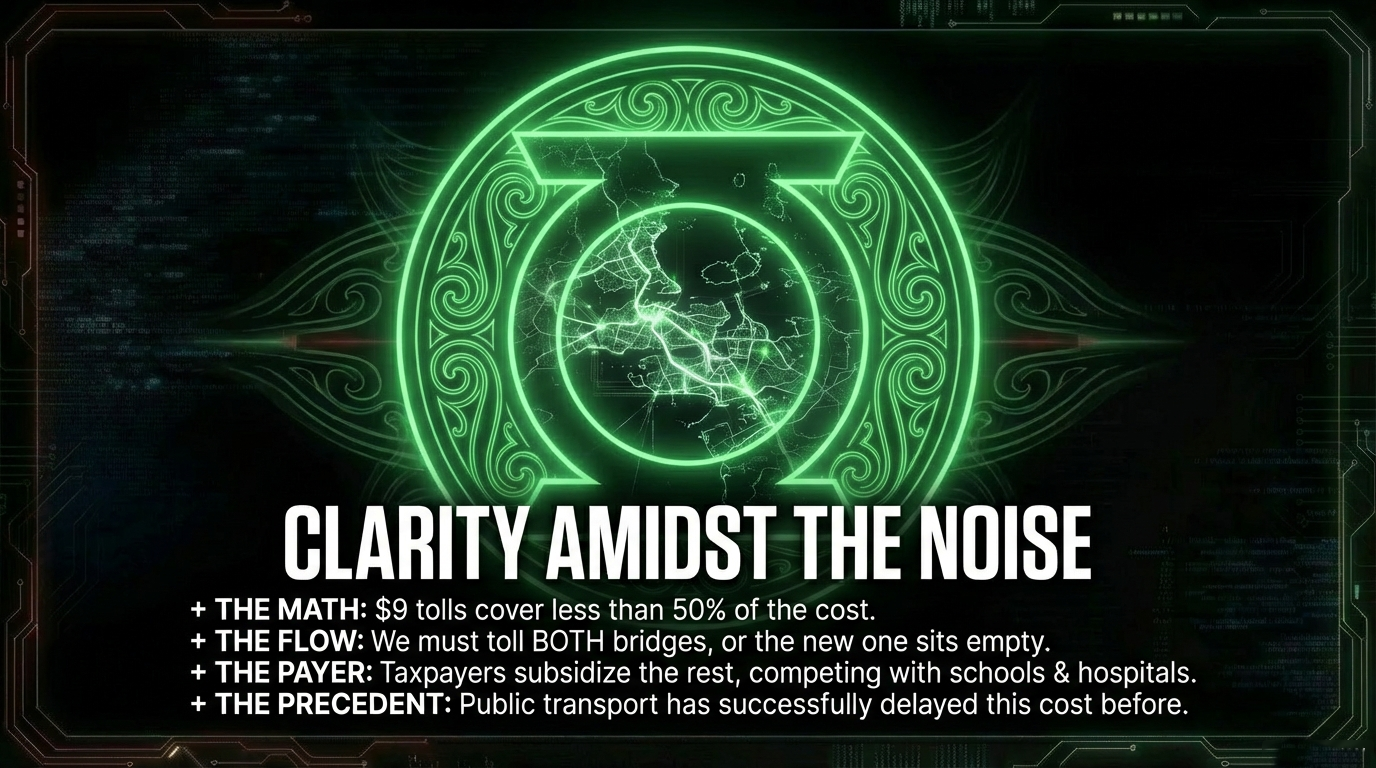
The problem? The new crossing is projected to cost over $20 billion. As Greater Auckland editor Matt Lowrie told RNZ, the toll wouldn't even cover the cost. The remaining tens of billions would come from — surprise — Crown investment. Which means your taxes. Which means the same people paying $9 a trip also subsidise the shortfall through every dollar they earn.
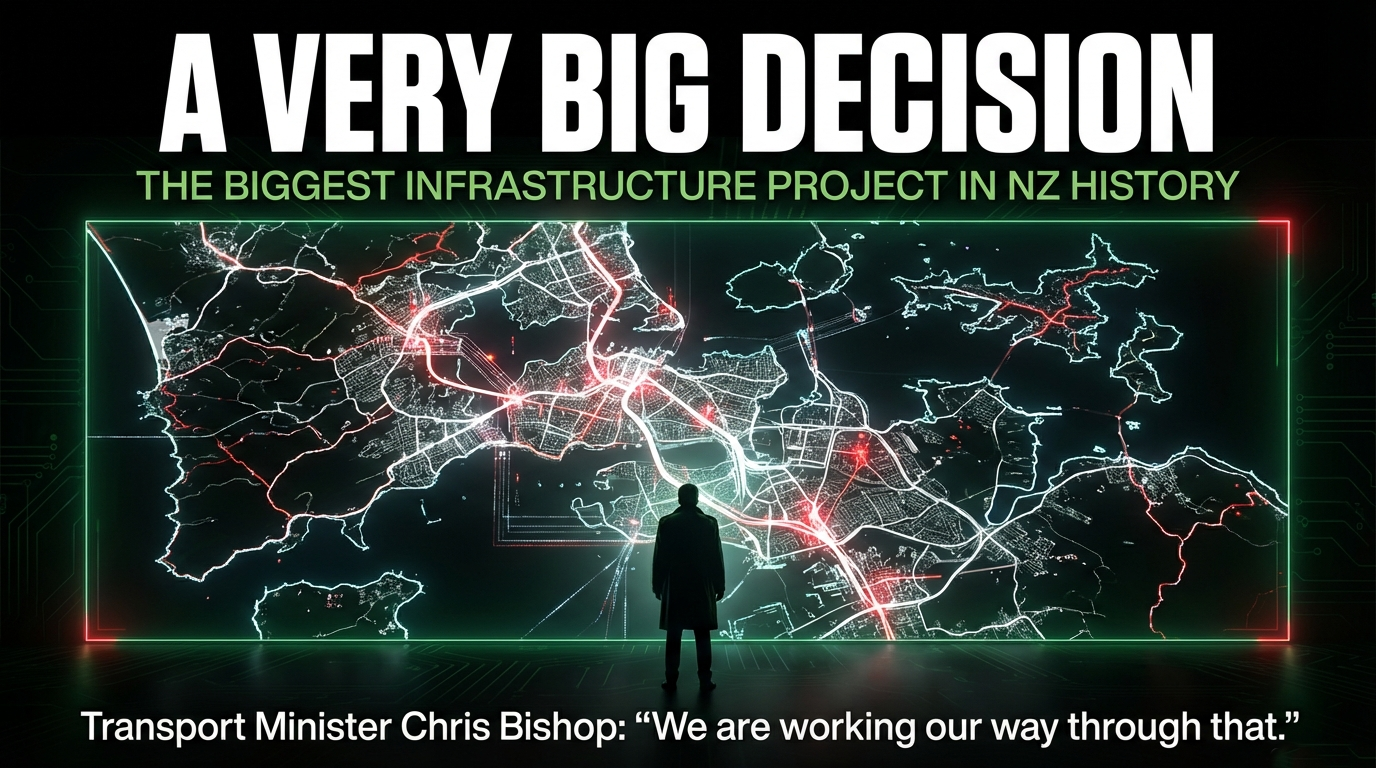
Transport Minister Chris Bishop called it "the biggest infrastructure project New Zealand has ever done." Even ACT leader David Seymour — hardly a champion of the working class — admitted that $9 per trip adds up to $90 a week for people already struggling with "tough" bills. When David Seymour thinks your toll is too expensive, you know you have lost the plot entirely.
The Auckland Harbour Bridge already carries 184,000 vehicles daily, including 12,000 freight vehicles and 35,000 bus passengers. It is the most-travelled piece of road in New Zealand. A $9 toll is not a user charge. It is a siege tax on everyone who needs to cross the harbour to work, to learn, to access healthcare, to live.
The Metaphor: He Waka Eke Noa — But Only If You Can Pay the Fare
In te ao Māori, the saying he waka eke noa means "we are all in this together." It speaks to collective responsibility, shared burden, kotahitanga.
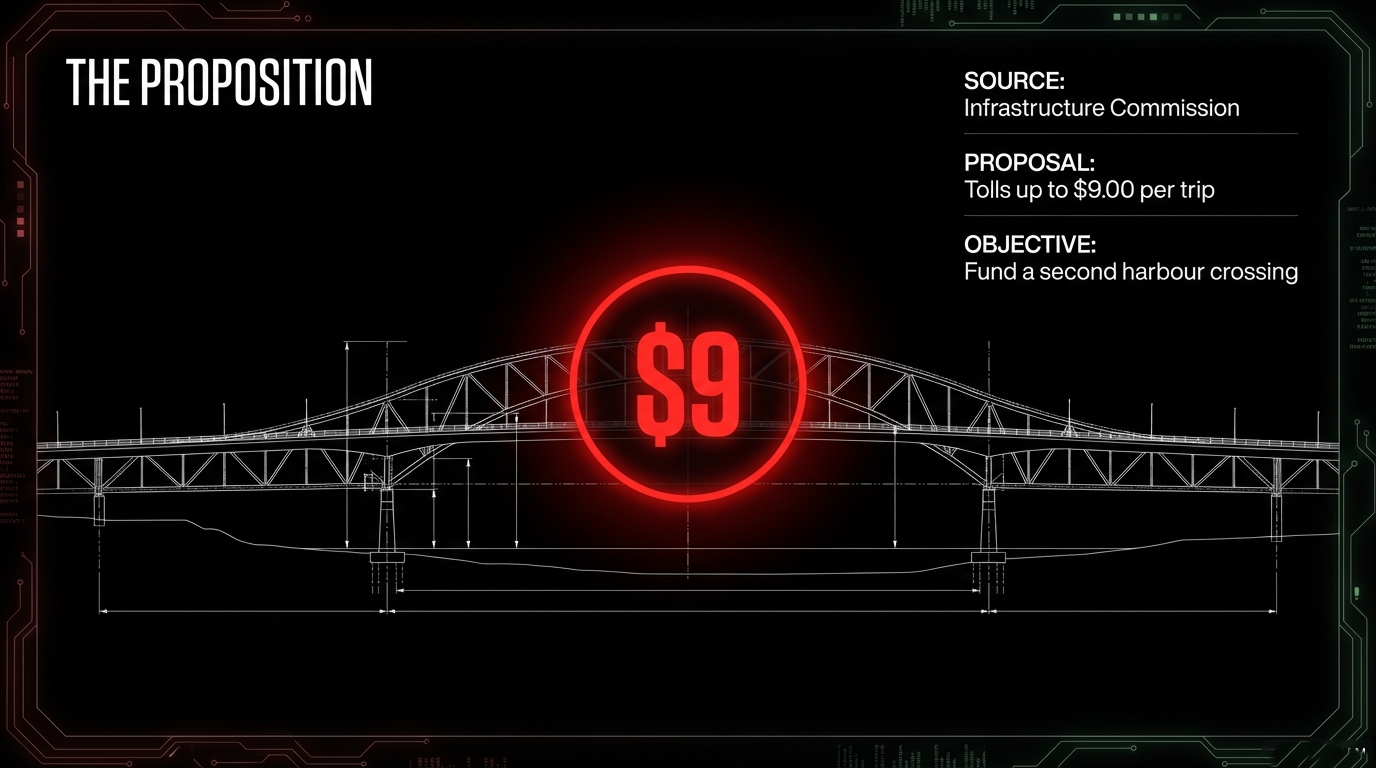
This government has taken that waka and privatised it. They have bolted a $9 turnstile to the prow and told whānau: swim or pay. The waka still sails — but only for those who can afford the ticket. For the rest, for the workers of South Auckland and West Auckland, for the single mothers catching the 5:47am bus, for the kaumātua who cannot drive — there is no waka. There is only the cold harbour, and the government's back as it sails away.
Te Waitematā is a taonga to Ngā Iwi Mana Whenua o Tāmaki Makaurau — it is acknowledged as a living being, with its own mauri. Ngāti Whātua Ōrākei, as tangata whenua and kaitiaki of the Waitematā, have cared for these waters since time immemorial. The harbour's oldest Māori name was Te Whanga-nui o Toi — The Big Bay of Toi, named after an early Māori explorer. The North Shore itself is Te Whenua Roa o Kahu, named after Kahu, granddaughter of Maki, the namesake ancestor of the iwi Te Kawerau ā Maki.
This government proposes to toll the crossing of sacred waters without any meaningful partnership with mana whenua. The mauri of Te Waitematā is reduced to a revenue calculation. The kaitiakitanga of iwi is ignored in favour of Excel spreadsheets.
The Roads of National Significance: A $54 Billion Monument to Ego
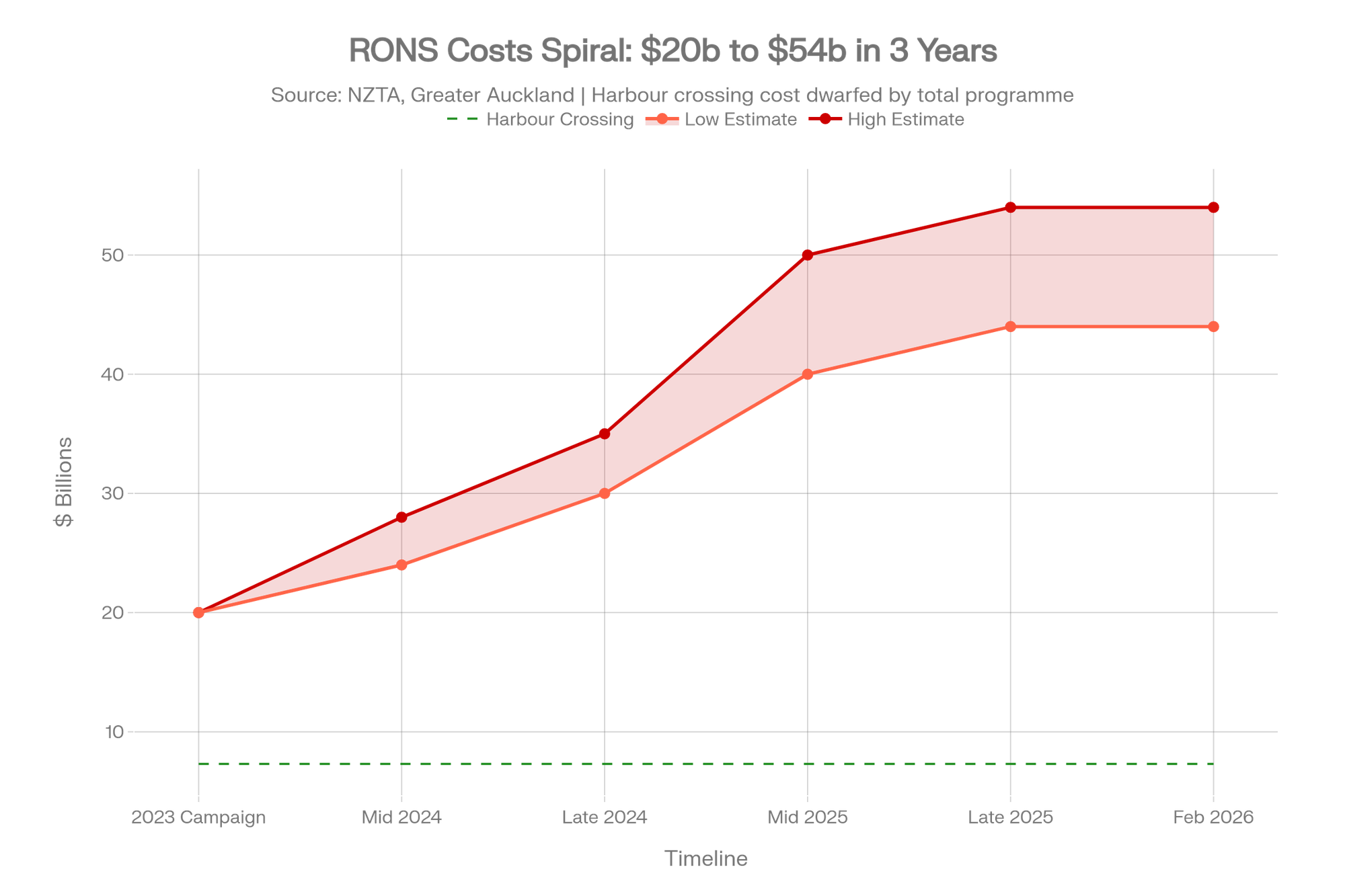
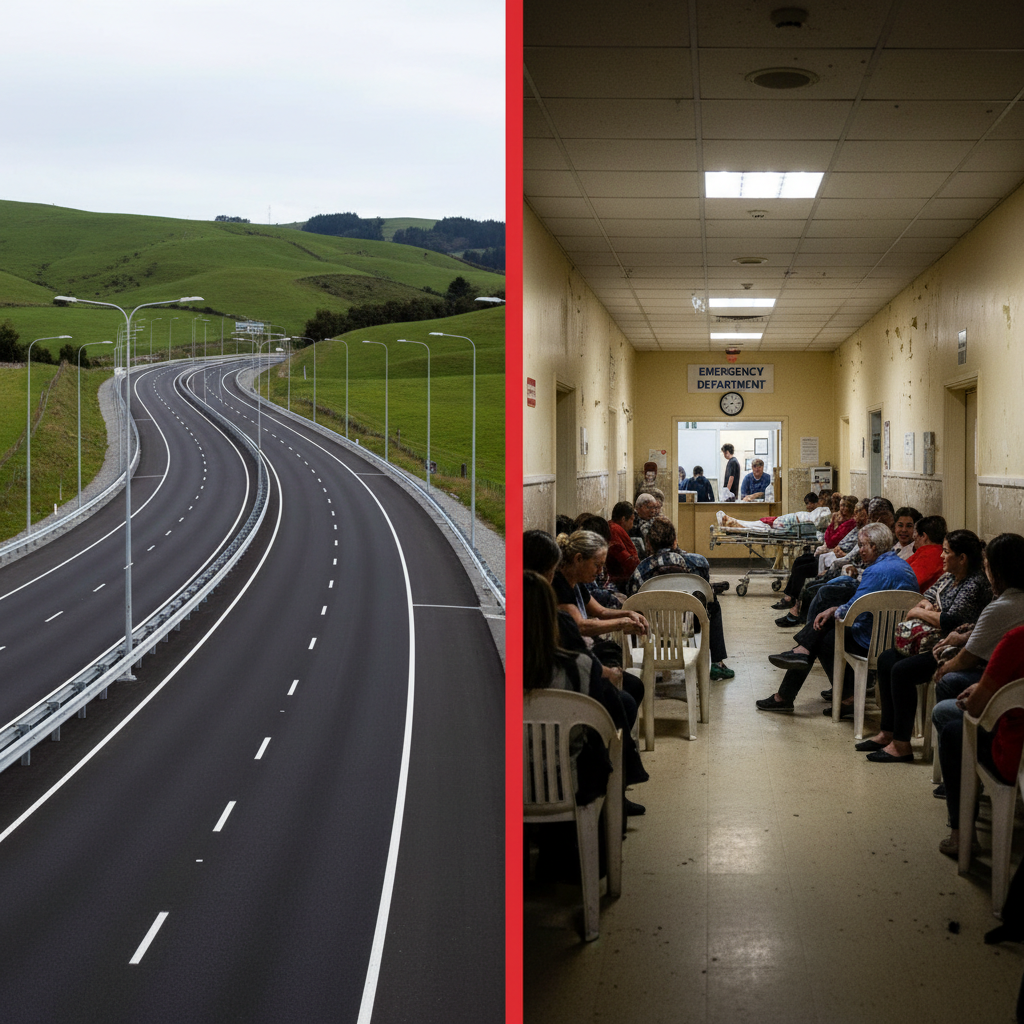
To understand the harbour crossing toll, you must understand the broader sickness: the Roads of National Significance (RONS).
When National campaigned in 2023, the 17 RONS were costed at roughly $20 billion. By late 2025, that figure had ballooned to $44–$54 billion. That is 23 Dunedin Hospital rebuilds. That is half as much again as the entire 11,000-kilometre state highway network is worth. Eight of the roads had their costs increased by $5 billion in two years — without a single shovel hitting the ground.
The Infrastructure Commission's own chief executive Geoff Cooper told Parliament that affording RONS as designed would require a 70 percent rise in fuel excise duty. The Spinoff reported that RONS has become a mechanism for ministers to "effectively seize full control" of the National Land Transport Fund, letting them "ignore the usual NZTA process and just build what they already wanted to build, regardless of how the investment case stacks up."
The benefit-cost ratios were artificially inflated by extending assessment periods from 30 to 60 years and slashing discount rates from 6% to 2%. Projects that would have failed any honest cost-benefit analysis suddenly "passed." This is not governance. This is accounting fraud dressed in a hard hat.
The Spending Priorities: Highways Over Hospitals
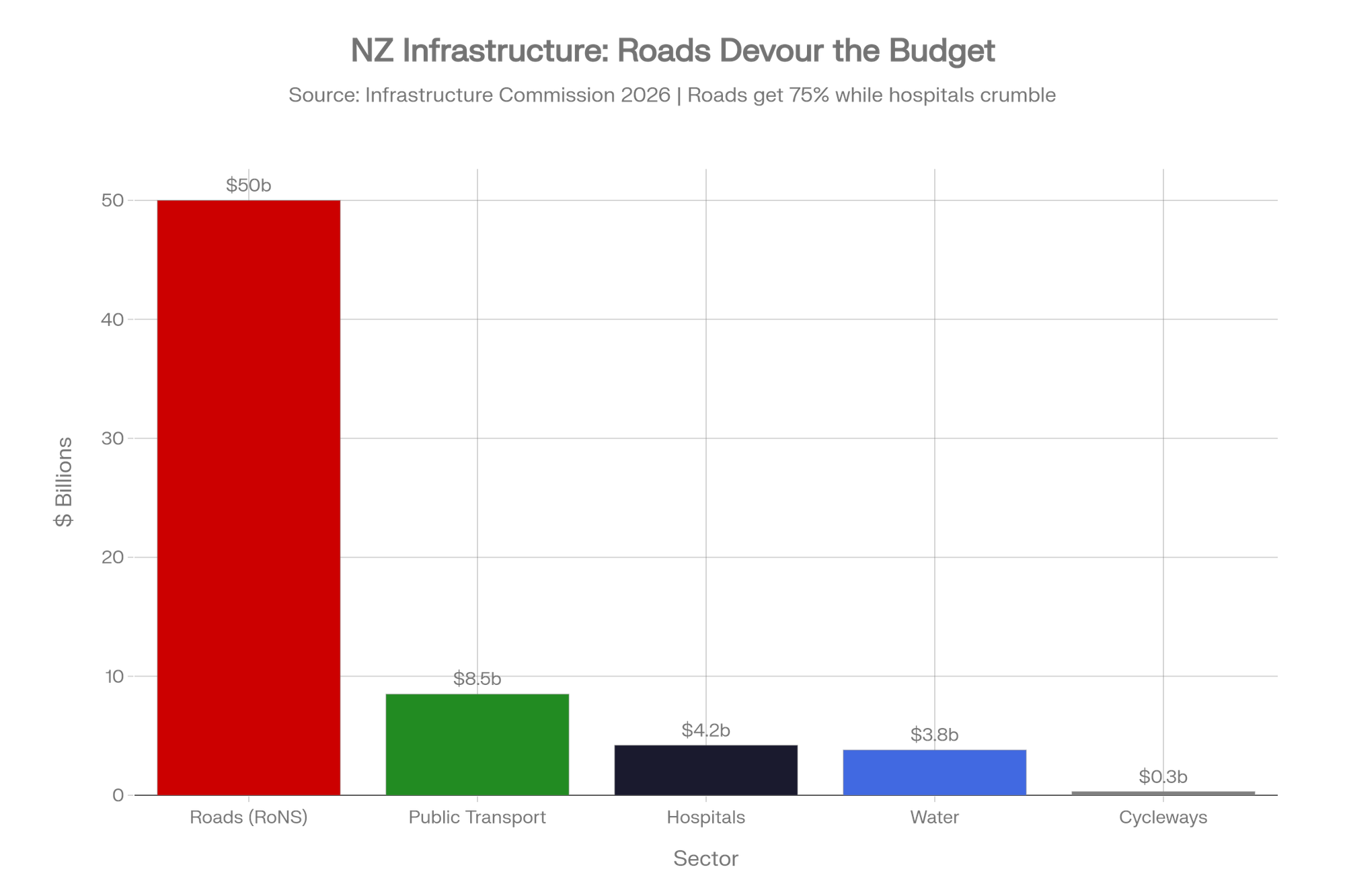
The Infrastructure Commission's plan reveals a devastating truth: New Zealand spends 5.8% of GDP on infrastructure annually — one of the highest rates in the OECD — yet ranks near the bottom for efficiency and asset management. We spend more. We get less.
The Commission recommends doubling hospital investment from 0.2% to 0.4% of GDP over the next 30 years. That tells you how badly this government has gutted healthcare infrastructure while pouring concrete for highways nobody asked for.
Transport Minister Simeon Brown said it himself in 2024: "There's less money going into cycleways, and I think New Zealanders are sick and tired of the amount of money going into cycleways." The National Land Transport Programme allocated $32.9 billion over three years, with the bulk going to RONS while local roads, public transport, safety, and walking and cycling lost out.
Meanwhile, the $275 billion infrastructure pipeline has more than two-thirds unfunded. Nurses, teachers, and firefighters protest about crumbling infrastructure around them while this government pours billions into highways that most projects return less than $2 in benefit for every $1 spent.
Three Examples for the Western Mind
Example 1: The $90/Week Tax on Poverty
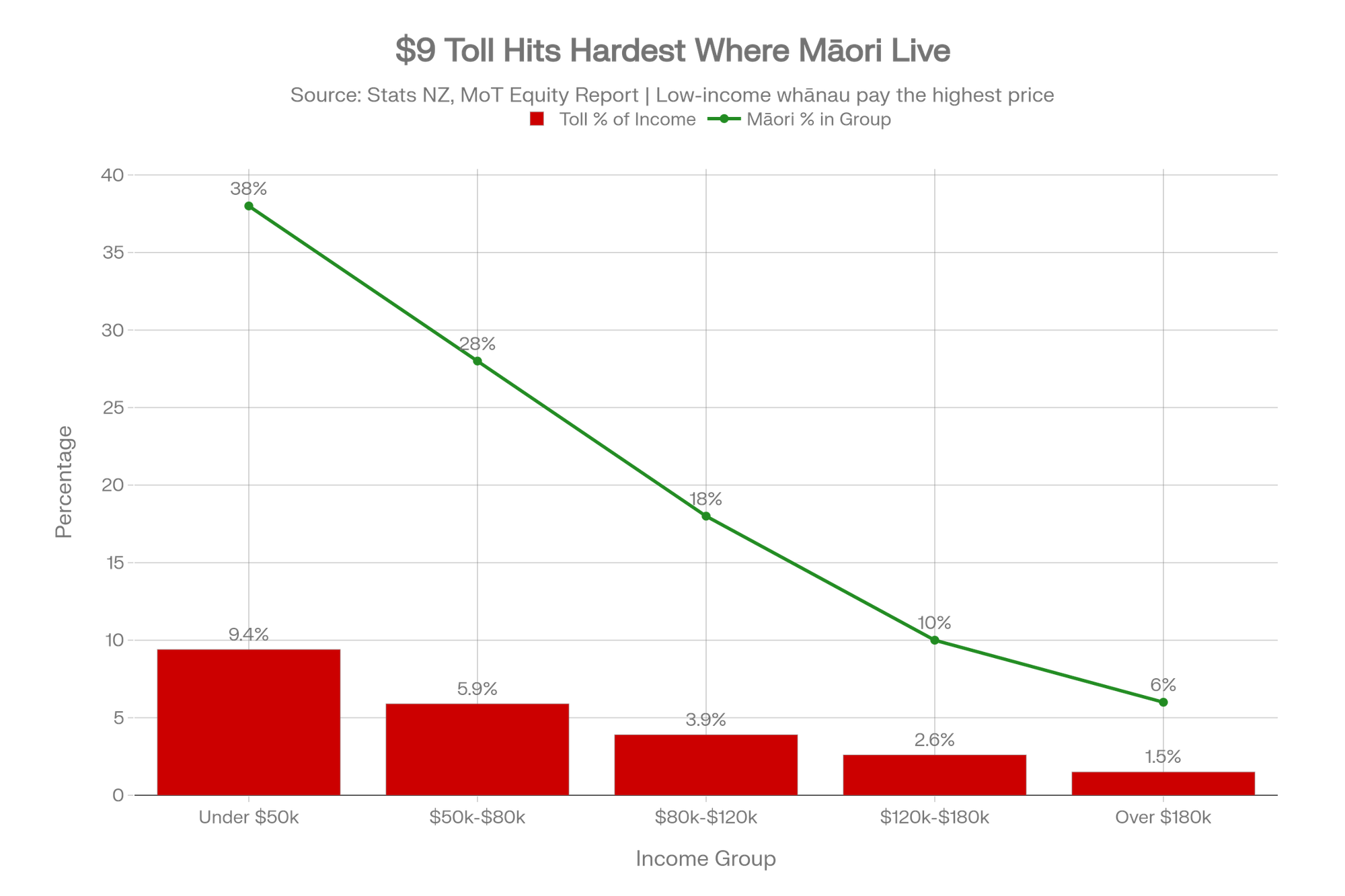
The Numbers: A $9 toll, twice daily, five days a week = $90/week = $4,680/year. For a household earning $50,000, that is 9.4% of gross income — consumed by a single toll.
The Māori Impact: Māori experience transport inequity because they have lower incomes on average and are more likely to live in areas not well served by public transport. Waka Kotahi's own research confirms that loss of land, urbanisation and gentrification have all resulted in Māori homes being located further from whānau, cultural sites and other social requirements. Māori are more likely to experience transport-related social exclusion — missing out on jobs, education, and healthcare because they simply cannot get there.
The Tikanga Explanation for the Western Mind: Imagine your grandmother's church was across a river. You've crossed that river freely your entire life. Now someone builds a bridge and charges you $9 to visit her. You didn't ask for the bridge. You don't own it. But you cannot afford not to use it, because the old paths have been paved over. That is what this toll does to whānau who need to access marae, kura, whānau, and cultural sites across the Waitematā. It puts a price on whanaungatanga. It monetises the ability to maintain cultural connections that are fundamental to Māori wellbeing.
The Solution: Progressive congestion pricing based on income, with exemptions for Community Services Card holders, kaumātua, and students — as Auckland Transport's Equity Framework already recognises is necessary.
Example 2: The Northern Busway — The Solution They're Ignoring
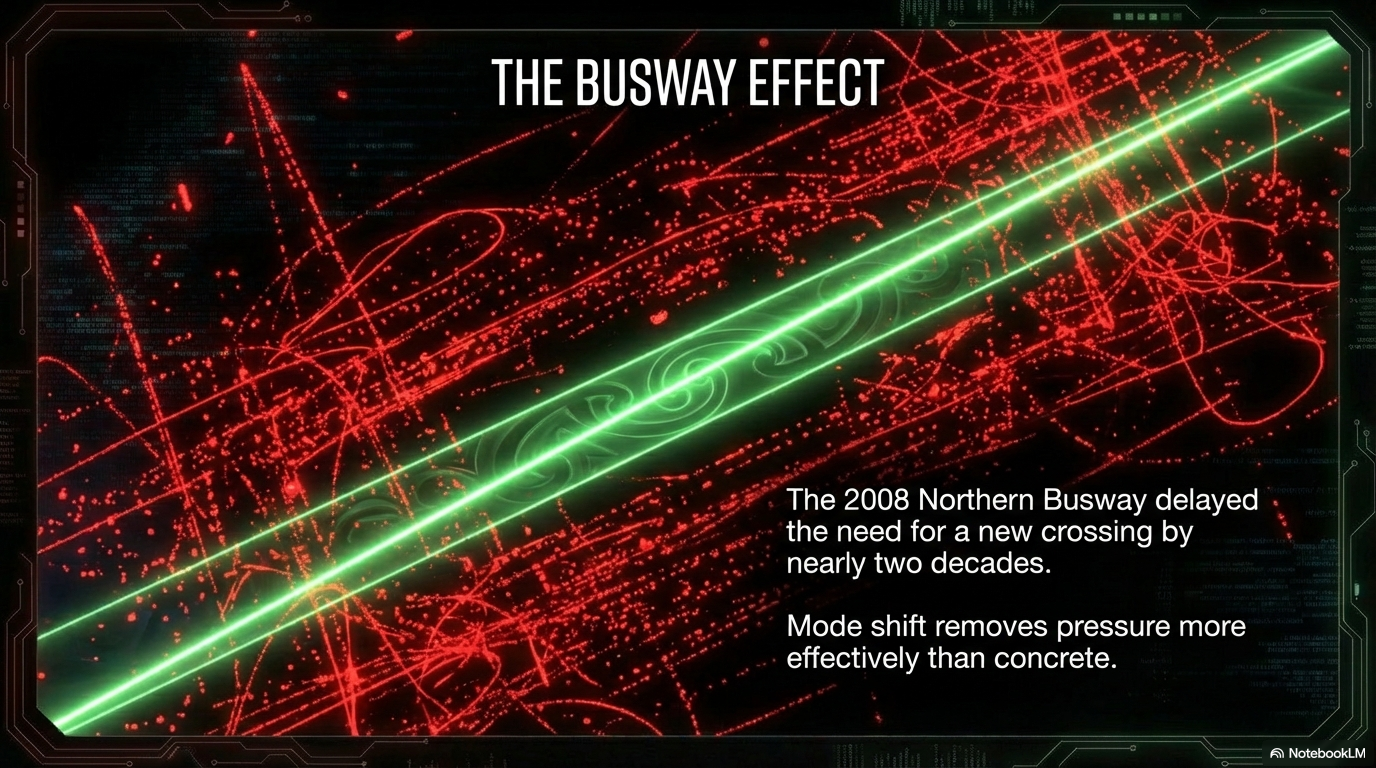
The Numbers: The Northern Busway, opened in 2008, delayed the need to spend billions on a harbour crossing by absorbing commuter demand. Over 35,000 bus passengers cross the bridge daily. Public transport works. It has already proven itself on this exact corridor.
The Māori Impact: Statistics NZ figures show that the lowest income households spend more than a quarter of their incomes on transport. When the government introduced half-price bus fares in 2022-2023, almost half of public housing residents were able to afford additional trips they otherwise couldn't make. These were trips to medical appointments, to visit whānau, to buy food. When the subsidy was removed, those journeys disappeared. The government knows public transport works for equity. It chooses highways instead.
The Tikanga Explanation for the Western Mind: In te ao Māori, manaakitanga means the obligation to care for others, especially those who need it most. A transport system built on manaakitanga would invest in the buses, trains, and ferries that connect whānau to the things that sustain their mauri — their health, their culture, their employment. Instead, this government invests in highways that serve those who already have cars, already have wealth, already have choices. It is the opposite of manaakitanga. It is what we call hara — a transgression against collective wellbeing.
The Solution: Invest the $20+ billion harbour crossing cost into a comprehensive rapid transit network across Tāmaki Makaurau, including rail across the harbour, expanded busway, and ferry services — connecting South Auckland, West Auckland, and Māori communities directly to opportunity.
Example 3: The Concrete Tūpāpaku — Roads That Kill More Than They Carry

The Numbers: RONS projects are expected to cost significantly more per kilometre than both earlier motorway projects and the OECD average. The Northland corridor alone — three stages — is estimated at $18-$22 billion. The Manawatū highway blew out by $200 million before it even opened, and the government's response was to impose tolls on the community it was supposed to serve.
The Māori Impact: Māori are significantly more likely than non-Māori to be injured or killed in transport-related accidents. Road safety funding has been slashed as resources flow to new highway construction. Waka Kotahi has stripped out roles in the road safety area — the very roles that protect Māori lives on existing roads. The government builds new highways while the roads Māori actually drive on crumble and kill.
The Tikanga Explanation for the Western Mind: Kaitiakitanga is the obligation to protect and sustain for future generations. A kaitiaki does not build a monument while the house burns. A kaitiaki fixes the roof, feeds the children, heals the sick — and only then, if resources allow, builds something new. This government does the opposite. It builds $54 billion worth of highway monuments while hospitals crumble, while children go hungry, while the existing roads that kill Māori families receive less maintenance and less safety funding. These roads are not taonga. They are tūpāpaku — dead things masquerading as progress.
The Solution: Implement the Infrastructure Commission's own recommendation to prioritise and sequence major transport projects based on demonstrated demand and cost benchmarking, rather than political vanity. Redirect safety funding to the roads Māori actually use. Stop building highways nobody needs while people die on highways nobody maintains.
Five Hidden Connections
1. The Colonial Continuity: From Land Confiscation to Toll Extraction
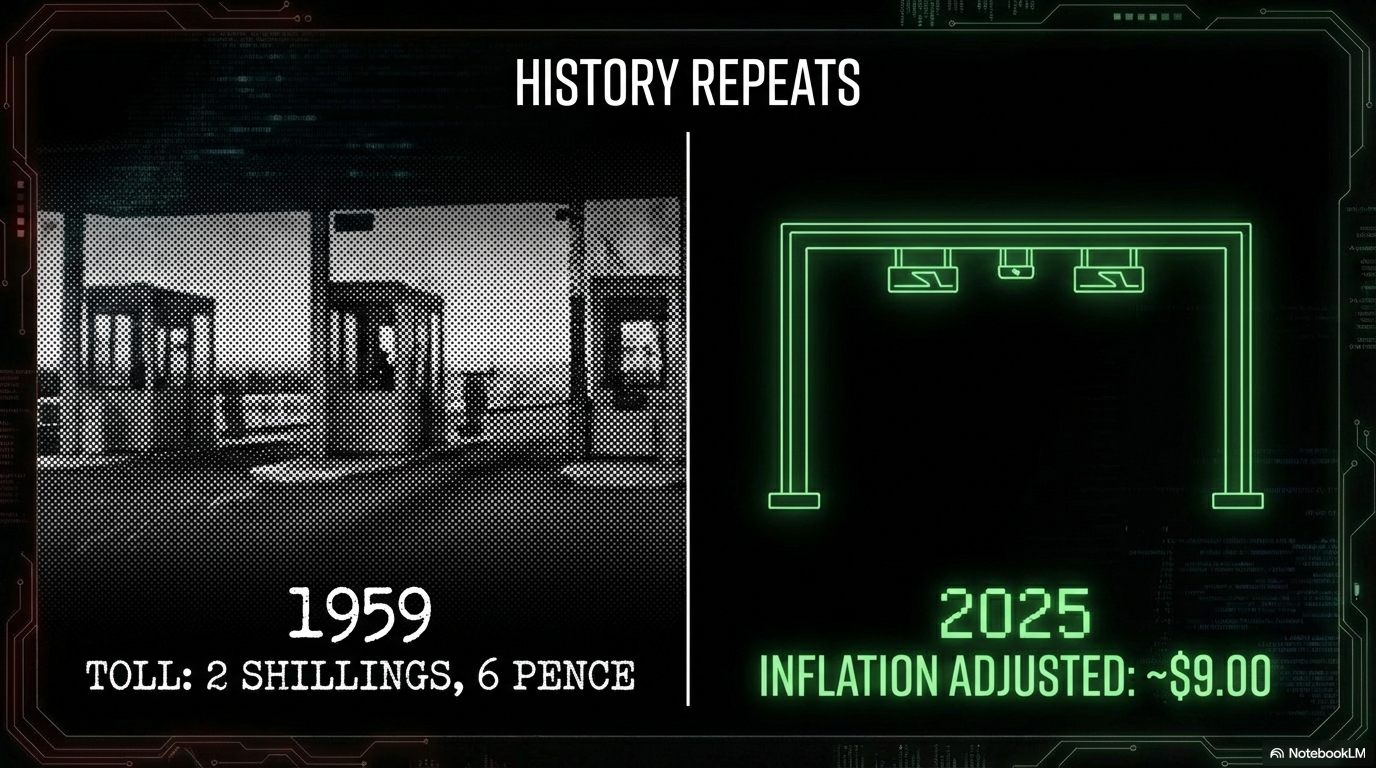
The Auckland Harbour Bridge was built in 1959 on land that Ngāti Whātua lost through a century of Crown dispossession. Their houses at Ōkahu Bay were demolished in 1951-52 — just seven years before the bridge opened. The Crown took the land, built the bridge, charged tolls until 1984, and now proposes to toll it again. Ngāti Whātua — who never ceded their relationship with the Waitematā — receive nothing. The extraction continues.
2. The BCR Manipulation: Juicing the Numbers
Greater Auckland exposed that the government changed how NZTA calculates benefit-cost ratios — extending assessment periods from 30 to 60 years and dropping discount rates from 6% to 2%. Projects that previously failed now magically pass. This is not evidence-based policy. This is policy-based evidence.
3. The Missing Mana Whenua Voice
The Waitematā Harbour Connections project page acknowledges Te Waitematā as a living being with its own mauri and states that Ngā Iwi Mana Whenua o Tāmaki Makaurau are "working in partnership" with Waka Kotahi. Yet the toll discussion — the single most impactful decision for communities around the harbour — appears to have proceeded without meaningful iwi partnership. Where is the rangatiratanga?
4. The Exodus Economy
In 2024, there was a net migration loss of 30,000 people from New Zealand to Australia — the largest since 2012. Australian incomes are 24% higher than New Zealand's. This government's response to a workforce crisis is to make it more expensive for the remaining workers to get to their jobs. The $9 toll is an emigration subsidy.
5. The Treaty Breach Pattern
This is the same government that attempted to redefine the Treaty Principles — a bill the Waitangi Tribunal called "little more than a politically motivated attack on perceived 'Māori privilege.'" The toll proposal follows the same pattern: extract value from Māori communities, ignore Treaty obligations, and frame it as "user pays" equality. The Tribunal warned the Treaty Principles Bill would be "the worst, most comprehensive breach of the Treaty/te Tiriti in modern times." The toll is simply the infrastructure arm of the same agenda.
Previously Covered by The Māori Green Lantern
This essay builds on themes explored in previous investigations:
- The Colonial Attack on Tikanga — examining how Crown policies systematically undermine Māori cultural frameworks, available on The Māori Green Lantern Ghost
- Western Puppets Dance to Israel's Tune — tracing the connections between neoliberal governance and colonial extraction, available on The Māori Green Lantern Ghost
- Essays on infrastructure, housing, and systemic inequality are available on The Māori Green Lantern Substack

Koha Consideration
Every time this government proposes another toll, another cut, another extraction — they bet that nobody will do the maths, trace the whakapapa of the policy, or name the names behind the numbers. This essay exists because whānau fund the accountability that no toll booth, no infrastructure commission, and no Crown minister will ever provide.
When you support The Māori Green Lantern, you fund the taiaha that cuts through $54 billion worth of highway spin. You fund the voice that asks: whose land is this bridge built on, and who profits from the crossing?
Kia kaha, whānau. Stay vigilant. Stay connected. And if you are able, consider a koha to ensure this voice continues — because the government that wants $9 every time you cross the harbour spends nothing protecting your right to know the truth.
If you are unable to koha, no worries! Subscribe or follow The Māori Green Lantern, kōrero and share with your whānau and friends — that is koha in itself. Every share is a crossing they cannot toll.
Three pathways exist:
Koha (voluntary contribution):
Koha — Support The Māori Green Lantern
Subscribe for essays directly:
Subscribe to The Māori Green Lantern
Direct bank transfer:
HTDM, account number 03-1546-0415173-000
Ivor Jones The Māori Green Lantern Fighting Misinformation And Disinformation From The Far Right
Research Transparency: This essay was researched on 18 February 2026 using RNZ, 1News, Te Ara Encyclopedia of New Zealand, the Infrastructure Commission's National Infrastructure Plan, Ministry of Transport equity reports, NZTA research reports, Auckland Council documents, Greater Auckland, The Spinoff, Beehive.govt.nz, and verified academic sources. All URLs were tested at time of publication. Statistics on Māori transport inequity are drawn from official government research (Waka Kotahi Research Report 688, Ministry of Transport Equity in Auckland's Transport System report). RONS cost figures from NZTA investment case documents and verified media reporting. Infrastructure spending figures from the Infrastructure Commission's National Infrastructure Plan 2026.
Unverifiable claims: The exact proportion of Māori households in each income bracket crossing the harbour daily could not be confirmed with available data. Estimates in Chart 2 are modelled from Stats NZ income distribution data and Ministry of Transport equity research, not direct toll-usage surveys.