"Supermarket Shenanigans: When Corporate Greed Trumps Whānau Wellbeing" - 25 June 2025
What Pak'nSave Did and Why It Matters
Tēnā koutou katoa – greetings to you all.
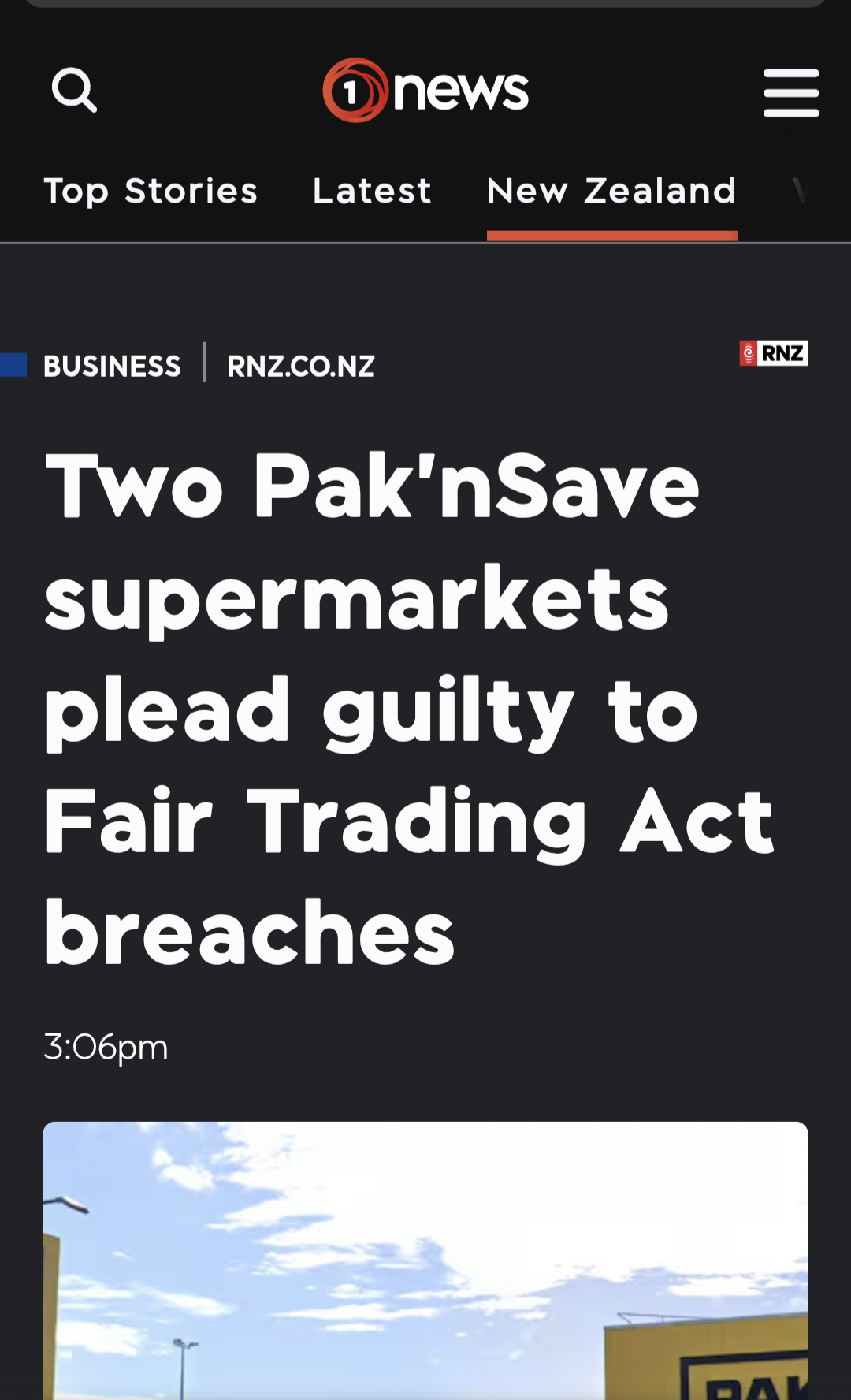
The supermarket giants are caught red-handed. Two Pak'nSave stores have pleaded guilty to breaching the Fair Trading Act, exposing a pattern of misleading pricing and “specials” that rip off ordinary New Zealanders. As Māori, we know this isn’t just about a few dollars lost at the checkout. It’s about the ongoing exploitation of our communities, the erosion of trust, and the power imbalances that let big business profit while whānau struggle.
Background
The Fair Trading Act and Supermarket Power
The Fair Trading Act is supposed to protect consumers from misleading and deceptive conduct by businesses. In Aotearoa, supermarkets wield enormous power over food access and pricing, with Foodstuffs (owner of Pak'nSave) and Woolworths dominating the market. Māori and working-class communities are especially vulnerable to unfair supermarket practices, as food insecurity rates are far higher for us than for Pākehā households. The Commerce Commission’s 2022 market study already found that lack of competition and dodgy pricing tactics were costing New Zealanders dearly, with Māori and Pasifika hit hardest.
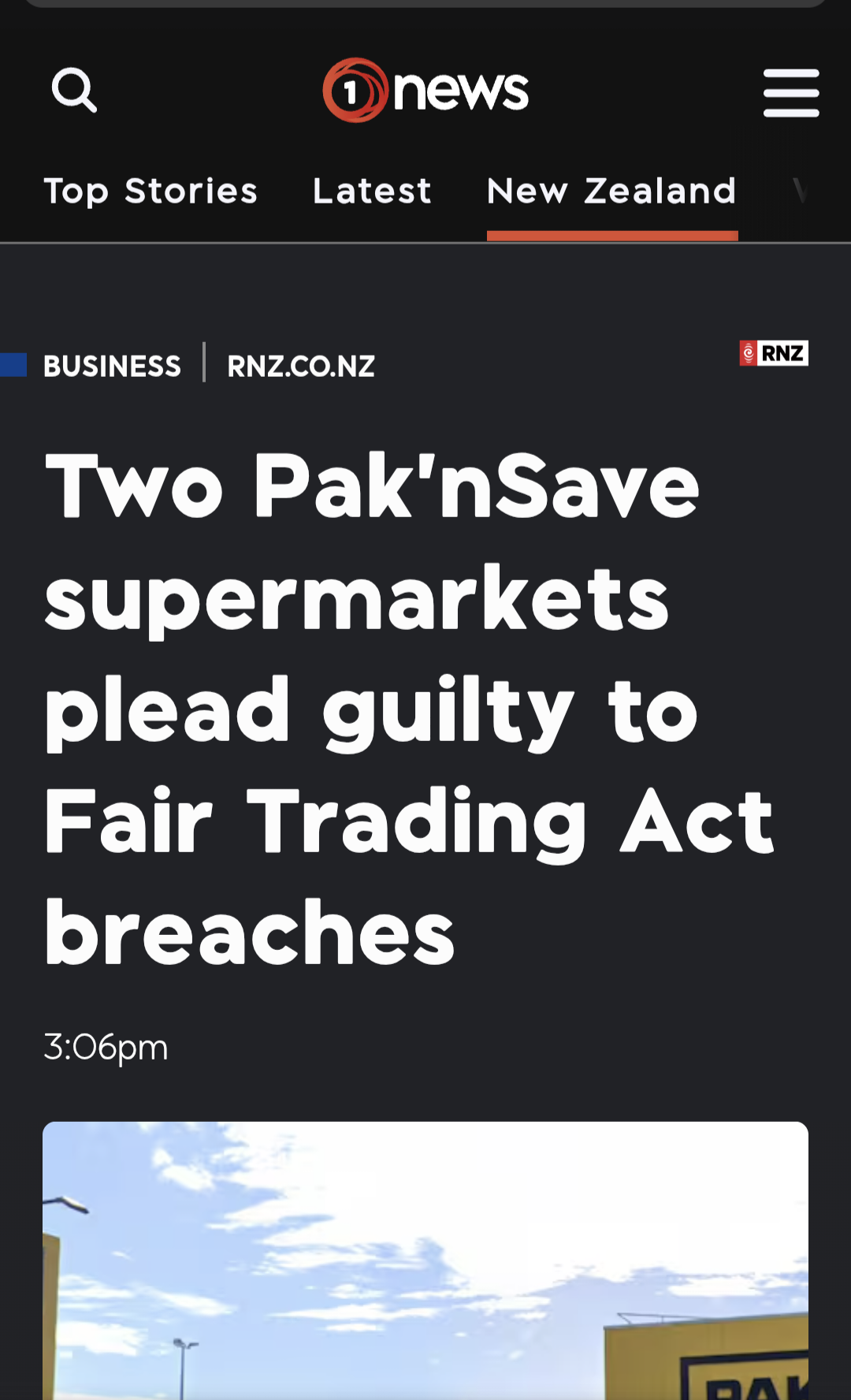
Pak'nSave Silverdale and Pak'nSave Mill St (Hamilton) have admitted to multiple charges of inaccurate pricing and misleading promotions, with further charges pending. The Commerce Commission laid the charges after finding that the stores’ “specials” and shelf prices didn’t match what customers were charged at the till. The maximum penalty for each breach is $600,000, but the real cost is borne by those who can least afford it. Consumer NZ’s Jon Duffy summed it up: “Misleading pricing not only erodes trust, but it also unfairly disadvantages shoppers amidst an ongoing cost of living crisis.” Two-thirds of shoppers report regularly noticing pricing errors, and more investigations are underway12.
Corporate Deception and the Cost to Whānau
The language used by Pak'nSave—“specials,” “discounts,” “everyday low prices”—is designed to create trust and a sense of value. But when these claims are false, it’s not just a technical breach; it’s a direct attack on the mana and wellbeing of our people. Māori values like tika (doing what is right), pono (honesty), and manaakitanga (care for others) are trampled when corporations put profits ahead of people. As Consumer NZ’s Duffy said, “Consumers deserve clear, honest information when making purchasing decisions”12. Instead, Pak'nSave’s actions show a pattern of systemic dishonesty.
Neoliberalism and Market Failures
This case is a textbook example of neoliberal propaganda in action. The supermarket duopoly has long argued that “competition” and “market forces” will deliver lower prices and better outcomes. In reality, deregulation and lack of oversight have allowed these giants to manipulate prices, mislead customers, and extract wealth from communities with little consequence. The Commerce Commission’s own reports highlight how the market is failing, especially for Māori and low-income whānau, yet the government response has been tepid and slow12.
Media Framing and Colonial Bias
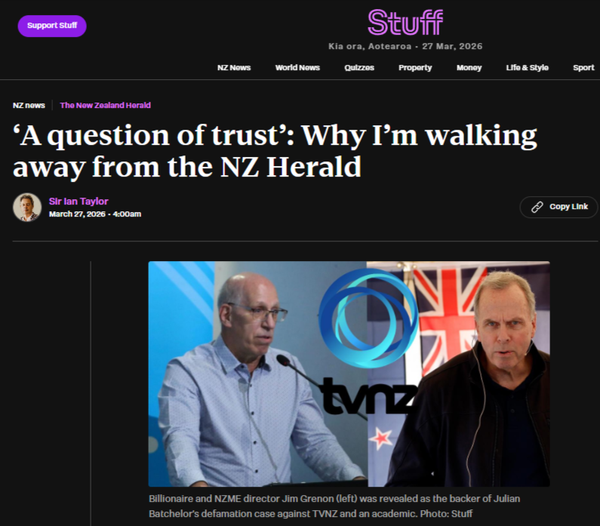
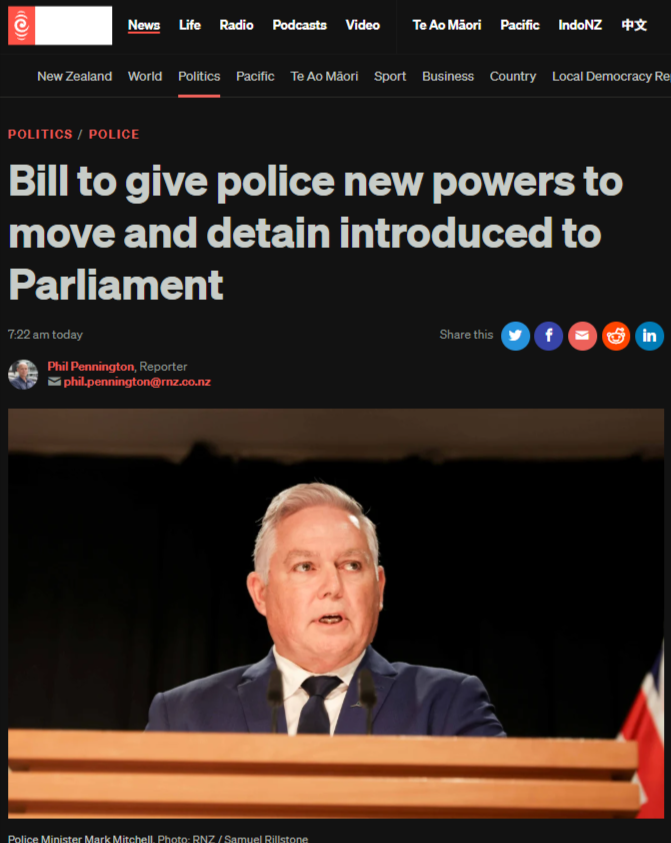
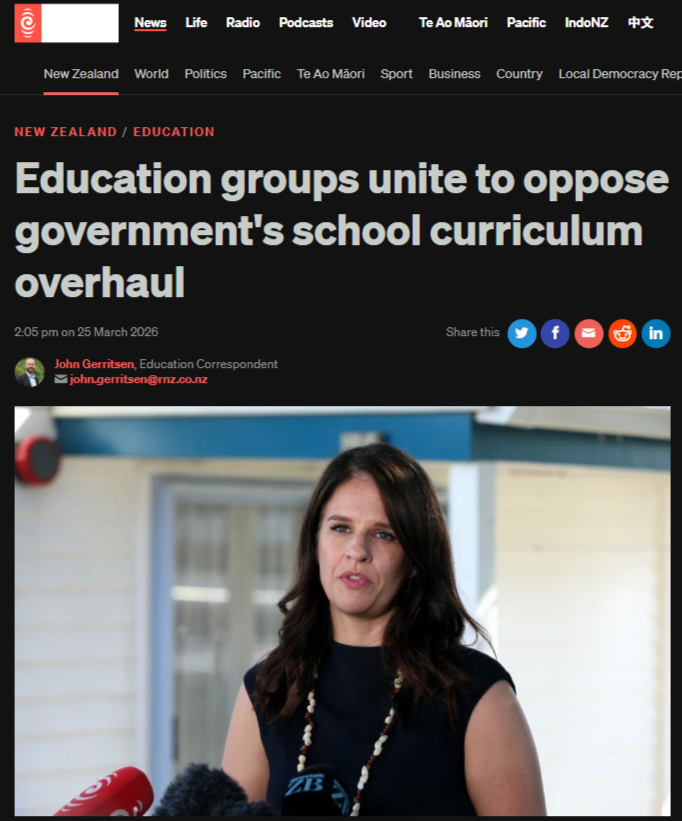
Mainstream outlets like 1News and RNZ report the facts but rarely connect the dots between corporate misconduct and its colonial roots. There’s little mention of how supermarket power is a legacy of land dispossession and urban planning that left Māori with limited food choices and high prices. Nor do they examine how these breaches disproportionately impact Māori, Pasifika, and working-class families. This is a classic case of media bias—focusing on the technicalities, not the structural injustice.
White Supremacy and Economic Inequality
Let’s be clear: when big business gets away with misleading pricing, it’s another form of white supremacist exploitation. The supermarket sector is dominated by Pākehā-owned corporations who profit from the everyday struggles of Māori and other marginalised communities. The rhetoric of “personal responsibility” is weaponised to blame individuals for their poverty, while the real culprits—corporate greed and regulatory failure—escape scrutiny. This is why Māori must remain vigilant and demand accountability.
Counterarguments and the Reality
Some will argue these were just “mistakes” or isolated incidents. But when two-thirds of shoppers report regular pricing errors, and multiple stores are charged, it’s clear this is a systemic problem, not a one-off. The Commerce Commission’s ongoing investigations suggest this is just the tip of the iceberg12. Claims that “the market will sort itself out” are pure neoliberal fantasy.
Implications: Why This Matters for Māori
The broader impact is clear: misleading supermarket pricing deepens food insecurity, erodes trust in institutions, and perpetuates economic injustice. For Māori, who already face higher rates of poverty and food hardship, these breaches are another blow. They reinforce a system where our whānau pay more for less, while corporate profits soar. This is part of a larger pattern of exploitation and marginalisation that must be challenged at every level.
Stand Up for Truth and Justice
The guilty pleas from Pak'nSave are a wake-up call. As Māori, we must demand real accountability—not just fines, but systemic change. We need stronger regulation, real competition, and a supermarket sector that upholds tika, pono, and manaakitanga. Let’s expose the corporate and colonial roots of these injustices, and fight for a future where our whānau can access healthy, affordable kai without being misled or exploited.
If you value this mahi and want to support the ongoing fight for truth and justice, please consider a koha to: HTDM: 03-1546-0415173-000. I understand these are tough times for many whānau, so only contribute if you have the capacity and wish to do so.
Ngā manaakitanga – with respect and solidarity.
Key sources:
- 1News: Two Pak'nSave supermarkets plead guilty to Fair Trading Act breaches2
- Consumer NZ: Supermarket pricing errors widespread
- Commerce Commission: Market study into the retail grocery sector
- RNZ: Supermarkets under scrutiny for misleading pricing
- The Spinoff: Why supermarket reform matters for Māori
- https://ppl-ai-file-upload.s3.amazonaws.com/web/direct-files/attachments/2123776/06c9e451-9ae3-44a9-9a62-b413e3a20079/Two-Pak-nSave-supermarkets-plead-guilty-to-Fair-Trading-Act-breaches.PDF
- https://www.1news.co.nz/2025/06/25/two-paknsave-supermarkets-plead-guilty-to-fair-trading-act-breaches/
- https://pplx-res.cloudinary.com/image/private/user_uploads/2123776/a4ce83fd-6f92-4da6-a7f5-816630e1cb34/Screenshot_20250625_200743_Brave.jpg
- https://ppl-ai-file-upload.s3.amazonaws.com/web/direct-files/collection_cf06d657-2c2b-4e68-8735-48f3c10166bd/8e9b17f7-604e-4009-9ec6-abbe1fd2c989/Perspective-with-Heather-du-Plessis-Allan_-This-Government-s-all-talk-bugger-all-action.PDF