“Taxing the Rich, Not the People: Why A Wealth Tax Is The Only Solution” - 29 June 2025
Breaking Down Neoliberal Tax Policy That Harms Working Whānau
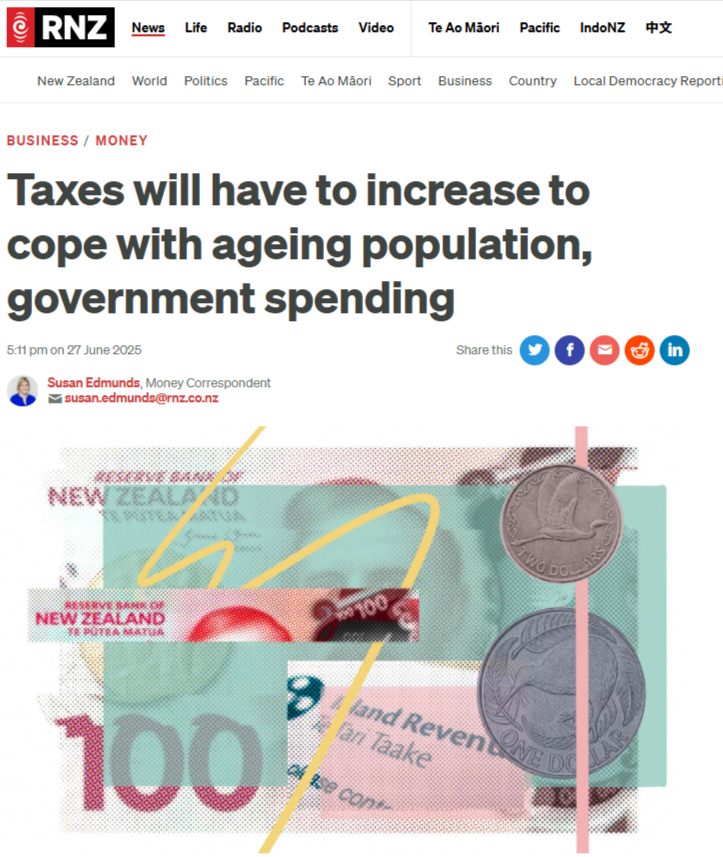
Kia ora whānau! The Māori Green Lantern exposes government hypocrisy around taxation
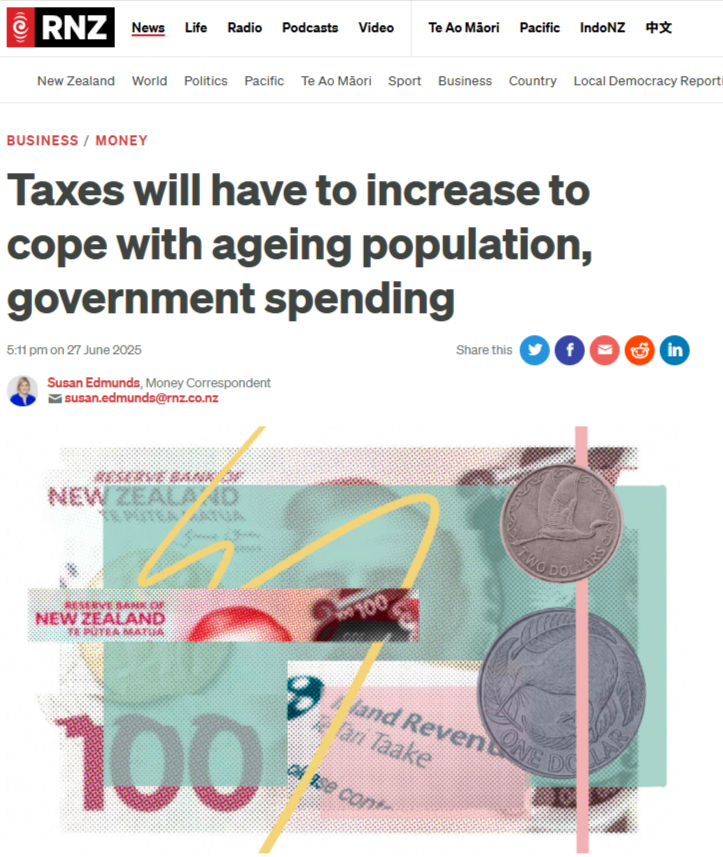
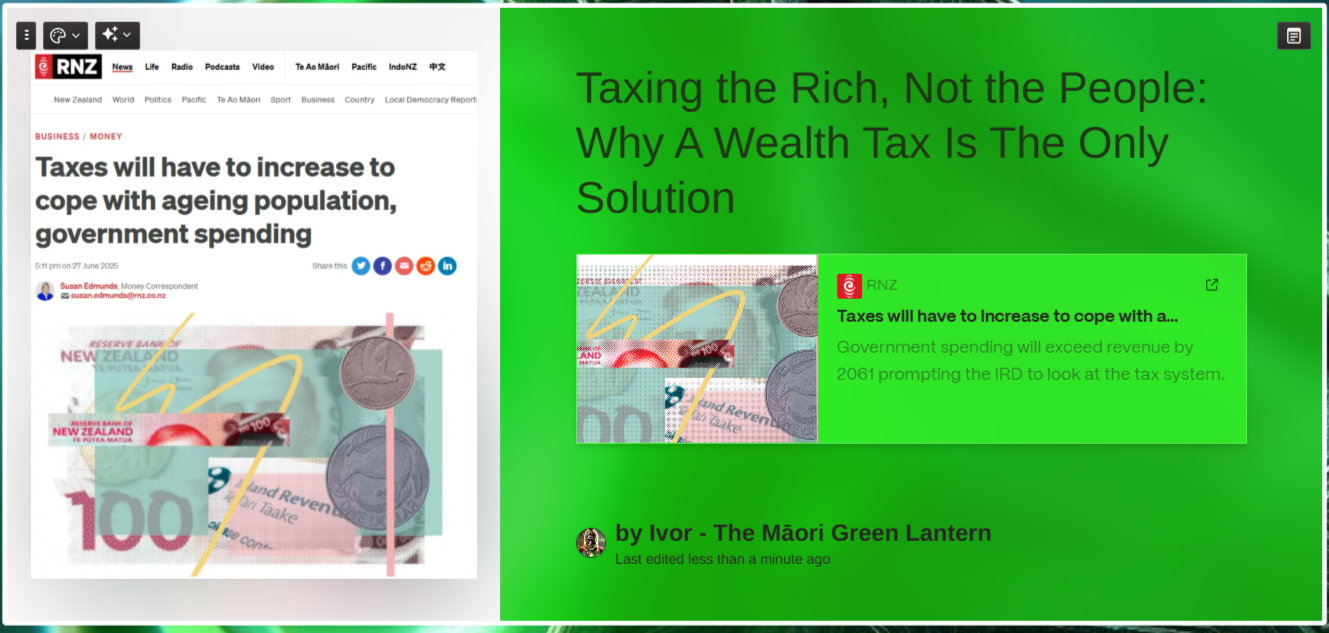
This coalition government has once again exposed its true nature as protectors of wealthy Pākehā interests while demanding ordinary New Zealanders pay more for their failures. The Inland Revenue Department's latest briefing warning of necessary tax increases[1] represents a fundamental betrayal of mana whenua and working-class principles. The government's proposition that income taxes must rise to fund an ageing population deliberately ignores the most obvious solution: making the wealthy pay their fair share through comprehensive wealth taxation. This analysis will expose how this government's refusal to consider wealth taxes represents colonial economic violence against Māori and working-class Pākehā alike.
The Colonial Tax System
The current tax system in Aotearoa operates as a mechanism of ongoing colonial extraction, designed to protect accumulated wealth while burdening those who earn through labour. Treasury officials have identified that by 2060, a quarter of the population will be over 65[1], creating what they describe as fiscal pressures requiring either spending cuts or tax increases. Yet this framing deliberately obscures how the tax system already operates to benefit the wealthy at the expense of everyone else.
IRD's own research revealed that wealthy New Zealanders pay an effective tax rate of just 9.4 percent compared to 20.2 percent for middle-wealth families[2]. This occurs because the wealthy derive most income from untaxed capital gains rather than wages subject to PAYE. The system protects inherited wealth and property speculation while penalising honest work - a continuation of colonial patterns where Māori land and labour built Pākehā fortunes that remain largely untaxed.
For Māori, this represents a continuation of historical theft. The current tax system does not honour Te Tiriti o Waitangi as it infringes tino rangatiratanga and contributes to ongoing dispossession[3]. The government demands Māori fund Pākehā retirement through regressive taxation while Māori life expectancy remains seven years below the national average.
Government Propaganda Exposed
IRD's briefing represents classic neoliberal fear-mongering designed to manufacture consent for policies that harm working people. The department warns that government expenditure will exceed revenue by 13.3 percent of GDP by 2061[1] unless action is taken. Their proposed solutions focus on increasing GST, broadening income tax bases, or implementing new consumption taxes - all regressive measures that disproportionately impact low and middle-income earners.
The briefing mentions wealth taxation only briefly, dismissing it with standard neoliberal talking points about compliance costs and economic distortions. This represents ideological bias masquerading as objective analysis. Treasury's own research acknowledged that wealth taxes could generate meaningful revenue while increasing progressivity[4], yet the current briefing downplays these findings.
Meanwhile, National's tax policy delivered $14.6 billion in cuts over four years[5], primarily benefiting higher earners and property investors through restored interest deductibility. The government found money for landlord subsidies but claims poverty when funding public services for an ageing population.
Wealth Tax as Te Tika Solution
Revenue Potential and Distribution
The evidence for wealth taxation's potential is overwhelming. The Green Party's wealth tax proposal would generate $2.4 billion annually even with conservative avoidance assumptions[6]. This includes a 2.5 percent tax on assets over $2 million for individuals, affecting only the wealthiest 0.7 percent of households. Treasury modelling suggested wealth taxes could raise between $1.5 billion and $7 billion annually depending on thresholds and rates[4].
Compare this to IRD's projected deficit of 13.3 percent of GDP by 2061. With current GDP around $400 billion, this represents approximately $53 billion annually. A comprehensive wealth tax starting at reasonable thresholds could address a significant portion of this gap while improving rather than worsening inequality.
The distributional impact aligns with mātauranga Māori principles of equity and shared responsibility. Wealth concentration has reached extreme levels, with surveyed wealthy families holding average net worth of $276 million[7]. This represents accumulated advantage built on colonial foundations - land theft, resource extraction, and exploited labour - that has never been properly taxed.
Economic Justice and Tino Rangatiratanga
Wealth taxation aligns with core Māori values better than the current system. Manaakitanga demands that those with abundance support community wellbeing. Whakatōhea principle requires sharing resources for collective benefit. The current system violates these values by allowing wealth hoarding while basic needs remain unmet.
International research demonstrates wealth taxes can increase both efficiency and equality[8]. Unlike income taxes that penalise productive activity, wealth taxes encourage efficient use of capital while reducing harmful speculation. They target accumulated advantage rather than current effort.
For Māori communities facing ongoing colonisation, wealth taxes offer pathways toward economic tino rangatiratanga. Revenue could fund Te Tiriti-affirming services delivered by Māori for Māori[9], reducing dependence on colonial institutions. Wealth taxation can help redistribute colonial accumulation back to affected communities.

Exposing Anti-Wealth Tax Propaganda
Opposition to wealth taxes relies on tired neoliberal myths that crumble under scrutiny. Critics claim administrative complexity, but numerous OECD countries successfully operate wealth taxes[10]. Norway's wealth tax operates at one percent with manageable compliance costs[11].
The claim that wealthy people will flee represents economic blackmail. France's experience shows minimal capital flight, with most movement to neighbouring countries for lifestyle rather than tax reasons[12]. New Zealand's geographic isolation and quality of life provide natural retention factors.
Claims about economic damage ignore how current inequality harms growth. The median effective tax rate of 50 percent or higher faced by many working families[13] represents far greater distortion than modest wealth taxes on accumulated capital. The current system punishes work while rewarding speculation.
Coalition Government Hypocrisy
This government's response to fiscal pressures exposes its class loyalties. They delivered $14.6 billion in tax cuts primarily benefiting higher earners[14] while claiming inability to fund public services. Budget 2025 provided $1.7 billion annually in business investment incentives[15] but allegedly cannot afford aged care.
The government's rejection of the foreign buyer tax to appease New Zealand First[16] removed a potential $6.2 billion in revenue. They prioritised coalition stability over fiscal responsibility, then blame demographic pressures for revenue shortfalls.
National's promise of no new taxes in their first term[17] protects wealth from scrutiny while ordinary families face rising costs. They implement user-pays systems that privatise benefits while socialising costs[18].
Colonial Economic Violence
The government's tax approach represents ongoing colonial violence through economic means. By protecting accumulated wealth while burdening income earners, they perpetuate colonial patterns where Māori resources enriched Pākehā families whose descendants remain largely untaxed. This constitutes theft of future Māori prosperity through regressive fiscal policy.
Working families already face effective marginal tax rates exceeding 50 percent[13] when benefit abatements combine with income taxes. The government demands these families pay more while protecting wealth accumulation that depends on their labour. This violates basic principles of economic justice and democracy.
For broader society, continued wealth concentration threatens social cohesion and democratic governance. International research links extreme inequality to political instability and reduced social trust[19]. The government's protection of wealth inequality undermines the social contract necessary for legitimate governance.
The environmental implications are equally serious. Wealth concentration enables overconsumption by elites while constraining resources for sustainable transition. Climate action requires massive public investment funded through progressive taxation, not regressive measures that protect those most responsible for environmental destruction.

The Path Forward
This government's taxation briefing exposes their fundamental dishonesty about fiscal choices. They manufacture crisis to justify burdening working families while protecting accumulated wealth built on colonial theft. Their refusal to implement wealth taxation represents ideological commitment to inequality rather than economic necessity.
The evidence overwhelmingly supports wealth taxation as both economically efficient and socially just. It would generate substantial revenue while reducing harmful inequality. It aligns with Māori values and addresses colonial legacies better than current arrangements. It represents genuine fiscal responsibility rather than the debt-shifting inherent in current policy.
Working whānau must reject this government's false choices between austerity and regressive taxation. We demand wealth taxes that make those who benefited from colonial accumulation contribute fairly to collective wellbeing. We refuse to fund Pākehā retirement while Māori children live in poverty caused by systemic inequality.
The fight for tax justice is ultimately about democratic control over our collective resources. Will we allow continued colonial extraction through fiscal policy, or will we build an economy that serves all people rather than protecting inherited privilege? The choice belongs to us.
The MGL understands these tough economic times for whānau so please only contribute a koha if you have capacity and wish to do so. For those who find value in this analysis and wish to support continued exposure of systemic inequality, consider a donation: HTDM: 03-1546-0415173-000.
Kia kaha, kia māia, kia manawanui.
Nā Ivor Jones, The Māori Green Lantern