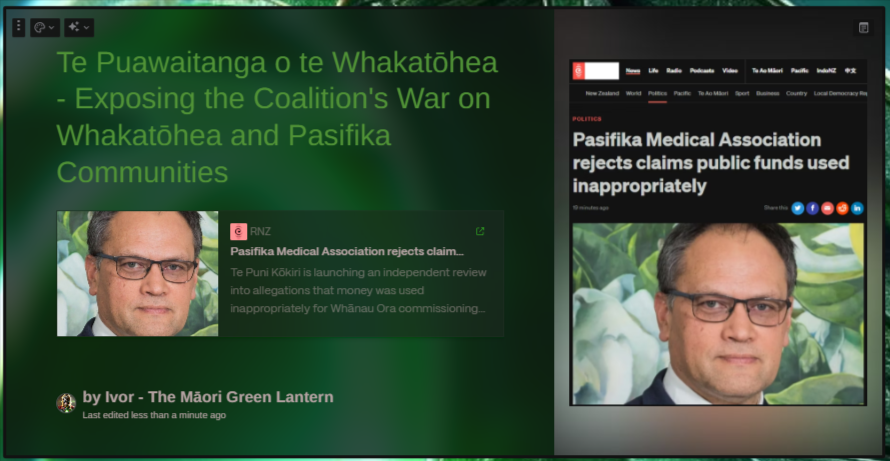
"Te Puawaitanga o te Whakatōhea - Exposing the Coalition's War on Whakatōhea and Pasifika Communities" - 28 June 2025
The Colonial Playbook Unleashed: How Luxon's Coalition Uses Funding Reviews to Destroy Indigenous-Led Solutions
Kia ora, tēnā koutou katoa (Hello, greetings to you all)
In a move straight from the colonial playbook, Christopher Luxon's coalition government has orchestrated a coordinated attack on Whānau Ora commissioning agencies, using manufactured allegations and bureaucratic warfare to dismantle one of Aotearoa's most successful Indigenous-led social service models1. Under the guise of "accountability" and "value for money," this administration has weaponised funding reviews to target organisations that dare to challenge white supremacist structures and deliver services that actually work for Māori and Pasifika communities.
This essay exposes how the recent allegations against the Pasifika Medical Association and Whānau Ora commissioning agencies represent a calculated assault on Indigenous self-determination, masquerading as good governance while advancing a neoliberal agenda of privatisation and cultural assimilation.
Whakatōhea and the Colonial Context
The attacks on Whānau Ora must be understood within the broader context of colonial violence that has systematically undermined Māori and Pasifika self-determination for over 180 years. From the 1840s, when colonial officials breached the Treaty of Waitangi to justify land theft, to the 1980s when Rogernomics privatisation devastated Māori communities with unemployment reaching 25 percent2, the pattern remains consistent: create crisis, manufacture outrage, then use that outrage to justify removing Indigenous rights.
The principle of whakatōhea - arousing people to action - demands we recognise these latest attacks for what they are: a continuation of this colonial project. When Te Puni Kōkiri launches "independent reviews" based on unsubstantiated allegations, it echoes the same manufactured justifications used to confiscate millions of acres of Māori land in the 1860s3.
The Manufactured Crisis: Dissecting the Allegations
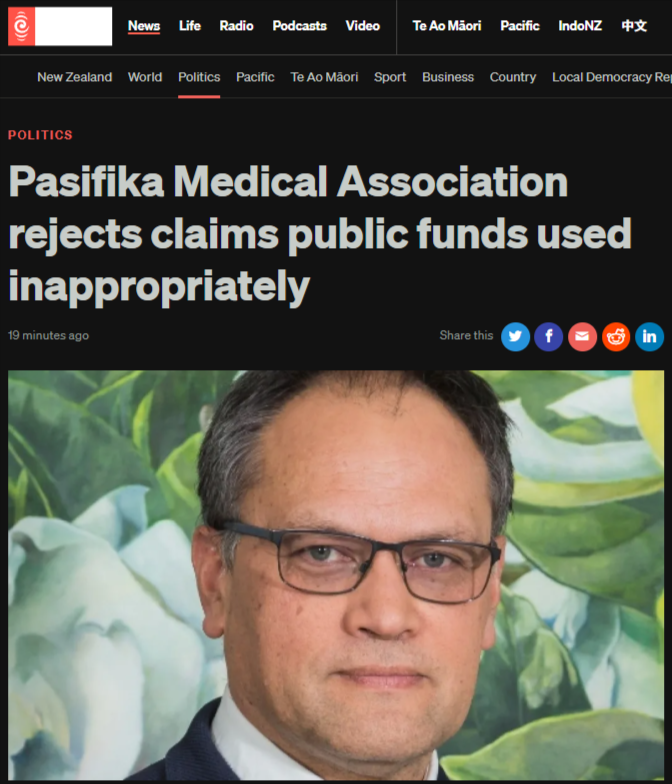
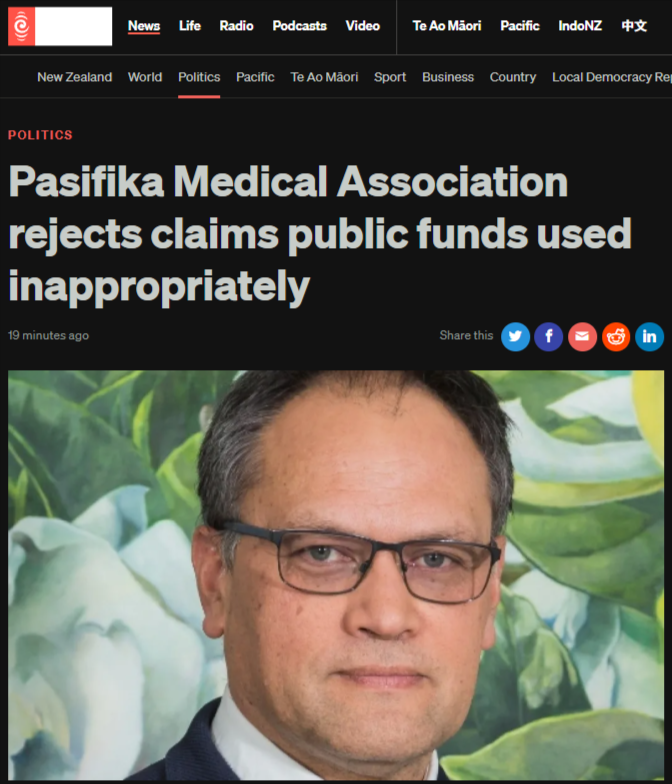
The allegations against Pasifika Medical Association and other Whānau Ora agencies follow a predictable pattern of colonial gaslighting. Dr Kiki Maoate, chair of the Pasifika Medical Association, has categorically denied that public funds were used inappropriately, stating that any Whānau Ora funding was "directed solely to the Moana Pasifika Community Sports Programme" rather than the professional rugby team1.
Yet the coalition government, led by Māori Development Minister Tama Potaka, has seized on these allegations to launch investigations that conveniently coincide with the termination of existing contracts and the installation of new commissioning agencies4. This timing is no coincidence - it's a calculated strategy to delegitimise successful Indigenous-led organisations while installing more compliant entities.
The pattern becomes even clearer when examining the broader assault on Whānau Ora. Since 2014, the three original commissioning agencies had held contracts and delivered services to tens of thousands of whānau, yet suddenly in 2024, Te Puni Kōkiri opened these contracts to tender for the first time, resulting in the removal of all three original agencies5.
The Economics of Cultural Destruction
The neoliberal ideology driving these attacks operates on multiple levels. First, it seeks to transform collective Indigenous approaches to wellbeing into individualised service delivery models that align with market-based thinking. The coalition government's broader cuts to public services demonstrate this pattern, with nearly $10 million stripped from the Māori Development fund and deeper cuts to Whakaata Māori6.
This economic warfare serves white supremacist ends by undermining the financial sustainability of Indigenous-led organisations. When Pasifika Futures lost contracts worth nearly $45 million - over half their revenue - the impact extends far beyond one organisation7. It sends a clear message to other Indigenous groups: conform to colonial expectations or face financial destruction.
The targeting of Moana Pasifika provides a particularly revealing case study. While the professional rugby team operates independently through commercial revenue streams from NZ Rugby, World Rugby, and broadcast partners like Sky, the community sports programme represents exactly the kind of holistic, culturally-grounded approach that threatens colonial structures8. By attacking the community programme while ignoring the commercial arrangements, the coalition reveals its true target: Indigenous-led community development.
The Māori Roll "Controversy": Weaponising Democratic Participation
The second prong of this attack focuses on democratic participation itself. The Whānau Ora Commissioning Agency's campaign encouraging Māori to enrol on the Māori electoral roll has been weaponised by coalition politicians like Shane Jones, who claims this legitimate civic engagement represents "electioneering"9.
This represents a particularly insidious form of white supremacist thinking: the idea that encouraging Māori political participation inherently threatens Pākehā interests. When over 120,000 Māori of voting age remain unregistered, civic education campaigns represent exactly the kind of democratic engagement that should be celebrated10. Instead, coalition politicians present Māori political participation as inherently suspicious.
The hypocrisy becomes clear when comparing this to the Electoral Commission's own enrolment campaigns. As Acting Prime Minister David Seymour claimed, the Electoral Commission "does not encourage people to register on the roll" but merely provides information4. This distinction is semantic nonsense designed to criminalise Indigenous political engagement while protecting colonial institutions.
Media Complicity and the Manufacturing of Consent
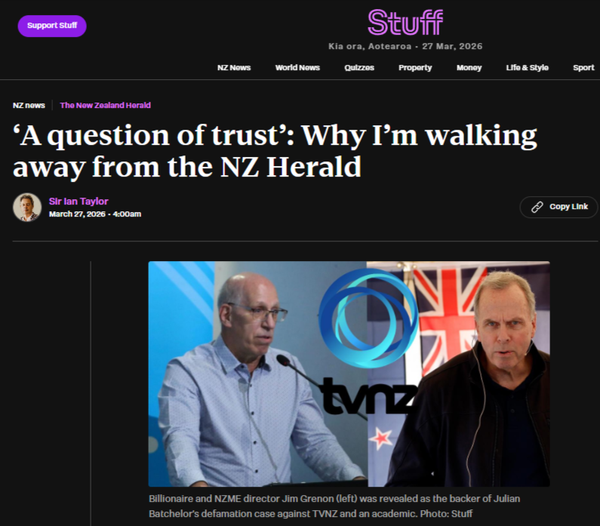
The corporate media's role in amplifying these manufactured controversies reveals the deep structural racism that continues to poison public discourse in Aotearoa. While some media organisations like Stuff have acknowledged their own anti-Māori bias and apologised, finding their coverage had "ranged from racist to blinkered" over 160 years11, others continue to platform anti-Indigenous rhetoric without challenge.
The recent controversy over the New Zealand Herald's decision to publish a Hobson's Pledge wraparound advertisement demonstrates how corporate media continues to provide platforms for white supremacist messaging while claiming neutrality12. These decisions have real-world consequences, legitimising racist discourse and creating the political environment where attacks on Indigenous organisations become acceptable.
The New Commissioning Agencies: Trojan Horses for Assimilation
The replacement of Indigenous-led commissioning agencies with organisations like The Cause Collective, which won the Pacific-focused contract, reveals the coalition's true agenda13. While these new agencies may deliver services to Māori and Pasifika communities, they lack the organic community connections and political independence that made the original agencies effective advocates for their people.
Te Pūtahitanga o Te Waipounamu's response - calling the changes a "destruction of Whānau Ora by stealth" - accurately identifies this strategy14. By maintaining the shell of Whānau Ora while gutting its Indigenous leadership and political autonomy, the coalition can claim to support Māori wellbeing while actually undermining it.
The loss of up to 1000 jobs across the original commissioning agencies represents more than economic disruption15. These were positions held by people with deep community connections, cultural competence, and lived experience of the issues they addressed. Replacing them with employees of organisations selected through bureaucratic tender processes fundamentally alters the character of service delivery.
The Treaty Principles Bill Connection
These attacks on Whānau Ora must be understood within the broader context of the coalition's assault on Te Tiriti o Waitangi, including David Seymour's Treaty Principles Bill and the systematic removal of Māori rights across government16. This represents what iwi leaders have correctly identified as "an unashamedly racist assault on Māori"16.
The timing of these funding reviews coincides with broader attacks on Indigenous rights, including instructions to government departments to prioritise English over Māori names and the removal of requirements for te reo proficiency in public service roles17. This coordinated assault reveals a government committed to rolling back decades of progress toward Indigenous self-determination.
Community Impact and Resistance
The human cost of these attacks extends far beyond organisational restructuring. Māori and Pasifika families who have relied on culturally competent services delivered by people who understand their worldviews and lived experiences now face uncertainty about whether replacement services will meet their needs18.
The principle of manaakitanga - caring for others with respect and dignity - demands recognition that these are not abstract policy debates but decisions affecting real whānau struggling with housing insecurity, health challenges, and educational barriers. When 620 jobs are cut at Kāinga Ora, many held by Māori and Pasifika workers, the impact reverberates through entire communities18.
However, these attacks have also generated significant resistance. The urgent Waitangi Tribunal claim filed by Ngai Te Rangi Settlement Trust demonstrates how iwi are mobilising legal strategies to challenge the coalition's anti-Māori agenda17. Community leaders across Aotearoa are recognising these isolated attacks as part of a coordinated assault requiring unified resistance.
The Path Forward: Reclaiming Indigenous Futures
The current crisis represents both danger and opportunity. While the coalition government's attacks threaten to undermine Indigenous-led social services, they have also revealed the true nature of white supremacist thinking in contemporary Aotearoa. This clarity creates space for more honest conversations about what genuine partnership and self-determination would look like.
The principle of whakamana tangata - empowering people - requires acknowledging that Whānau Ora's success came precisely from its challenge to colonial service delivery models. Rather than treating Māori and Pasifika communities as passive recipients of services designed by others, it enabled community-led solutions grounded in Indigenous values and knowledge systems.
Defending organisations like the Pasifika Medical Association means more than protecting funding arrangements - it means defending the right of Indigenous communities to determine their own futures. This includes the right to political participation, cultural expression, and economic development that serves community rather than corporate interests.
Conclusion: The Stakes Could Not Be Higher
The coalition government's attack on Whānau Ora commissioning agencies represents a defining moment for Indigenous rights in Aotearoa. Using manufactured allegations and bureaucratic warfare, Christopher Luxon's administration seeks to roll back decades of progress toward genuine self-determination while maintaining the fiction of supporting Māori and Pasifika wellbeing.
This assault reveals the true nature of contemporary colonialism: not the crude land grabs of the 19th century, but sophisticated strategies of incorporation and control that maintain white supremacist structures while co-opting Indigenous language and imagery. The replacement of community-led commissioning agencies with government-selected contractors represents exactly this kind of colonial modernisation.

The response must match the scale of the threat. Beyond defending individual organisations, this moment demands a broader awakening to the colonial project's ongoing evolution and the development of strategies that can effectively challenge white supremacist structures rather than merely seeking accommodation within them.
The Pasifika Medical Association's clear rejection of false allegations and their commitment to community-led solutions provides a model for this resistance. By refusing to be gaslighted by colonial bureaucrats and maintaining their focus on serving their people, they demonstrate that another way is possible.
As we face this unprecedented assault on Indigenous rights, the words of our tīpuna echo across time: the struggle for tino rangatiratanga - absolute sovereignty - continues. The current attacks on Whānau Ora are merely the latest chapter in this long story. How we respond will determine whether future generations inherit greater freedom or deeper colonisation.
Kia kaha, kia māia, kia manawanui.
Readers who find value in this analysis and wish to support Indigenous resistance to colonial violence can consider a koha to: HTDM: 03-1546-0415173-000. The MGL understands these tough economic times for whānau so please only contribute a koha if you have capacity and wish to do so.
Ivor Jones The Māori Green Lantern