“Te Whaitiri Childcare: Welfare for the Wealthy” - 18 July 2025
The Neoliberal Charade Exposed
Kia ora e te whānau. This is a travesty, a betrayal of whānau Māori, and a shameful misuse of our collective resources in the name of so-called "family support."
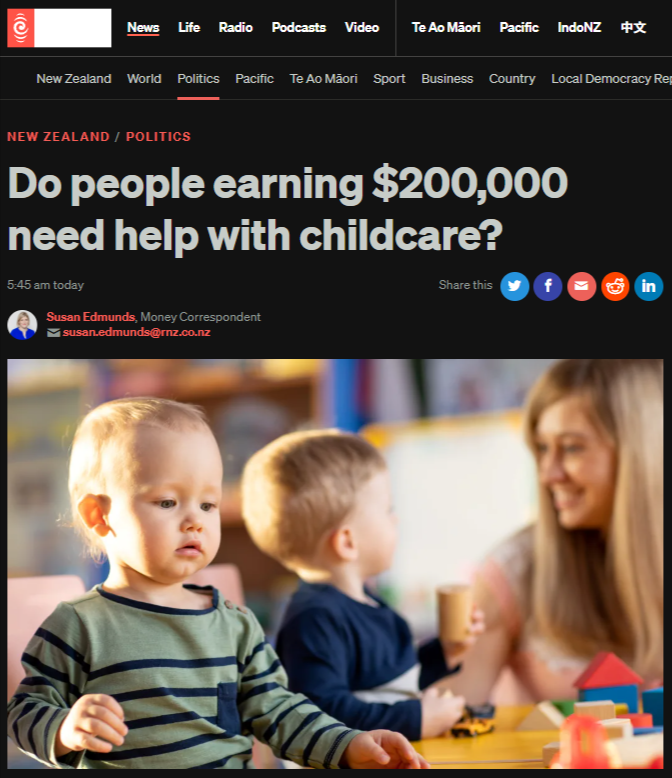
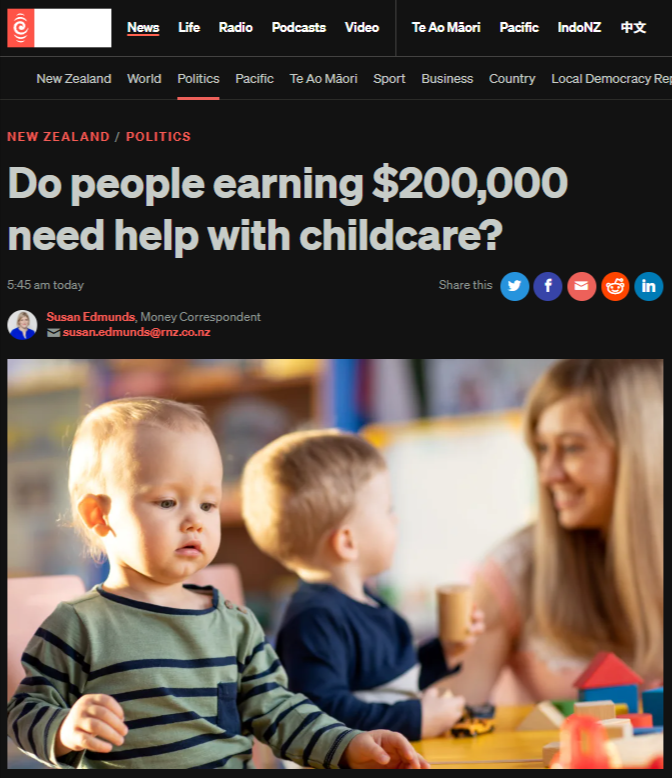
Susan Edmunds' RNZ investigation has blown the lid off what may be the most brazen example of reverse Robin Hood economics we've seen from this National government. The expansion of the Family Boost programme to include households earning up to $229,100 annually - placing them firmly in the top 10 percent of wealth holders in Aotearoa - represents the worst kind of neoliberal ideology dressed up as family policy.
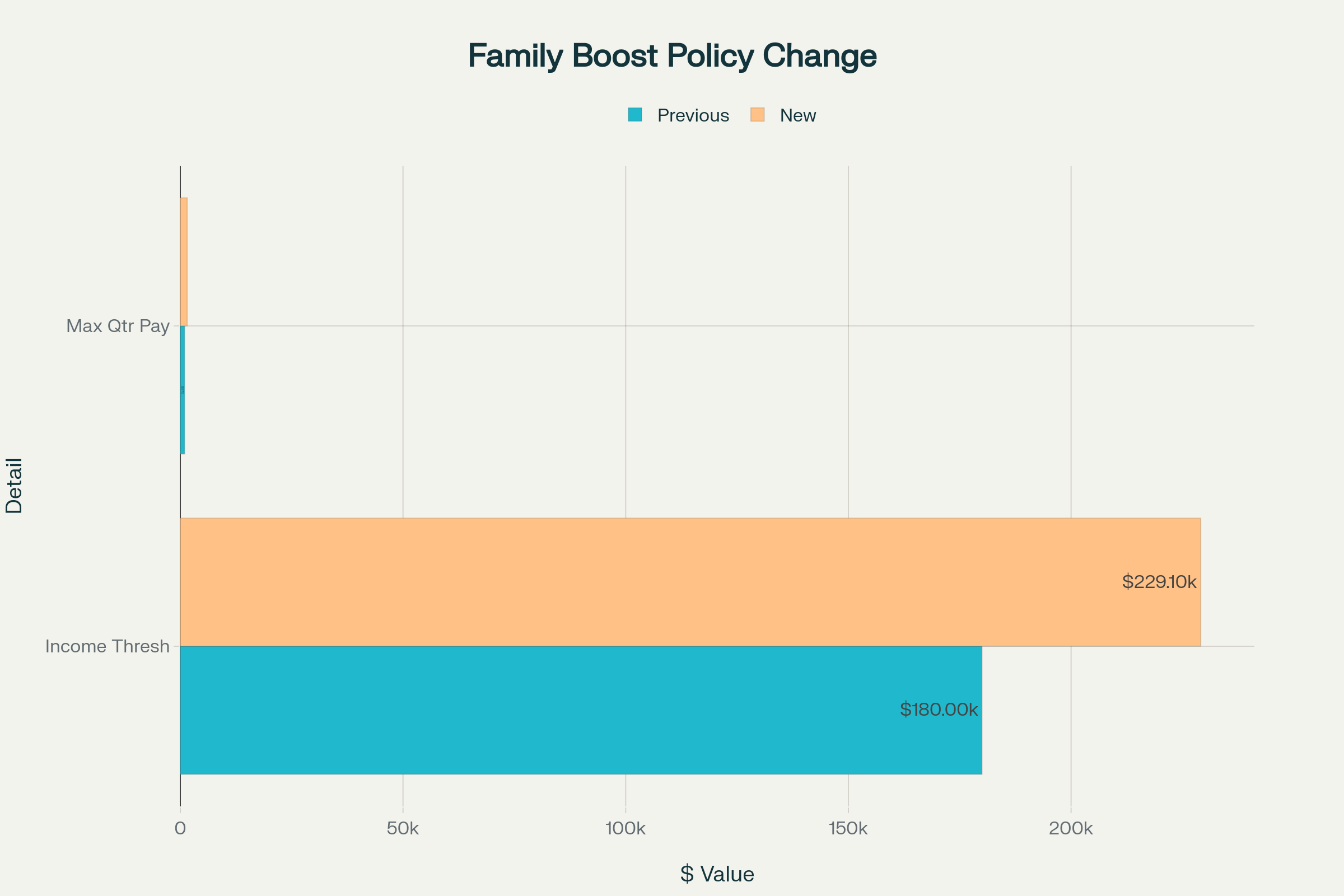
Family Boost Policy Changes: Income Thresholds and Maximum Quarterly Payments
Let me be absolutely clear about what's happening here. This isn't "supporting families" - it's subsidising the wealthy while perpetuating the very inequalities that drive whānau Māori deeper into poverty and exclusion from quality early childhood education.
The Numbers Don't Lie
The cold, hard mathematics of this policy reveal its true nature. As economist Craig Renney from the Council of Trade Unions demonstrates, a household earning $180,000 will receive $3,440 annually in additional support, while a household earning $60,000 receives only $2,3401. This represents a staggering 47 percent more assistance for those earning three times as much.
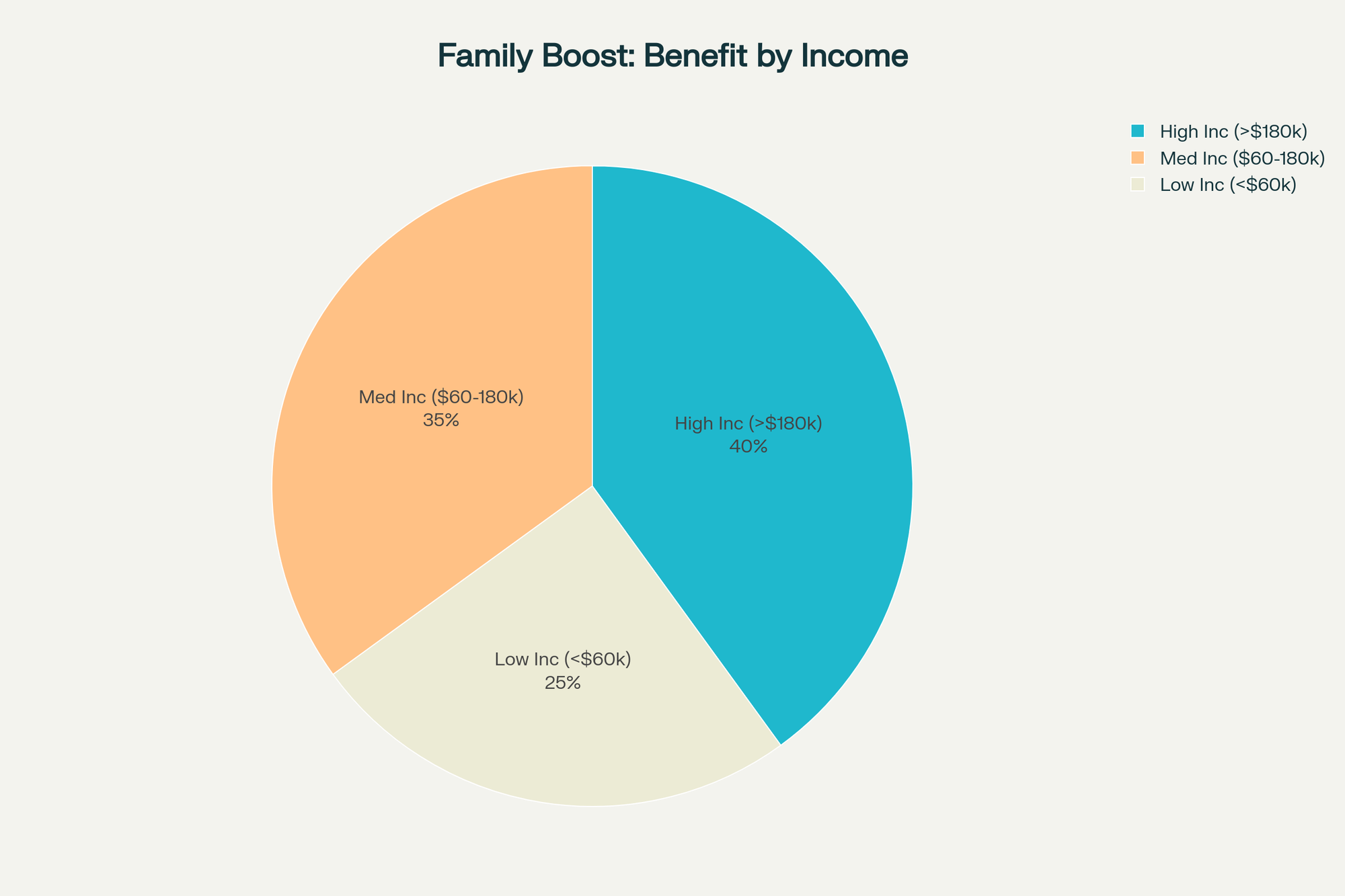
Family Boost Policy Benefits by Income Group: Who Gets More?
This isn't an accident - it's neoliberalism working exactly as designed. The system rewards those who already have the most while providing token support to those who need it most. It's a perfect example of what Māori have always known: that supposedly "universal" policies consistently benefit Pākehā middle and upper classes at the expense of Indigenous and working-class communities.
The Māori Dimension: Cultural Genocide Through Economic Policy
What makes this particularly insidious is how it reinforces the colonial project of excluding Māori from quality early childhood education. The Education Review Office has repeatedly documented that only 76 percent of Māori children participate in early childhood education, compared to much higher rates for Pākehā children2. This policy expansion does absolutely nothing to address those disparities.
In fact, it makes them worse. By providing higher subsidies to wealthy families who can already afford premium childcare, the policy creates a two-tier system where the wealthy access increasingly high-quality services while working-class Māori families are left with whatever remains. This is economic apartheid disguised as family support.
The Te Whāriki curriculum explicitly recognises that "in Māori tradition children are seen to be inherently competent, capable and rich, complete and gifted no matter what their age or ability"3. Yet this policy systematically undermines that principle by ensuring that tamariki Māori are less likely to access the kind of early childhood education that would affirm their cultural identity and support their development.

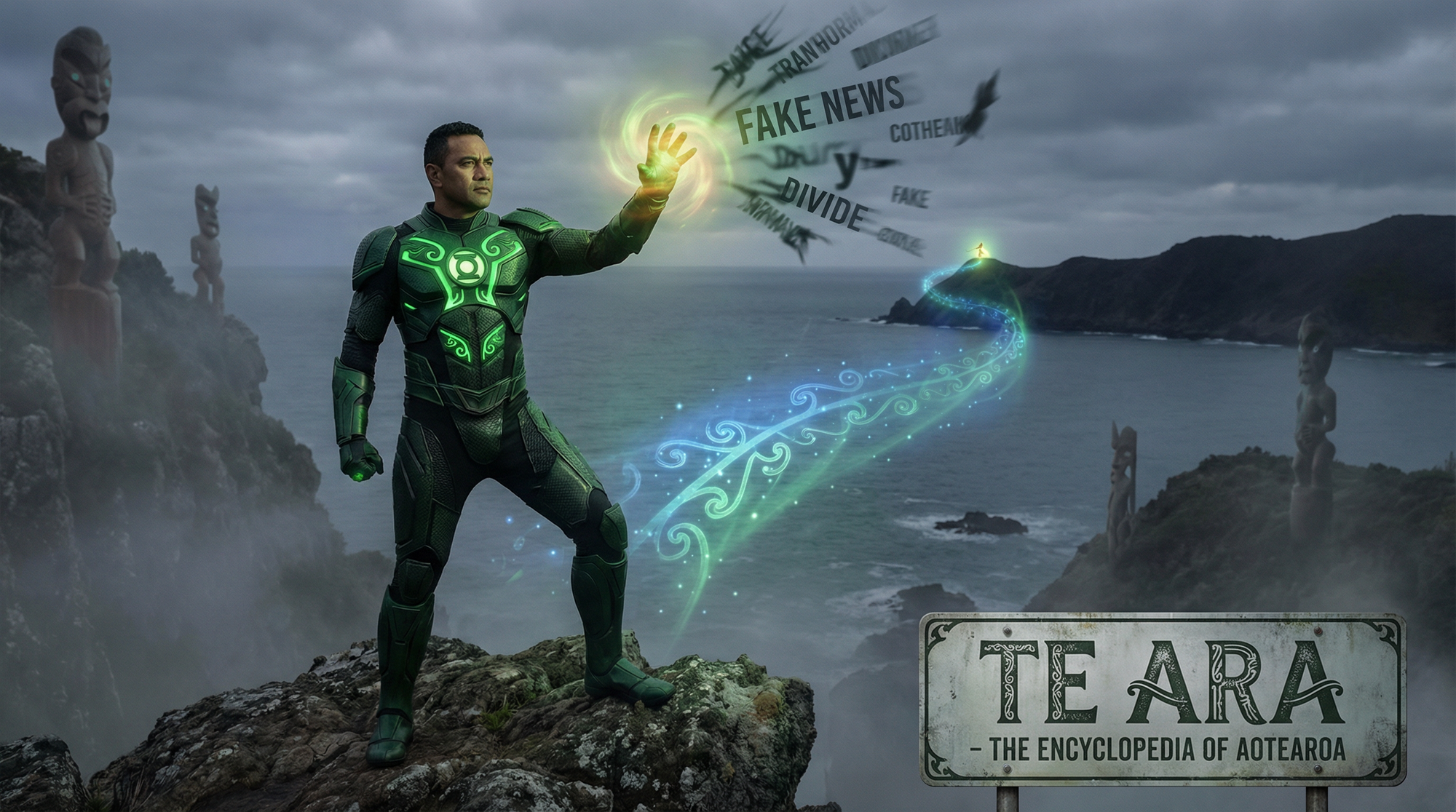
The Māori Green Lantern fighting misinformation and disinformation from the far right
The Neoliberal Mythology
Let's examine the justifications Finance Minister Nicola Willis offers for this reverse redistribution. She claims the policy helps the "squeezed middle" and "battlers" earning too much to qualify for other subsidies4. This is classic neoliberal doublespeak - reframing welfare for the wealthy as support for struggling families.
The reality is that families earning $200,000 or more are not "battlers" by any meaningful definition. They're in the top 10 percent of income earners in New Zealand. They have choices and opportunities that working-class families can only dream of. To suggest they need taxpayer support for childcare is to reveal the complete moral bankruptcy of neoliberal logic.
Market Fundamentalism in Action
This policy perfectly illustrates how neoliberalism creates artificial markets and then subsidises the wealthy to participate in them. The privatisation of early childhood education has created a system where profit-driven providers charge whatever the market will bear, knowing that government subsidies will cover the costs for those who can afford to pay upfront5.
The Child Poverty Action Group's Isaac Gunson correctly identifies the fundamental flaw: families need money upfront to access these services, then wait to claim rebates1. This creates a barrier that effectively excludes those who need support most while providing windfalls to those who can afford to pay and wait.
The Colonial Context
This isn't just bad economic policy - it's part of a broader colonial project to entrench inequality and exclude Māori from full participation in society. The neoliberal transformation of New Zealand since the 1980s has consistently privileged market mechanisms over social justice, individual choice over collective wellbeing, and economic efficiency over cultural responsiveness6.
The result is a system where Māori children are systematically disadvantaged in accessing quality early childhood education, while wealthy Pākehā families receive taxpayer subsidies to access premium services7.
The Administration Scandal
Adding insult to injury, the policy has been a complete administrative disaster. Of the $62 million spent on Family Boost, $14 million has gone to administration costs rather than helping families8. This represents nearly 25 percent of the total expenditure - a staggering waste that could have been used to expand access for low-income families.
The Taxpayers' Union correctly calls this out as completely out of touch, noting that families earning nearly double the average household income don't need handouts from other working taxpayers9.
The Path Forward
The solution isn't to tinker with eligibility thresholds or adjust rebate rates. It's to fundamentally restructure early childhood education as a public service that guarantees access to all children regardless of their families' economic circumstances.
This means:
- Establishing universal, free early childhood education as a right
- Expanding community-based and kaupapa Māori providers
- Eliminating the profit motive from early childhood education
- Ensuring that all services reflect Te Tiriti obligations and support Māori cultural development
The current system is designed to fail whānau Māori and working-class families while rewarding those who need help least. That's not an accident - it's neoliberalism working exactly as intended.
The Family Boost expansion represents everything that's wrong with neoliberal policy-making: it dresses up welfare for the wealthy as family support, ignores structural inequalities, and actively undermines the interests of those most in need. For Māori, it's another example of how supposedly neutral policies consistently advantage Pākehā at our expense.
We need to reject this charade and demand a system that truly serves all families, not just those wealthy enough to game the system. Our tamariki deserve better than this neoliberal nightmare.
Kia kaha, kia māia, kia manawanui.
Ivor Jones
The Māori Green Lantern
Readers who find value in this analysis are invited to support this mahi with a koha to HTDM: 03-1546-0415173-000. I understand these are tough economic times for whānau, so please only contribute if you have the capacity and wish to do so.