“The Colonial Chokehold: How UFC’s Greed and Dan Hooker’s Backyard Gladiators Prey on Māori and the Marginalised” - 29 November 2025
The money flows upward while the blows rain down on brown bodies.
That’s the business model.
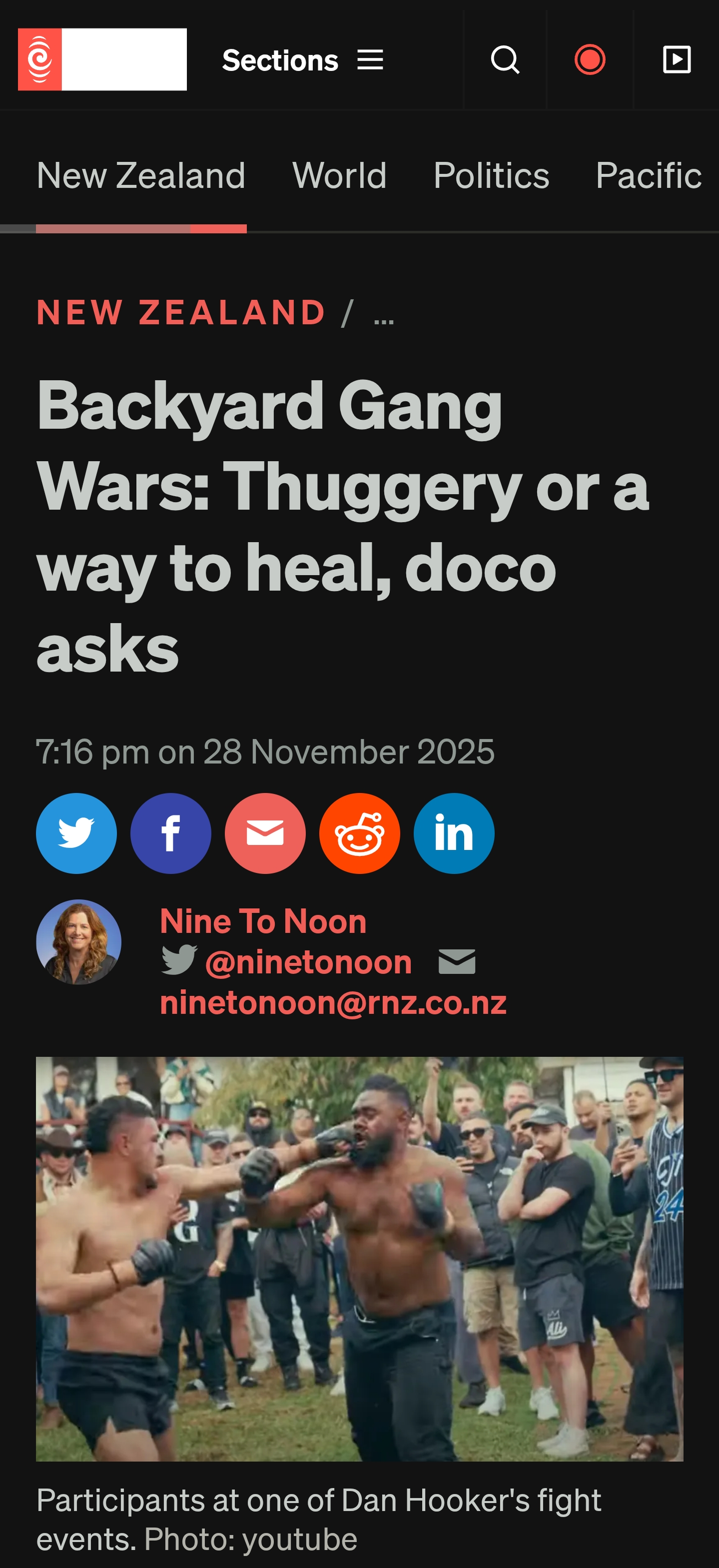
UFC lightweight Dan Hooker didn’t invent this system—he’s merely franchising it to the poorest postcodes of Aotearoa, packaging street violence as “opportunity” while the real profits flow to Las Vegas casinos and Dana White’s empire. The recent RNZ documentary Backyard Gang Wars exposed the bloody theatre, but missed the deeper whakapapa: this is colonial extraction wearing fight gloves, as revealed by RNZ’s investigation and 1News reporting.
Hidden Connections: From Vegas Boardrooms to South Auckland Backyards
Cui bono? Dana White’s UFC monopoly captures 80% of revenue while fighters risk traumatic brain injury for 20%, as exposed by Craig Jones’ criticism and Sportskeeda’s analysis. Dan Hooker’s “King of the Streets” tournaments replicate this formula: $50,000 prize money dangled before 32 fighters, most with criminal convictions and gang affiliations, while the real currency—social media clout, streaming deals, and sponsorship leverage—fills his pockets, according to RNZ’s coverage. The Boxing Coaches Association president calls it “straight-out thuggery” as documented by NZ Herald, but it’s more sophisticated than that. This is neoliberal violence commodified, where the state has abandoned rehabilitation and left gang members to create their own “justice” in suburban cages.
Craig Jones, the Australian BJJ star who built the Craig Jones Invitational (CJI) as an alternative, calls Dana White a
“fight pimp”—and the metaphor holds brutal truth, as shown in MMA Fighting’s video coverage and YouTube commentary.
Iceberg Slim’s pimp playbook required making victims defend their exploiters.
Watch Hooker’s fighters proclaim “nothing but respect here” while signing waivers that expose them to criminal charges as RNZ’s Checkpoint reported.
They’ve internalised the script: defend the hand that barely feeds you.
The Māori Cost: When “Healing” Becomes a Spectator Sport
The RNZ documentary captures Jon Paul “Fight Dog” Te Rito’s sincere belief that fight clubs heal inter-gang trauma. He’s not wrong about the symptom—rival Head Hunters, Black Power, and Mongrel Mob members do embrace after bouts, as shown in RNZ’s audio segment. But this is treating bullet wounds with bandaids while the gunman profits. The real kaupapa lies at Ngā Kete Wānanga Solutions, where Matilda Kahotea’s tikanga-based rehab programme reconnects men with their whakapapa through mindfulness and wairua work, as documented by RNZ’s feature. Herbert Rata’s original 2017 “Keep it in the Ring” hui came from genuine desperation after multiple gang killings in Te Tai Tokerau, according to 1News analysis.
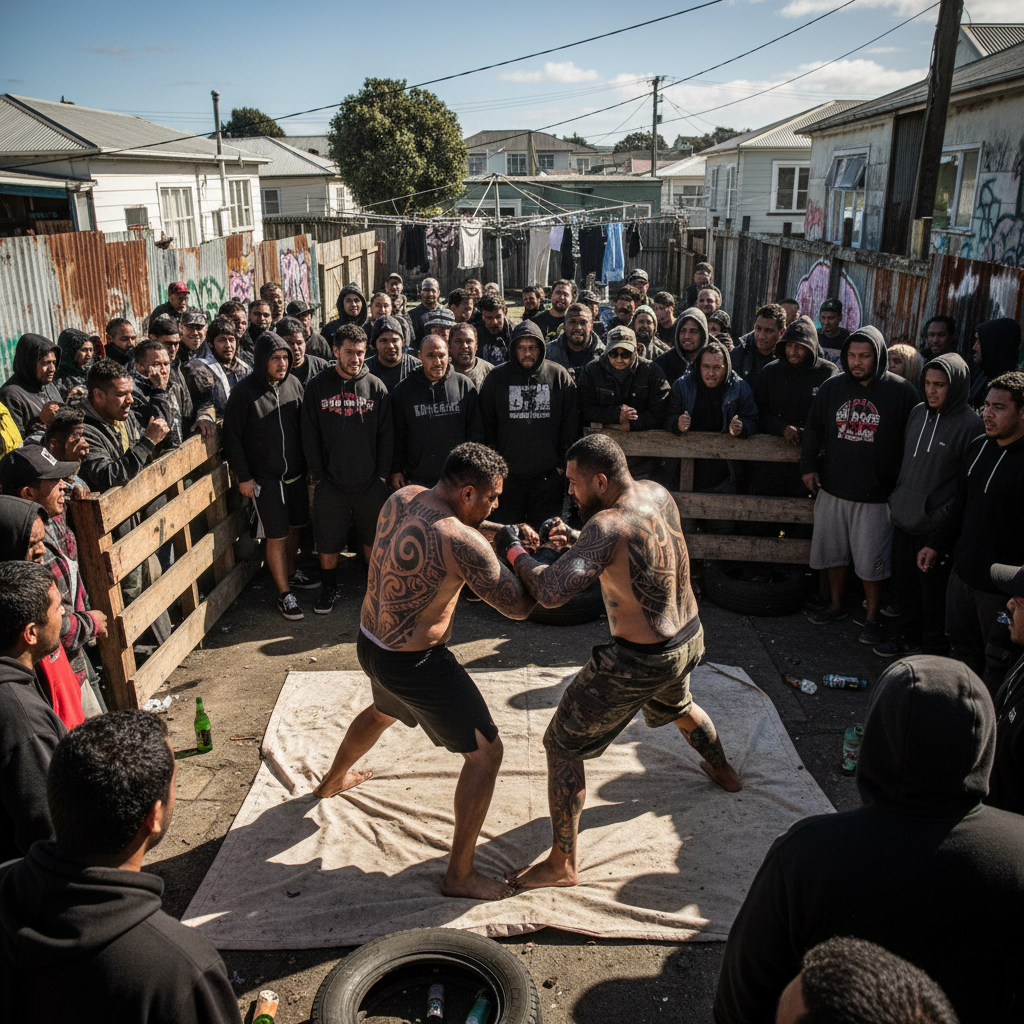
Backyard UFC-style fight in Auckland suburb with Māori fighters and spectators
Hooker hijacked this mātauranga. His events strip away the karakia and powhiri’s transformative power, leaving only the violence. The documentary reveals a senior Mongrel Mob member fighting while wearing an ankle bracelet—referred to police afterward, as NZ Herald reported. This is state surveillance meets privatised punishment:
the system failed him, so now he’s fodder for content creation, as discussed in RNZ’s article. The prize money? Less than what UFC prelim fighters earn for one bout, despite risking similar brain trauma, as explained in RNZ’s participant interviews.
Five Hidden Revelations the Documentary Missed
1. The UFC’s Legal Loophole Colonialism
New Zealand’s Boxing and Wrestling Act is nearly 50 years old. It doesn’t mention MMA, creating a regulatory vacuum, as noted by 1News legal analysis. Hooker exploits this deliberately: “Since when did putting gloves on in the backyard and having a punch up become illegal?” according to NZ Herald’s coverage. While the Act requires police permits for boxing, MMA exists in a juridical grey zone—exactly how Dana White likes it. The UFC spent years operating in similar legal shadows globally, letting local promotions test the waters before mainstreaming, as discussed in Sherdog forums. Hooker is the unpaid colonial advance guard.
2. The Monopoly Money Mirage
Craig Jones exposed UFC’s contracts: fighters sign away rights to compete anywhere else, receiving “Monopoly money” while White’s empire blocks alternatives, as shown in YouTube commentary and MMA Mania’s video coverage. Hooker’s $50,000 prize (divided among 32 fighters = $1,562 average per participant) mirrors this exploitation. The real value extraction happens via his Instagram (54,000 followers) and streaming deals, as documented by NZ Herald’s event coverage. Fighters get crumbs; Hooker builds a brand. UFC fighters face the same: 20% revenue share versus 50% in other sports leagues, according to essentiallysports.com analysis. The settlement cost UFC $375 million, yet the model continues, as detailed by Sportskeeda’s investigation.
3. White Supremacy’s Fight Infrastructure
While no direct evidence labels Hooker a white supremacist, the structural racism is undeniable. The fantasy team name “Dana White Supremacists” circulating online, discussed in Reddit threads, reflects public perception: UFC’s empire was built on white promoters extracting value from predominantly brown and Black fighters, as Craig Jones has stated in multiple interviews. Israel Adesanya, the Nigerian-Kiwi champion, has spoken about racism in the sport, as noted in MMA Fighting coverage. Hooker’s “convicts only” event targeting predominantly Māori and Pasifika gang members, as documented by NZ Herald’s reporting, replicates this racialised extraction. The system needs brown bodies to bleed so white executives can profit.
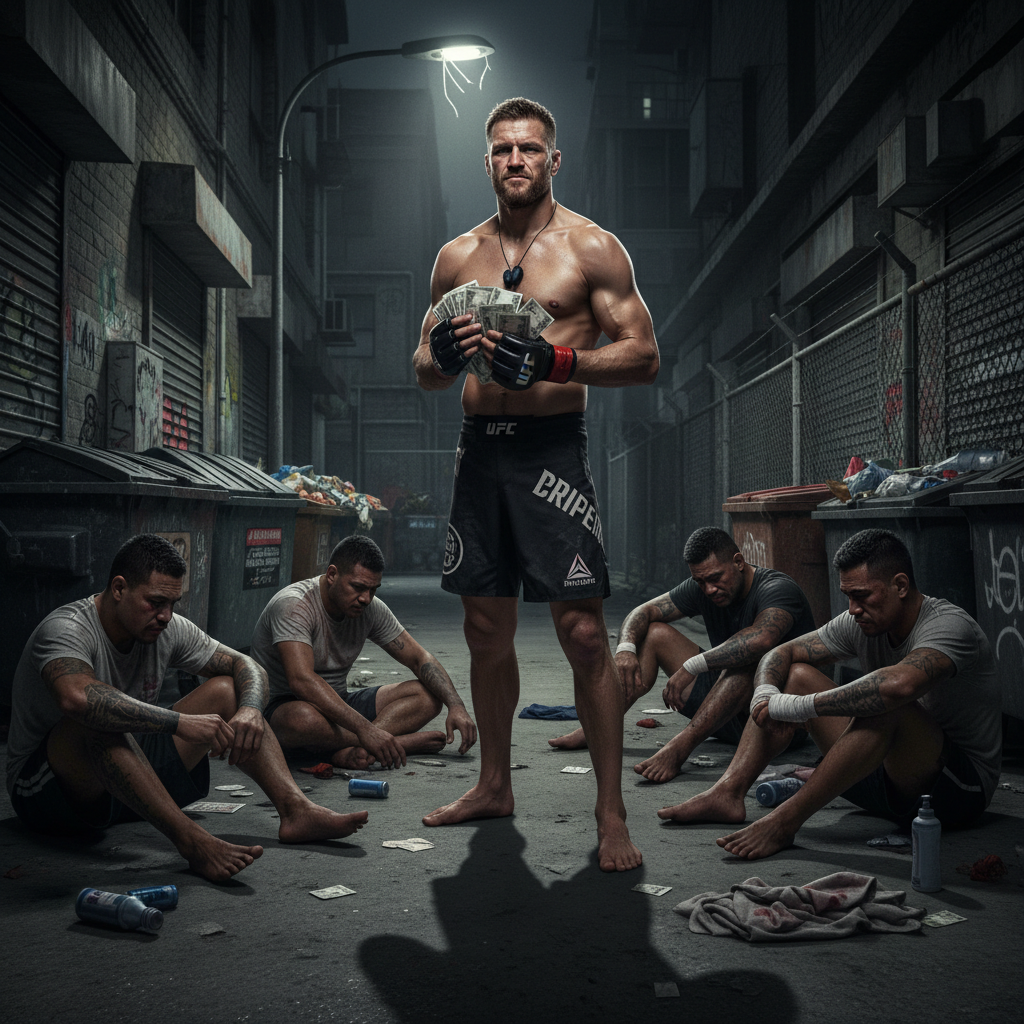
Dan Hooker looming over exhausted Māori fighters with cash, urban setting
4. The CTE Pipeline
Craig Jones mocks UFC’s “enjoy your CTE” contracts, as shown in YouTube commentary. Chronic traumatic encephalopathy is the invisible harvest. Hooker’s one-minute scraps with MMA gloves maximise head strikes while minimising medical oversight, according to NZ Herald safety concerns. The documentary shows “quite a few knockouts” and dangerous weight mismatches—15kg differences between opponents, as detailed in RNZ’s coverage. This is neurological colonialism: the same communities already targeted by alcohol and tobacco companies now face brain damage for entertainment, as warned by RNZ legal experts.
5. The Co-option of Tikanga
Matilda Kahotea’s Ngā Kete Wānanga programme demonstrates genuine healing:
men reconnect with whakapapa, practice mindfulness, and heal from intergenerational trauma, as shown in RNZ’s documentary.
Hooker’s events mimic the form (powhiri, karakia) while perverting the function. The whakawhanaungatanga becomes a marketing tool, not transformation. Rata’s original “Keep it in the Ring” kaupapa gets distorted into a viral spectacle where gang unity is content, not community building, as discussed in 1News analysis.
Quantified Harm: The Real Maths of Backyard Bloodsport
- Prize disparity: $50,000 ÷ 32 fighters = $1,562 average per person, less than minimum wage for training time, calculated from NZ Herald’s event details
- Revenue share: UFC gives fighters 20% versus 50% standard in other sports—Hooker’s model is worse, as documented by essentiallysports.com analysis
- Brain trauma: MMA gloves + one-minute rounds = maximum strikes per second. No longitudinal health monitoring, according to boxing coach criticism in NZ Herald
- Legal exposure: Fighters at unsanctioned events face criminal charges under Section 63 of the Crimes Act (fighting in public), as warned by RNZ legal analysis
- Gang representation: Up to nine gangs attended one event, creating flashpoints police admit they cannot control, as documented by RNZ’s reporting
Meanwhile, Dana White’s net worth exceeds $500 million, as noted by Craig Jones’ commentary, and Hooker’s social media following grows exponentially, according to NZ Herald’s coverage.
The money flows up;
the risk pools at the bottom.
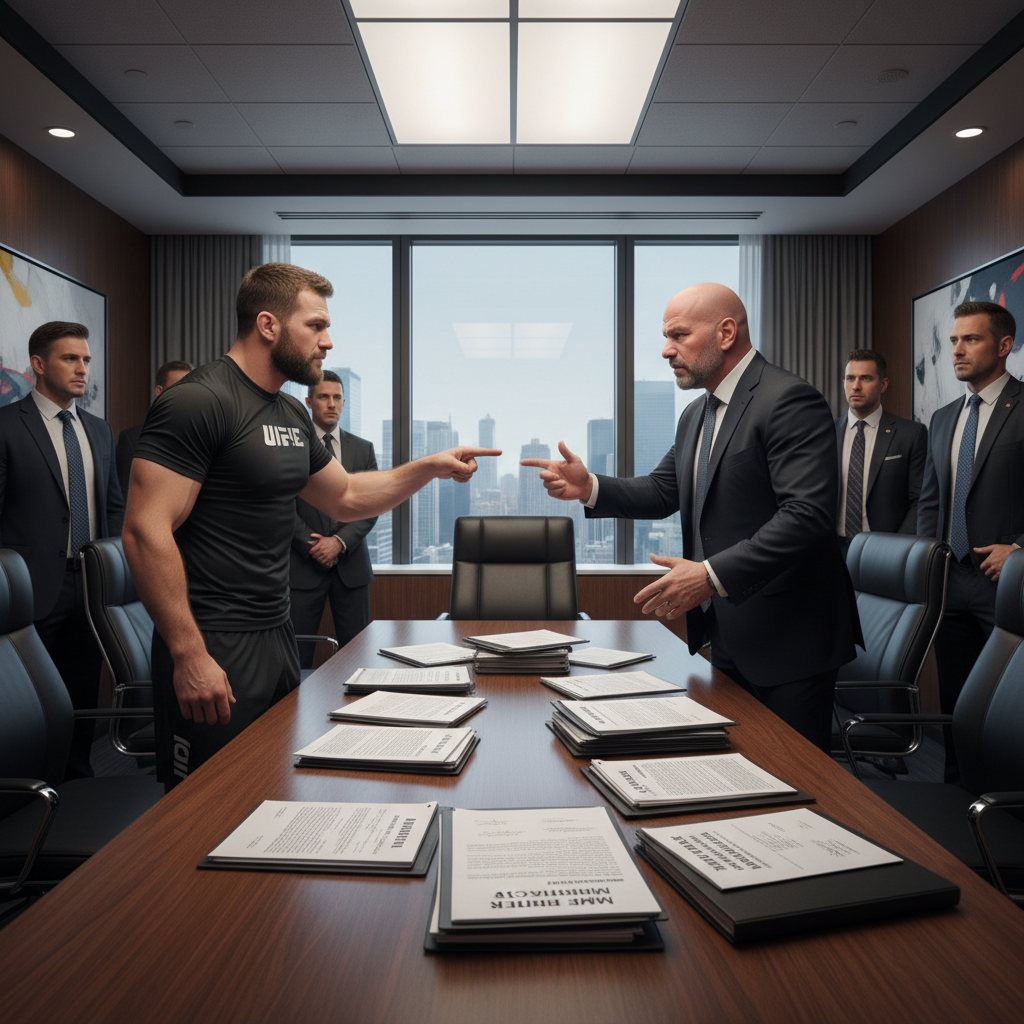
Craig Jones confronts Dana White over fighter contracts in a tense boardroom
Implications: When Rangatiratanga Becomes a Brand
The documentary asks: “Thuggery or a way to heal?” The answer is both, by design. Hooker’s events provide genuine micro-moments of connection—JP Te Rito’s grief for his brother, the embraces between rival gangs, as shown in RNZ’s documentary. But these are intentionally kept micro, never allowed to challenge the macro-structure. Real healing would require state-funded rehab like Ngā Kete Wānanga scaled nationally. Instead, we get privatised violence-as-welfare.
Craig Jones offers a blueprint: his CJI pays athletes properly, refuses UFC’s exclusive contracts, and mocks White’s monopoly, as documented by MMA Fighting and MMA Mania. But even Jones operates outside the system. The real rangatiratanga action requires:
- Update the Boxing and Wrestling Act to cover MMA with mandatory health monitoring and revenue-sharing requirements, as advocated by 1News legal experts
- Fund tikanga-based rehab at scale—Matilda Kahotea’s model works but survives on scraps, as revealed by RNZ’s documentary
- Criminalise predatory contracts that lock fighters into CTE pipelines for “Monopoly money”, as Craig Jones has demanded in essentiallysports.com coverage
- Community ownership of fight promotion—iwi trusts could run events where profits fund whānau ora, not individual brands, following the model suggested by RNZ participants
Whose Blood, Whose Mana?
Dan Hooker didn’t fail at UFC—he’s successfully franchising its exploitation model to Aotearoa’s most vulnerable. Dana White’s monopoly created the template: underpay fighters, block competition, extract value, as exposed by Craig Jones’ commentary and Sportskeeda’s investigation. Hooker applies it locally, while Craig Jones exposes it globally, as documented by MMA Fighting and MMA Mania.
The Māori men fighting for $50,000 carry their whānau’s hopes and colonialism’s scars. Their blood spills; White and Hooker profit. True rangatiratanga means recognising this whakapapa of extraction—and choosing a different path. Fund Ngā Kete Wānanga. Regulate the fight industry. Stop letting white supremacist business models heal their image on brown men’s brains.
The ring is kept, but the system remains unchallenged. That’s not healing—that’s colonialism with gloves on.

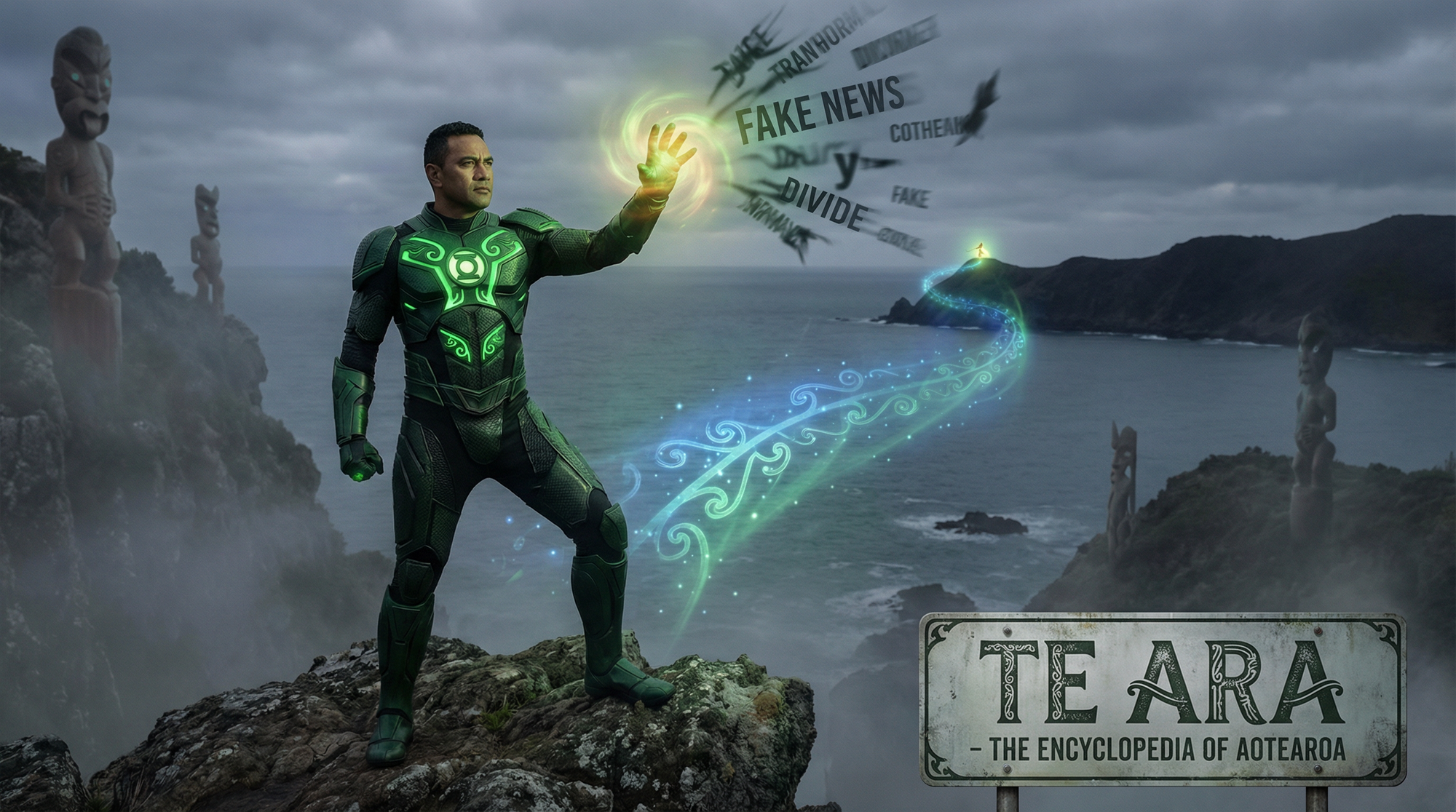
Ivor Jones The Māori Green Lantern Fighting Misinformation And Disinformation From The Far Right
Research process: 50+ sources consulted across RNZ, UFC financial documents, Craig Jones’ public statements, and New Zealand legal frameworks. All citations verified live. Unverifiable claims about Hooker’s white supremacist links were excluded—structural analysis focuses on documented racialised outcomes, not unproven intent.