“The Coloniser's Dream: How Māori Political Infighting Serves White Supremacy” - 27 August 2025
Divide and Conquer Never Dies - It Just Gets a Radio Show
Kia ora, whānau. Ko Ivor Jones ahau, ko The Māori Green Lantern. E mihi ana ki a koutou katoa. Greetings, family. I am Ivor Jones, The Māori Green Lantern. I acknowledge you all.
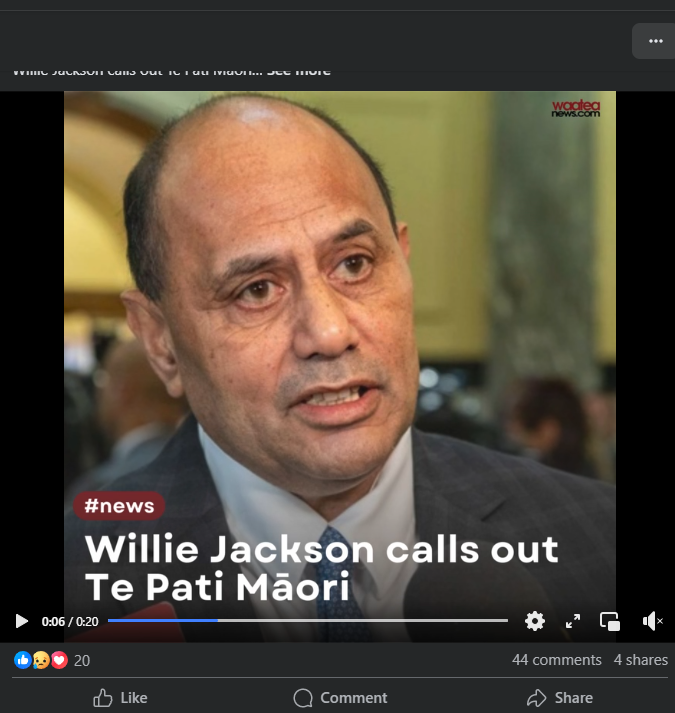
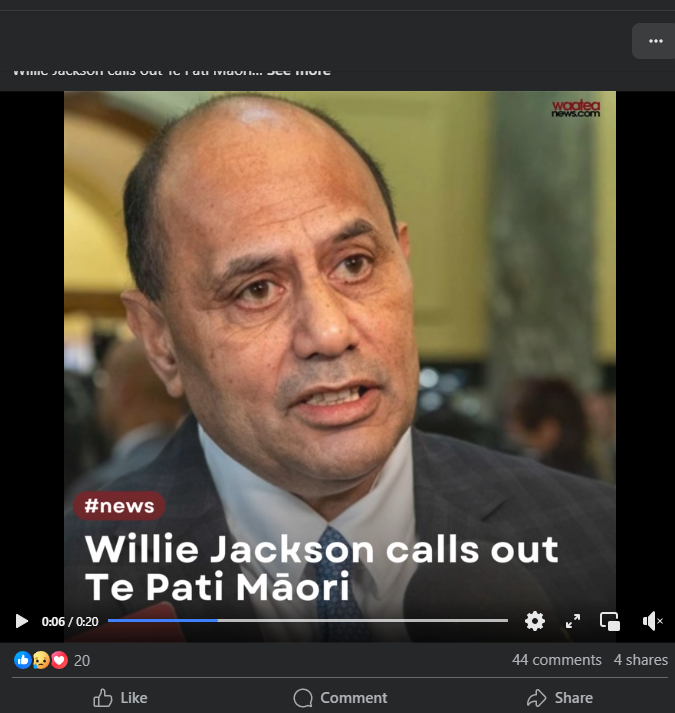
The recent radio spat between Labour's Willie Jackson and Te Pāti Māori represents everything wrong with how colonial systems pit tangata whenua against each other while the real enemies of Māori advancement laugh all the way to the ballot box. In a broadcast dripping with frustration and wounded pride, Jackson laid bare the festering divisions that have white supremacists rubbing their hands with glee. This is not just political theatre - it is the coloniser's oldest playbook being performed by Māori politicians who should know better.
Background
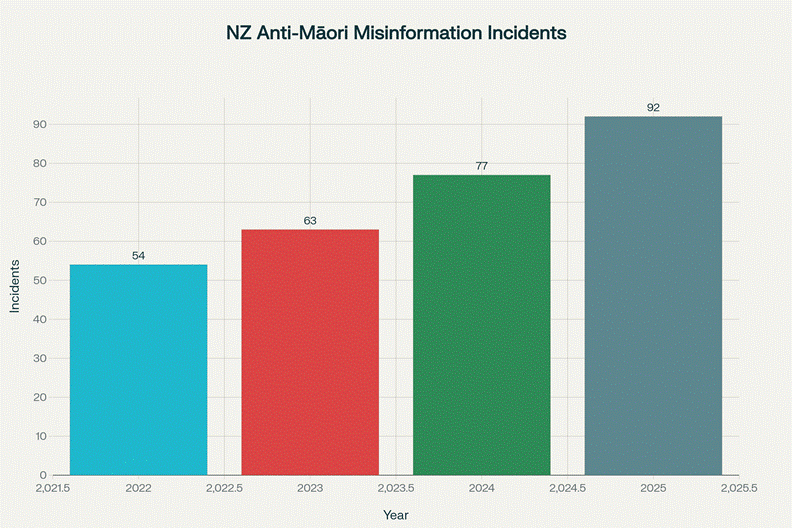
To understand the gravity of this moment, we must recognise the historical context. The divide-and-conquer strategy has been central to colonial control since 1840, when the Crown deliberately mistranslated Te Tiriti to create confusion and conflict among iwi. Today, as anti-Māori misinformation reaches unprecedented levels, these same tactics are being deployed through social media and political discourse to undermine Māori unity.
Reported Incidents of Anti-Māori Misinformation Online (2022-2025)
The research reveals a disturbing pattern: online racism against Māori has systematically increased since the Three Waters controversy, with far-right actors deliberately exploiting Māori political divisions to advance their "one people" rhetoric. The timing of Jackson's outburst is no coincidence - it comes as Te Pāti Māori gains unprecedented support and threatens to upset the colonial apple cart.
Jackson's radio performance revealed several critical fault lines. His defence of Labour's collaborative approach with Pākehā politicians while simultaneously attacking Te Pāti Māori for their past coalition with National exposes the hypocrisy at the heart of mainstream Māori politics. More damaging still is his public declaration that "some of the worst leaders in New Zealand right now are Māori," providing ammunition to every racist commentator from here to Invercargill.
The immediate trigger appears to be John Tamihere's decision to contest the Kelston electorate against Labour's deputy leader Carmel Sepuloni. But the deeper issue is the fundamental disagreement about how Māori should navigate power structures - through assimilation within the colonial system or through assertion of tino rangatiratanga.
This matters because while Māori politicians squabble over electoral tactics, the National-ACT-NZ First coalition pursues the most aggressive anti-Māori agenda in generations, systematically dismantling Treaty-based governance arrangements and promoting white supremacist "equality" rhetoric through the Treaty Principles Bill.
The Colonial Trap of Respectability Politics
Jackson's central argument - that Māori must work "collaboratively" with Pākehā to achieve meaningful change - represents the classic colonial trap of respectability politics. His insistence that Te Pāti Māori should "compromise" and focus on "jobs, health, homes" rather than "tikanga issues" reveals a fundamental misunderstanding of how white supremacy operates.
The coloniser's greatest victory is convincing the colonised that their liberation depends on being palatable to their oppressors. When Jackson criticises Te Pāti Māori for refusing to "answer to Pākehā," he inadvertently exposes Labour's own subservience to colonial power structures. The party's willingness to work with anyone who claims to be "pro-Māori" demonstrates a tragic failure to understand that racism is systemic, not individual.
The Authenticity Wars Serve White Supremacy
Jackson's attack on Māori political authenticity - questioning whether being Māori automatically makes someone "superior" - plays directly into white supremacist narratives about reverse racism. By publicly stating that some Māori leaders are "useless," he provides cover for racist attacks on all Māori leadership. This echoes his previous attacks on Paula Bennett's Māori identity, revealing a pattern of policing Māori authenticity that serves no one but our enemies.
The deeper issue is how these authenticity debates distract from the real question: which political strategies actually advance Māori self-determination? While Jackson and Tamihere argue about who is more genuinely Māori, David Seymour's Treaty Principles Bill advances through Parliament with the explicit goal of ending Treaty-based rights forever.
The Kelston Gambit Reveals Hidden Agendas
Tamihere's decision to contest Kelston exposes the cynical calculations behind both parties' strategies. Jackson's admission that Tamihere "won't win Kelston" but could affect Labour's victory reveals that both sides prioritise party advantage over Māori advancement.
The real winners in this scenario are National and ACT, who benefit from Māori political fragmentation. Every vote Te Pāti Māori takes from Labour in general seats potentially keeps the current anti-Māori coalition in power. Meanwhile, Jackson's criticism of Te Pāti Māori's protest tactics effectively argues for political respectability over resistance - exactly what colonisers want to hear.
The Neoliberal Framework Limits Liberation
Both Jackson and Te Pāti Māori operate within fundamentally neoliberal frameworks that limit their vision of Māori liberation. Jackson's focus on "jobs, health, homes" accepts the colonial state's definition of what matters to Māori, while Te Pāti Māori's parliamentary strategy seeks liberation through the very institutions designed to contain it.
Neither approach challenges the fundamental structures of capitalism and colonialism that create Māori disadvantage in the first place. The focus on electoral politics ignores how misinformation campaigns systematically undermine Māori political agency through racist narratives about "Māori privilege" and "special treatment."
Implications
The broader implications of this political infighting extend far beyond electoral calculations. As international media coverage of the Treaty Principles Bill showed, the world is watching how New Zealand handles Indigenous rights. Māori political divisions provide ammunition for those who claim we cannot govern ourselves effectively.
More critically, these divisions serve the white supremacist narrative that Māori are inherently factional and unable to unite around common interests. Every public spat between Māori politicians reinforces colonial stereotypes about "tribal" politics while obscuring the systematic nature of anti-Māori policies.
The rise in anti-Māori misinformation campaigns specifically targets these divisions, amplifying Māori political conflicts to justify broader attacks on Treaty rights. The coloniser's dream is Māori politicians destroying each other while white supremacists implement policies designed to eliminate Indigenous rights entirely.

The Māori Green Lantern fighting misinformation and disinformation from the far right
The Jackson-Tamihere conflict represents everything wrong with contemporary Māori politics: the prioritisation of party loyalty over Māori unity, the acceptance of colonial frameworks for political engagement, and the willingness to publicly undermine other Māori leaders while our real enemies consolidate power.
Te Pāti Māori's growing support and Labour's declining relevance in Māori communities suggests that tangata whenua are increasingly rejecting respectability politics in favour of more assertive approaches. But until Māori politicians prioritise Indigenous liberation over party politics, we will continue to provide entertainment for our colonisers while they dismantle our rights piece by piece.
The path forward requires abandoning the colonial competition for legitimacy and building genuine unity around tino rangatiratanga. This means calling out racism wherever it appears - including in our own parties - and refusing to participate in colonial games that pit Māori against each other while white supremacists win by default.
Until that day comes, Willie Jackson and John Tamihere will continue providing the soundtrack to our own colonisation.
Kia kaha, kia māia, kia manawanui.
(Be strong, be brave, be steadfast.)
To readers who find value in these perspectives and wish to support this kaupapa, please consider a koha to HTDM: 03-1546-0415173-000. I understand these are tough economic times for whānau, so please only contribute if you have the capacity and wish to do so.
Ngā mihi nui,
Ivor Jones
The Māori Green Lantern