“The Conservation Heist: How Crown Power Grabs Threaten Ngāi Tahu Treaty Settlement” - 23 November 2025
The Māori Green Lantern — Ivor Jones
The Institutional Memory Problem
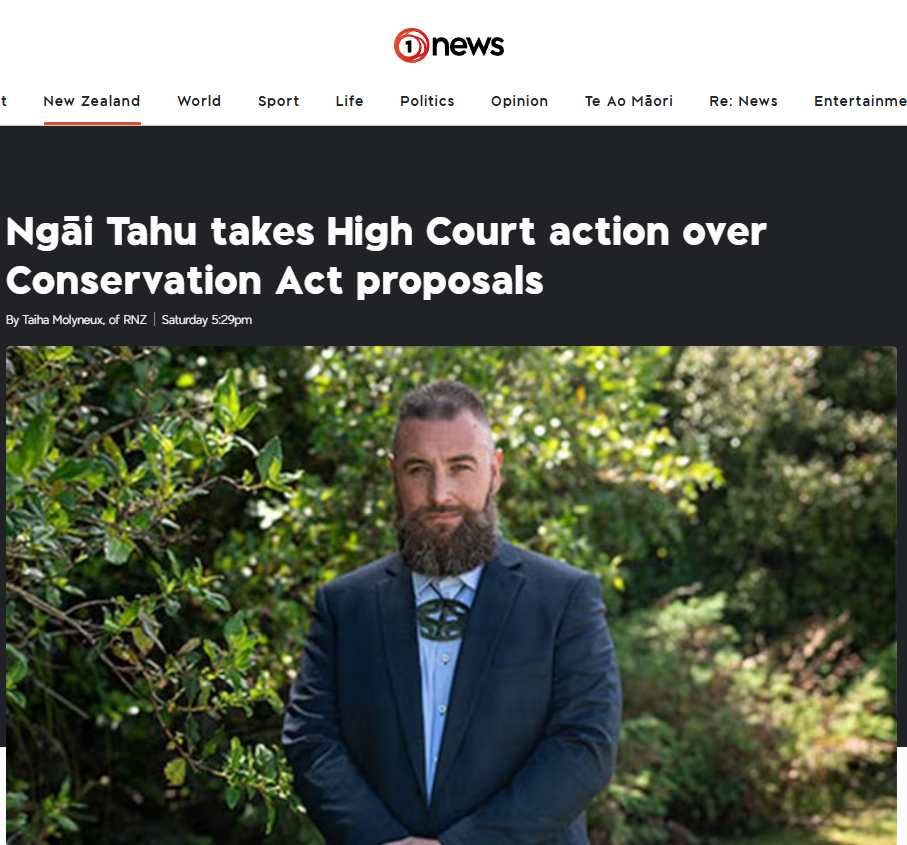
When Ngāi Tahu Kaiwhakahaere Justin Tipa states his iwi has “no other choice” but High Court action, he exposes a 176-year pattern of Crown amnesia. The current National-led government, through Conservation Minister Tama Potaka, proposes to “streamline” conservation management while centralising power in ministerial hands. But beneath this bureaucratic language lies a calculated assault on the Ngāi Tahu Deed of Settlement that has stood for nearly three decades.
The proposals would enable 60-year concessions for “critical infrastructure” on public conservation land—effectively privatising by stealth the whenua Ngāi Tahu fought to protect. Two-thirds of New Zealand’s entire conservation estate sits within Ngāi Tahu rohe, making this not merely an administrative change but an existential threat to Māori rangatiratanga.
Background: The Settlement That Wasn’t Settled
The 1998 Deed: A Fragile Peace
The Ngāi Tahu Claims Settlement Act 1998 emerged from New Zealand’s most comprehensive Waitangi Tribunal inquiry, the 1991 Ngāi Tahu Report. After 150 years of sustained petitioning, legal action, and political dialogue spanning seven generations, the Crown finally acknowledged it had acted “unconscionably and in repeated breach of the Treaty” in its land dealings with the tribe, as documented in Te Ara’s Ngāi Tahu settlement history.
The settlement package—valued at $170 million—represented less than one cent on the dollar for land valued at $13 billion in its original state. Yet Ngāi Tahu accepted it in good faith, believing the Crown’s promise of partnership. The Deed explicitly guaranteed Ngāi Tahu representation in conservation decision-making through statutory rights to nominate members to Conservation Boards, co-opted positions through Conservation Board powers under section 6Q, and rights to develop and approve Conservation Management Strategies, as detailed in Ngāi Tahu’s own settlement documentation.
Crucially, Section 12.9.2A of the Deed required the Crown to “actively protect the Māori right to rangatiratanga or stewardship” over conservation areas, a provision highlighted in official government settlement papers.
The Conservation Act’s Treaty Obligation
Section 4 of the Conservation Act 1987 contains the strongest Treaty clause in New Zealand legislation, stating the Act must “be interpreted and administered as to give effect to the principles of the Treaty of Waitangi.” This isn’t aspirational language—it’s a mandatory legal requirement that the Supreme Court affirmed in the 2018 Ngāi Tai ki Tāmaki case, ruling that DOC must properly give effect to Treaty principles when granting concessions, as reported by RNZ.
The Proposal’s True Face
What Potaka Is Actually Proposing
In August 2025, Tama Potaka released consultation documents titled
“Modernising Conservation Land Management” that contain several radical changes, as revealed by RNZ’s political reporting:
- Centralised Ministerial Power: Shifting decision-making from Conservation Boards and the NZ Conservation Authority directly to the Minister
- 60-Year Concessions: Granting private interests concessions up to 60 years for “critical infrastructure”
- Mass Land Disposal: Making five million hectares—over 60% of public conservation land—eligible for sale or exchange
- Streamlined Processes: Pre-approving certain commercial activities and reducing public notification requirements
Potaka claims these changes address a concession backlog that “sometimes take years to process.” But the backlog itself is a manufactured crisis—DOC’s own data shows it has been systematically underfunded and understaffed, with 96 jobs cut nationally in recent restructuring, as documented by 1News.
Analysis: Five Hidden Connections Exposed
Revelation 1: The Fast-Track Connection
The conservation proposals didn’t appear in isolation. They emerged directly from the same policy network behind the controversial Fast-track Approvals Bill, which lists 149 development projects including previously rejected seabed mining and coal mines. Conservation Minister Tama Potaka sits alongside Infrastructure Minister Chris Bishop and Regional Development Minister Shane Jones in a coordinated assault on environmental protections, as exposed by The Spinoff’s investigative reporting.
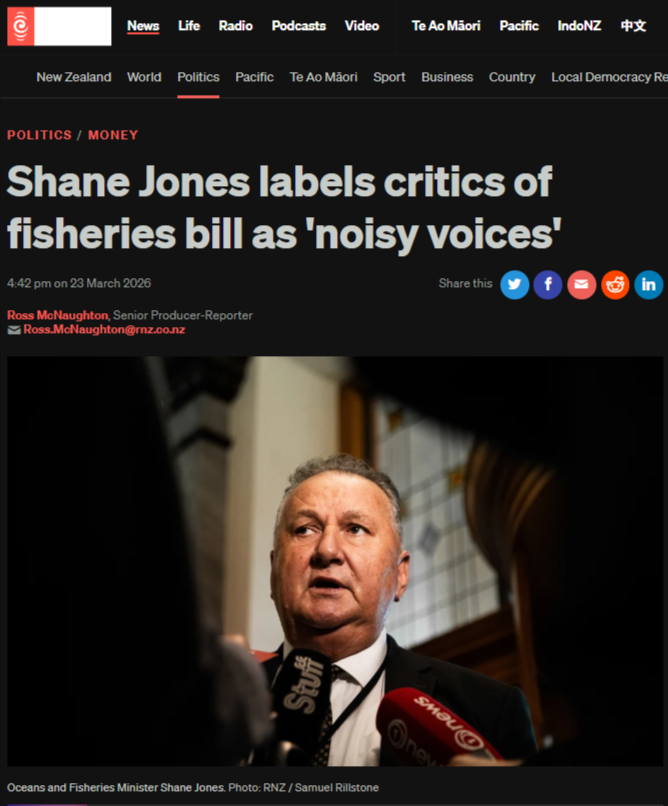
Documents reveal Potaka was explicitly advised by officials not to allow commercial fishing in Hauraki Gulf protection zones, yet six days later he sided with industry lobbyists, according to NZ Herald reporting. This pattern—rejecting expert advice to serve commercial interests—now extends to the entire conservation estate.
Revelation 2: The 60-Year Privatisation Mechanism
The “60-year concession” provision is a carefully designed privatisation tool. Under New Zealand law, concessions exceeding 30 years create de facto property rights that can be assigned, mortgaged, and sold. This transforms public conservation land—held in trust for all New Zealanders—into bankable assets for private infrastructure companies.
What’s hidden in the fine print:
these concessions will be granted through a “competitive allocation process” rather than assessed on conservation merit. This market-driven approach prioritises the highest bidder, not the best environmental steward, as warned by Wilderness Magazine’s analysis.
Revelation 3: The Ngāi Tahu Settlement Bypass
Potaka’s proposals directly violate multiple Ngāi Tahu settlement provisions. The Deed guarantees Ngāi Tahu “co-option” powers for Conservation Board membership, but the proposals effectively disestablish board decision-making authority. When boards have no power, representation becomes meaningless, as Justin Tipa explained to 1News.
More sinisterly, the changes remove requirements for Conservation Management Strategies—a key mechanism through which Ngāi Tahu exercises rangatiratanga. In 2020, the iwi successfully halted government stewardship land reclassification precisely because the Crown failed to involve Ngāi Tahu in developing these strategies, as documented in previous legal action reported by RNZ.
Revelation 4: The Institutional Capture Network
The proposals reflect complete capture of DOC by neoliberal economic ideology. Former DOC director-general Lou Sanson warned in 2021 that the department was being transformed from biodiversity protector to “land-use manager.” The current restructuring goes further—DOC’s own consultation document proposes reducing biodiversity protection to a “secondary focus” behind economic development, as revealed by Forest & Bird’s analysis.
The network includes:
- Seafood New Zealand: Successfully lobbied for commercial fishing in marine protection zones
- Tourism Industry Aotearoa: Pushing for faster concession approvals despite conservation impacts
- Federated Mountain Clubs: Warned the changes represent “unprecedented” power concentration, as reported by E-Tangata
Revelation 5: The Mauri-Depleting Calculation
Two-thirds of public conservation land sits within Ngāi Tahu rohe, representing approximately 4.9 million hectares and over 80% of the South Island’s conservation estate, according to RNZ’s coverage of the legal action. The proposals would make nearly all of this eligible for long-term privatisation.
The financial calculus is stark: DOC currently generates $50-60 million annually from concessions. Potaka aims to “unleash economic growth” by dramatically expanding commercial access, potentially generating hundreds of millions in private profit while DOC’s biodiversity budget remains starved.
This represents a transfer of wealth from the public commons—where it sustains mauri (life force)—to private hands where it generates shareholder returns. The mauri-depleting activities (mining, intensive tourism infrastructure) will be prioritised over mauri-enhancing kaitiakitanga.
Implications: Quantified Harm and Action Pathways
The Scale of Treaty Breach
Ngāi Tahu’s High Court action is not merely defensive—it’s protective of constitutional order. The Crown’s proposals constitute systematic Treaty breach by:
- Eliminating partnership: Removing shared decision-making forums
- Negating active protection: Prioritising commercial interests over Māori values
- Undermining rangatiratanga: Rendering settlement rights meaningless
- Ignoring good faith: Failing to engage meaningfully with iwi before announcing changes
As Tipa told Waatea News,
“Unfortunately, the advice we attempted to give fell on deaf ears and they went ahead with these proposals that would undermine the integrity of the Ngāi Tahu settlement.”
Economic Impact Analysis
The privatisation model creates perverse incentives. When conservation land becomes a revenue generator through long-term concessions, DOC’s institutional purpose shifts from protection to property management. This mirrors the failed state asset sales of the 1980s-90s, where public utilities were stripped for short-term gain.
For Ngāi Tahu, the cost is measured in more than dollars.
As Justin Tipa notes,
“Governments come and go, and they have no institutional memory of their commitment, so we are compelled to spend significant amounts of our settlements defending and protecting our settlements,” as reported by NZ Herald. This diverts resources from housing, health, and education for Ngāi Tahu whānau into legal fees to force the Crown to honour its word.
The Democratic Deficit
The proposals gut public participation. Conservation Boards—comprising community and iwi representatives nominated democratically—would be sidelined. Public notification requirements would be reduced. The New Zealand Conservation Authority, an independent statutory body, would lose its decision-making power, as detailed in RNZ’s analysis of the proposals.
This represents a fundamental shift from collaborative governance to executive decree, reminiscent of the colonial-era practices that necessitated Treaty settlements in the first place.
Rangatiratanga Requires Vigilance
Ngāi Tahu’s High Court action is rangatiratanga in practice—exercising chiefly authority to protect the whenua for future generations. The iwi’s position is clear: either the changes are scrapped, or the Crown faces protracted legal battle.
The hidden network behind these proposals—commercial lobbies, captured ministers, and neoliberal ideologues—counts on public apathy and institutional exhaustion. They assume Ngāi Tahu will eventually accept another compromised settlement.
But this is not 1998. Māori have witnessed seven generations of Crown duplicity. The Supreme Court has affirmed Treaty principles as enforceable law, not political preferences. And Ngāi Tahu brings to the High Court not just legal arguments but the mātauranga of kaitiakitanga—knowledge forged over centuries of observing ecological balance.
The path forward requires:
- Immediate withdrawal of the August 2025 proposals
- Full restoration of Conservation Board authority
- Co-design process with iwi for any legislative reform
- Legislative entrenchment of Ngāi Tahu settlement provisions to prevent future assaults
As Justin Tipa declares:
“I don’t have a lot of faith. I’ve seen this Government consistently overturn the rule of law.”
But faith is unnecessary when you have tikanga, whakapapa, and the taiaha of truth. The Ring glows green not for those who trust, but for those who verify—and act.

Ivor Jones The Māori Green Lantern Fighting Misinformation And Disinformation From The Far Right exposes the networks. The people must decide whether conservation land serves mauri or money. Rangatiratanga demands no less.
Data Visualisations
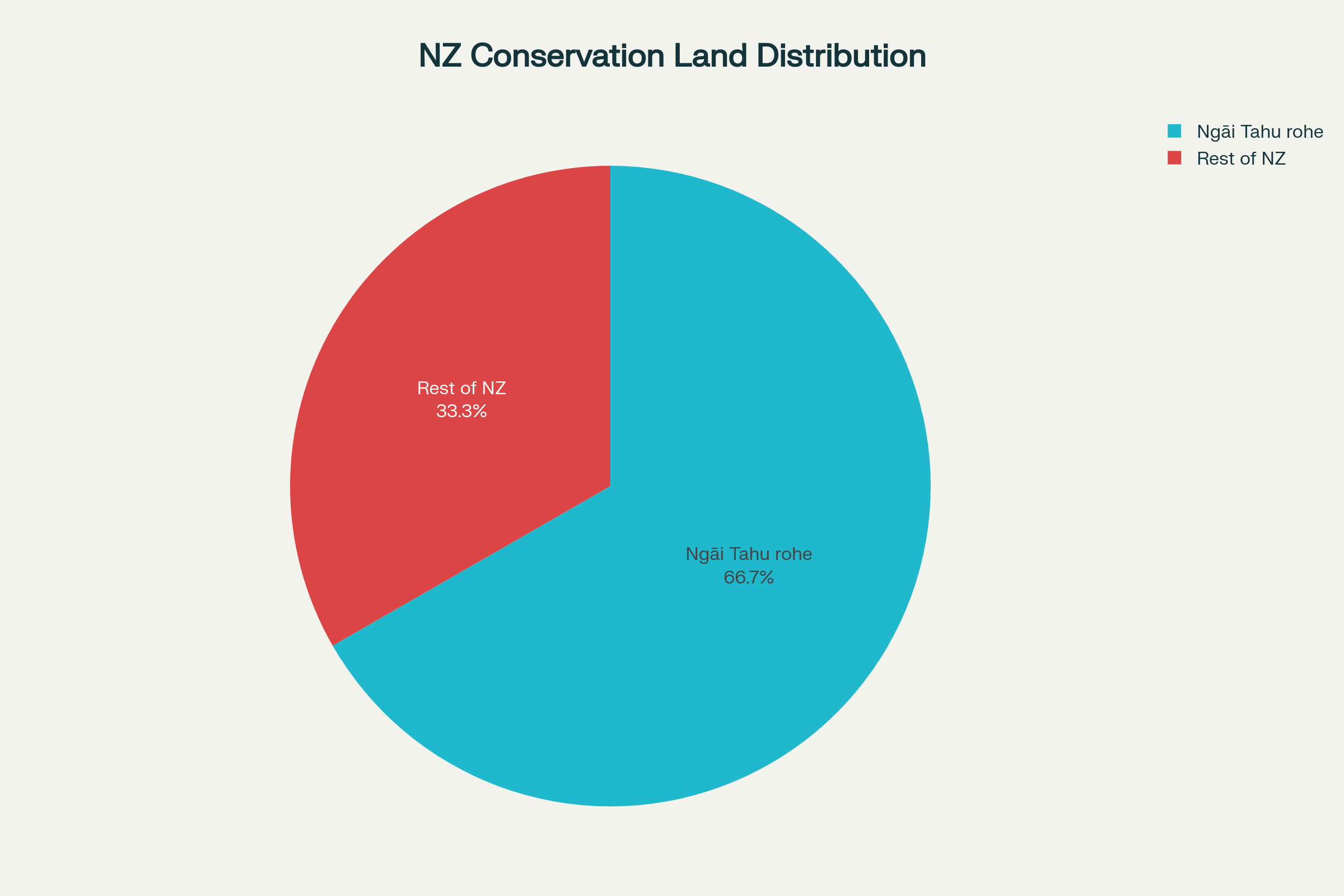
Chart 1: Public Conservation Land Distribution