“The Equation Nobody Wants to Discuss: How Māori Seats Could Unseat This Government” - 30 November 2025
Why Labour’s strategy to “win back” the Māori electorates might be the best gift Christopher Luxon ever gets
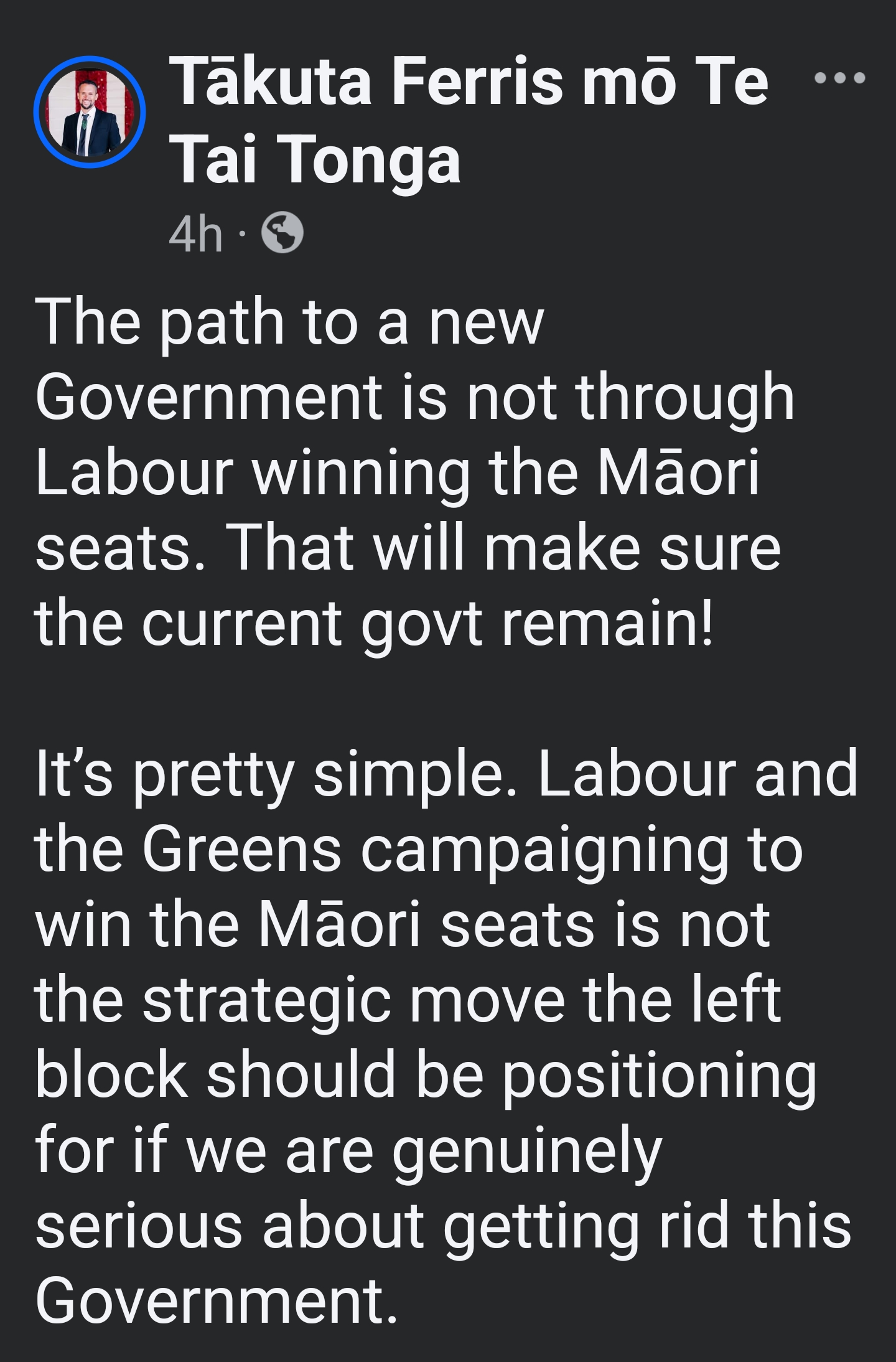

Tākuta Ferris has walked away from the Te Pāti Māori waka—or rather, he was pushed. On November 9, 2025, the party’s national council voted to expel him and Mariameno Kapa-Kingi following weeks of internal factional warfare, as reported by 1News. Ferris contested the decision as “plainly unconstitutional” and refused to resign, choosing instead to sit as an independent MP for Te Tai Tonga. He has been stripped of his party colours, but as he made clear in a defiant interview with RNZ, he retains something far more dangerous to the status quo: a calculator.
His latest intervention exposes a mathematical flaw in the Left’s 2026 election strategy that has become the worst-kept secret in Wellington:
Labour winning Māori electorate seats actively helps Christopher Luxon remain Prime Minister.
This isn’t political rhetoric. It is the cold, hard arithmetic of the Mixed Member Proportional (MMP) system.
The Leverage Nobody Talks About
New Zealand’s MMP system is designed to ensure a party’s total presence in Parliament mirrors its overall share of the party vote. If Labour wins 30% of the vote, they get roughly 36 seats. Crucially, as explained by the Electoral Commission, it does not matter if they win zero electorate seats or all 36; their total count remains capped by that party vote percentage.
When Labour wins a Māori seat, they do not gain an extra MP. They simply fill one of their quota spots with an electorate MP instead of a List MP. The total number of boots on the ground for the Opposition remains unchanged.
But the equation changes when a party wins more electorate seats than their party vote entitles them to. This creates an “overhang,” expanding the size of Parliament. We saw this in 2023, when Te Pāti Māori secured six of the seven Māori electorates despite winning only 3.08% of the party vote, according to official results from Elections NZ.
Because the system could not strip those winners of their seats, Parliament expanded. After the Port Waikato by-election, the House sat at 123 MPs, meaning the “winning line” to form a government rose to 62 seats, a mechanic detailed by Russell McVeagh.
The 2026 Trap
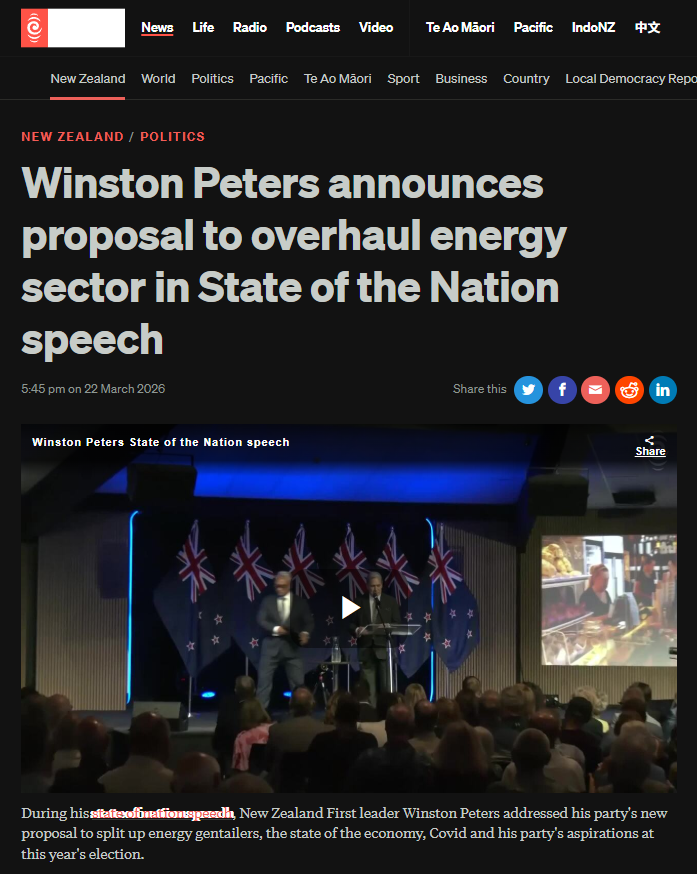
Ferris is arguing for a “super-overhang” strategy. If independent or Te Pāti Māori candidates were to sweep all seven Māori seats while retaining a low party vote, Parliament would expand to roughly 128 seats. In a 128-seat House, a government needs 65 seats to command a majority.
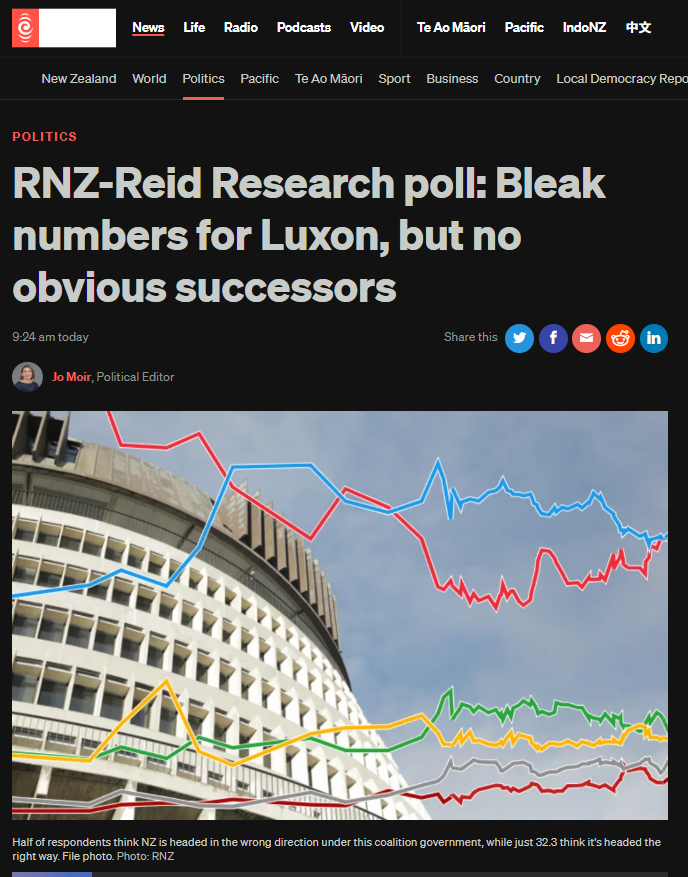
This is where the National-led coalition is vulnerable. Recent polling by the Taxpayers’ Union places the Centre-Right coalition (National, ACT, and NZ First) at approximately 62-63 seats. Under a standard 120-seat Parliament, that is a comfortable victory. But in a bloated 128-seat Parliament, 63 seats is a minority.
By expanding the denominator, the Left could raise the bar just high enough to make the coalition’s current polling numbers insufficient to govern.
Labour’s “Suicide” Strategy
Despite this mathematical reality, Labour is heading in the exact opposite direction. On November 27, Labour leader Chris Hipkins announced the party would campaign “vigorously” to reclaim all seven Māori seats. Speaking to media at the party’s AGM, Hipkins claimed that “voting Labour guarantees you a change of government,” as covered by RNZ.
Mathematically, this claim is false. If Labour succeeds in winning back the Māori seats:
- The overhang disappears.
- Parliament shrinks back to 120 or 121 seats.
- The majority threshold drops back to 61.
- The coalition’s projected 62-63 seats secure them a second term.
By targeting these seats, Labour is effectively campaigning to lower the winning threshold for Christopher Luxon. As Waatea News reports, the party has already begun mobilizing resources for this “all-out” approach, prioritizing seat capture over strategic leverage.
The Split Vote Solution
Ferris’s counter-proposal is the “Split Vote” strategy:
- Party Vote: Labour or Greens (to maximize the Left’s core proportional allocation).
- Electorate Vote: Independent Māori or Te Pāti Māori candidates (to force the overhang).
This tactical voting is not without precedent. It mirrors the survival strategy used by minor parties in previous elections, similar to the deal-making that sustained the Key government, a history noted in analysis by the NZ Herald.
However, for this to work in 2026, it requires a level of coordination the Left currently lacks. Ferris is no longer inside Te Pāti Māori to drive this strategy, having been expelled after accusing leadership of “despicable treatment” regarding the late MP Takutai Tarsh Kemp, allegations reported by RNZ.
The Conclusion
Tākuta Ferris has been exiled to the crossbenches, but his calculator remains the most dangerous weapon in the Opposition’s arsenal. He has correctly identified that in a tight race, the size of the playing field matters as much as the score.
Labour’s insistence on fighting for the Māori seats is a traditional reflex in a non-traditional battlefield. If they succeed, they may well win the battle for Te Tai Tonga, only to lose the war for the Treasury benches. Unless the Left can coordinate a split-vote strategy that games the overhang, the math suggests the current government is safer than the headlines imply.

Ivor Jones The Māori Green Lantern Fighting Misinformation And Disinformation From The Far Right
Support The Māori Green Lantern
Whānau supporting The Māori Green Lantern can choose from three flexible pathways aligned with tikanga Māori principles of manaakitanga, whanaungatanga, and rangatiratanga.
Via Koha.Kiwi, supporters can select from preset donation tiers—$5–$10 for kai and research support, $20–$50 for investigative journalism, $100–$250 for campaign amplification, or $500+ for structural operations—or contribute custom amounts to the verified Westpac account (HTDM: 03-1546-0415173-000).
Via Substack, readers can access all free content, or select a paid tier—Supporter ($5–$10/month), Advocate ($15–$25/month), or Guardian ($50+/month)—for recurring direct funding and increasing levels of engagement.
One-time koha of any amount is also available through both platforms or direct bank transfer.
All koha methods offer complete transparency: Koha.Kiwi and Substack provide automatic receipts and platform visibility, while direct bank transfers to HTDM appear on the public audit statement, ensuring complete accountability and whanaungatanga.
Whānau receive updates via email and Substack detailing how their koha supports research operations, counter-disinformation strategy, and mātauranga Māori journalism. Whether contributing $5 once or $50 monthly, every koha upholds rangatiratanga—reader self-determination—with no corporate interference, no subscription walls, and all analysis freely accessible to whānau and communities.
Donate now:
- Koha.Kiwi
- Substack (paid subscription)
- Bank: HTDM – 03-1546-0415173-000